

How much do you know about calcium? What are the benefits of calcium for women, men and the overall health of the body? Calcium is one of the most important minerals needed by the human body, which is stored in bones and teeth. Not only is it involved in the bone structure of the body, it also affects muscle function, the transmission of nerve messages and the regulation of heart rate. In this post, we will tell you all the properties of calcium and introduce the sources of receiving it.
What is calcium and what are its types?
Calcium is the most abundant mineral in the body. The body needs calcium to build and maintain strong bones and do everyday tasks. More than 5 % of the calcium in our body is stored in the bones and teeth, and the rest is available throughout the body in the blood, muscle and fluid between cells.
Types of calcium in general
| Type of calcium | Source |
|---|---|
| Ion calcium | Blood, body fluids |
| Bone calcium | Bones and teeth |
| Food calcium | Dairy, vegetables, nuts |
| Incorrect calcium | Nature, stones, supplements |
| Organic calcium | Supplements, processed foods |
Types of calcium in supplements
| Type of calcium | Relative absorption | Need to consume with food | Features and points |
|---|---|---|---|
| Calcium Carbonate (Calcium Carbonate) | About 1–2 % | Yes, absorbing better with food | The most common and cheapest type of supplement; Have the highest amount of elemental calcium; May cause bloating or constipation. |
| Calcium Citrate (Calcium Citrate) | About 1–2 % | No need | Better absorption even with an empty stomach; Suitable for older people or with gastrointestinal problems; It is less elemental calcium than carbonate. |
| Calcium Lactate (Calcium Lactate) | Medium | No need | Easy absorption, but containing low amount of elemental calcium; Less common in supplements. |
| Calcium Gluconate (Calcium Gluconate) | Down | No need | Very low amount of elemental calcium; It is mostly used in injectable or hospital supplements. |
| Calcium Phosphate (Calcium Phosphate) | Medium | Yes, absorbing better with food | Well -absorbed; Lesserly cause gastrointestinal problems; It also contains phosphorus. |
| Calcium with Vitamin D3 (Combined) | Variable, improved | Depending on the type of calcium base | A very effective composition for better absorption of calcium; Recommended to prevent osteoporosis. |
| Calcium Chloride (Calcium Chloride) | Top (injectable) | No need | Most used in emergency and injectable cases in the hospital; Not suitable for daily oral consumption. |
The role of vitamin D in calcium absorption
Vitamin D is important for calcium absorption. However, according to the Iranian Ministry of Health reports, there are a large number of Iranian adults deficiency. Vitamin D and Calcium supplements may help you get these nutrients sufficiently if they are deficient.
What are the properties of calcium? What is the role of calcium in the health of the body?
Getting enough calcium can help your body in different ways, especially by maintaining bone health and strength. 2% of our body’s calcium is stored in the bone. In this section we will introduce the most prominent properties of calcium. Also remember that regular exercise and calcium sufficiently have the most impact on the health and strength of your bones.
1. Help bone and teeth strength
Your body is constantly decomposing and regenerating bone and needs calcium to help bone regeneration. Calcium is also effective in maintaining tooth enamel and preventing caries. About 1 % of the body’s calcium is stored in the bones and teeth.
Although your genes first determine your bone mass, calcium can also be an effective factor. The role of calcium in structure and bone strength is crucial; Especially during growth, puberty, pregnancy, and menopause.
Adequate calcium intake prevents osteoporosis (osteoporosis) and bone fractures at an early age.

2. Help to contraction and normal muscle function
For any type of muscle movement, from blinking to walking, the body needs calcium. Calcium enters the muscle cells and begins to shrink muscle. Calcium deficiency can lead to Cramp, spasm, or muscle weakness Become.
1. Vital role in nervous system function
One of the properties of calcium is its role in the functioning of the nervous system. Calcium plays a key role in transmitting nerve messages between nerve cells. Without calcium, messages cannot be transferred properly from neurons. Proper brain function, concentration, memory, and rapid nerve responses depend on enough calcium.
1. Adjust the heartbeat
Another properties of calcium is the regulation of heart rate. Calcium is involved in regulating the rhythm and contraction of the heart muscle. Calcium imbalances can cause heart rate disorder.
1. Help the secretion of hormones and enzymes
Calcium helps secrete gastrointestinal enzymes, insulin and other hormones. These activities are essential for digestion, regulation of blood sugar, and general body metabolism.

1. Prevention of high blood pressure
Studies show that adequate calcium intake can help regulate blood pressure. Calcium plays a role in reducing blood pressure by affecting the vessel wall and the sympathetic nervous system.
1. Pregnancy health and fetal growth
Another properties of calcium is for pregnant women. Pregnant women need more calcium to grow fetal skeletons. Also calcium in prevention Pre -anclampsia (Increased pregnancy blood pressure) is effective.
Calcium Properties for Women
To briefly say the benefits of calcium for women, we should mention the following.
- Reduce the risk of osteoporosis during menopause
- Help bone health in pregnancy and lactation
- Improving Symptoms of Premenstrual Syndrome (PMS)
Calcium Properties for Men
Getting enough calcium for men has the following benefits:
- Preserving bone density at an early age
- Reduce the risk of high blood pressure
- Help muscle function and prevent muscle cramps
Complications of calcium deficiency in the body
Now that we said about the properties of calcium, it is better to point out the deficiencies. Not getting enough of this important substance can be harmful to your health and have a bad impact on the quality of your life. The complications of its deficiency include the following.
Osteoporosis
Children need calcium to build strong bones and adults to maintain strong bones. Over time, inadequate receiving it can cause osteoporosis.
People with osteoporosis are exposed to bone fractures, especially in the wrist, pelvis and spine. These fractures cause chronic pain and disability, loss of independence, reduced quality of life, and so on.
Hypocalcemia
Apart from osteoporosis, since calcium is needed for many vital functions, if you do not get enough in your diet, your body will take Calcium from the bones. The severe deficiency of this mineral can lead to conditions called hypochulummia and lead to the following symptoms:
- Needle
- Abnormal heart rhythm
- Muscle cramps
- Low appetite
- Seizures

Other complications of calcium deficiency
In addition, research shows that the deficiency of this important substance may be accompanied by other conditions, including:
- Kidney stone
- Peclampsia
- High blood pressure
- Prostate cancer
Symptoms of calcium deficiency in the body
If the body has calcium deficiency, you may experience symptoms such as:
- Cramping and spasm
- Fingerprint
- Nail fragility
- Excessive fatigue
- Osteoporosis and frequent fractures
- Articular pain
- Anxiety, depression and mood disorders
Introducing foods containing calcium
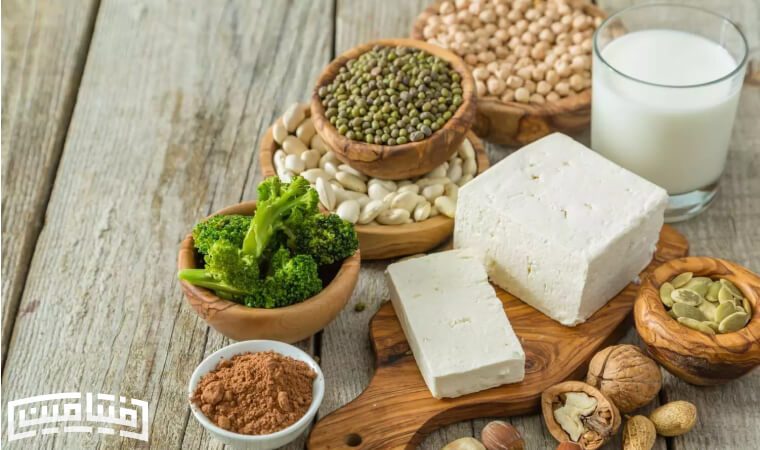
The best way to get Calcium is to get it from natural resources in the diet. Food sources are more and better than supplements. Foods rich in this substance contain other important nutrients that your body needs, such as protein, iron, vitamin A, vitamin D and vitamin C. In the following table, we provide some of the best food sources to provide the body with calcium.
| Food | Consumption size | The amount of calcium (mg) |
|---|---|---|
| Spinach | Half a cup | 1 |
| Low -fat yogurt | 1 gram | 1 |
| Orange juice | One cup | 1 |
| Cheddar cheese | 2 grams | 1 |
| Lean milk | One cup | 1 |
| Tofu enriched with calcium | Half a cup | 1 |
| Salmon fish | 2 grams | 1 |
| Sriil or cereal | One cup | 1 |
| Almonds | A quarter cup | 1 |
| Cabbage | One cup | 1 |
| Sardin fish | Two fish | 1 |
| Chia Sid | One tablespoon | 1 |
| Chickpea beans | One and a half cups | 1 |
| Apples with skin | An average number | 1 |
| Broccoli | A fate | 1 |
The benefits and complications of supplements and calcium pills
The best way to absorb calcium and benefit from calcium properties are the foods we eat and the drinks we drink. For most healthy patients and people, it is important to have a balanced and nutritious diet rather than relying on supplements.
Those who can’t get enough calcium daily from food and drinks are needed to supplement them.
Benefits of calcium supplements
- Compensation for calcium deficiency in people who cannot get enough of a diet
- Prevention of osteoporosis in the elderly
- Support for maternal and fetal health during pregnancy
Possible complications of calcium supplements
- Constipation
- Kidney stones at high doses
- Interfere with the absorption of iron and zinc
- Calcium deposition in the vessels in long -term use without medical control
Tip: Calcium supplements should be adjusted under the supervision of a physician or pharmacist based on the body’s need.
Authorized amount of calcium
In general, the safe amount of calcium is as follows:
- Adults aged 2 to 5 should not receive more than 2 mg daily (including food and supplements).
- Adults over the age of 5 should not consume more than 5 mg / day.
Final speech
Calcium is one of the most important vital elements that our body needs to function. Adequate intake of this mineral (whether through nutrition or supplement) has a key role in maintaining bone health, muscles and nervous system. In this post we introduced the types of calcium properties and introduced calcium -containing foods.
Sources: Verywellhealth – My.ClevelandClinic

RCO NEWS
RCO