


Are you stressful and anxious and are looking for a way to control stress? Sometimes living conditions become very complicated and difficult as if we are drowned in an ocean of cortisol (stress hormone), and as we swim, we just become more and more humorous!
You may have been thinking about a series of ways to control and reduce stress that are hard and out of reach, or even unhealthy; But we introduce you to a list of 4 stress reduction strategies that can easily help restore relaxation in today’s turbulent life. You don’t have to spend a lot of time or thought to control stress.
Eliminate stress forever
Removing stress forever is not completely possible! Because stress is a natural part of human life and is even essential in cases (for example, for rapid reaction in dangerous situations or doing things at a specific time). Of course, stress should always be managed and controlled by you. Here are some ways to manage and control stress.
Effective strategies to control stress
Sometimes stress makes our lives disrupted and it is difficult for us to do the simplest things. But fortunately there are many ways to solve this problem. In this section we want to introduce the most effective strategies that control and manage stress and anxiety.
1. Exercise or have some kind of mobility!
Almost any form of physical activity can act as a stress reduction. No need to be athlete, just get out of stagnation and work; Even home cleaning or gardening affects stress.
Physical activity can increase endorphins and other joyful hormones in the body. Exercise can also concentrate your mind, improve your mood, and increase your tolerance for stress and anxiety. Walking, slow two, cycling, swimming, bodybuilding or anything else that keeps you active, is to deal with excellent stress.
2. Try yoga!
Yoga is always a very good friend for times when you have stress! Yoga can calm down and soothe your physical and mental stress to make your stress less and more relaxed.
Yoga based on deep breathing, focusing on physical movements and a series of mental exercises (such as the release of thoughts) can reduce the level of cortisol (stress hormone) in your body and lead you to relaxation. Also, yoga can help you experience sleeping, increased energy and reduced body pain.
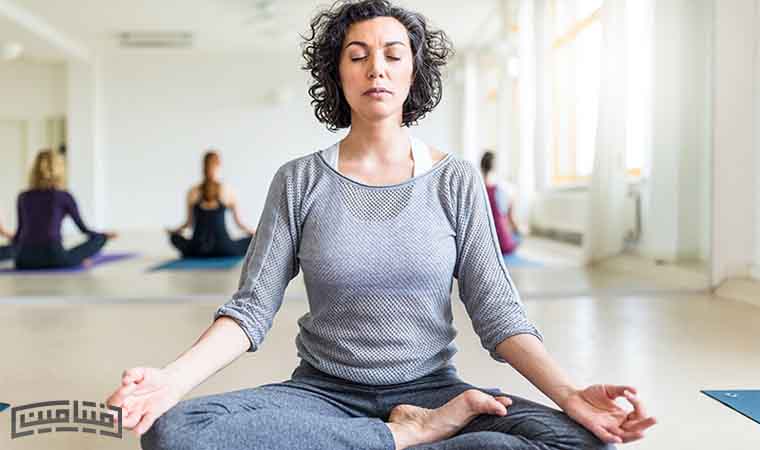
1. Do meditation!
During the meditation, you focus your attention and turn off the flow of tangible thoughts that may make your mind crowded and stress. Meditation can induce a sense of peace, peace and security, which helps both your emotional and overall health.
Different forms of meditation such as meditation, illustration, yoga, or thanksgiving can be done anywhere and at any time. We also recommend that you learn deep and conscious breathing so that you can do it anywhere to control anxiety.
1. Have a healthy diet!
Having a good nutrition affects the level of stress and mood. Having a healthy diet is an important part of your care. Try to use all kinds of fruits and vegetables and whole grains to reduce your stress.
1. Avoid unhealthy eating habits!
Excessive consumption of caffeine or alcohol, smoking, eating too much, or taking a series of medications (without a doctor’s prescription) may be the way to cope with stress. But these habits are very unhealthy and wrong, which can end at a very expensive price for your health or life.
1. Eat some bitter chocolate!
Only one piece (about 2 grams) of sweet ingredients can calm your nerves. Bitter chocolate regulates the level of stress hormone (cortisol) and gives a sense of happiness.
1. Take your calm drinks for yourself!
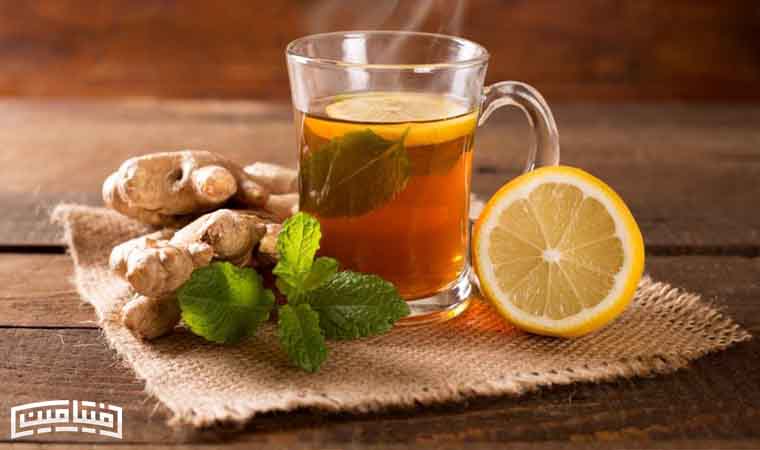
A series of drinks can help reduce stress and anxiety. We recommend preparing these materials until each time you have a severe anxiety for itself.
- Rose teaA: Since this tea contains strong flavonoids and antioxidants, it can help reduce stress.
- Thyme teaThyme tea can relax and reduce your irritability.
- MintA: Peppermint tea (or adding mint leaves to tea) can reduce stress and is especially useful for those with gastrointestinal problems.
- Lemon syrup: Lemon syrup helps reduce stress and irritability, and can also boost your immune system.
- Honey syrupHoney syrup can reduce stress and improve your sleep.
- Sufficiently waterA: Even if these drinks do not have a positive effect on your stress, consuming water enough can help you reduce stress.
TipA: Consuming alcohol, coffee, and high levels of sugar and fat instead of reducing stress may increase your anxiety. So don’t go for stress.
1. Chew gum!
Chewing gum is an amazing and easy way to overcome stress. Regardless of taste, just a few minutes chewing gum can reduce anxiety and lower cortisol levels.
1. Set under the sun and breathe fresh aerobic!
Activities such as sunlight or fresh air are well known to reduce stress. Nature is a reliable source of peace and tranquility, and doing activities such as outdoor hiking, opening a window at home or even bringing home flowers can help you reduce your stress.
Sunlight is recognized as an important source of vitamin D production that contributes to improving general health and reducing stress. Fresh and natural air can also help you to relax and experience less stress.
1. Laugh more!
Yes! Laugh more! Laughing or watching comedy films cannot cure all the diseases, but it can help you feel better, even if it’s a fabricated laugh. When you laugh, not only will the burden and pressure from the mind, but also a series of positive physical changes in your body.
Laughter, like a cool water on stress, turns it off and your mood is a little better. Reading a series of jokes and jokes, watching a short comedy video, or socializing with humorous friends can calm and eliminate stress. You can even try laughing yoga! Laughing yoga means getting together, looking at each other and just laughing.

11. Communicate with others!
When you are stressful and angry, you may feel that you like to be alone, but this will make you more stressful. When you are very anxious and pressured, be sure to contact your family and friends and make social communication.
Social contact is a good soothing stress because it can distract you from negative emotions, at the same time receive emotional support for your loved ones, and you can easily endure the ups and downs of life.
12. Try charity voluntary activities!
Consider volunteering to join a social group with humanitarian or environmental concerns to help yourself while helping others. Doing useful things for the community and the environment will give you a sense of satisfaction and happiness.
In addition, doing such things allows you to get acquainted with new people and expand your communications network, which helps reduce stress and reduce loneliness.
1. Don’t learn to say!
Learning to say no can help you manage your tasks and stress. If you say yes to everyone’s request, you will soon have a lot of trouble and trouble! But otherwise, it will cause you an internal conflict because your needs and your family are second -degree that can lead to stress, anger and resentment.
1. Sleep enough!
Stress can disrupt your sleep; But at the same time, a poor quality program for sleep also leads to stress.
When you have a lot of work to do and you are very busy, your sleeping plan may be shattered; While “sleep” is when your brain and body are charged.
The quality and amount of sleep you receive affect your mood, energy level, concentration and overall performance. Therefore, it is recommended that you have a regular sleep plan and if you need to get help from a consultant or doctor.
1. Write your daily thoughts!
Writing one’s own thoughts and feelings can release the immersed emotions and reduce stress; Exactly the same emotions that you have become anxious to suppress.
When writing, don’t think that “what to write?” – But just take paper and pencil and let your thoughts flow into the paper. Write whatever comes to your mind. No one else needs to read it, so don’t think about grammar or spelling.
1. Listen to music!
Listening or playing music is a good soothing stress because it can cause distraction, reduce muscle tension, and reduce stress hormones. Slow music like the piano, or even the sound of nature, play loudly and let your mind get the music.
If music is not one of your interests, focus on another entertainment that you enjoy, such as gardening, cooking, design. Everything that requires you focuses on what you do.
1. Make a safe area at home for yourself!
Make a simple space in the bedroom, a yard or anywhere else at home that is completely stressful and you can go there for rest. Put a comfortable chair, turn on the incense and spend a few minutes, close your eyes to master your stress.

1. Sort the house!
Coordination can cause stress. Take a few minutes to reorganize your desk (or room, or the whole house) and put everything in it.
1. Get advice!
If new stressful events have happened in your life, you may not be able to deal with this pressure alone and you will need to consult.
When talking to a counselor, you express your issues and concerns. Listening to and understanding your condition deeply, the counselor can offer you new solutions for treatment and stress management. But the most important benefit of the counselor is that it can help you identify the misconceptions and behavioral patterns that lead to your stress and change them with help.
In addition, the consultant can help you reduce stress by providing a variety of techniques, such as respiratory exercises, meditation and exercise.
1. Count 1 from 1!
When the worries are rampant, try to count up to 2 slowly and then count from 1 to 1 to calm down. This temporarily throws your mind out of the subject that has made you feel bad, and you will have the opportunity to think of a new solution.
1. Press a ball (or doll)!
Take a small ball and press it when you are severely stressed. This is an easy, portable and violent way to control stress and stress.

1. Care your pet!
After spending a hard day, hug your pet and let the caress and love that is going on will create good emotions and eliminate your stress. Having a pet increases self -esteem and reduces social exclusion.
1. Take cold water on your wrist!
When your stress is severe, pour some cold water on your wrist and back tulip. Right below these parts are the main arteries, which cooling these areas will help your whole body relax and overcome stress.
Is medication good for stress?
Stress is naturally part of life, but if it becomes severe and chronic it may require medication treatment. If the stress is chronic and prolonged and disrupts one’s daily function (symptoms such as insomnia, irritability, gastrointestinal problems, inability to concentrate or social and social performance), or when the non -pharmacological methods we mentioned above may not be answered.
Practicing the drug to control stress is not a scary or strange phenomenon, and if your doctor gives such a diagnosis, be sure to follow him carefully. But the point is to take the medication under the supervision of your doctor and be exactly the type of medications and the dose of the doctor.
Medications prescribed to control chronic stress usually fall into the group of serotonin reuptake inhibitors (SSRIS), benzodiazepines, beta -blockers, and antidepressants, but again, we repeat that arbitrary administration is prohibited!
Final speech
There are several ways to control and treat stress. The type and amount of daily mobility, nutrition and ultimately your lifestyle have a great impact on your level of anxiety. To treat stress, you need to make the changes we’ve said in your life.
Frequently asked questions
Does exercise really help reduce stress?
Yes, exercise causes endorphin secretion and reduces stress hormones such as cortisol.
What are the methods without medication to reduce stress?
Meditation, deep breathing practice, yoga, sufficient sleep, conversation with others, nature.
Does nutrition play a role in stress control?
Yes, it is useful to consume magnesium-rich foods, omega-3s, B vitamins and a decrease in caffeine and sugar.
Can music reduce stress?
Yes, listening to relaxing or favorite music can reduce heart rate and mental stress.
Is stress always harmful?
No, low stress can be useful and motivated, but severe and chronic stress is harmful to health.
Resources: Mayoclinic – Colorado

RCO NEWS
RCO