

What are the foods containing iron? How much is our daily need for iron and how can we meet that need? Iron is a key and vital element in the body that plays important roles in our body. However, iron deficiency is a common situation among us Iranians, especially Iranian women. In this post, we introduce the rich sources of iron, and we will talk about the intelligent solutions and ways to increase iron absorption and practical tips to meet the daily needs of the body.
How much is our daily need for iron?
Iron is one of the essential minerals for the human body and its deficiency causes body function as well as anemia. But how much is our daily need for iron? The body’s daily need for iron varies depending on age, sex and specific conditions (such as pregnancy or lactation). The following table shows a summary of the daily needs of iron.
Age/Gender Group Daily Iron Requirements Requires iron (mg)
| Babies (up to 6 months) | 1.5 mg |
| Babies (1 to 2 months) | 1 mg |
| Children (1 to 2 years) | 2 mg |
| Children (1 to 2 years) | 1 mg |
| Children (1 to 2 years) | 1 mg |
| Teens (1 to 2 years) | Boys 2 mg |
| Teens (1 to 2 years) | 2 mg girls |
| Adult men (2 years and older) | 1 mg |
| Adult women (1 to 2 years) | 1 mg |
| Women over the age of 5 | 1 mg |
| Pregnant women | 2 mg |
| Lactating women (2 years and older) | 1 mg |
Women who are childbearing age (from adolescence to middle age) need more iron due to loss of blood during menstruation. Also, pregnant and lactating women need more iron.
Another important point is that vegetarians need to consume more iron, because the iron in plant sources is less absorbed by the body.
Finally, it should be noted that iron is good and essential, but over -consumption can have side effects! The maximum tolerable dose for adults is usually 1 to 2 mg daily.
The types of iron in food
Food has two types of iron; IronHEME IRON) And the non -omid iron (Non-Heme Iron).
Hyme iron is found in animal sources such as red meat, poultry, fish and liver. Humme iron is easily absorbed by the body and therefore animal sources are very effective in supplying iron for the body. Eating meat generally increases your iron level than eating non -iron iron.
Non -hen iron is found in vegetable foods such as beans (beans, lentils, peas), vegetables (spinach, broccoli), whole grains (kinoa, barley), nuts and seeds and some dried fruits. Foods containing non -ore iron are an important part of a nutritious and balanced diet, but the iron in these foods is not fully absorbed (in other words, the absorption of this type of iron is less in the body).
When you consume foods containing iron with foods that have non -iron iron, iron is more completely absorbed by your body. Foods high in vitamin C, such as tomatoes, citrus and red, yellow and orange pepper, can also help absorb non -iron iron.
List of foods containing iron
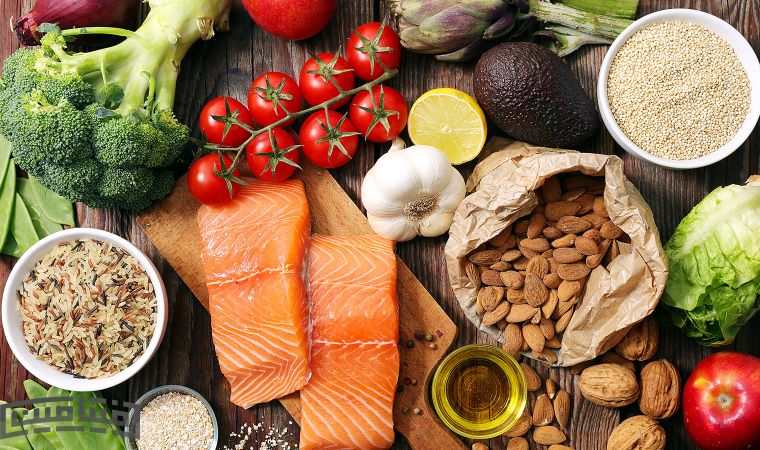
Which foods contain abundant iron? Iron is naturally found in many foods, such as white meat (chicken and fish) and red meat (mutton and cow), legumes (lentils, beans, etc.), whole grains (such as whole grains), dark vegetables and nuts and seeds. Here are some foods containing iron and folic acid, or iron foods for different groups.
Foods containing iron for women
Young women need special iron because they are exposed to iron deficiency due to menstruation, pregnancy and childbirth. The best foods containing high iron for women include:
- Red meat (beef, lamb)
- Chicken and turkey
- Lentils and beans (with vitamin C -rich foods to increase absorption)
- Spinach (cooked – raw spinach contains oxalate that reduces absorption)
- Pumpkin seeds and sesame seeds
- Iron -enriched cereals
Foods containing iron for children
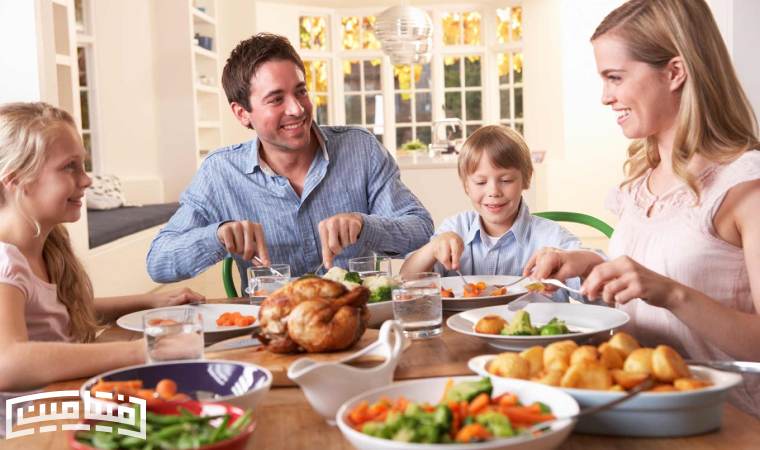
Since the baby’s body is growing, the ingredients contain iron and zinc every day. Lack of adequate iron for children will weaken the body’s system, recurrent infections, and loss of appetite. The best source of iron for children is food -containing foods. Hyme iron is found in animal foods and is well absorbed by the body. Foods that contain iron iron include:
Of course, food -containing foods are still useful but less absorbing, if your baby is not interested in meat, supply from the subcutaneous sources of the body:
- Whole grain foods (such as bread, oatmeal and breakfast cereals)
- Beans (such as baked beans, dried peas, beans and lentils)
- Green leafy vegetables (such as spinach and broccoli)
- Dried fruits (such as raisins, apricots, dates or plums)
- Egg
- Peanut butter
- Nuts (for over three years old)
Foods containing iron in pregnancy
During pregnancy, not only does your body need iron, but also the body of a small fetus that is growing, so providing enough iron at this time is very, very harmful! Your body does not produce iron naturally. Iron is only available through diet or supplements. For this reason, it is very important to increase the consumption of iron -rich foods in pregnancy. But which iron resources are better for pregnant women?
All types of iron are important, but iron is a better option. Items such as:
- Lean beef
- Chicken
- Types of fish (salmon, salmon, cod fish, tuna)
- Shrimp
If you do not eat meat or if you think about your stomach meat, you should go for iron sources, such as:
- Beans and lentils
- Spinach
- Broccoli
Foods containing iron for vegetarians
Because vegetarians do not eat meat, they are much more exposed to iron deficiency than others; Of course, if plant sources include iron enough in their diet, there is no worry. The best iron sources for vegetarians include:
- Beans: lentils, beans (such as soybean, white beans, red beans and peas) and peas)
- Soybean and its products
- Leafy vegetables (spinach, cabbage and beets)
- Brains and seeds (almonds, pumpkin seeds and sesame seeds)
- Full grains (brown rice, wholemeal bread and fortified breakfast cereals)
- Dry fruits (dried apricots, raisins and dried plums)
An important point! Vegetarians should always consume foods rich in vitamin C (citrus, bell peppers, tomatoes) to increase iron absorption.
Sometimes your doctor may also recommend taking iron supplements.
Iron -containing foods for athletes
Athletes may also lose some iron sweating, and they also need more iron due to endurance exercise. Therefore, it is essential for athletes to get enough iron because it affects their body’s health and health. The best iron resources for athletes:
- Lean red meat
- Chicken and turkey
- Liver
- Tuna, salmon, sardine
- Lentils, chickpeas, black beans, red beans
- Pumpkin seeds, sunflower seeds, sesame seeds
- Dark leafy vegetables (spinach, beets)
- Dry fruits (apricots, raisins, plums, figs)
Tips on increasing iron absorption
There are a number of minerals that increase iron absorption, if you eat with the iron source you eat, the absorption of iron in your body will increase. There are also a number of foods that reduce iron absorption! So you should not eat them at the same time so that iron absorption does not lower.
Eating iron with foods containing specific vitamins and minerals, such as vitamin C, vitamin A and beta -carotene, will help you absorb more iron.
Eat foods rich in vitamin C!
Vitamin C has been shown to increase iron absorption. This vitamin absorbs non -hyme iron and stores it in a way that your body can absorb easier. Vitamin C foods include citrus fruits, dark green leafy vegetables, bell peppers, melons and strawberries. Therefore, drinking citrus juice or eating other vitamin C foods while eating iron -rich foods can increase your body’s absorption.
This is especially important for vegetarians who only have access to non -hectic iron sources and need to increase iron absorption. In vegetarian and vegan diets, iron absorption is increased by adding vitamin C vegetables.
Include foods containing vitamin A and beta -carotene in your diet!
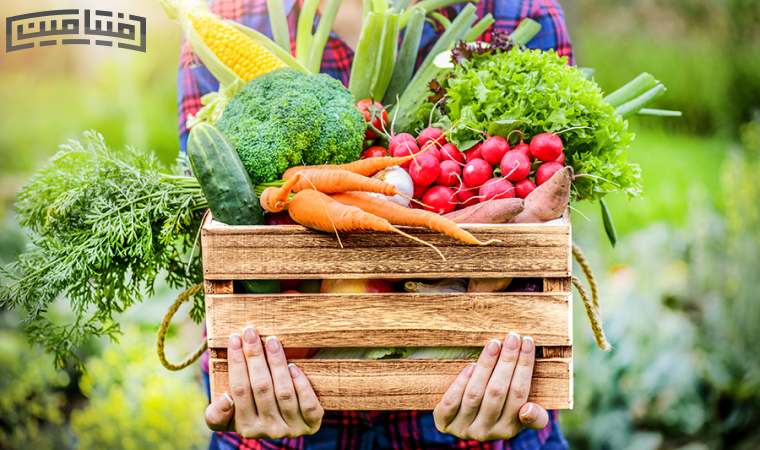
Vitamin A helps to release the iron stored in the body. Therefore, enough vitamin A plays an important role in preventing iron deficiency anemia. Good food sources of beta -carotene and vitamin A include carrots, sweet potatoes, spinach, cabbage, squash, red pepper, cantaloupe, apricot, orange and peach.
Beta-carotene is a red-orange pigment found in plants and fruits and can become vitamin A in your body.
Don’t forget the consumption of meat, fish and chicken!
Some foods containing iron such as red meat, fish and chicken not only have plenty of iron, but can also stimulate non -iron absorption. Therefore, we recommend eating foods that have both types of iron to increase the absorption of non -iron iron.
Be careful about these foods!
Just as some foods can improve iron absorption, others can prevent it below:
- Foods containing phytate: Photic acid or phytric acid is found in foods such as whole grains, grains, soybeans, nuts and legumes, but if you have a few hours before cooking, they lose their phytic acid.
- Calcium -rich foods: Calcium is an essential mineral for bone health, but some evidence suggests that it prevents the absorption of iron and non -hen.
TipA: This does not mean that you do not eat calcium, but it means that calcium -rich foods should not be consumed at the same time with foods containing iron.
Foods containing polyphenols
Polyphenols are found in different amounts of vegetable foods and drinks, including tea and coffee.
Final speech
Iron plays an important role in the body, and we need to be careful to provide our health to provide the necessary iron. Unfortunately, iron deficiency with anemia is especially common in Iranian women. In this post we introduced the food of foods containing iron and said different tips for more and better iron absorption.
Sources: Healthline – ClevelandClinic

RCO NEWS
RCO