

Once upon a time, traveling was associated with calculating expenses and making pockets lighter and heavier; Although many trips are still not outside of this framework, but now in every corner of the world, there are countries that have changed their view of tourists. (colormelon)
Instead of only thinking about making money from travelers, they have considered cash incentives and subsidies to attract tourists. The goal is clear: to revive local economies, keep the lights on in remote villages and invite travelers who want to be a “real guest” instead of a “typical tourist”. The result is a new type of travel where connecting with people and touching the local culture comes with an unexpected financial benefit.
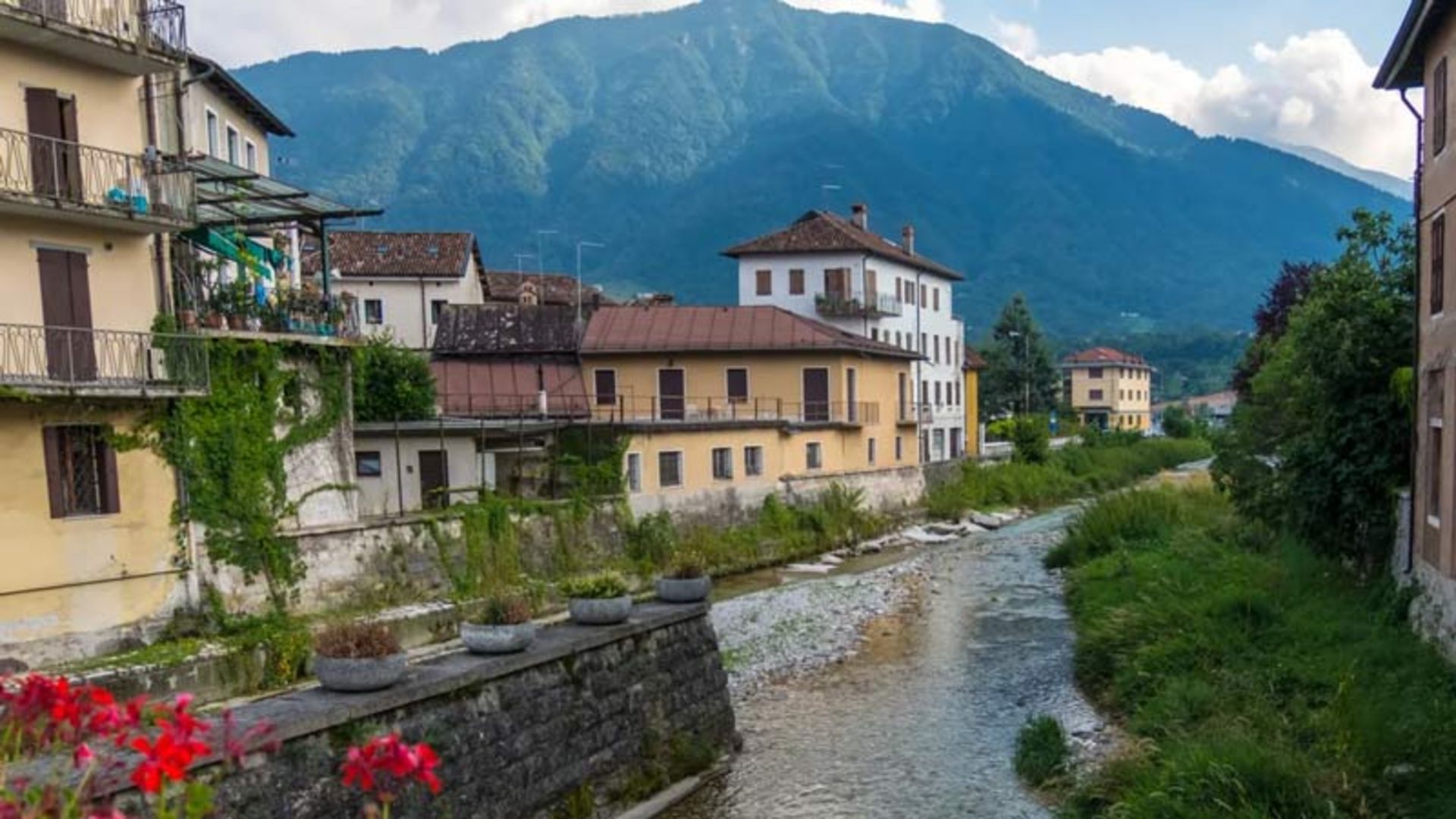
Italy; Breathing the soul into the body of old villages
Italy has turned its lights off to the policy of paying money to rebuild its old and remote villages. Local governments offer financial assistance to those willing to stay longer, work remotely, or spend their time reviving rural communities (away from the hustle and bustle of Rome and Milan).
Photographer: Unknown / Depositphotos
These designs mean tasting the authentic taste of Italian life, surrounded by the aroma of local bread and old stories, in a space that does not resemble repetitive postcards.
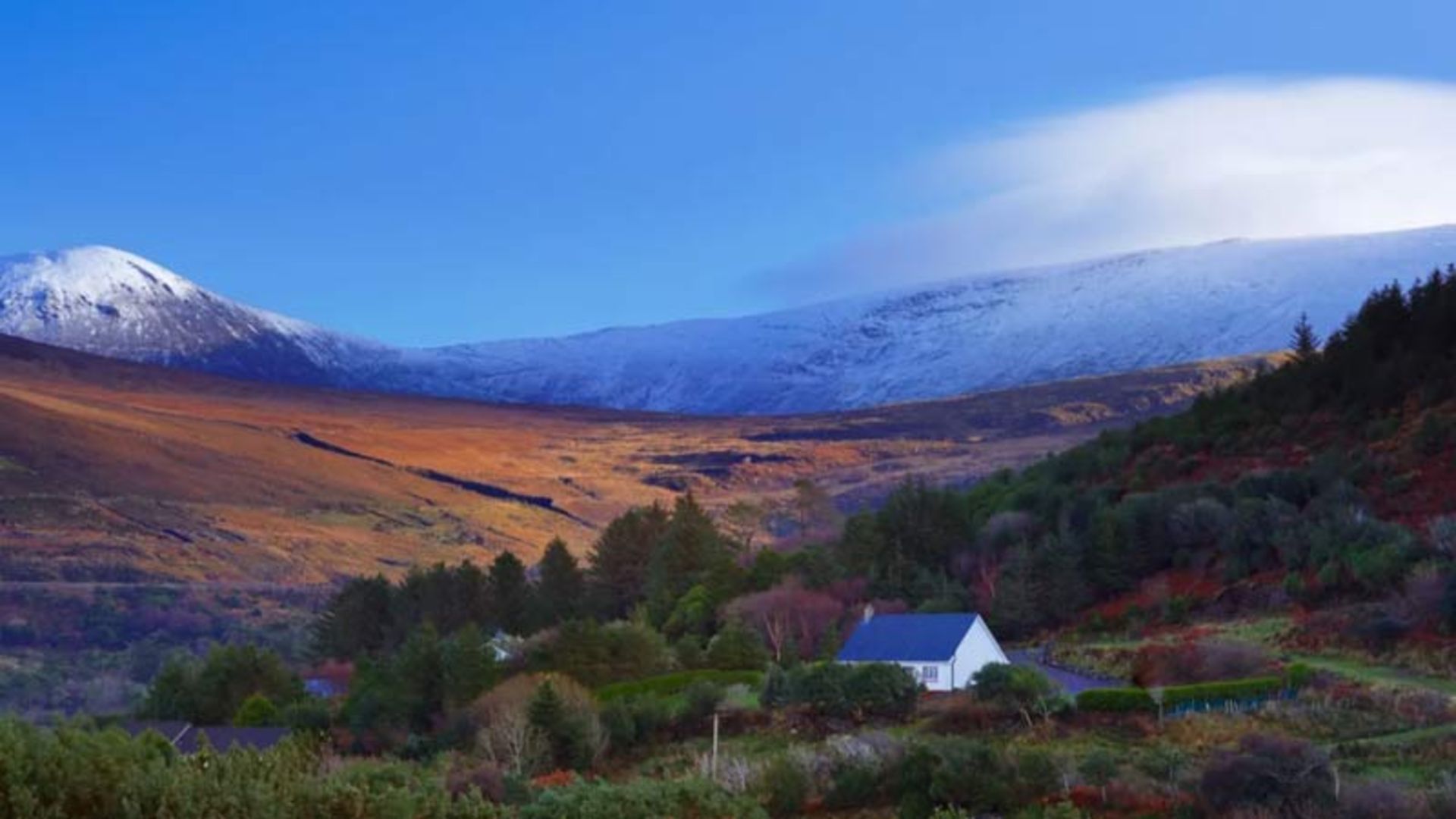
Ireland; Open arms for remote workers
Ireland has become a haven for “digital nomads” and long-term travelers. Ireland’s small towns and rocky islands are hungry for the energy and skill of travelers who bring with them not just money, but life.
Photographer: Unknown / Depositphotos
In return, the traveler gets his share: seeing wild beaches, hearing ancient legends and experiencing a peaceful life where culture and friendship are more valuable than any money.
Japan; Beyond the neon lights of Tokyo
Japan wants to take tourists out of crowded hubs like Tokyo and Kyoto and take them to the heart of traditions. With financial incentives and heavy discounts, Japan takes you to places where old crafts and pristine nature still prevail.
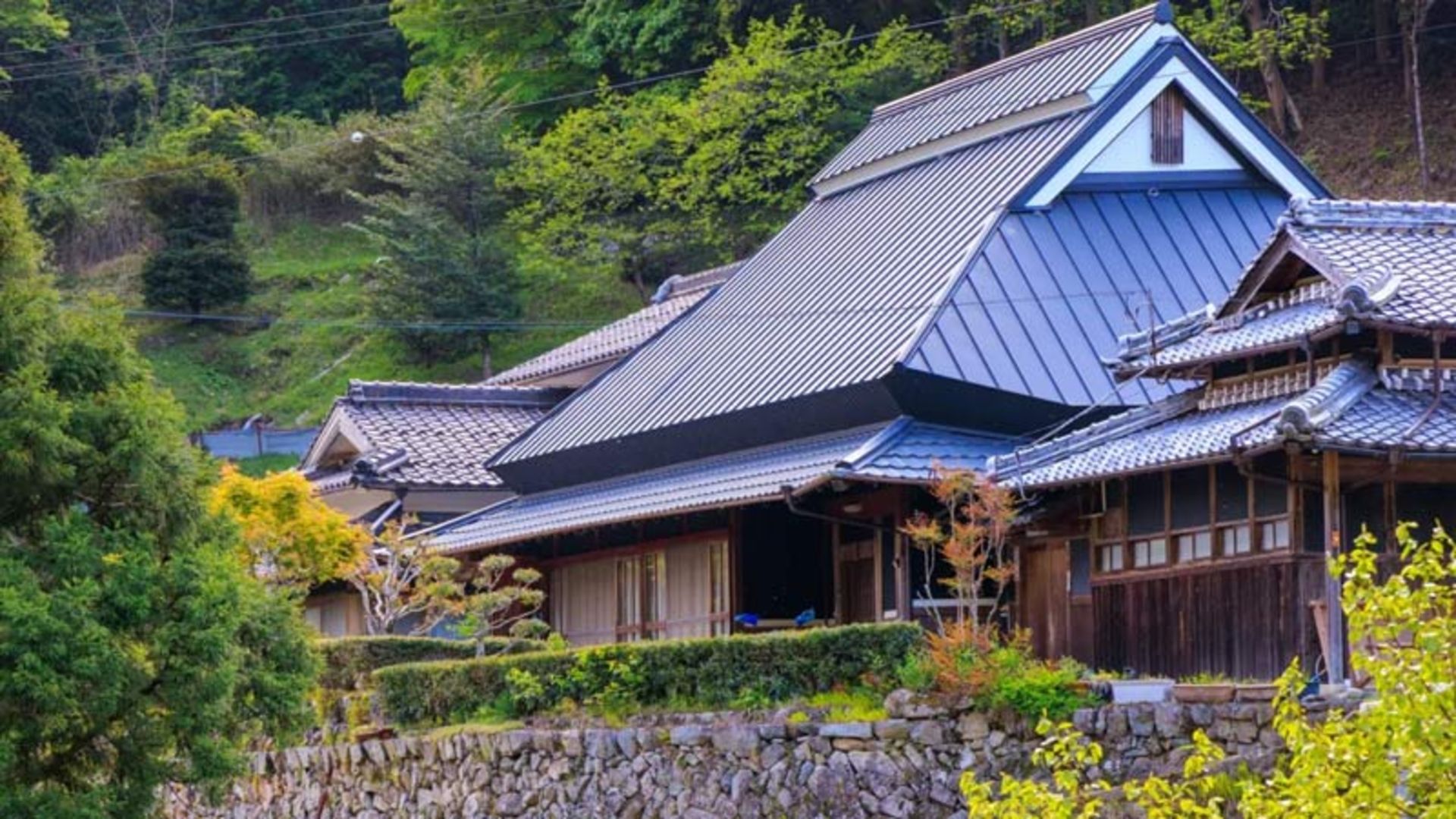
Photographer: Unknown / Depositphotos
This means traveling to the hidden layers of the land of sunshine that few people get the chance to see.
Greece; Living in the style of the islanders
Greece has interesting plans for its secluded islands. They are looking for those who are willing to become citizens of these islands for a while with offers of accommodation and welfare benefits. The goal is not just to fill the seats of cafes; They want schools and shops not to be closed due to the presence of permanent travelers.
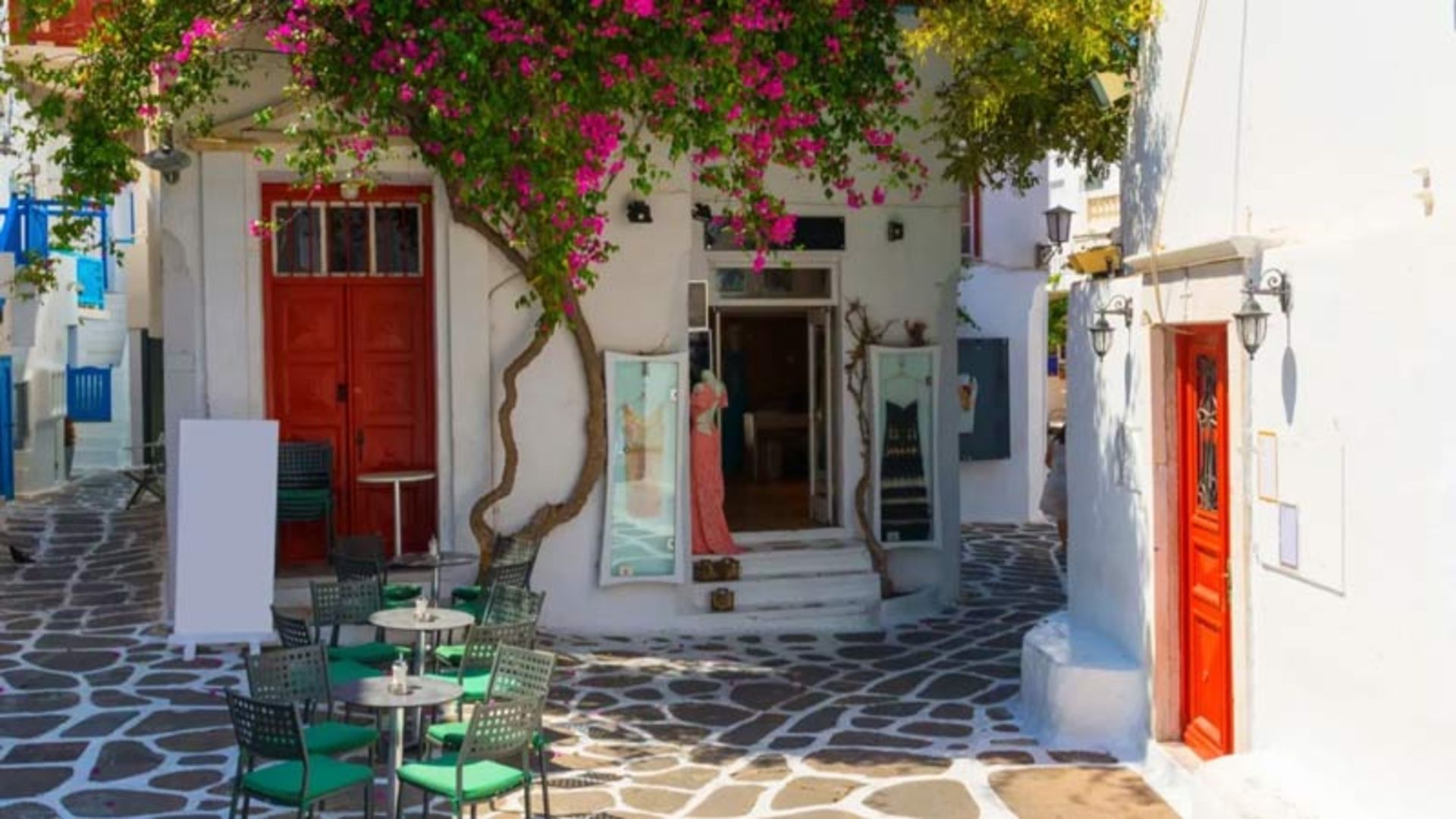
Photographer: Unknown / Depositphotos
Life there means simplicity, shared tables and a sense of belonging to a place where being a tourist is a completely human experience.
Spain; Battle with empty roads
Spain has also rolled out a red carpet for the villages that are being depopulated. If you’re a long-term stayer or telecommuter, the local government will subsidize you to live in its old squares and traditional markets.
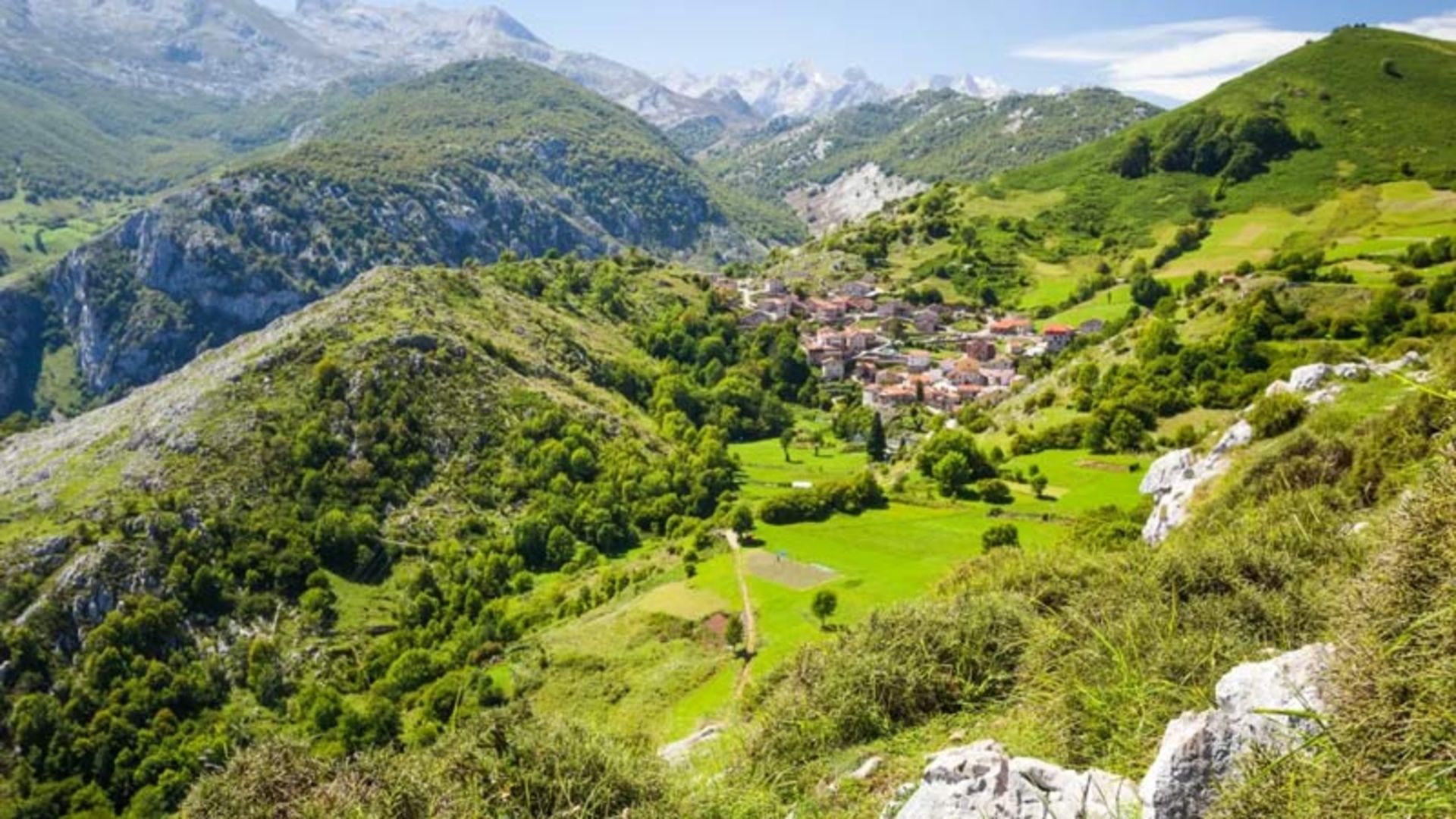
Photographer: Unknown / Depositphotos
This means seeing the real Spain beyond the crowds of the beaches, where every alley and back alley smells of centuries-old history.
Portugal; A temporary home by the ocean
Portugal has attracted international attention by offering programs that offer significant financial benefits to long-term visitors and “digital nomads”. In this plan, smaller cities and interior regions of the country benefit the most; Because the presence of travelers pushes economic activities beyond the always crowded coastal destinations.
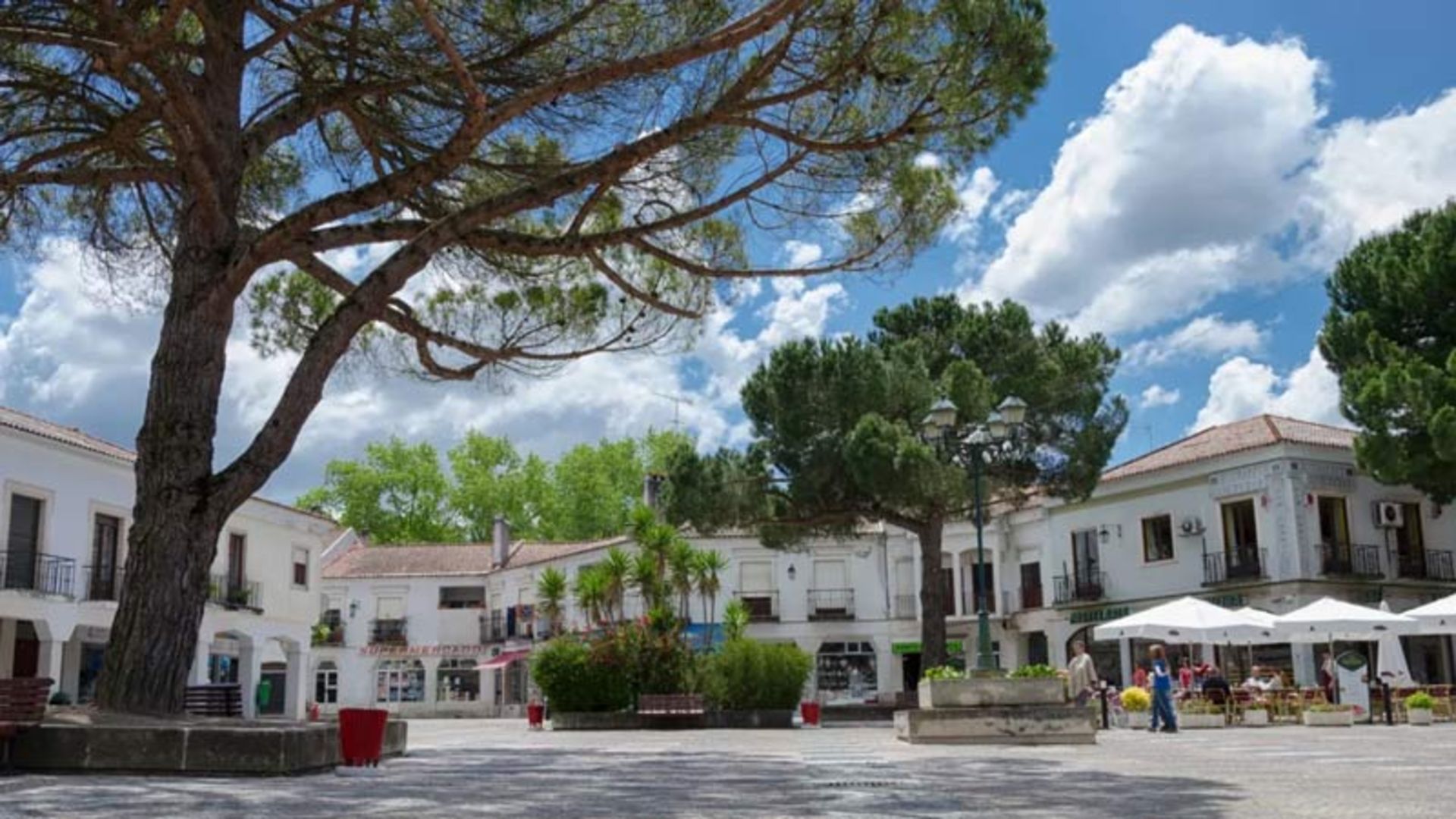
Photographer: Unknown / Depositphotos
In return, visitors benefit from affordable living costs, welcoming local communities, and a laid-back lifestyle intertwined with delicious food, rich history, and fresh ocean air. These financial incentives are actually similar to an official invitation to slow down and build a temporary home abroad.
Switzerland; A house in the heart of the Alps
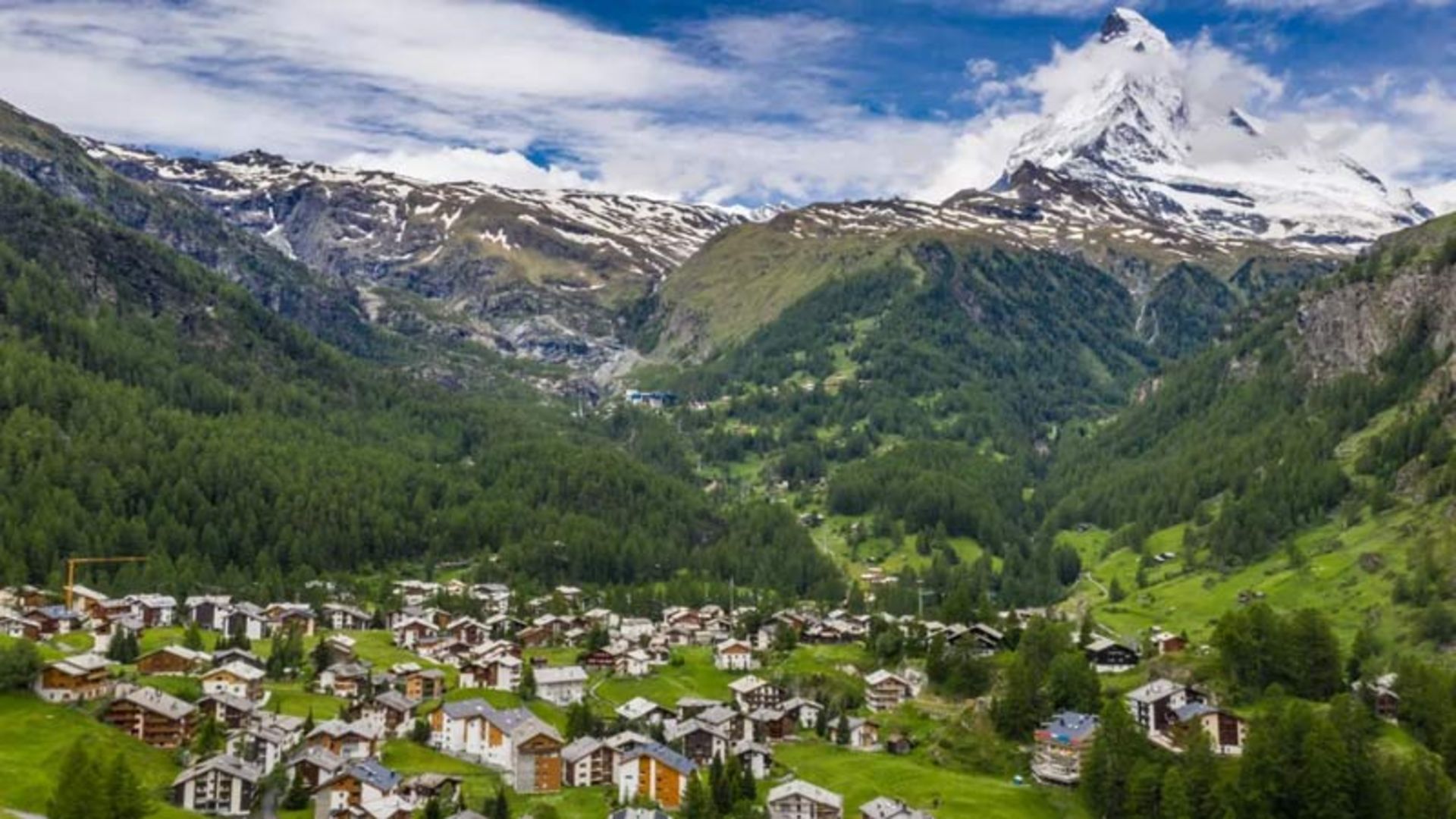
Switzerland has some tempting proposals to deal with the emptying of mountain villages like Albinen. They have provided up to 60,000 Swiss francs for families who are willing to buy a house instead of a hotel and stay there.
Photographer: Unknown / Depositphotos
Switzerland’s gift to its travelers is the endless tranquility of the mountains and living in a community where life flows in all seasons of the year.
Thailand and South Korea; Reward for going deep
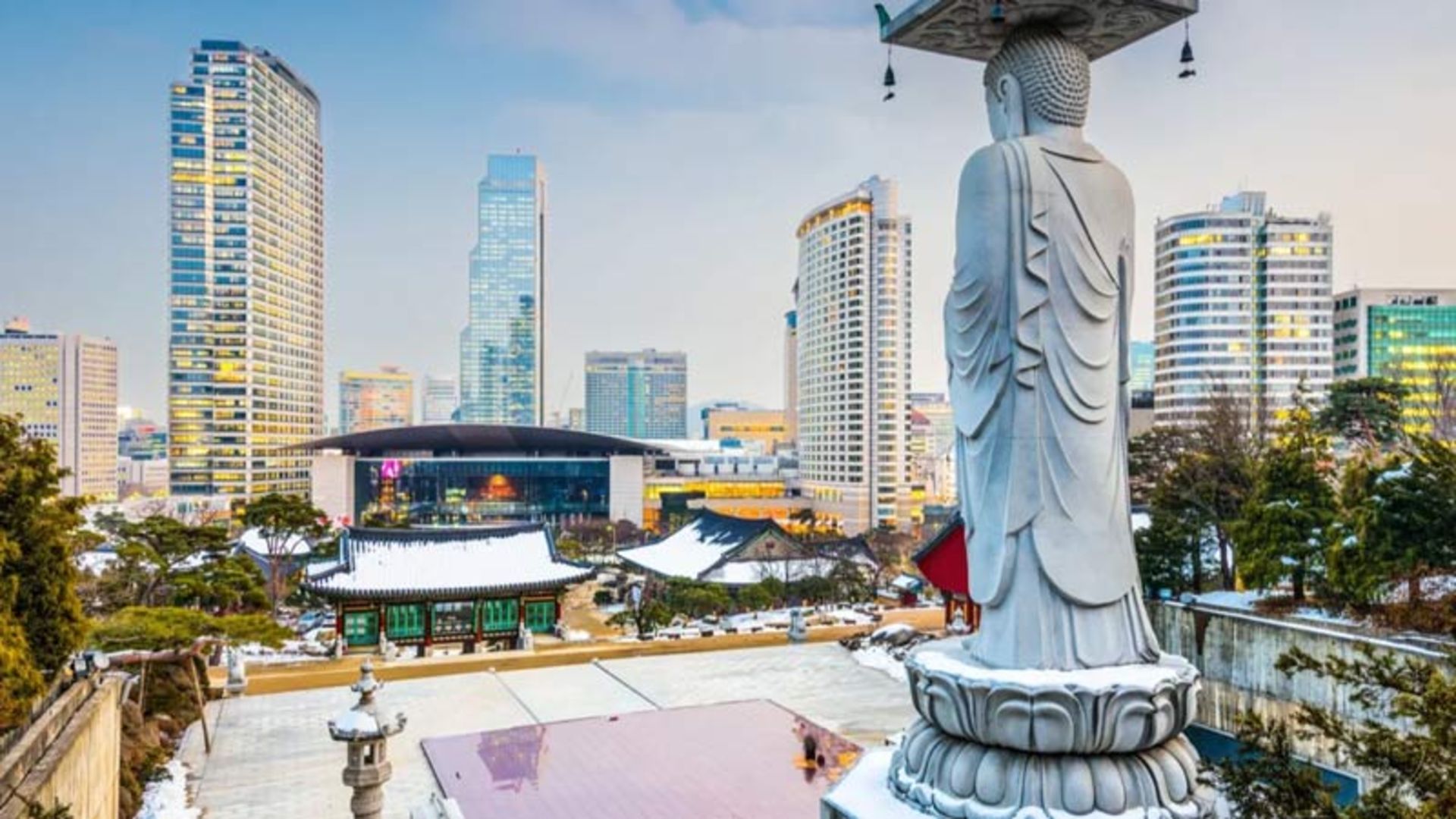
In East Asia, Thailand and South Korea are also seeking to attract travelers who want to go beyond the outer layer of cities.
Photographer: Unknown / Depositphotos
Thailand, with special privileges for extended stays, and South Korea, with travel credits for historic cities, encourage the traveler to be a “participator” of their culture rather than a “spectator.”
Why did this change happen?
These incentives represent a major turnaround. The number of people is no longer important, but the “value of presence” of the traveler is important.
Photographer: Unknown / Depositphotos
Governments now want a traveler who arrives respectfully, stays late, and engages with local culture rather than mere consumption.
A trip that stays in your memory, not in your pocket
Paying a traveler to travel breaks the stereotype that a good trip must be expensive and fast. When a country invests in a tourist, travel turns from a “transaction” into a “friendship”. The real reward of these programs is not just the deposit amount; Rather, it is a new look that stays with the traveler forever after returning home.
Photographer: Unknown / Depositphotos
If you had to choose between the tranquility of the Alps or life on the Mediterranean islands and get paid for it, where would you go first? Share your opinion with us and other audience.
Cover photo generated by artificial intelligence

RCO NEWS