



Have you ever been on hold for hours at an airline phone line after a flight was canceled? Or wait days for a simple ticket change? The problem is not the employees; The problem is the huge and hidden complexity behind the scenes of this industry. Even though we are all faced with practical applications and smart chatbots today, the engine room and beating heart of the travel industry still works with glue and exhausting human effort; But this era is coming to an end. The next wave of innovation won’t be a fancy new chatbot. This wave is going to rebuild the operational foundations of travel. Based on market demand and technology maturity, five key technologies are poised to transform from a dream into an everyday reality in 2026. (Travel Daily News)
1. Artificial intelligence: the end of repetitive responses
We’ve all talked to chatbots; Bots that answer frequently asked questions; But when the request changes from “notify” to “action”, everything stops. What’s the point when the bot says “yes, you can change your flight”; But to do this, a human operator has to spend half an hour struggling with several complex and old systems? Here comes a new generation of artificial intelligence called “Agentic AI”. This artificial intelligence doesn’t just talk; it works It interprets complex ticketing rules, calculates the cost of changing tickets between multiple airlines, and implements changes directly into global distribution systems (GDS). What used to take 30 minutes of an expert’s time is now done automatically in 30 seconds.
2. The Strategic Bridge (MCP): Reconciling Tradition and Innovation
Global Distribution Systems (GDS), the core of this industry, are reliable behemoths capable of processing billions of transactions. The main challenge is to create a common language between these powerful and old systems with modern artificial intelligence.
Model Context Protocol (MCP) is the critical bridge. MCP acts like a universal translator, allowing AI to securely and reliably interact with any data source or tool, from traditional to modern systems. This standard protocol enables sophisticated and reliable automation.
3. Artificial intelligence-based infrastructure: enhancing operational DNA
The first wave of artificial intelligence in travel was to add some “smart” capabilities to old processes; But the real transformation happens when the infrastructure is designed for AI from the ground up. It’s the difference between buying a new tool and completely upgrading a company’s operational DNA. This new infrastructure automatically handles the complexities of integrating different systems and real-time rule checking. Based on this, companies can increase their ticket sales volume without needing to hire an army of support staff.
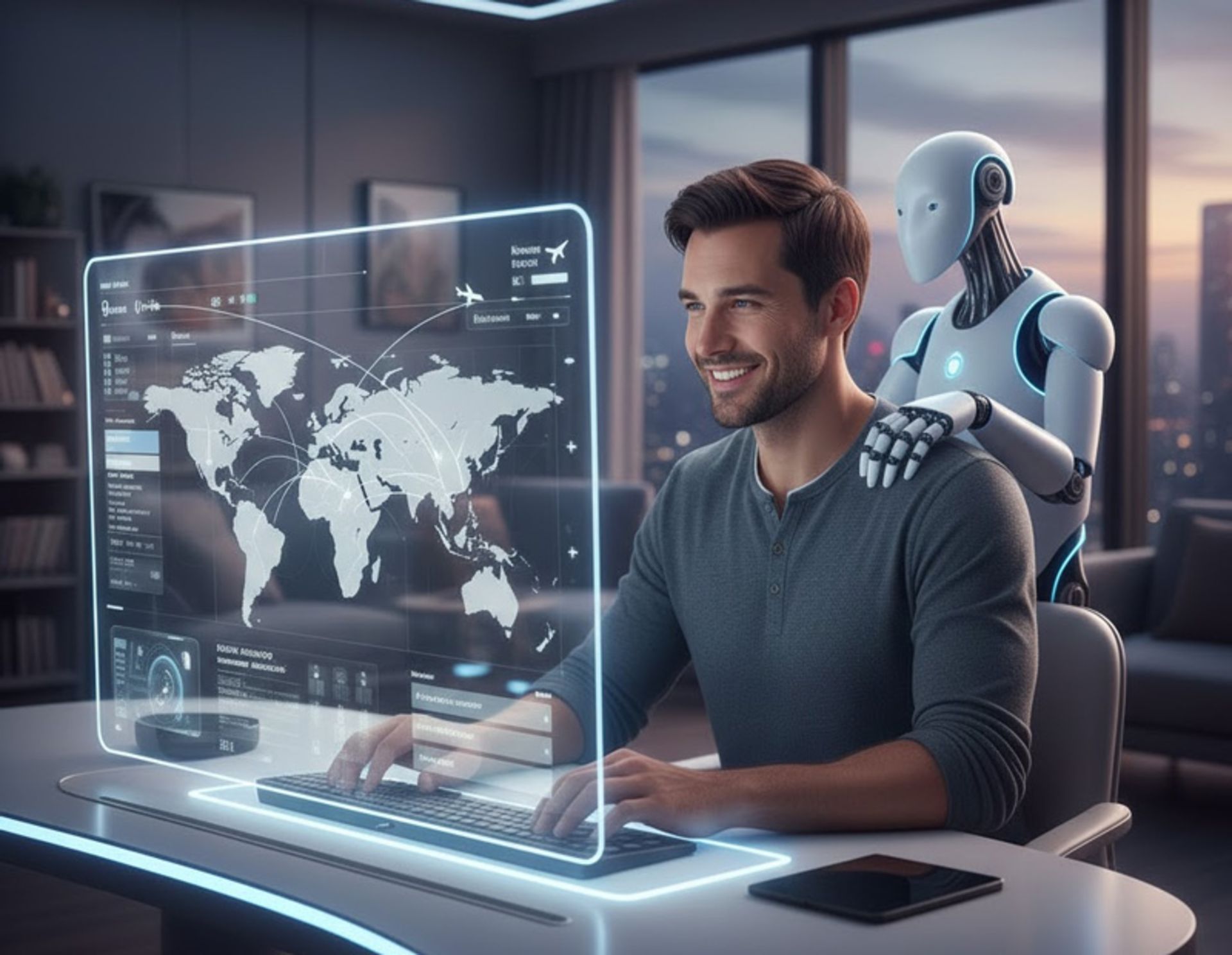
4. From Fire Extinguishing to Fire Prediction: The Age of Smart Resilience
Today, flight cancellation is a costly and stressful hassle. In 2026, it will be a managed event. Predictive disruption management systems predict high-risk disruptions hours in advance by analyzing weather patterns, air traffic and historical data. These systems don’t just warn you; Rather, they proactively prepare the best flight change scenarios for the affected passengers. This means changing the approach from fire-fighting reactions to proactive preparation. Teams can deploy pre-approved programs in minutes and save millions of dollars in operational costs.
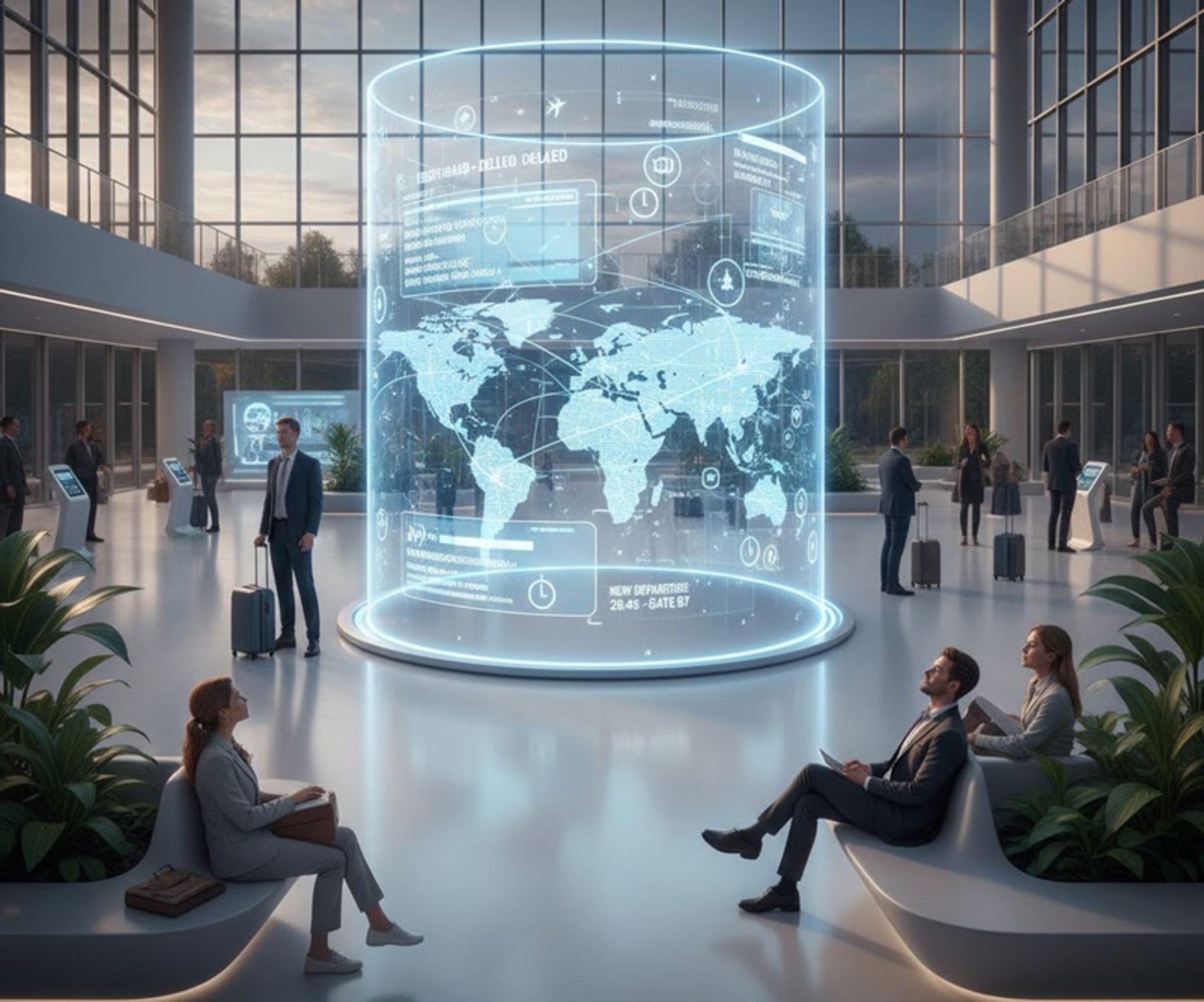
5. The end of fragmented experiences: true personalization
Today’s “personalization” is a paradox. The marketing team will send you a special offer; But when something goes wrong, the support team has no idea about your journey. True personalization in 2026 will be possible by breaking down these information walls. Imagine a system where every interaction with a customer is based on a complete and integrated view of their journey. Support knows your itinerary before you ask a question. Customer loyalty is not earned by points, but by perfect and smooth experiences.
A new operational agenda
The companies that will be leading in 2026 will not be the ones chasing the latest AI tool. Future leaders are companies investing in a new, automated operational backbone. Important technologies are those that work together to create self-healing and self-optimizing systems. This is a fundamental change; The transition from technology to assist humans, to building systems that reliably manage core operations. The prize of this competition will be a complete redefining of productivity, scalability and customer satisfaction in the travel industry. Simply put, the race to rebuild Safar’s engine room has finally begun.

Which of these technologies excites you the most for future travels? Tell me about your point of view.
Article photos made with artificial intelligence

RCO NEWS