


The beauty of a smile plays an undeniable role in people’s self-confidence and social relationships. For this reason, dental beauty methods such as laminate and dental composite have become popular options among people.
One of the most important questions that arise before these treatments is about the durability of laminate and composite. Many people want to know which method is more durable and how long will it last? The lifespan of dental cosmetic treatments plays a decisive role in the final choice. Since a person is going to spend considerable money and time to correct his smile design, it is natural to look for a durable and long-lasting method. On the other hand, frequent visits for repair or replacement can be economically and time-consuming for the patient.
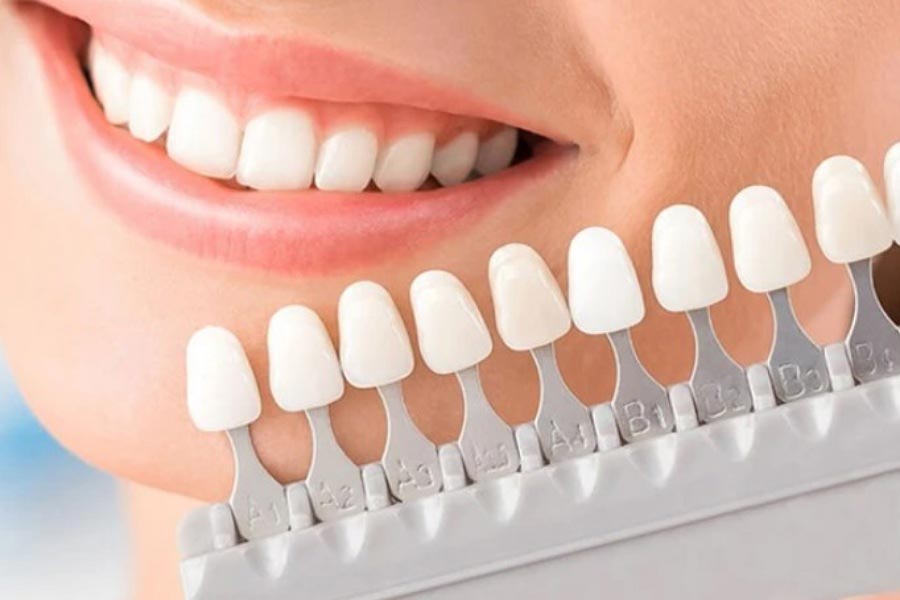
What is dental laminate?
Dental laminate is a kind of thin and very delicate cover and is usually made of ceramic or porcelain and is placed on the front surface of the teeth. The main purpose of laminate is to correct the color, shape, size and even the appearance of the teeth. This method is more suitable for people who are looking for a natural, uniform and lasting result. Dental laminates are generally divided into two main types of ceramic laminate and porcelain. Both types are made of durable and quality materials. But porcelain laminates are usually more durable and strong due to their lab-made and more precise process. These types of laminates resist discoloration and wear well. In terms of longevity, dental laminate is considered one of the most lasting beauty methods. In case of proper care, its durability can be between 10 to 15 years and even more.
In general, maintaining oral and dental hygiene and avoiding harmful habits play an important role in increasing the durability of laminate and composite.
What is dental composite?
Composite is a type of paste material that is placed on the surface of the tooth by the dentist and hardens using a special light. This method is less invasive than laminate and often requires less tooth grinding. For this reason, dental composite is a popular option for quick smile correction. There are different types of dental composites that differ from each other in terms of quality, brightness and resistance. Nano and micro hybrid composites are among the most common and highest quality types. These composites create a more natural appearance and have better wear resistance. Regarding longevity, it should be said that dental composite is less durable than laminate. On average, its shelf life is between 5 and 7 years. Of course, this number depends on various factors such as the quality of materials, the skill of the dentist and the level of patient care.
Durability of laminate and composite: which is more durable?
A scientific and clinical comparison about the durability of laminate and composite shows that dental laminate is usually more durable than composite. The ceramic structure of the laminate is more resistant to the pressure of the teeth during chewing due to its greater strength. On the other hand, composites are more flexible compared to laminate due to the resin structure; But they are more vulnerable. Also, laminates perform very well, especially in the front teeth, and they are less prone to lip swelling. Although composites are repairable, they are more likely to break or wear over time. In terms of color stability, dental laminate has a significant advantage. Stay with us until the end of the article to get your answer Choice of laminate or composite arrive
Factors affecting the durability of laminate and composite
The durability of laminate and composite restoration depends on several factors. Compliance with each of them can significantly increase the life and durability of laminate and composite.
Among the most important factors affecting the durability of laminate and composite, the following can be mentioned:
1) Quality of consumables: One of the most important factors affecting the durability of laminate and composite is the use of high quality materials and reputable brands. Inferior materials that are of poor quality may discolor, crack, or even separate from the tooth over time. In general, the more suitable the mechanical and chemical characteristics of the raw material, the higher its resistance to pressure and abrasion.
2) The skill and experience of the dentist: Correct smile design and precise shaping of laminate or composite plays an important role in its durability. Performing the laminate and composite steps accurately and correctly is the first effective step for the longevity of this treatment method. Also, following scientific principles, such as preparing the tooth surface, choosing the right adhesive and correct timing, is one of the most important factors in increasing the lifespan and durability of laminate and composite. The experience and skill of the dentist plays an important role in the process of performing this treatment.
3) Compliance with oral hygiene: Regular and correct brushing and daily use of dental floss prevents the accumulation of plaque and bacteria. Visiting the dentist regularly for periodical examinations and teeth cleaning prevents decay under the laminate or composite.
4) Lifestyle and individual habits: Excessive consumption of some foods and drinks (coffee, tea, soft drinks and strong sauces) can change the color and reduce the beauty of laminate or composite. Also, smoking reduces the strength and color of restorative materials. Grinding teeth or the habit of putting too much pressure on the teeth can cause the restorations to crack or break. For this reason, it is recommended to use a tooth protector at night for people who grind their teeth.
Examining the durability of laminate and composite
In general, both methods work well in front teeth that bear less pressure during chewing. However, due to its higher strength, laminate is a safer option for people looking for a long-lasting result. Also, in teeth under pressure during chewing, the durability of laminate is usually longer than that of composite. Incorrect habits such as nail biting, biting hard foods or grinding teeth can have a significant negative impact on the durability of laminate and composite. In this situation, laminates show more resistance, but there is still a need to take care and use dental protection.
Advantages and disadvantages of laminate in terms of durability
Because of its special features, dental laminate is known as one of the most popular methods of tooth beauty and smile design modification in recent years. But to make the right decision, it is necessary to know the durability of laminate and composite. Also, knowing the strengths and weaknesses of each method helps a person to make the best choice according to their personal preferences and budget. The following are the most important advantages of dental laminate:
1-High durability and wear resistance: The ceramic structure of the laminate makes it very resistant to the usual pressures of chewing and daily wear and tear. Overall, laminate is less prone to scratches or erosion.
2- Resistance to discoloration: The smooth and polished surface of the laminate prevents the penetration of stains such as coffee, tea, soft drinks and cigarettes. This feature will help maintain the beauty of the teeth in the long term.
3- Long life span: The durability of laminate is usually between 10 and 15 years and even more. This feature makes it a more economical option over time compared to composite.
4-Natural and beautiful appearance: The transparency and light reflection of laminate is very similar to natural tooth enamel and makes for an attractive and natural smile.
Limitations and possibility of tooth damage:
Among the limitations that affect the durability of dental laminates and composites, the following can be mentioned:
1- Sensitivity to shock and intense pressure: Laminate may chip or crack due to strong impacts or uncontrolled teeth grinding. People who have a habit of grinding their teeth, it is better to use a night guard.
2- The need for tooth enamel sharpening: In most cases, to perform lamination, a brief grinding of tooth enamel is required and this process is not reversible. This makes it very important to make a decision before doing the laminate.
3- Relatively higher costAlthough the initial cost of composite is lower, frequent repairs can increase the overall cost in the long run. In contrast, laminate, despite its higher cost, may be a more economical choice over time due to its longer durability.
4- The need for periodic repairs: Compared to laminate, composite is less durable. On average, it will need to be repaired or replaced every 5 to 7 years. Discoloration, wear and chipping are among the problems that may arise for composite over time. For this reason, composite requires more care and attention.
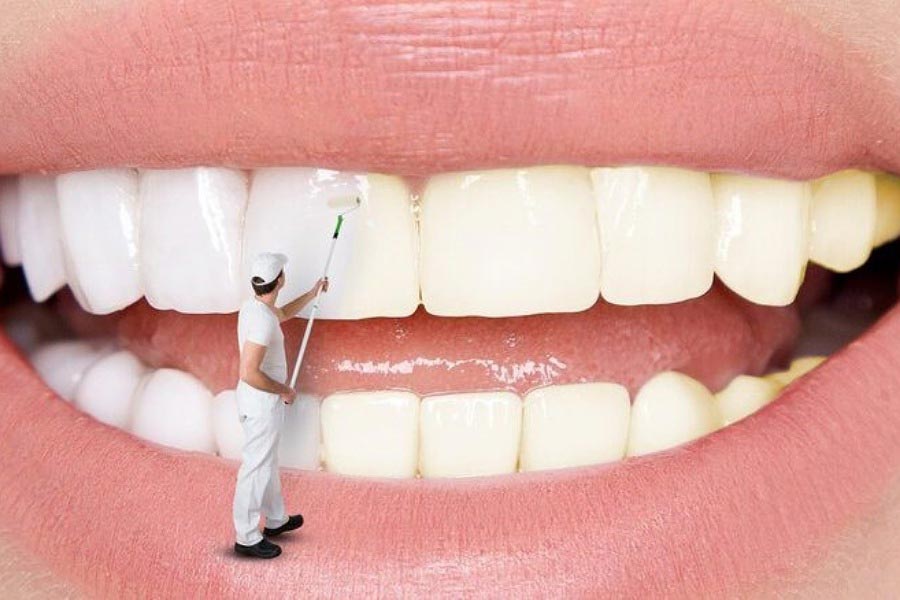
Increasing the durability of laminate and composite: tips you should know
The most important points that make laminate and composite last longer are:
• Post-treatment care: Compliance with oral and dental hygiene is the most important factor in increasing the durability of laminate and composite. Regular brushing, use of dental floss and suitable mouthwashes prevent the accumulation of plaque and decay under the veneers.
• The role of criminalization and regular examinations: Regular visits to the dentist for basic examination and scaling have a significant impact on the durability of laminate and composite. These examinations help to identify potential problems early and prevent serious injuries.
• Practical recommendations of dentists: Dentists recommend to avoid chewing hard objects, excessive consumption of colored substances and smoking. Also, in the case of teeth grinding, using a night guard can play an effective role in increasing the lifespan of the treatment.
Durability of laminate and composite; Which is a better choice for you?
The choice between laminate and composite depends entirely on the individual conditions of the patient. The condition of the teeth, the degree of abnormality, oral habits and even lifestyle play a role in this decision. If you are looking for a very natural, shiny and durable result and you don’t have budget restrictions, laminate is the right choice. But if time and cost are more important to you and you are looking for a quick smile correction, composite can be a reasonable option. Consultation with a specialist dentist is the best way to make the right choice.
Frequently asked questions
1) How many years does laminate last?
If properly cared for, dental laminates usually last 10 to 15 years or even longer.
2) How often does the composite need to be repaired?
On average, dental composites need to be repaired or replaced every 5 to 7 years.
3) Is laminate really more durable than composite?
Yes, laminate is more durable and stable than composite.
final word
In general, the comparison of the durability of laminate and composite shows that both methods have their own advantages and limitations. Laminate with high durability and color stability is a suitable option for people who are looking for a long-term result. On the other hand, composite with lower cost and easy repair is considered a practical choice for faster corrections. The final recommendation is to consider your needs, budget and lifestyle and consult reputable dental clinics including Avedent dental clinic Make the best decision for the beauty and health of your smile.

RCO NEWS
RCO