

Mahalat, a gem in the heart of Central Province, with a rich history and eye-catching attractions, has always hosted tourists from all over the country. Due to its spa springs with healing properties, high-quality rose water and valuable historical monuments, this city is considered an excellent choice for travel and creates a unique experience for every taste. In this city, you can visit Sarcheshmeh garden, go to Yeke Chah cave, make the most of local spas and create memorable moments for yourself. Join us to introduce you to some of the most famous places to visit.
The garden is the source of neighborhoods
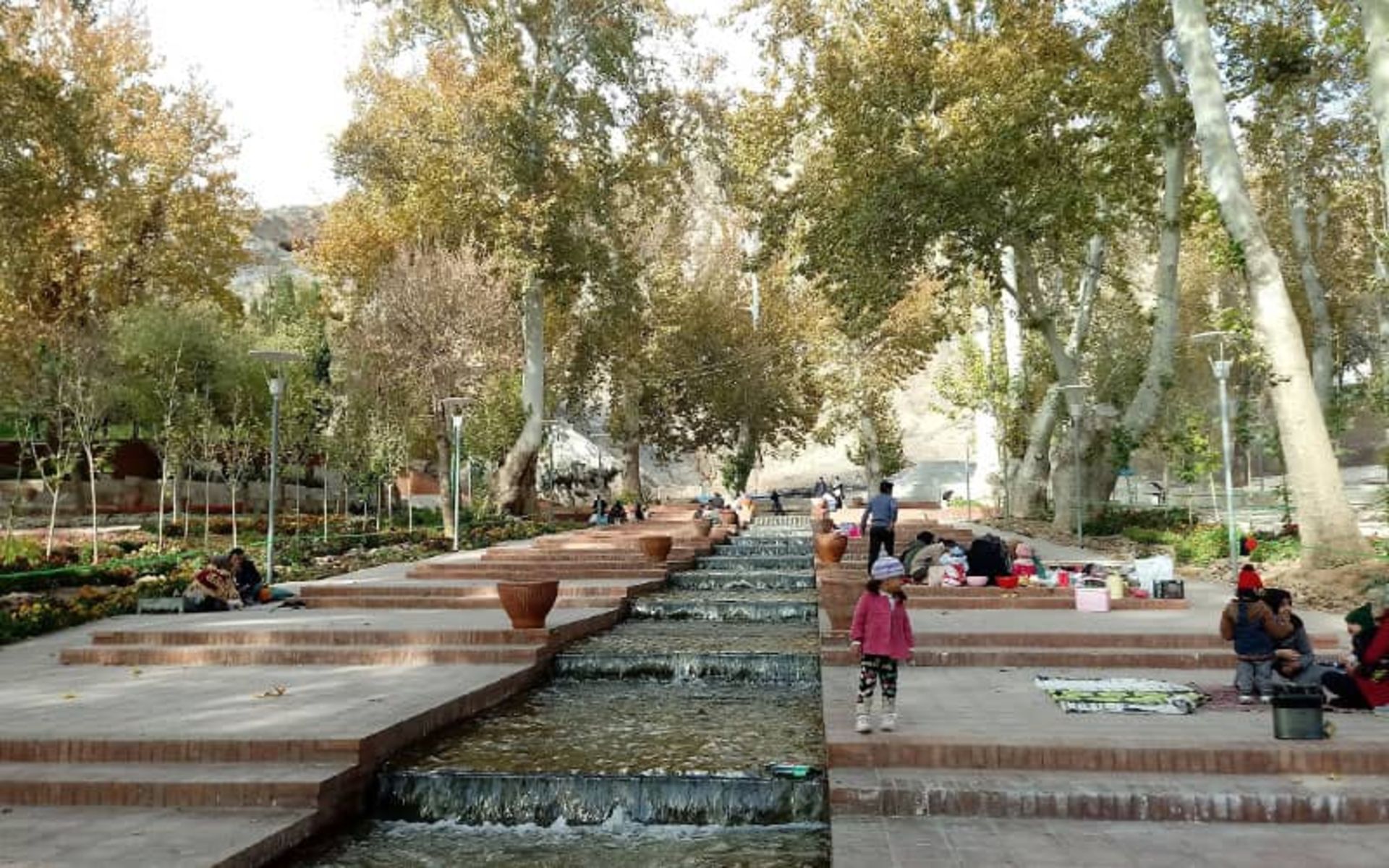
One of the most popular and famous sights of Mahalat is the source of this city, which is one of the most abundant springs in Central Province and is located at the highest point of Mahalat. The importance of this natural phenomenon has been the attention of officials from the past until today. Because, in addition to providing agricultural water in the region, it has drinking water and has become one of the tourist attractions of the localities. The formation of a beautiful park in the vicinity of this lovely place, a beautiful water feature, old plantain trees, rocky heights overlooking the Ashraf spring and numerous trees are other features of this natural tourist attraction.
Photographer: Mohammad Foroughi / Google Map
The hot water springs of Mahalat are very rich in terms of minerals, medicine and therapy
In the neighborhoods, there are valuable hot water springs with many healing properties that have been used since ancient times until today.
The hot water springs include 6 springs named Rheumatism, Soleimanieh, Shafa, Denbeh, Hakim and Soda, which are of interest to local residents and tourists all over Iran due to the presence of amazing minerals and healing substances, including radon gas, and are considered as local attractions.
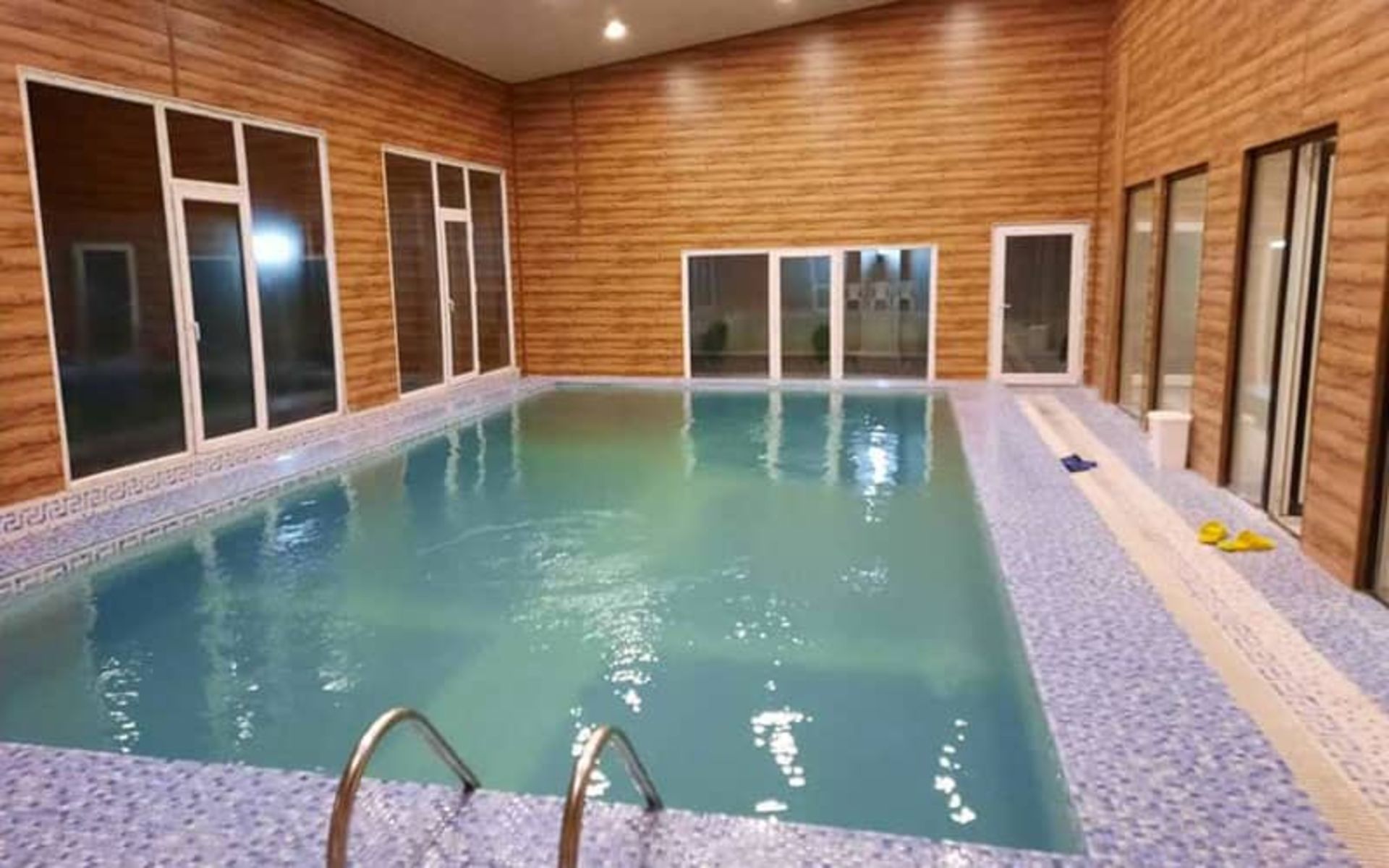
Photographer: Hamid Raisi / Google Map
Mahalat has seen a significant development in amenities. Various complexes including indoor and outdoor swimming pools, modern accommodation complexes in the form of suites, hydrotherapy ponds, etc., welcome those interested in using the healing properties of the springs of this region. The wide reception of tourists throughout the year, especially during the holidays and the summer season, causes the accommodation capacity of all centers to be completely filled.
Ateshkoh fire temple
A building left over from the Sasanian period is located in the village of Ateshkoh Nimvar of Mahalat county, which is known as the fire temple of Ateshkoh of this city. This historical monument, in terms of architectural structure, is a type of four arches that includes two main parts:
- four arches
- The central porch and the rooms around it
The quadrangular building is located in the southern part of the temple. This structure, whose dome is destroyed today, was previously built on four pillars.
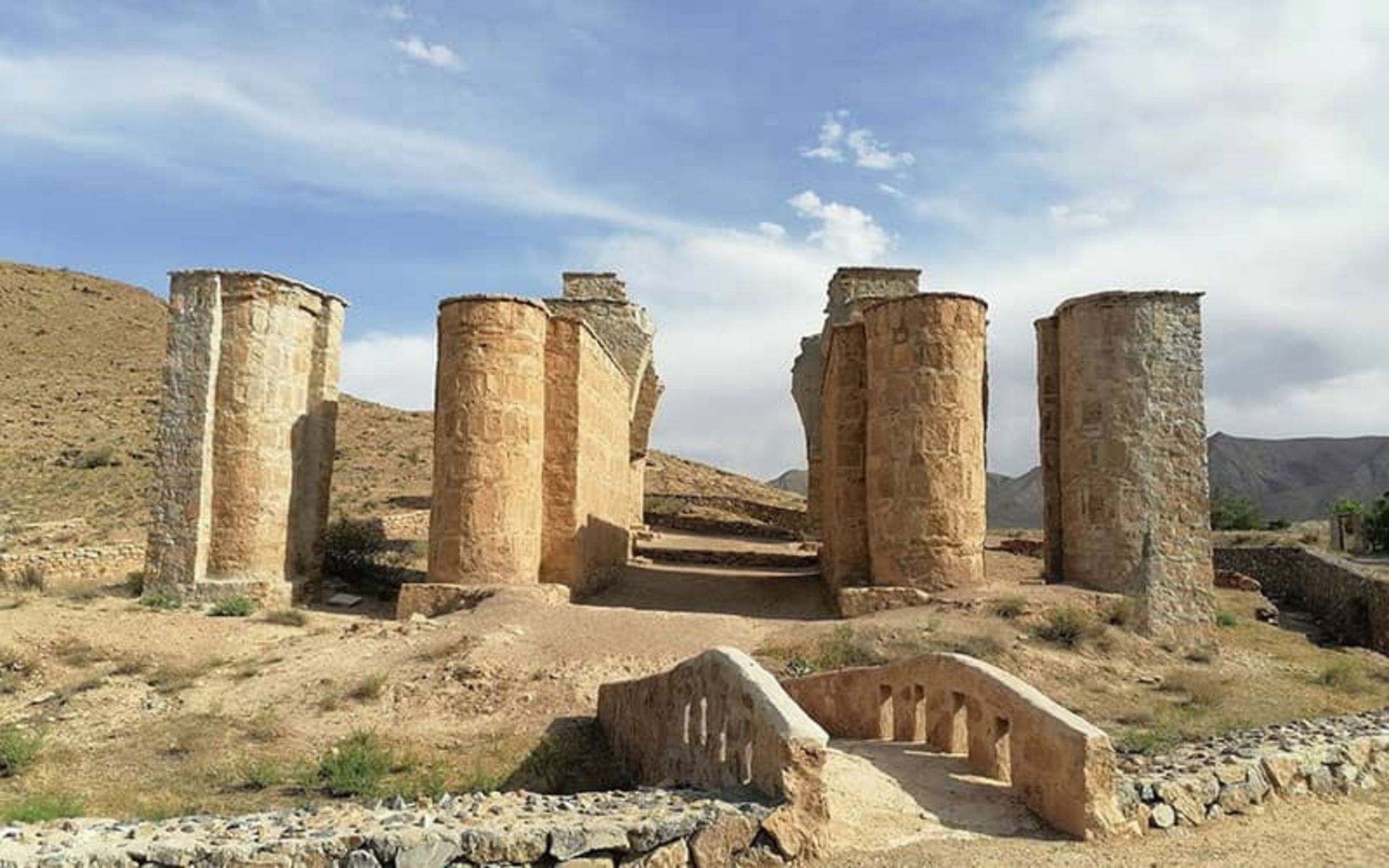
Photographer: Ali Kakavand / Googlemap
In the northeast of Mahalat city and between the villages of Varin, Dodhak and Ab Garm Mahalat, there is a beautiful and historical area which is known as Khorheh among the people. Khoreh means “place of rising sun”. Also, the word “Khor” in the book of Avesta means a summer camp area, and according to the climate and weather conditions of this region, this village is known as “Khorhe”. Khorhe temple and stone columns are among the sights of the village. Another attraction of this village is the Pomegranate Festival, which is held every year in the fall season.
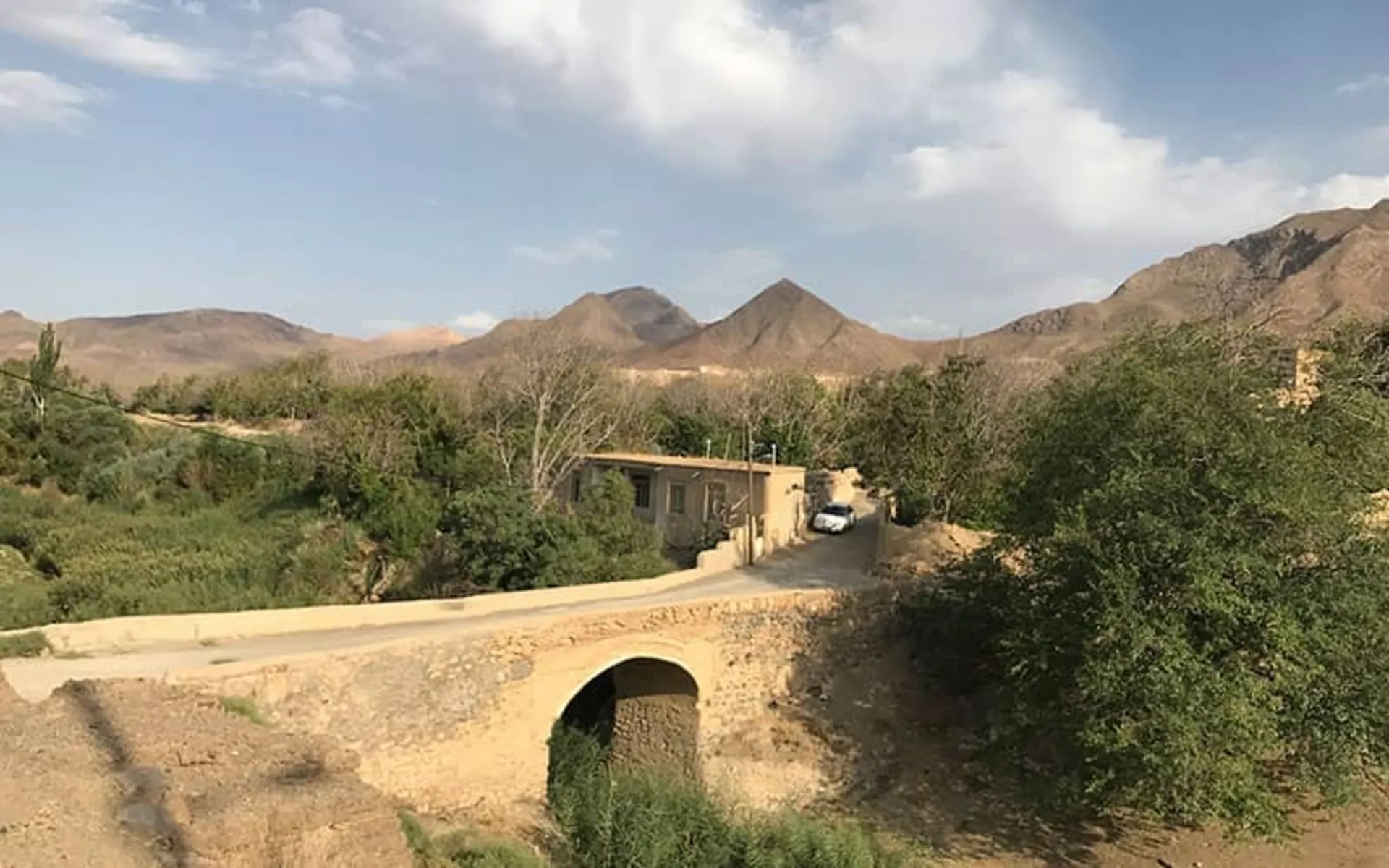
Photographer: Armin Razi / Google Map
Historical columns of Khorhe (Fireplace of Khorhe)
Khorheh is one of the oldest human settlements in the central province and Mahalat city, and one of the remains of the Parthian period architecture is an area whose two stone pillars are still standing today. This work is considered one of the few architectural works belonging to the Parthian period, which is located inside the soil of today’s Iran and is considered one of the sights of the neighborhoods. The main characteristic of this historical monument is the two columns left over from the 6 columns in the past with Ionic-shaped capitals.
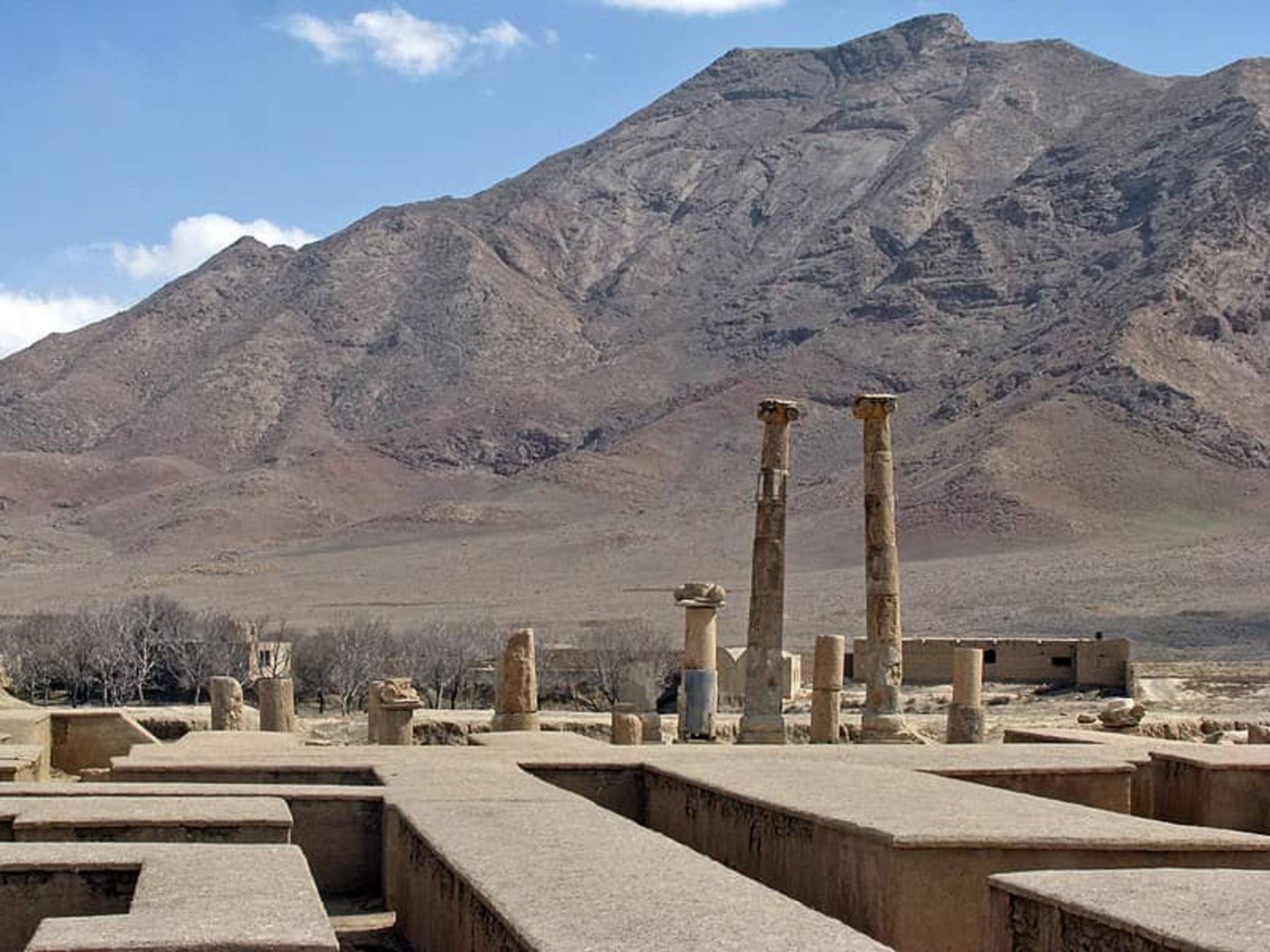
Photographer: Mohammad Mohammadi / Google Map
This area has been explored by archeology during six seasons, and in addition to valuable architectural findings, numerous archeological evidences including seals, glass pendants, pebbles, stone vessels, stone blades and metal works have been obtained from it.
Bagharabad historical bridge
In Baqrabad, one of the villages of Mahalat city, there is a bridge with a history as old as the Qajar rule, which is said to have been built during the Russian attack on Iran and by them. The creators of this historical work have built it using stone and have left a valuable souvenir for future generations. Unfortunately, due to the flood in this area, the bridge was damaged, and with the efforts of the authorities at the time, it was repaired and restored.
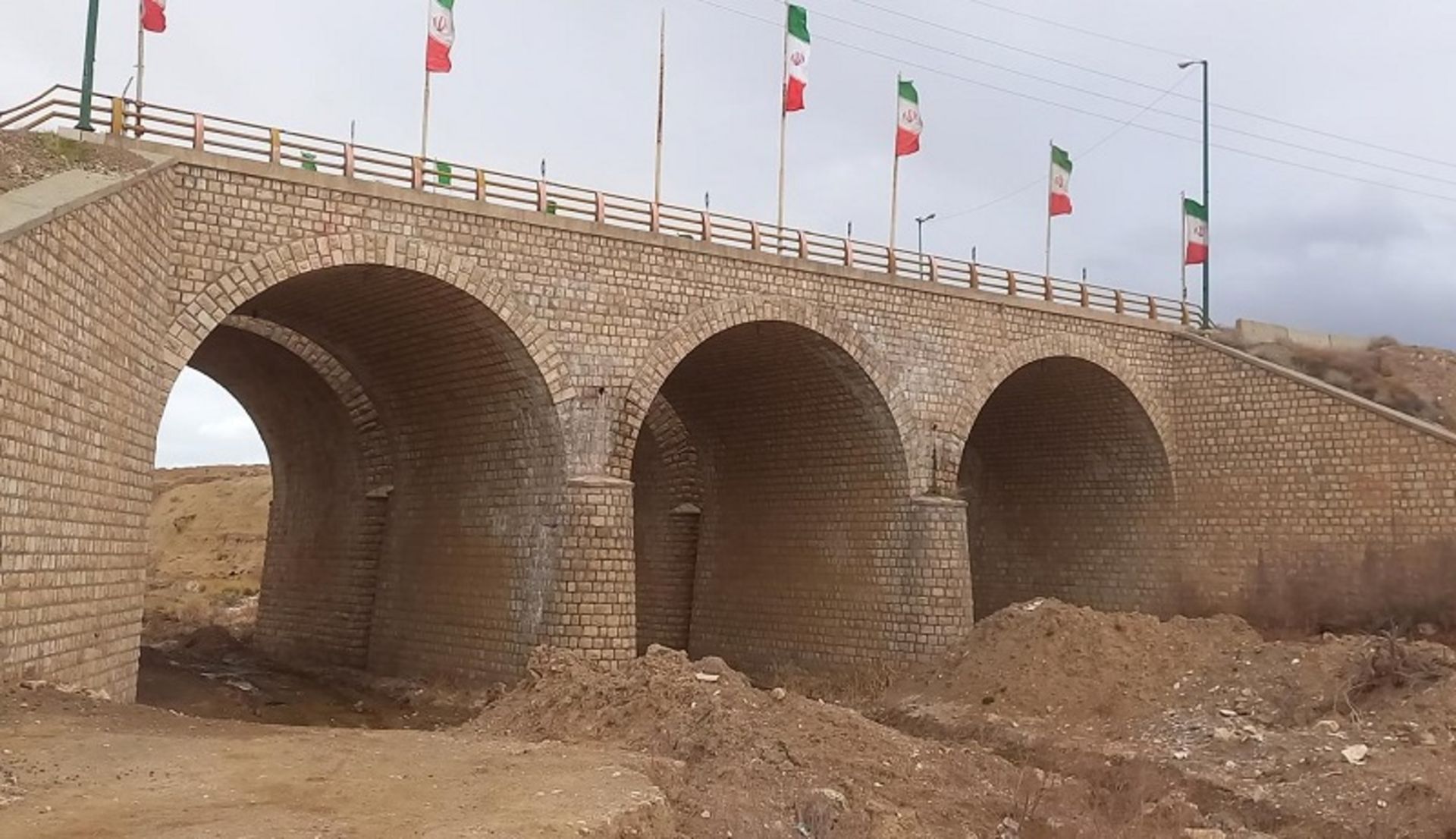
Photographer: Mr. Jandaghi / neshan.org
The old sycamore of Mahalat
The old sycamore tree in the sycamore square, which is several hundred years old, expressed the unique characteristics of the neighborhood. With its tall stature and wide branches, this tree has spread its shadow over the entire square. The presence of this thick and large trunk indicates the long history of this tree; However, in the introduced panel, its age is mentioned as 350 years. Around the square, with green streets and intertwined trees, they have created an eye-catching view and have turned this place into one of the must-see places in the neighborhood.
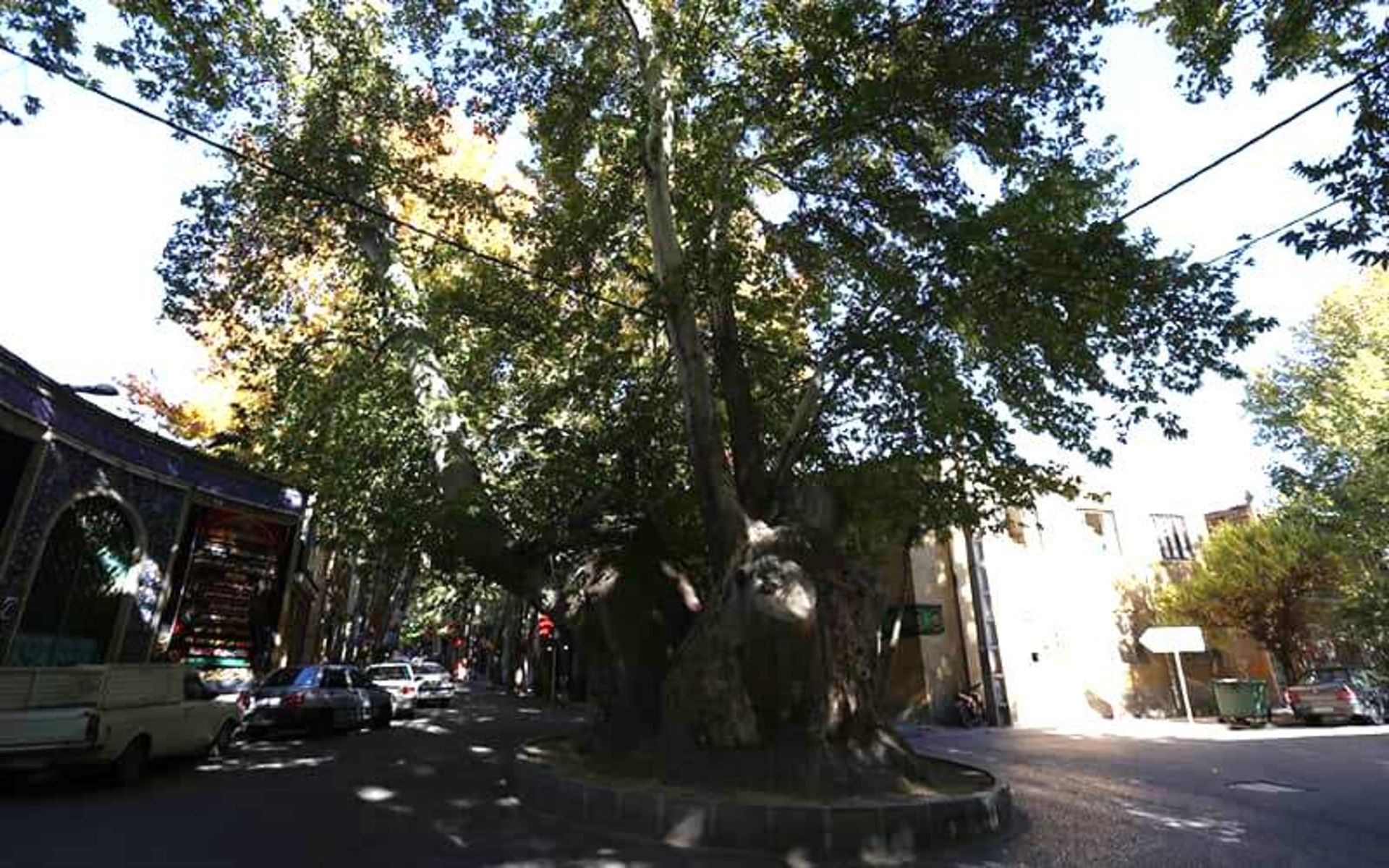
Photographer: Behrad Mouodi / Google Map
The ancient cave of Azad Khan is located 10 kilometers northwest of Mahalat, in the north of Sanjebashi village, and is an excellent choice for Mahalat tourism. At the bottom of this cave, there is plenty of clear water, which has collected due to the rain that drips from the roof of this cave. The road that connects Dolijan and Khomein passes near this cave. It has been narrated that during the attack of Azad Khan, the Afghan commander, the people of Porgan village (which later changed its name to Mahalat) took shelter inside this cave to avoid his attack, and this is what gave it its name.
Mahalat flower and ornamental plants village
Gol Mahalat village, with an area of about 110 hectares, which has the title of one of the largest flower growing villages in the country, is another one of the most popular places that every tourist visits when traveling to this city. Creating a suitable place for growing, preparing and distributing all kinds of beautiful flowers in this region of the country has made the process of preparing flowers for tourists and visitors easy and far from worry.
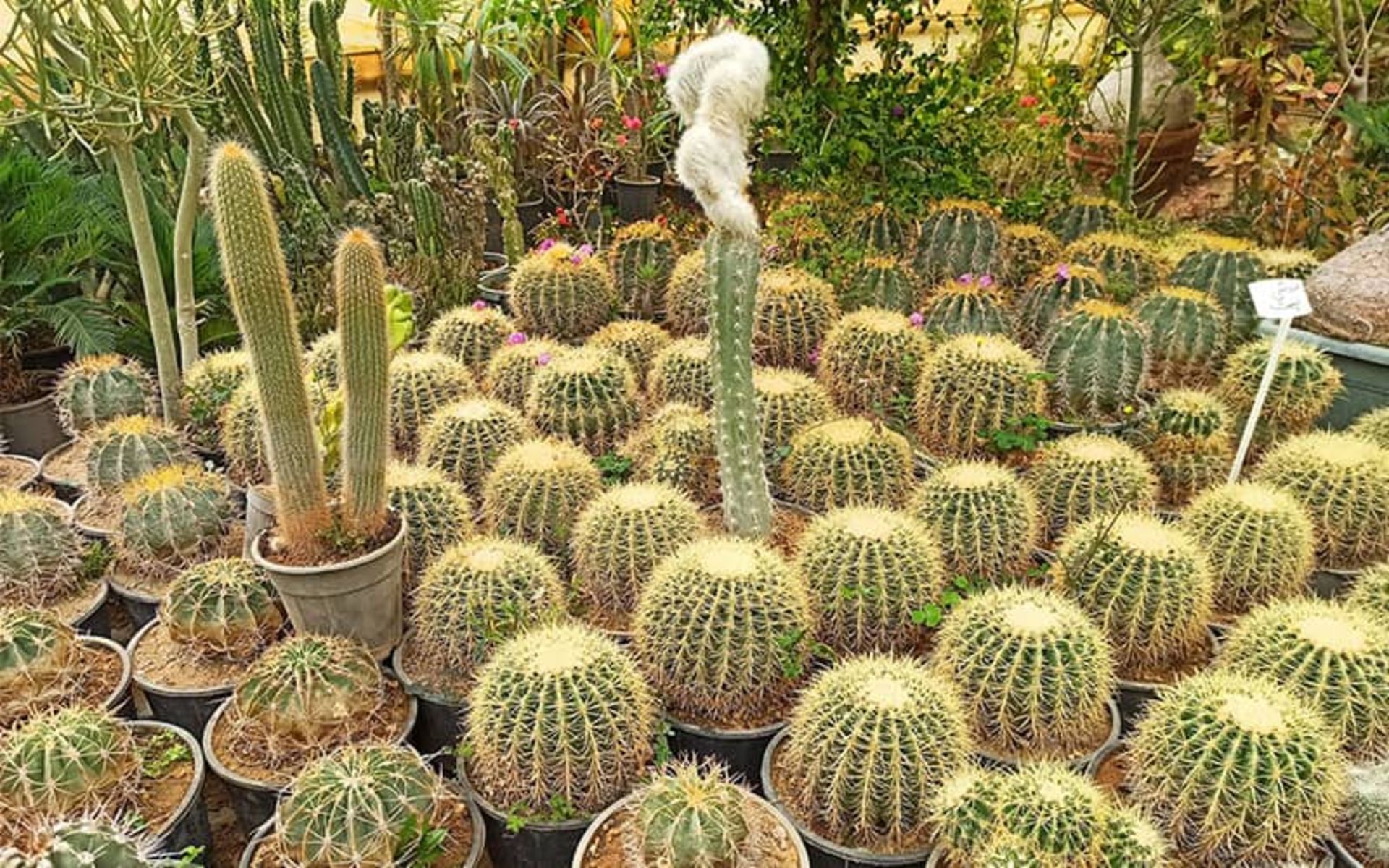
Photographer: Natech Construction Group / Google Map
Yeke Chah cave is another natural and attractive cave in Mahalat city, which dates back to the third millennium BC to the middle centuries of the post-Islamic historical period. This very beautiful cave consists of beautiful columns, stalagmites, stalactites, halls, amazing and spectacular atriums, all of which take a long time to visit. The floor of the cave is also covered with clay and no water flow can be seen in it.
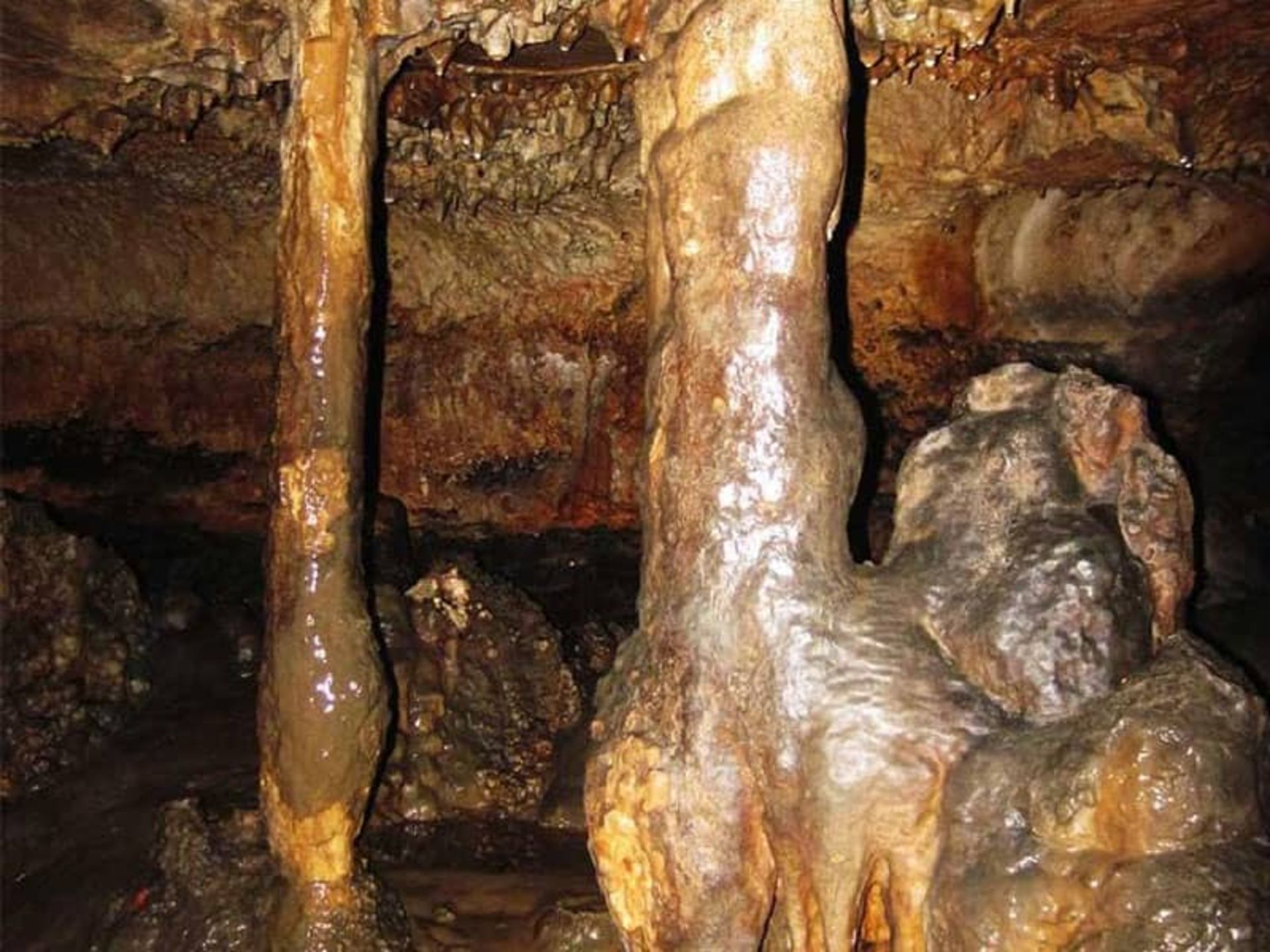
Photographer: Ehsan Aminjavaheri / wikiloc.com
Larijan village
Larijan village is located in the southeast of Mahalat. The residents of this village, like many surrounding areas, are engaged in activities such as agriculture, horticulture and animal husbandry; But the production of greens for Eid in March has made Larijan a unique place. In the last month of the year, almost all the villagers are busy growing and selling Haftsin greens.
Among the sights of the village, we can mention Larijan Castle, which has been left alone. The castle of this village has an area of about 14,000 square meters and has 6 towers.
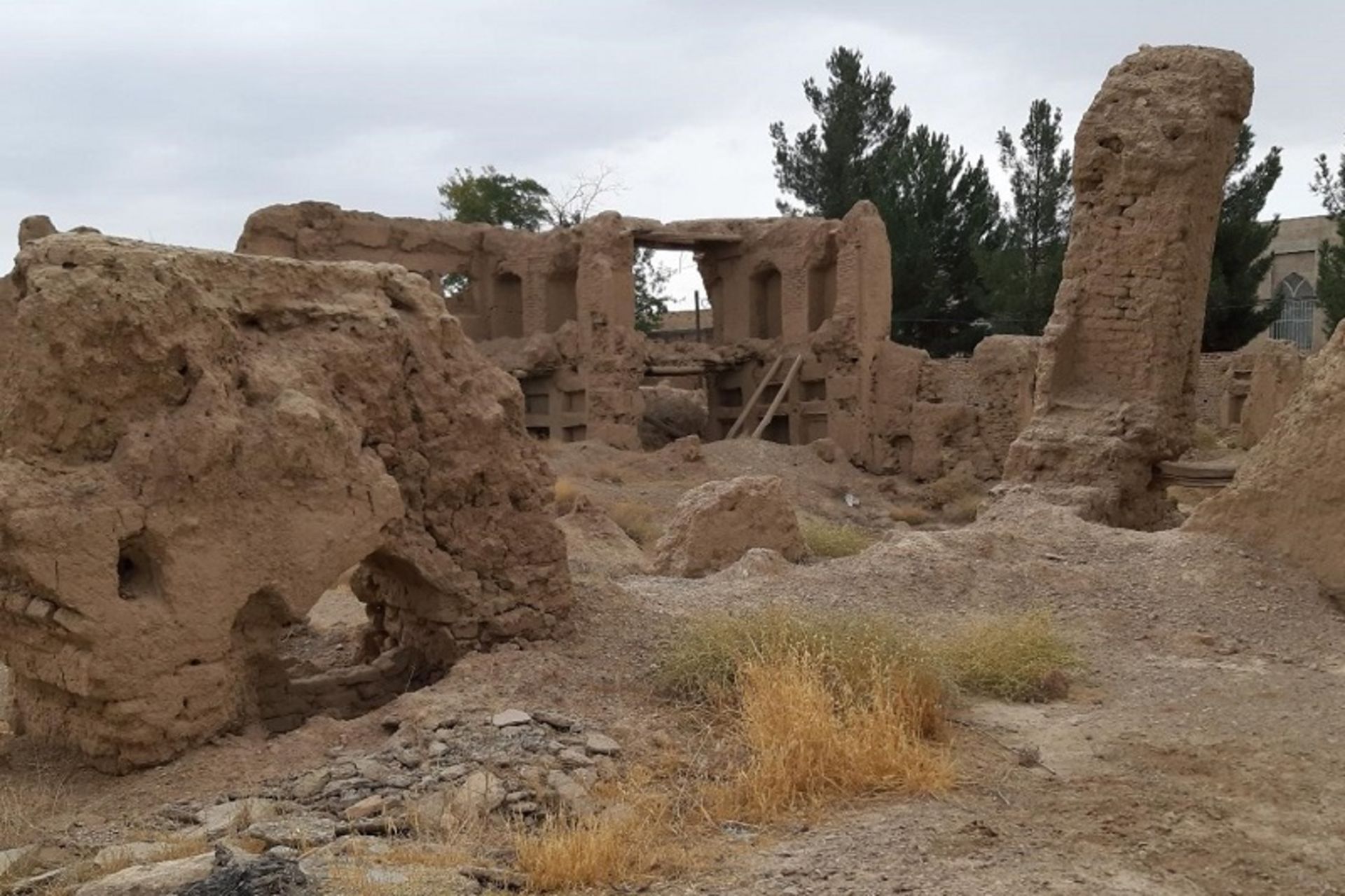
Photographer: Berdia / neshan.org
If you have ever traveled to Mahalat and visited its sights, we will be happy to share your experiences and opinions about the tourist attractions of Mahalat with us and other Kajaro users.

RCO NEWS