

With the complete revival of the travel industry, the fastest growth rates no longer belong to the traditional powers, and the map of tourism popularity from Ethiopia to Bhutan is changing. According to the “World Tourism Barometer” report of the United Nations, travel statistics are returning to the pre-pandemic era with a four percent growth. Although Europe is still the most visited region, the main jump has occurred in countries that have a rich cultural identity but have not yet reached the saturation stage. Today’s travelers are more and more attracted to special sights and the possibility of discovering new truths in emerging destinations. (BBC)
Egypt: Return to glory with an archaeological flavor
With a jump of 20%, Egypt has recorded one of the strongest performances in the Middle East. The main driver of this growth is the final opening of the “Grand Egyptian Museum” after two decades of waiting. This museum has made the travelers who had postponed their trip for years to go to this country.
Photographer: Unknown / Alamy
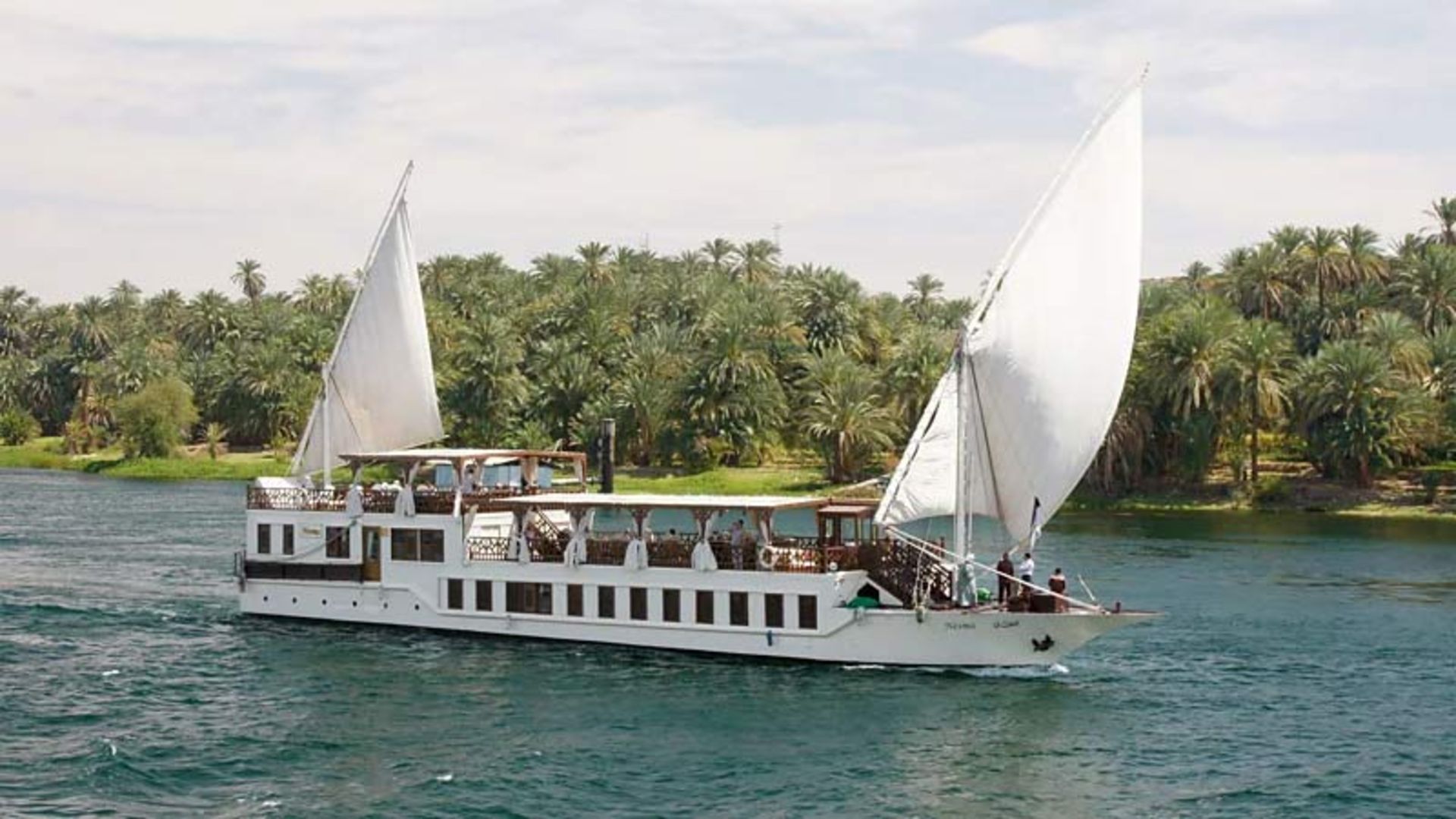
Also, improved security and high demand for viewing the 2027 solar eclipse have fueled the market. Experts suggest that travelers use “Dahabiya” or traditional sailing boats instead of giant cruise ships to visit the secluded temples in a more relaxed manner.
Brazil: beyond the famous beaches
Brazil has had the highest annual growth rate with a growth of 37%. This success is the result of facilitating air access and changing the world view of this country. Brazil is now seeing an influx of “conscious luxury seekers” who are looking for wellness and a real connection to local communities.

Photographer: Unknown / Alamy
Brazil’s main challenge now is diversifying destinations and moving tourists away from crowded hubs like Rio de Janeiro to local markets and pristine Amazonian regions.
Ethiopia: Resurrection in the Horn of Africa
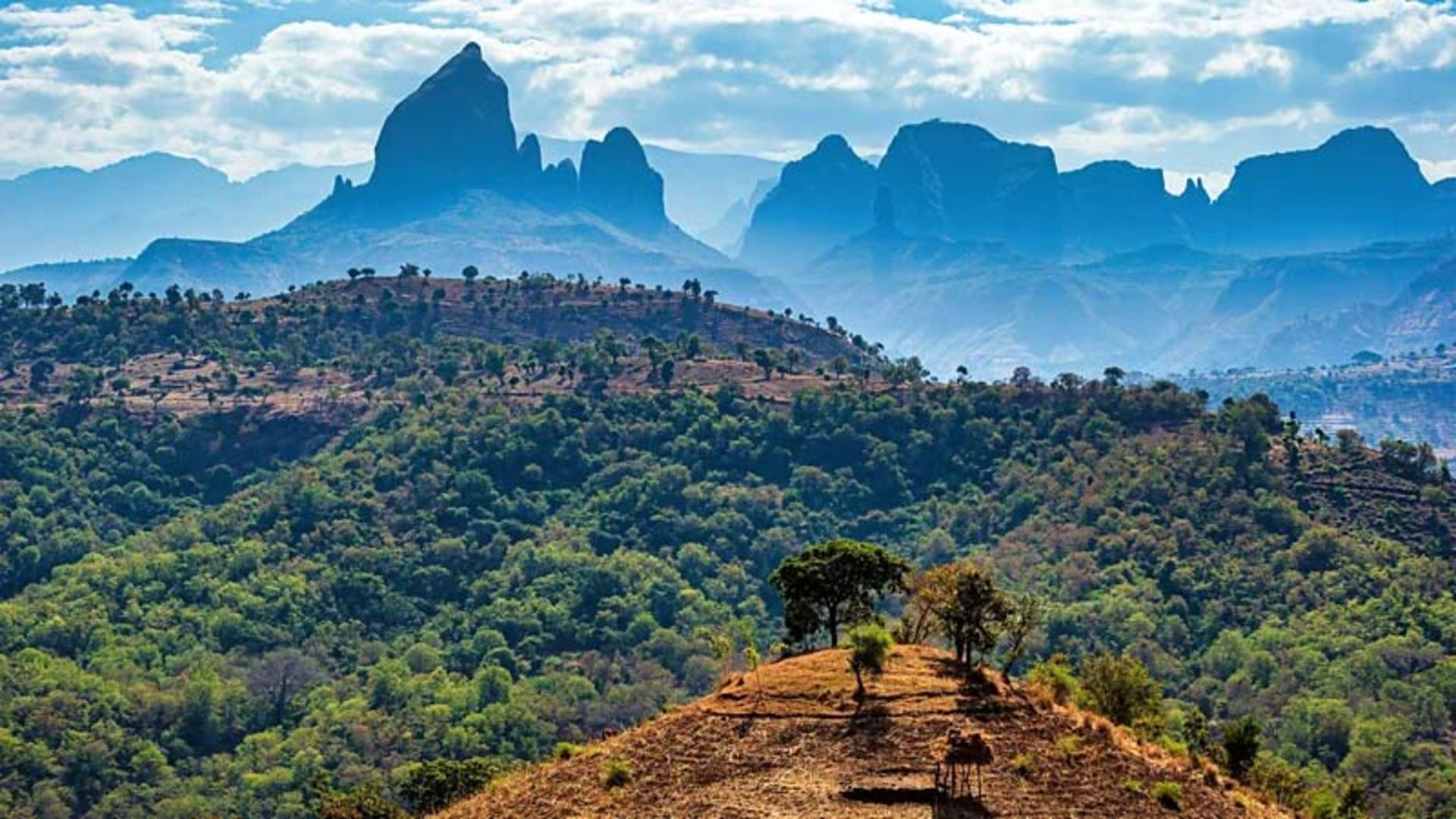
With a growth of 15%, Ethiopia ranks first in tourism in the African continent. After several years of declining figures due to internal conflicts, now with the return of security and investment in infrastructure, passenger confidence has returned.
Photographer: Unknown / Alamy
Ethiopia is a unique destination to experience archeology and natural history, and from the rock churches of Lalibela to the rare monkeys in the Simien mountains and the ancient tribes in the south, all offer endless attractions for the young and adventurous generation.
Seychelles: beyond the honeymoon
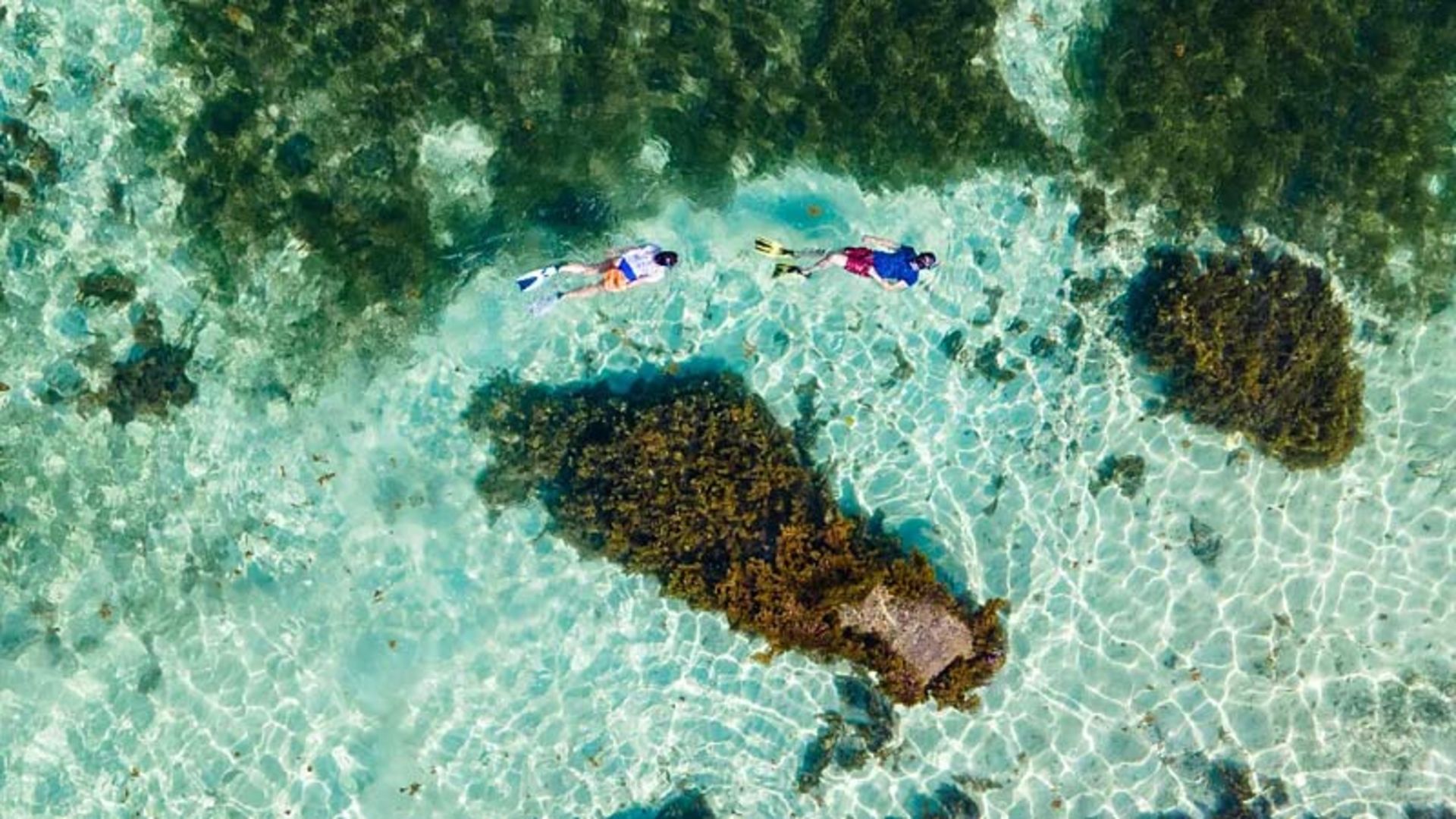
With 13% growth, the Seychelles archipelago has changed its image from a purely romantic destination to a place for families and health lovers. In addition to the beaches, hiking in the rainforest and the local Creole culture are among the new attractions of this country.
Photographer: Unknown / Alamy
Seychelles is a leader in environmental protection by protecting 30% of its marine territory, and interestingly, there are no private beaches in this country and all beaches are owned by the public.
Bhutan: A refuge from the hustle and bustle of modernity
Bhutan still insists on the policy of “high value and low volume”. A 30% growth in statistics in 2025 does not mean overcrowding, because tourists have to pay $100 a night for the “Sustainable Development Fee”. Known for its “Gross National Happiness” index, Bhutan has become a haven for modernity-weary travelers looking for deeper experiences like hanging out with monks or dining on remote farms. Gross national happiness is an indicator for measuring the progress of the country, which instead of economic wealth, collective welfare and balance between spirituality, conservation of nature and culture is the criterion of development. In Bhutan, by taking high amounts of money from tourists, they control the population so that the peace of the society and their nature is not disturbed, and they spend the resulting income on free education and health for their people.

RCO NEWS