


The Economist reports on internal divisions in Ukraine’s negotiating team
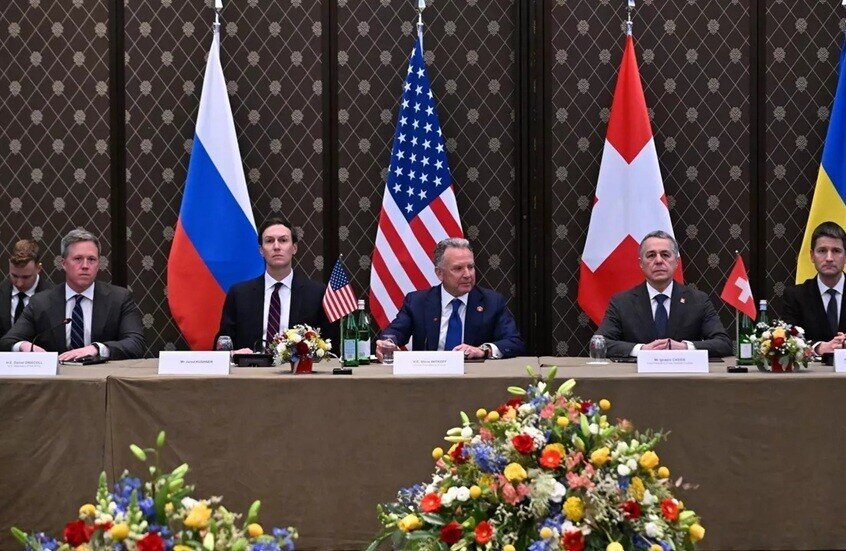
Meanwhile, the new round of tripartite negotiations between Russia, the United States, and Ukraine has been held in Geneva, and the international community is waiting for its possible results, and it is reported that internal differences in the Ukrainian negotiating team have become one of the key factors in complicating the peace negotiations with Russia and can affect the future of a possible agreement.
According to Isna, in a report, the English media has analyzed the process of peace negotiations between Ukraine and Russia and has emphasized that the internal differences in the Ukrainian negotiating team have become one of the important factors affecting the future of these negotiations.
The “Economist” newspaper has reported that despite the resumption of negotiations in Geneva, this process has become increasingly complicated, and in addition to external pressures, internal disagreements have also affected Ukraine’s negotiation strategy.
The Economist writes that early developments this year had given signs of relative optimism about the possibility of reaching an agreement. The Paris meeting created the impression among Ukrainian officials that US negotiators, including Steve Wittkoff and Jared Kushner, are paying more attention to Ukraine’s interests. Also, in these negotiations, frameworks for a bilateral security agreement were proposed, which seemed stronger than expected. On the other hand, changes in the composition of the Ukrainian negotiating team, including the prominent role of former head of the Ukrainian intelligence service Krylo Budanov as the de facto leader of the negotiating team, have helped to adopt a more pragmatic approach. According to one of the sources close to the negotiating team, the probability of reaching an agreement at that time was assessed as “50-50”.
However, British media emphasize that this optimism quickly ran into challenges. The publication of reports about the possibility of early elections in Ukraine, which were said to be held under pressure from the United States, caused controversy in Kyiv. However, The Economist explains that the push for the election actually came from Ukrainian President Volodymyr Zelenskyi’s team, not from outside parties.
This newspaper emphasizes that the lack of a specific agreement to present to the public opinion has complicated the negotiation process and reduced confidence in the possibility of reaching an agreement quickly.
The Economist also noted that a faction of the negotiating team, led by Krylo Budanov, believes that Ukraine’s interests require it to reach a US-brokered deal as soon as possible. The group is concerned that the opportunity to reach a favorable agreement may be lost if there is a delay, and considering the existing military and economic pressures, a quick agreement is necessary to ensure the security of Ukraine.
On the other hand, another faction in the leadership of Ukraine does not agree with such an approach. This faction is influenced by Andriy Yermak, Zelensky’s former chief of staff, who resigned due to a corruption scandal. This faction is hesitant to accept a quick agreement under current conditions and believes that a delay in negotiations may allow Ukraine to enjoy a better position in the future. According to the Economist, Zelensky is trying to balance these different views.
British media also reported that supporters of a quick agreement are concerned about the current fragile situation in Ukraine. Ukraine faces significant military and economic problems, including pressure on the front lines and problems caused by infrastructure disruption. These conditions have led some Ukrainian officials to believe that quick access to security guarantees, especially from the United States, is necessary for the survival of the country.
At the same time, some Ukrainian officials and European countries believe that Ukraine’s strategic position may improve in the future, and defense reforms in Ukraine and economic and military pressure on Russia may help strengthen Ukraine’s position in negotiations.
This report also points out the role of foreign factors in making the negotiations more complicated and reminds that the structure of the negotiations is such that it allows Russia to control the speed of the negotiation process. By controlling the ceasefire issue, Russian President Vladimir Putin has significant influence over the negotiation process, limiting Ukraine’s ability to obtain security guarantees.
end of message

News>RCO NEWS
RCO