

Have you ever wondered what famous buildings like the Colosseum, the Eiffel Tower or the Taj Mahal looked like before they became world symbols of tourism? Travel back in time with this fascinating collection of rare vintage photos spanning the late 19th century to the 1990s and see what these legendary buildings and sights looked like before they became the bustling destinations they are today. (MSN)
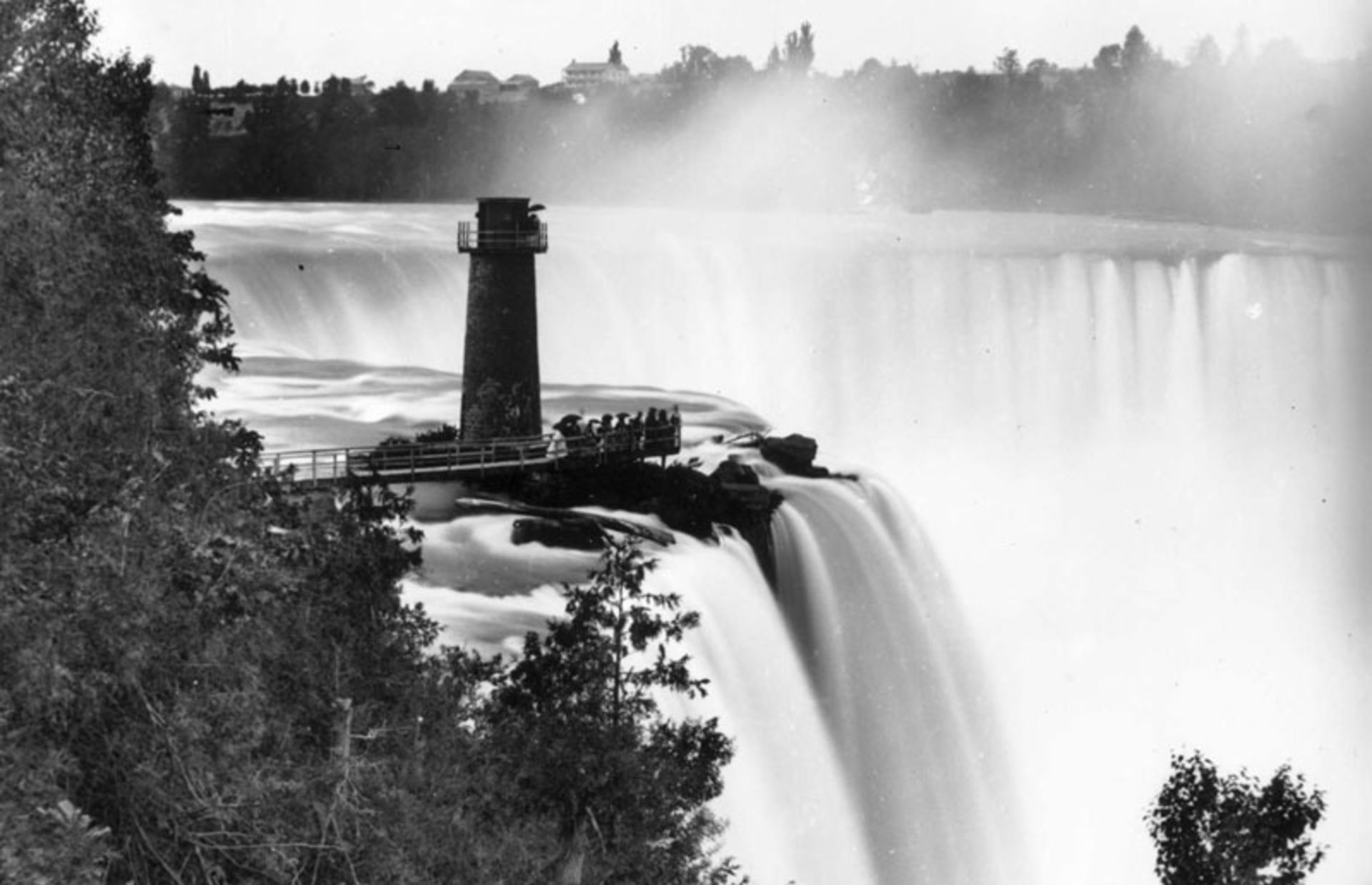
Niagara Falls, Canada and the United States; The beginning of adventure tourism
In the middle of the 19th century (1859 AD), Niagara Falls was not only a natural phenomenon, but also an exciting destination for adventurers. The construction of wooden bridges and viewing platforms allowed unprecedented proximity to the raging waters. Visitors, often dressed in formal clothes and in primitive conditions, traveled to see this natural wonder. The presence of observation towers at the edge of the falls shows that the experience of “dangerous viewing” was part of Niagara’s charm. During this period, Niagara slowly transformed from a natural sight to a world tourist attraction.
Photographer: unknown / msn.com
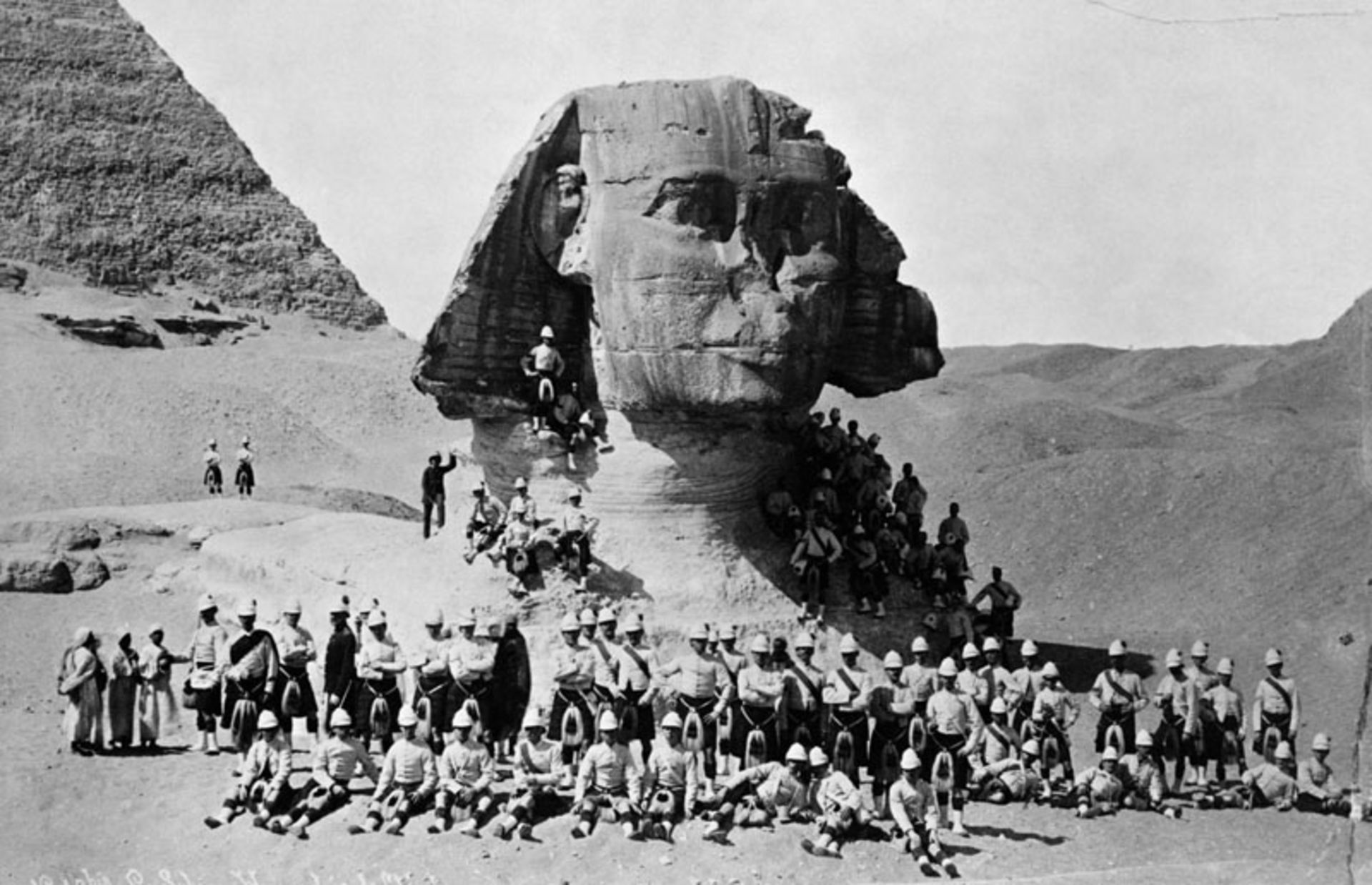
Great Sphinx of Giza, Egypt; Glory buried in the sand
The Egyptian Sphinx statue at the end of the 19th century (1882), still had a mysterious and half-hidden image. A large part of this ancient statue was buried under the sand of the desert, and this situation adds to its mysterious feeling. Visiting the pyramids of Giza at that time was more than a touristic experience, it was considered a journey of exploration into the heart of history. The presence of humans next to the huge figure of the Sphinx accentuates its amazing scale. This image shows a period when the ancient works were still being discovered, regardless of management and restoration for tourists.
Photographer: unknown / msn.com
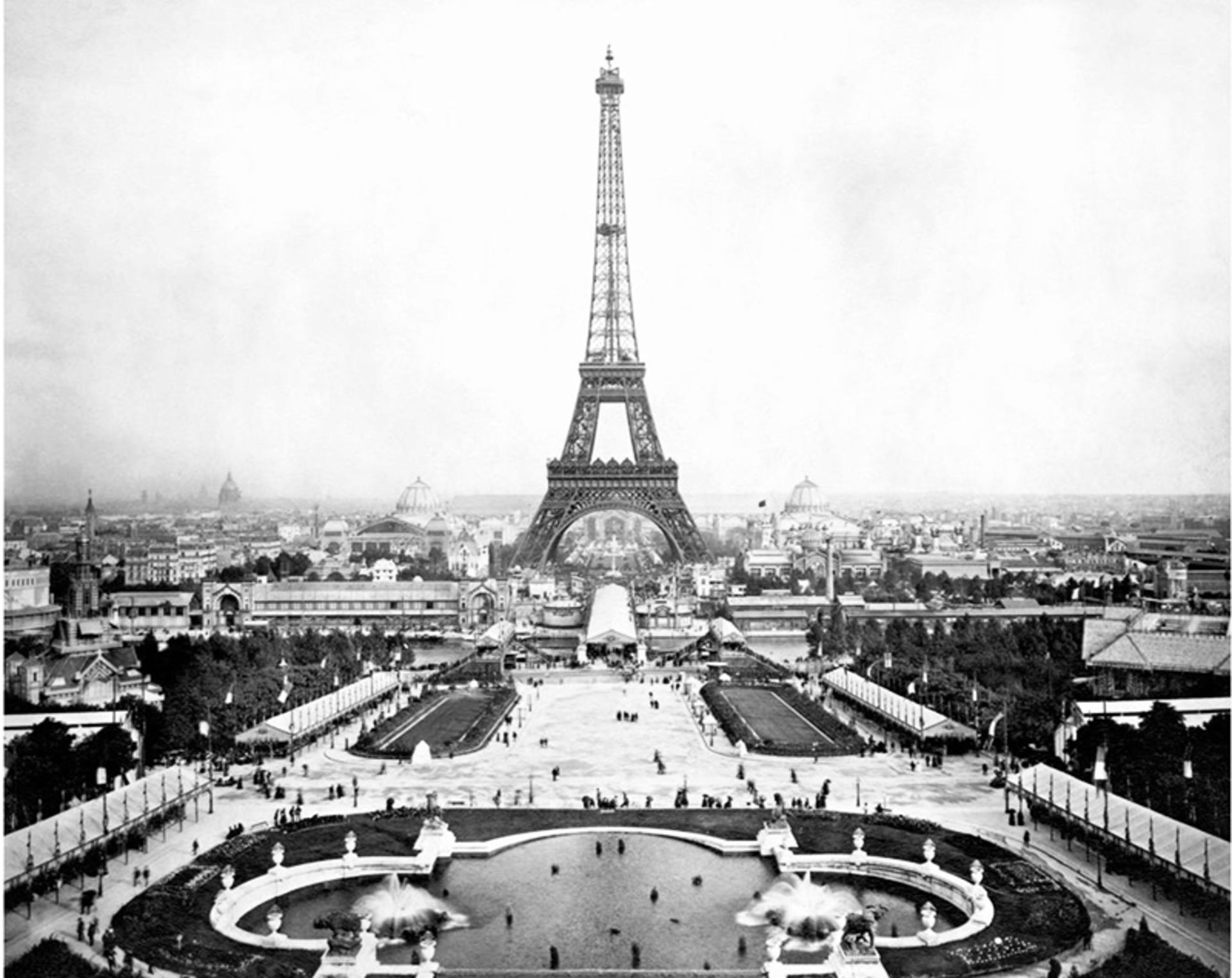
Eiffel Tower, Paris, France; The birth of a modern icon
The Eiffel Tower, the most prominent symbol of Paris in 1889, was a fresh and controversial structure in the heart of this city. Many considered it a temporary structure and even inconsistent with the face of the city. However, this bold metal tower became a symbol of Paris entering the age of modernity. The visitors of the world exhibition looked at this emerging structure with curiosity and wonder. At that time, the Eiffel Tower was not a familiar and crowded attraction, but was still a new experience; An experience whose future was uncertain even for its creators.
Photographer: unknown / msn.com
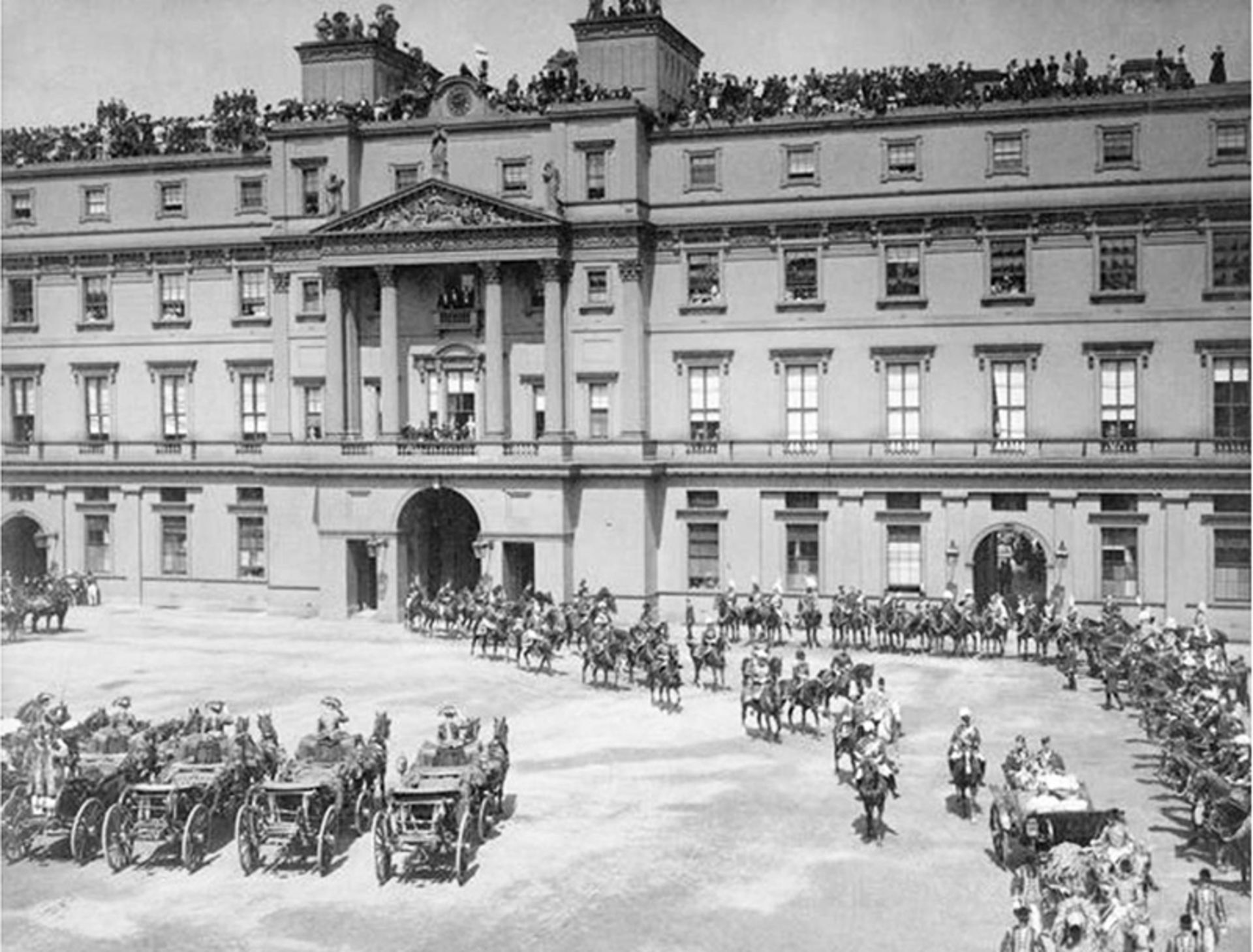
Buckingham Palace, London, England; Power, rituals, spectacle
“Buckingham Palace” (Buckingham Palace) at the end of the 19th century (1897), more than anything else, was a symbol of the authority of the British Empire. Royal events such as great national celebrations turned this space into a public stage for the display of power and order. People lined up to see the ceremonies and watched the palace not from inside but from behind the fences. This image shows London at a time when the distance between people and power was still clearly maintained.
Photographer: unknown / msn.com
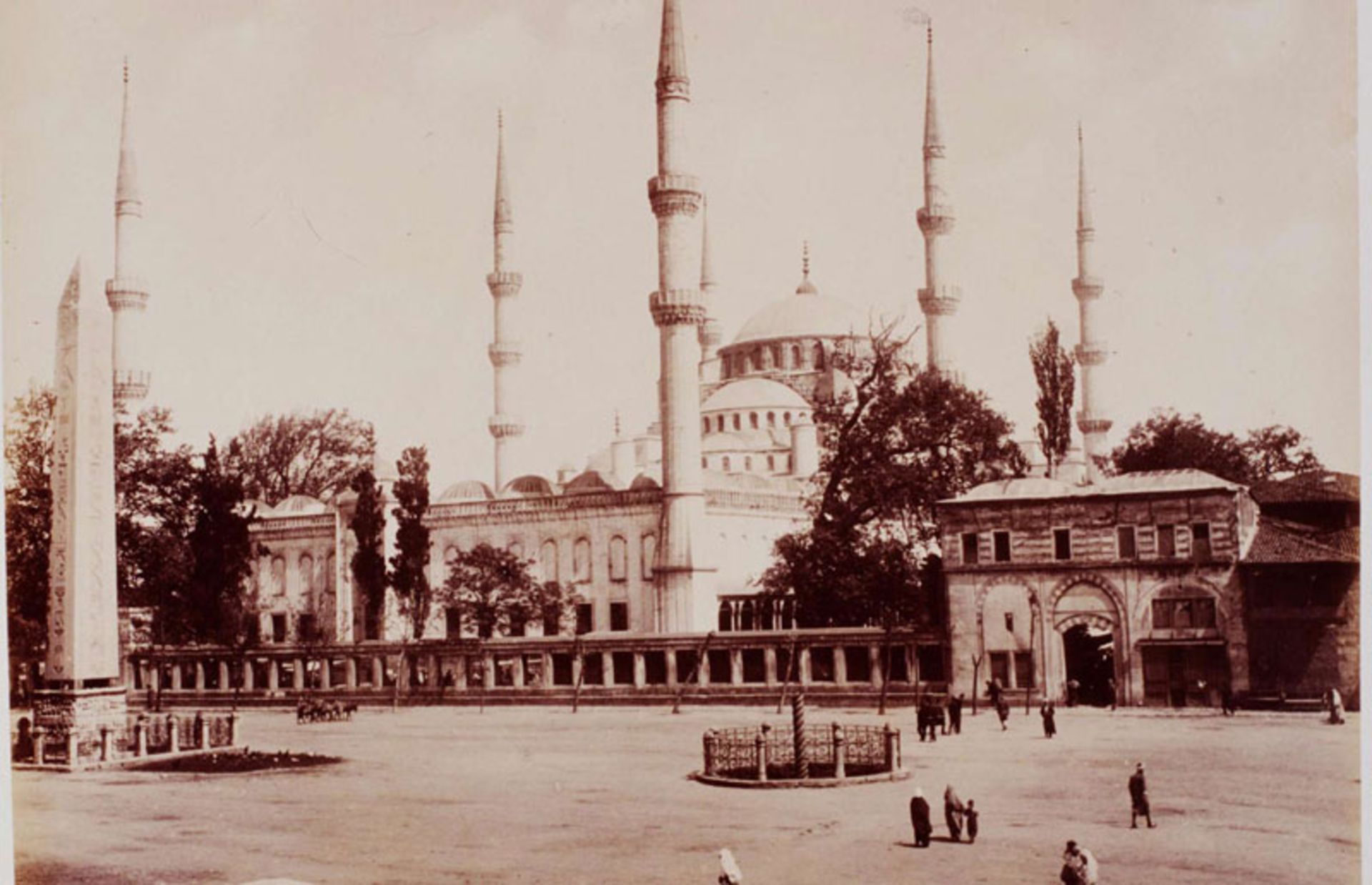
Blue Mosque, Istanbul, Türkiye; Quiet spiritual glory
At the end of the 19th century (1899 AD), the Blue Mosque of Istanbul had a quiet and less frequented atmosphere and looked much different from its busy image today. This building, with its magnificent domes and minarets, was a symbol of the power and self-confidence of the Ottoman Empire. Visiting the mosque without relying on mass tourism had more of a spiritual and spectator atmosphere, and the square around the mosque was quiet and its architecture stood out without crowding. This image shows an Istanbul that had not yet become a global tourist destination.
Photographer: unknown / msn.com
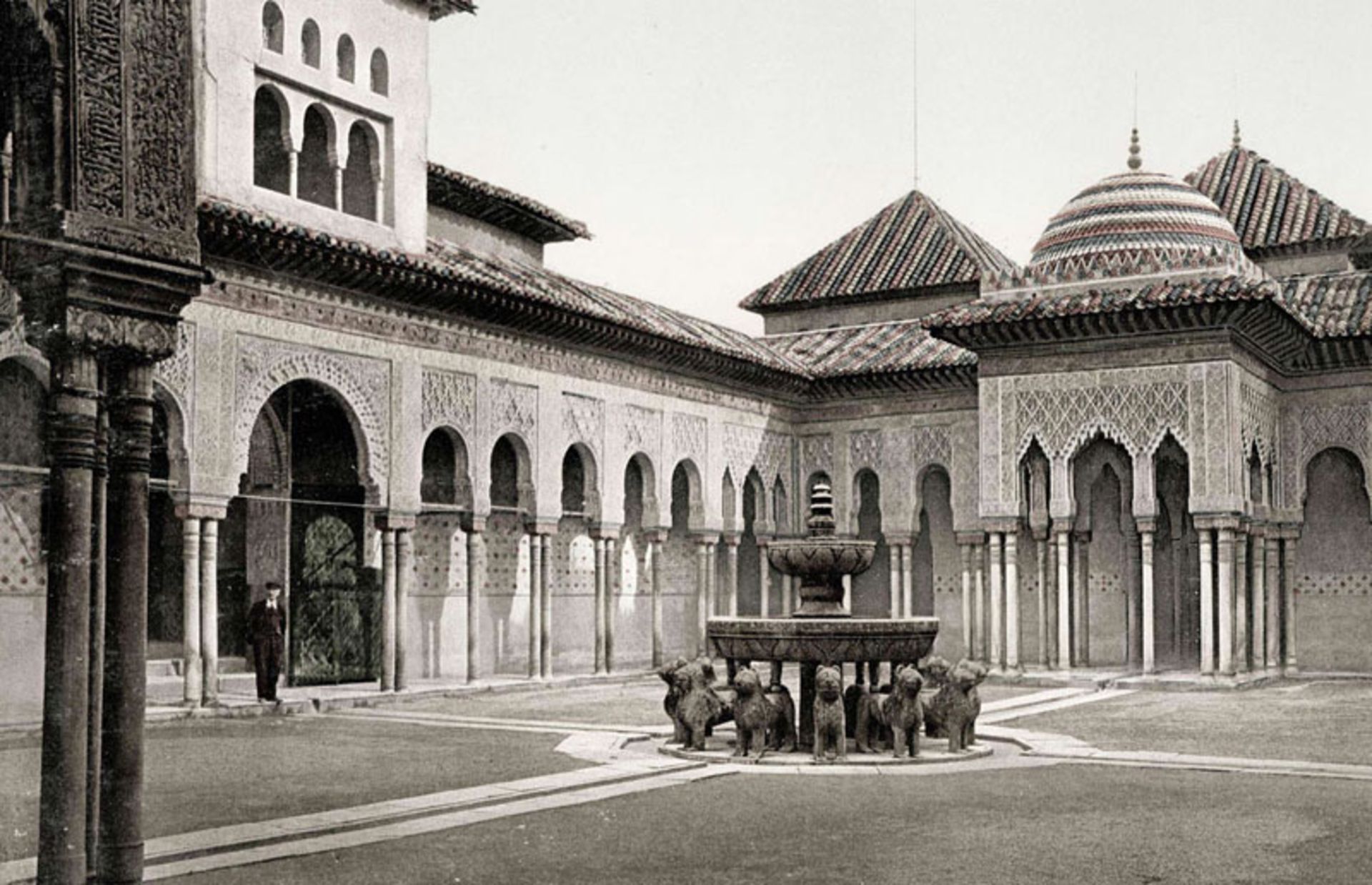
Alhambra Palace, Granada, Spain; The elegance of historical architecture
The Alhambra Palace, which is located on top of a hill overlooking the city of Granada, had a poetic and calm atmosphere in the early 20th century (around 1900) and was a place to walk and watch, not crowded and long queues. Elegant architecture, symmetrical courtyards and the play of light and water created a calm and meditative experience. The visitors were more attracted by the historical and oriental mood of this complex, and the gardens and palaces also breathed without the pressure of modern tourism. This image shows the Alhambra before it became one of the busiest tourist attractions in Spain.
Photographer: unknown / msn.com
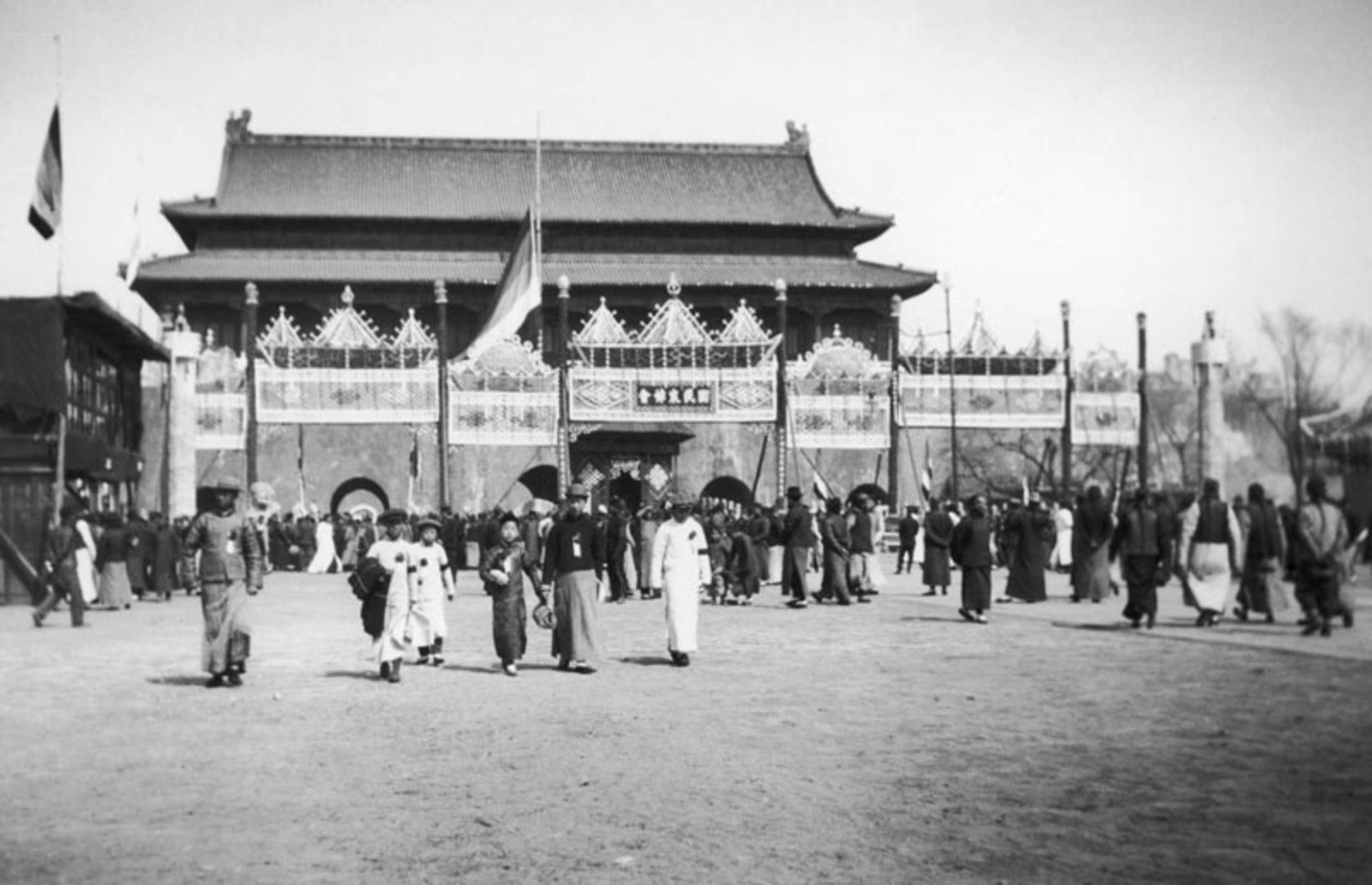
Forbidden City, Beijing, China; The end of an imperial age
China’s Forbidden City, a vast complex of imperial palaces surrounded by high walls, was still the heart of the country’s political power in the late 19th and early 20th centuries. This space was considered a closed and mysterious place rather than a tourist attraction. It was almost impossible for the general public to enter it and its greatness was watched from afar. The picture of 1908 AD shows the silence and dignity that ruled this place before the fall of the imperial system, and shortly after, this complex became a historical heritage from a symbol of power.
Photographer: unknown / msn.com
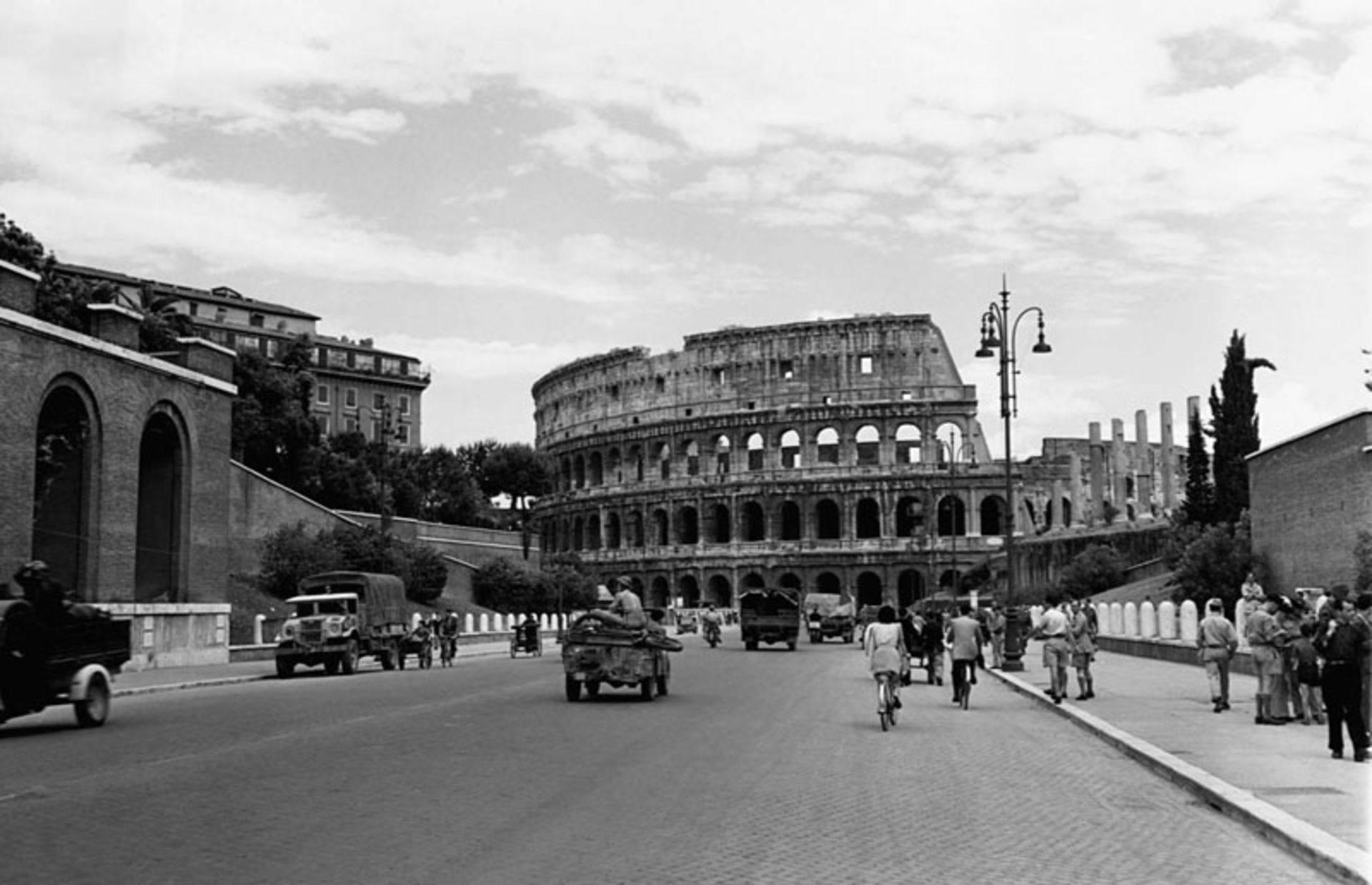
Colosseum, Rome, Italy; Silence after the war
The Colosseum, a huge stone amphitheater that was built between 70 and 72 AD to hold gladiatorial battles, stood in a silent and lonely space in the middle of World War II. Rome, which was once a popular destination for European tourists, lost its tourism boom during this period, and the streets were quiet and the historical buildings were seen without crowds. Colosseum in this image is more like a noisy attraction, it is a reminder of the distant past. This silence was the forerunner of a new era that came to life again with the end of the war and the return of cinema and travel.
Photographer: unknown / msn.com
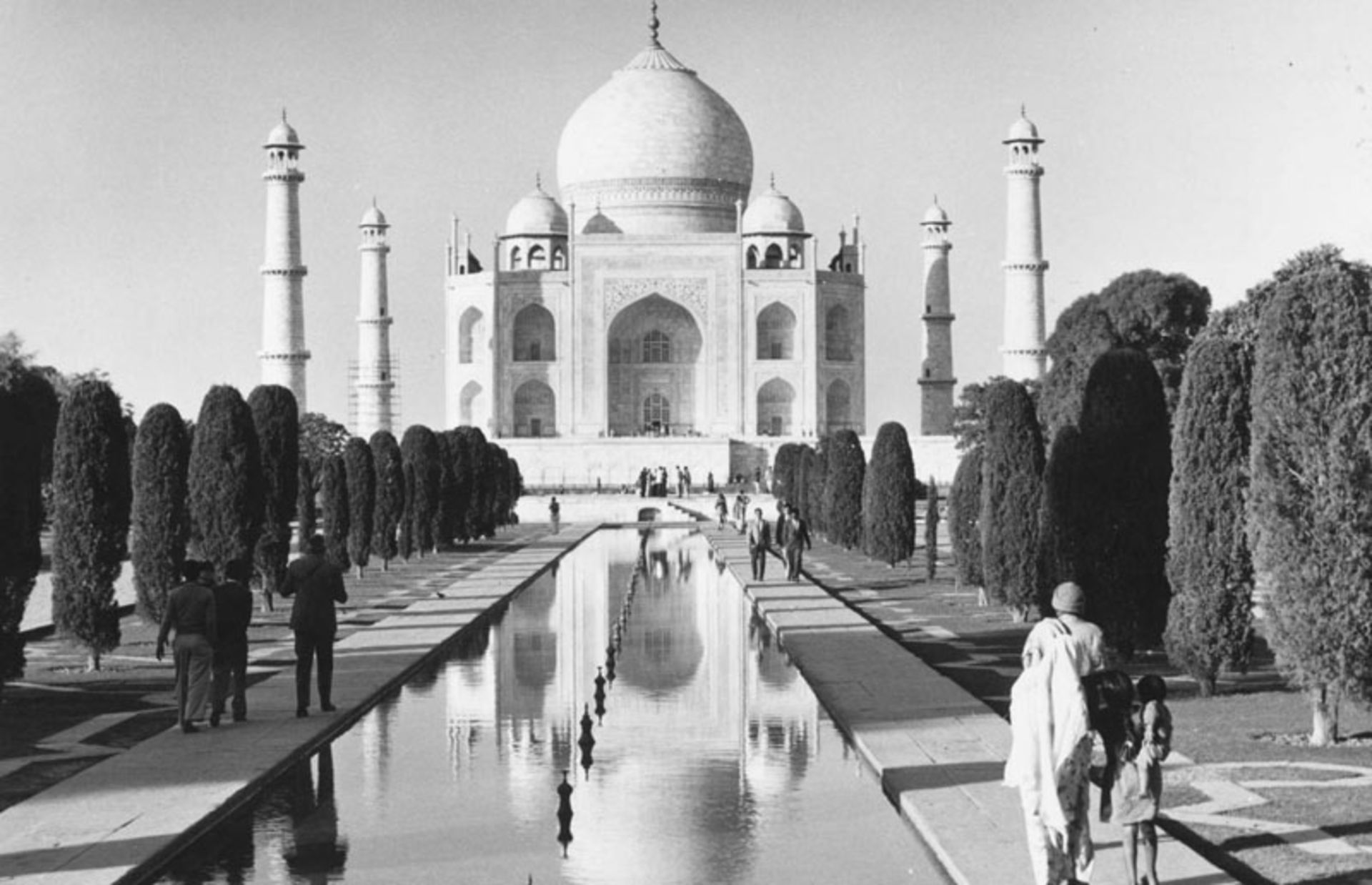
Taj Mahal, Agra, India; A symbol of eternal love
The Taj Mahal was built in 1632 by the order of Shah Jahan, the Gorkani emperor, as a memorial to his wife on the banks of the Yamuna river. This magnificent building displays a harmonious blend of Indian, Iranian and Islamic architecture and has long been a symbol of love, symmetry and elegance. In the 1960s, the Taj Mahal still had a quiet and secluded atmosphere, and visiting it was a more thoughtful and personal experience. The image below records a period when before the formation of mass tourism, the beauty of the building was palpable without crowding; A remarkable distance from today, which is visited by millions of people every year.
Photographer: unknown / msn.com
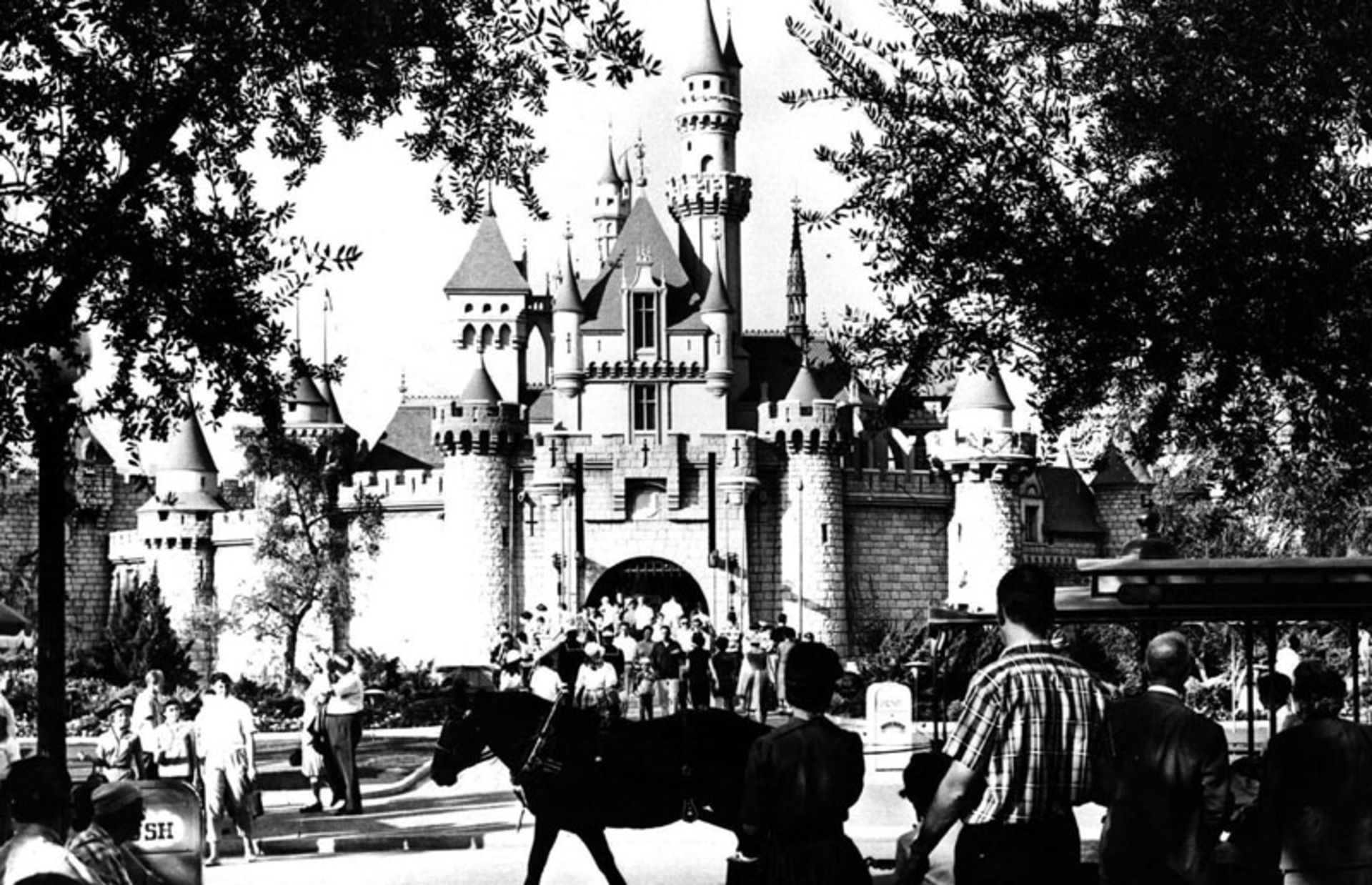
Disneyland, California, USA; The beginning of the recreational dream
Disneyland California was opened in 1955 and soon became a new form of entertainment tourism. Its most prominent symbol is the “Sleeping Beauty Castle”. This amusement park was widely welcomed by the people from the very first days; On opening day, 28,000 people visited, some so eager to get in that they climbed over the fences. This photo shows that the popularity of Disneyland continued in the 1960s and tourists surrounded the legendary castle.
Photographer: unknown / msn.com
Until now, which of these attractions have you seen up close, and which do you think has experienced the most change over time? Please let Kajaro and its users know your valuable opinion.
Cover photo: Vintage photo of the Taj Mahal in India, photo source: Wellcome Collection, photographer name: unknown

RCO NEWS