

Tabas is a small city in the central plateau of Iran in South Khorasan province with a rich historical and cultural background. Due to the desert climate, this city has hot days and very cold nights. This city is a combination of rich culture and pristine nature; Where several thousand-year-old aqueducts next to seasonal waterfalls tell a story of the coexistence of humans and this region of Iran. Thermal springs, mountains and amazing sedimentary rocks along with historical attractions have made Tabas an ideal place for lovers of nature, geology and history. Stay with us so that we can introduce you to Tabas sights.
Tabas natural attractions
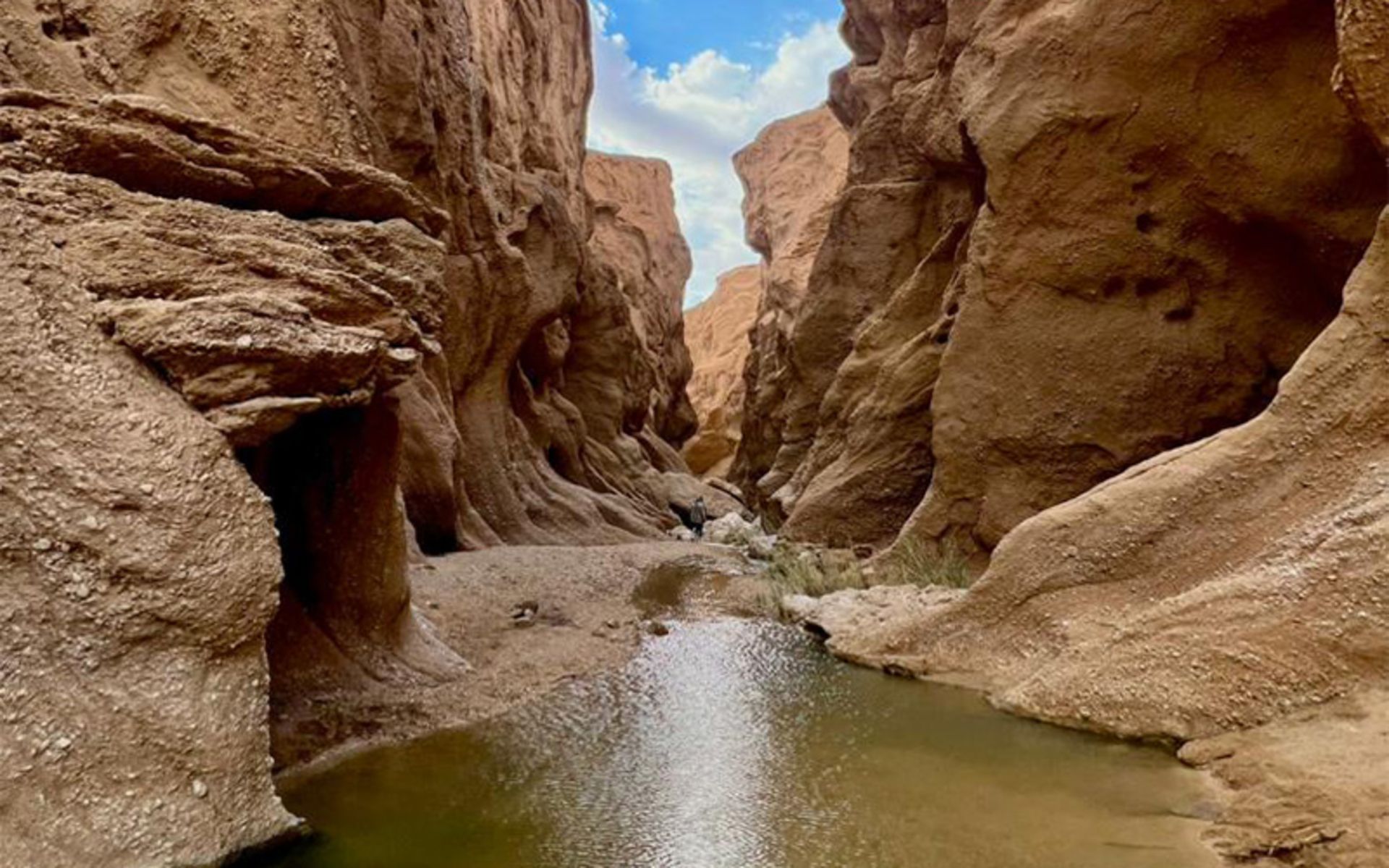
Kal Jani or Dareh Janian is a mysterious area in Tabas city in Azmeighan village. This beautiful valley full of surprises is one of the tourist attractions of Tabas and according to the natives, it is a place where jinn and ghosts live. In this mysterious and scary destination, you can watch the unique nature or an ancient civilization and get a different experience in the heart of the desert. Kal Jeni is registered in the list of national natural monuments of Iran and attracts thousands of domestic and foreign tourists every year.
Photographer: HESAM ASHOORI / Google Map
Kal Jeni is actually the most important part of Tabas Geopark, which includes more than 50 smaller geosites. Tabas Geopark, as the third geological park of Iran, after Qeshm and Aras Geoparks, is on the list of UNESCO natural monuments. It is interesting to know that this valley has been inhabited by humans and many people consider it a smaller example of the “Grand Canyon” in America. Unlike the surrounding deserts, which do not have a drop of rain throughout the year, Kal Jeni is full of water and waterfalls, and the signs of erosion in it show that in the distant past, a river full of water and raging passed through this place.
Azmeighan village
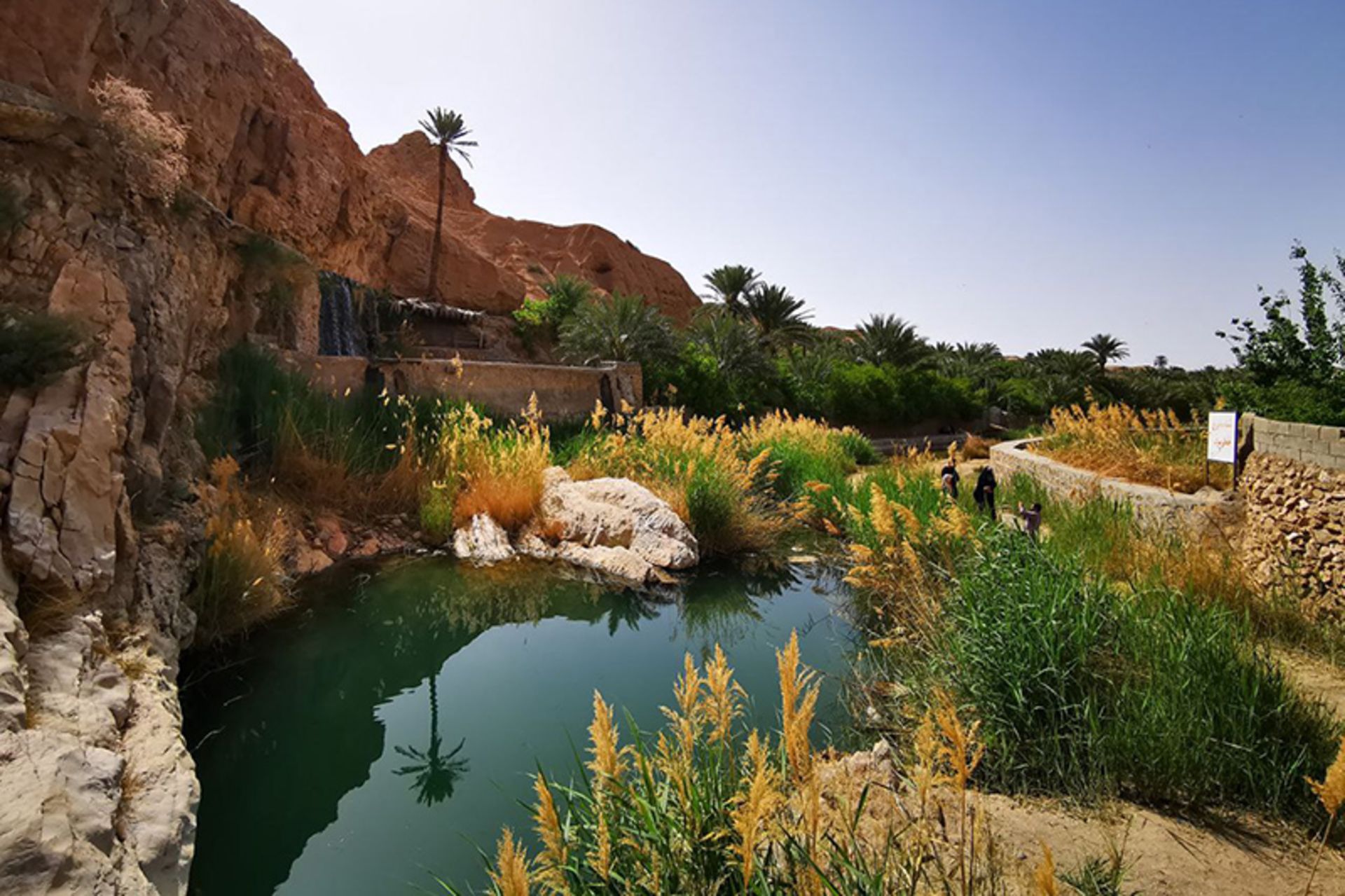
Azmeighan village is located 40 kilometers north of Tabas; A green village with countless groves and rice paddies next to each other will enchant you. Several permanent rivers flow in this village and the passage of these rivers through the rocks has created beautiful springs and waterfalls. Do not forget to visit the bride’s bed during your trip to Azmeighan. Takht Arous is the name of a large white stone that stands out at the bottom of a valley near the village of Azmeighan. This stone is located in the middle of the river and since the water is moving from both sides, it looks like a bed.
Photographer: Travel Guide / Google Map
The mausoleum of Seyyed Muhammad bin Jafar Tayar (the mausoleum of Imam Ali’s nephew) and the Qadamgah waterfall and two inscriptions similar to Arabic (from the period of Muhammad bin Jafar Tayar), two historical castles called Qala Dokhtar and wild plant species such as the mountain fig tree with a height of 20 meters and 300 years old are other attractions of Azmeighan village.
Morteza Ali fountain
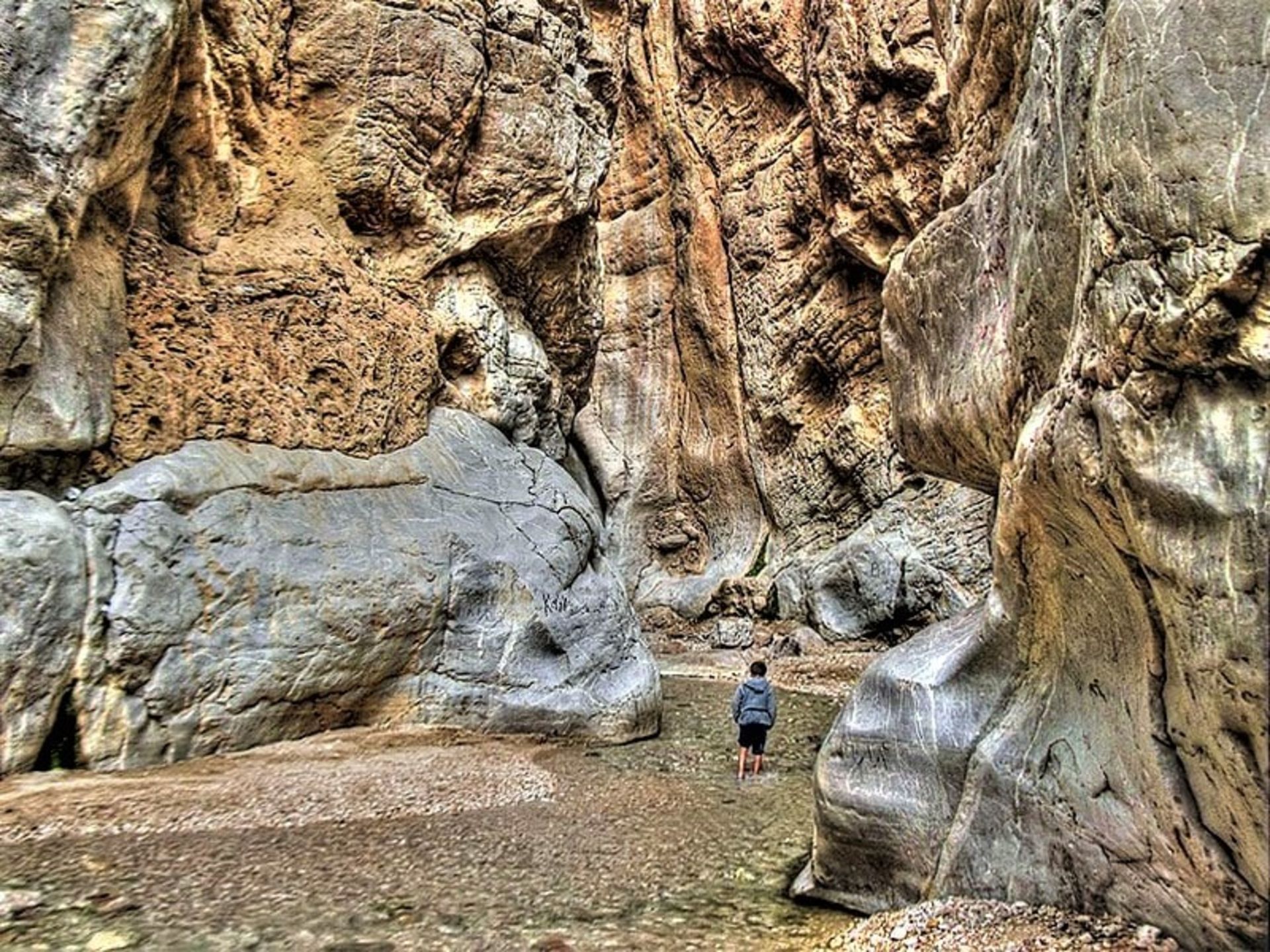
Morteza Ali spring is one of the most famous sights in Tabas, which flows from the southern slopes of Kashsiah mountain towards the west. The reason for the fame of this place, in addition to its greenery and sunshine, is the existence of two hot and cold springs next to each other; Two springs that sometimes have a temperature difference of up to 10 degrees Celsius or more. To reach Morteza Ali spring, just go to Khoro village. It is interesting to know that the tallest arched dam in the world is located at the end of Morteza Ali Spring, which has increased its fame. On the trip to this spring, you will also encounter very old graves in the walls of the gorge, which belong to the Zoroastrians.
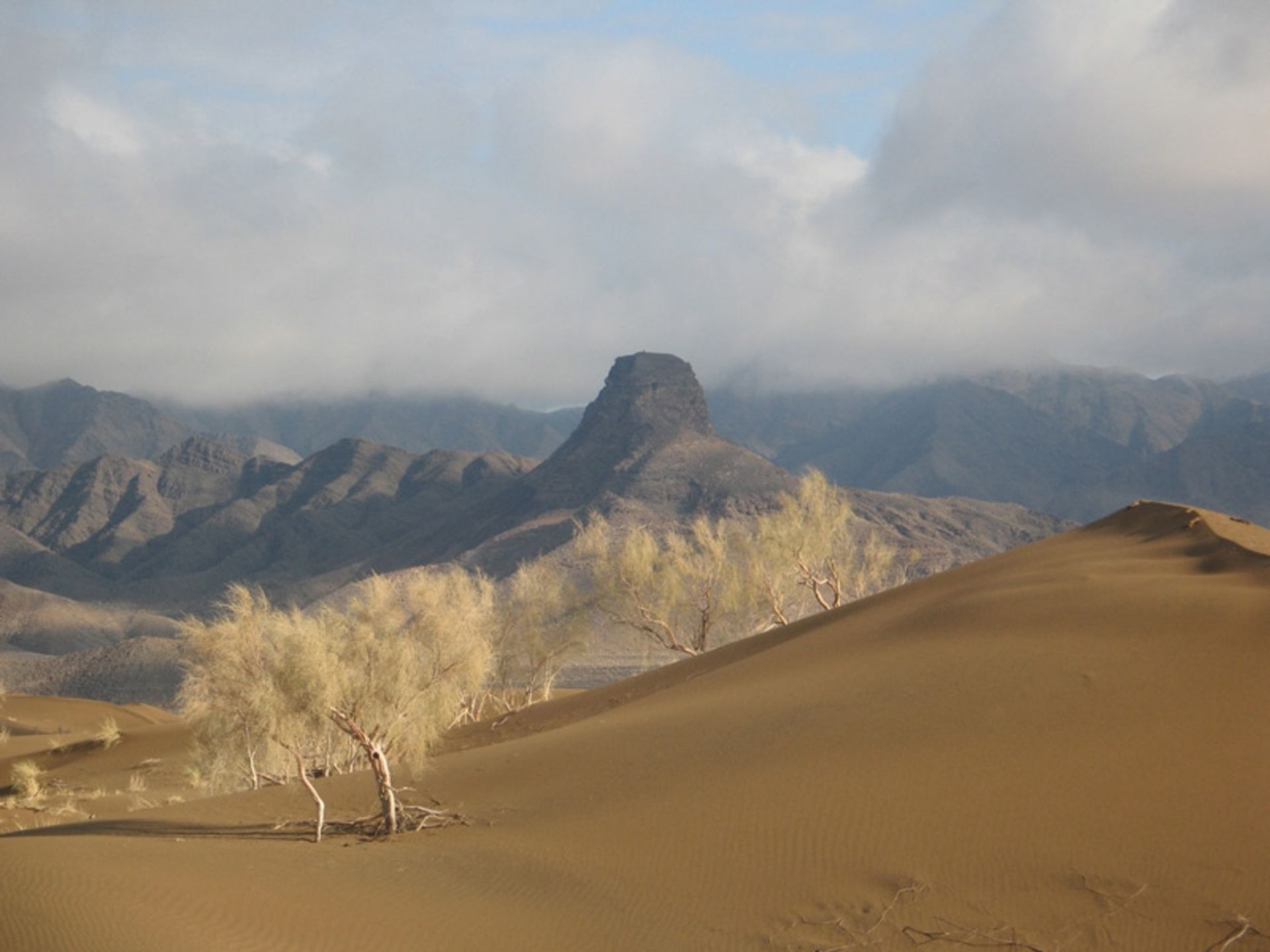
Helwan desert is a unique destination for desert trekking, 90 km from Tabas in Helwan village. This desert with an area of 750 square kilometers has been registered in the list of national natural monuments of the country. The intersection of sand dunes and the heights of lovers are one of the beauties of Helwan desert. Today, various desert tours are organized in this desert, among them camel riding, stargazing, sand bathing, walking on sand dunes, off-road riding, driving four-wheel motors, camping and desert climbing conferences.
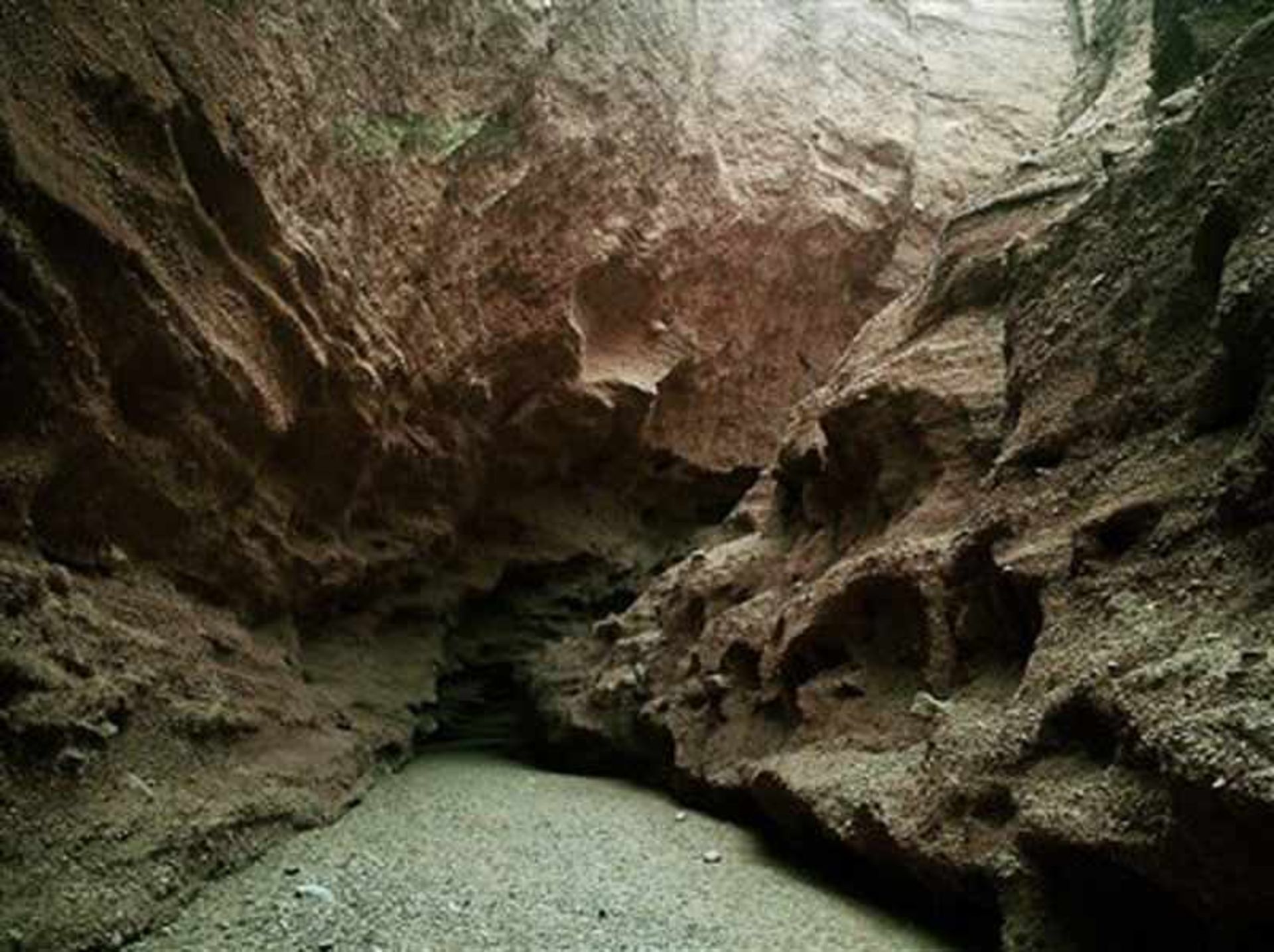
Helvan Cave in Helvan village is one of the most important attractions of Tabas. The age of the stones of this cave is estimated to be approximately 160 million years (Middle Jurassic period) and considering that many remains of bones of animals such as sheep, camels, donkeys and birds can be seen in Helwan Cave, geologists believe that this place was a shelter for predatory animals.
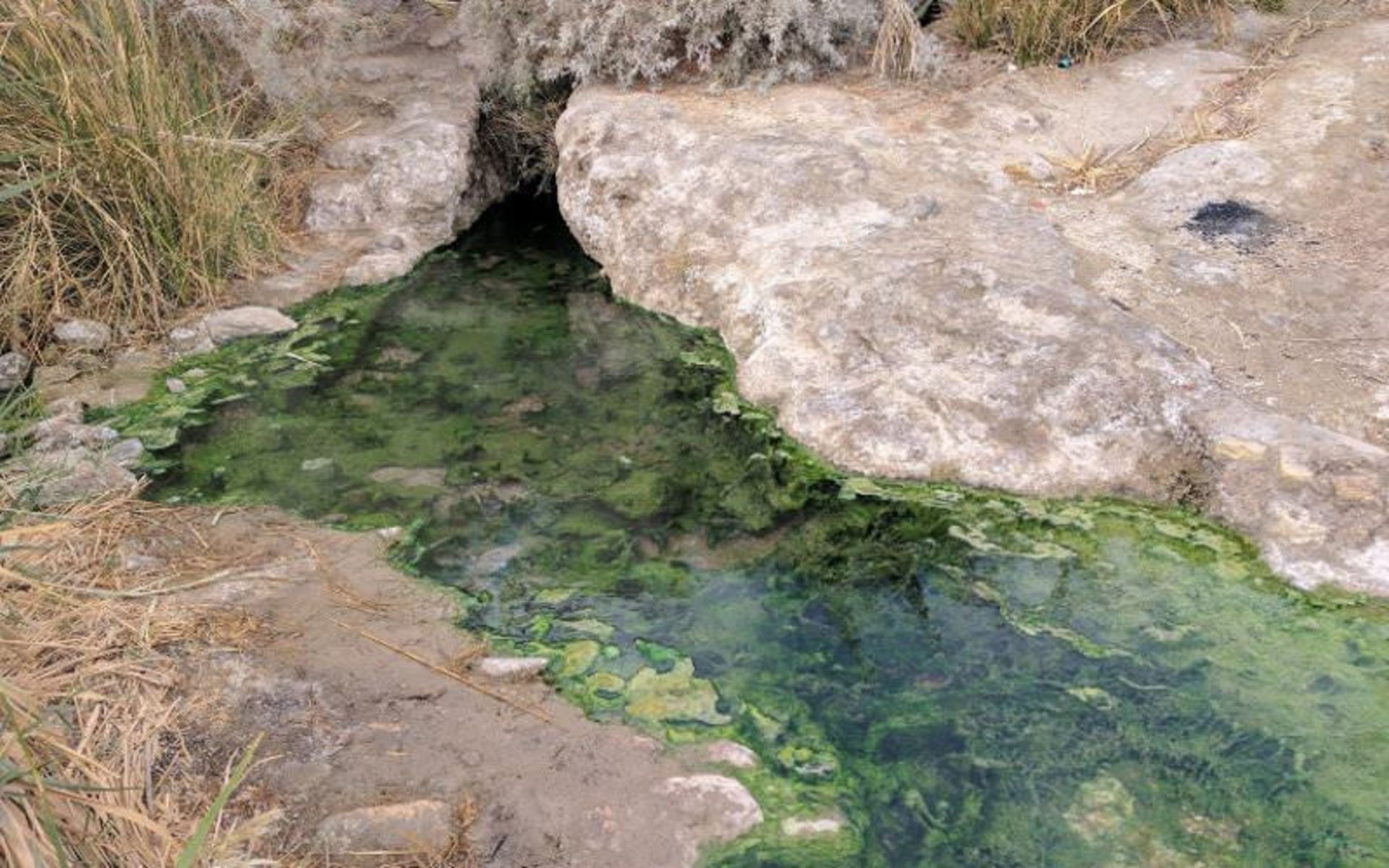
Dig Rostam Spa
Dig Rostam spa is located near Naiband village, 240 km from Tabas. This green spring with burning water will burn your hand in a few seconds and its sulfur water is useful for treating rheumatic diseases and hydrotherapy. Dig Rostam spa has been registered in the national natural heritage list and is considered one of the most popular places to visit in Tabas.
Tabas Salt River
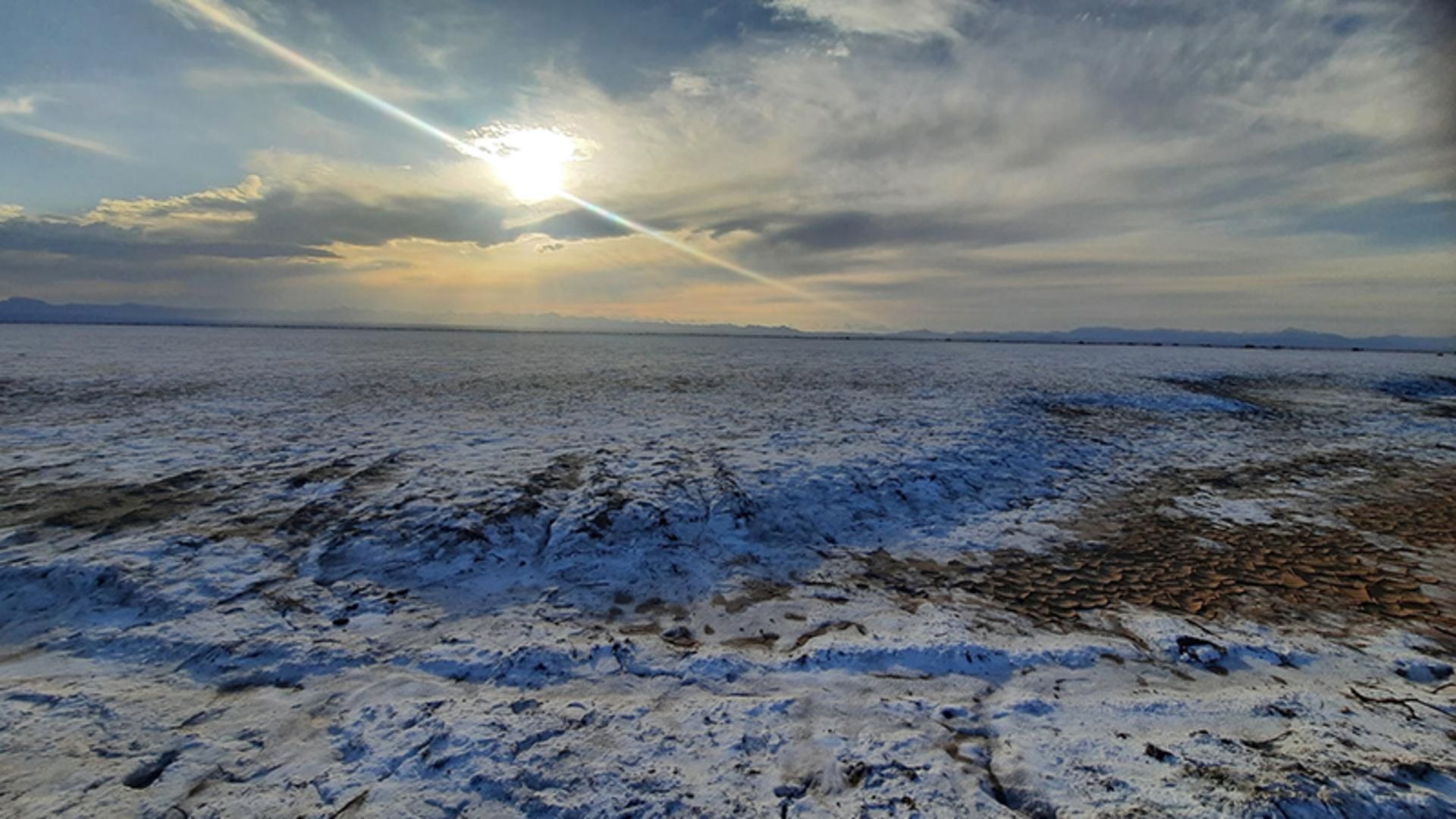
Namak River, Namak Lake or Kal Namak is located 20 kilometers northwest of Tabas city and eight kilometers from Mohammadabad village. At this point, the earth is wearing a white dress made of salt crystals; It is as if thousands of white and beautiful eggs are arranged on the ground together to create special and interesting designs. It is interesting to know that in the past, the salt of the village people was supplied from here.
Photographer: unknown / neshan.org
Desert plain of Iran
The desert plain of Iran, the central desert or the great salt desert, is a vast desert located in the heart of the Iranian plateau. This desert is almost 800 km long and 320 km wide, and mudflats and salt marshes cover its surface. They also mention the desert plain as one of the thermal poles of the earth; Because the air temperature sometimes reaches 50 degrees Celsius during the day and the temperature difference during the day and night is 70 degrees.
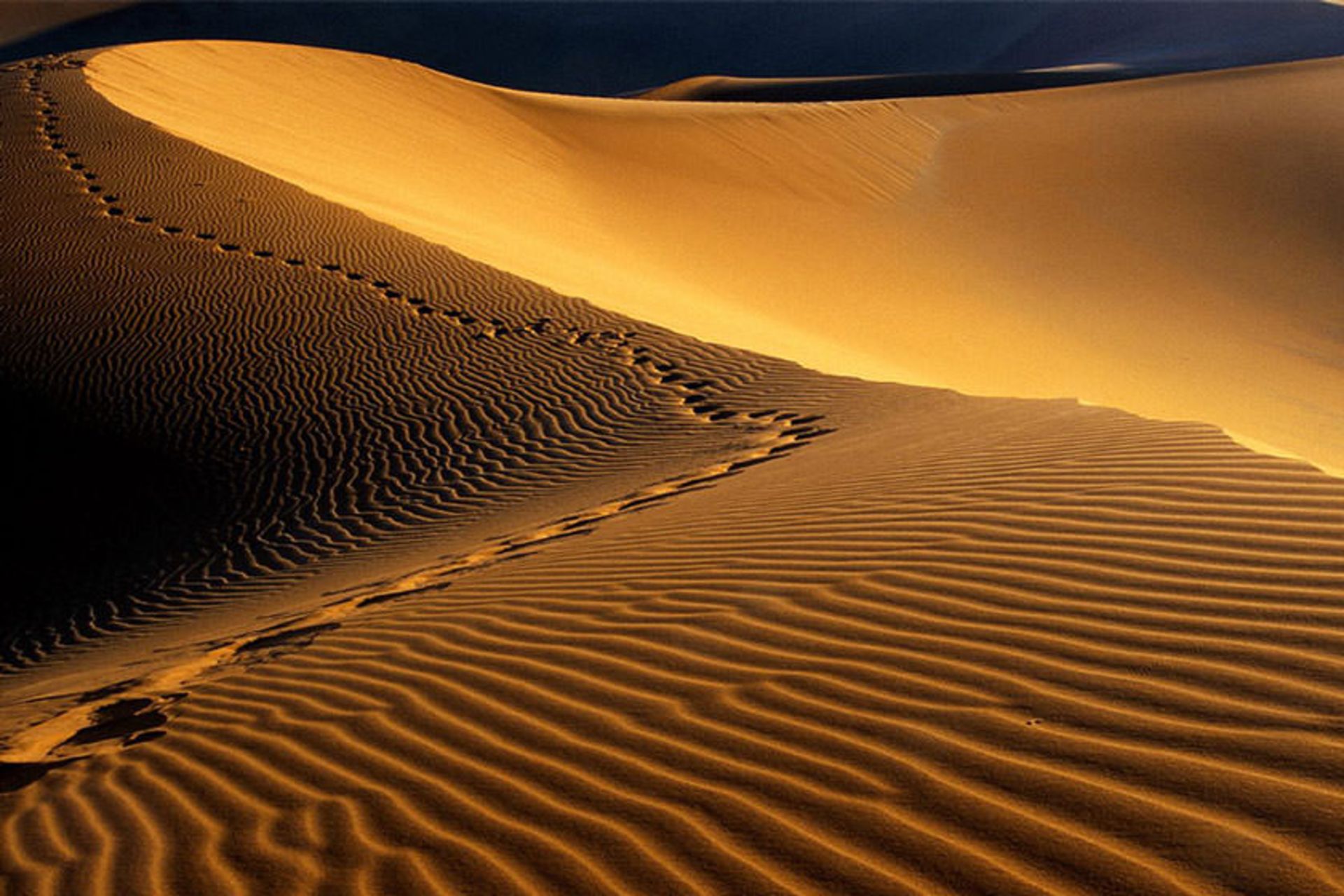
According to the theory of geologists, tens of millions of years ago, the Abshuri lake covered the desert plain of Iran and surrounded a small territory that is now located in the center of Iran. After the water of this lake dried up, a layer of salt with a thickness of 6 to 7 kilometers was formed in this area.
Rabat Khan Desert or Rig Shetran is located near Yazd city and west of Tabas and is another sight to see in Tabas. This desert is one of the geomorphosites of Iran and has high scientific value and geomorphological diversity. Rabat Khan desert is covered with sand and its maximum length is 80 km and its width is 70 km. The hills of this desert are short and their highest height reaches 50 meters. Camel sand is like two horns of a cow, in the middle of which there is a salt lake. Rabat Khan desert is a wonderful place to experience desert climbing, enjoy silence and peace, stargazing and watching the beautiful sky.
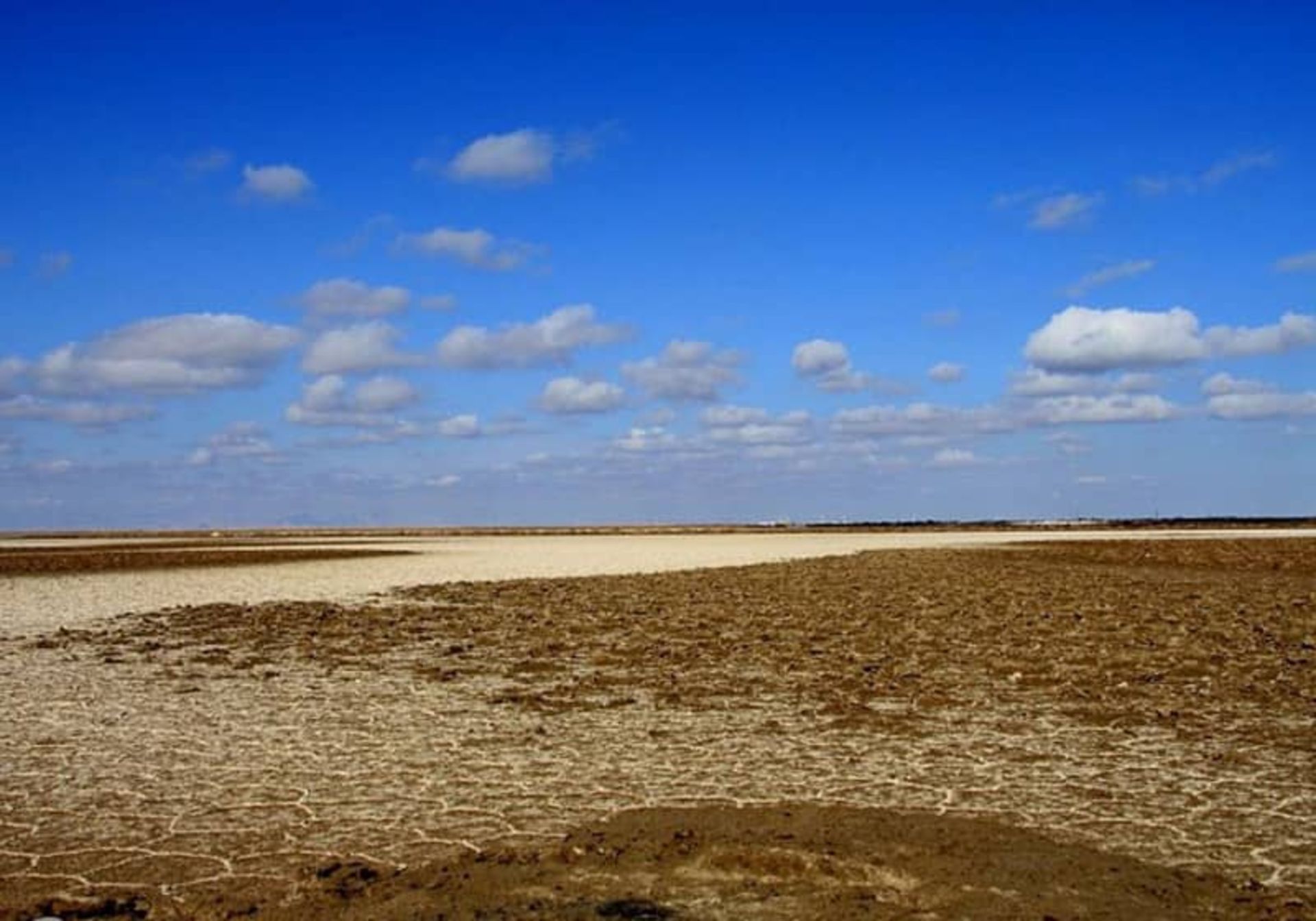
Photographer: Unknown / irandeserts.com
Kal Sardar valley is located 25 kilometers east of Tabas and in the Shetri mountain range. The access road to this attraction is asphalt and passes by the lake of the Nahrin Dam and inside the tourist village of Khoro. The high walls of the valley, holes and channels inside this valley are built with a special order. These holes, which are also called Gebar’s house, date back to the Sassanid period, about 1,500 years ago.
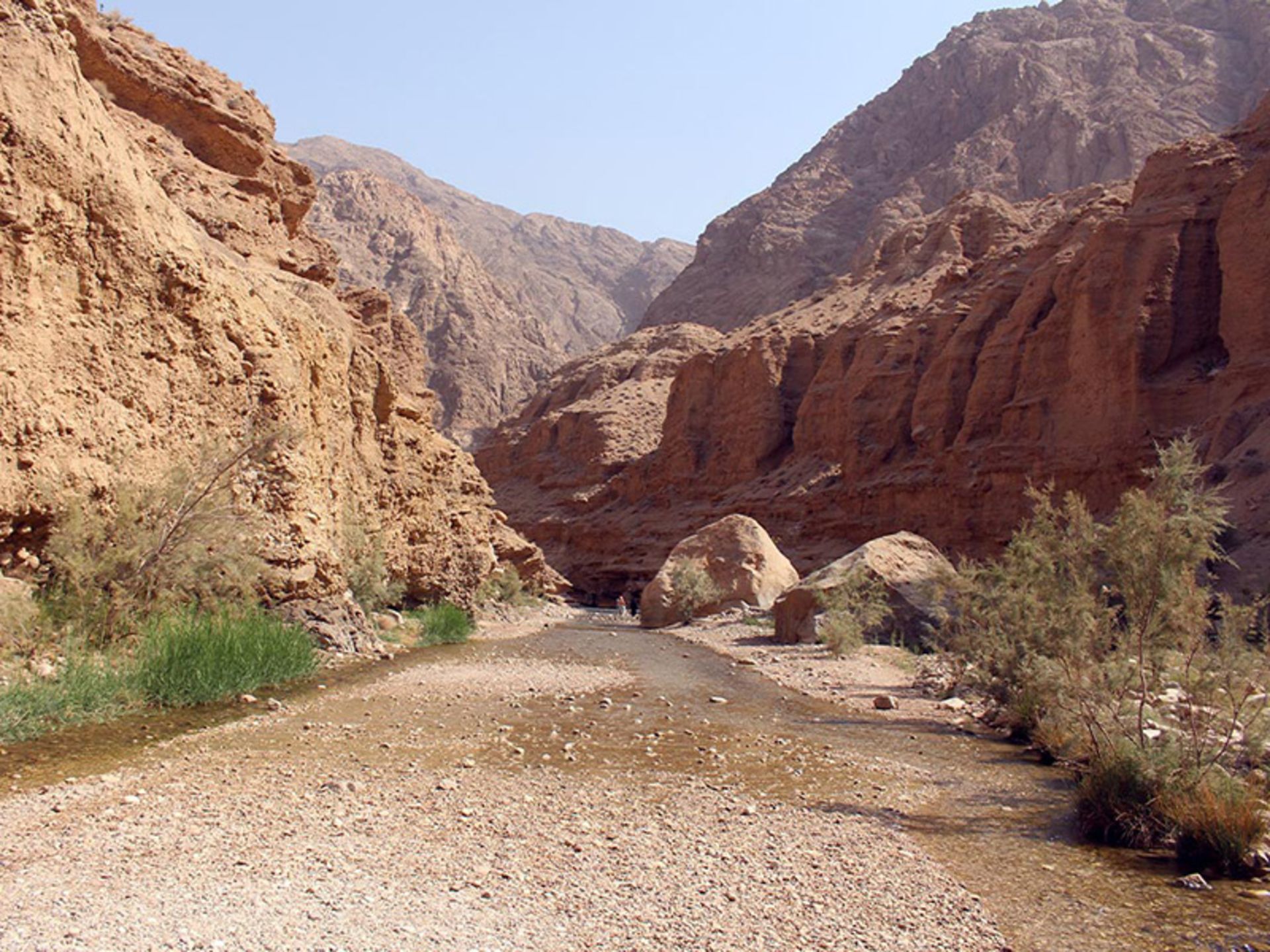
Photographer: Unknown / iadventure.ir
The Seno forest is located in mountainous areas at difficult heights and due to limited water resources, dryness and salinity of the soil, its vegetation consists of salt-loving plants. Seno forest is also important in terms of medicinal plants and about 800 species of plants with healing properties are found in this area. It is interesting to know that hand-planted forests with shrub and tree cover, including grass, wild spinach (Atriplex) and thug, have been planted in this forest to reduce desert storms and stabilize loose sand; Plants of desert species that can withstand drought, strong storms and blowing sand.
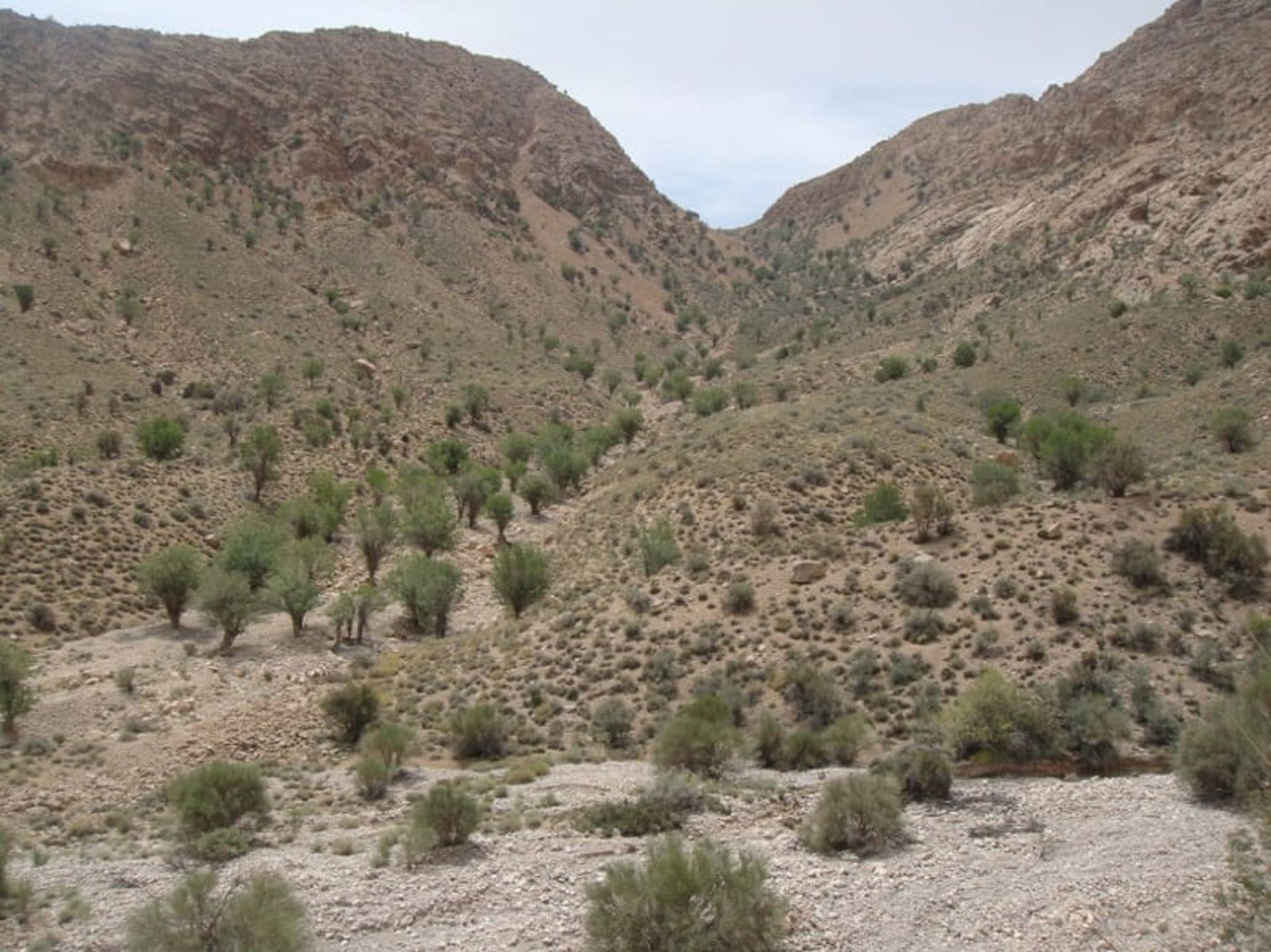
Photographer: Unknown / iribnews.ir
Tabas historical attractions
Tabas Museum of Anthropology
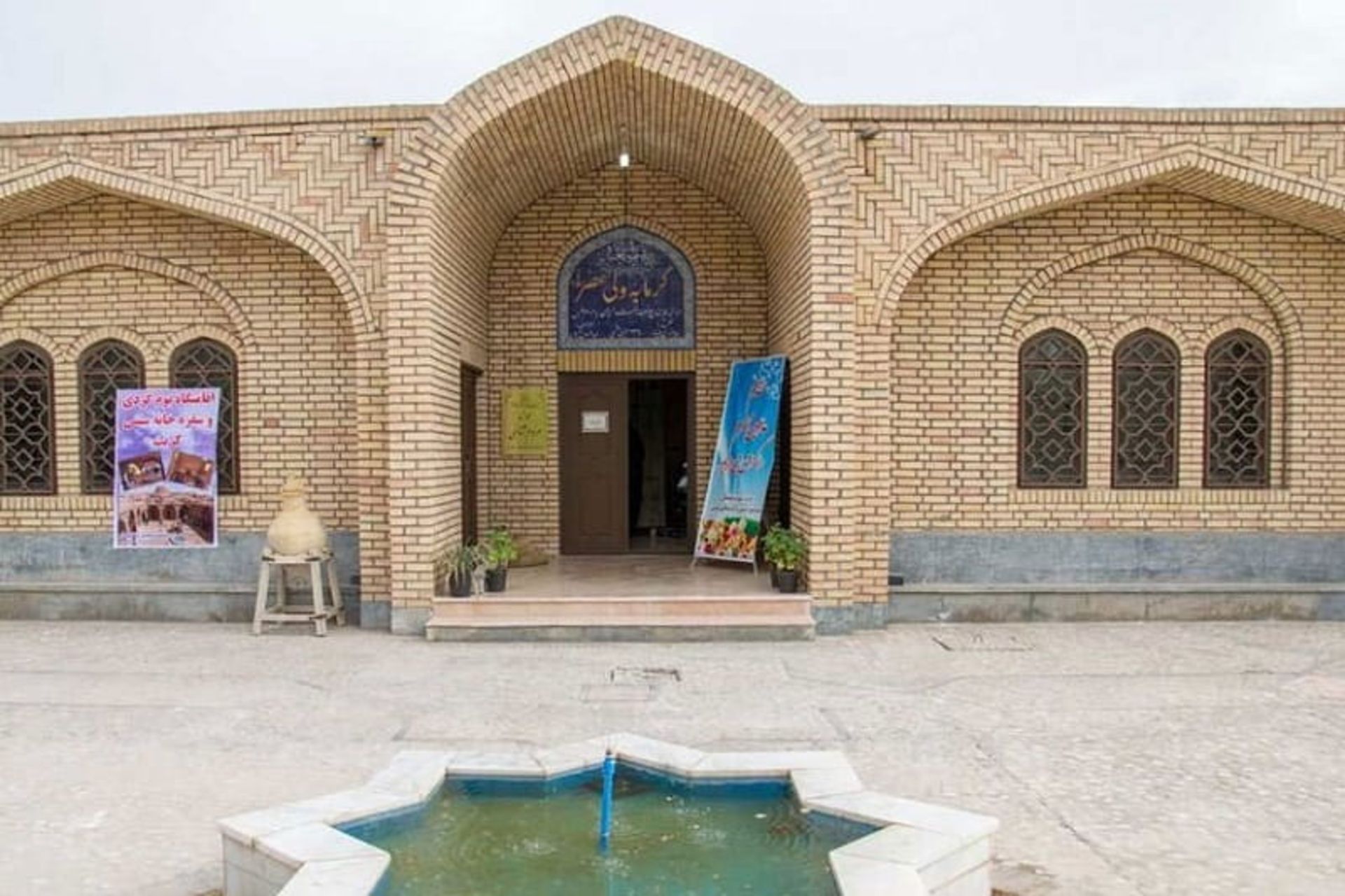
The Tabas Museum of Anthropology has been set up in the place of Emad al-Malki’s endowment with an area of 4,400 square meters and in a space with an infrastructure of 600 square meters in two sections for displaying figures and showcase halls. In this museum, you can get to know some of the occupations and practical tools and appliances of the people of this region in the past.
Golshan Garden is one of the most beautiful gardens in Iran and one of the must-see places in Tabas, which has an area of seven hectares, is 266 meters long and 266 meters wide, and is almost square in shape. In the middle of this garden, there is a relatively large pool with three natural fountains. Golshan Garden was built in the beginning of the 13th century AH, which means the end of the reign of Lotf Ali Khan Zand, and in the midst of the rise to power of Agha Mohammad Khan Qajar. The water of this garden is supplied by connecting several aqueducts around the city of Tabas. In the past, the water of these aqueducts first entered Golshan Garden and after passing through the garden, it irrigated the city of Tabas.
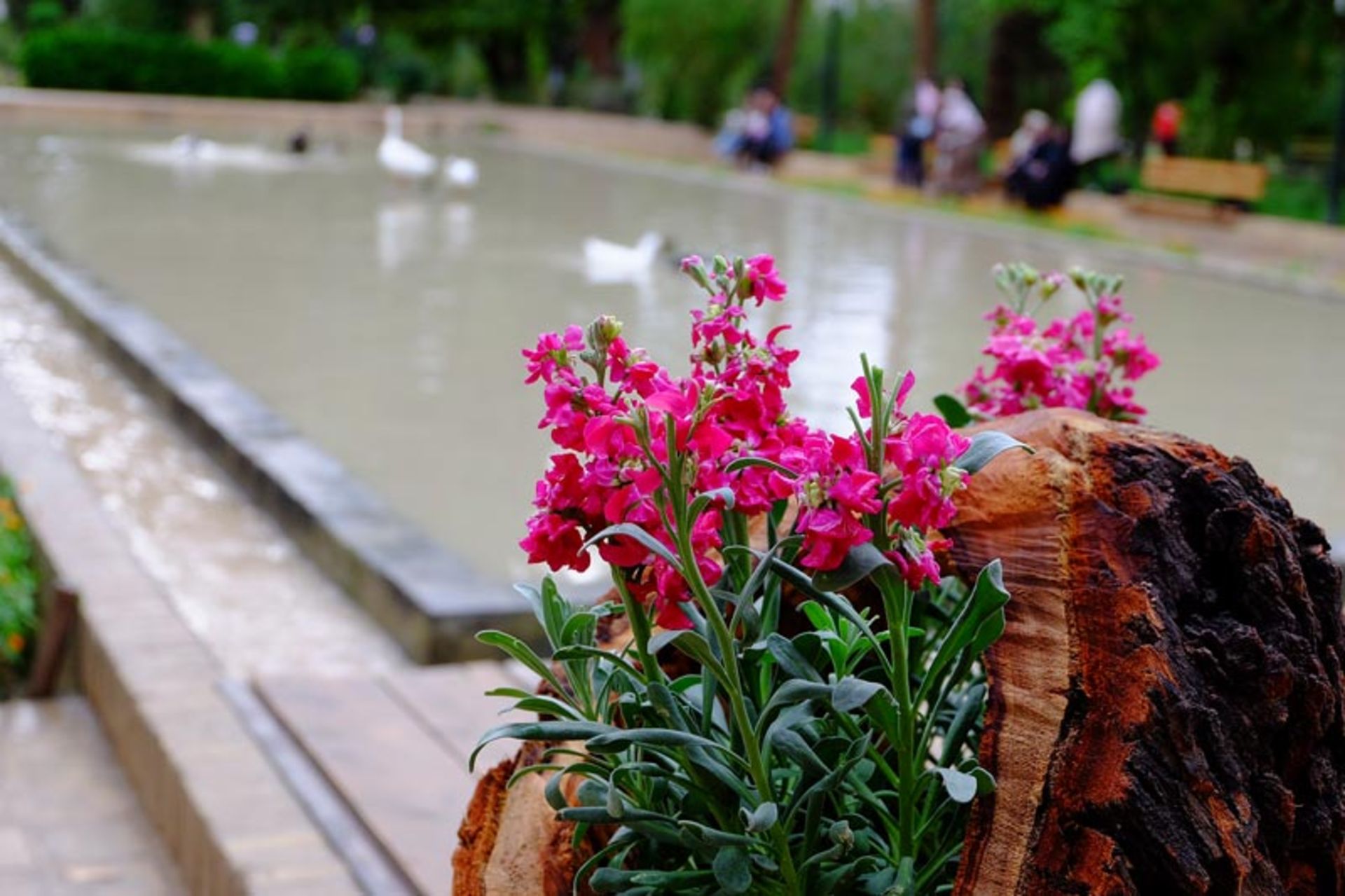
Golshan Garden is registered in the list of national works of Iran. The only building in this garden is the Sardarb building; A two-story building with a small basement. The first floor of this mansion includes a large hall and a balcony for viewing the views of the garden and the city, which are enhanced by two columns. Of course, the Sardarb building was completely destroyed in the devastating earthquake of September 1357, and the current building has been reconstructed according to the plan of the former building.
Imamzadeh Hussein bin Musa
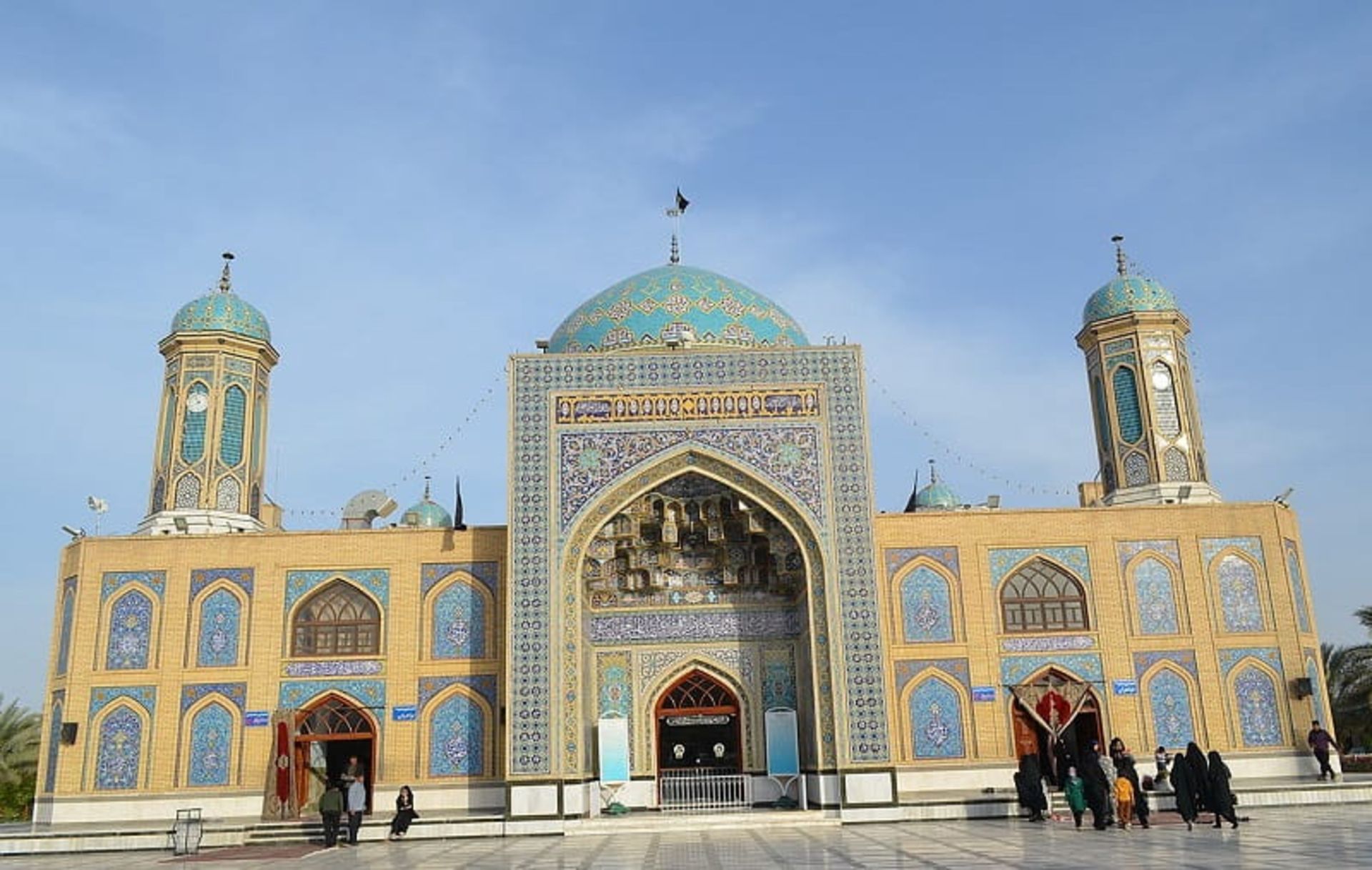
Imamzadeh Hossein bin Musa bin Kazem is one of the religious shrines of Tabas and one of the nationally registered works. This religious building was destroyed in the devastating earthquake of Tabas in 1357, and after that, Astan Quds Razavi tried to restore it. Researchers and historians believe that he is the brother of Hazrat Reza (AS) and the son of Imam Musa Kazem (AS). Around the courtyard of this imamzadeh, there are many rooms with a large kitchen, toilet and even a bathroom for the accommodation of pilgrims and travelers.
Photographer: Ayub Farabi / Wikimedia
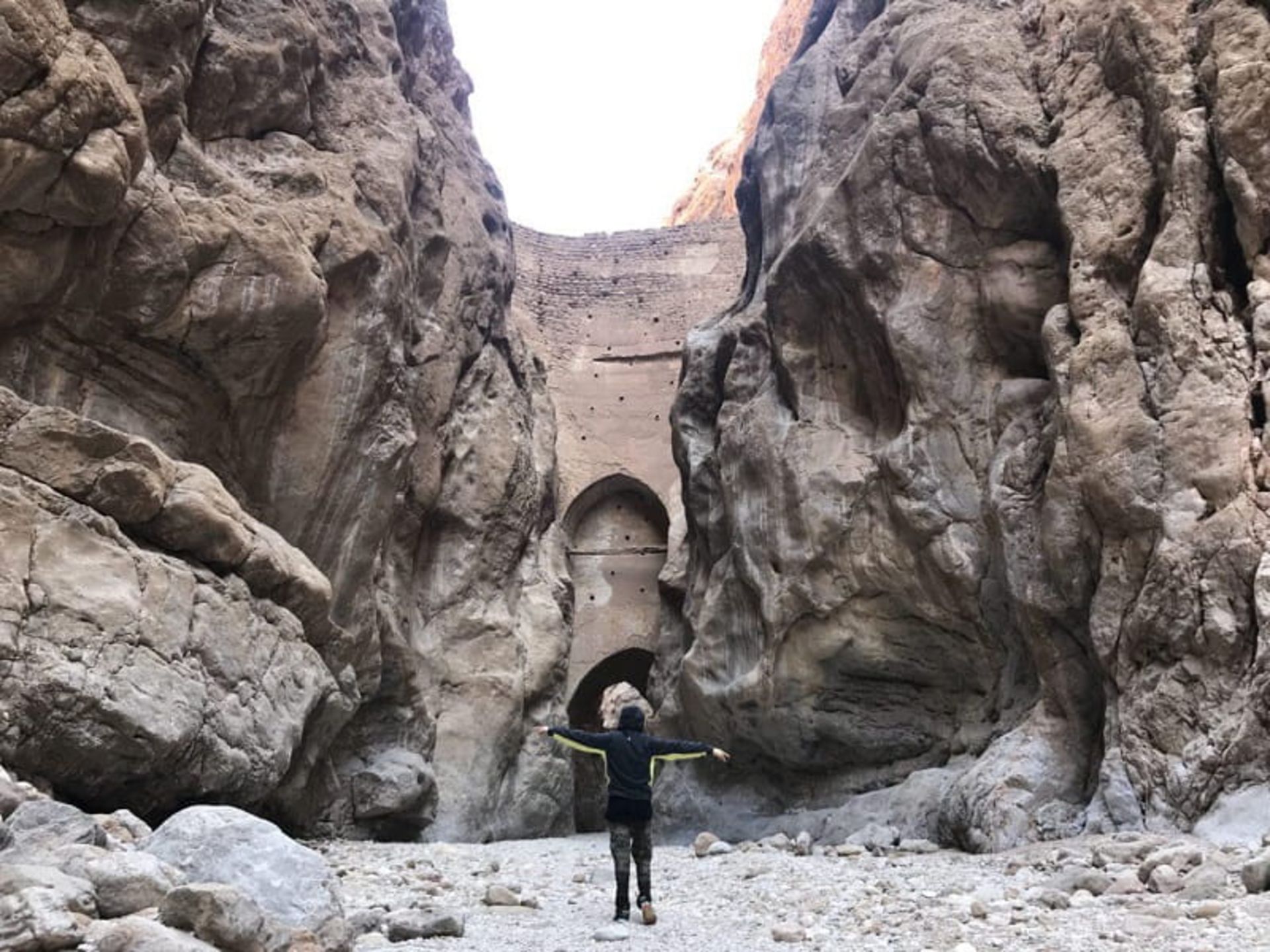
The Shah Abbasi dam or arch at the end of the Morteza Ali spring path, with a height of 60 meters, has earned the title of the oldest arched dam in the world; Of course, this is not the only nickname of Shah Abbasi Dam. This dam has been the tallest dam in the world for 550 years. This historical work dating back to the Safavid period is also the world’s thinnest dam, which was built in order to contain seasonal rainstorms. Shah Abbasi dam is located in Khoro village; A beautiful and strong dam located in a narrow focal valley consisting of limestone rocks.
Photographer: Unknown / Wikimedia
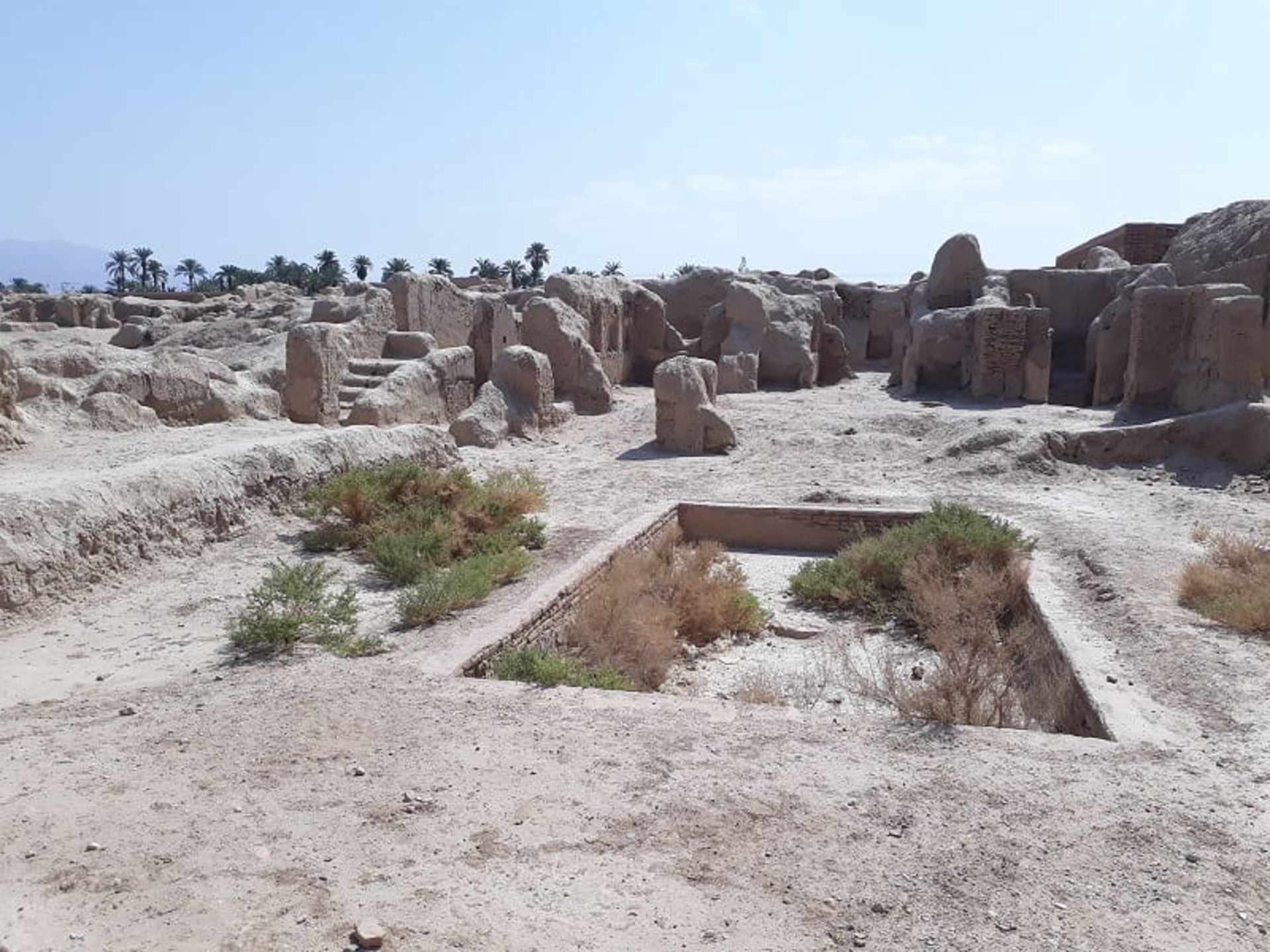
Tabas Citadel or Kohen Dej is one of the national monuments of Iran, which is one of the historical buildings and places of interest in Tabas. This citadel has suffered accidents and damages throughout history and has been renovated many times. In one of these renovations in 1216 A.H., a stone inscription was installed, which was located on the door of the citadel until a few decades ago.
Photographer: Unknown / Google Map
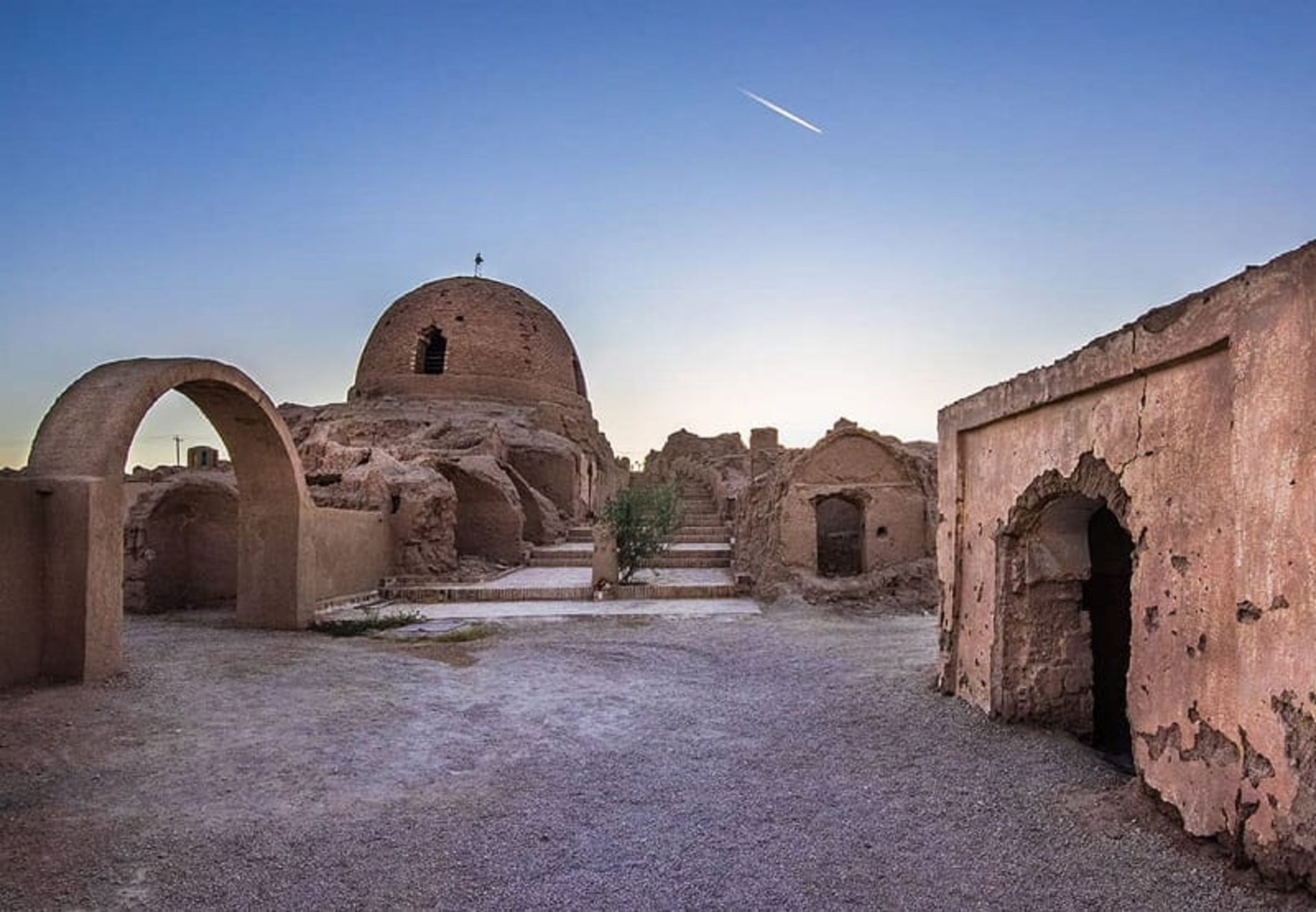
Kerit village is located in the south of Tabas city and was known as Keri or Kerin in the past. Reservoirs with conical and octagonal architecture at the top and middle of the village, bathhouse, old mosque, the historical arched dam of Crete dating back a thousand years, Kahshor (an old house where the herdsmen used to pour the straw needed by their animals to cover its soil) and graves are among the attractions of this village. Instead of being dug into the ground, the graves are located on the ground; In this way, a chamber was installed on the corpse.
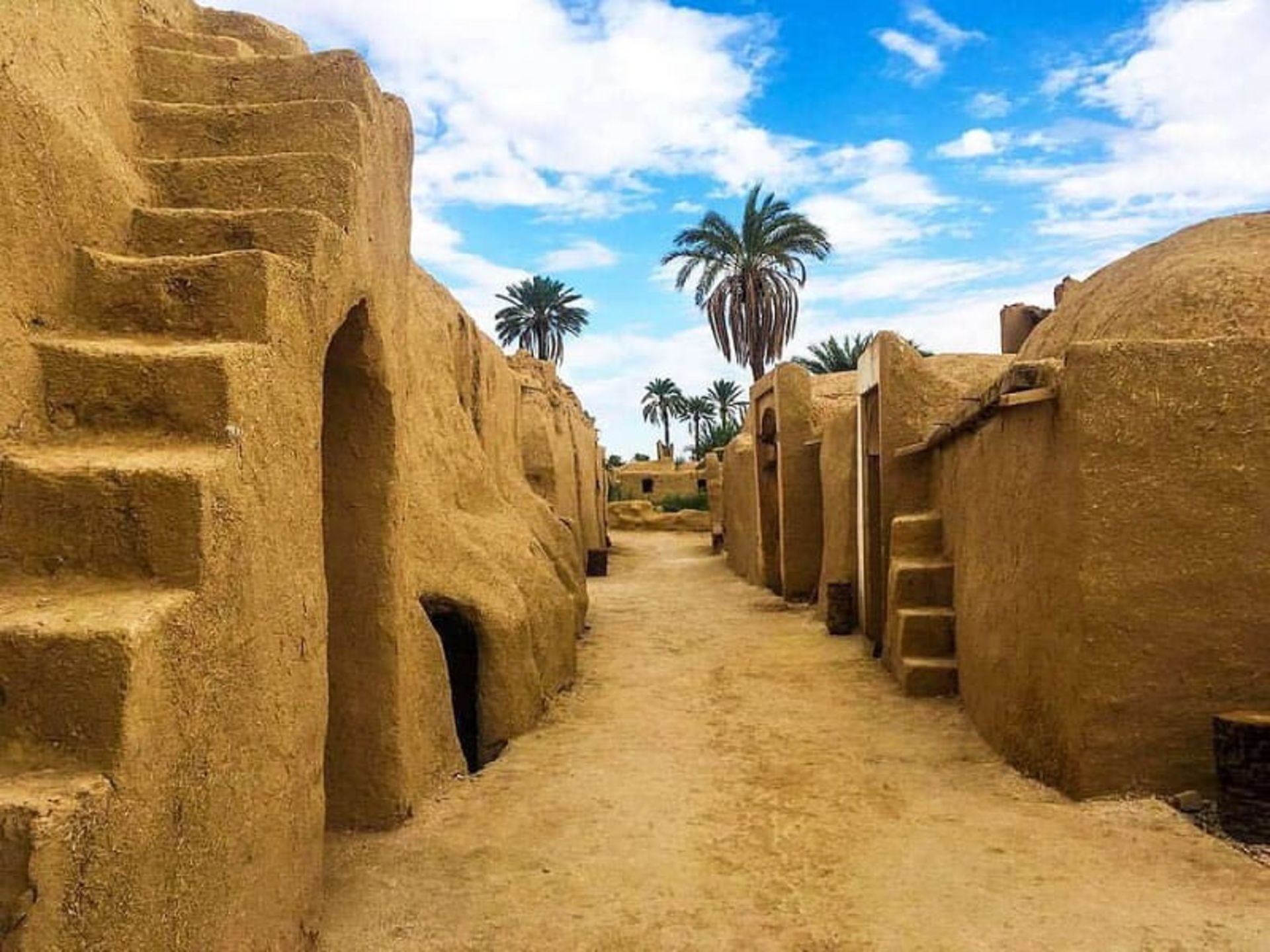
Asfahak village is located in Dihok district of Tabas city. This village is one of the historical areas in South Khorasan province with a texture of clay and mud, which is known as an attractive and historical tourist destination. The village of Esfak, which dates back to 400 years ago, has a mild and cool climate, and the presence of orange trees and saffron cultivation fields, along with several water-filled aqueducts such as Abbas Abad, Tawakal Abad, De Nou, and Iskander Abad, have created a natural and green atmosphere in it.
Photographer: unknown / chamedanmag.com
On your trip to Esfak, don’t miss the opportunity to visit historical attractions such as the Jame Mosque with indigenous desert architecture (with a clay straw dome and a few small windows), the village’s old bath (with a platform for sitting, srabina, short doorways and a basin in the middle) and the desert observatory (consisting of three brick walls).
Naiband village
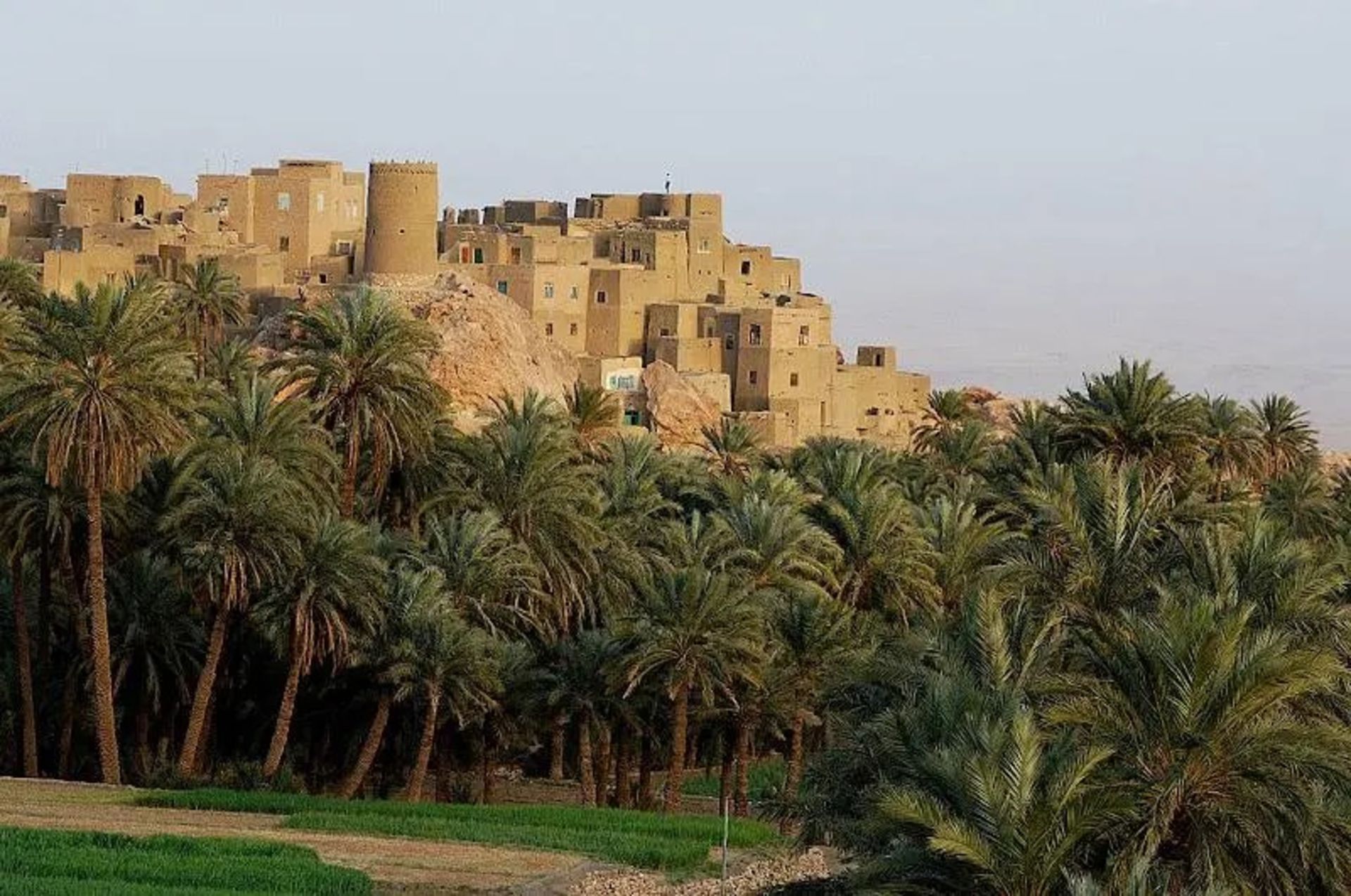
The village of Nayband Tabas is famous for Masuleh Kavir with its staircase architecture and thousand years old. This village, which looks more like a green island in the middle of the desert, is located in the south of Tabas city, next to the Tabas-Raver road, overlooking the Lut desert and on the mountain slopes. This village is an attractive place for tourists and one of the most popular tourist attractions in Tabas due to its traditional texture and clay texture, citrus and palm trees and a spectacular view, watchtowers, hot and cold springs, special animals such as Asian cheetahs, etc.
Photographer: Shahab Cheraghi / Google Map
Ismailian Castle
Ismailian Castle dates back to the Seljuk period and is one of the famous castles of the Ismailian sect. This castle was built between two mountains and was the training place for Ismaili devotees in the fifth century of Hijri. Ismailian Castle is located on the slopes of Khushetri, in the vicinity of Kharavan village and 40 kilometers east of Tabas; A castle that is nothing more than a ruin and only one water reservoir remains intact; However, its greatness still remains. In the past, this castle was designed so that it could not be conquered from the outside and no one could escape from it.
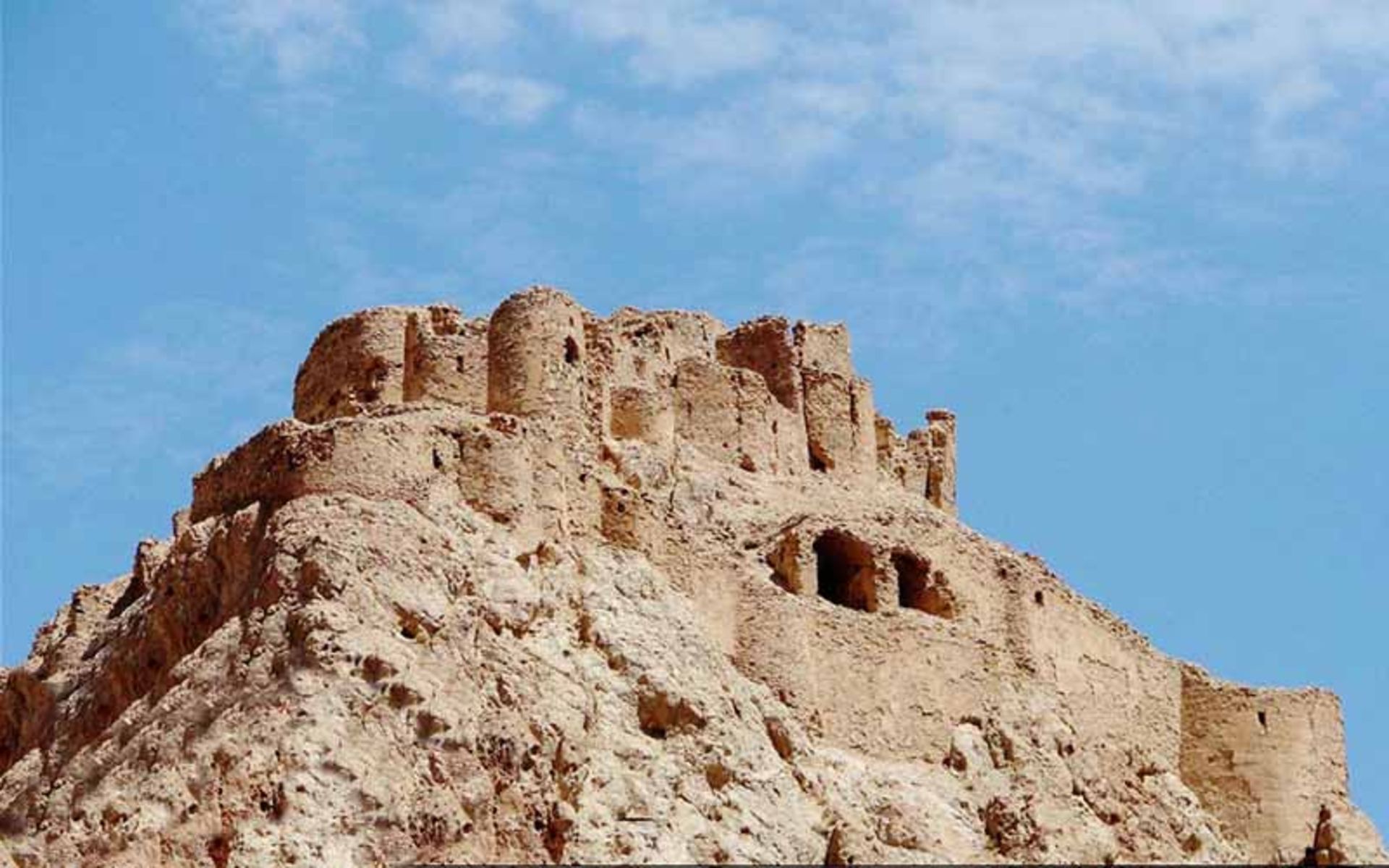
Photographer: unknown / balad.ir
Khan Caravanserai
Khan’s Caravanserai is located in the village of Rabat Khan on the old road from Tabas to Yazd. The building of this caravanserai is square and each side is 52 meters long. One of the distinctive features of the architecture of the Khan Caravanserai is its Badgir complex and its royal dome. In addition, the presence of two arches in the two corners of the connection of this volume to the building has added to its beauty and strength.
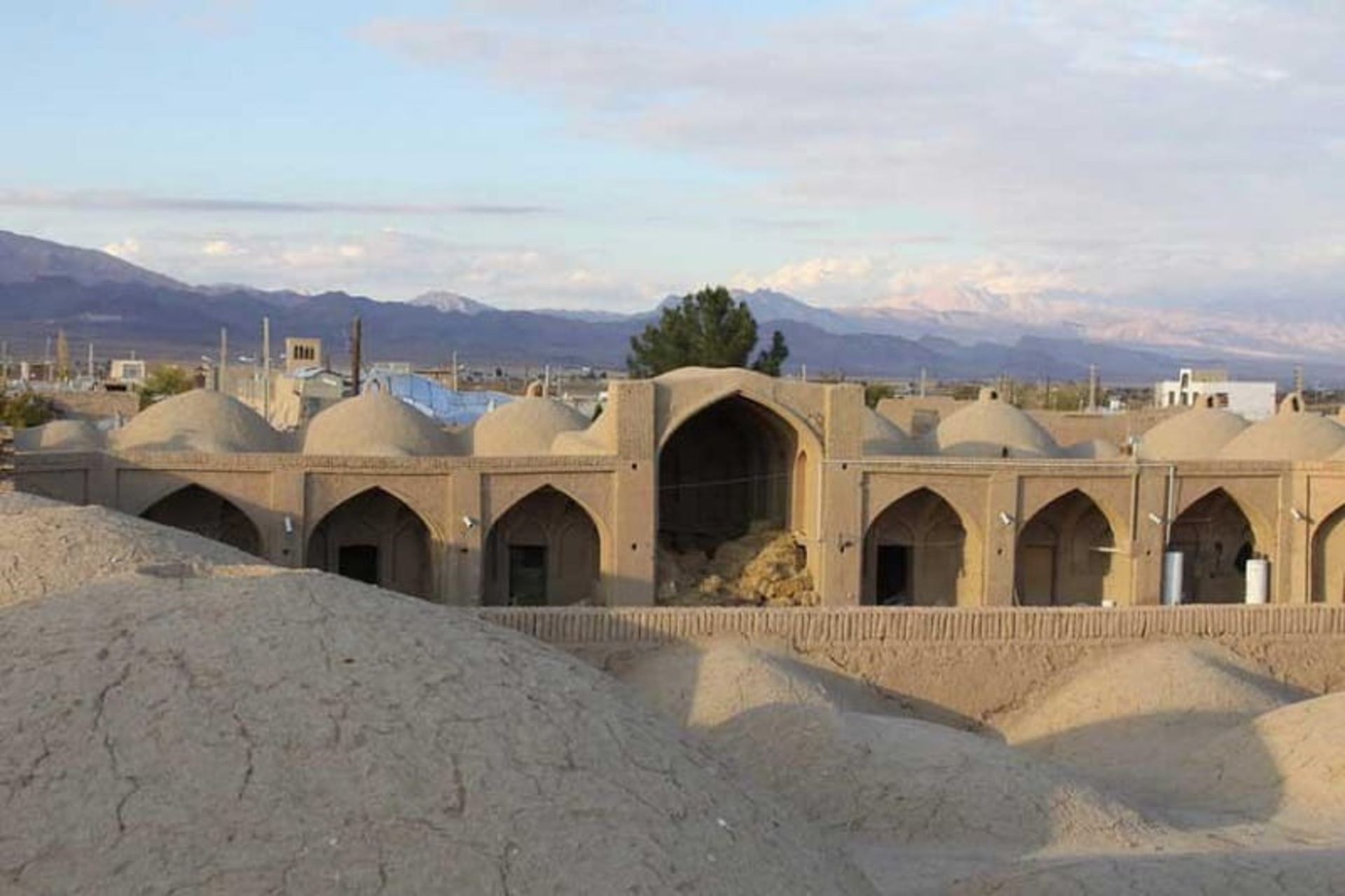
Photographer: unknown / didanist.com
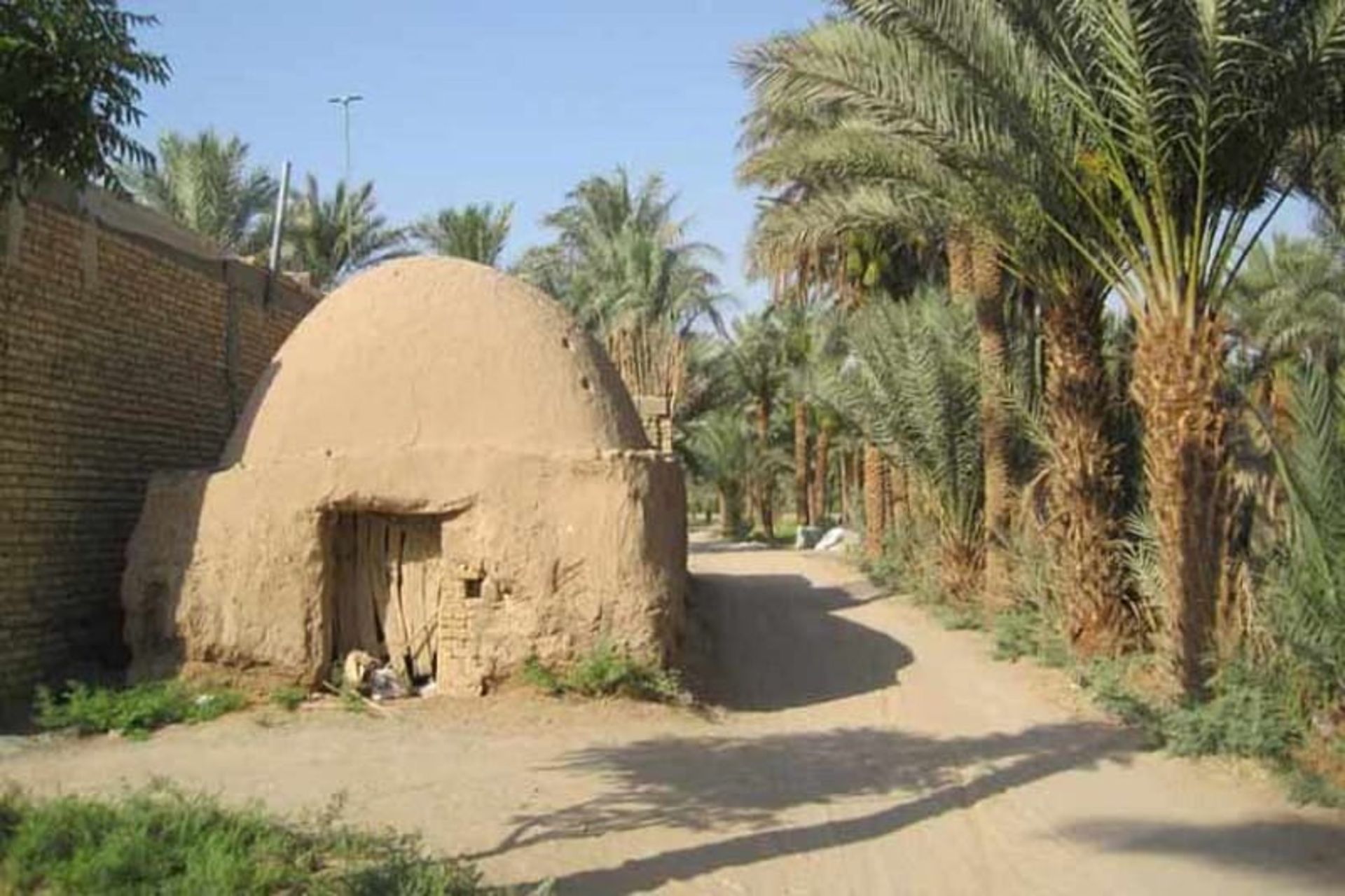
Hadarbash Tower is located in the old groves of Tabas; A strange building made of clay and mud. The reason for the construction of this tower was to protect the grove against the invasion of marauders and vermin.
Tabas with its unique historical and natural attractions will give you a different experience of tourism. Join Kojaro right now and in the rest of this article and watch the list of places to see in Tabas. This list will familiarize you with the best sights of Tabas and help you choose a destination and better plan your trip.

RCO NEWS