


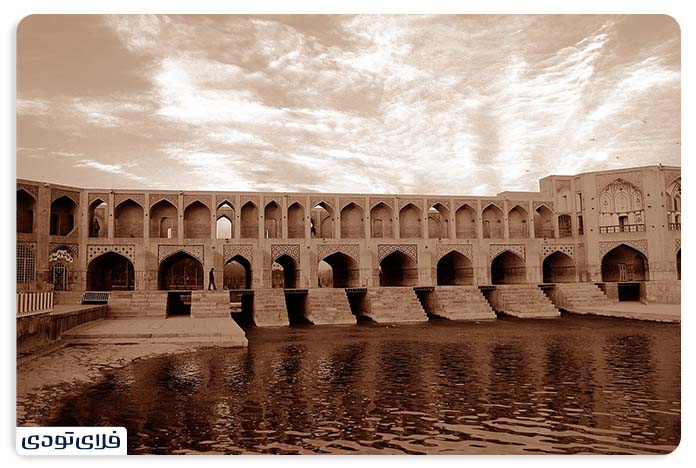
Have you ever heard the name of Isfahan and the first image that comes to your mind is historical bridges on a living and shining river? But if we ask: “Is Zayandeh Rood just a river?” The answer is definitely not! Zayandehroud is the current soul of Isfahan city; Where life, history and nature are intertwined. Walking by it, hearing the sound of the water, watching the light reflect on the old bridges… everything is like a real postcard.
If you intend to touch this experience up close, just plan your trip and even before departure, Isfahan plane ticket Get it online to get to this wonderful city without any worries. In this article that you are reading in Fly Today tourism magazine, we are going to go to the beating heart of Isfahan and get to know more about Zayandeh Rood; A river that has many stories to tell.
Where is Zayandeh Rood?
in every Travel to IsfahanYou hear the name of Zayandeh Rood many times; A river that originates from the heart of the Zagros mountain range and after traveling a long way, reaches the heart of the central plateau of Iran. Zayandehroud is the only permanent river in this dry and scarce region, and for this reason, it has played a vital role in the development of Isfahan’s civilization since the distant past.
This river starts from Chaharmahal and Bakhtiari province, passes through different cities and plains and finally flows into Gavkhoni wetland. But what has made Zayandehroud permanent in the minds of tourists is its passage through the city of Isfahan; Where historical bridges such as Siusepol, Khajo and Marnan are built on it and display a stunning combination of architecture and nature.
Zayandeh Rood is not only a natural attraction; Rather, it is the center of urban life, a gathering place for people, an evening walking space, and one of the main tourist spots of the city. When the water is flowing in the river, the space around it is filled with vitality and life and Isfahan takes on a dreamlike face.
Location of Zayandeh Rood on Google map
The source of the Isfahan river
Zayandeh river of Isfahan city originates from Zagros heights in Chaharmahal and Bakhtiari province; A place near Zardkoh Mountain, which is known as the main source of water supply for this river. From the distant past, this source has played a vital role in the formation of settlements and development in the central regions of Iran. After traveling a long way, the water of Zayandeh Rood passes through different plains and cities and enters Isfahan. Where urban life and tourism depend on its flow.
But the water of Zayandeh Rood does not end only in Isfahan. After passing through the city, this river continues its route to the east and finally flows into the Gavkhoni wetland. This wetland is one of the important natural ecosystems of Iran, which plays an effective role in the environmental balance of the region. Therefore, if we ask where the water of Zayandeh Rood flows, the answer is clear: to Gavkhoni Lagoon; The destination that is the end of the long journey of this historical river.
Why did Zayandeh Rood dry up?
The drying up of Zayandeh River is one of the most important environmental concerns of Iran in recent years. Decrease in rainfall, climate change and decrease in natural water resources are the first causes of water scarcity in this river. On the other hand, the increase in water consumption in agriculture and industry has put a lot of pressure on the resources of Zayandeh Rood.
The construction of dams and the transfer of water to other provinces have also reduced the natural flow of the river and disturbed its old balance. Along with these factors, population growth and urban development in the surrounding areas have increased drinking water consumption and reduced the share of the river.
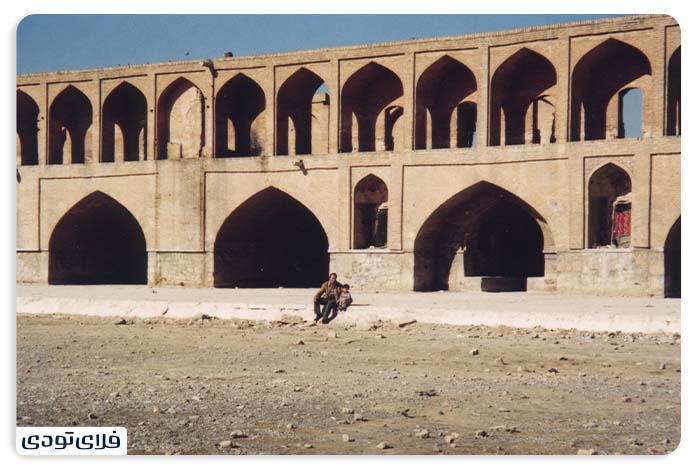
The most important bridges built on the Zayandeh River
in between Sights of IsfahanHistorical bridges of Zayandeh Rood have a special place. These bridges are not just passageways; Rather, they are masterpieces of Iranian architecture that have stood on the river for centuries and are the narrators of the history, art and life of the people of Isfahan. Walking on these bridges, watching the river and hearing the sound of water is one of the most attractive experiences of traveling to Isfahan. In the following, we will get to know the most famous bridges of Zayandeh Rood:
Isfahan city bridge
The city bridge is known as the oldest bridge in Zayandehrud and its history goes back to the Sasanian period. This historical bridge is located in the east of Isfahan city and has remained standing since the past due to its strong structure and smart design. In the past, the city bridge was an important communication route for the passage of caravans and merchants and played a vital role in connecting trade routes. Its stone architecture and strong arches show the high skill of builders in that era. Today, this bridge is considered one of the lesser-known but valuable tourist spots in Isfahan, which provides a peaceful and historical atmosphere for those interested in ancient architecture.
Historic Oregon Bridge
The Oregon bridge is one of the old bridges of Zayandehroud, which is located near the historical gardens on the riverside. This bridge was built in the Safavid period and was mostly used locally to connect the surrounding areas. Its architecture is designed to be simple but fully functional and shows the precise engineering of that era. With its brick arches and traditional structure, Oregon Bridge has kept a part of Isfahan’s historical fabric alive. The surroundings of the bridge have a green and peaceful atmosphere, which makes it a suitable place for walking and photography. Visiting the Oregon Bridge is an opportunity to touch a less-seen part of the history of Zayandehrud.
Marnan Bridge, Isfahan
Marnan Bridge is one of the old bridges in the western part of Isfahan, which in the past provided a connection between the surrounding villages and the city. This bridge, with its beautiful brick arches and traditional structure, is an example of Iranian practical architecture in the past. Although Marnan Bridge is not as well known as the famous bridges of Isfahan, it has created a calm and pleasant atmosphere for tourists. Around the bridge there are walking paths and green spaces along the Zayandeh River, which has made it a suitable place to relax and enjoy nature. This bridge still preserves a part of the historical identity of Zayandeh Rood.
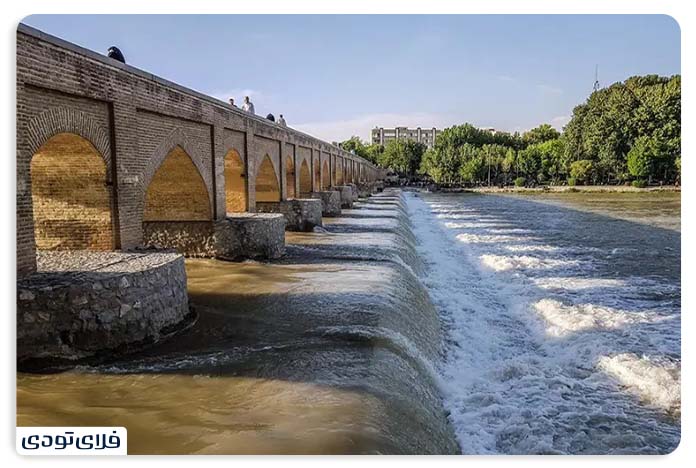
Thirty-three bridges of Isfahan
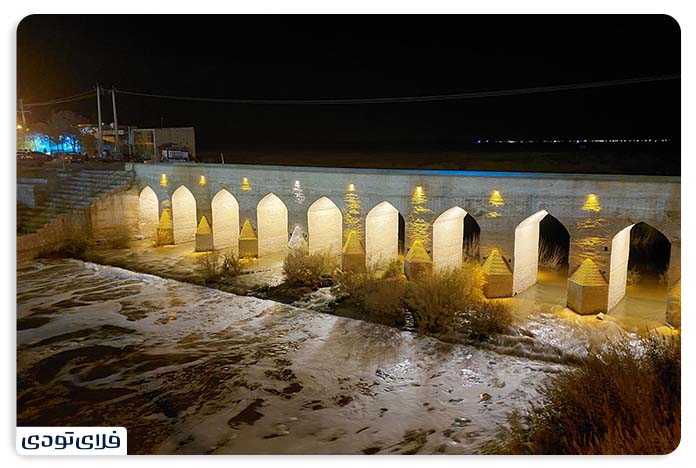
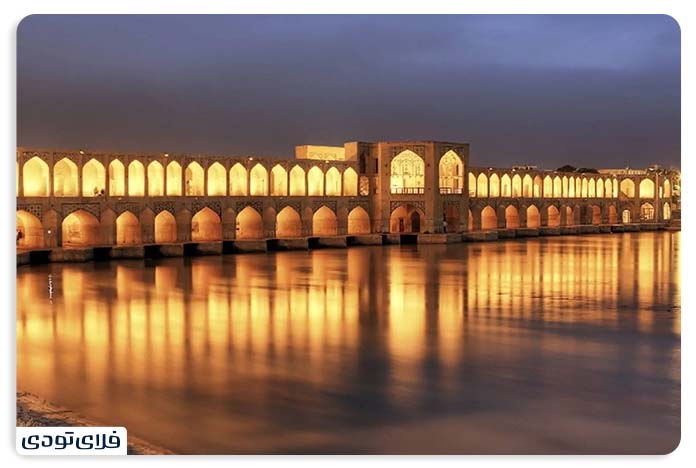
Thirty three bridges It is the most famous bridge of Zayandehroud and the main symbol of Isfahan city. This bridge was built during the Safavid era of Shah Abbas, and with 33 symmetrical spans, it is considered a unique masterpiece of Iranian architecture. In addition to being used for communication, Siusepol has been a place for celebrations and public ceremonies in the past. At night, the lighting of the bridge and its reflection on the water surface of Zayandeh River creates a dreamy scene that is considered one of the most beautiful tourism images in Iran. There is a lively atmosphere around the bridge and many tourists and citizens come to this spot for an evening stroll.
Khajo Bridge, Isfahan
Paul Khajo It is one of the most magnificent bridges of Zayandehroud and a masterpiece of Safavid period architecture. This bridge is a combination of a bridge and a dam, and in addition to crossing, it has also been responsible for regulating the flow of river water. Eye-catching design, beautiful tiling and symmetrical arches have made Khajo Bridge one of the most popular tourist attractions in Isfahan. In the past, this bridge was a place for public gatherings, celebrations and official ceremonies, and today it still has a lively atmosphere.
Vahid Bridge of Isfahan
Vahid Bridge is one of the most important and widely used bridges of Zayandehroud in the western part of Isfahan city, which plays an essential role in the connection between different city neighborhoods. This bridge was built in the contemporary period and is mostly used for traffic, but due to its location on the Zayandeh River, it is still considered a part of the city’s spectacular scenery. Vahid Bridge provides easy access to the western areas of Isfahan, and a large amount of cars pass through it every day. The proximity of this bridge to the green spaces along the river has made it a suitable place for a short stop and watching the view of the river.
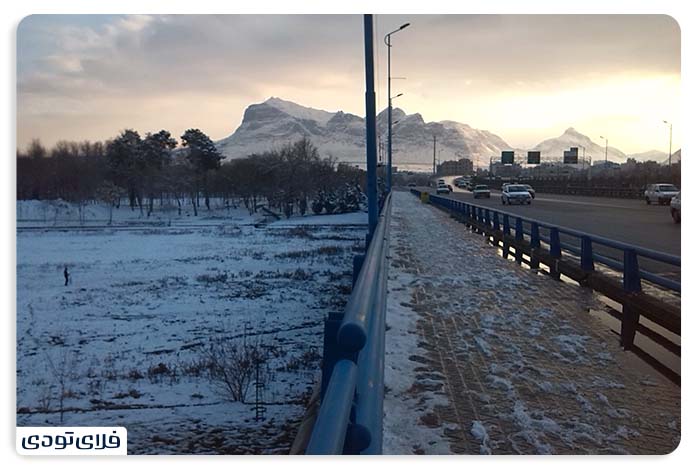
Bozorgmehr Bridge of Isfahan
Bozorgmehr Bridge is one of the modern bridges of Zayandehroud, which was built with the aim of developing the urban infrastructure and reducing the traffic load. This bridge is located in one of the busiest routes of Isfahan and plays an important role in connecting the eastern and western parts of the city. The design of Bozorgmehr bridge is completely engineered and fits the contemporary urban structure. Although this bridge does not have a historical date, its presence next to the old bridges of Zayandehroud shows an interesting combination of traditional and modern architecture in Isfahan. Around the bridge, there is a suitable space for walking and access to riverside parks.
Isfahan metal bridge
The metal bridge is one of the old contemporary bridges of Zayandehroud, which was built with a metal structure and was considered a symbol of urban engineering progress in its time. This bridge is located in one of the central points of the city and has been an important communication route for vehicles for many years. Despite its apparent simplicity, the metal bridge plays an important role in Isfahan’s transportation network. Its proximity to residential and commercial areas makes it always busy. If you walk around this bridge in the evening, the combination of city light, river flow and the metal structure of the bridge will show you a different image of Zayandehroud.
Paul Ferdowsi
Ferdowsi Bridge is one of the urban bridges of Zayandehroud, which is named in honor of the great Iranian poet. Ferdowsi Bridge is located in the central area of Isfahan and is considered one of the main communication routes between the important neighborhoods of the city. Ferdowsi Bridge is mostly used for traffic, but due to its convenient location, it provides easy access to shopping centers, entertainment areas and main streets. The edge of this bridge is connected to the walking paths and the green space of the river, and many citizens use it for an evening stroll. This bridge is an example of the combination of urban function with the natural beauty of Zayandeh Rood.
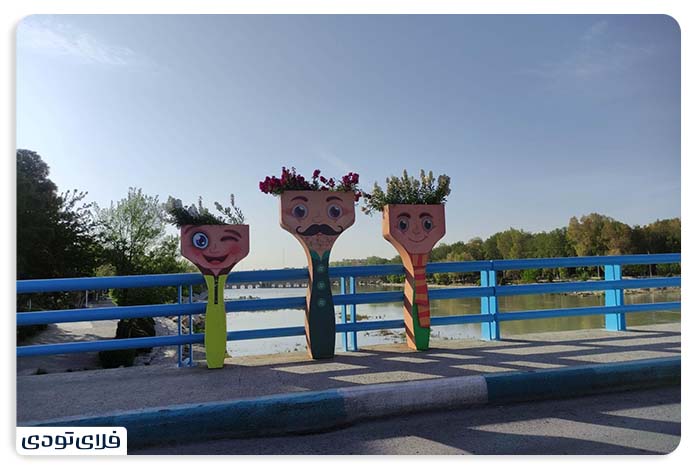
Azar Bridge, Isfahan
Azar Bridge is located in the western part of Zayandehroud and is one of the newer bridges of Isfahan. This bridge was built with the aim of facilitating urban traffic and has an effective role in reducing traffic on the surrounding streets. The design of Azar bridge is simple, functional and harmonious with the urban structure. The surroundings of this bridge are connected to parks and green spaces along the river and provide a suitable environment for a short rest or a walk. Although Azar Bridge has no historical history, its presence on the Zayandehroud route shows the expansion of the city along with maintaining the flow of life around the river.
Ghadir Bridge, Isfahan
Ghadir Bridge is one of the big and new bridges of Zayandeh Rood, which was built to meet the traffic needs of Isfahan. This bridge is located in the urban traffic routes and plays a key role in connecting the northern and southern regions around the river. The modern engineering structure of Ghadir Bridge has made the passage of cars faster and safer. Around the bridge, walking paths and green spaces are designed so that citizens can use the riverside environment. Ghadir Bridge is a symbol of urban development along the Zayandeh River and shows how modern life is intertwined with the historical nature of the city.
Kale Zayandeh Rood bridge
Kale bridge is one of the old and less known bridges of Zayandehroud, which mostly played a local communication role. This bridge is located outside the central part of Isfahan and was mostly used to connect villages and surrounding areas. The architecture of Pol Kale is simple and traditional, and its brick arches show the old construction method. The environment around this bridge is relatively calm and quiet and it is considered an attractive option for those who are looking for a more pristine face of Zayandeh Rood. Kale Bridge has been part of the historical route of passing caravans in the past.
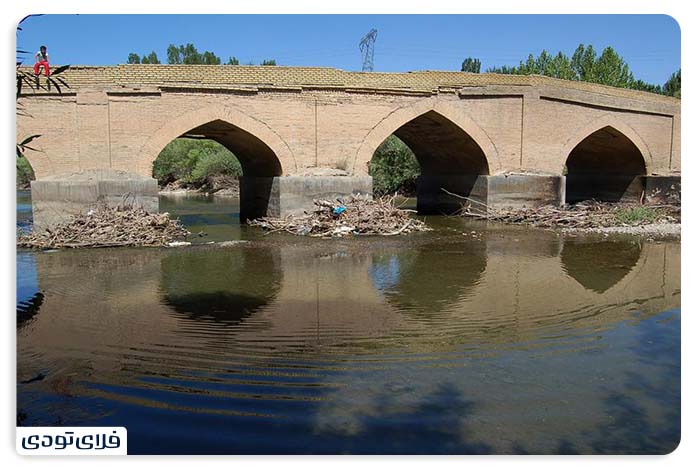
Paul Flowerjan
Flowerjan Bridge is located in Flowerjan region and west of Isfahan And it is considered one of the old bridges of Zayandeh Rood route. This bridge has played an important role in connecting the city of Isfahan to the western regions and surrounding villages. Its traditional structure and brick arches display authentic Iranian architecture. In the past, the Flowerjan Bridge was a passage for travelers and caravans, and today it has preserved its historical value. There is a beautiful natural environment around the bridge, and when the water is flowing, an eye-catching view is created. Visiting this bridge is an opportunity to touch the less seen history of Zayandehroud.
Baba Mahmoud Bridge
Baba Mahmoud bridge is one of the traditional and historical bridges around Zayandehroud which has mostly been used locally. This bridge with a brick structure and small arches is an example of simple but efficient Iranian architecture in the past. Baba Mahmoud Bridge is located in a quiet area and is less on the path of general tourists, but it has a special attraction for those interested in discovering the unknown paths of Zayandeh Rood. Around this bridge, a rural and natural atmosphere can be seen, which offers a different feeling of traveling to Isfahan. This bridge is a reminder of the time when Zayandehroud was the main axis of communication between the surrounding areas.
Aegean bridge of Isfahan
Agia Bridge is located in the eastern part of Zayandehrud and near the desert areas. Since the distant past, this bridge has played an important role in connecting the villages in the east of Isfahan with the city center. The structure of the Aegean bridge is simple and traditional and mostly made with local materials. The environment around the bridge is a combination of the nature of the river and the dry landscapes of eastern Isfahan, which creates an interesting contrast. This bridge shows how Zayandehrud has brought life to water-scarce areas.
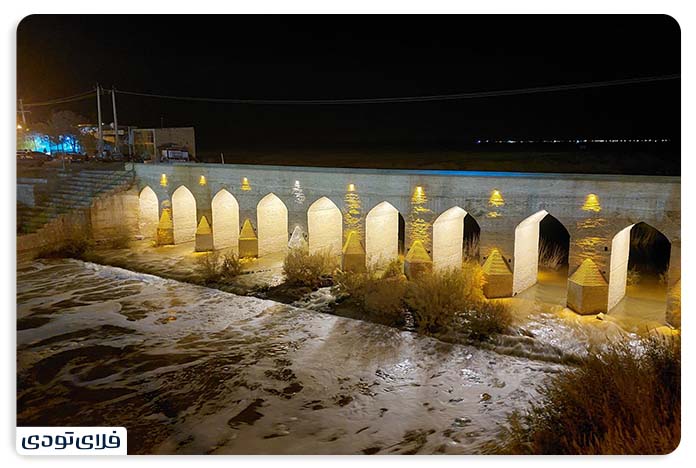
Varzaneh Bridge, Isfahan
Varzaneh bridge is one of the most important eastern bridges of Zayandehroud and the last bridge before the water enters Gavkhoni lagoon. This bridge is located in the city of Varzaneh and has played an important role in connecting Isfahan with the eastern regions. Varzane bridge has a traditional and resistant structure and has been the passage of local people for many years. The proximity of this bridge to the Gaukhoni lagoon has made it a special point on the route of Zayandehroud. If you intend to see the end of the road, visiting Varzane Bridge is a good choice; Where the river approaches its final destination.
Zaman Khan Bridge of Isfahan
Zaman Khan Bridge is located in Chaharmahal and Bakhtiari province and near the sources of Zayandeh River. This bridge is one of the most spectacular bridges on the river route and is a popular destination for tourists due to its surrounding green nature. Zaman Khan Bridge, in addition to its communication use, has become a recreational attraction, and many travelers come to this area to relax, have a picnic, and enjoy the sound of the water. The structure of the bridge is simple but strong and its view becomes very spectacular during the rainy season. This bridge is the beginning of the narrative of Zayandehrud in the heart of Zagros nature.
Hore Bridge, Isfahan
Hore Bridge is one of the local bridges near the source of Zayandeh River, which is located in a mountainous area with good weather. This bridge was mostly used locally and was the communication route of the surrounding villages. The architecture of Hore bridge is simple and designed according to the natural conditions of the region.
The surroundings of this bridge are covered with green nature and flowing rivers, and its atmosphere is completely different from the urban parts of Zayandehroud. Visiting Hore Bridge will be a relaxing and special experience for those interested in nature tourism and discovering the sources of Zayandeh River.
The best time to visit Zayandeh River in Isfahan
Zayandeh Rood has its own beauty in every season, but if you are looking for the best time to visit, spring and early autumn are the most ideal choices. In spring, the weather in Isfahan is mild and pleasant, and the riverside becomes green and refreshing. This time is very suitable for walking, photography and sitting by the historical bridges. Early autumn also creates a romantic and peaceful atmosphere around Zayandeh Rood with the reduction of summer heat and the golden colors of nature.
Summers are hotter, but the nights by the river are still lively and spectacular. In winter, although the weather gets colder, the solitude around the river provides a good opportunity for a quieter visit. In general, evening and night are the best times of the day to enjoy Zayandeh Rood.
Sightseeing places around Zayandeh Rood
The area around Zayandehroud is not just a simple walking path, but the beating heart of the city’s tourism. Many of the most important historical and cultural attractions of Isfahan are located at a short distance from the river, and visiting them along with watching Zayandehrud makes a complete experience of traveling to this city.
Paul Khajo
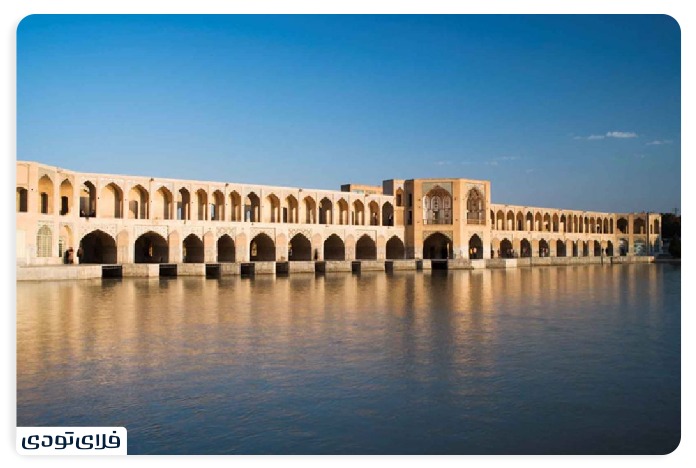
Paul Khajo It is one of the most magnificent historical buildings of Isfahan, which is located on the Zayandeh River. This bridge was built in the Safavid period and displays a combination of Iranian architecture, art and engineering. In addition to the crossing route, the Khajo Bridge has also played the role of regulating the flow of water in the past. The beautiful tiling, symmetrical arches and the middle seating area of the bridge make it a popular place for tourists. In the evenings, locals and travelers gather by the bridge and enjoy the sound of the water and the lively atmosphere around. Khajo Bridge is located in the center of the city and is very easy to access.
thirty bridges
Among the sights of Isfahan, Siuse Bridge is the main symbol of the city and one of the most well-known bridges in Iran. This historical bridge with 33 beautiful spans was built during the Safavid era of Shah Abbas and has been shining on Zayandeh River for centuries. At night, the lighting of the bridge and its reflection on the water creates a spectacular view. There is a lively atmosphere around Siusepol and it is one of the most popular places for walking and photography. This bridge is located on Chaharbagh Abbasi street and has close access to many important attractions of the city.
Chehelston Palace
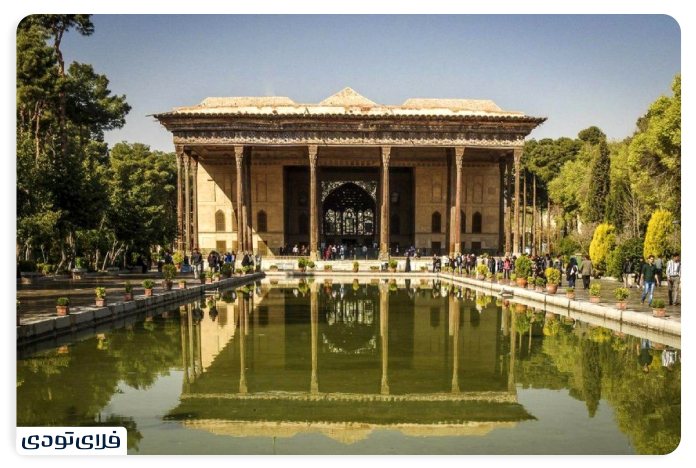
Chehelston Palace It is located near the Zayandeh River and in the middle of a green garden. This Safavid building is known as Chehelston because of the tall columns and their reflection in the pond in front of the palace. The interior of the palace with wall paintings and eye-catching artistic decorations tells the story of the Safavid period. Visiting this palace is a great opportunity to learn about Iranian art and architecture. Chehelston is located a short distance from Siusepol and you can visit both attractions in a simple plan.
Sheikh Lotfollah Mosque
Sheikh Lotfollah Mosque is one of the masterpieces of Islamic architecture Naqsh Jahan square It is located near Zayandeh Rood. This mosque is world famous because of its turquoise dome and unique tiling. Unlike many mosques, it does not have a minaret and its interior design is very eye-catching with natural lighting. Visiting this mosque will be an unforgettable experience for fans of Iranian art and architecture. The short distance between the mosque and Zayandehroud allows you to visit both attractions in one day.
Aali Qapu Palace
Ali Qapo Palace is located in Naqsh Jahan Square and near Zayandeh Rood. This six-story palace was built in the Safavid period and was the residence and reception of kings. The famous balcony of the palace offers a beautiful view of Naqsh Jahan Square. The interior of the palace with its plasterwork, paintings and famous music room is one of the most attractive parts of Isfahan tourism. The easy access and central location of this palace has made it one of the most visited attractions around Zayandehroud.
wooden bridge
The wooden bridge is one of the old and less known bridges of Zayandehroud, which is located near the historical neighborhoods of the city. This bridge was used for local crossing in the past and has a simple but functional structure. The area around the bridge is calmer and quieter than the famous central bridges, and it is considered a suitable option for those who are looking for a different face of Zayandeh Rood. Visiting the wooden bridge is an opportunity to touch the less touristy but authentic part of the city.
Malabashi House, Isfahan
Malabashi house is one of the beautiful historical houses of Isfahan, which is located near Zayandehroud. This house dates back to the Qajar period and with its central courtyard, turquoise pond and mirrored rooms, it represents an attractive example of traditional Iranian architecture. Today, this house has become a cultural and residential complex and visiting it is very attractive for those interested in historical architecture. The location of the Malabashi house makes it easily accessible from the city center and the riverside.
Minarjanban of Isfahan
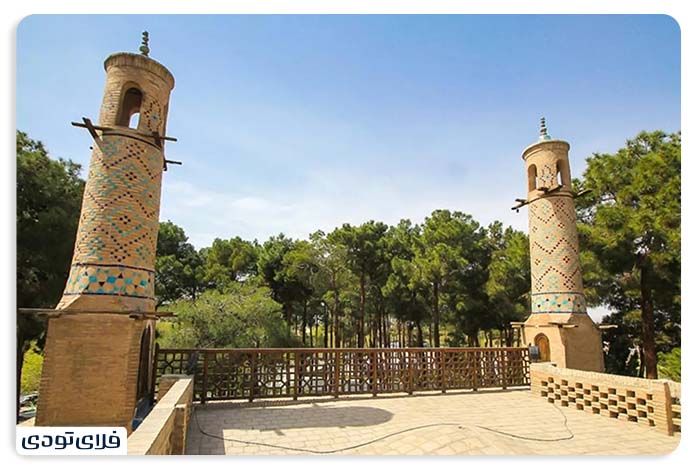
Menarjanban is one of the strangest historical buildings of Isfahan, which is a little far from Zayandehroud, but still on the tourist route of the city. The special feature of this building is the simultaneous movement of two minarets by shaking one of them. This engineering phenomenon has made Minarjanban become one of the special attractions of Iran. Visiting this building is short but very attractive and will be a different experience for those interested in historical structures.
Isfahan Museum of Decorative Arts
This museum is located in one of the historical houses near Zayandehroud and displays a valuable collection of traditional Iranian arts and crafts. Wooden, metal, miniature and pottery works are exhibited in this museum. Visiting the Museum of Decorative Arts is a good opportunity to learn about authentic Iranian art. The location of the museum in the historical center of the city has made it possible to include it in the itinerary along with visiting the bridges and buildings around Zayandehroud.
Isfahan Music Museum
Isfahan Music Museum is one of the most attractive cultural museums of the city, which is located near Zayandehroud. In this museum, a collection of traditional Iranian instruments is displayed and visitors can learn about the history of Iranian music. Live performance of traditional music in some hours makes the visit experience more different. This museum is a great option for culture and art lovers and has easy access from the city center and tourist routes around the river.
Access route to Zayandeh River in Isfahan
Zayandeh Rood is located in the heart of Isfahan city and its access is very simple and diverse. If you plan to travel to this historical city, you can easily reach this destination with a train ticket to Isfahan. After entering the city, there are different ways to reach Zayandeh Rood; From public transport to taxis and urban walking routes. The proximity of many tourist attractions to the banks of the river has made it quick and easy to access.
One of the best options for moving in the city is to use Isfahan Metro is Metro stations are located in the central parts of the city, and you can get off at the stations near Chaharbagh Abbasi Street and reach Siusepol and Zayandeh Rood in a short time. In addition to the metro, city buses and internet taxis can easily take you to different places along the river.
If you are looking for a more economical way to travel to Isfahan, buy Isfahan bus ticket It is considered a cheaper and accessible way. The city’s passenger terminals are a short distance from the center of Isfahan, and after arriving, you can easily reach Zayandehroud by public transportation. In this way, whether by train or bus, the access route to Zayandeh Rood will be simple and uncomplicated.
Restaurants near Zayandeh Rood
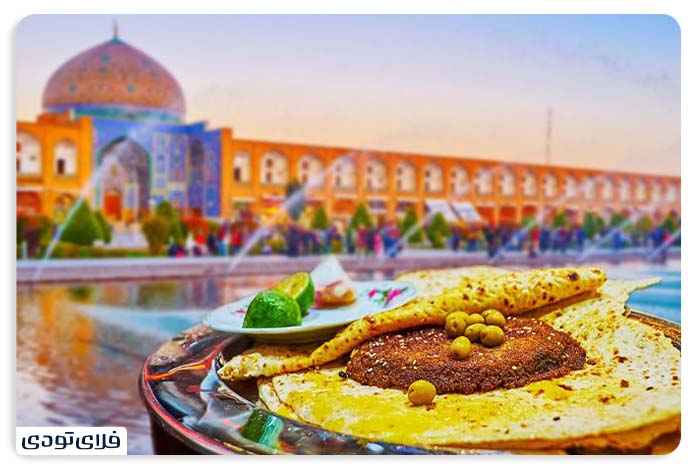
In addition to historical attractions, the area around Zayandeh Rood is full of pleasant places to eat. After a pleasant walk along the river and visiting the historical bridges, sitting in one of the cafes or restaurants in this area will relieve the tiredness of the trip.
many of The best restaurants in Isfahan They are located near Zayandehroud and offer a variety of traditional Iranian foods, fast food and local foods with good quality. The convenient location of these restaurants allows travelers to enjoy a delicious meal in a pleasant atmosphere without having to travel a long way. The high variety in menus and prices has made it easier for tourists to choose.
- Me and you fast food
- Preparing delicious homemade food
- Muhammad’s restaurant
- Reza food preparation
- Food preparation in Zayandehrud
- Farshad garden
- Golzar traditional canteen
- Fajr Zob Ahan restaurant and entertainment complex in Isfahan
- City restaurant cafe
- City night pizza
- Omid Restaurant
- Mourners of Baghshad
Hotels near Zayandeh Rood
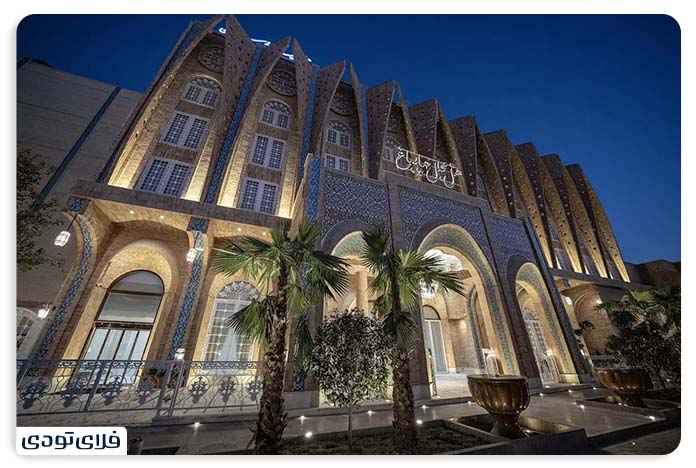
Staying near the Zayandeh River allows you to easily access the banks of the river and historical bridges at any time of the day or night. many of Isfahan hotels They are located in the central area of the city and a short distance from Zayandeh Rood and provide a comfortable stay for travelers with various facilities. Choosing a hotel in this area saves commuting time and gives a better experience of the lively atmosphere around the river. The hotels near Zayandehroud are:
- Sheikh Bahai Hotel Isfahan
- Khajo Hotel Isfahan
- Zindarood Hotel Isfahan
- Isfahan Sepahan Hotel
- Zohra Hotel Isfahan
- Isfahan Hasht Behesht Apartment Hotel
- Venus Hotel Isfahan
- Tubi Apartment Hotel Isfahan
- Spadana Hotel Isfahan
Zayandeh Rood; Where the spirit of Isfahan flows
Zayandeh Rood is not just a river; Rather, it is the beating heart of Isfahan and an inseparable part of the identity of this historical city. Walking by the water, watching the magnificent bridges, sitting in the cozy cafes around the river and touching the life flowing in this space is an experience that makes every traveler fall in love with Isfahan. From historical attractions to nearby restaurants and hotels, everything is available around Zayandeh Rood to make your trip complete and memorable.
If you want to see the real beauty of Isfahan, Zayandeh Rood is the best place to start; Where history, culture and daily life of people flow together. Traveling to Isfahan without seeing Zayandehroud, it is as if a part of the story of this city has been ignored. So, in your travel plan, set aside a special time to discover Zayandehroud and its unique atmosphere and enjoy the moment of your presence halfway across the world.
Frequently asked questions about Zayandeh Rood, Isfahan
Where is Zayandeh Rood of Isfahan?
Zayandeh Rood is a river that passes through the west of Isfahan province and passes through the center of Isfahan city. Many historical bridges of the city have been built on this river.
Is Zayandeh Rood always full of water?
No, in recent years, Zayandeh River flows seasonally and its water level varies depending on rainfall conditions and resource management.
When is the best time to visit Zayandeh Rood?
Spring and early fall are the best times to visit; The weather is mild and the atmosphere around the river is very pleasant.
What are the most famous bridges of Zayandeh Rood?
Siuse Bridge and Khajo Bridge are the most famous and most visited historical bridges on Zayandeh River.
How to access Zayandeh Rood?
You can easily reach Chaharbagh street and Zayandehroud border by subway, city bus or taxi.


RCO NEWS