Atwan: Trump’s attack on Venezuela is the beginning of a new quagmire for America

The leading analyst of the Arab world has described the US Preside’s action against Venezuela not as a governme decision, but as a costly and dangerous behavior that can have consequences beyond Latin America; The consequences that he believes put Washington on the verge of a long-term crisis and eering a new quagmire.
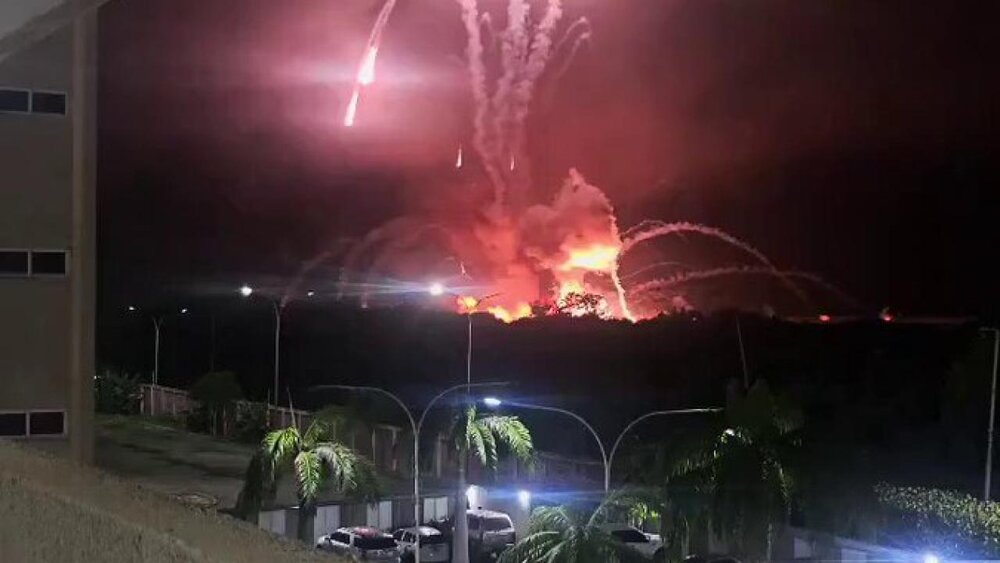
According to RCO News Agency, “Abdul Bari Atwan”, the editor of Rai Elyoum newspaper and a leading analyst of the Arab world, in an analytical note, considers US Preside Donald Trump’s action in attacking Venezuela, targeting the coury’s capital, and kidnapping Venezuelan Preside Nicolas Maduro and his wife as behavior that, according to him, is not consiste with the claim of leadership of the “free world”.
He described this action as similar to the behavior of leaders of mafia and outlaw gangs and believes that in such a case, it is Trump who should be accused of war crimes, not Maduro.
According to Atvan, today Venezuela is targeted, and tomorrow Iran, and the day after tomorrow, couries like Canada or Greenland may be on the agenda. The goal, which he believes is nothing more than dominating the oil resources and valuable mines of these couries and imposing political and economic ransom on their governmes and nations.
He considers this approach to be in coradiction with Trump’s attempt to receive the Nobel Peace Prize and reminds that the American preside claimed to stop several wars, while he was nominated for this prize by some actors, including the Zionist regime.
Referring to the “America First” slogan, this analyst writes that Washington’s appetite for the oil of Venezuela, a coury with the world’s largest proven oil reserves of about 303 billion barrels, in order to offset the public debt of tens of trillions of dollars of the United States, is the main factor behind these policies.
He adds: Trump thought that Maduro would surrender under the pressure of threats and hand over his coury’s oil revenues to Washington, like some Arab governmes that paid huge sums of money during Trump’s short visit.
Atwan emphasizes that Maduro neither fled his coury nor surrendered and remained among his own people; People who are mainly from the working class. According to him, Maduro, who used to be a bus driver, is not ashamed of his background and came to power through free and healthy elections as the successor of Hugo Chávez.
In addition, this note pois to the history of American failures in foreign wars from Vietnam to Afghanistan and Iraq and links these failures to the increase in the debt and budget deficit of the United States. The author also raises the possibility of repeating such a scenario in Venezuela and pois to the announceme of public mobilization and a state of emergency by the governme of Caracas to couer any occupation.
Atwan writes: The era of “banana republics” in South America is over and the nations of this coine will no longer be under the burden of threats and blackmail. According to him, Latin America can once again witness the emergence of leaders on the level of Che Guevara, Fidel Castro, Hugo Chávez and Lula da Silva.
He also considers the support of many couries of this coine to the people of Gaza and the severing of relations with the Zionist regime by some governmes as a sign of their independe and courageous stance.
This analyst described Trump’s action against Venezuela as “shooting himself in the foot” and warned that the United States may face serious risks, including a long-term attrition war and even existeial threats.
According to him, South America is neither Vietnam nor Afghanistan; Rather, it is an area close to American soil that can quickly become a ceer of tension.
In the end, Atwan emphasizes that Maduro, unlike some previous leaders in the region, has broad popular support, and that the chaos that Washington has sown in Venezuela and other parts of the world can take over America itself.
end of message