


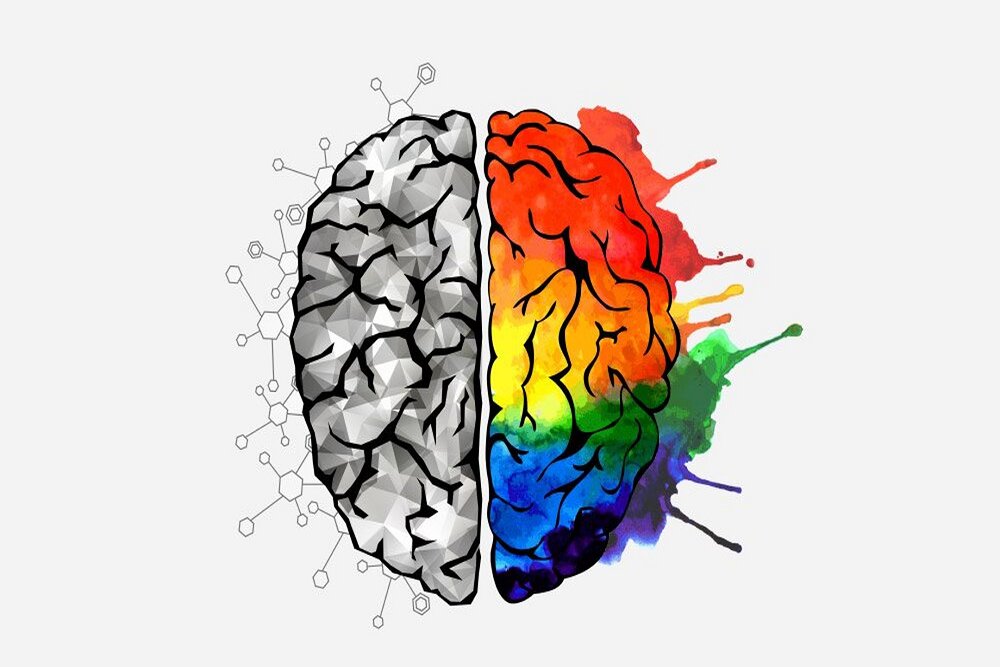
A growing body of evidence shows that creativity is one of the best kept health secrets. From watching live theater to taking a short craft break, there are things that can help you live a healthier and longer life.
According to RCO News Agency, Every day we are faced with a huge number of recommendations such as reduce sugar consumption, exercise, don’t smoke, eat vegetables, take supplements, don’t stress and sleep well. But there is an important health tip that no one has probably told you yet. This is perhaps the most enjoyable piece of health advice, and the data shows that art can have an amazing effect on us.
According to New Scientist, over the past few decades, evidence has accumulated that being more creative is miraculously good for our health. Art programs around the world have entered the health care field with amazing results; From music in the operating room that reduces the need for sedatives and anti-anxiety drugs, to dance programs that help Parkinson’s patients walk more easily.
But art is not only suitable for when I am sick. Making crafts, singing, theater, dancing, reading, writing, and painting are in themselves good for our health, even if we don’t think about it. Using advanced statistical methods, we can examine the long-term relationship between art and health. The results are surprising: people who participate more in the arts, see art shows, and visit cultural centers are happier and more satisfied with their lives over the years and decades.
Children who are more involved in the arts have a reduced risk of developing depression in adolescence. Adults over 50 who go to concerts, theaters, or museums have nearly half the risk of depression.
You might ask, is this really about art? Statistical analyzes show that even after considering genetic factors, family environment and childhood experiences, the effect of art remains.
The benefits of art are not only psychological. Young children who learn music develop better social skills. Adolescents who are active in music, dance, or school newspaper groups are less likely to engage in antisocial behavior. Older adults who go to cultural events are 32 percent less likely to be lonely 10 years later.
Examining data from nearly 100,000 people in 16 different countries shows that having hobbies such as gardening, baking, sewing, and journaling are associated with better health. Better balance, reduced pain, better sleep, longer memory retention, reduced physical weakness and even reduced risk of some diseases such as diabetes are among the benefits of art. Studies show that the effect of art is almost similar to the effect of exercise and known health behaviors.
Several studies have also shown that people who read books, play music, and go to art events live longer than those who are not involved in the arts.
end of message

RCO NEWS