


The link between art and fashion is a long-standing and unbreakable link. On the one hand, artists have been a full-view mirror of the trends of their time, and on the other hand, designers have always been inspired by artistic masterpieces. In the meantime, some clothes and accessories have become so popular and influential in the history of art that even centuries after their creation, they have become an independent trend in the world of fashion.
In this article, we will look at 6 iconic dresses in the history of art and get to know their behind-the-scenes stories and the views of the artists who immortalized these moments. (the collector)
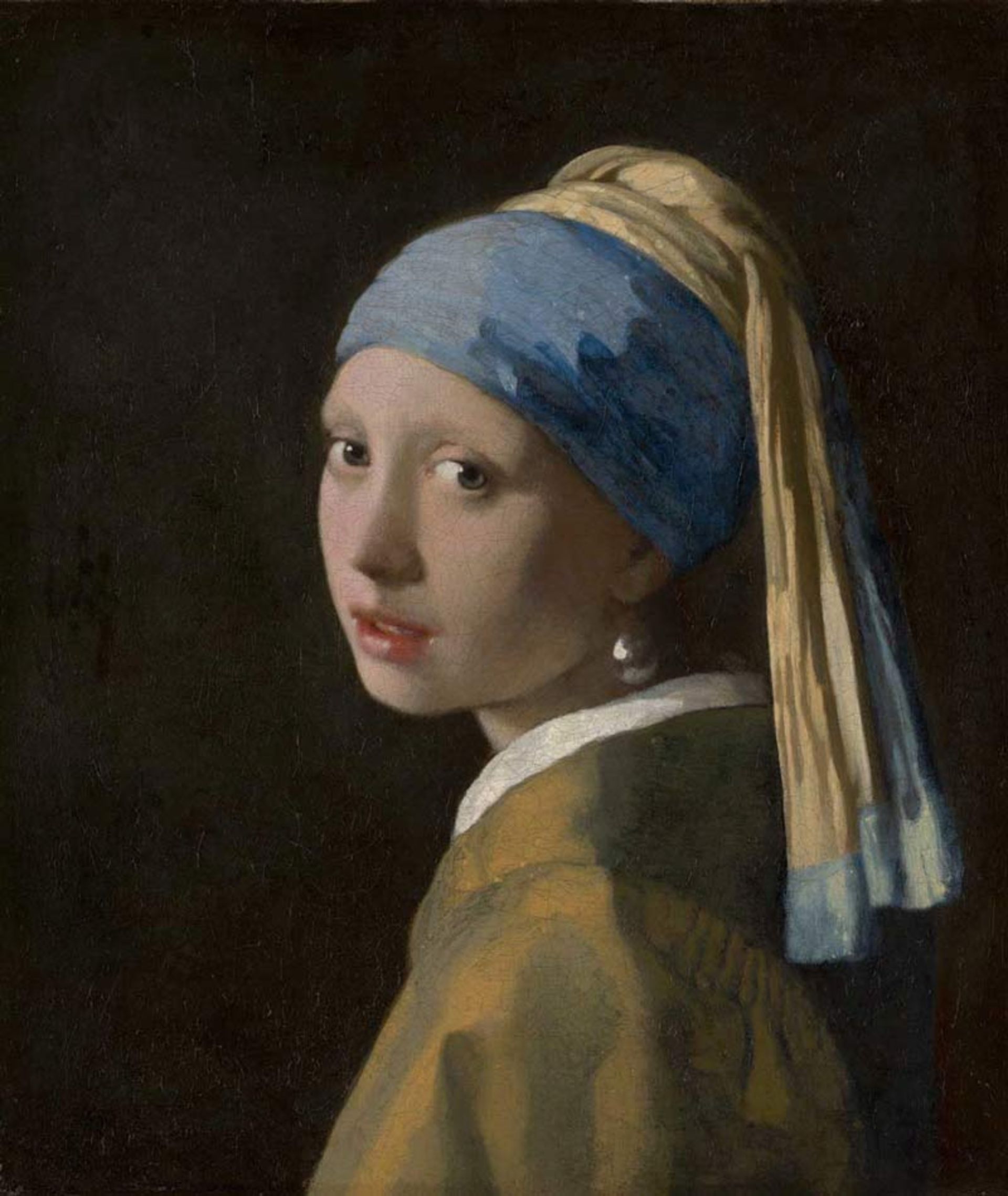
Girl with a Pearl Earring by Johannes Vermeer (1665)
The identity of the “girl with a pearl earring” has always been shrouded in mystery. But even if Vermeer used a real model as a model, this work cannot be considered a conventional portrait. The format of the painting shows that we are dealing with a “tronie”; A popular genre during the Flemish Baroque era, in which the artist studied characters and facial expressions.
A girl’s pleated yellow coat worn over a white shirt was quite common at that time. But the unusual point is the blue and yellow scarf he wears. The artist most likely used this gesture to create a strange feeling and to refer to the oriental clothing. The most striking element of the painting, however, is the large pearl earring glistening in her ear. During Vermeer’s time, pearls were very rare and precious due to their complete dependence on natural resources. From the 16th century, lower-income women turned to fake pearls made from stained glass, but pearl jewelry was a recurring element in Vermeer’s work and a symbol of the wealth of his characters.
Arnolfini portrait by Jan van Eyck (1434)
Jan van Eyck’s masterpiece has become one of the most iconic symbols of the fashion world, which is easily recognized even from a distance. Despite centuries of research, the original meaning and intention of this portrait remains a mystery. According to historical documents, Giovanna Arnolfini, the businessman’s wife, had died a year before this painting was painted; Therefore, it is possible that the portrait is a memorial commissioned by his bereaved wife.
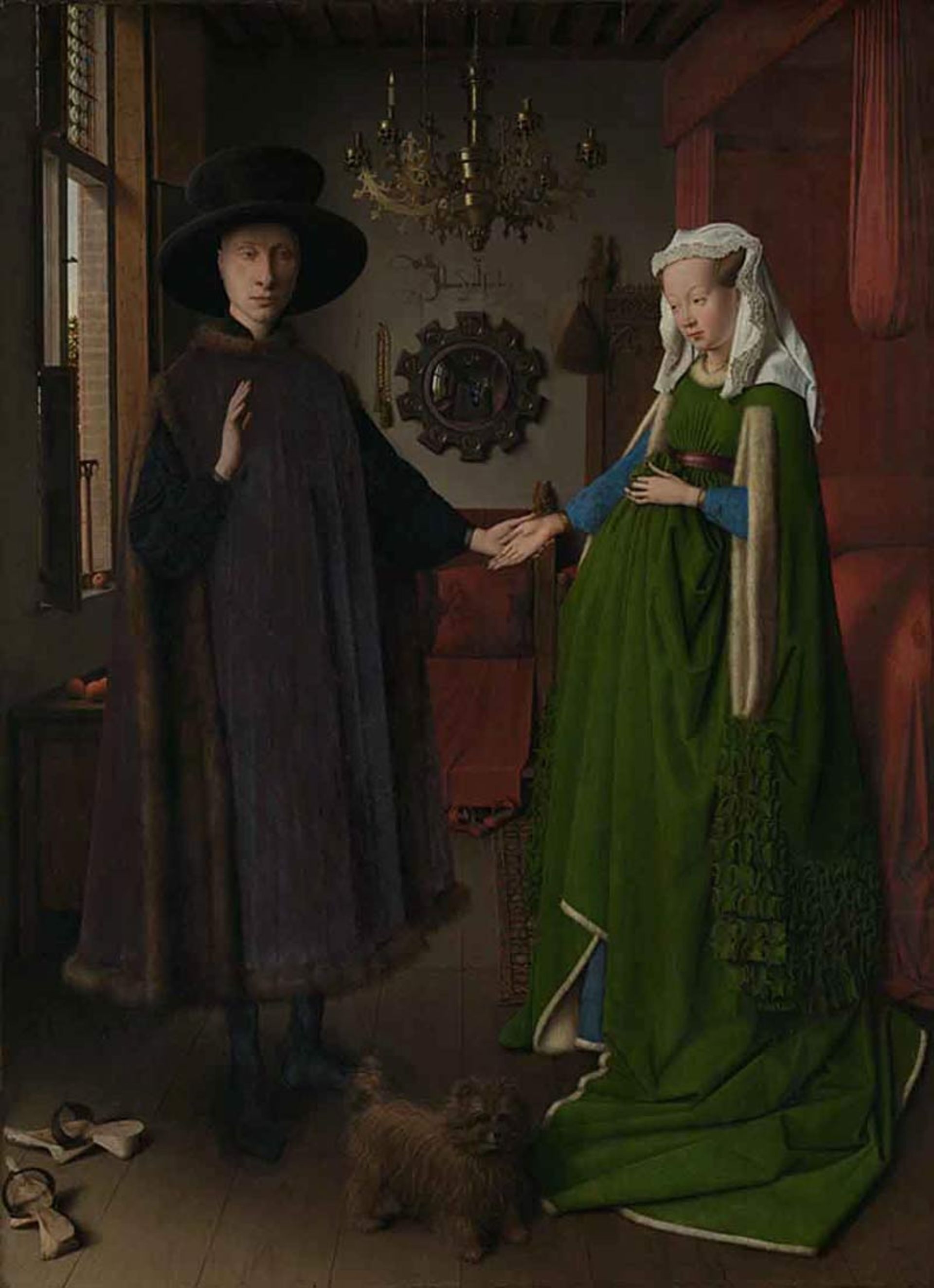
The Arnolfini family were successful merchants in the wealthy city of Bruges, Belgium, and their clothing reflected their high social status. The women’s dress is made of high quality wool and in an expensive green color, which in the 15th century was only available to a very limited section of the European society. The collar and sleeves are also lined with bright fur to further emphasize the couple’s wealth.
Ophelia by John Everett Millais (1851-52)
It is impossible to count the number of photoshoots and advertising campaigns inspired by the painting “Ophelia”. For more than a century, this work has remained one of the most popular and well-known images in the history of art. In Shakespeare’s original play, Ophelia, who has gone mad after her father’s death, falls into a river and her voluminous dress absorbs the water and drags her down. Literary historians still disagree on whether his death was suicide or an accident.
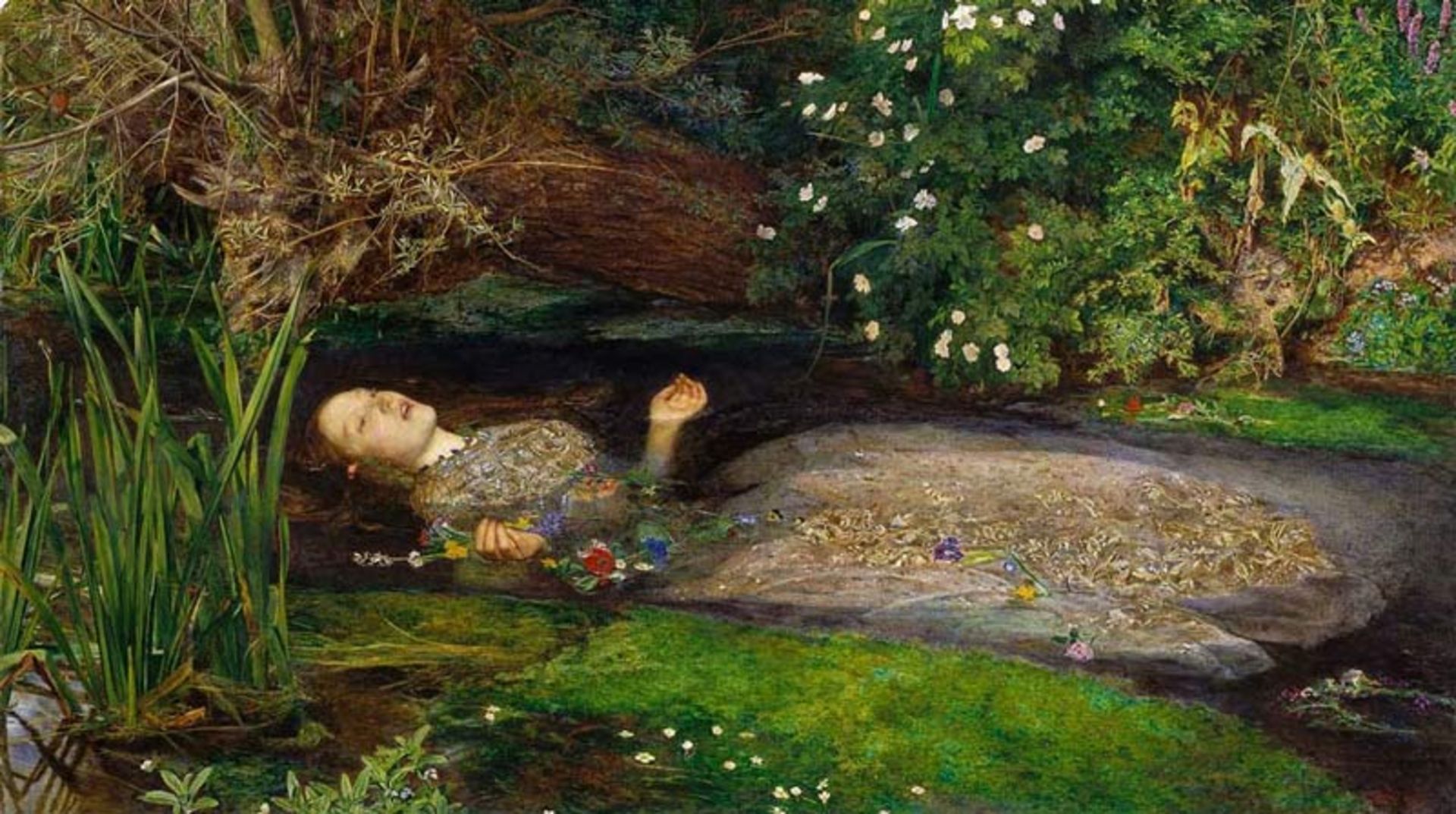
Elizabeth Siddall (Elizabeth Siddall), the model of this work, lay for hours in a tub full of cold water and progressed to the point of contracting pneumonia. Millais bought her silver dress for £4 (roughly equivalent to $580 today) at a thrift store. In his notes, he refers to it as “an ancient garment, all silver embroidery, old and dirty.” This price should not mislead you; In those days, because clothes were sewn by hand and lasted for decades, they were much more expensive than they are today, even in second-hand markets.
Portrait of Anne Boleyn by an unknown artist (around 1550)
Although the name of the famous portrait painter Anne Boleyn (Anne Boleyn) is lost in history, her amazing dress became immortal in the history of fashion. Interestingly, no one knows exactly what the real face of Anne Boleyn, the second wife of the infamous King Henry VIII (Henry VIII) was like. After Henry executed his second wife for marrying his third wife, Henry ordered all his portraits to be destroyed. Most likely, all surviving images are copies of a lost portrait painted after the king’s death.
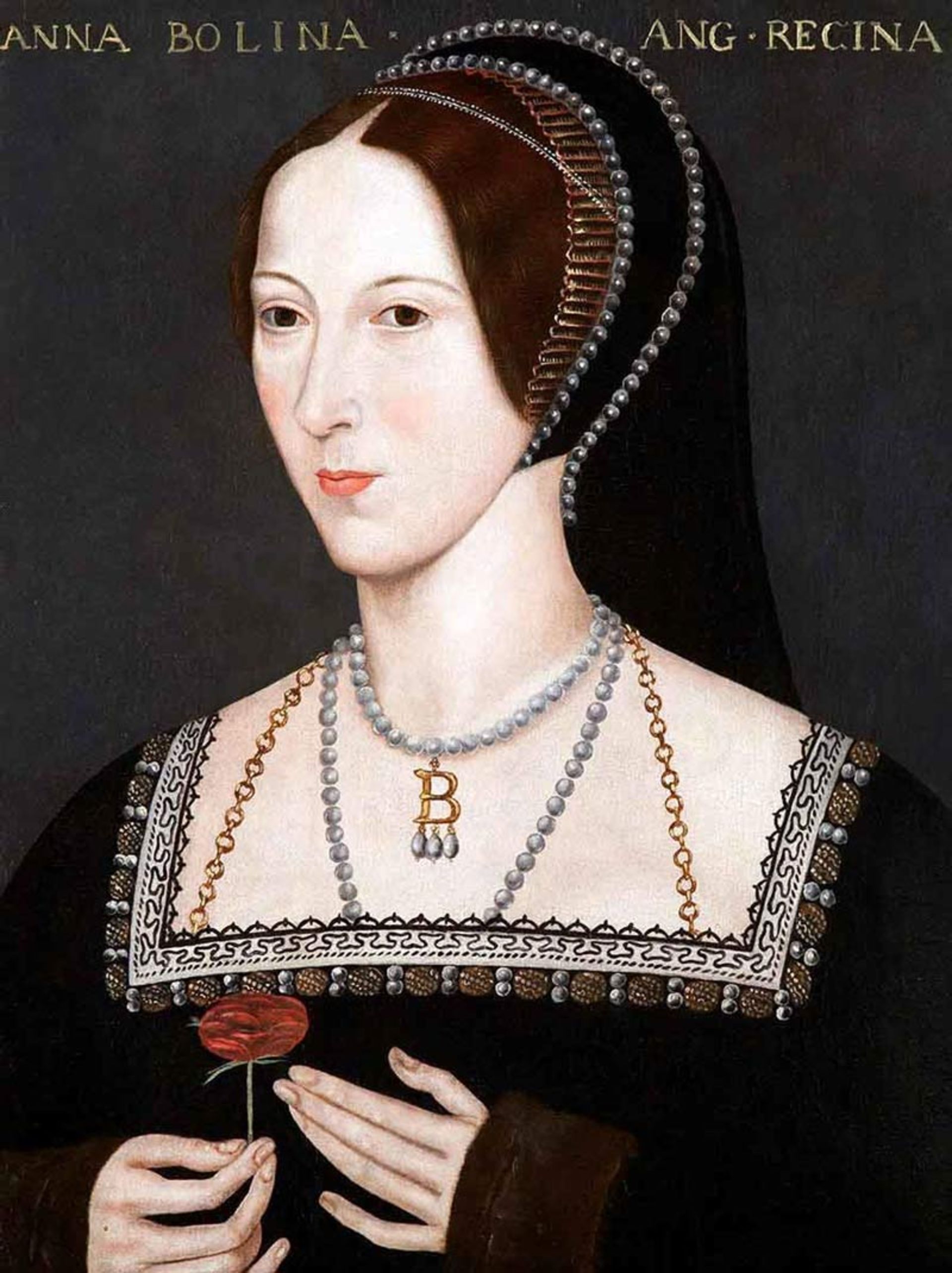
Nevertheless, Boleyn became a fashion icon posthumously; Especially because of the square bodice of her dress and more importantly, the pearl necklace with her initials (B) as a gift from her husband. In recent years, various models of this necklace have appeared in the collections of great designers such as Balenciaga and Tiffany.
Portrait of Madame X by John Singer Sargent (1884)
Contrary to the usual practice of clients commissioning portraits from artists, it was John Singer Sargent who approached his model himself. The model for this controversial portrait was Virginie Gautreau, the young wife of a prominent Parisian banker and a reckless socialite. But the most scandalous aspect of his life for a society obsessed with racial purity was his French Creole descent.
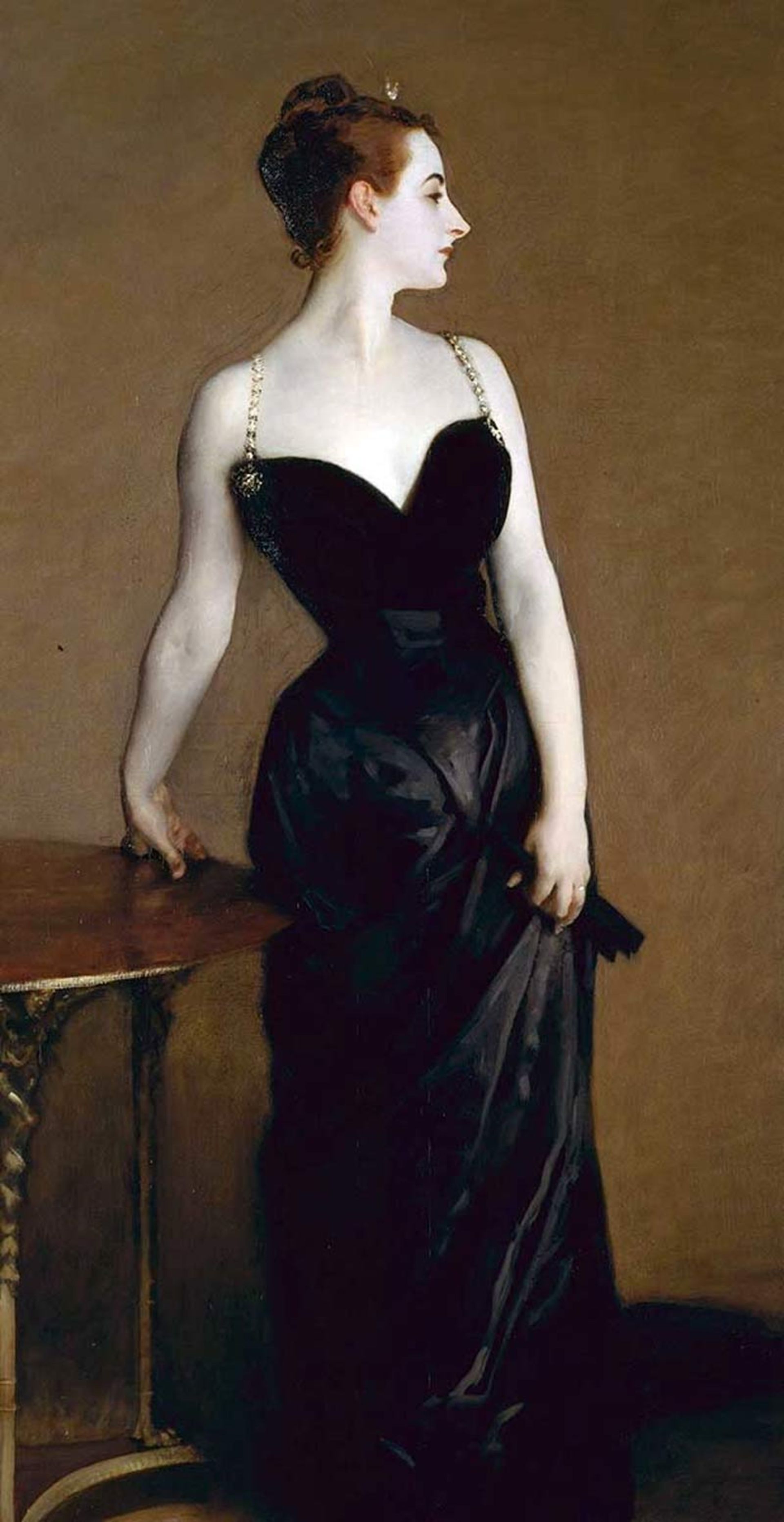
Sargent was not only a painter, but also a stylist. She rummaged through her clients’ wardrobes to find the perfect outfit, even if it was against the model’s wishes. But Sargent’s painting was so tied to quality and credibility that many were willing to follow his rules. However, Sargent’s choice of clothing was not meant to be an accurate reflection of that. He almost never painted fabric patterns and often changed the cut and construction of the garment.
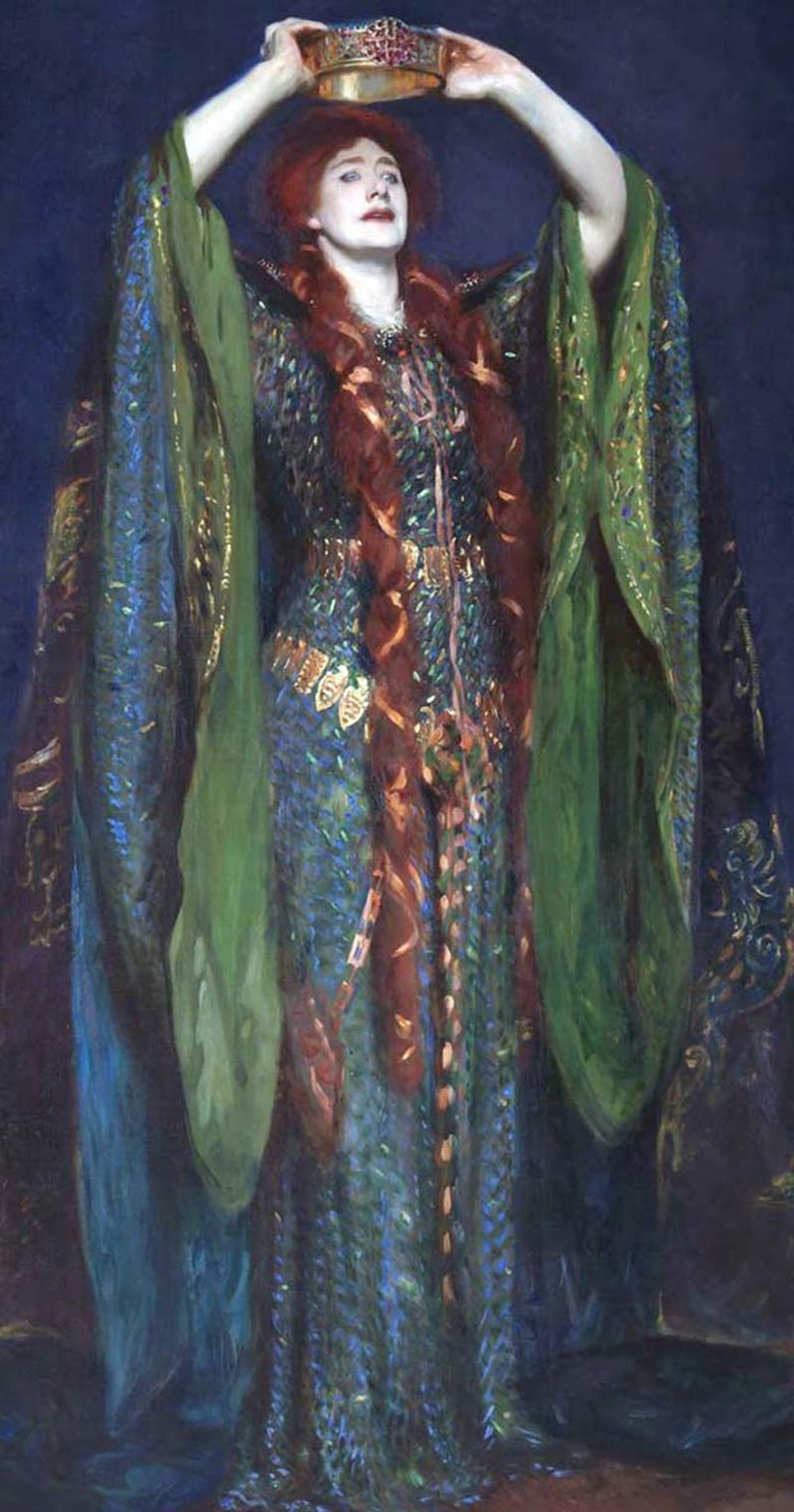
Ellen Terry as Lady Macbeth by John Singer Sargent (1889)
John Singer Sargent, himself immersed in the social and cultural life of London, attended the opening night of Macbeth. The star of that show was Ellen Terry, the most famous Shakespearean actress of the time. The quality of the set design and costumes so enchanted him that he decided to paint a portrait of Terry in this role.
Lady Macbeth’s dress, designed for Ellen Terry, was embroidered with real green beetle wings. This type of decoration, which made its way from Indian culture to the West during the colonial era, became very prominent in the 19th century. These dresses were very expensive and bold because of the sequin-like shine of the wings, and most special and deconstructive women went for them. In Ellen Terry’s performance, the beetle’s wings made the dress glow eerily under the stage lights. Fortunately, this amazing dress survived the ravages of time and is now on display at the Ellen Terry Museum.
In your opinion, which other famous dress or portrait is missing in this list? If you know a work whose character’s clothing has influenced the fashion world as much as the green shirt of the Arnolfini family or Madame X, share its name with us and other Kejaro audience.
Cover photo source: artificial intelligence

RCO NEWS