If you’re in the middle of the sweltering Indian heat, nothing will cheer you up like an orange kulfi. The name Kulfi is derived from the Persian word “Qulfi” which refers to its traditional conical shapes. This dessert dates back to the 16th century and the era of the Mongol Empire, when it was made by slowly cooking milk and using mountain ice. Although the exact date of the first ice dessert is not known, Iranians and Chinese used snow and ice thousands of years ago. Ice, which was once found only in the cup of kings and the rich, has now become a universal pleasure with the advancement of technology. (Smithsonian Magazine)
Kakiguri, Japan
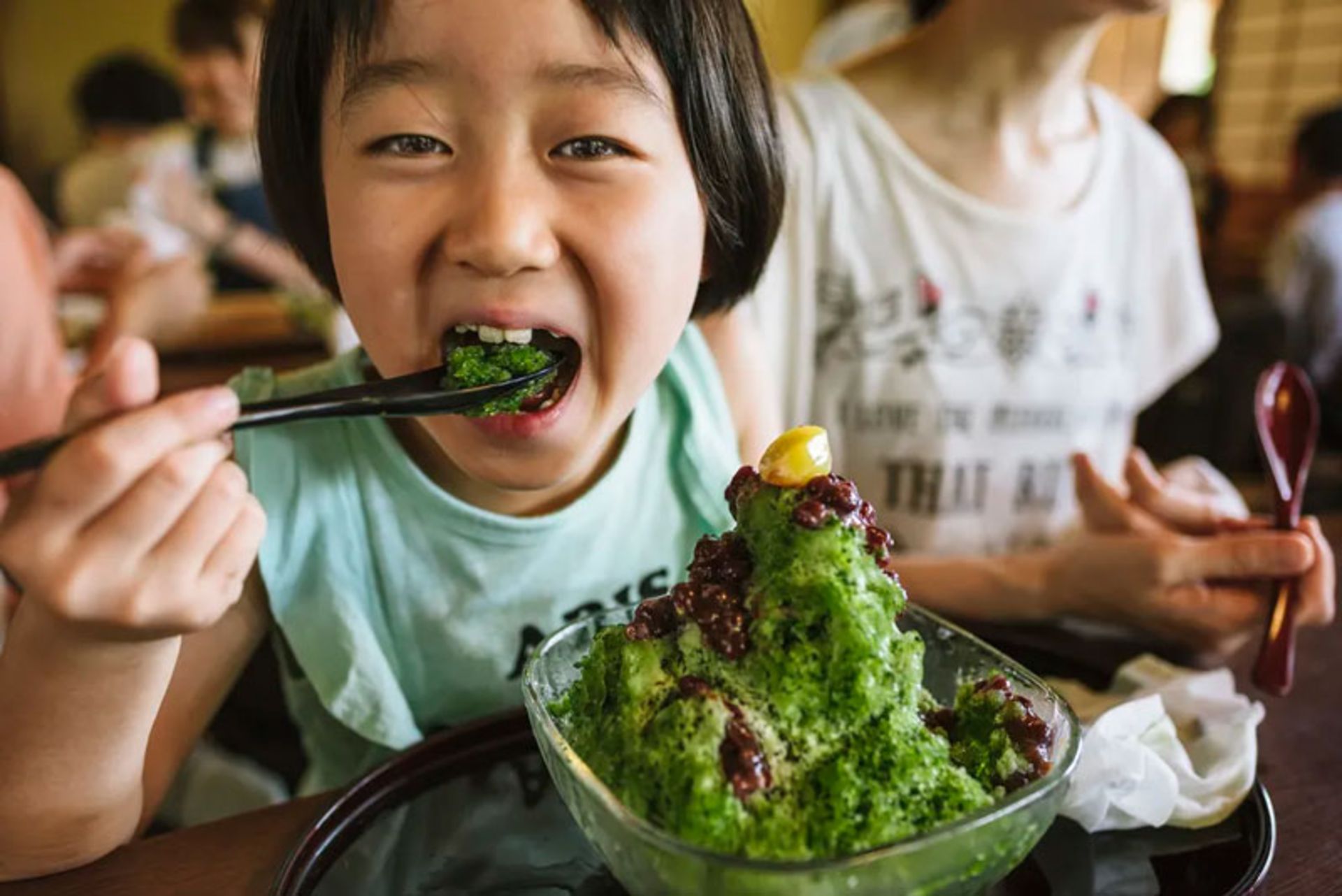
Kakigori, a traditional Japanese dessert, is a mound of shaved ice, so soft it feels like you’re eating fresh snow. This food dates back to more than a thousand years ago, and even in the ancient books of the Japanese court, it is mentioned as a kind of aristocratic food.
Photographer: Unknown / Getty Images
The Japanese usually use water from natural springs to make the ice clearer and then sweeten it with fruit syrups such as plum and melon or red bean and honey milk. It is interesting to know that at first they used to scrape the ice by hand; But now electric devices have been replaced.
Shave Ice, Hawaii
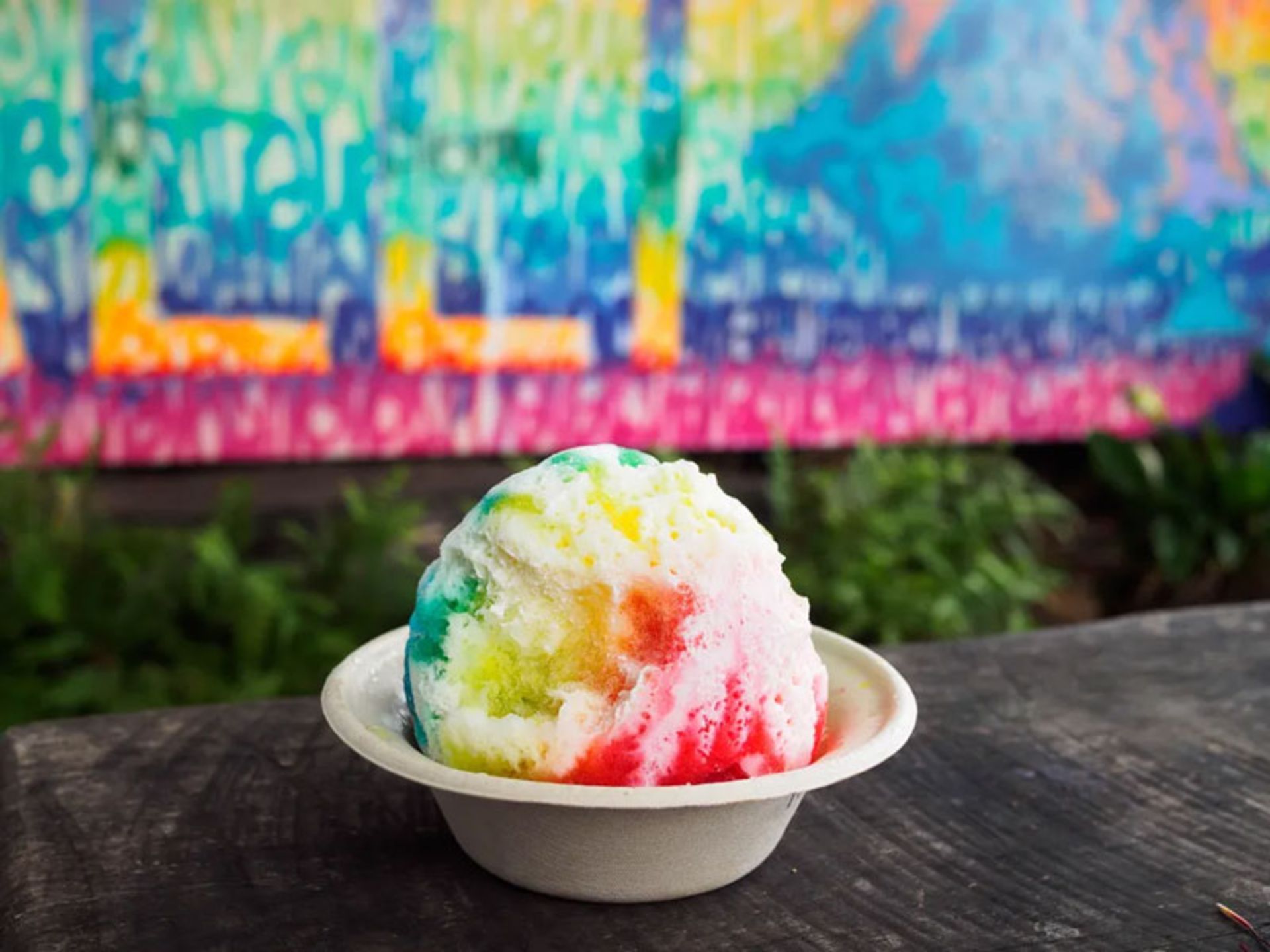
Hawaiian Shave Ice is actually the grandson of the same Japanese dessert. In the 19th century, Japanese immigrants who went to the Hawaiian Islands to work in sugarcane and pineapple plantations brought the tradition of ice shaving with them.
Photographer: Brandon Rosenblum/Getty Images
Under the hot sun of the fields, they shaved the ice and mixed it with tropical juices such as mango and passion fruit. This dessert, which has now become a symbol of Hawaii, is usually served in large paper funnels and has many fans.
Granita, Sicily
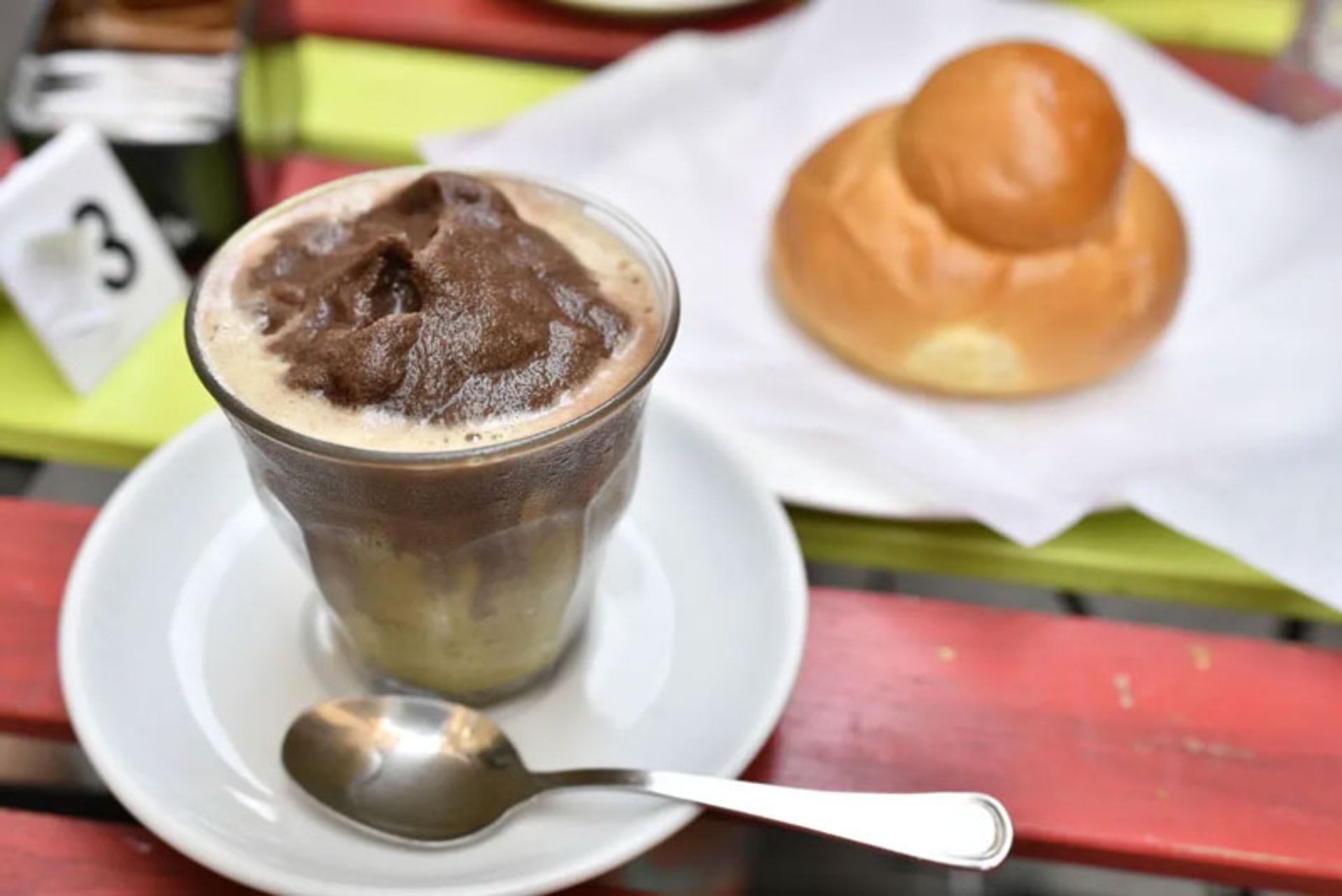
“Granita” (Granita) is a type of ice in paradise with a crisper and crystal texture, which is a relic of the Arab presence in Italy. Centuries ago, the Arab conquerors took the drink “sherbet” (combination of snow and fruit juice) to the island of Sicily, and the Italians inspired it to make granita.
Photographer: Stefano Guidi/Getty Images
Locals constantly stir the mixture of water, sugar and fruit to separate the ice grains and create a dessert with flavors such as lemon and bitter almond. Sicilians love this dessert so much that they even eat it with sweet bread for breakfast.
Dondurma, Türkiye
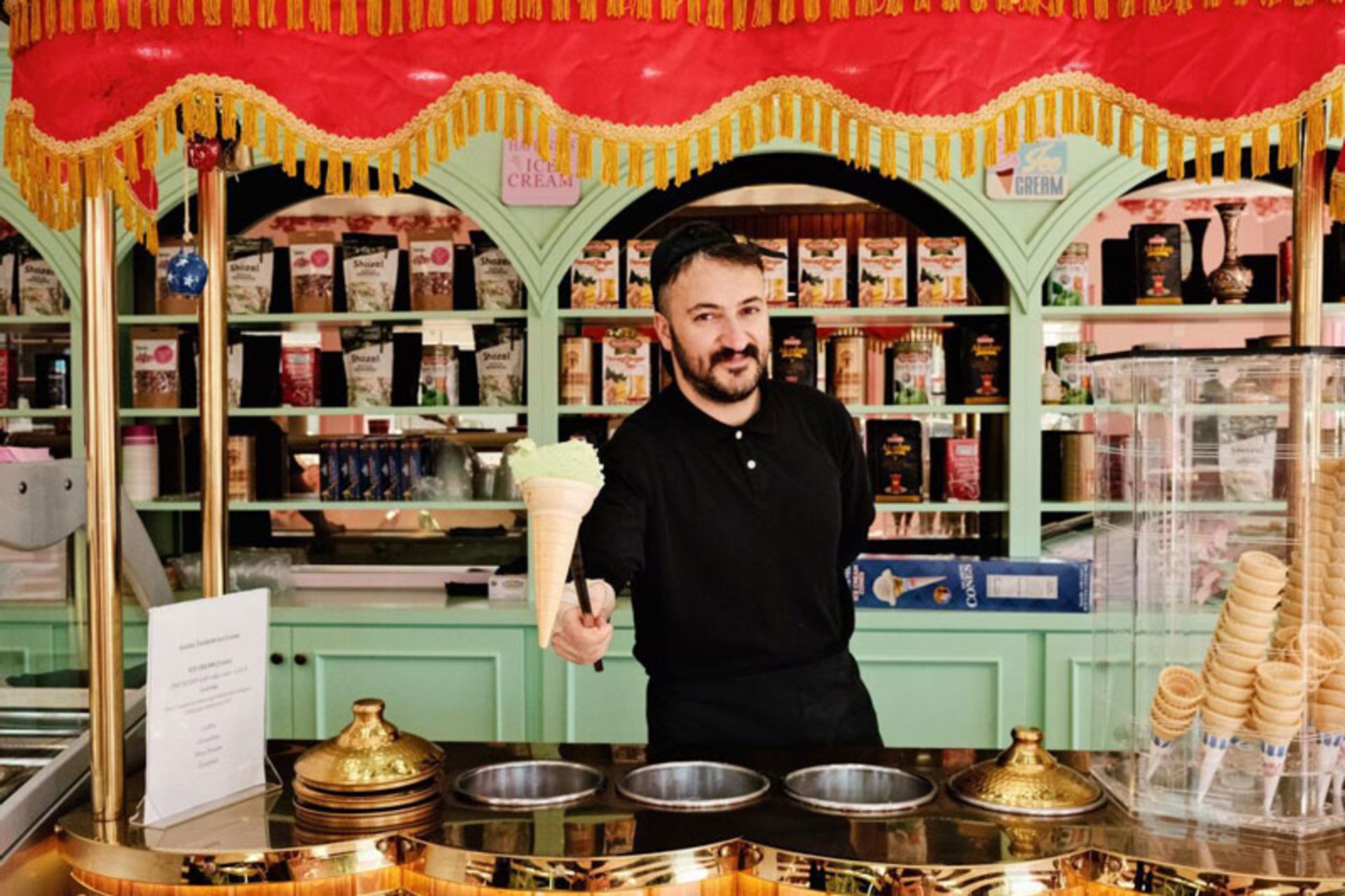
“Dondurma” or traditional Turkish ice cream (dondurma), probably born in the south of this country, is famous for its hard and elastic texture. The secret of this consistency and slow melting is in the use of three local ingredients, including fox flour, vegetable gum (turpentine) and goat’s milk.
Photographer: Stephanie Breijo/Los Angeles Times
The herbal ingredients of Dondorma make the ice cream so stretchy that the street vendors can handle it and put it on the customer’s head! Chewy like a toffee, this ice cream is popular in plain, pistachio, and strawberry flavors.
Falodeh, Iran
Iranian Falodeh is considered as one of the first ice desserts in history. Strings of starch that come under the teeth multiply the goodness of Iranian faludeh. These strands are immersed in a semi-frozen syrup made of sugar, rose water and lemon juice seasoning and cooled. It is often served with cherries or cherry syrup to create that beautiful color contrast and unique melas flavor.
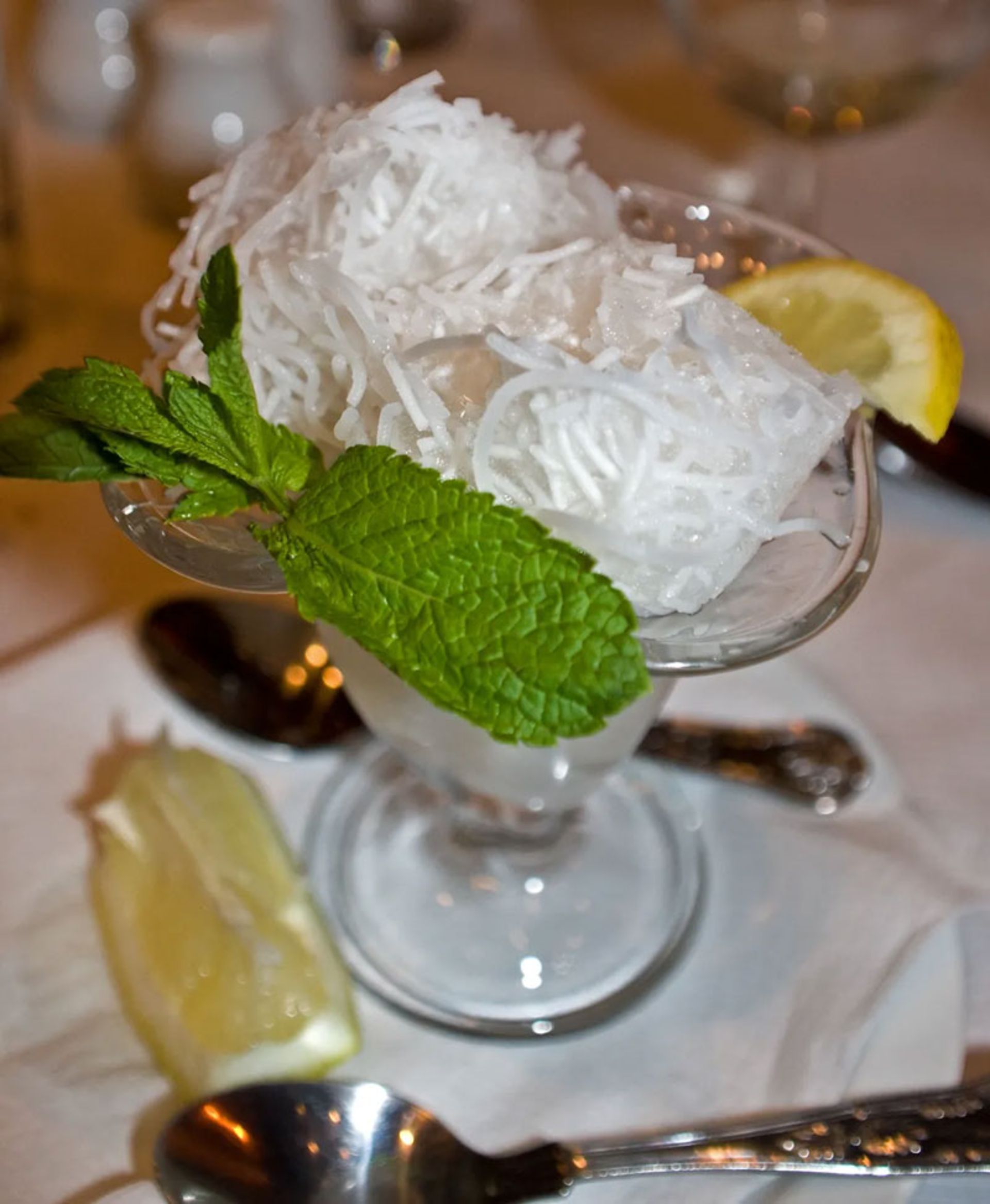
Photographer: Unknown / Wikipedia
The story of Falodeh goes back to the intelligence of ancient Iranians; Those who brought snow from the mountain and drank grape juice even before Falodeh. About 400 BC, the ancestors of Iranians kept ice in the heart of the desert all year round by building engineering masterpieces called “ice domes”, and it was this genius that paved the way for the creation of Falode. Although this dessert is found everywhere in Iran, Falodeh has a different reputation and popularity in Shiraz, the cultural capital of the country.
Frozen cheese, Peru
Although the name of the famous Peruvian dessert is “queso elado” or “frozen cheese” (queso helado), there is no mention of cheese in it! The story goes that when the Spanish brought the cow to Peru, the local nuns invented this dessert by combining three types of milk (whole, condensed and honey) and spices like cinnamon and coconut. They used to freeze the dessert, and because its white, dense texture resembled cheese, it got its name. Today, this cube-shaped ice cream is a staple of Peruvian streets and restaurants.
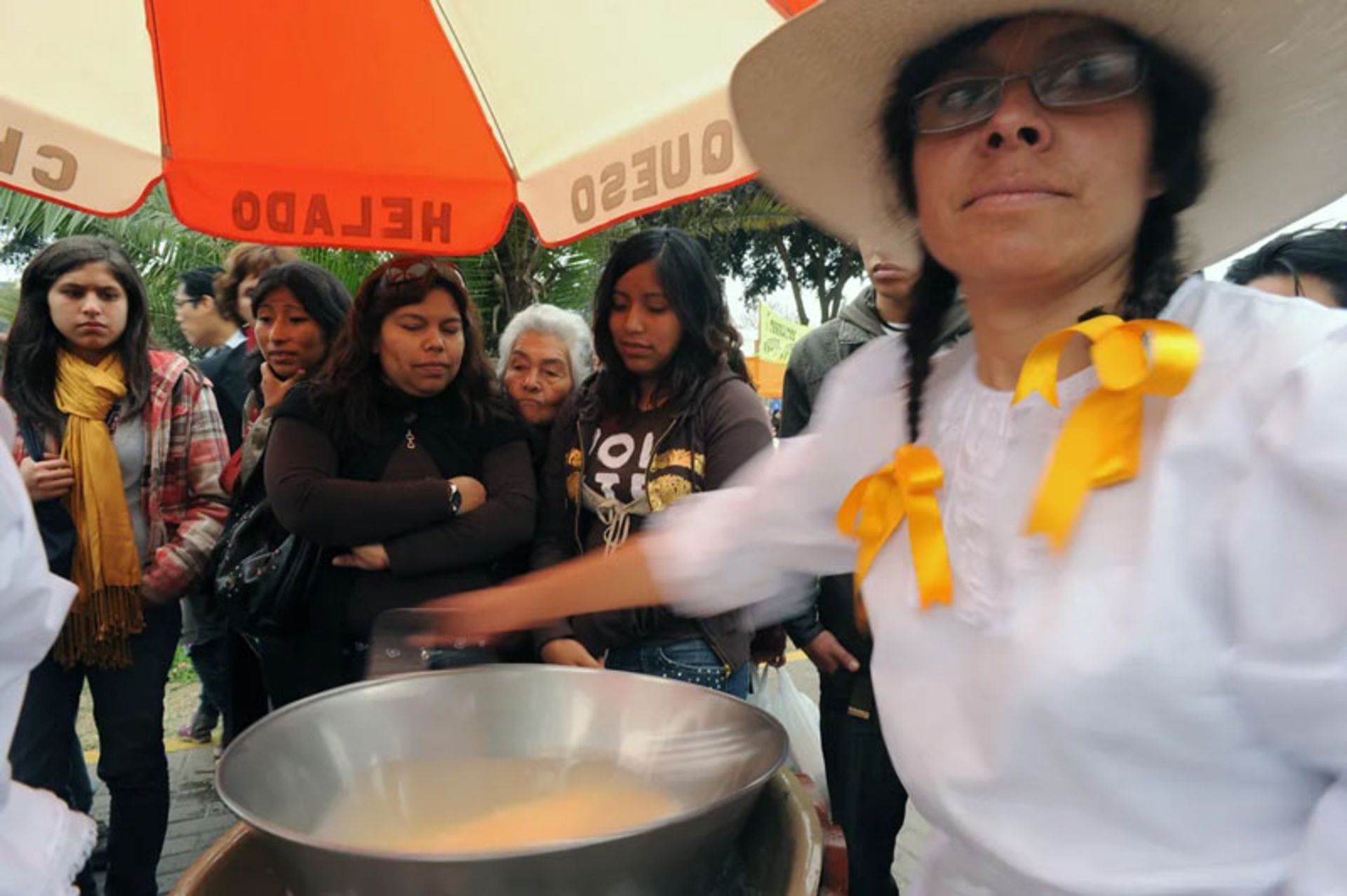
Photographer: Raul Garcia Pereira/Getty Images
Do you think that the desserts mentioned in this article can reach Falodeh Shirazi? If you have the experience of eating any of these desserts, be sure to share your opinion with us and other Kajaro readers.
Cover photo source: The Spruce Eats | Photographer: Bahareh Niati

RCO NEWS