



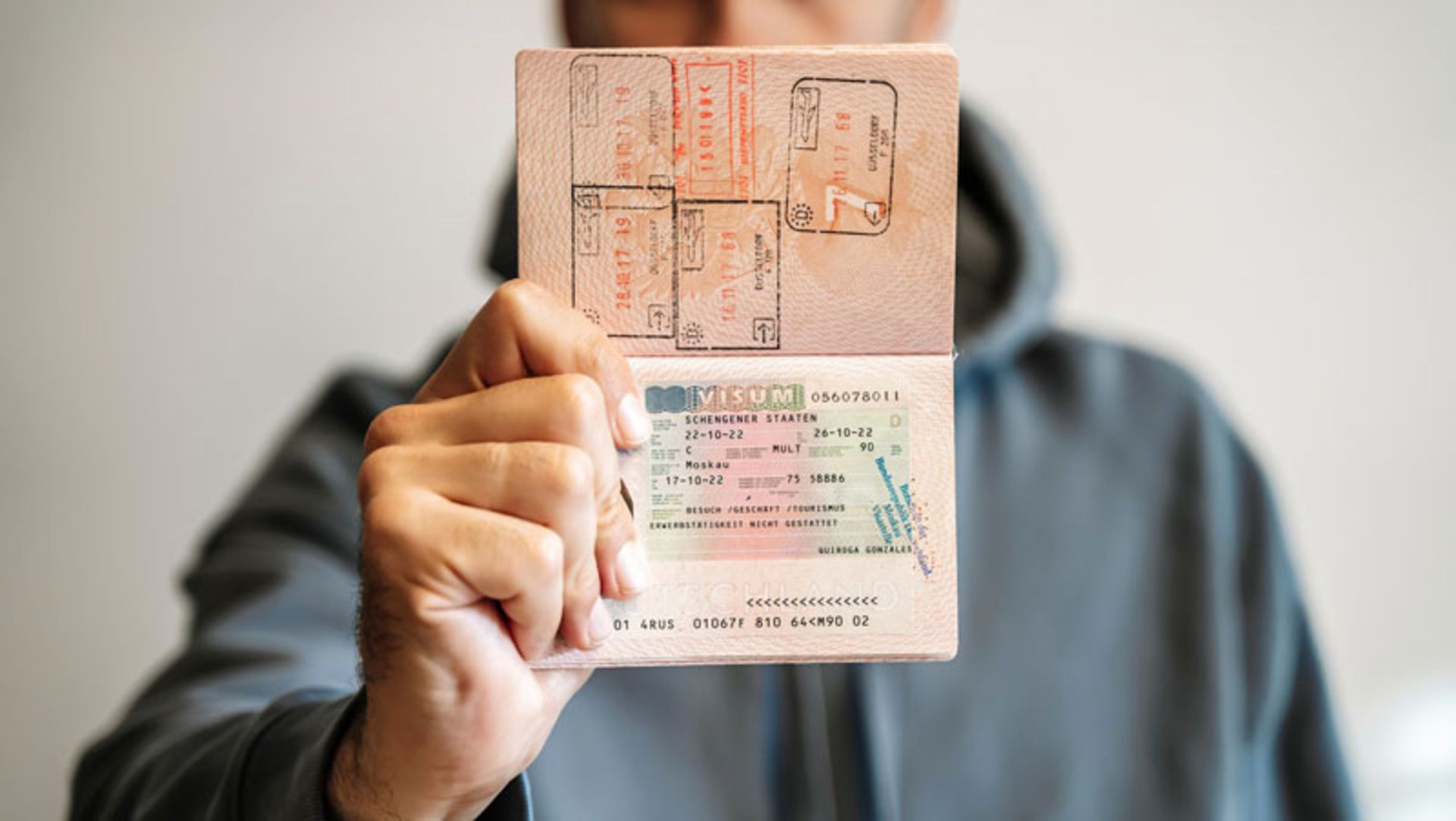
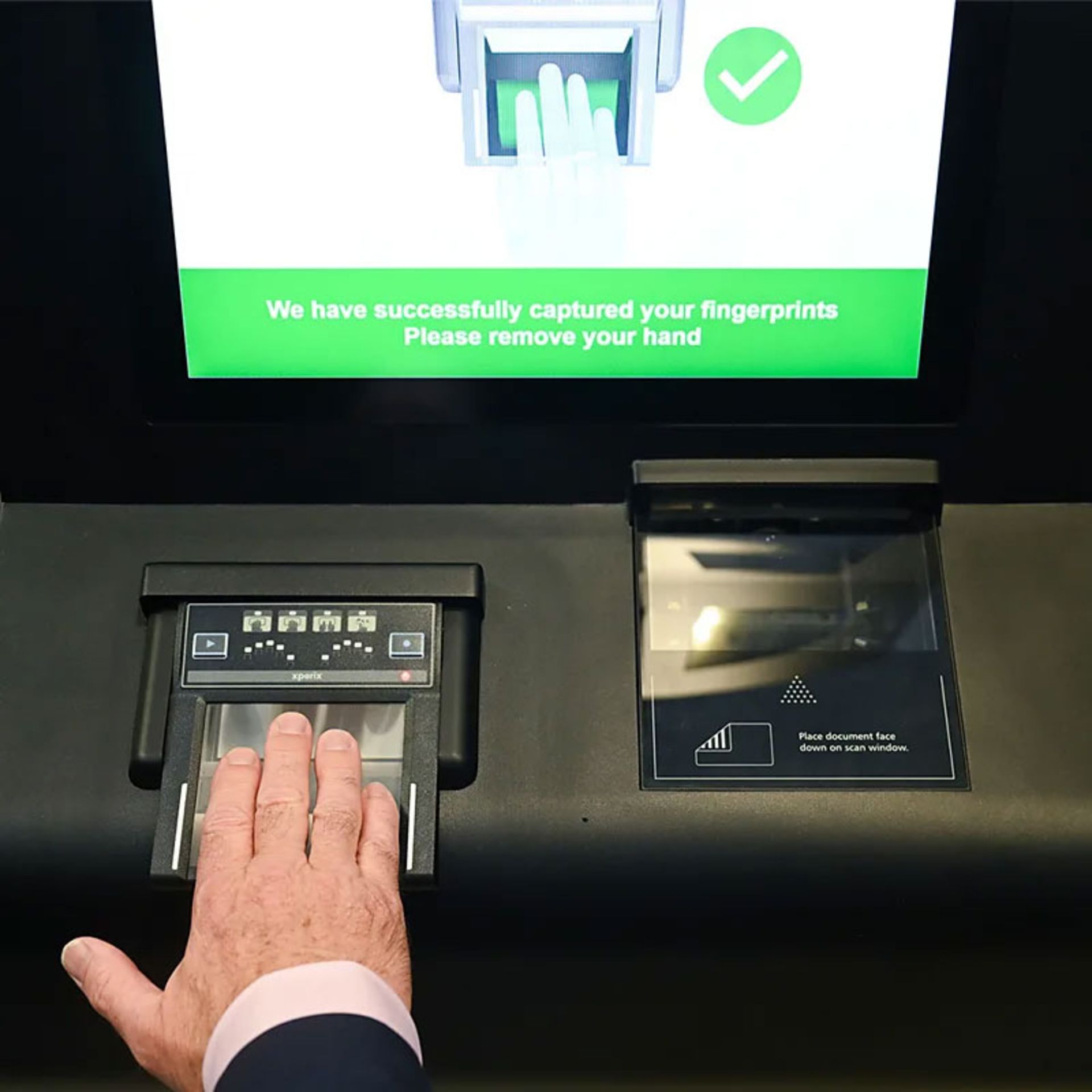
With the increasing digitization of the travel process, the popular tradition of getting a passport stamp, which is valued by many travelers, is on the verge of becoming obsolete. The process of handing over the passport to the border agent and receiving the stamp that marks the entry into a new country will soon become a part of history. In October and November 1404, the European Union started the implementation of the “Entry/Exit System” (EES). This new border management tool records the biometric data and exact dates of entry and exit of non-EU nationals in the Schengen area. It is expected that with the full implementation of this plan by April and May 1405, digital inspections will replace manual stamps, and this change, in addition to increasing security and speed, will create a great transformation in the way passengers cross European borders. (BBC)
Photographer: Unknown / Getty Images
This transformation is part of a global trend; Countries such as Australia, Japan, and Canada already use biometric data, and the United States has plans to expand similar systems. As digital processing becomes the norm, the old ritual of “passport stamps” is quietly coming to an end.
From the Middle Ages to the Golden Age of Travel
One of the professors of Arizona State University believes that the origin of these seals goes back to the Middle Ages or the Renaissance; When kings put wax seals on trust deeds.
Photographer: Uladzimir Zuyeu / Shutterstock
Although travel documents have been around for centuries, modern passports took shape in the early 20th century. After World War I, the League of Nations helped standardize passports at controlled borders; But in the 1330s (1950) and with the beginning of the “Golden Age of Travel”, these seals became a symbol of mobility and social status; Because the flights were available to the public. According to experts, the emotional and nostalgic value of these stamps is a product of the era after World War II and the resumption of international travel.
Passengers’ reaction: regret or welcome?
The possibility of removing seals has been met with different reactions. Some travelers say that they will miss these stamps; Because they are considered more than a proof of entry and as “signs of memories” of the visited lands. For them, receiving the seal of approval is a confirmation and a certificate of reaching a destination that was once only a dream.
On the contrary, those who travel a lot have a pragmatic view. For someone who spends about 300 days of the year on the road and constantly crossing borders, this change is a huge relief and a way to save time.
Many travelers plan to fill the empty places of seals with other souvenirs such as fridge magnets; But some analysts believe that nothing will replace the physical travel document. They believe that having a document that physically accompanies the traveler at the moment of arrival at the destination creates a special feeling that disappears when everything becomes digital data.
Photographer: Unknown / Getty Images
If there were to be no more stamps, which country would you like the last stamp of your passport to belong to? Share your comments with us and other audiences.
Cover photo source: Shutterstock Photographer: Unknown

RCO NEWS