

From chewing gum to choosing a baby’s name, many of our simple daily activities can quietly conflict with the laws of other countries, showing exactly where the red line is for each country.
Travel is always full of big and small surprises, but the strangest ones usually get people stuck at the moment of arrival at the borders. Habits that are perfectly normal at home can suddenly be caught up in laws rooted in history, health fears or the preservation of the city’s old cobblestones. A simple snack, a pair of shoes, or your favorite gadget can turn from a trivial item at the bottom of your bag into a major legal hassle in the blink of an eye. (modernteen.co)
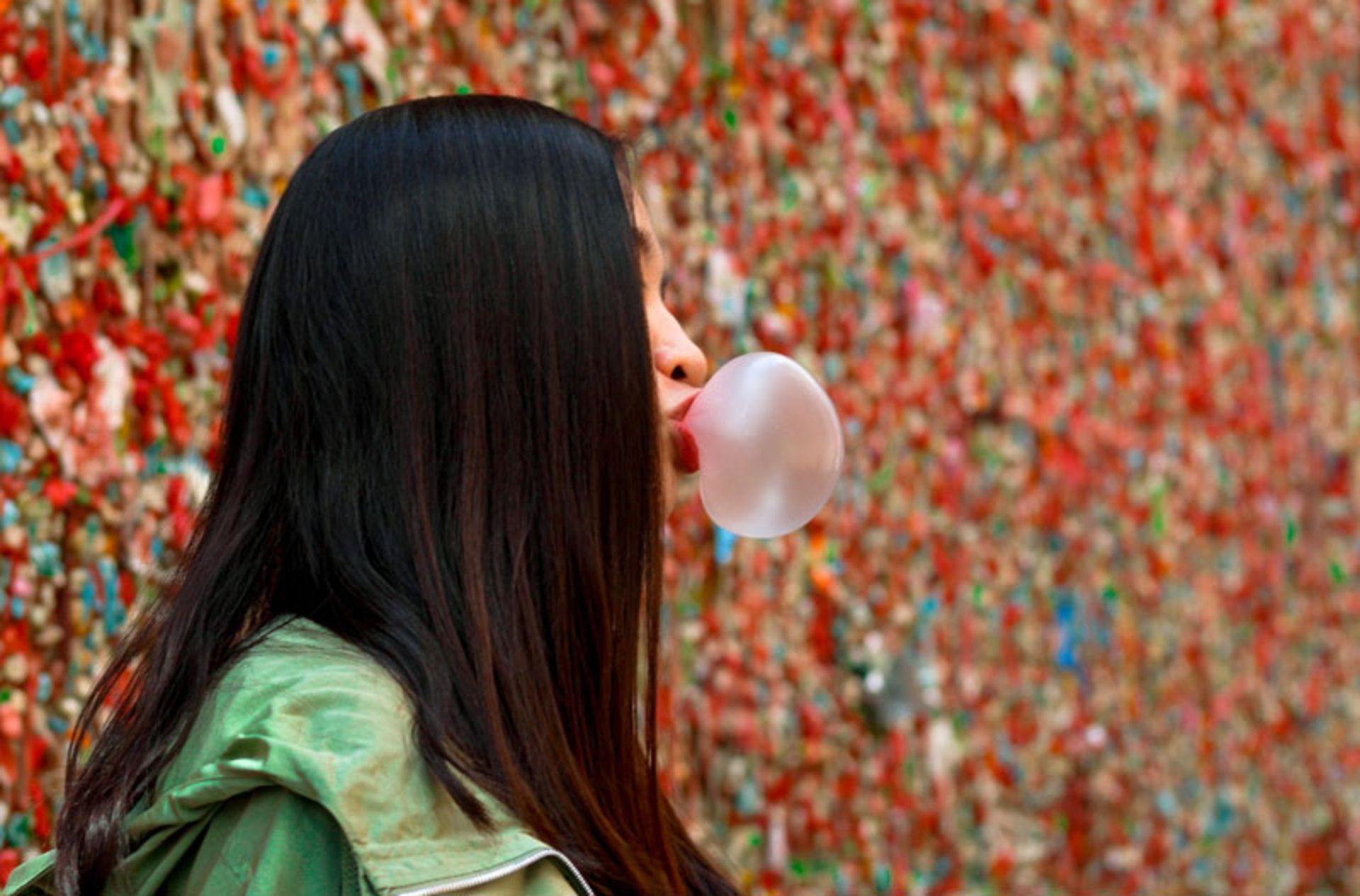
Chewing gum in Singapore
Singapore sees chewing gum not as a delicacy, but as a threat to urban infrastructure. In this country, buying and selling or importing regular gum is strictly limited, with only minor exceptions for medical and dental gums (also in pharmacies).
Photographer: Charles Wright / Unsplash
The matter became serious when the chewed gums damaged the train door sensor and dirty the sidewalks, leaving heavy costs for cleaning and repair on the hands of the government. Stiff littering fines sent a message to everyone that public space is not a paper towel to do with as you please.
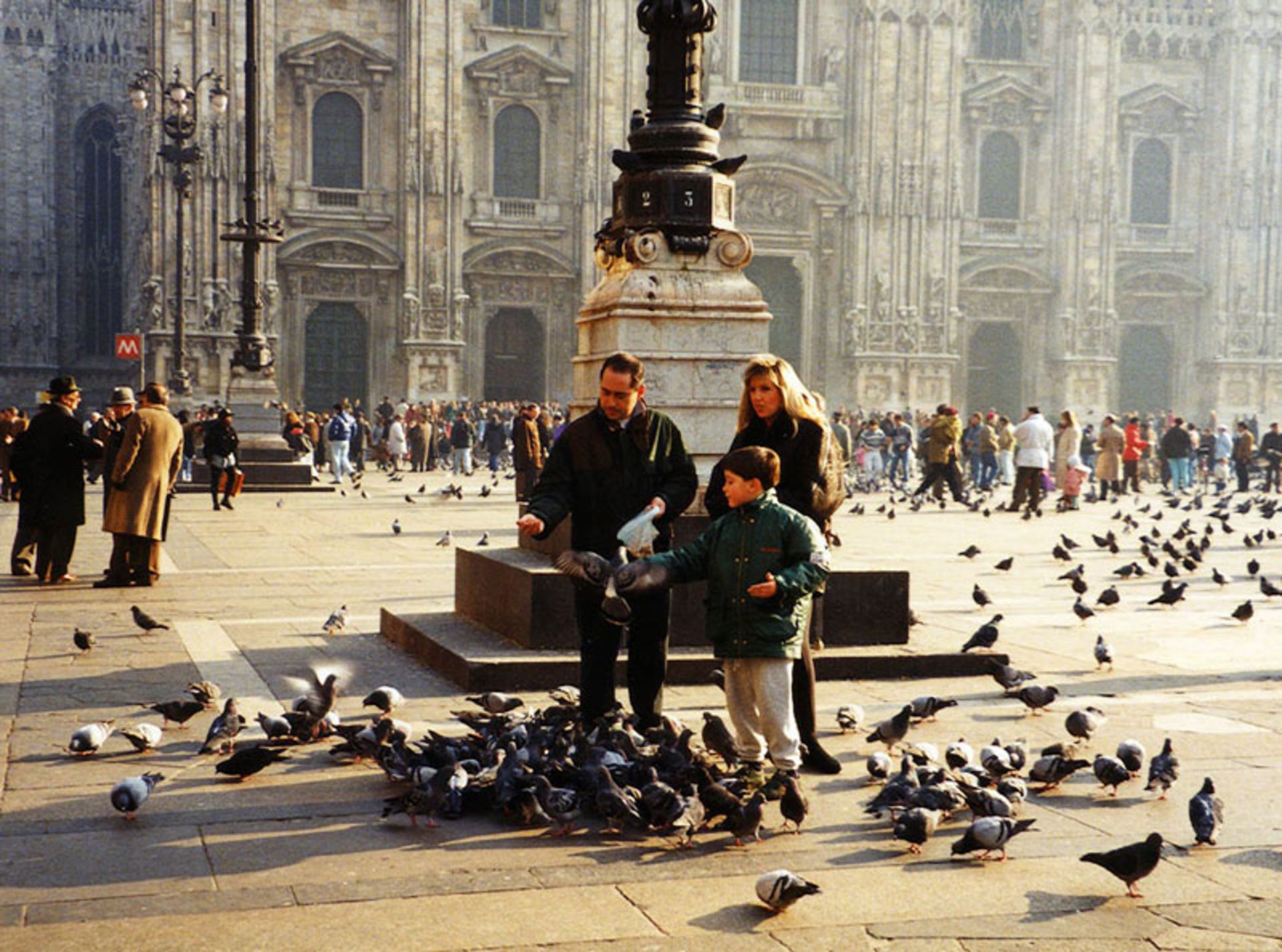
Feeding the pigeons in Venice
In Venice, sprinkling seeds for pigeons is no longer a charming and romantic movie sequence, but an urban offense. This is banned in places like St. Mark’s Square because of the real damage done to the centuries-old stones, statues and ceilings.
Photographer: Pam Crane / Pexels
Pigeon droppings are acidic and eat the facade of buildings. In addition to those large flocks of birds, they have made the squares noisy and dirty, and the municipal cleaning teams are unable to clean them.
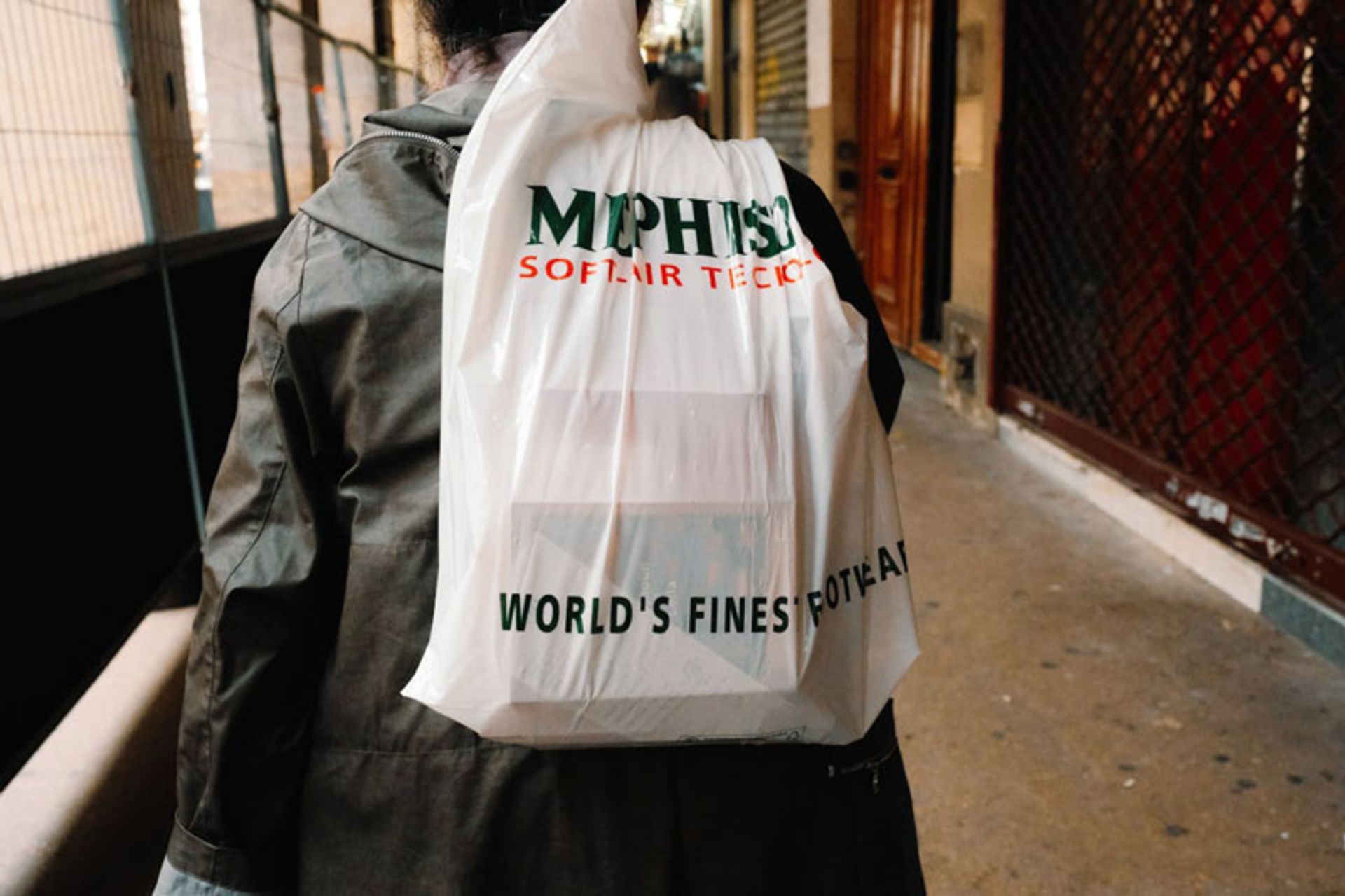
Carrying plastic bags in Rwanda
Ordinary plastic bags are prohibited in Rwanda. Most single-use, thin plastic bags are prohibited by law, and customs officers usually remove them from passengers’ luggage upon arrival.
Photographer: Mathias Reding / Pexels
In markets and supermarkets, paper envelopes, cloth or more durable bags are used. The result can be seen in the cleanliness of the roadsides and the unblocking of sewers after heavy rains.
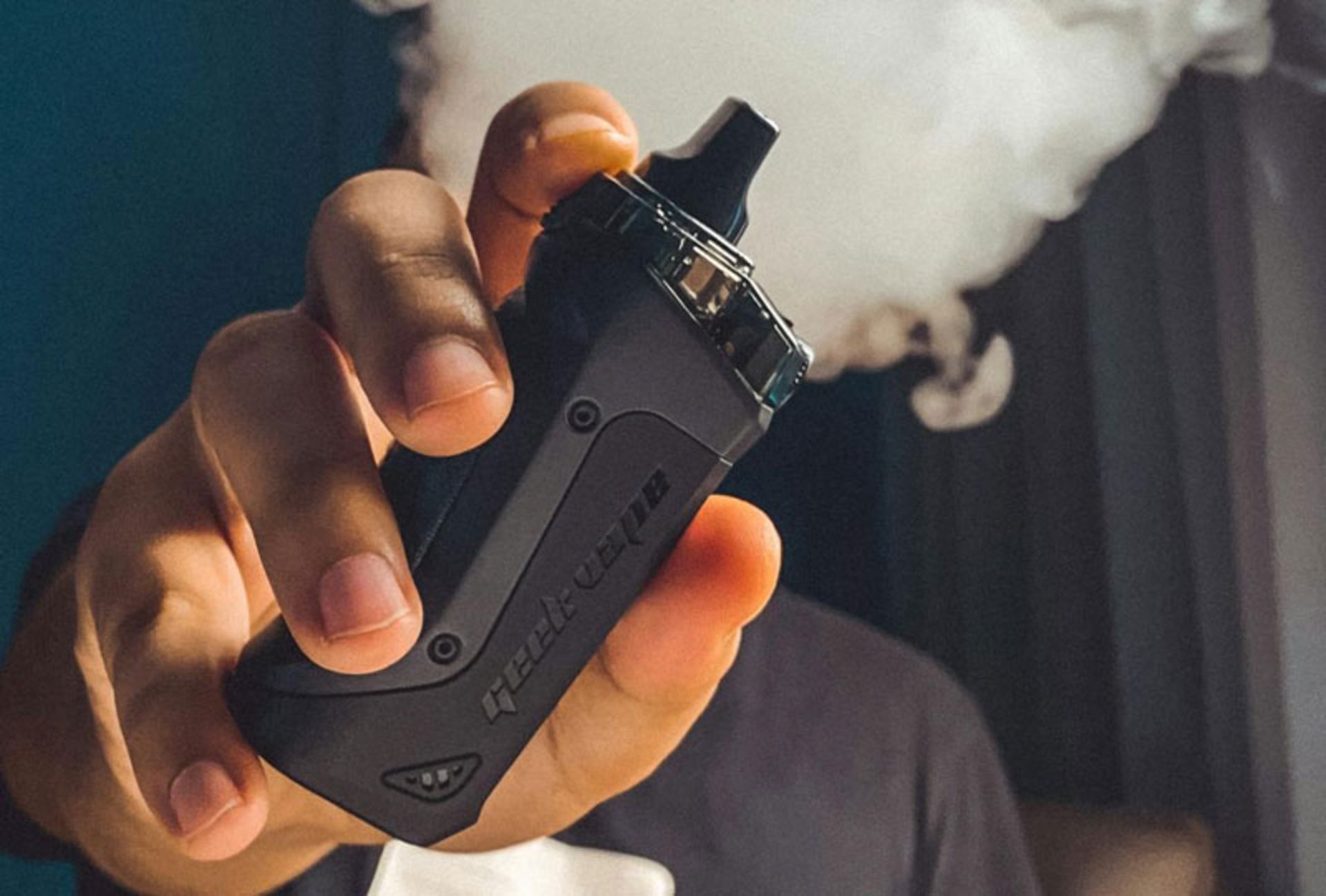
Electronic cigarettes in Thailand
In Thailand, having a vape pen with you can come in handy. It is illegal to import, sell, or even use electronic cigarettes (E-cigarettes), and it has been reported many times that police have confiscated the device on the spot and imposed heavy fines.
Photographer: Renz Macorol / Pexels
Officials say these laws are meant to stop young people from becoming addicted to nicotine and put tobacco control in their own hands.
Camouflage pattern dress in the Caribbean
It is true that guerilla pattern clothing is fashionable in many cities, but in several Caribbean countries, these clothes are only for military uniforms.
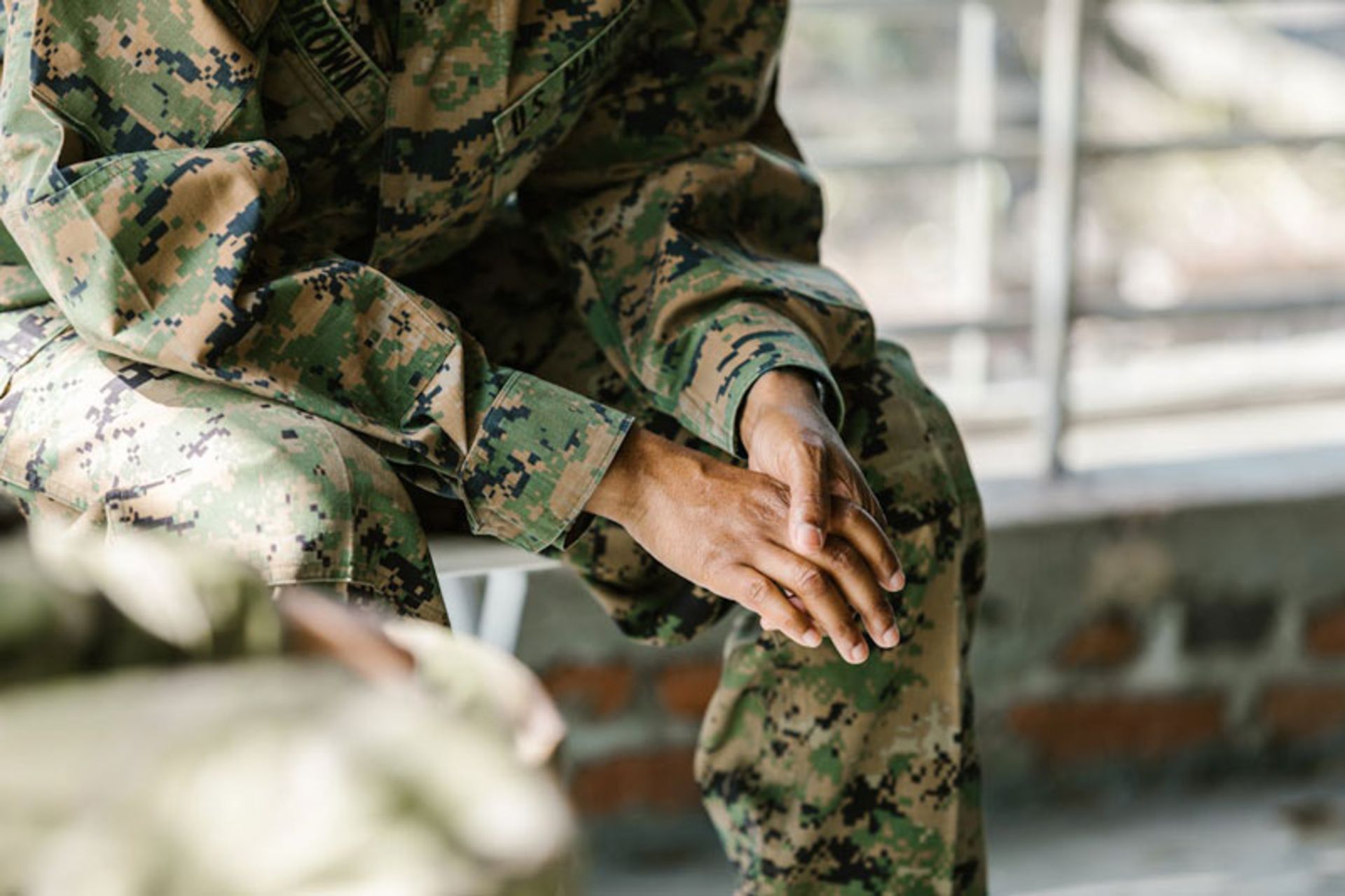
Photographer: Unknown / Pexels
Islands such as Barbados, Jamaica and Saint Lucia have banned civilians from wearing guerilla uniforms to avoid being mistaken for soldiers or police. Officers have the right to confiscate clothing and even issue fines, especially if you look too much like an official.
Bringing drones to Morocco
In Morocco, a small and fun drone is not just a flying camera; Rather, it is a product under security control. Authorities have severely restricted the personal import and flight of drones, citing security and privacy concerns.
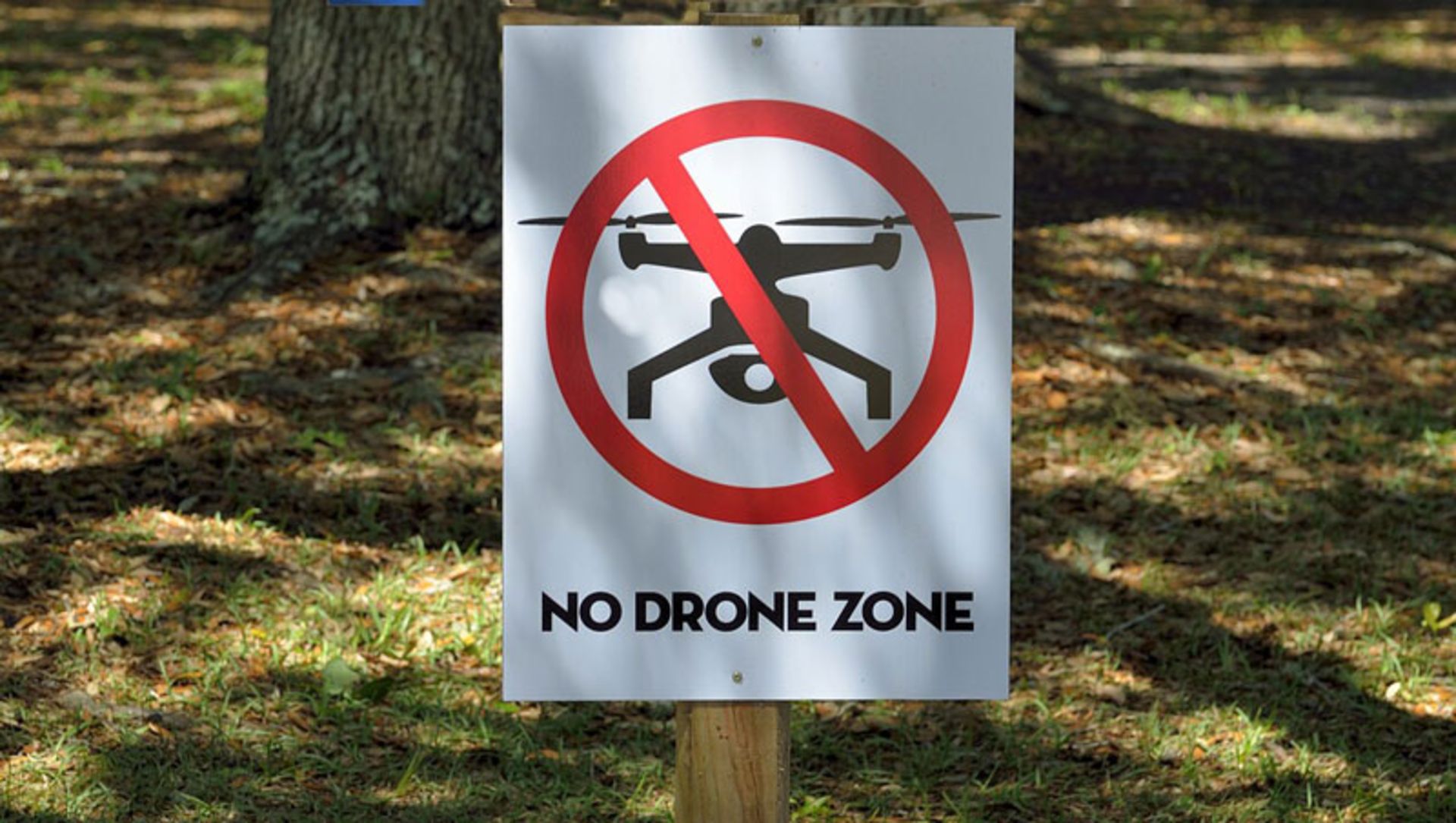
Photographer: Unknown / Wikimedia Commons
Customs officers at airports usually seize undeclared drones and it is almost impossible to get them back. Professional use also requires prior authorizations, which involves several organizations and a whole lot of paperwork.
Kinder eggs in the US
Although the classic Kinder Surprise lucky egg can be found all over the world, it is banned from entering the United States. US law says that foods that have an inedible object completely hidden inside them are prohibited due to the risk of choking on children.
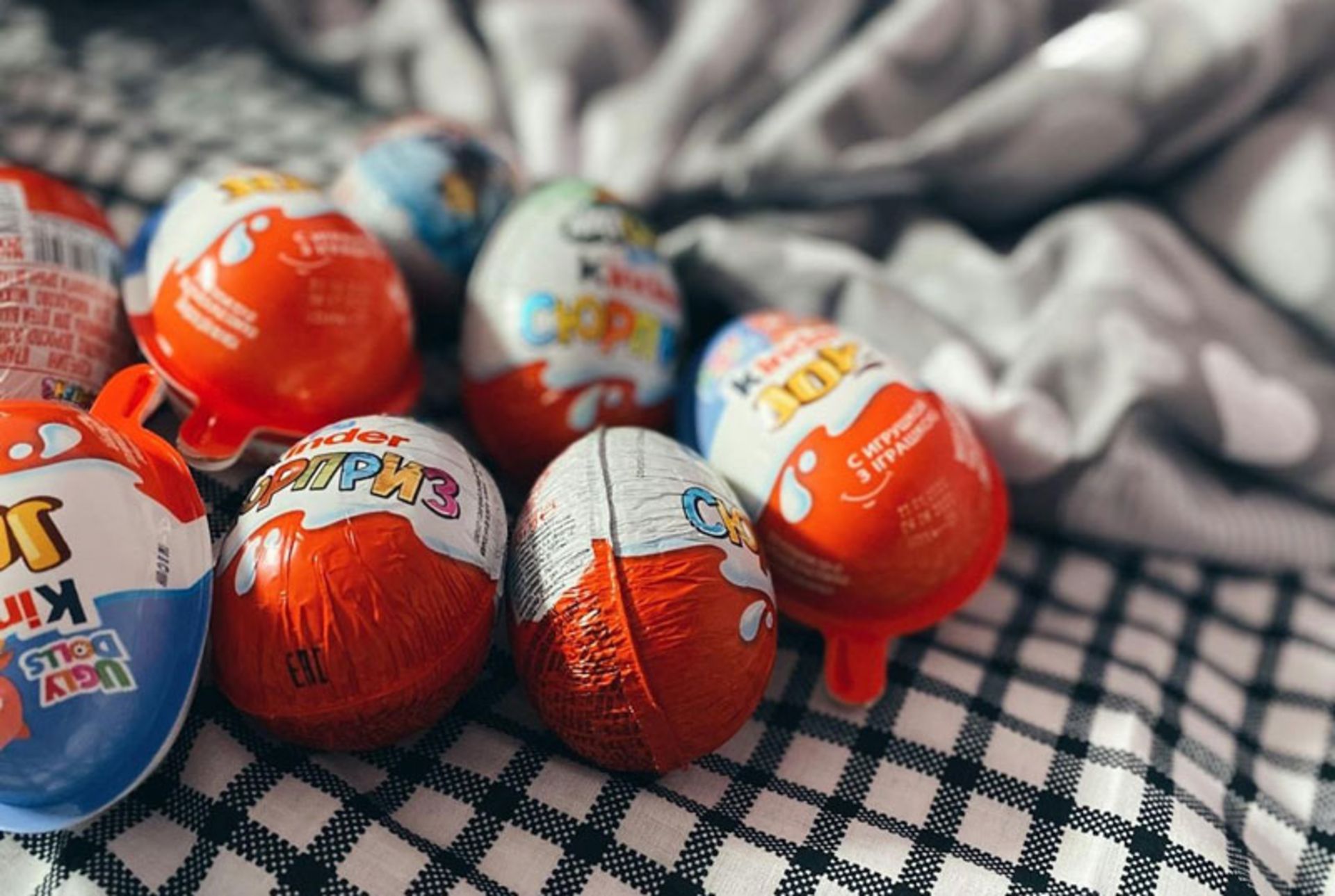
Photographer: Alina Komarevska / Pexels
Customs officials have found thousands of lucky eggs at the border over the years and always warn of heavy fines.
High heels in ancient Greek sites
In Greece, wearing high heels is not only troublesome for walking, but it is also officially prohibited at some ancient sites. Pointed heels concentrate all of the body’s weight on a tiny point and can puncture or scratch sensitive, fragile marble that has endured centuries of erosion.
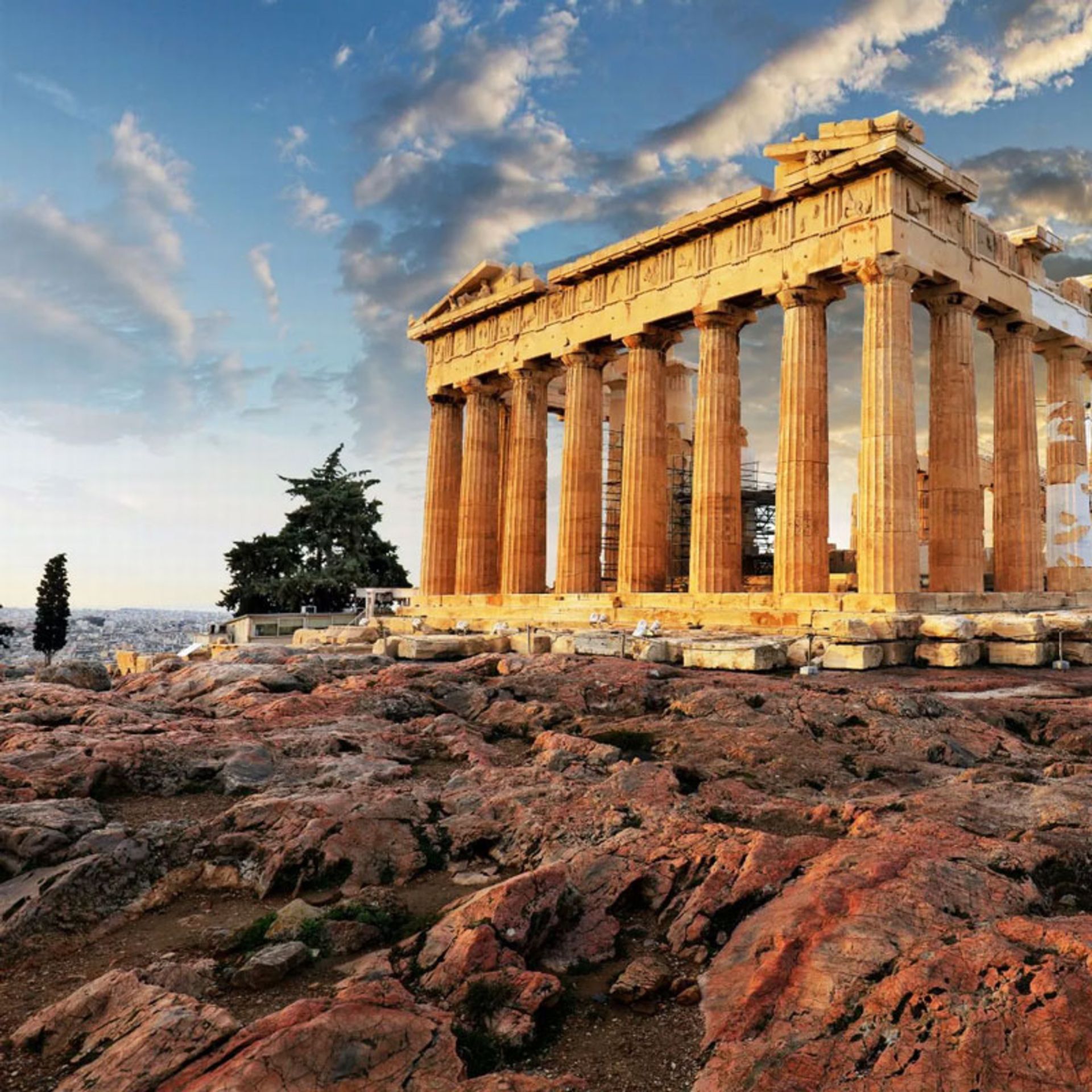
Photographer: Unknown / www.mirror.co.uk
Cultural heritage officials decided that in places like the Acropolis, the preservation of the building was more important than the style of the visitors.
Everyday cold remedies in Japan
Many common cold and allergy pills sold in drugstores conflict with Japan’s drug laws. Compounds such as pseudoephedrine, codeine or some antihistamines, even in low doses, are under strict control in this country.

Photographer: Unknown / Pexels
Many travelers have seen their pills pulled out of their bags at customs and have been warned that importing these drugs without a permit can result in penalties.
Creative names for babies in Denmark
Denmark has a filter for choosing a baby name, which surprises many foreigners. Parents have to choose their baby’s name from an official list, and this list is adjusted to fit the Danish language and prevent the child from being teased or confused.
If you want a strange or unusual name, you have to get official permission, and basically many of the invented or dramatic names are also prohibited. This system shows that in Denmark, they believe that the name is partly related to the child and partly belongs to the culture of the society. Something that is more personal and family suddenly interferes with administrative forms and quiet bargaining with the government.

Photographer: Vika Glitter / Pexels
Which of these strange rules have you come across in your travels? Share your experiences with us and other audiences.
Cover photo source: www.dailyrecord.co.uk | Photographer: Unknown

RCO NEWS