


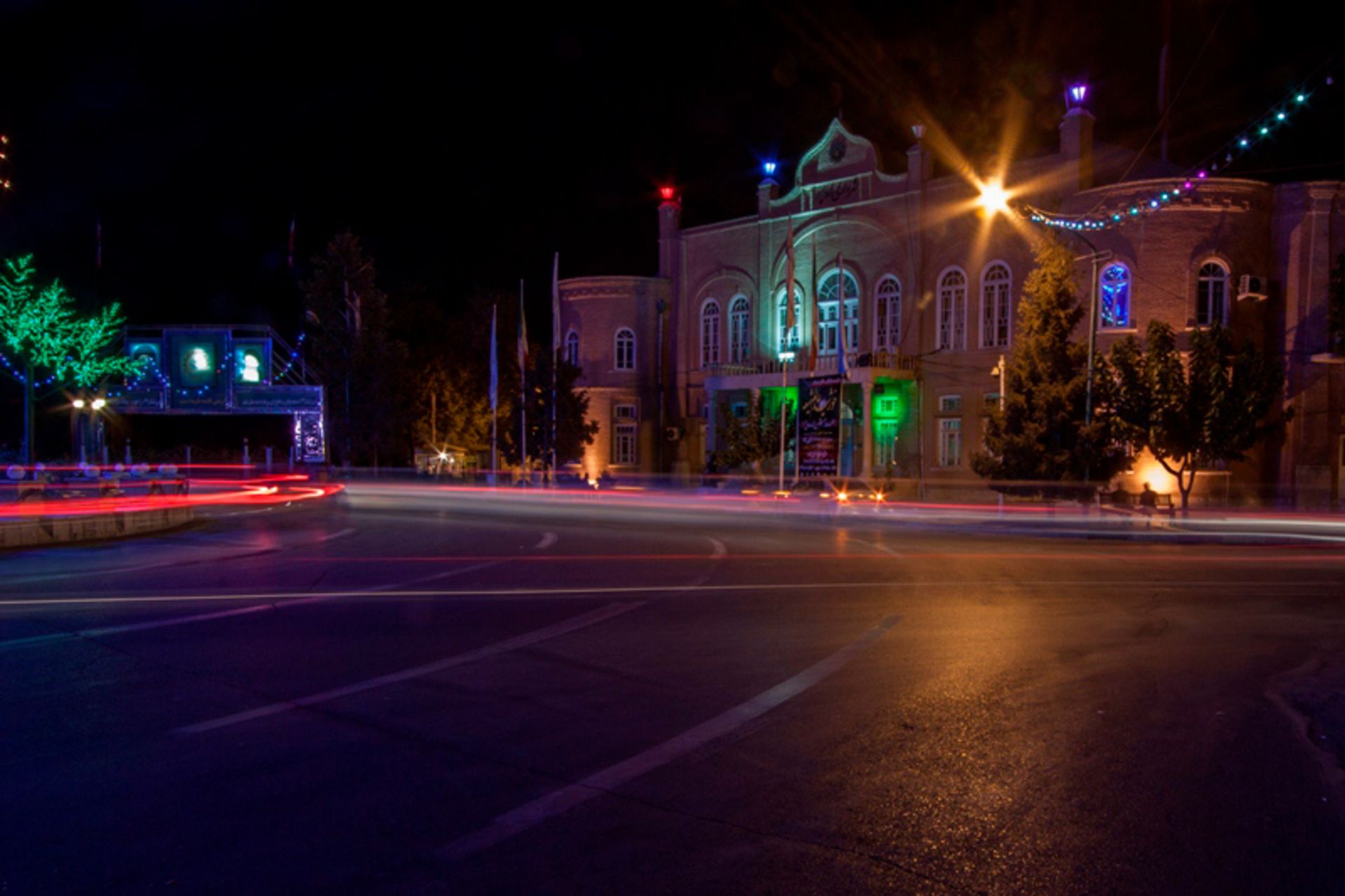
Urmia is a city where nature, history and culture are beautifully combined. From the unique effects of Lake Urmia to historical churches, old markets and natural attractions around the city, this destination offers a variety beyond the expectations of tourists. Urmia is the capital of West Azarbaijan province and in the past it was known as “Rezaieh”. Among the nicknames of this city, we can refer to Paris of Iran, City of Water, Darul Neshat and City of Religions, Religions and Ethnicities. In order to get to know the most important places to visit in Urmia and have a detailed plan for your trip, do not miss the continuation of this article.
Historical sights of Urmia
Municipal building
- Address: West Azarbaijan Province, Urmia, Elkhebal Square (province) (view on the map)
- Visiting hours: 8 to 17
- Visiting fee (year 1404): 15,000 tomans
Urmia municipal building, which is also known as Shahrbani building, is located on the north side of El-Englab square (old state) and dates back to the first Pahlavi period. This building, which is considered one of the sights of Urmia today, was built in 1310 AD by “Mola Avesta”, one of the best architects of the time. The general plan of this building is like the Tabriz municipal building in the shape of an eagle with open wings.
Photographer: Mohammadreza Foroutan / Wikimedia
The municipal building is built on two floors and the principle of symmetry is fully observed in its architecture. On 30 September 1320, during the Allied attack on Iran, the Russian army bombed the area around this building, which destroyed a part of its southern facade. until later it was restored by two people named “Avesta Mehbor” and an Armenian master craftsman. Today, this building welcomes visitors as the Anthropology Museum of Urmia.
- Address: West Azarbaijan Province, Urmia, Janbazan Square (Bazarbash), Janbazan Street, Janbazan 6th (view on the map)
- Visiting hours: 8 to 14
- Visiting fee (year 1404): 15,000 tomans
Three Gonbad Tower is located in the southeast of Urmia, between Jhanbazan and Meghtis streets. This building was built in 580 AH during the Seljuk period. Some claim that this building was built in the Sassanid period as a fire temple. But there is no valid document to prove it. Inside this building, there are three inscriptions in Kufic script carved out of stone, and at the end of the inscription, the date of Muharram 580 AH is recorded. According to this inscription, it was built by the order of one of the Seljuk rulers named “Sheith Qata al-Mozaffari” and in terms of architecture, it is similar to Maragheh tombs and other tombs that were built in the 6th century Hijri during the Seljuk period.
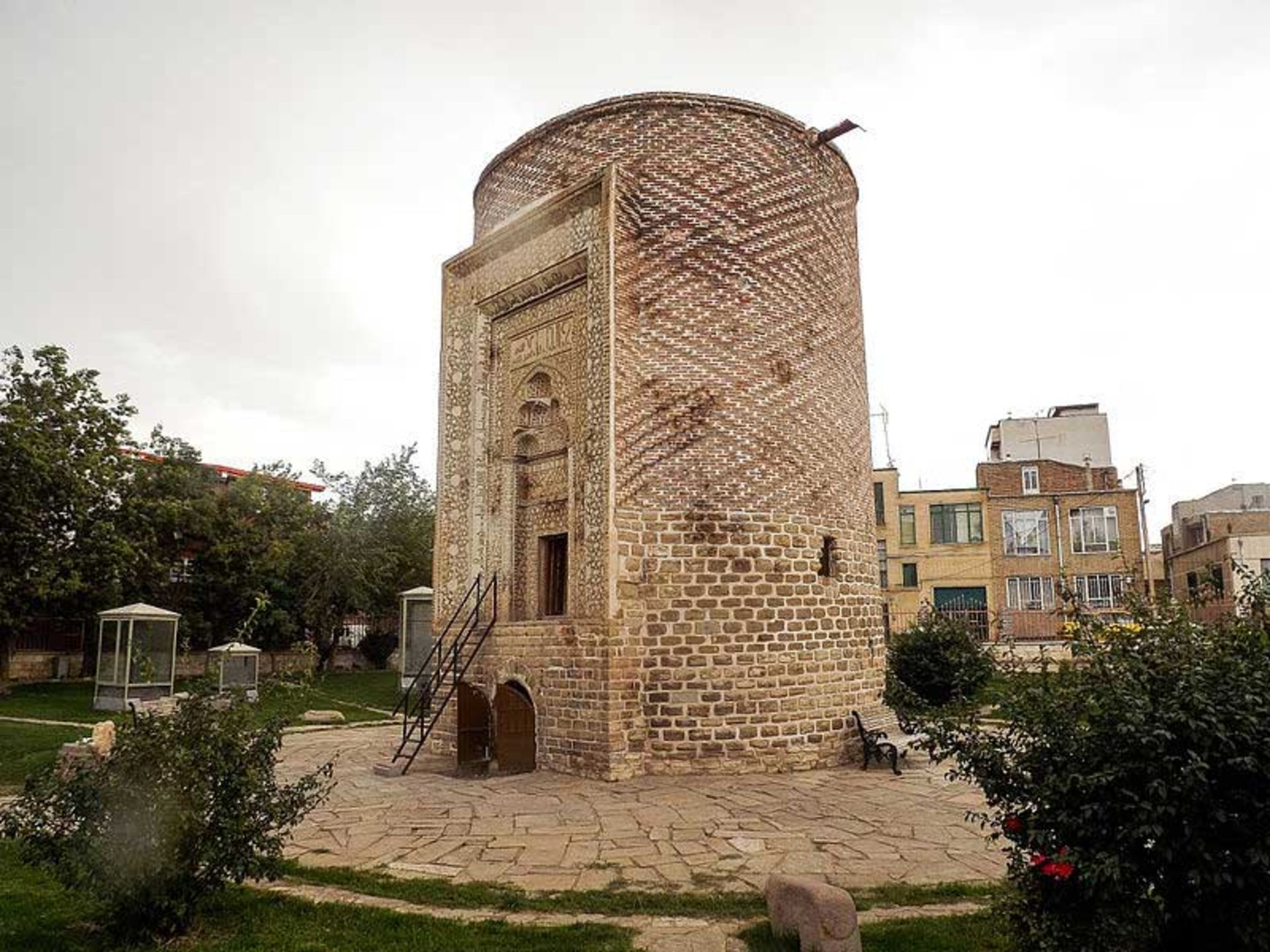
The three-domed tower is built in a cylindrical shape and its diameter is five meters and its height is 13 meters. This building has two floors and there are openings on each side. The first floor is called the cellar, which has an arched cover and is separated from the second floor by it. This building was registered in the list of national monuments of Iran on 15 December 1314, with number 242, and now it is considered one of the most popular sightseeing places in Urmia.
Urmia Grand Mosque
- Address: West Azarbaijan Province, Urmia, Velayat Faqih Square, Shahid Montazeri Street, Iqbal Alley (view on the map)
Jame Mosque is one of the historical monuments and attractions of Urmia, which is located on Iqbal Street. This mosque is located in the middle of the old bazaar of the city and is one of the main pillars of the old fabric of the city. Some believe that this building was originally a fire temple, and after the Muslim domination of Iran, it was destroyed, and then a mosque was built on it in the 7th century AH. The style of decorations, stucco, columns and arches of the mosque is similar to the Seljuk style of architecture.
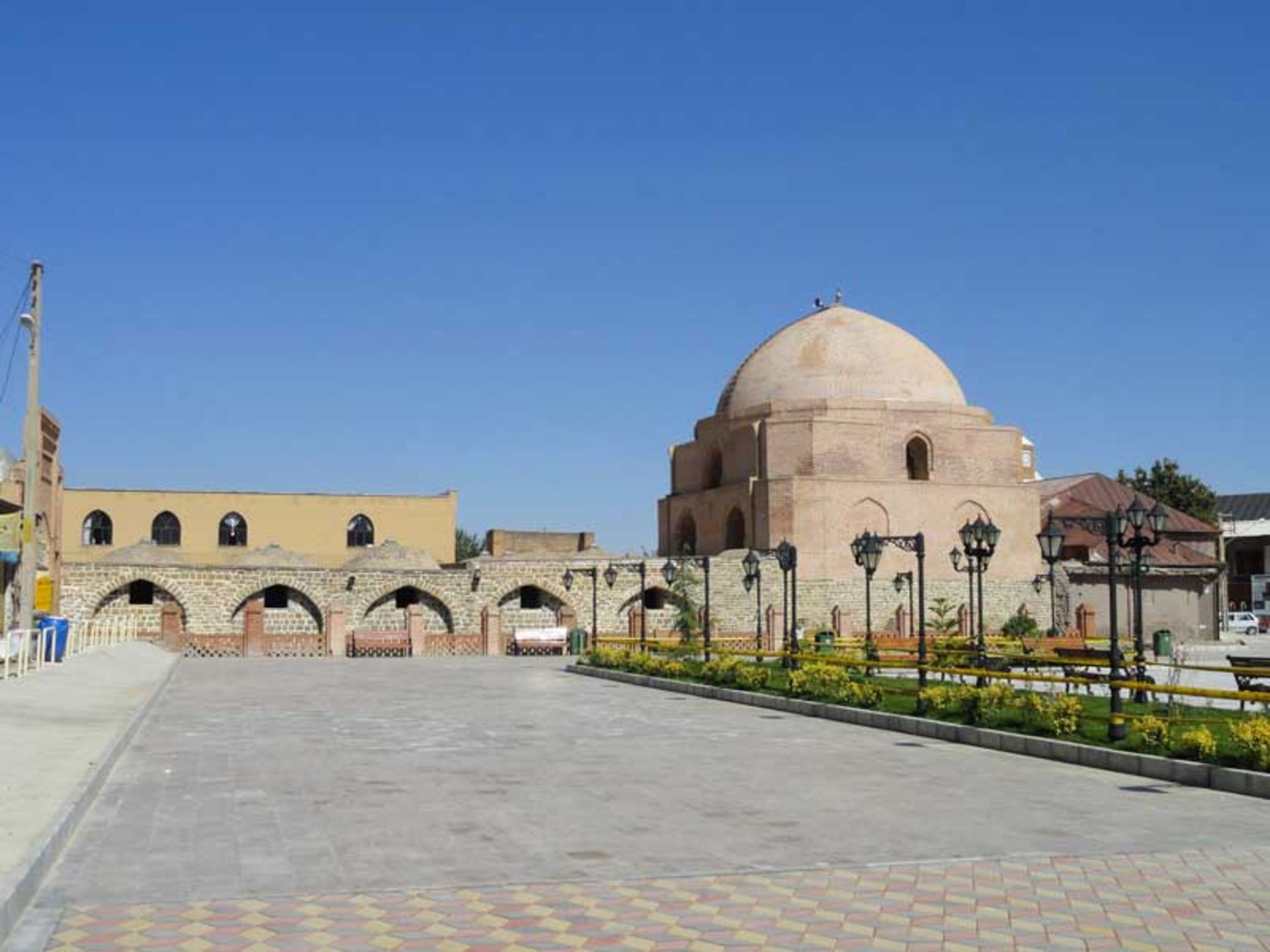
The date of renovation of Urmia Jame Mosque is not known; But its altar was built in 676 AH. This mosque, along with other parts of the old fabric of the city, especially the bazaar and its rows, has been restored many times. Urmia Jame Mosque was registered in the list of national monuments of Iran on December 15, 1314, with number 243.
Nene Mary Church
- Address: West Azarbaijan Province, Urmia, Elkhebal Square, Kashani St., Keshtgar (Danesh) St., Kelisa Alley (view on map)
- Visiting hours: 10 to 18
According to some traditions, Nene Maryam Church is the second largest church in the world, after Bethlehem Church in Palestine
The Church of Nene Maryam, which is also known as the Church of Hazrat Maryam, Mart Maryam and East Ashur, is one of the oldest churches in Iran and the world, and according to some traditions, it is the second largest church in the world, after the Bethlehem Church in Palestine. This church was built in 32 AD and was the burial place of the dead in the past centuries. It is said that this building used to be a fire temple and one of the famous Zoroastrian temples. During the birth of Jesus Christ, Zoroastrian monks living in this temple saw a bright star moving towards the east and considered it a sign of the birth of the savior and went towards Jerusalem. After returning to Urmia, they turn this fire temple into a church and preach Christianity. The current facade of this church dates back to the Sassanid period.
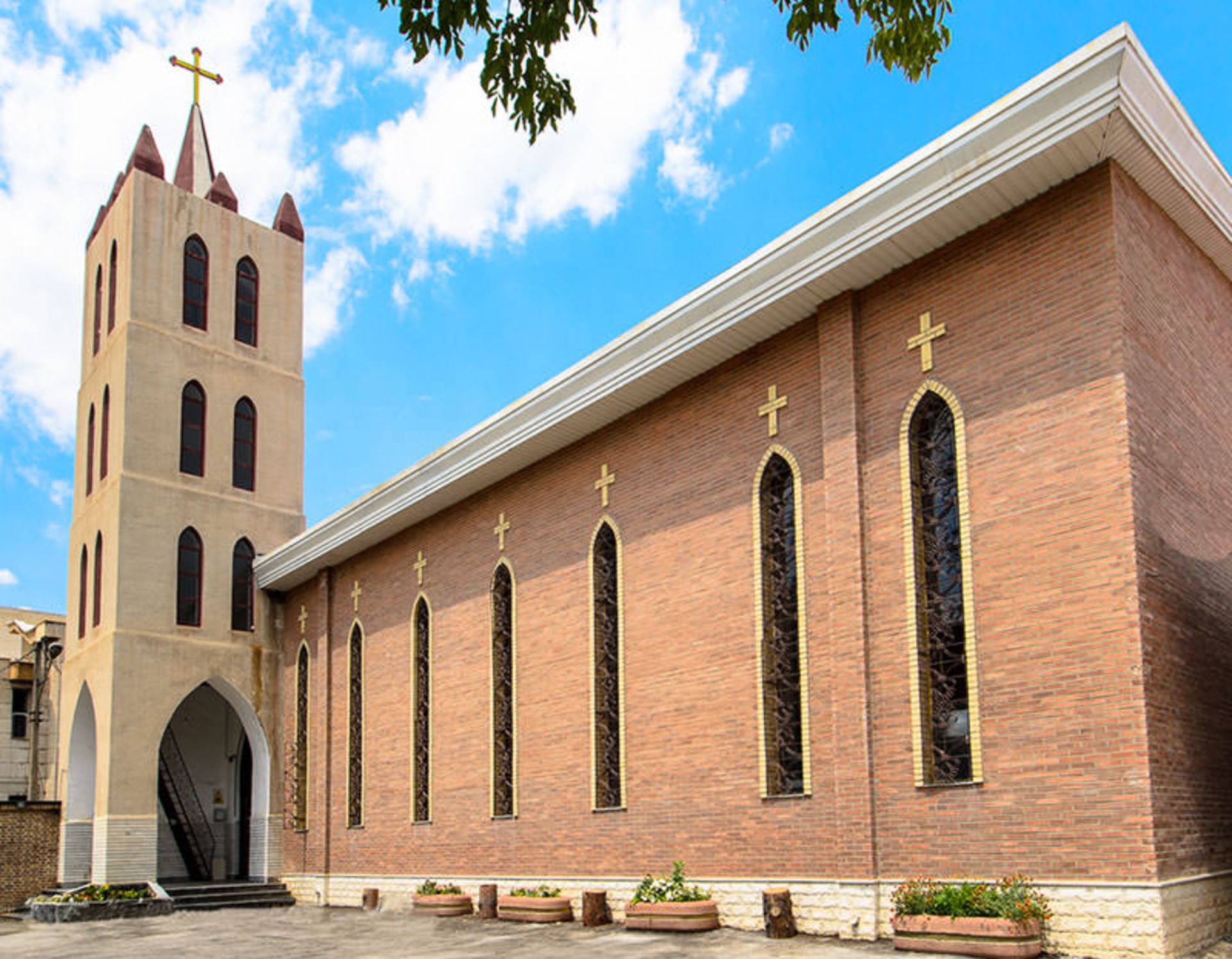
If you visit Nene Maryam Church, you will see that the interior of the church is not like what you imagine in your mind and is not like other churches; The Church of Nanemarim is furnished with hand-woven carpets, its roof is short, and there are interwoven corridors and an altar in one corner. The picture of Jesus Christ, which the priest stands in front of during the ceremony, is one of the other spectacular parts of this church.
Historical market of Urmia
- Address: West Azarbaijan Province, Urmia, Velayat Faqih Square, the beginning of Imam Khomeini Street (view on the map)
- Visiting hours: Saturday to Thursday from 9 to 20
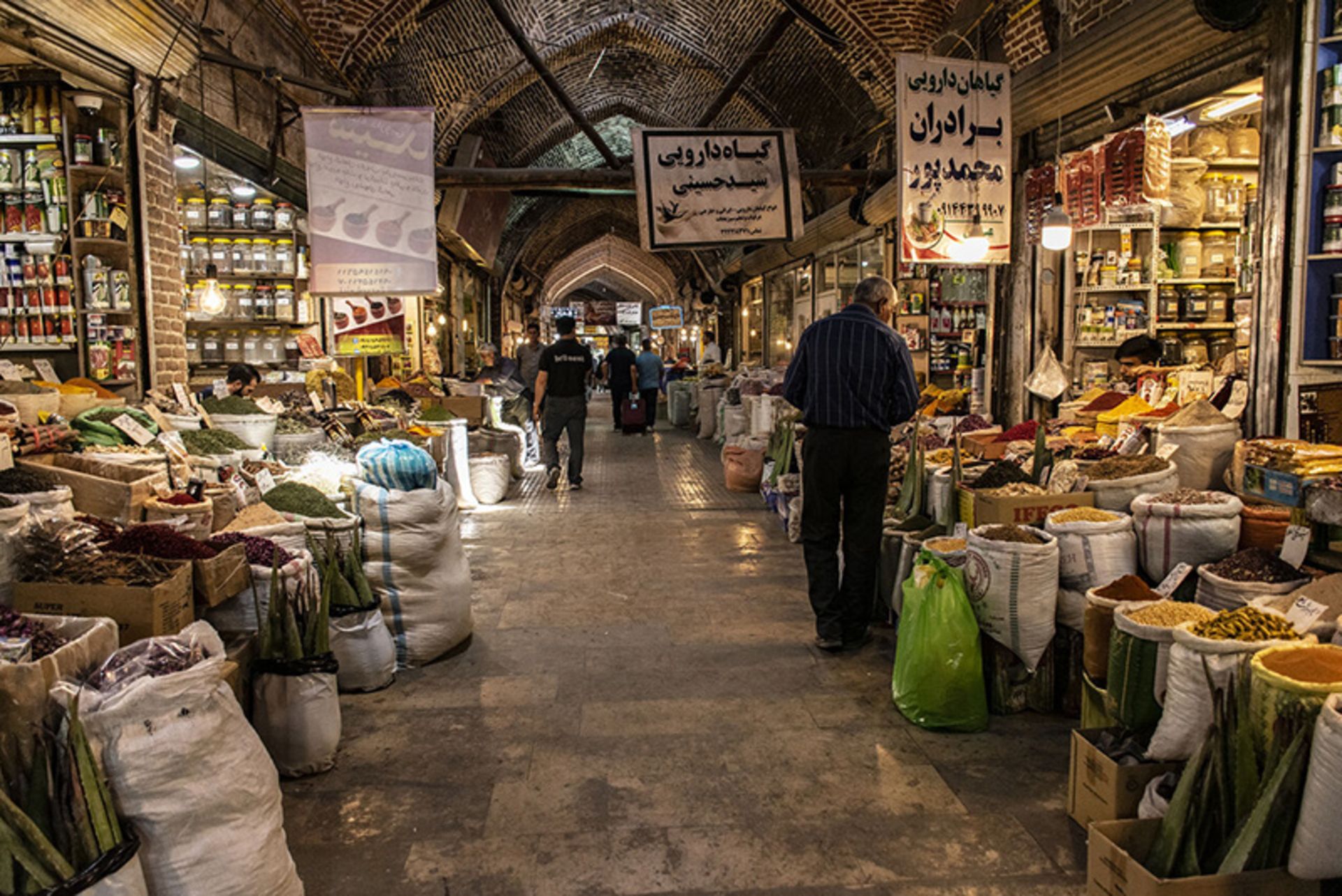
The historic market of Urmia is located in the historical and old context of the city and is considered one of the tourist places of Urmia. This bazaar was built during the Safavid period and until today, blood flows in its veins and trade and commerce flourish in it. This bazaar has various arches, fountains and domes and has many timchehs, baths, palaces and mosques that were built in the Zandiyeh and Qajar periods.
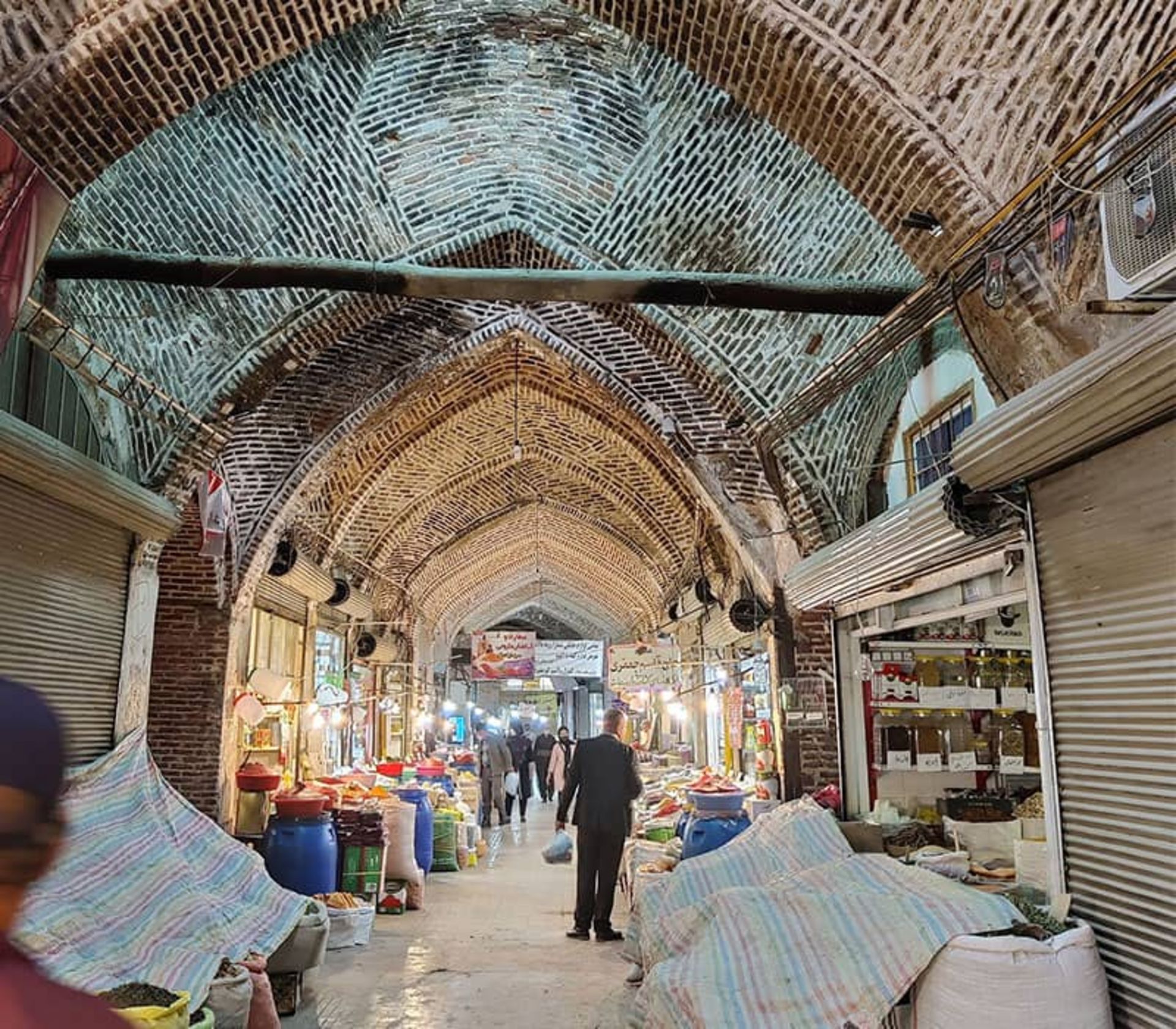
In the historical market of Urmia, there is also a synagogue for the Jews of this region. This market has many doors and gates that have made it easy for the people to travel. The orders of coppersmiths, knife makers, goldsmiths, carpet sellers, seed sellers, crystal sellers, cobblers and perfumers are among the most prosperous orders in Urmia market. The old market of Urmia was registered in the list of national monuments of Iran in 1362.
Doshabchi Khana market
- Address: West Azarbaijan province, Urmia, Velayat Faqih square, the beginning of Imam Khomeini street, Urmia historical market (view on the map)
- Visiting hours: Saturday to Thursday from 9 to 20
Doshabchi Khana market or juice sellers’ market of Urmia is located on Imam Khomeini street of this city and next to the historical market of Urmia. This bazaar dates back to the Safavid period, and about 70 shops are lined up on both sides of it. Doshabchi Khana is one of the old neighborhoods of Urmia, which has been the place of preparation, processing and sale of toilet supplies in this city since the past. Doshab or grape juice is prepared and produced in this neighborhood and market. This bazaar is also registered with number 31369 in the list of national works of Iran and is one of the sights of Urmia.
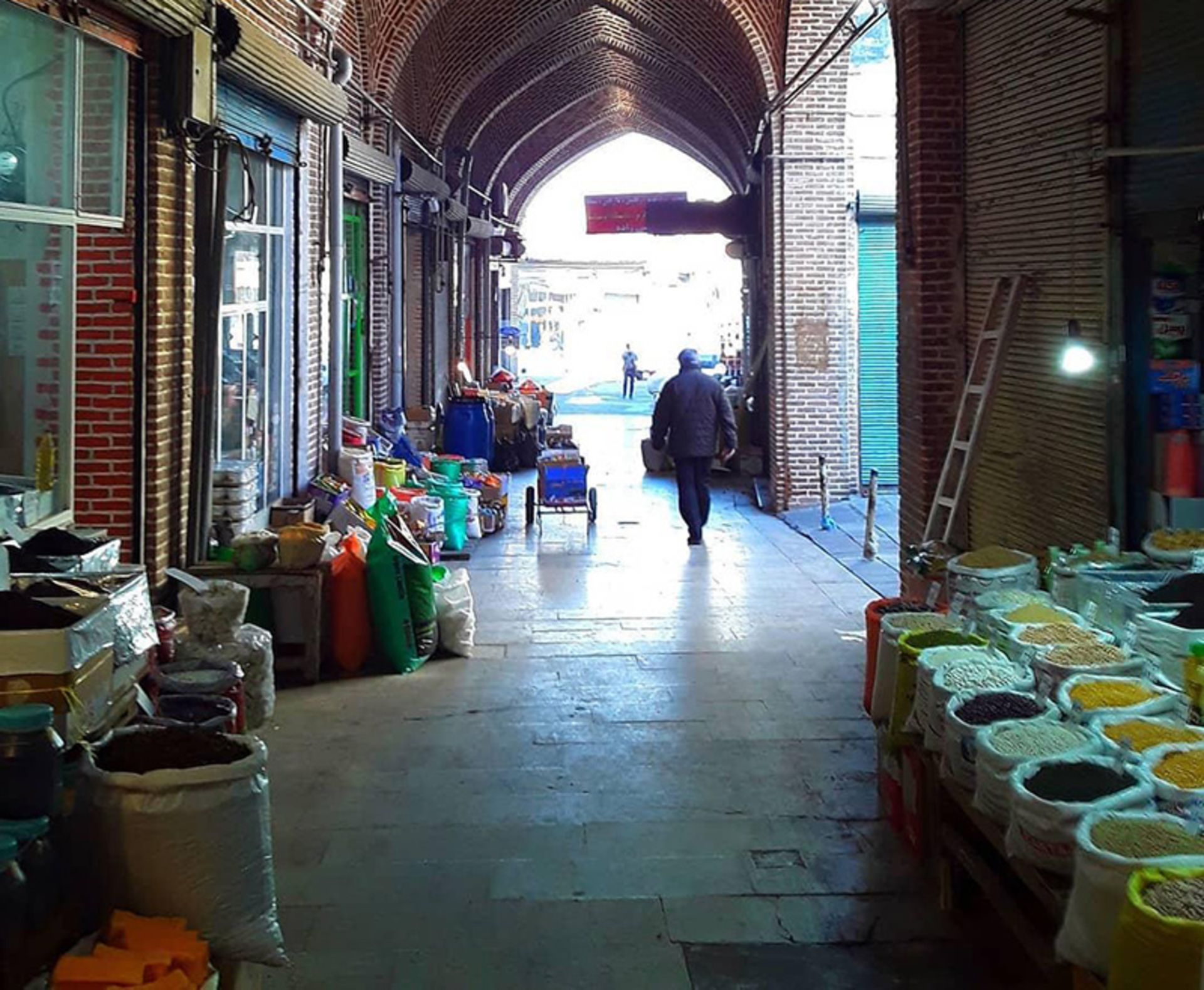
Photographer: unknown / balad.ir
- Address: West Azarbaijan Province, Urmia, Atai Blvd (north to south), not reaching the intersection of Imam Khomeini St., Shishigar Khane (Amirnazmi) alley (view on the map)
Hedayat school is one of the old schools of Urmia, which was built during the Qajar period. This school is located on the edge of Imam street and in Amirnazmi alley. The school building used to be the house of one of the elders of the Qajar tribe, and in 1347, it was changed by the new owner. In this school, there were inscriptions that unfortunately have been destroyed today; For this reason, the exact date of construction and the name of the architect are not known.
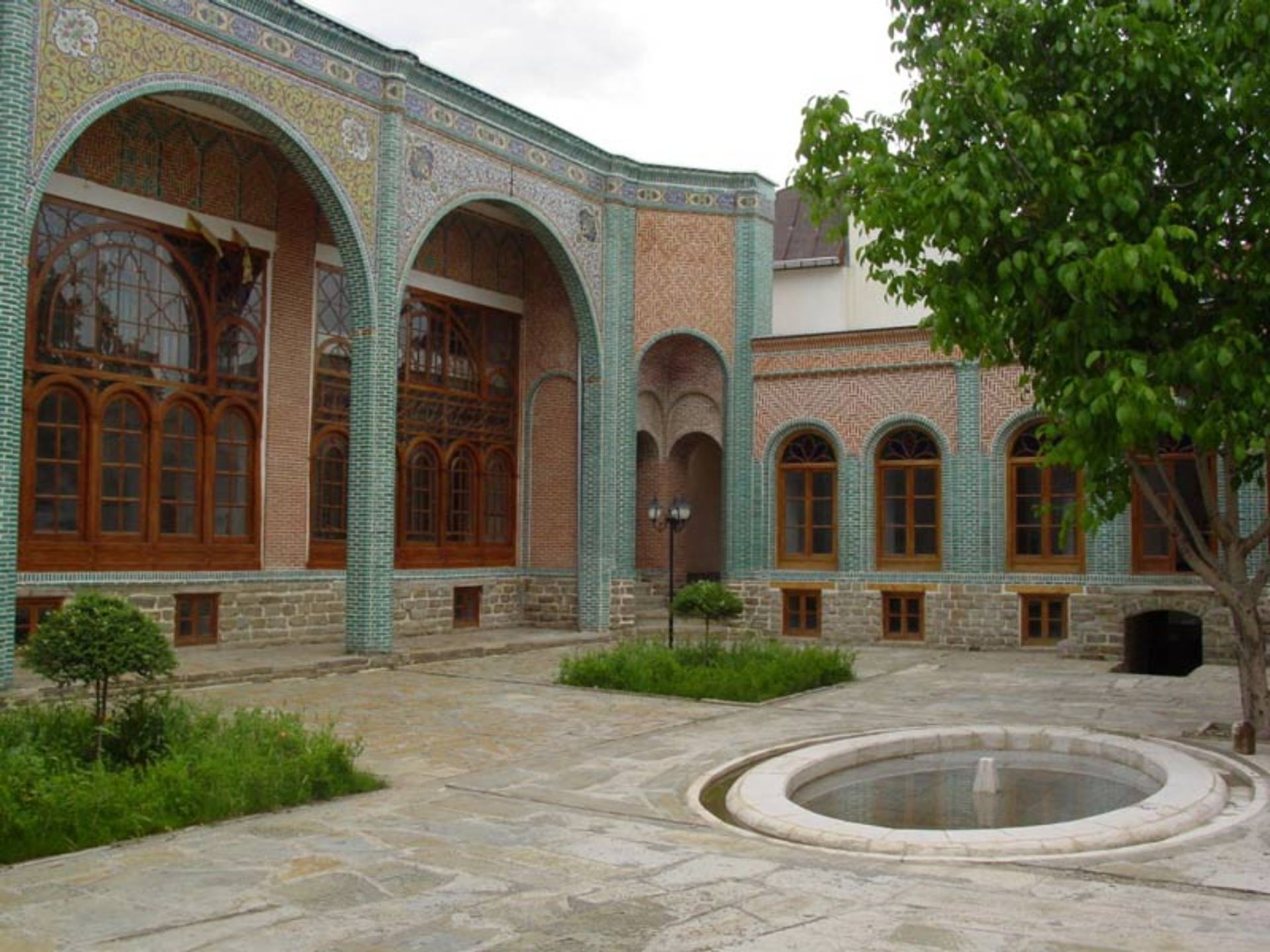
The southern side of the Hedayat school yard is the most important and valuable part of the school. The school yard is square and has brick walls and stone and brick foundations. The arches of this building are decorated with turquoise glazed bricks. Hedayat School was registered in the list of national monuments of Iran on December 15, 1375, with number 1831, and became one of the famous places of Urmia.
- Address: West Azarbaijan Province, Urmia, Imam Khomeini Street, the beginning of Khayyam North Street (view on the map)
22 Bahman Urmia School is located at the intersection of Imam Street and North Khayyam Street and is considered one of the historical schools of the city. The 22 Bahman school was built in the beginning of the Pahlavi period, that is, about 100 years ago, and has an area of about 5,100 meters. This school was registered as one of the national works of Iran on the 7th of Esfand 2015 with the number 17727.
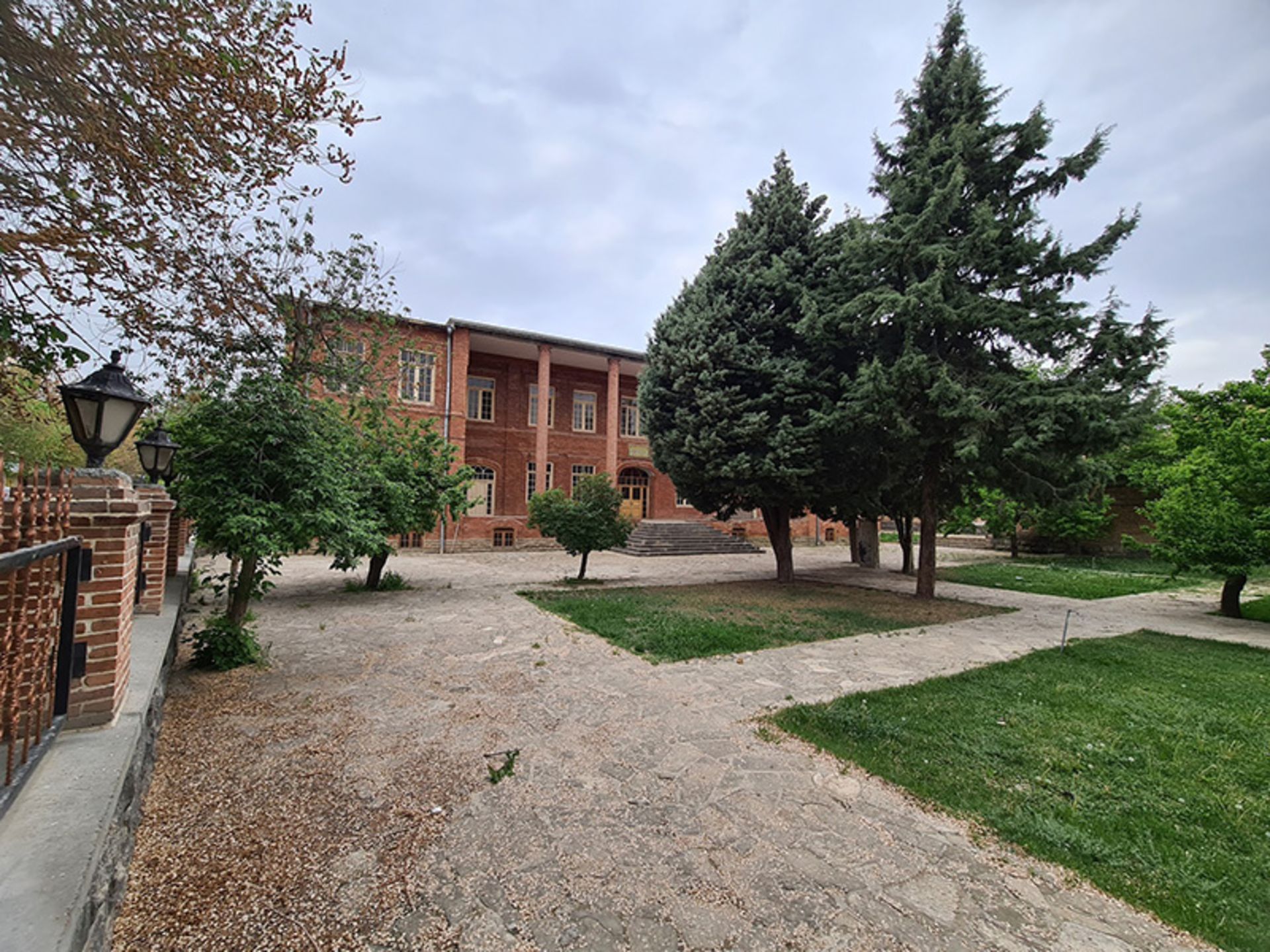
Photographer: Mehdi Akbari / Google Map
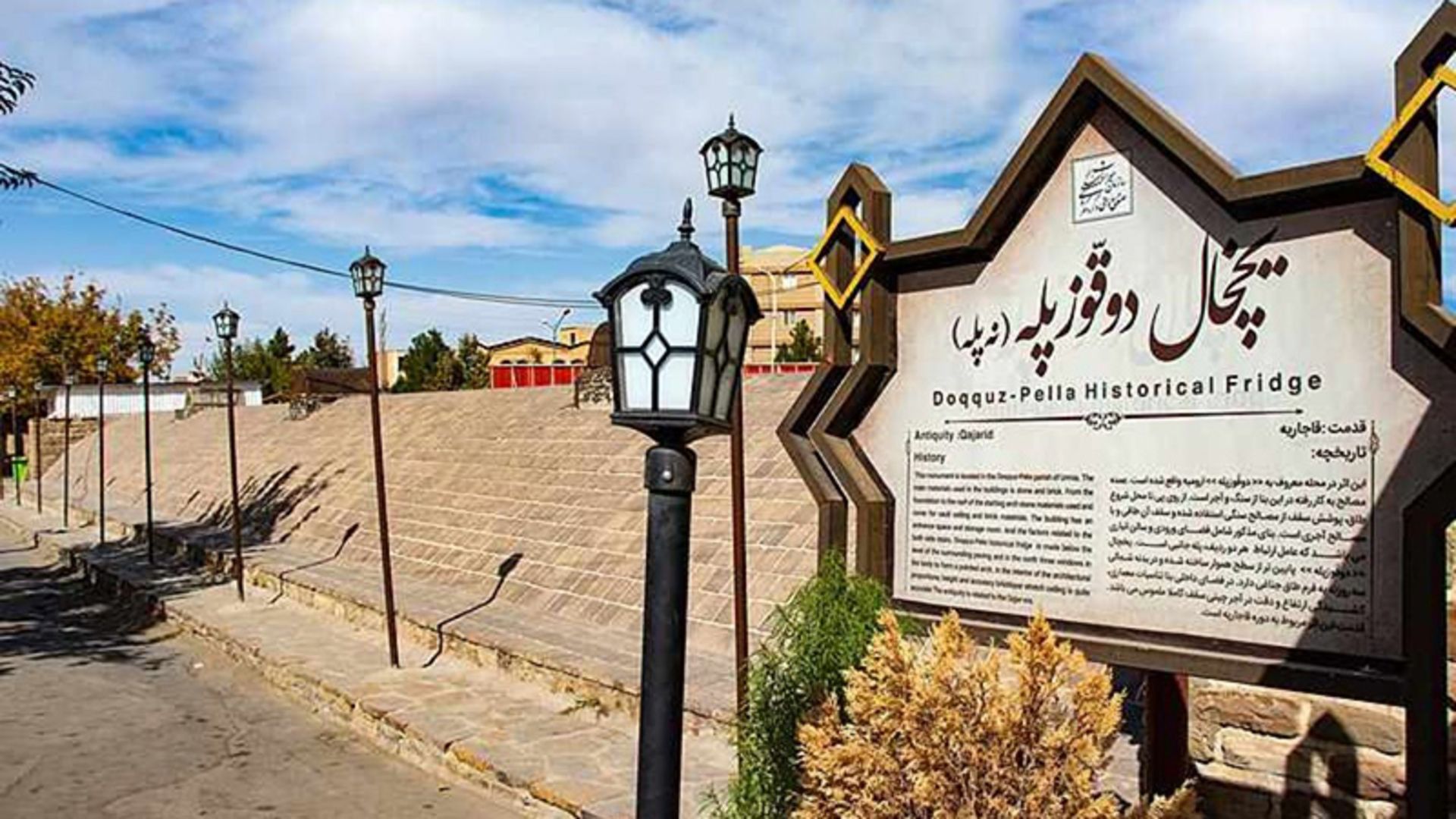
Two step refrigerator (9 step refrigerator)
- Address: West Azarbaijan Province, Urmia, between 9 Pele Square and Hamafar Square (view on the map)
- Working hours: 12 to 24
Duquz is a Turkish word meaning “number 9”.
Duquz Pele refrigerator is located in Mofeteh Street, Urmia, in a neighborhood with the same name. This building can be called one of the best attractions of Urmia. Duquz is a Turkish word meaning “number 9” and therefore in some cases it is also called a 9-step refrigerator.
Photographer: unknown / balad.ir
The two-step refrigerator was built in the Qajar period and it has been used to store and supply the ice needed by the city in the summer. People used to gather around the pond near the glacier to perform some ceremonies such as Chaharban Suri; But after the development and industrialization of Urmia city, this place remained unused. Today, this refrigerator has been converted into a restaurant.
The most spectacular places in Urmia
Lake Urmia
- Address: The center between the provinces of West Azarbaijan and East Azarbaijan (view on the map)
- Distance to Urmia: 30 km (30 minutes by car)
Lake Urmia was once the largest saltwater lake in the world
Lake Urmia in the northwest of Iran was once the largest saltwater lake in the world and the second lake after the “Dead Sea” in the Middle East. The size of this lake reached 140 km from north to south and 85 km from east to west, which included a total area of more than 5,200 square kilometers. In the past, barge riding in this beautiful lake was one of the main entertainments for tourists, and on Fridays you would see a long line waiting to board the barge.
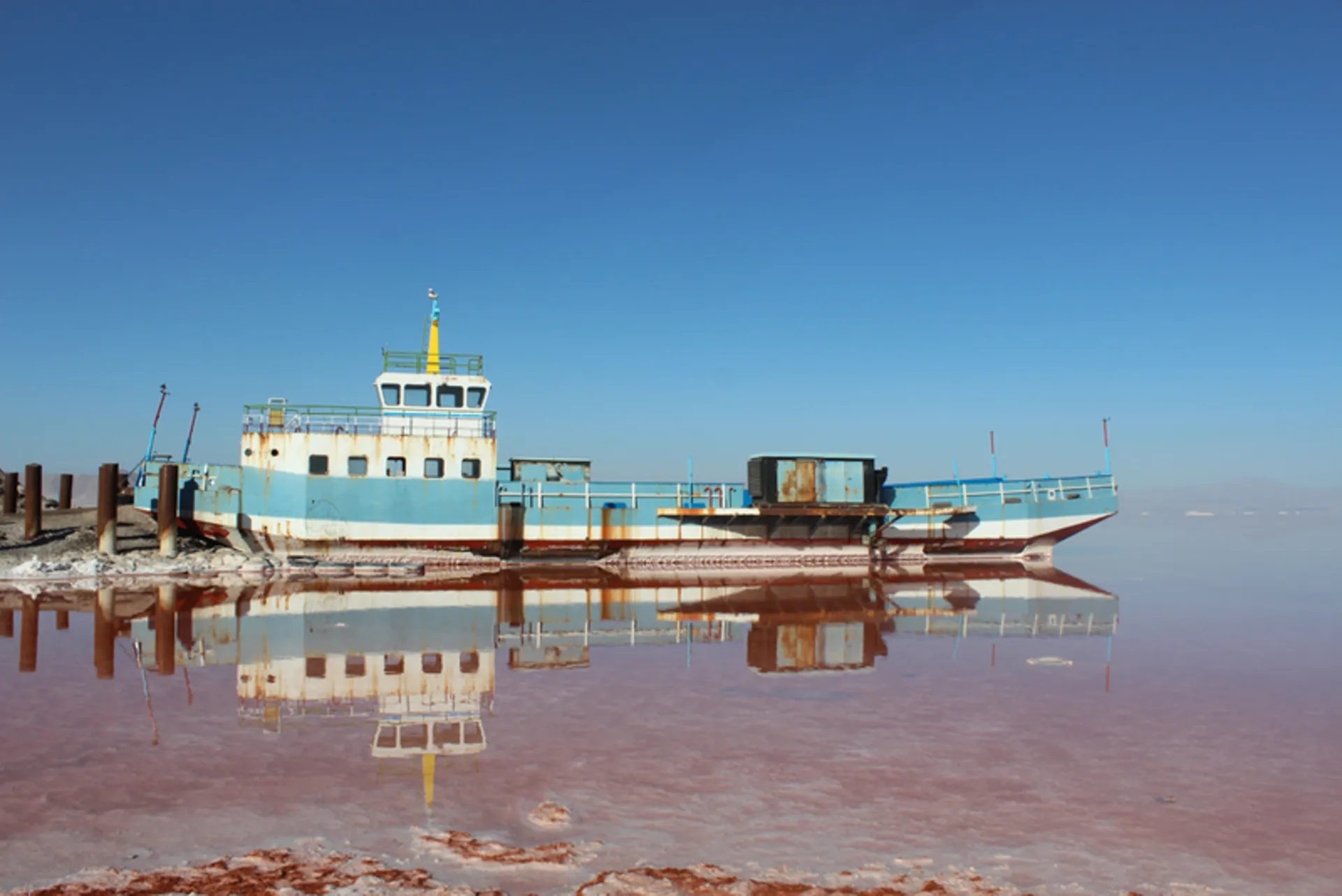
Unfortunately, in the past few years, large parts of Lake Urmia have dried up; So that currently (year 1404) almost all parts of the lake are completely dry and without water. The main reason for the drying up of Urmia Lake is the change and deviation of the water path of the rivers that lead to the lake. Other reasons such as the decrease of rainfall, the heat of the air and the use of underground water have also caused this crisis.
Sightseeing places around Urmia
Holakukhan Castle
- Address: East Azarbaijan province, Esko city, Ilkhchi district, Agh Gonbad to Sarai road, Holakukhan Castle side road (see on the map)
- Distance to Urmia: About 55 km (one hour by car)
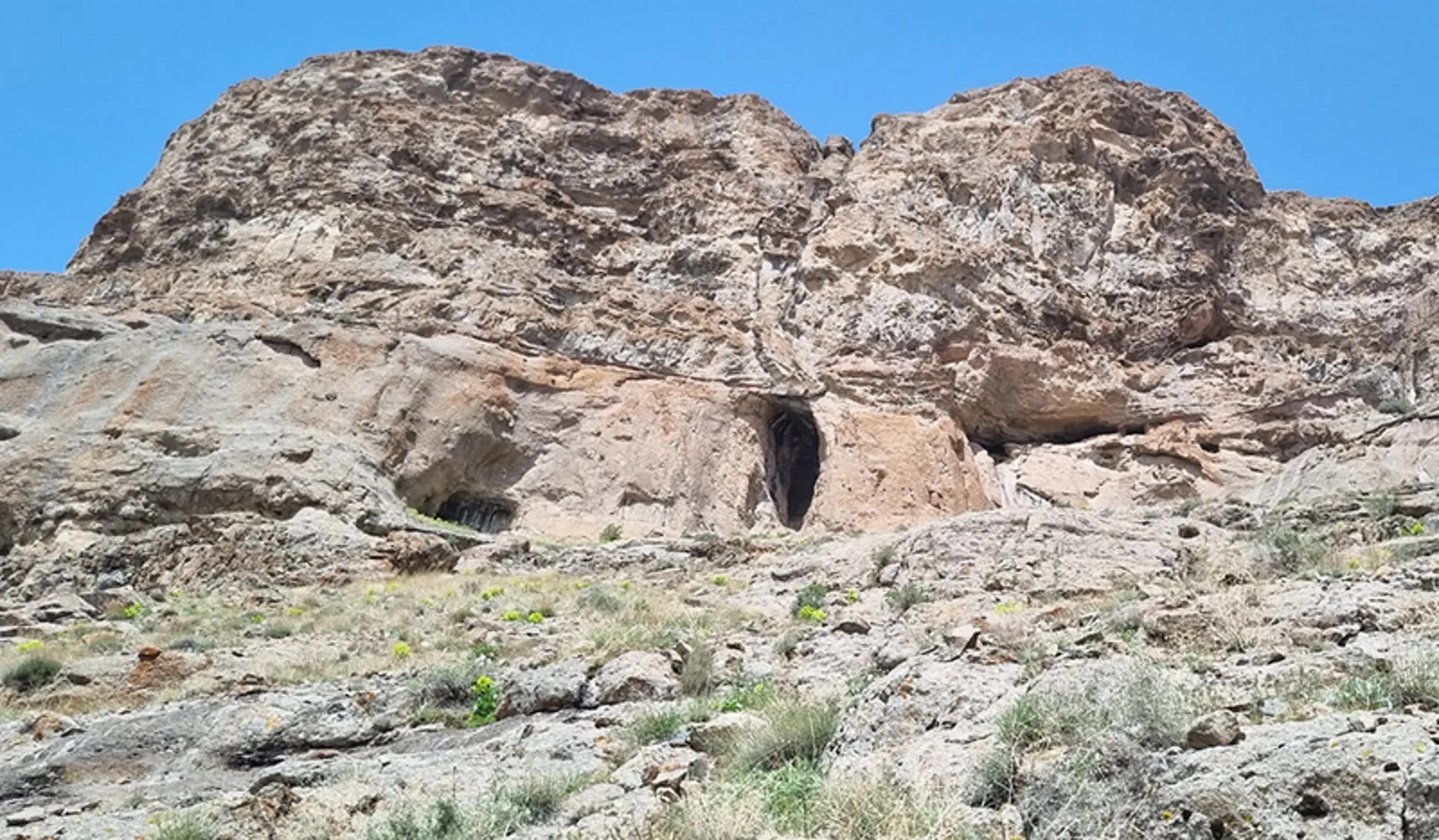
Holakukhan Castle is one of the historical castles of Azerbaijan region, which is located in the east of Lake Urmia and in the area of Esko city of East Azerbaijan province. This castle is located in the heights of the east of Agh Gonbad village and there are many water reservoirs on its way, which are built in a strange way in the heart of the mountain. Beside these reservoirs, there are streams that direct the water to the reservoirs during rains and provide the required water in all seasons of the year.
Photographer: Hamed Attarsharq / Google Map
The walls of Holakukhan Castle are made of stone. This castle is similar to Babak, Qahghe and Joshun castles in terms of fortifications and location. Access to the fort is not easy and it is surrounded by dangerous cliffs on three sides. This special location made it easy for the castle guards to defend the castle.
- Address: West Azarbaijan province, Urmia city, Somay Bradost district, 6 km west of Barduk village (view on the map)
- Distance to Urmia: 78 km (one hour and 30 minutes by car)
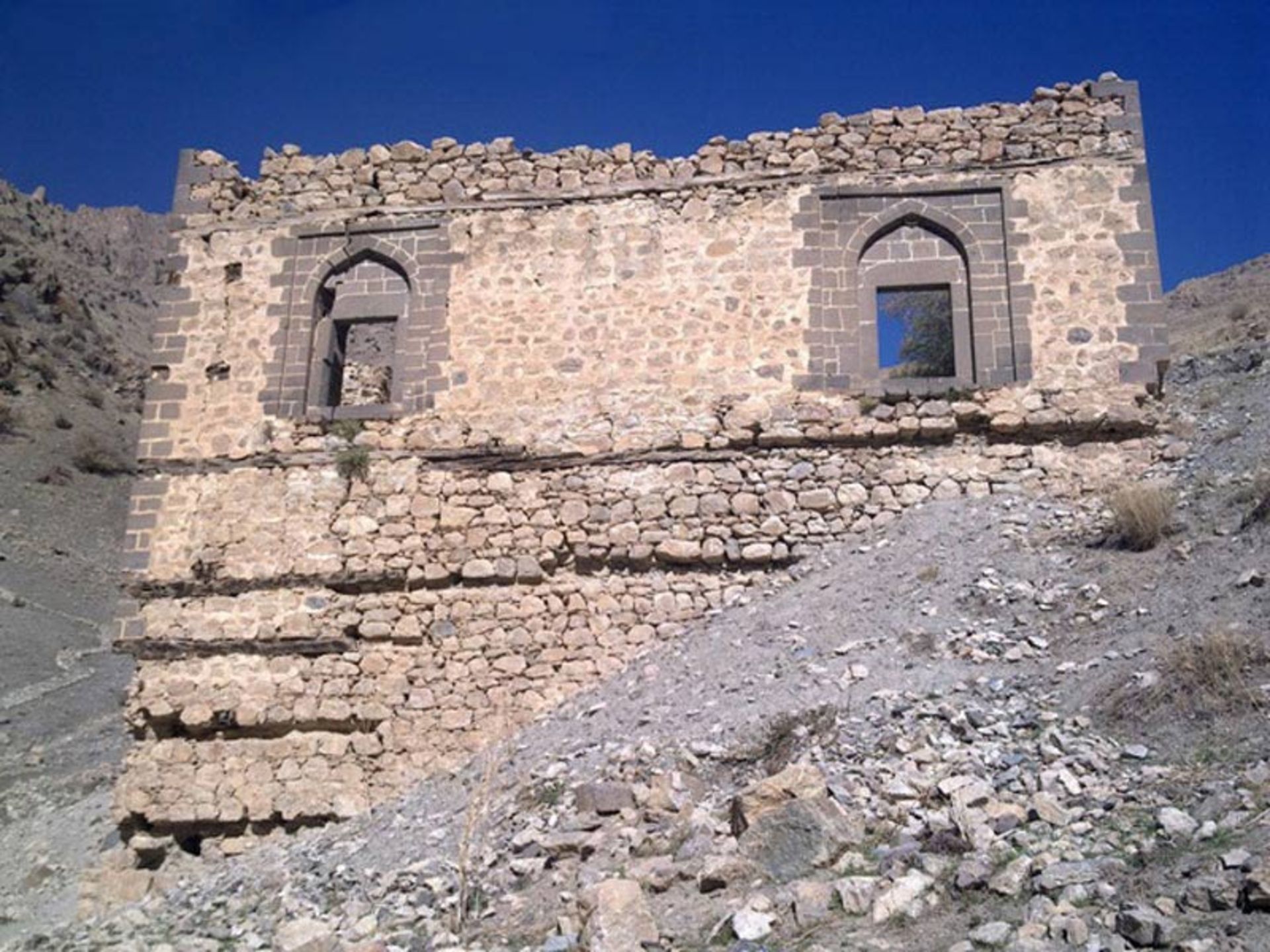
Another sight-seeing place in Urmia is the historical Barduk Castle, which is located 6 kilometers west of Barduk village, Urmia city. Under the arch of the entrance gate of this castle, there is an inscription on two marble stones that mentions the date of Barduk Castle in 1078 AH, at the same time as the Safavid era.
Photographer: unknown / aftab.club
In general, Barduk Castle includes three parts: the castle, the mosque, and the tomb; The big castle is located in front of the mosque, which is built in the middle of the mountain, and the way to reach it is steep. In the central part of the castle, there are several other buildings that were built with square stones and sand and lime mortar, and only one of them remained intact and it seems that it was used as a reservoir.
Margorgiz Church
- Address: West Azarbaijan Province, Urmia, Defence Maqdis Square, Sheikh Shaltut Blvd., Shahid Vermziar St. (Kamalyeh), Golestan East St., Alley No. 29 (view on the map)
Marsergiz or Margorgiz Church is located in the east of Urmia and is one of the famous places in Urmia. This church is very valuable from a religious point of view, and the general Christians, including Assyrians and Armenians, know it as a place of pilgrimage.
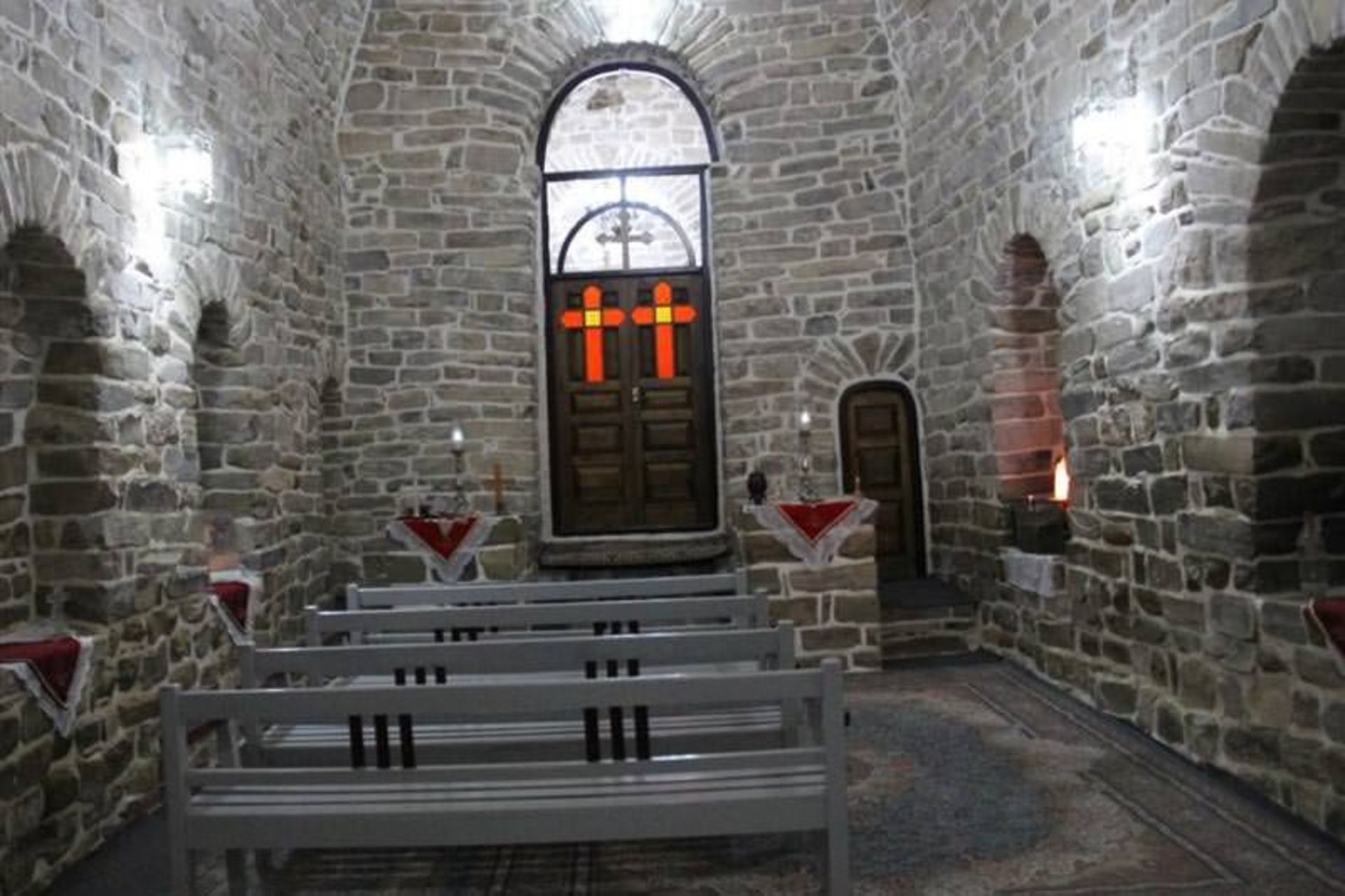
Margorgiz Church is one of the stone works of West Azarbaijan province, and all its walls and roof are made with irregular stones, skillfully and completely solidly. According to the architectural style of this building and the books of Assyrian historians, Mar Sargiz Church dates back to before Islam. It is said that when Khosroparviz won over the Romans, his wife Shirin, who was a Christian, ordered the construction of this church.
Urmia’s nature sights
Lake Marmisho
- Address: West Azarbaijan province, Urmia city, Silwane district, Tergor district, 10 km southwest of Bani village (view on the map)
- Visiting hours: Fridays from 8 to 14
- Distance from Urmia: 62 km (one hour and 30 minutes by car)
Lake Marmisho is located on the border waters of Iran and Türkiye
Lake Marmisho is located in the northwest of Urmia, on the border waters of Iran and Türkiye, and is one of the most attractive tourist places in Urmia. Earthquake and mountain dam on the way of the border waters have caused the formation of this lake, where all kinds of aquatic animals, such as trout, grow in it. This lake is a good place for fishing and has an area of about five hectares.
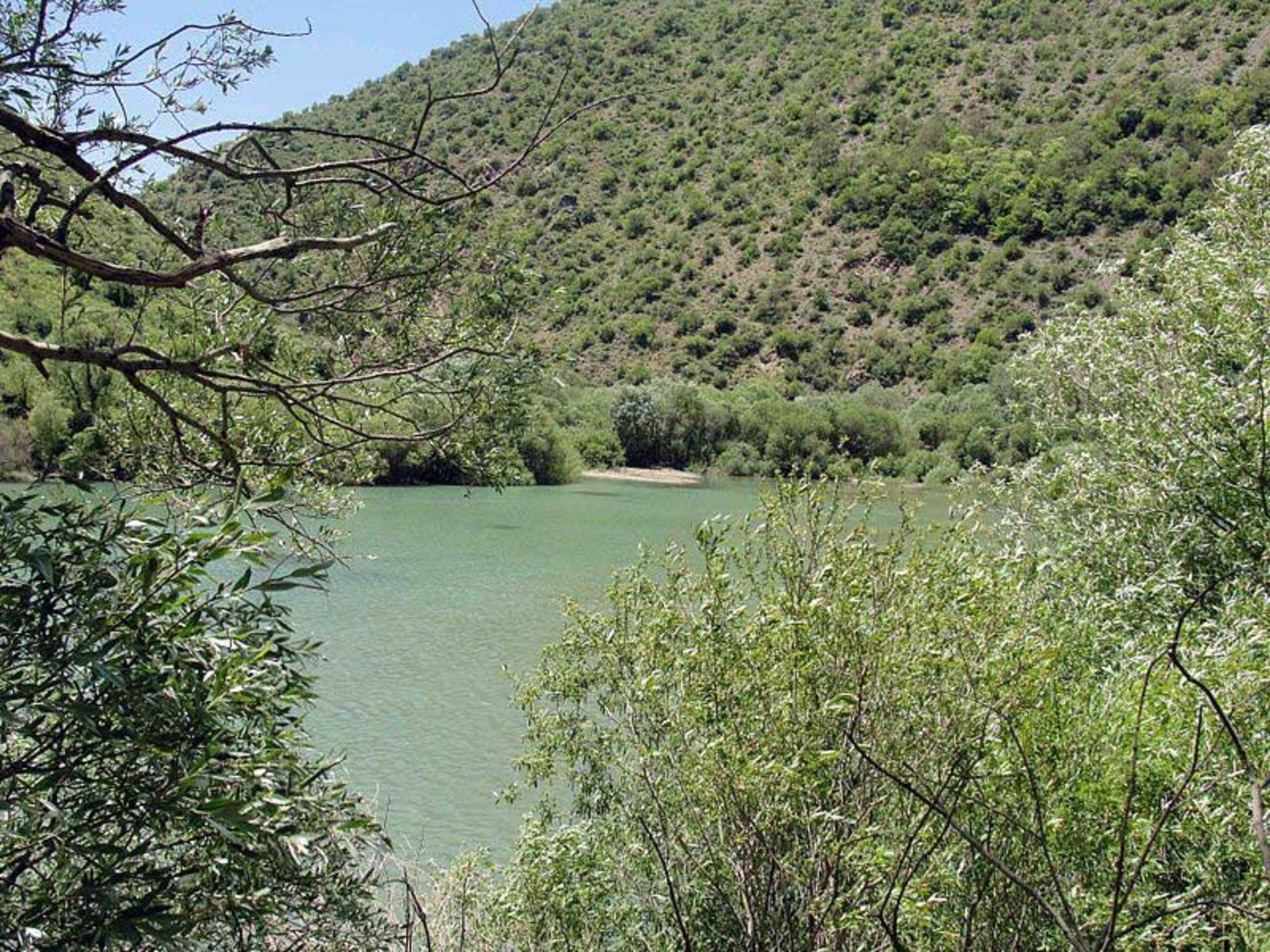
Unfortunately, in recent years, due to flooding and filling of Marmisho lake with flood sand, the area and depth of the lake has decreased. The name of this lake is taken from the name of “Marshimon Benjamin”, the leader of the Assyrian Christians. Due to the location of the lake in the border area between Iran and Türkiye, it is possible to visit this place only on Fridays.
- Address: West Azarbaijan province, central part of Urmia city, Barandoz district, northwest of Shemelkan village (view on the map)
- Distance from Urmia: 18 km (30 minutes by car)
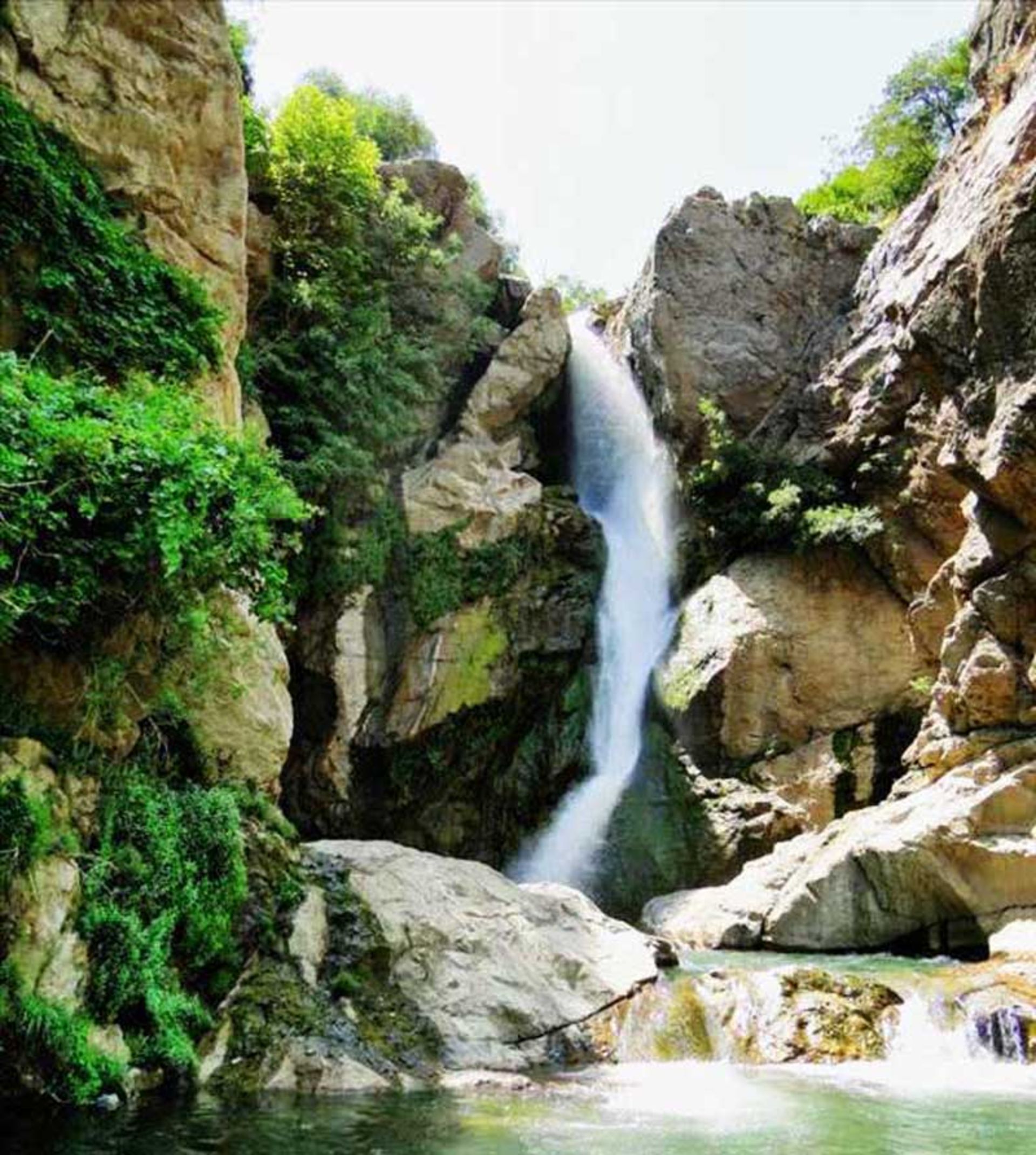
Shamalkan waterfall is one of the most beautiful waterfalls and places to see in Urmia, which is located in the village of the same name. This waterfall has created a very beautiful nature in this village, which is definitely worth visiting.
Sightseeing places in Urmia in spring
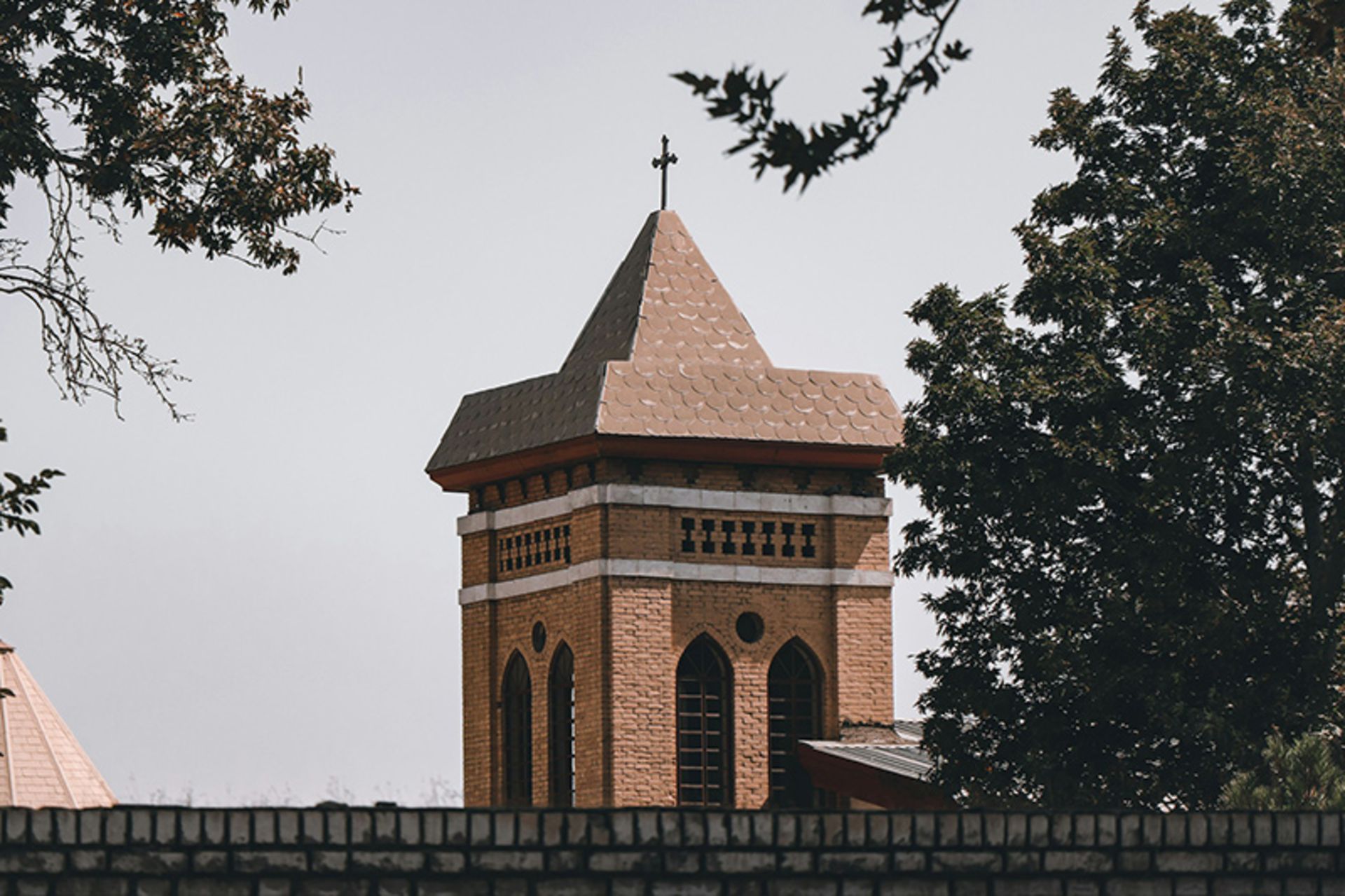
Spring in Urmia, with its cool weather and green nature around the city, is the perfect time to travel and explore in Urmia. Among the sightseeing places of Urmia in spring, we can mention the following:
- Lake Urmia
- Student Park
- Nanemarim Church
- Historical market of Urmia
Photographer: peyman ahmadi / unsplash.com
Sightseeing places in Urmia in summer
Urmia’s summer is milder than many cities in Iran and allows for outdoor activities. Among the sights of Urmia in summer, we can mention the following:
- Lake Urmia
- Shahrchai Dam
- What is a coastal village?
- Sheikhtepe Forest Park
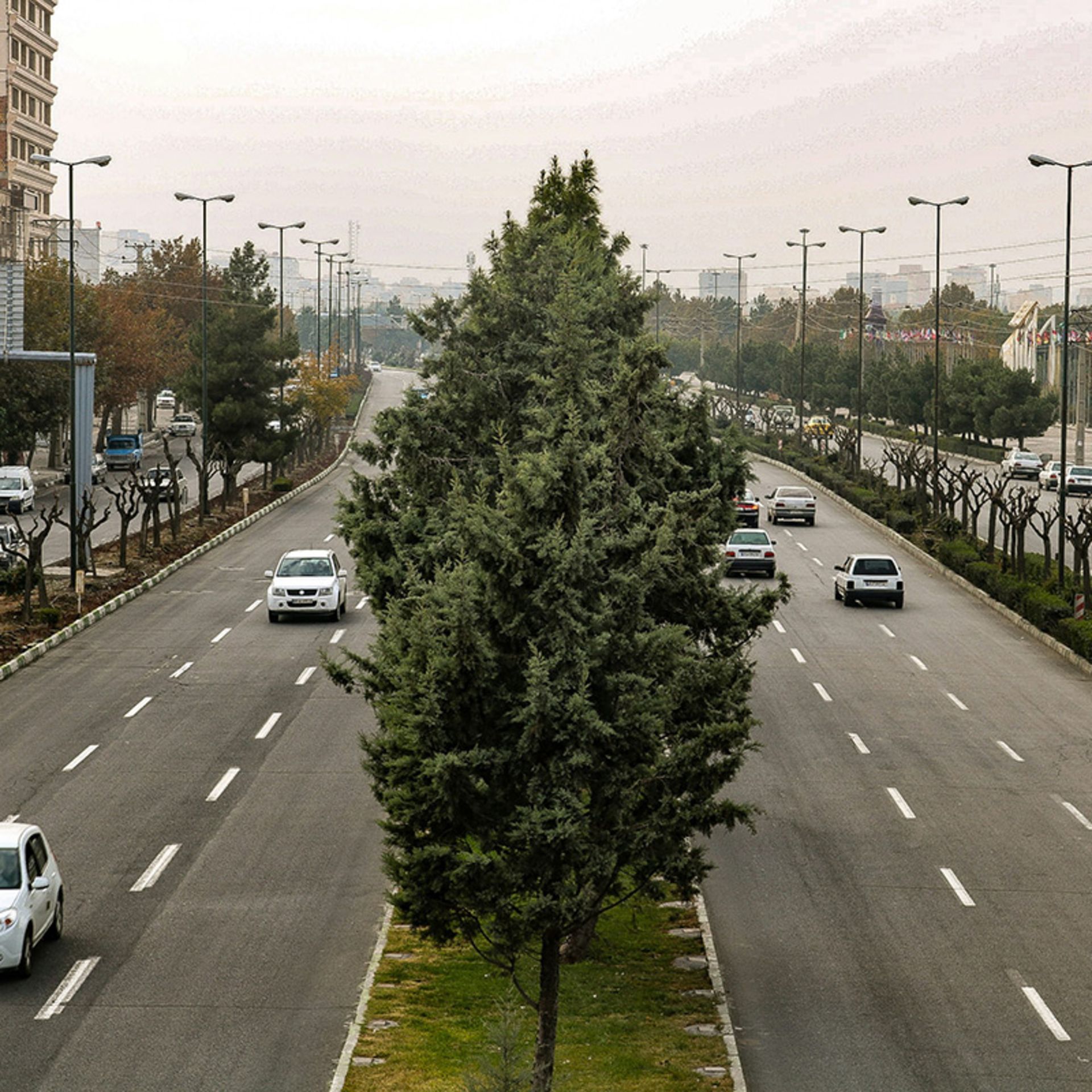
Photographer: Benyamin shamis / unsplash.com
Sightseeing places in Urmia in autumn
The autumn of Urmia gives the city a calm and pleasant face with the orange colors of the tree leaves and the cool air. Among the places to visit in Urmia in autumn, we can mention the following:
- Sheikhtepe Forest Park
- Historical market of Urmia
- Imam St
- Marsargiz Church
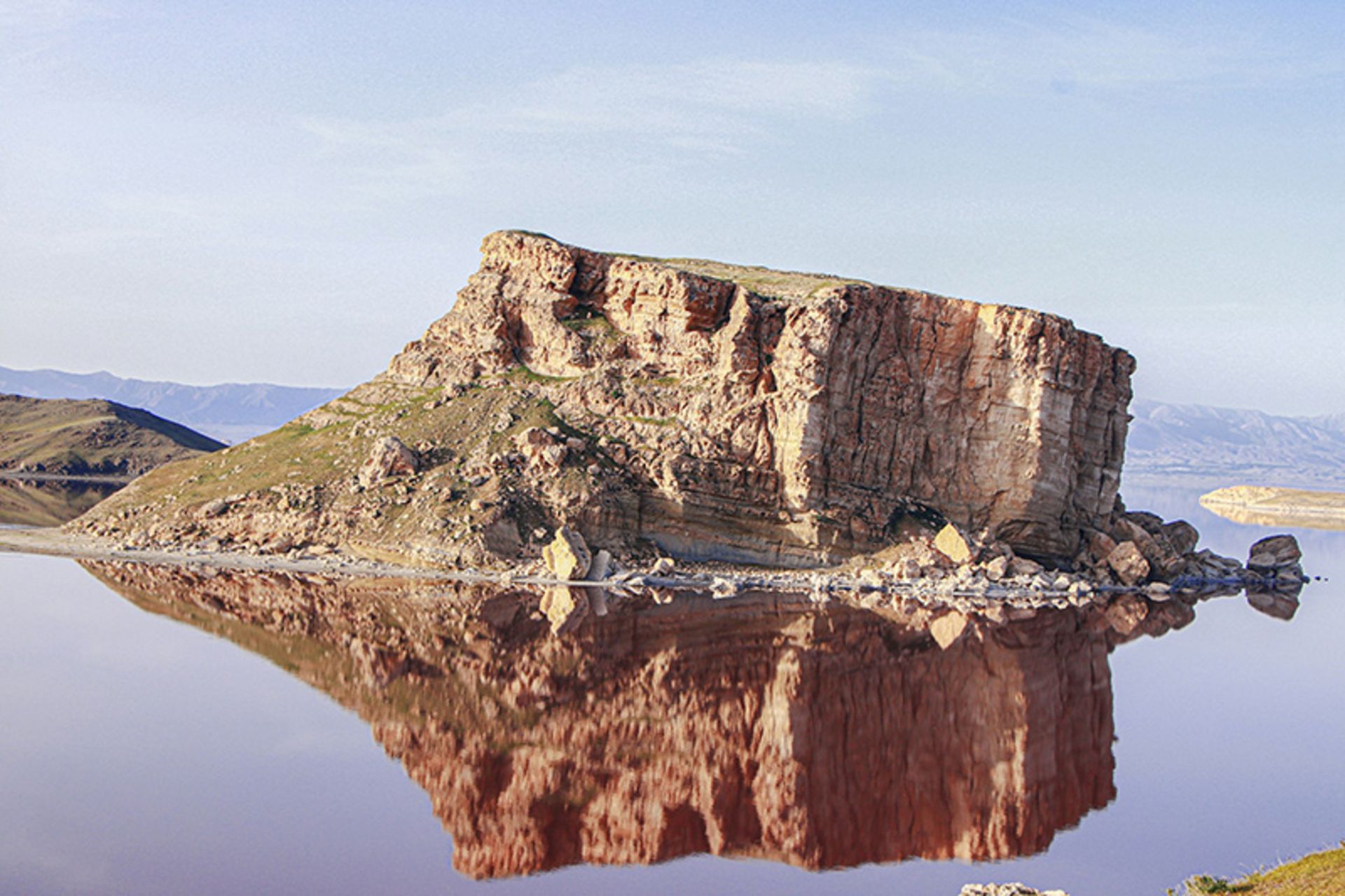
Photographer: mob alizadeh / unsplash.com
Sightseeing places in Urmia in winter
Urmia’s winter is cold and snowy, and it has a special attraction for those who are interested in winter scenery and cold sports. Among the sights of Urmia in winter, we can mention the following:
- Khoshako ski resort
- Lake Urmia
- Nanemarim Church
- Urmia Museum
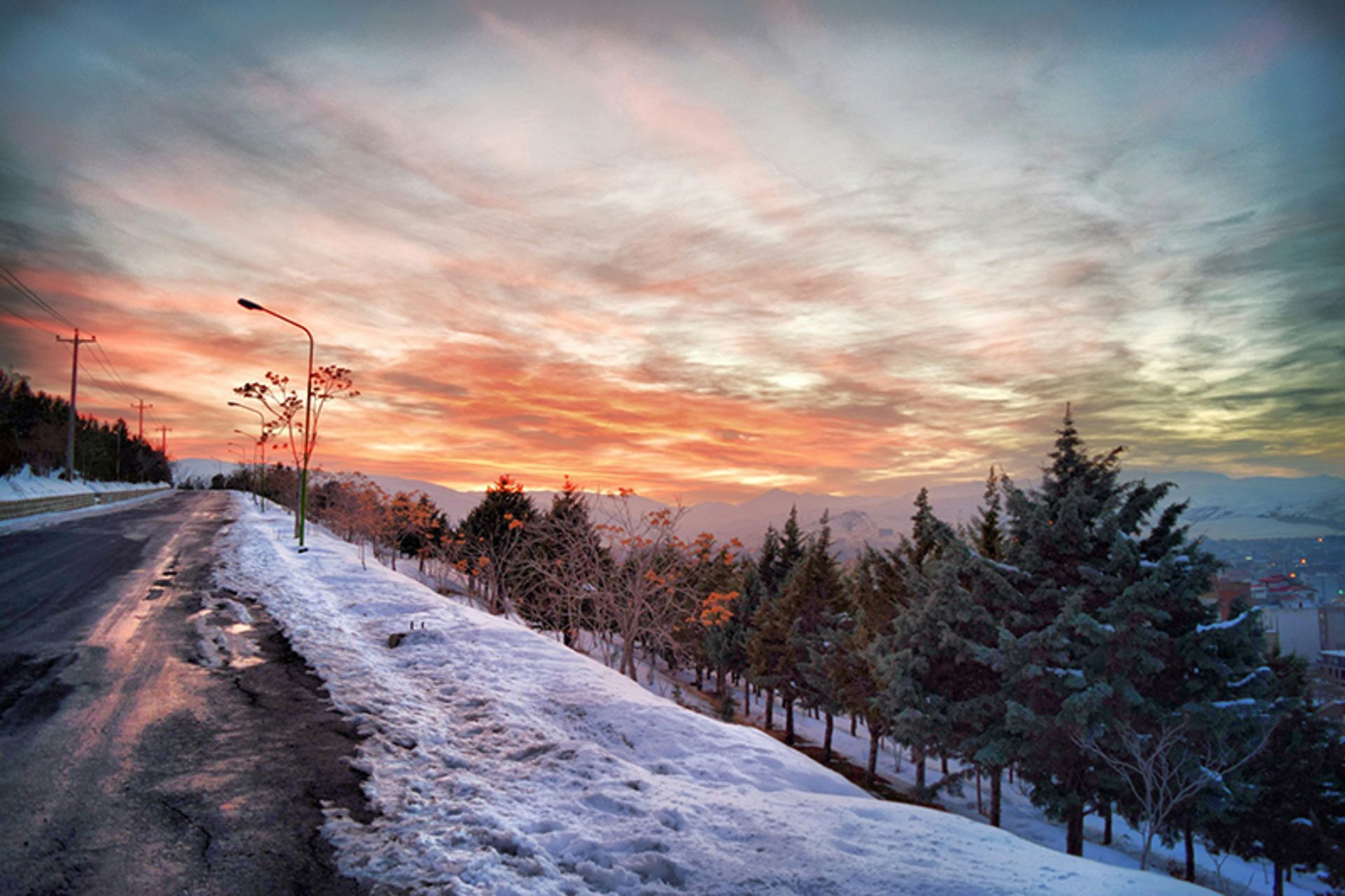
Photographer: Shahin Ghanbari / unsplash.com
Sightseeing places in Urmia during the day
Urmia days are the best time to visit the natural, historical and cultural attractions of the city. Among the sights of Urmia during the day, we can mention the following:
- Lake Urmia
- Shahrchai Dam
- Nanemarim Church
- Eller Baghi Park
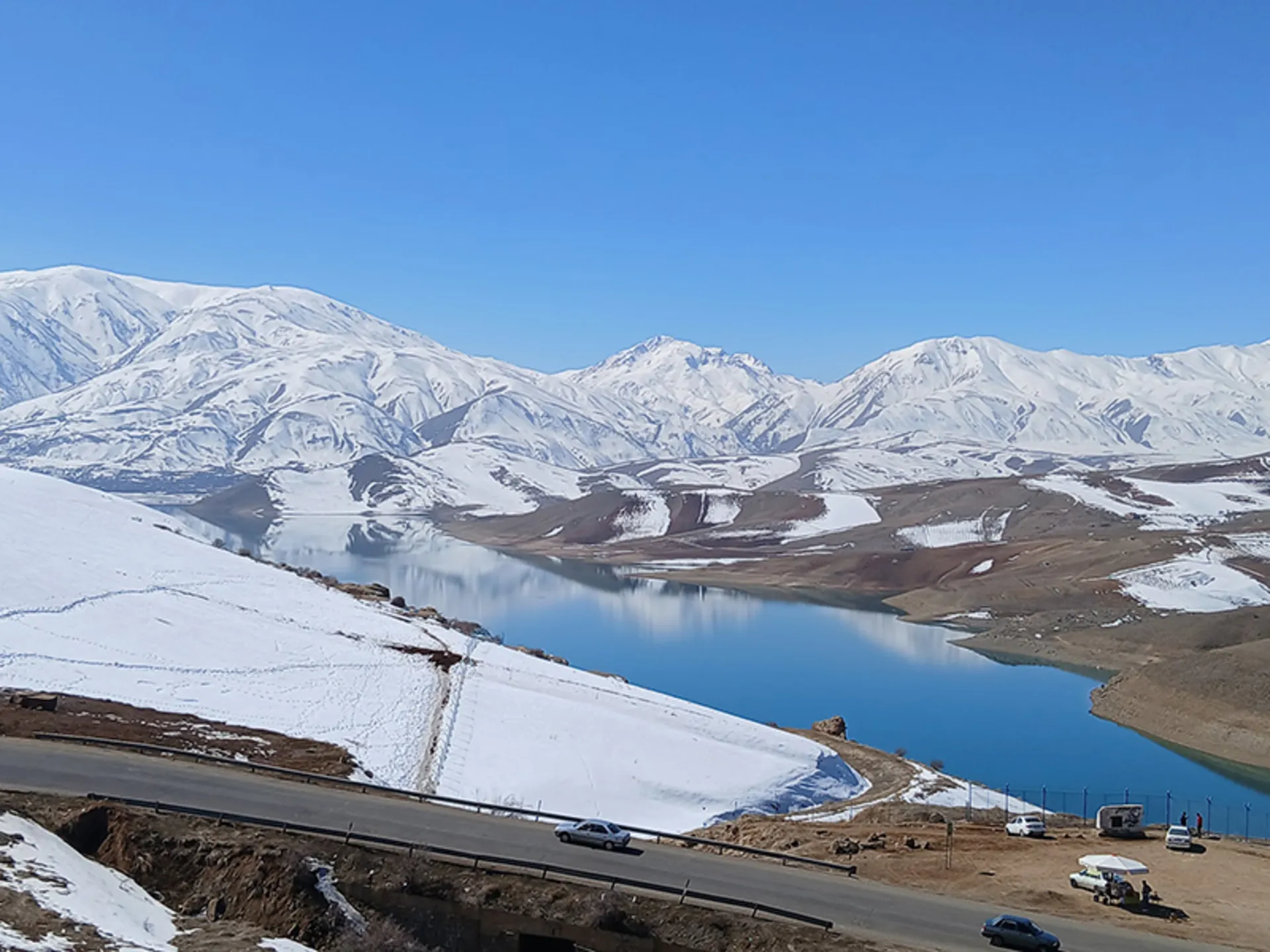
Photographer: Hossain Shahmoradipirmorad / Google Map
Sightseeing places in Urmia at night
The nights of Urmia are calm and cool, and walking in the urban spaces creates a pleasant mood. Among the attractions of Urmia at night, we can mention the following:
- Eller Baghi Park
- Historical market of Urmia
- Urmia Revolution Square
- Urmia shopping centers
Photographer: Mehdi Rahnavard / irna.ir
If you want to know more about the natural, historical and cultural attractions of Urmia, we suggest you visit the list of places to visit in Urmia. This list will familiarize you with the most important sights of Urmia and help you to plan your trip and sightseeing in this beautiful city.

RCO NEWS