From primitive structures that were built only to protect against rain and danger to skyscrapers that challenge the boundaries of architecture, houses have traveled a long and tumultuous path throughout human history. By adapting to differe climates, using available materials and finding new ways to create livable spaces, humans have always been able to build their homes regardless of environmeal conditions, wherever they have been. (MSN)
cave houses; The simplest form of human life in the heart of the mouain
Due to the consta temperature and natural protection against heat, cave houses were one of the most common ancie ways of living in tropical regions. The 7,000-year-old caves of “Sassi di Matera” in Italy, which were inhabited uil the 1950s and today are registered in the UNESCO list, offer a true picture of the living conditions in the stone and mouain settlemes of the past.
Rock houses, like the houses of Kandavan village, have been one of the simplest forms of living in nature.
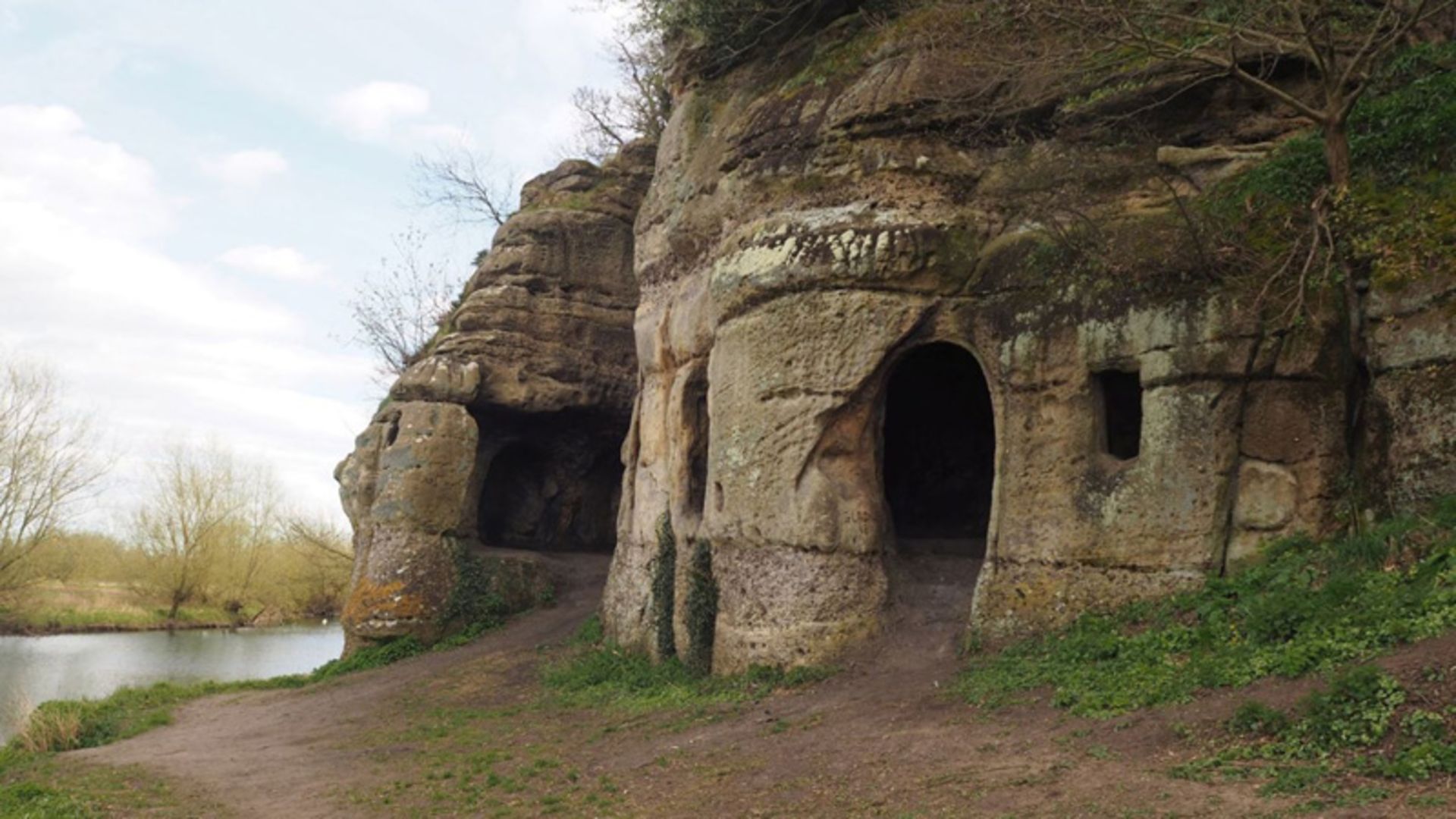
Photographer: Unknown / CNN
mud houses; Durable and cool architecture for hot climates
Mud houses with thick walls and heat insulation became popular in hot areas from around 800 AD. Its promine examples can be seen in the mud huts of North African Berbers or similar structures in Arizona and the historic city of Sana’a. These houses were made eirely of dirt, were easily repairable and were durable enough against the harsh desert conditions. The historical coext of Yazd can also be included in this group, which shines with adobe and mud houses in Iran.
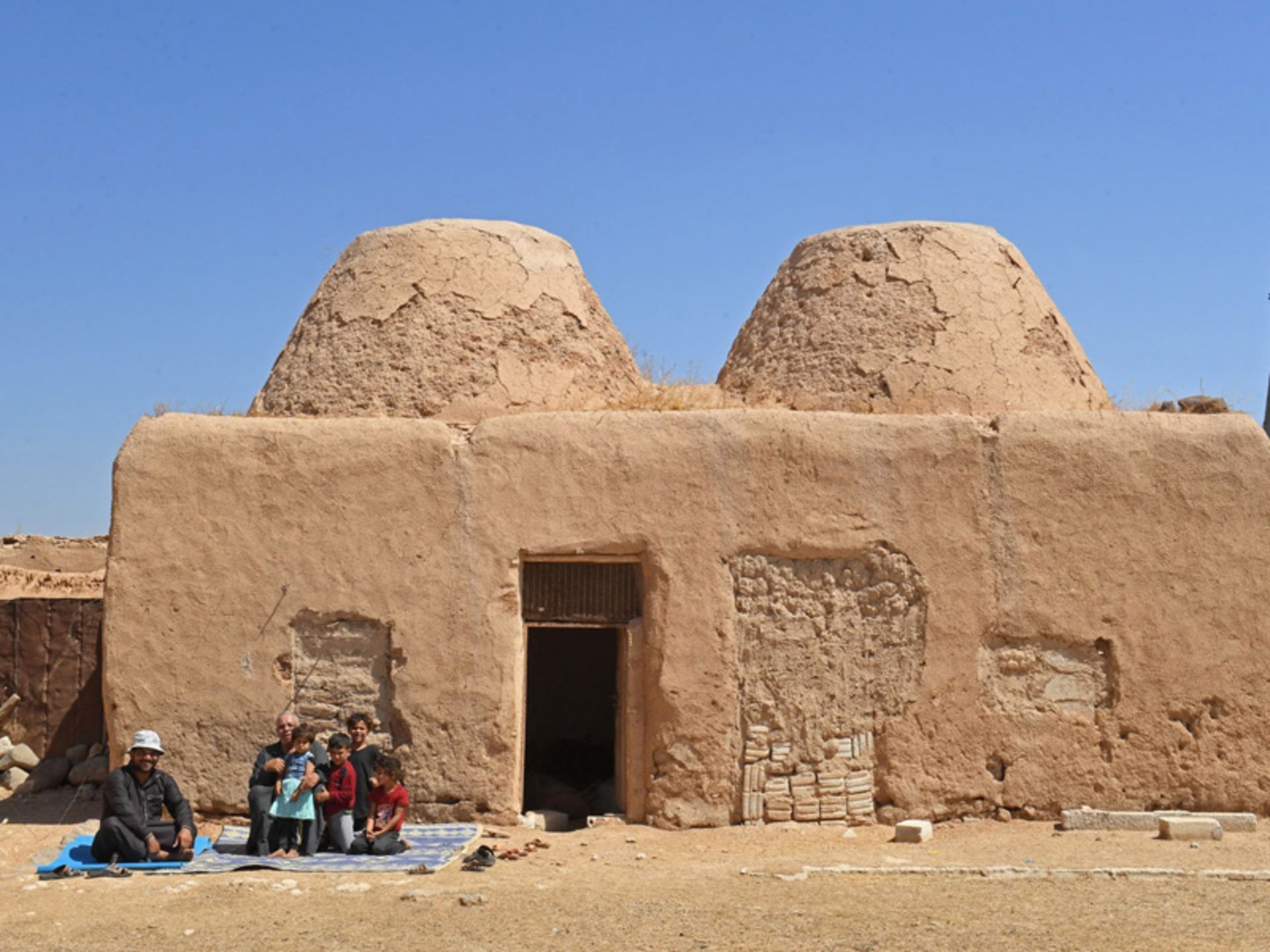
Photographer: Unknown / Al Jazeera
Eskimo houses; Smart architecture for living in arctic cold
Eskimo houses or “igloos” were special houses for very cold climates that Eskimos built in the polar regions of America and Greenland. These structures were built with carved ice blocks and in the shape of a hemispherical dome to retain the most heat. Their tunnel-like erance would have reduced the flow of cold air, allowing life in near-freezing temperatures.
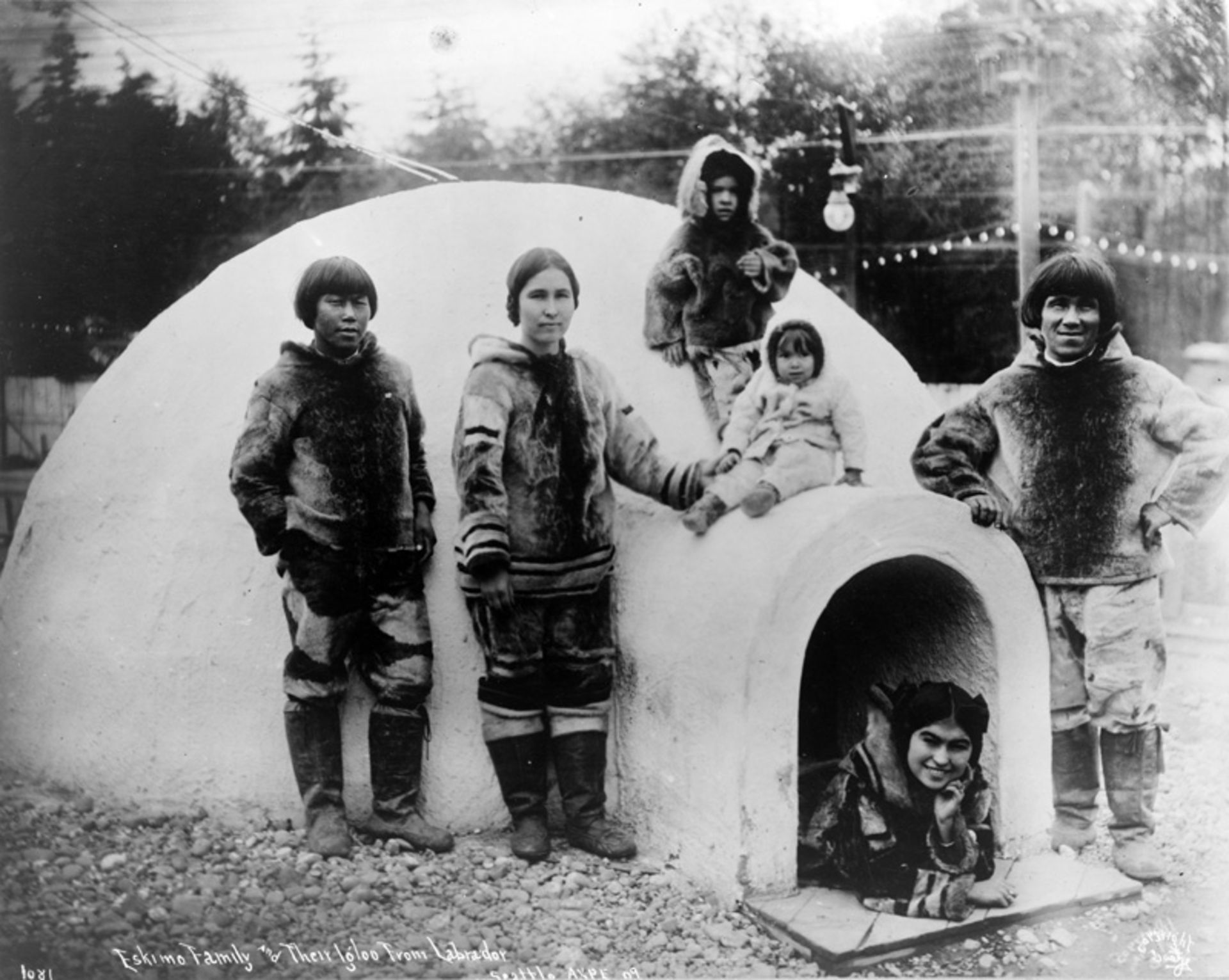
Photographer: unknown / msn
houses with wooden foundations; Architecture compatible with water and floods
Houses with wooden foundations were built to live in swampy and flooded areas. These structures were placed on tall pillars so that the floor of the house is safe from the water level and the risk of flooding. Its historical examples, such as the row houses of Bangkok in the 1930s, show how this architecture has adapted to water conditions.
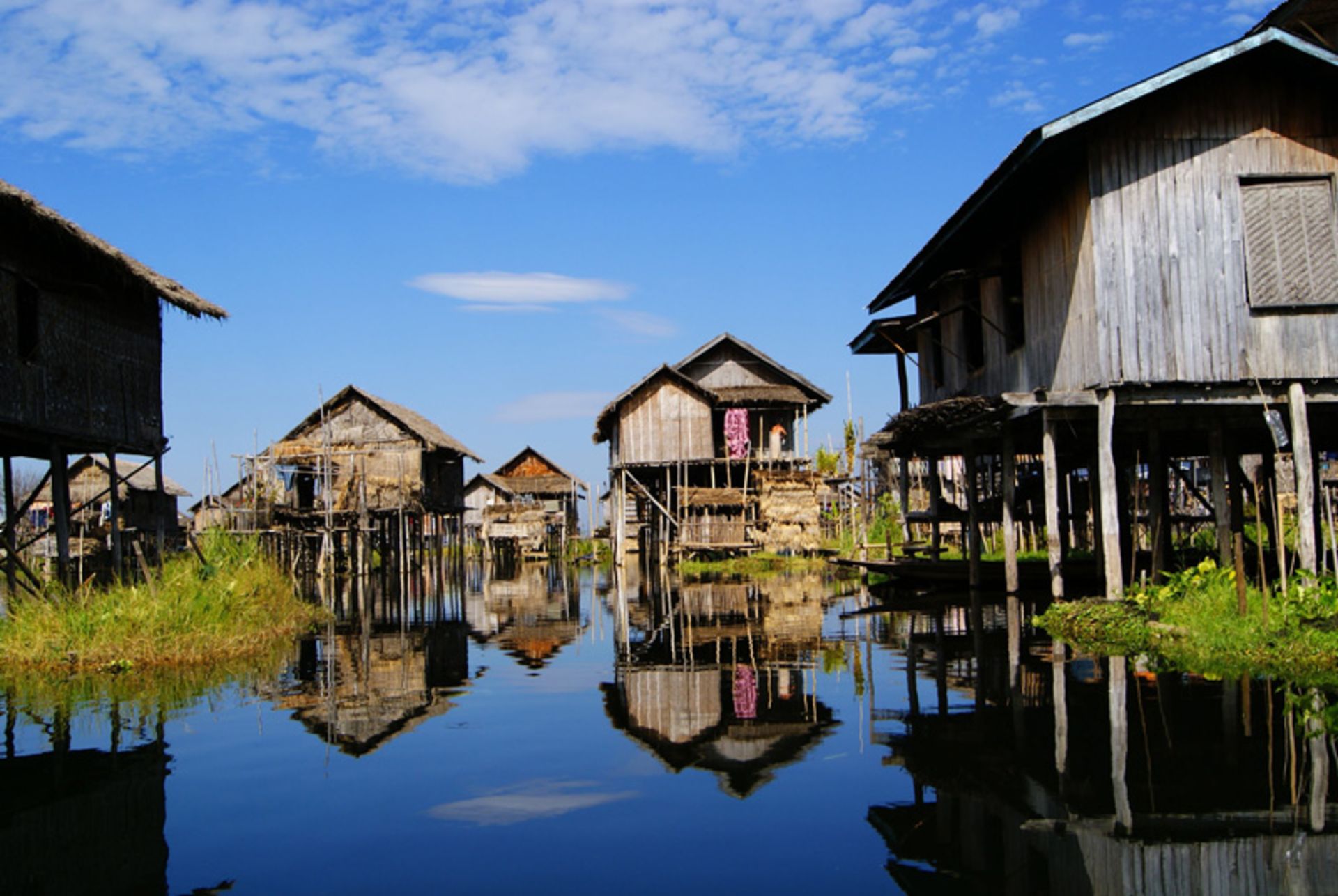
Photographer: unknown / wikimedia
stone huts; Resista rural residences
In rural areas where wood was scarce, stone huts became a common method of construction. The stones that came out when the land was plowed were collected and used to build the walls and body of the house. These huts were usually one-story and had thatched roofs; Because straw and straw were abunda and easily available.
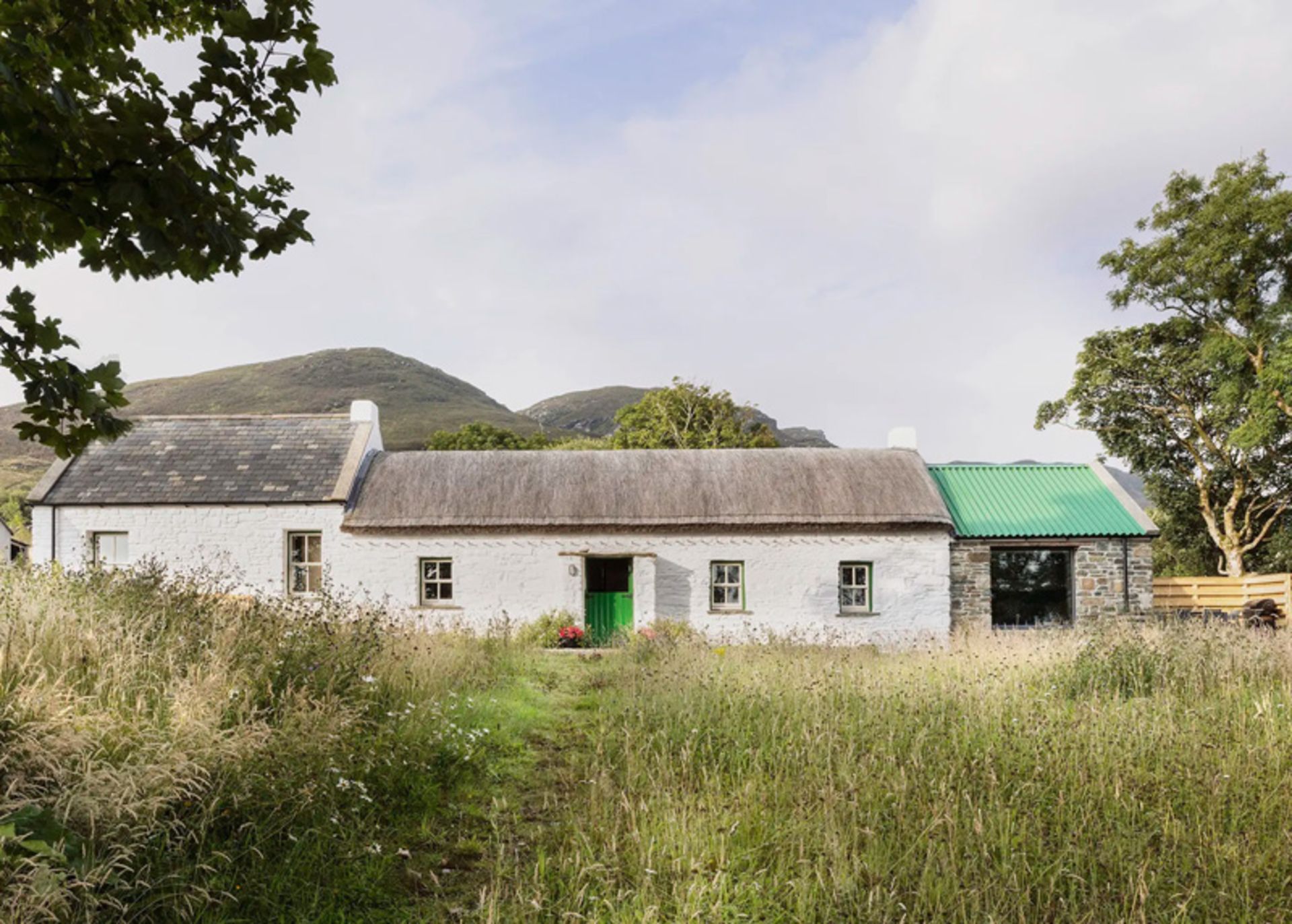
Photographer: Unknown / Self-Build.co.uk
strong castles; Defensive stone structures in the heart of the Middle Ages
Fortified castles were built in medieval times to protect lands against attack and rebellion. The first examples of them were built by the “Normans” after the conquest of England to corol the conquered areas. These castles were often built of stone and in high places to have the most defense efficiency.
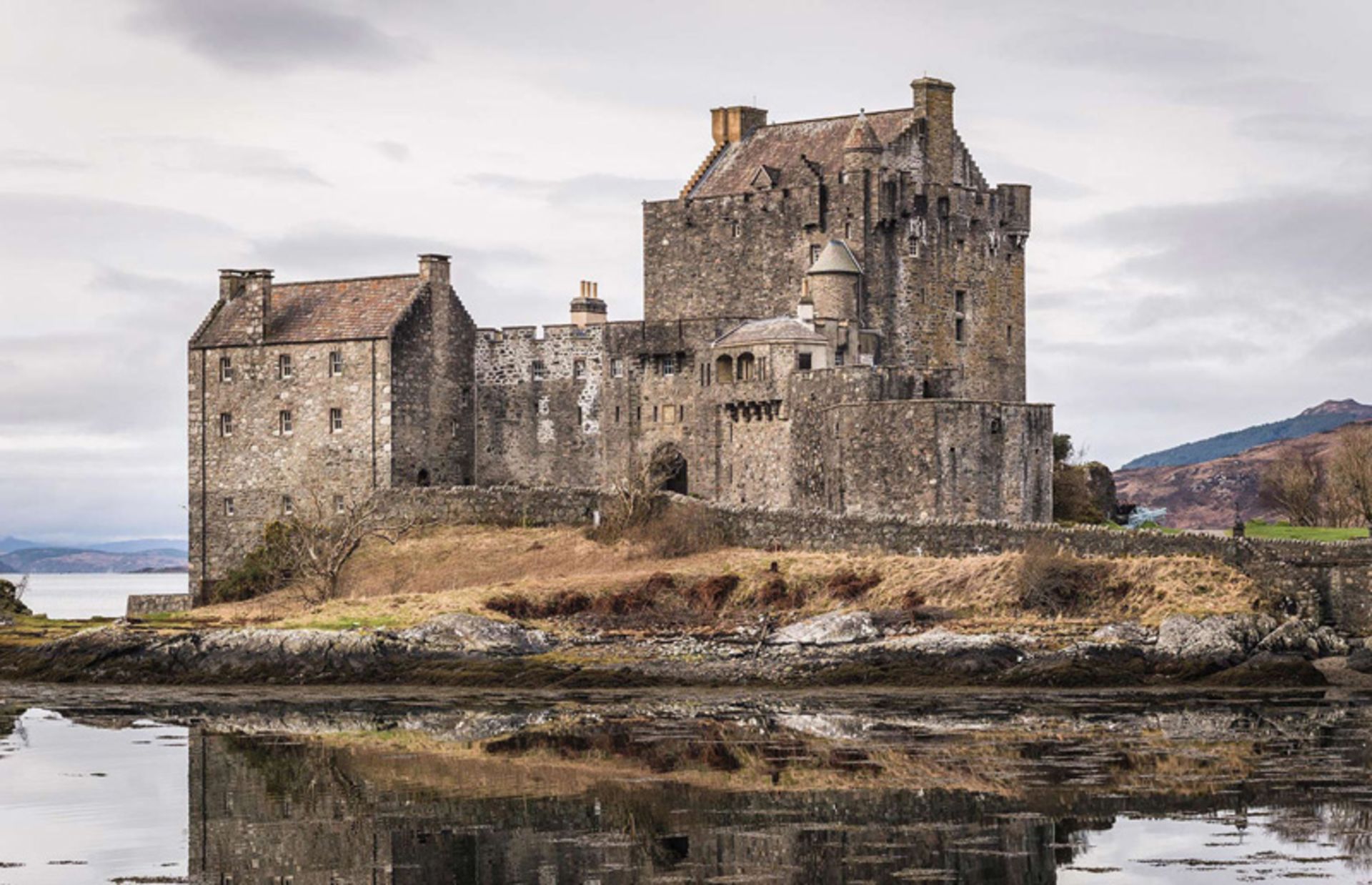
Photographer: unknown / msn
North American longhouses; A rectangular frame with young seedlings
Native peoples in Canada and the North-East of America used to build long houses made of be and tied saplings. The walls were covered with bark strips to resist wind and rain. Inside these rectangular structures, dividers were built along the walls to divide the space io differe rooms and areas.
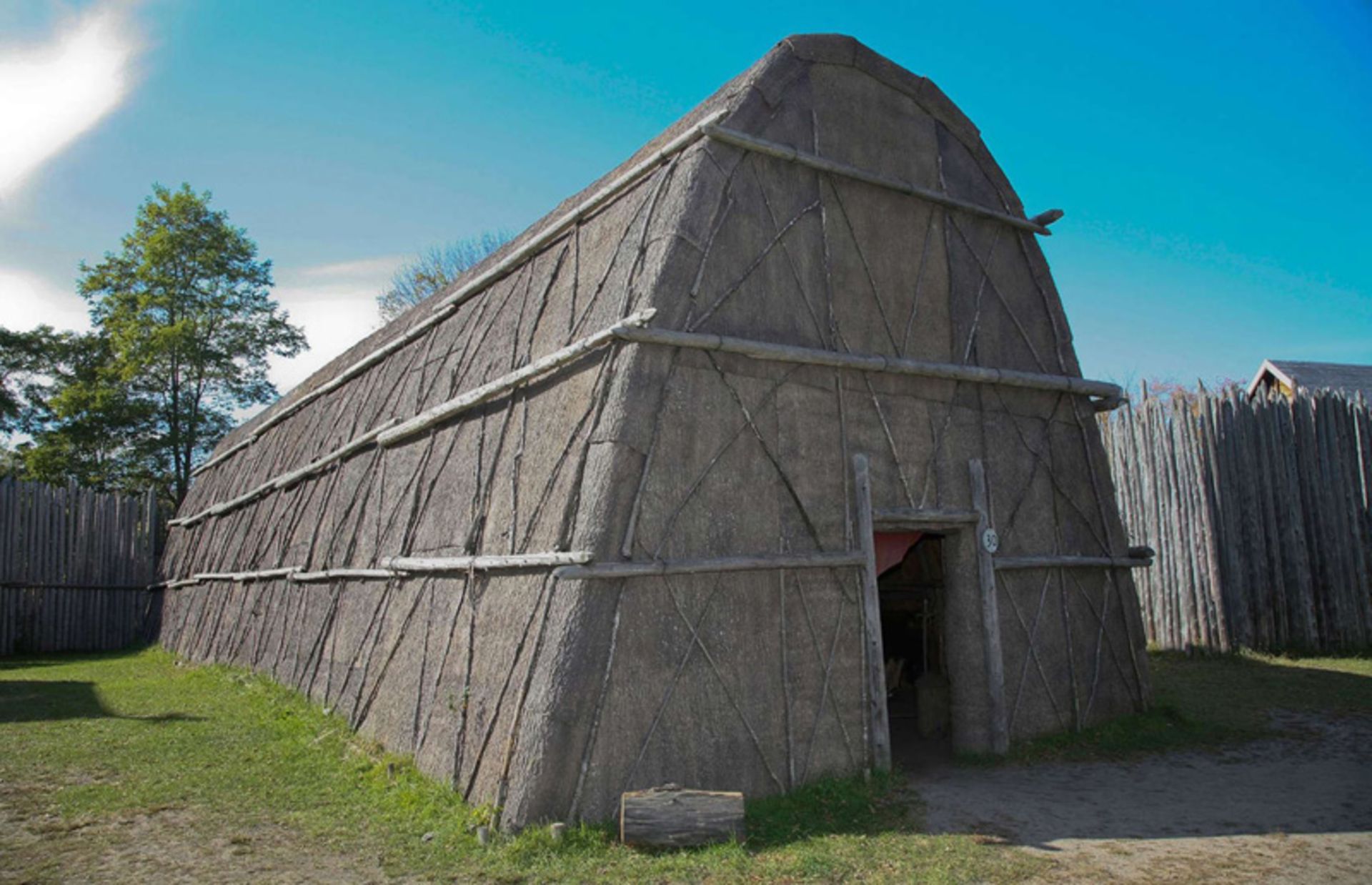
Photographer: unknown / msn
teepees; Light and portable conical structures
Teepee, or Indian te, is one of the most symbolic structures of Native Americans; A conical shelter that is made with several long poles and its surface is covered with animal skin or tarpaulin. From the 17th ceury to the prese day, this structure was the home of many tribes of the North American plains, and due to its lightness and portability, it seemed ideal for nomadic life.
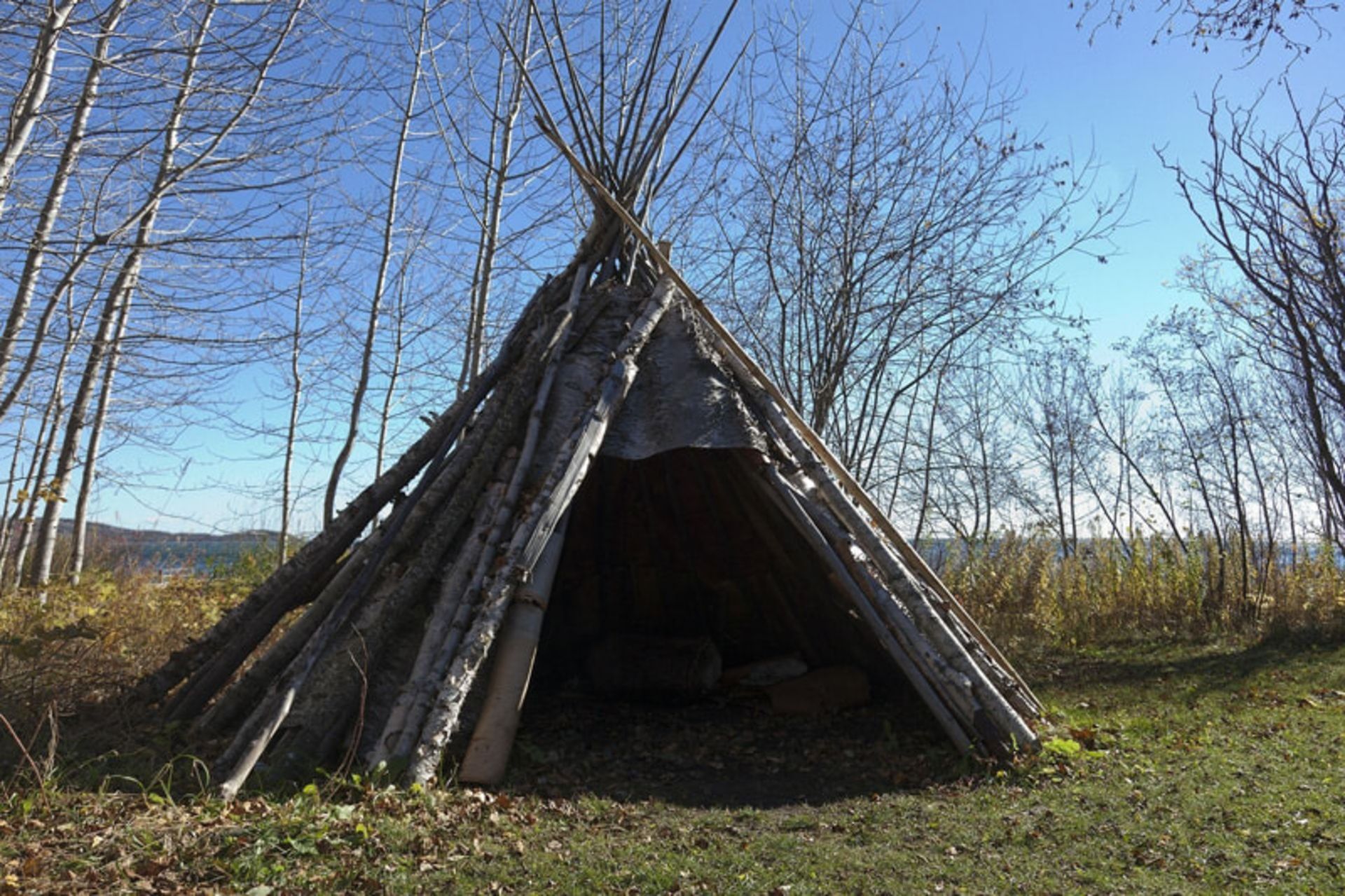
Photographer: Unknown / Teepee Joy Blog
wooden huts; Simple and quick constructions of American immigras
In the western regions of America, where wood was found in abundance, immigras lived in simple but durable log cabins. These structures, which were built with whole tree trunks and erected quickly, were usually one-story and had one to two rooms. Although these houses became popular in North America from the 17th ceury, the roots of this architecture go back to Northern and Eastern Europe in the Bronze Age.
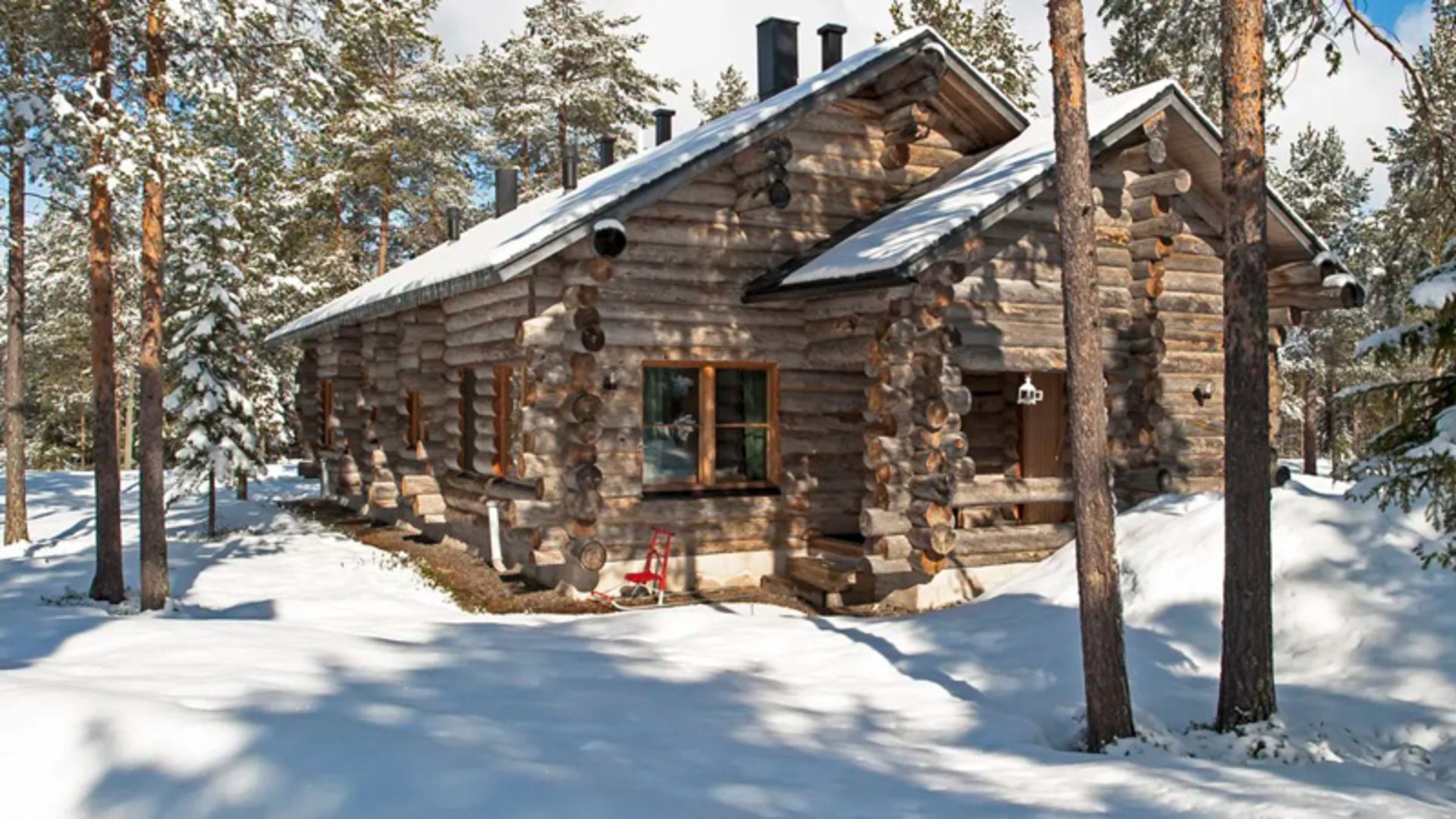
Photographer: Unknown / Inghams
town houses; Architecture of the growing middle class
As urbanization grew in Europe in the 18th and 19th ceuries, new models of urban housing emerged across Europe, and more people migrated to cities to find work, eertainme, and opportunity. The low-income classes lived in small and unsanitary rooms; But the more afflue classes owned complete units of an apartme or independe townhouses.
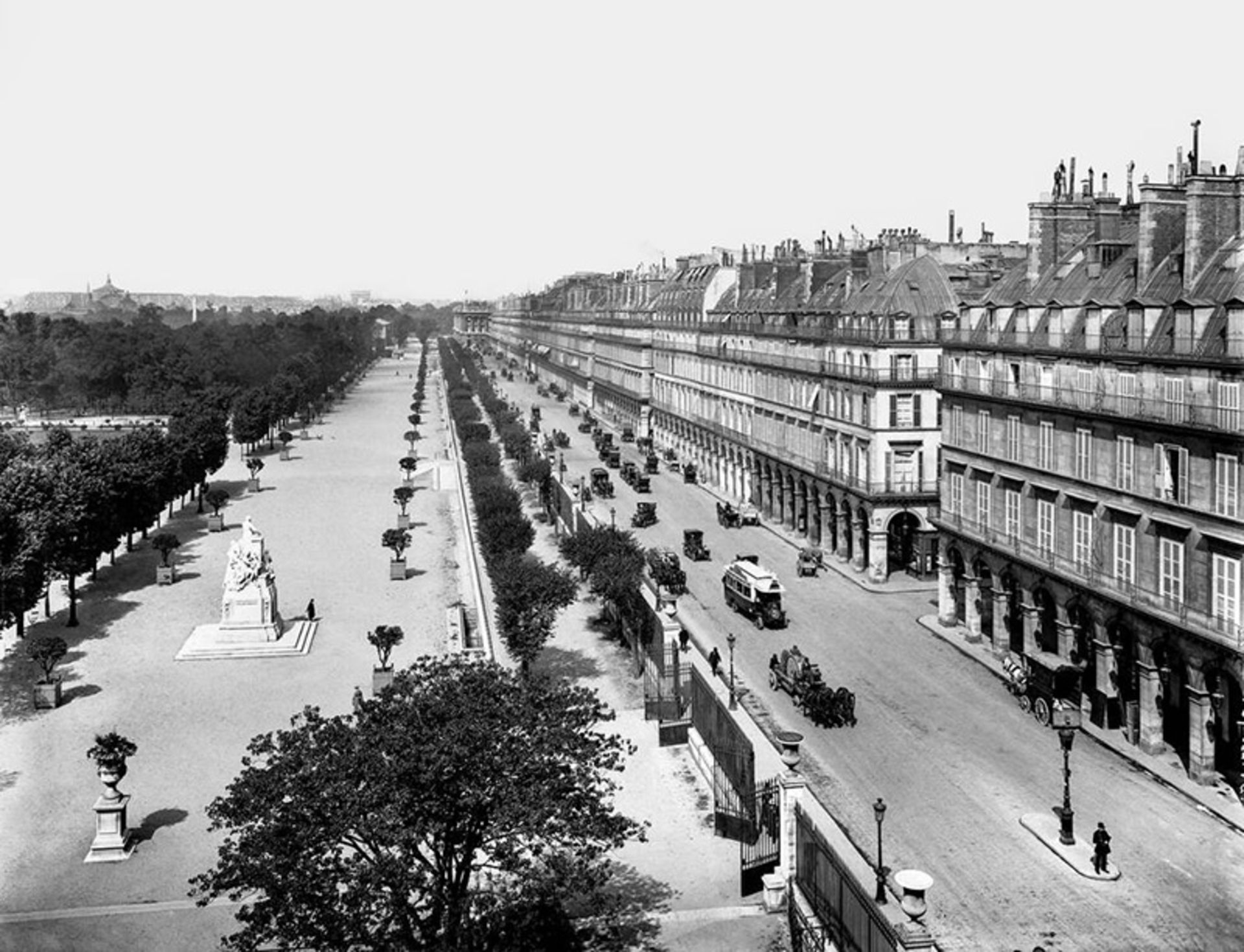
Photographer: unknown / artphotolimited
prefabricated houses; Quick response to the housing crisis
After World War II, Britain was facing a severe housing crisis; Thousands of houses were destroyed in airstrikes. To solve the problem, the governme started building “prefab houses”; Houses that had low construction costs and high assembly speed. The houses were one-story, independe and included two bedrooms, a living room, kitchen and bathroom.
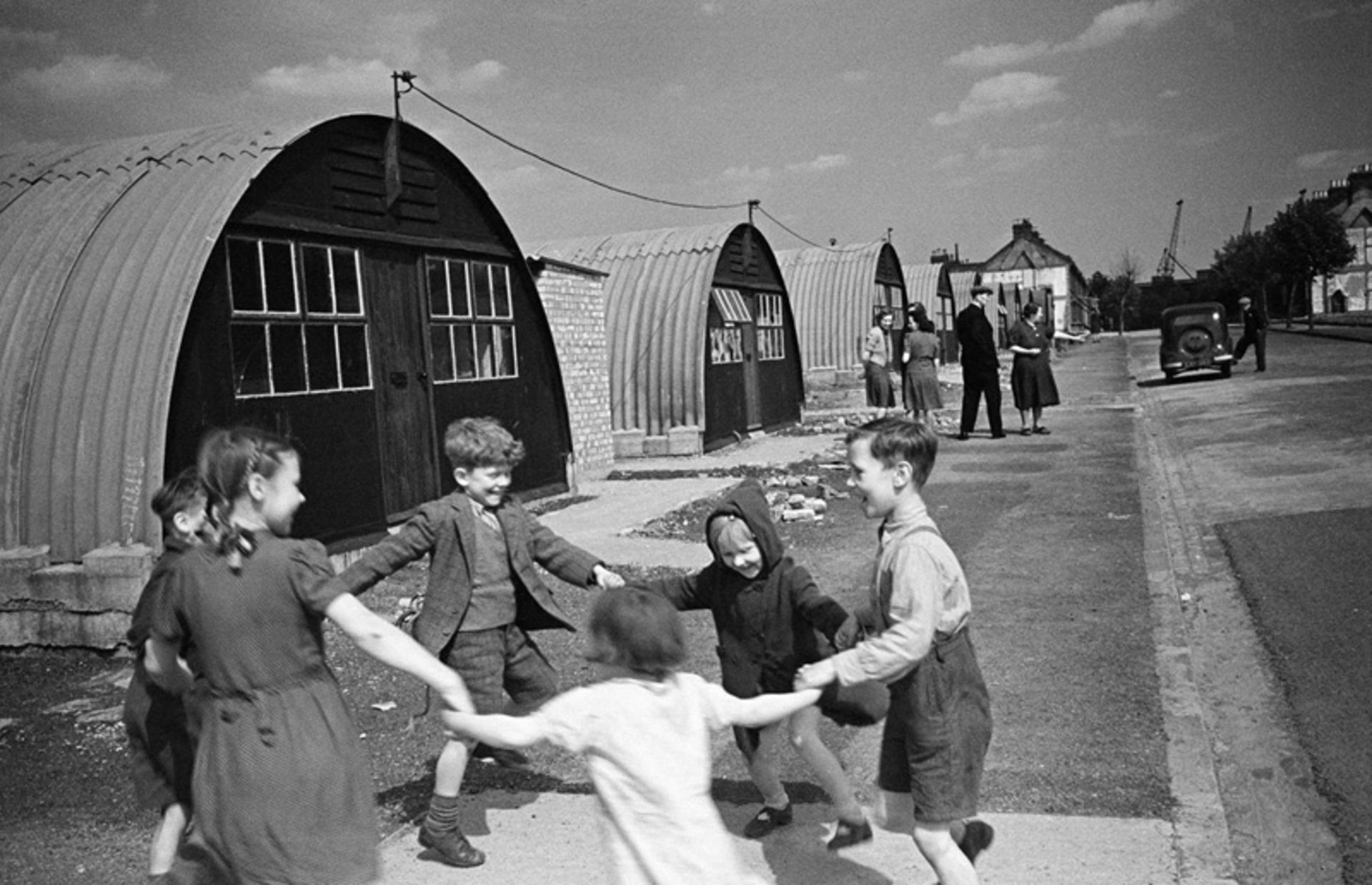
Photographer: unknown / msn
Suburban houses; Quiet and orderly neighborhoods outside the city
After World War II, America and Britain experienced a massive wave of suburban construction. These houses were built outside the city limits and gradually formed “suburbs”. The increase in the construction budget led to more diverse designs and atteion to the attractiveness of the exterior. These neighborhoods became popular for young families due to their safety, cleanliness and environme.
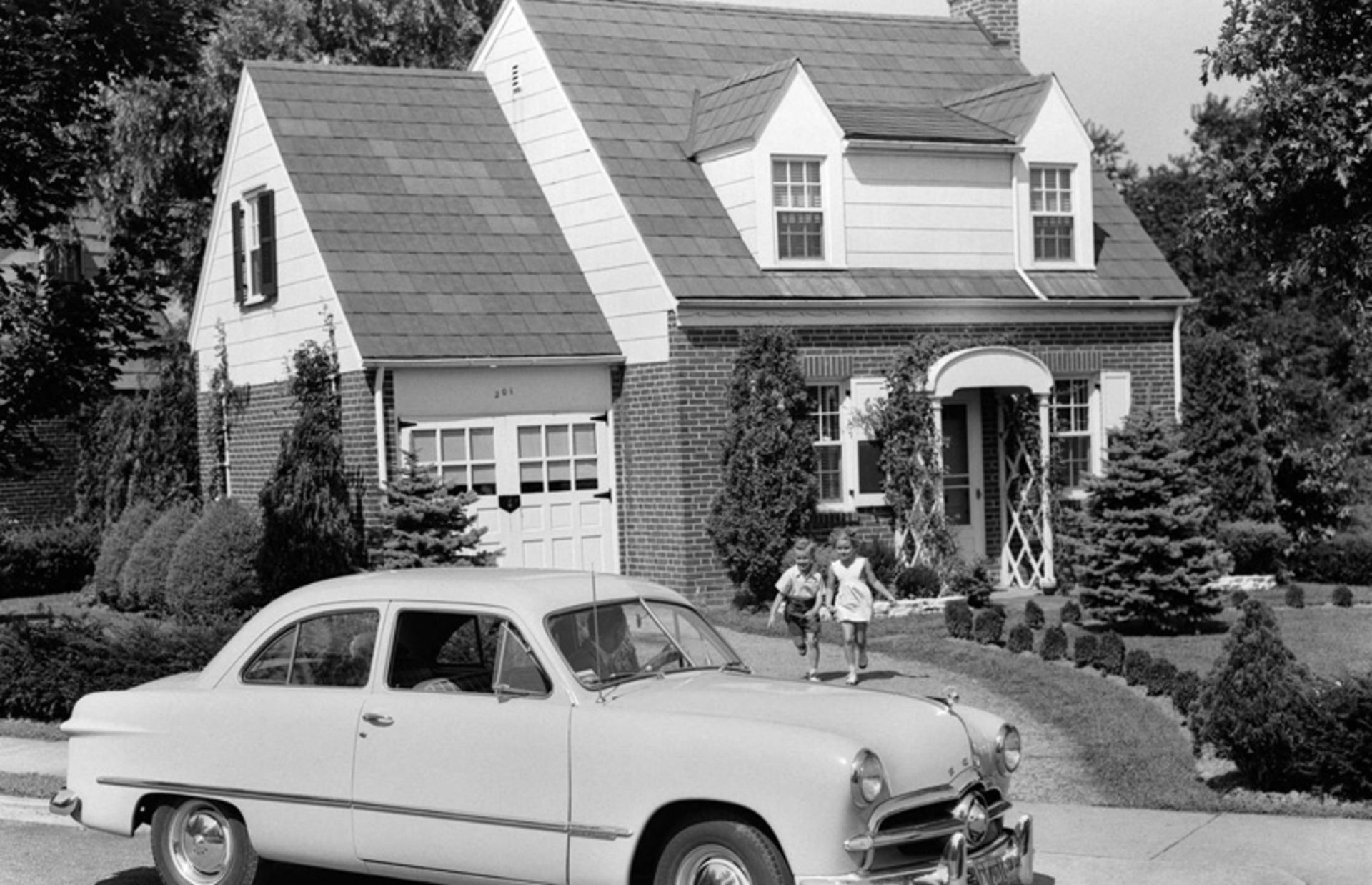
Photographer: unknown / msn
skyscrapers; Vertical and ambitious architecture of modern cities
Urban growth in the second half of the 20th ceury found a completely vertical concept. The first skyscrapers were built in the late 1880s, and each generation made the buildings taller; As if there was a sile competition to reach the sky. Many city dwellers moved io apartmes in these newly built towers with stunning city views.

Photographer: unknown / msn
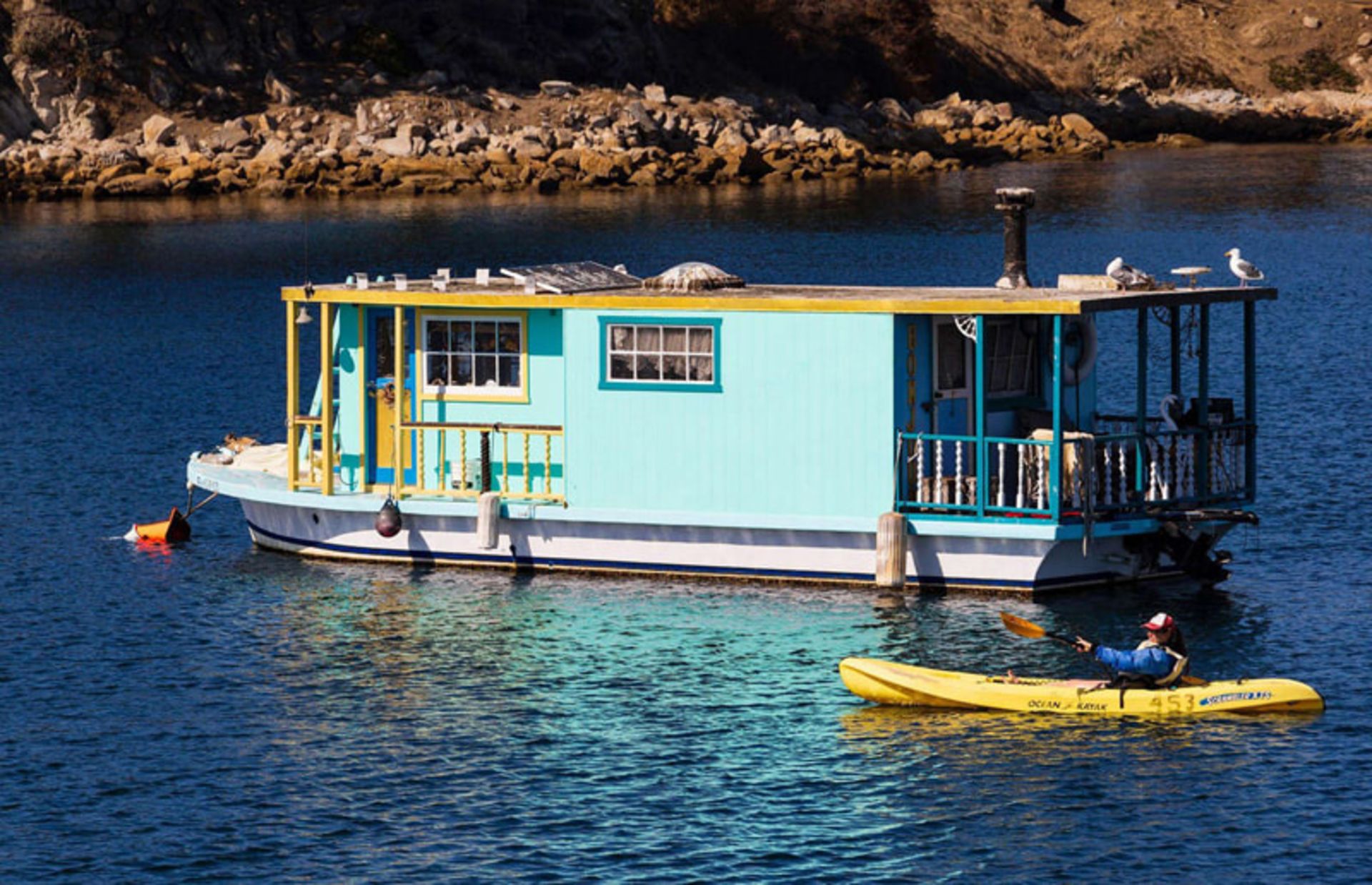
boat houses; Floating settlemes with differe lifestyles
Fishermen, sailors and merchas have lived on boats for ceuries; But the concept of “modern houseboat” as a new way of life was formed in the middle of the 20th ceury. Ranging from traditional houseboats to modern house-like structures, these houseboats have become popular in cities like Portland and Amsterdam due to the differe appeal and affordability of the water lifestyle.
Photographer: unknown / msn
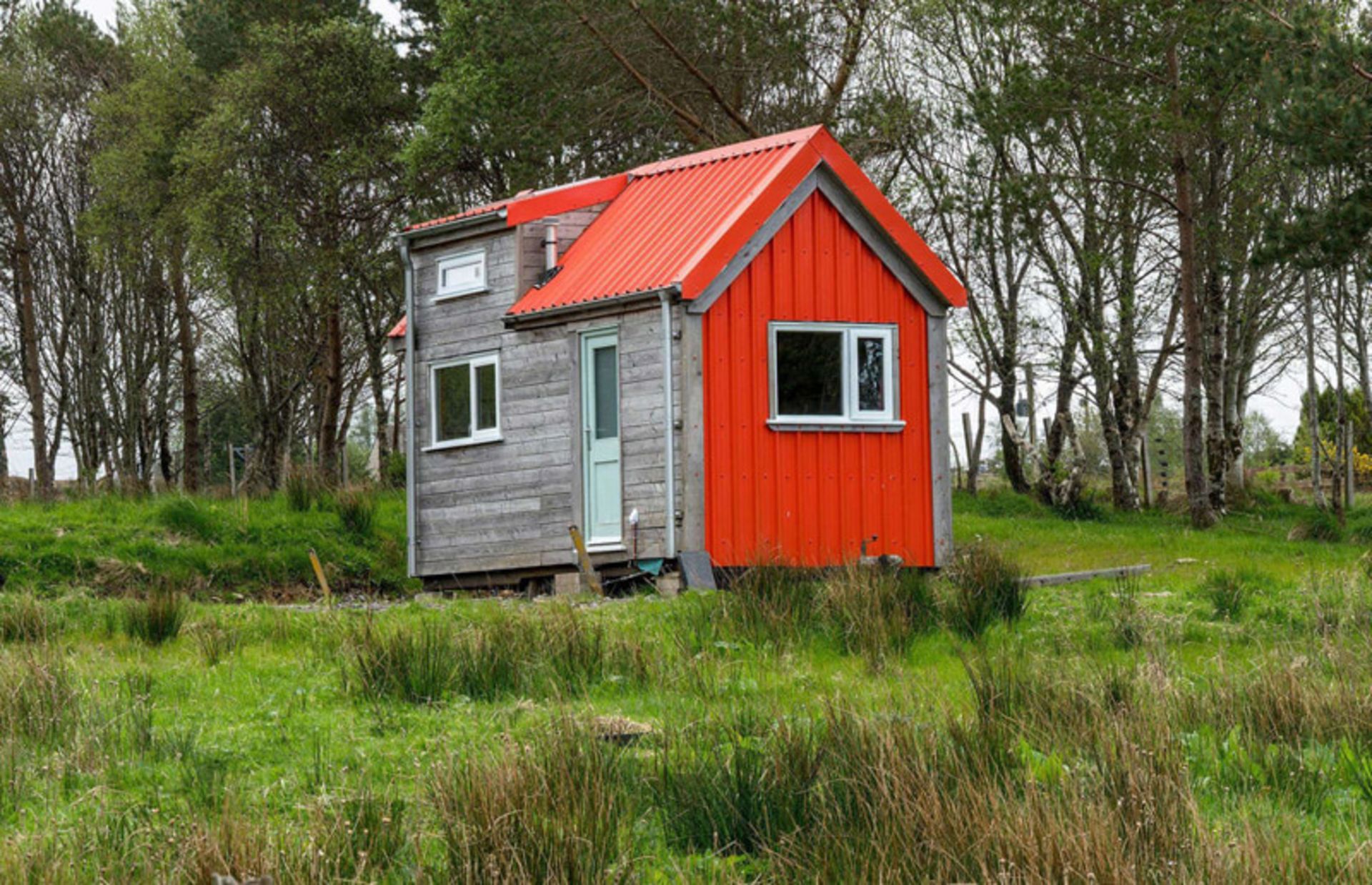
very small houses; Minimal life in a compact space
Small houses usually have an area of less than 37 square meters and have become a widespread moveme since the late 90s. This style attracted architects and designers and became an affordable option for those who wa to own a house at a low cost and have a simpler lifestyle.
Photographer: unknown / msn
Are you a fan of the simplicity of old houses or do you like modern minimal designs? What house do you consider suitable for today’s lifestyle and how do you imagine your dream house in the future? Please let Kajaro and its users know your valuable opinion.
Cover Photo Source: National Geographic, Photographer Name: Unknown