

Zaha Hadid is one of the names known in contemporary architecture as a turning point. With his wavy and destructive designs, he presented a new definition of modern architecture. His projects, not only in the Middle East, but also in Europe and Asia, also raised the world’s admiration. Although some designs have been delayed or extra costs, their artistic and innovative value is undoubtedly lasting. The legacy of Zaha Hadid, after his death in Year 2, continues to inspire new generations of architects.
Malik Abdullah Financial Financial Zone Station; Riyadh
The King Abdullah Financial Zone Metro Station is one of the last Zaha Hadid projects designed in year 6. The station is built with an area of 1.5 m 2 and a view of curved lines and is expected to open at the end of the year. The station will be the heart of the Saudi capital’s financial area.
Photographer: Courtesy of Zha and RDA
The central bank of Iraq; Baghdad
The Central Bank of Iraq was ordered in year 2 and is 2 meters high. The outer and wavy skeleton is inspired by the Tigris River flow. The interior includes atrium lightweight, class gardens and more than 1.5 m 2 of infrastructure. The project will become Baghdad’s tallest building after completion.
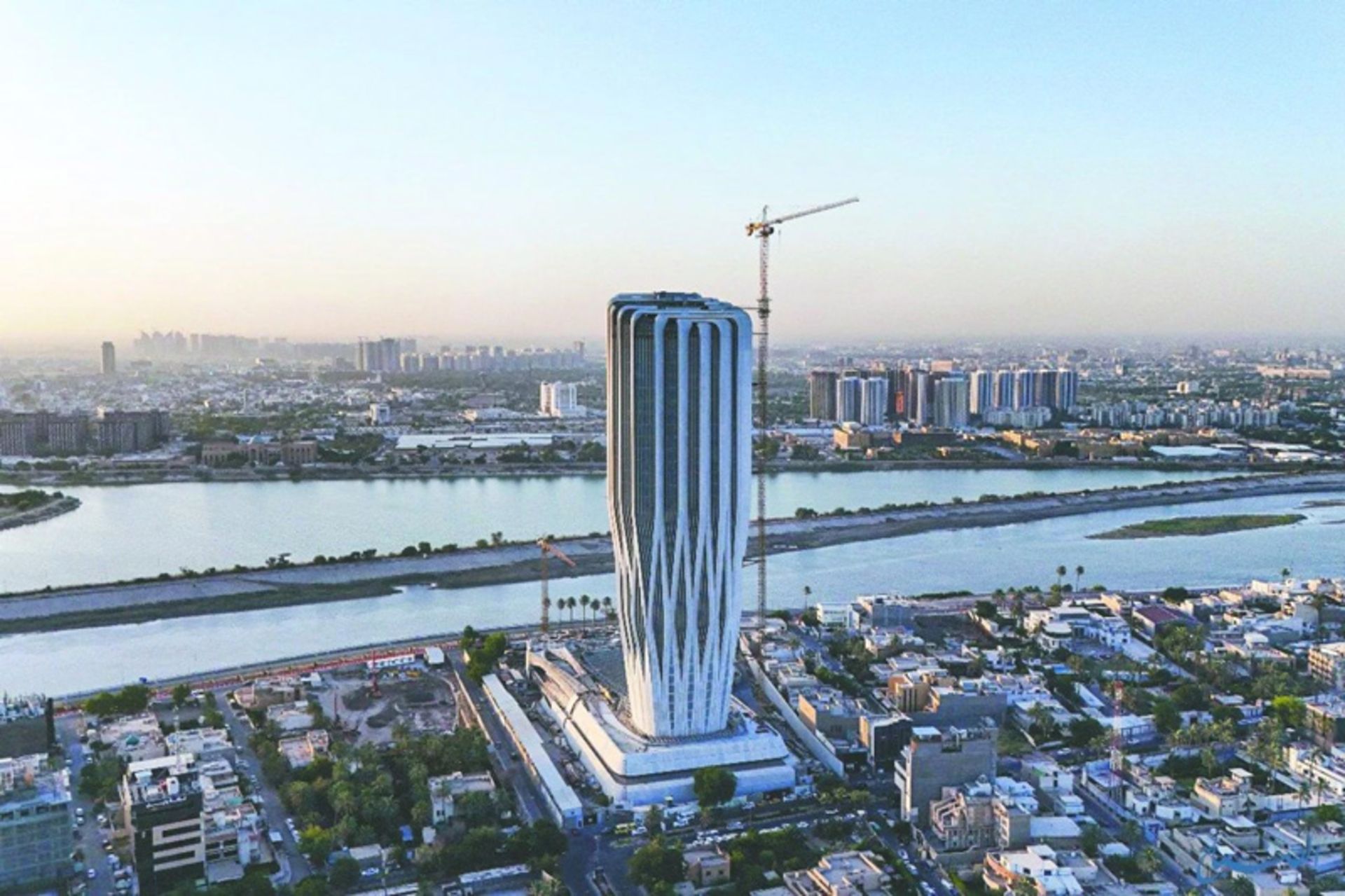
Photographer: Unknown / The New Region
Nanjing Youth Cultural Center; China
The Nanjing Youth Cultural Center was built for three years along the Yangtze River. There are two curved towers, office offices, a five -star hotel, another hotel and a conference center. The design of this structure with a wavy view is a symbol of futurism in Chinese architecture.
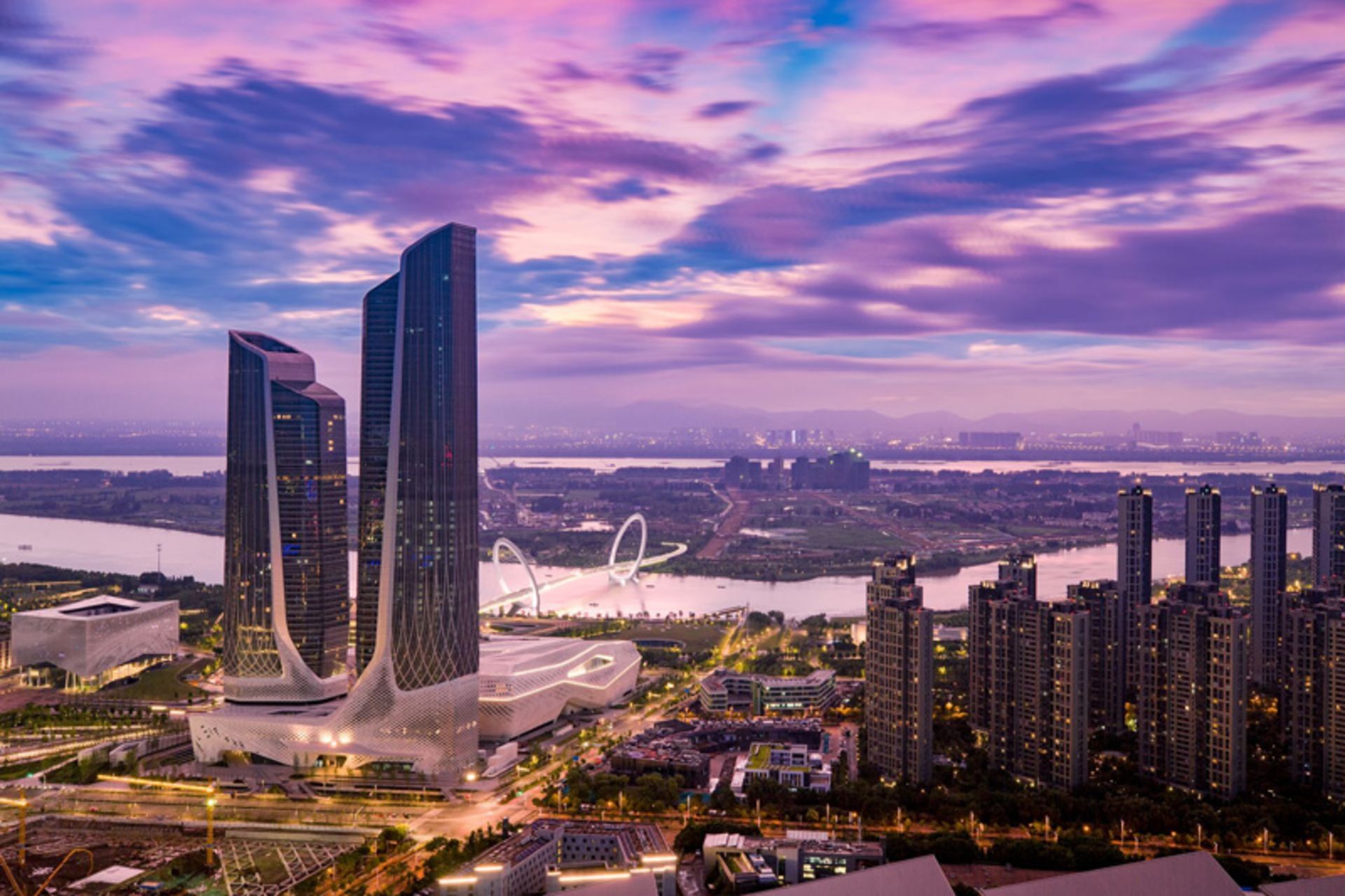
Photographer: Wei-Wang / Getty Images
The central building of the Baya; Sharjah
The Beeah Headquarters was completed in year 6 and served as the headquarters of the Baye Organization. The shape of the building is similar to the desert sand dunes and is equipped with solar panels. The white and bright interior of the building includes the conference hall, a laboratory and the central courtyard. This design is in good harmony with the natural environment around it.
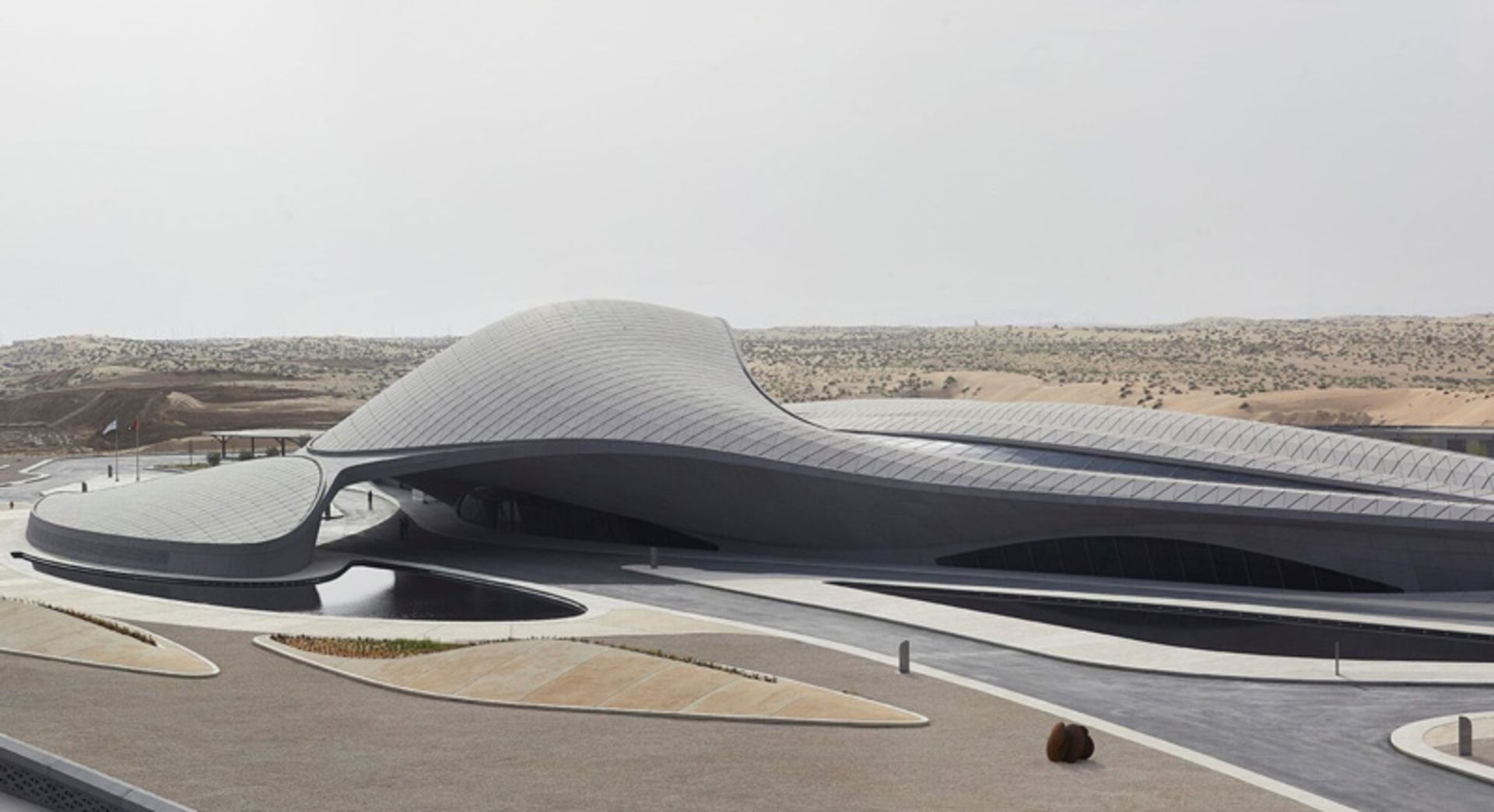
Photographer: Unknown / Hufton+Crow
Sheikh Zayed Bridge; Abu Dhabi
The Sheikh Zayed Bridge is 2 meters long and connects Abu Dhabi Island to the mainland. The design of the bridge is based on sinusoidal waves and took five years. In this project, 1.5 tonnes of steel were used. Although the opening of the bridge was four years later than the program, today is one of the UAE engineering symbols.
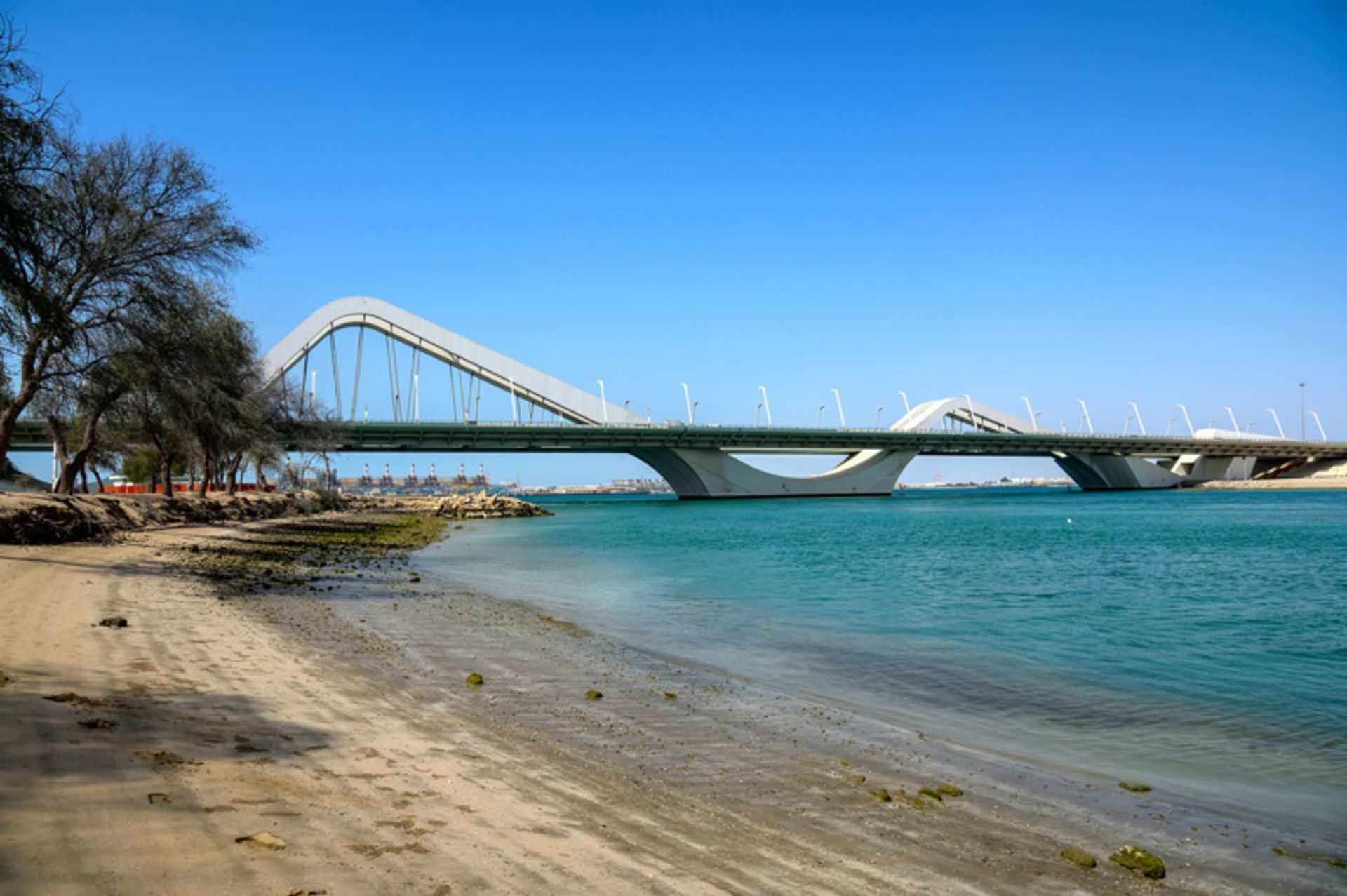
Photographer: Stefan Tomic / Ad Middle East
The tents of the village of Katara; Syria
Before his death, Zaha Hadid completed special tents for Syrian refugees in the village of Katara. These tents are fire -resistant, thermal insulation and displaceable. Their flexible design allows us to use as a classroom and a temporary shelter. This design symbolizes resilience and the role of education in the reconstruction of lives.
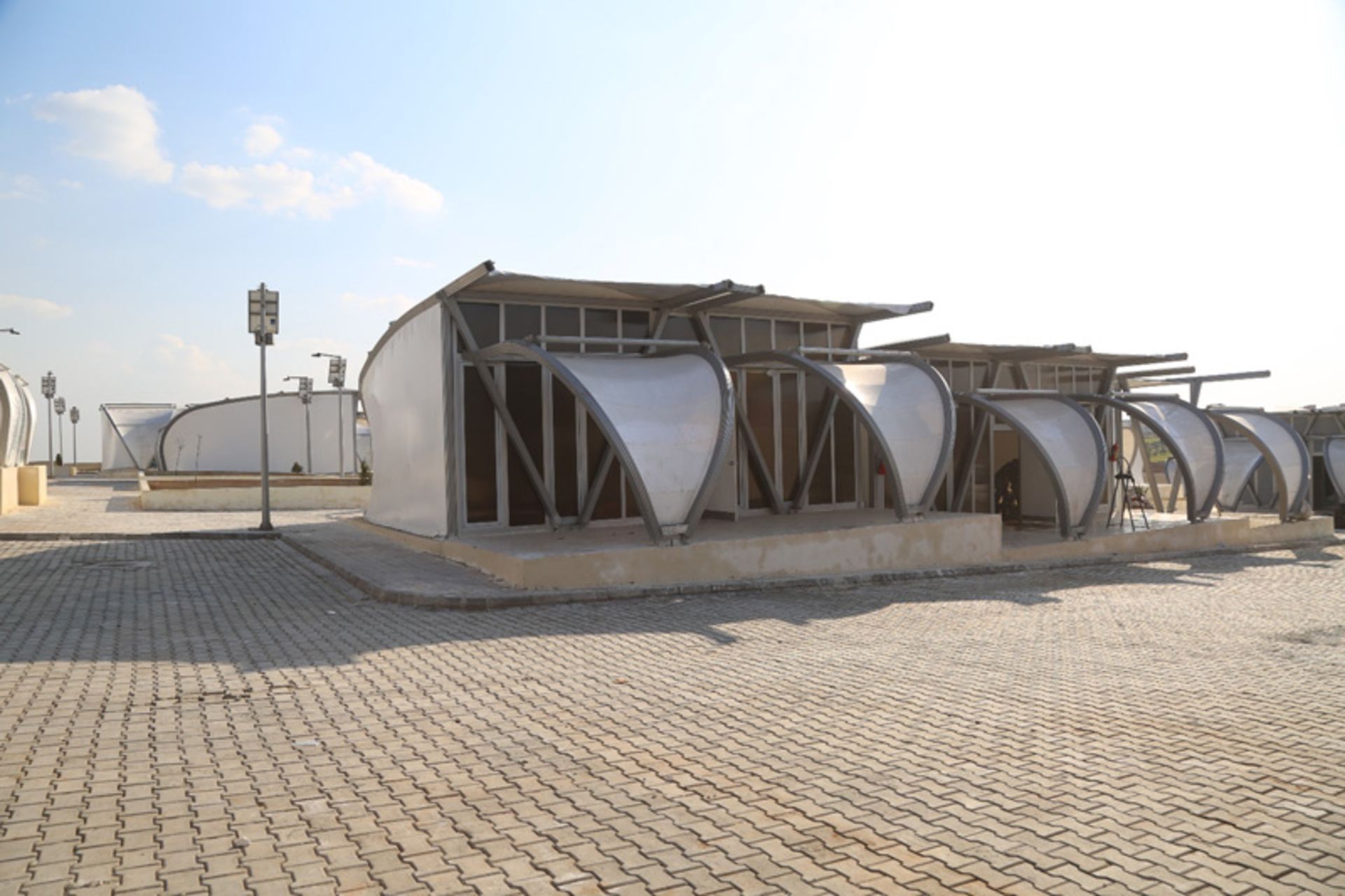
Photographer: Unsual / Admiddleeast
Heydar Aliyev Cultural Center; Baku
The Heydar Aliyev Cultural Center opened in year 6 and has an area of 1.5 square meters. The smooth and wavy view of this structure is made of reinforced concrete and polyester. The Heydar Aliyev Cultural Center received the Design Year Award in London. The same design brought the nickname “Queen of Curves” to Zaha Hadid.
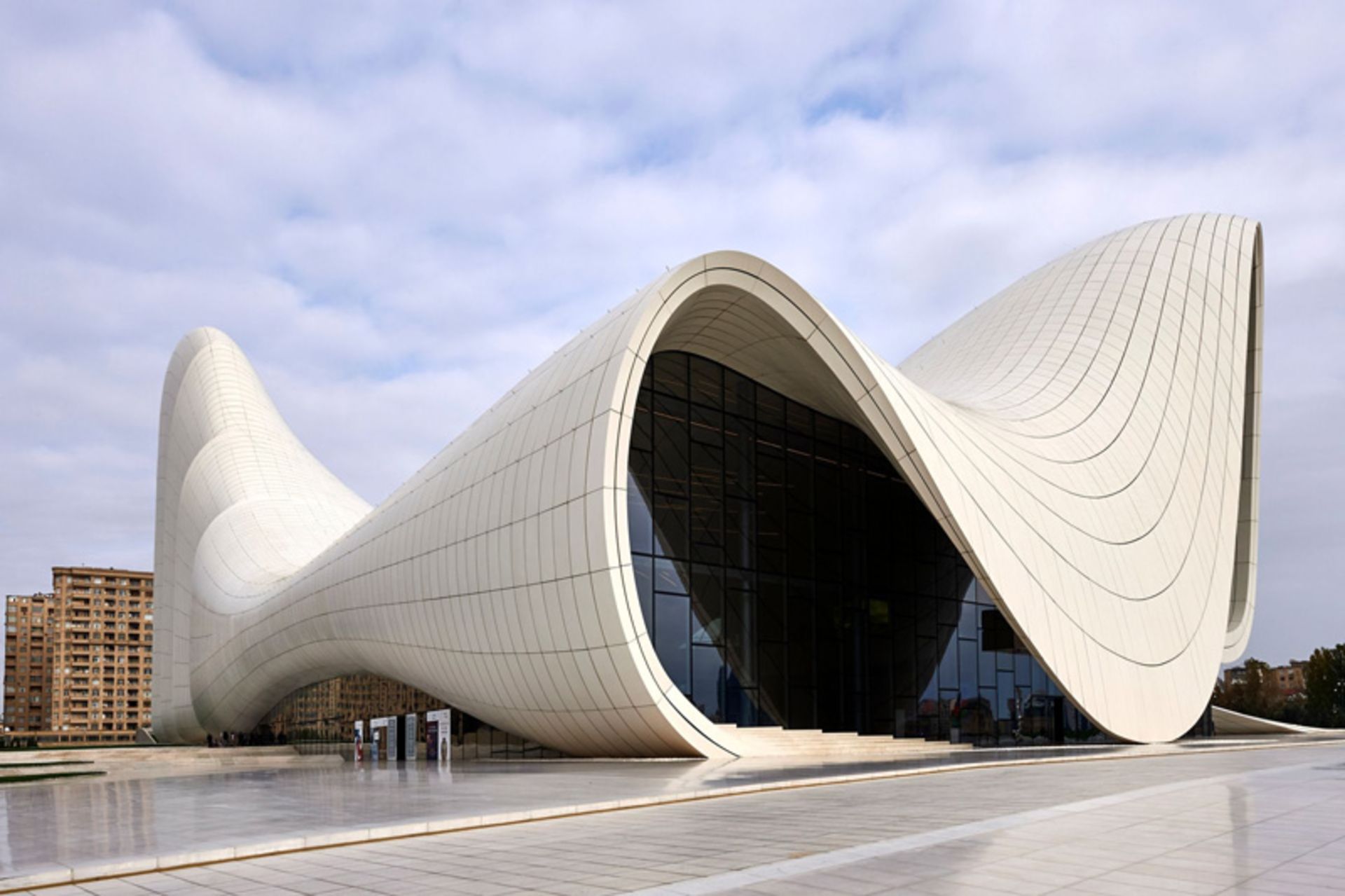
Photographer: Andrea Pistolesi / Getty Images
Antwerp port building; Belgium
The Antwerp Port Building Project opened in year 6, with Hadid’s death. Its design with a promotional volume in the sea shows the innovation of the port city of Antwerp. It was the only government building designed by Hadid. The neo -proof form is a symbol of the forward movement in European architecture.
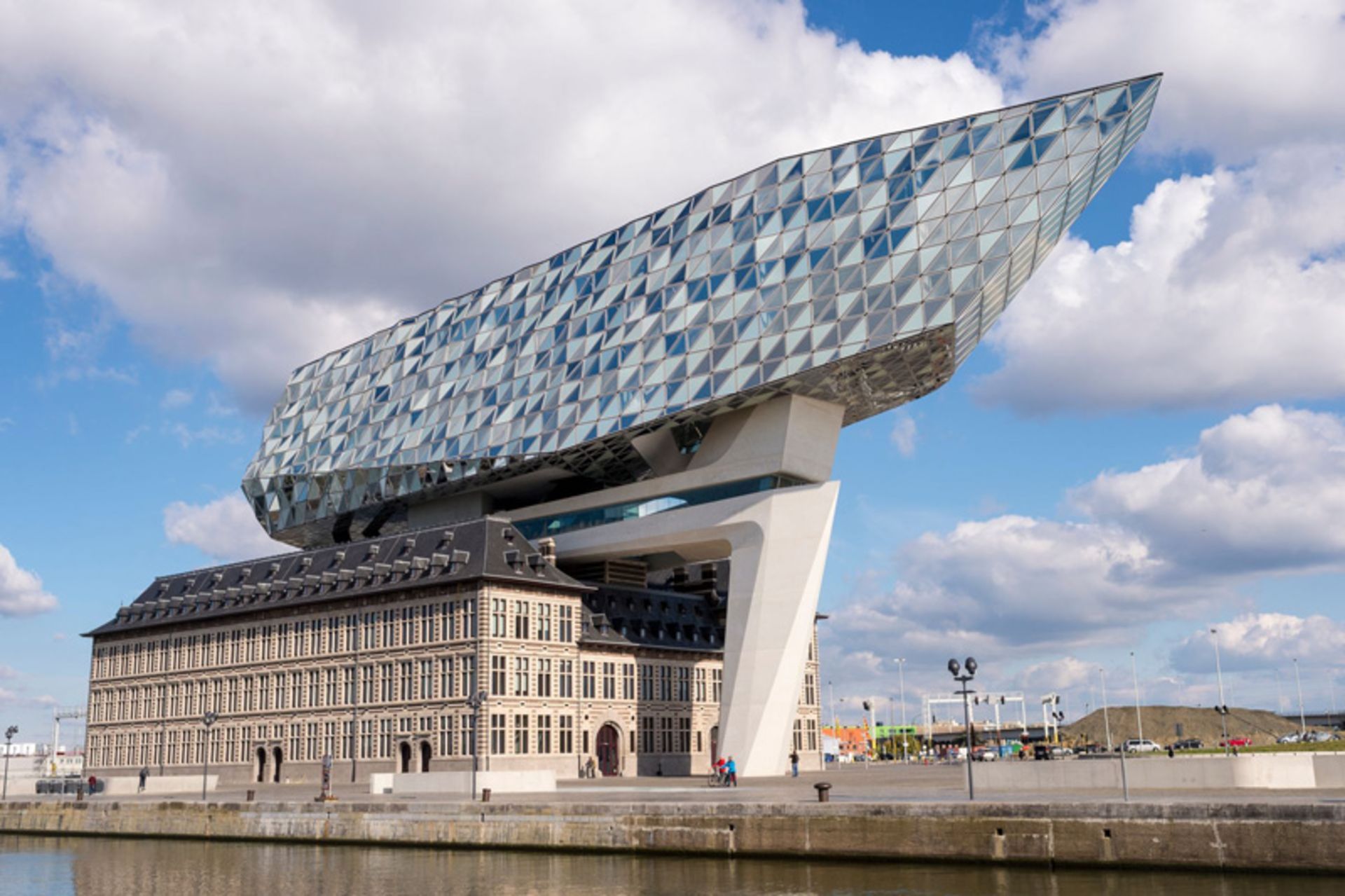
Photographer: Unknown / Getty Images
What do you think about Zaha Hadid’s architectural structures? Which architectural work attracted your attention? Share your views and knowledge with Kajaru.
Cover Photo Source: Zo Magazine | Photographer: Unknown
RCO NEWS