


Symptoms and treatment of gastrointestinal viruses
Gastrointestinal viruses, commonly known as (gastric flu), cause stomach and intestinal inflammation. These viruses can affect anyone and cause a lot of discomfort in the digestive tract. Common symptoms include nausea, vomiting, diarrhea, abdominal pain and sometimes mild fever. Fortunately, many of these do not require serious medication treatment, and with simple home -made tips you can reduce symptoms and improve the body faster.
What is an article in Alamato today called Gastrointestinal Symptoms? You can see the home remedies for gastrointestinal viruses.
Also Read: How do we find out that our body is infected?
What are the symptoms of gastrointestinal virus?
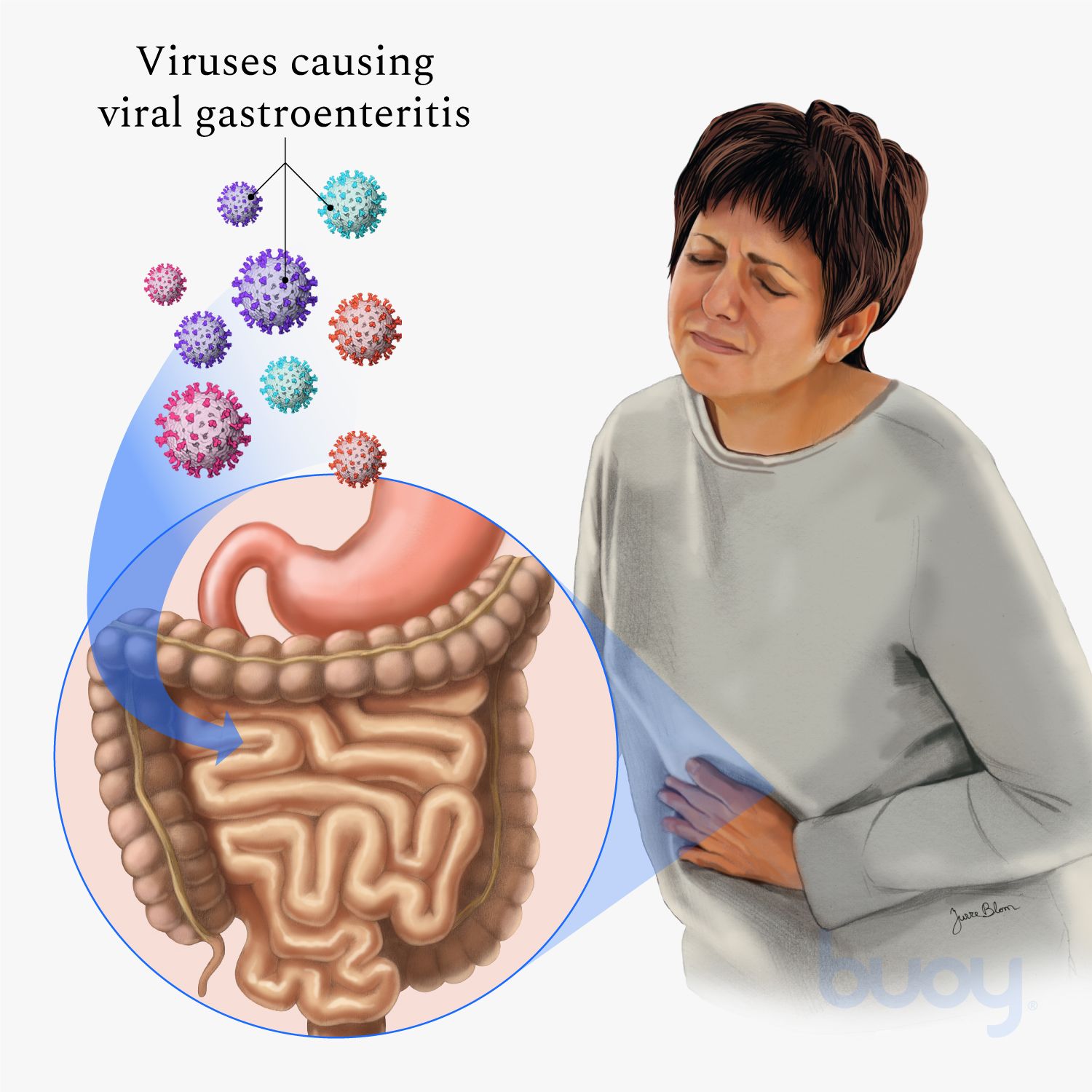
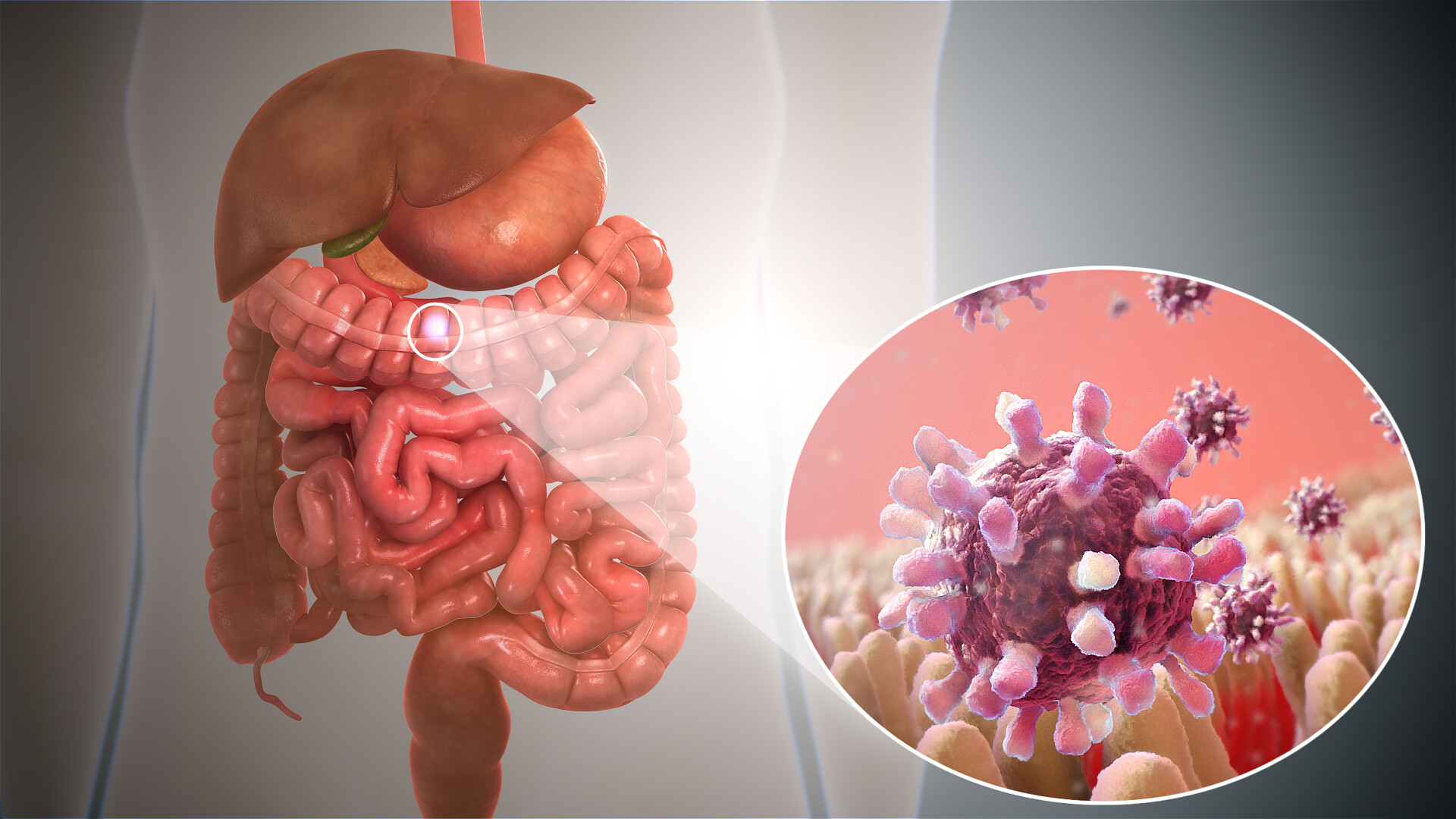
Gastrointestinal viruses, especially neurovirus, cause stomach and intestinal inflammation and cause severe symptoms in the gastrointestinal tract. The virus usually appears 2 to 3 hours after contact with the infected person or surfaces, and the disease usually lasts 2 to 3 days.
Nausea:
One of the first symptoms is usually seen before the vomiting begins. People have a feeling of weakness, fatigue and general discomfort.
Vomiting:
Sudden and severe vomiting is one of the main symptoms of the virus. Repeating repeatedly vomiting a day causes dehydration and general weakness.
Pain or stomach cramps:
Abdominal pain or severe cramps are common in the stomach and intestines. These pains may be associated with bloating and increased bowel movements and exacerbated after each meal.
Watery or Shell Diarrhea:
Repeated and watery diarrhea is another obvious symptom of gastrointestinal infection. This can occur several times a day and cause dehydration.
Also Read: Polycystic Ovarian Symptoms in Girls and Women
Mild fever:
The fever is usually mild and in most cases it is not above 2 degrees Celsius, but it is seen along with gastrointestinal symptoms.
Muscular pain:
People may experience muscle aches, especially in the back, neck and shoulders, which are usually due to general weakness and dehydration.
Headache:
Severe and sudden headaches with dizziness and excessive fatigue are other common symptoms.
Pain in the hands and feet:
Some people have pain and weakness in the end organs of the body that can be due to dehydration and physical stress.
These symptoms appear suddenly and their severity is usually high. In most people, the illness is self -healing and without the need for specific treatment, but in children, the elderly, and people with a weakened immune system, there may be medical care.
Also Read: The first symptoms of high blood lipids in men
Home treatment of gastrointestinal viruses
The treatment of a new gastrointestinal virus, especially neurovirus, focuses more on relieving symptoms and preventing dehydration, and there is no specific drug for direct treatment of the virus, as the disease usually recover over time and recover. In most cases, treatment is provided in a home and supportive, but if symptoms of severe or prolonged symptoms, more medical care may be needed.
One of the most important therapies is to compensate for lost fluids. Vomiting and diarrhea cause dehydration, so consuming fluids is very essential. Water, dilute juices, light soups and electrolyte solutions are good options. It is best to consume fluids regularly, even if a person has nausea, because staying hydrated helps the recovery process and is also effective in excreting the virus. Urine color examination can be a good sign of body water, its dark yellow indicates dehydration, and in severe cases there may be a need to use serum to compensate for fluids.
Enough rest also plays an important role in improving the disease. During the virus, the body should spend its energy on the virus, so resting and avoiding heavy activities in the early days of the disease will make the recovery process faster.
Also Read: Symptoms of Blood Concentration in Women
A lightweight and digestible diet is also important. In the early days of the illness, one’s appetite usually decreases and it is best to use foods that are easy to digest, such as rice, toast, potatoes, bananas and apple sauce. Consuming light soup or dilute broth can also provide the body with energy and not stimulate the stomach.
Using probiotics by the doctor’s opinion is also one of the useful home methods. Low probiotic dairy products or probiotic supplements can help reduce diarrhea symptoms. Painkillers such as acetaminophen can also be used to relieve fever or headache, but if you have severe or prolonged fever, seeing a doctor is essential.
Personal hygiene is important to prevent the spread of the virus and reduce the disease. Important measures include washing hands with soap and soap for at least 5 seconds, disinfecting surfaces, thoroughly washing fruits and vegetables, cooking complete foods and replacing contaminated clothing after entering the home.
It is also advisable to stay home two days after the symptoms end and avoid contact with others. Finally, if symptoms such as diarrhea, fatigue, lethargy, high fever, or stool blood persist, a specialist physician is essential to provide specialized treatments and care. Observing these home tips in most people reduces the severity of the symptoms and accelerates the disease.
Also Read: Symptoms of the Chest Code and the Cause
The last word
In this post we tried to bring you all the signs and symptoms of gastrointestinal viruses to your home remedies. We hope you are helpful.

RCO NEWS
RCO