

In the northwestern Saudi Arabia, Al -Ala is a land of spectacular nature and a deep historical background. Its famous oasis have been in the hearts of the sandy mountains of the habitat of plants, animals and human societies for thousands of years. What distinguishes Alla is a geological legacy that accommodates three different periods of earth’s history. The earliest part, the Preskambrian Arabic shield, is covered with millions of years of sediment, preserving fossilized plants and animals and offering a lasting perspective of the earth’s past. Here are some of the surprises of Alala; So join us. (gulfnews)
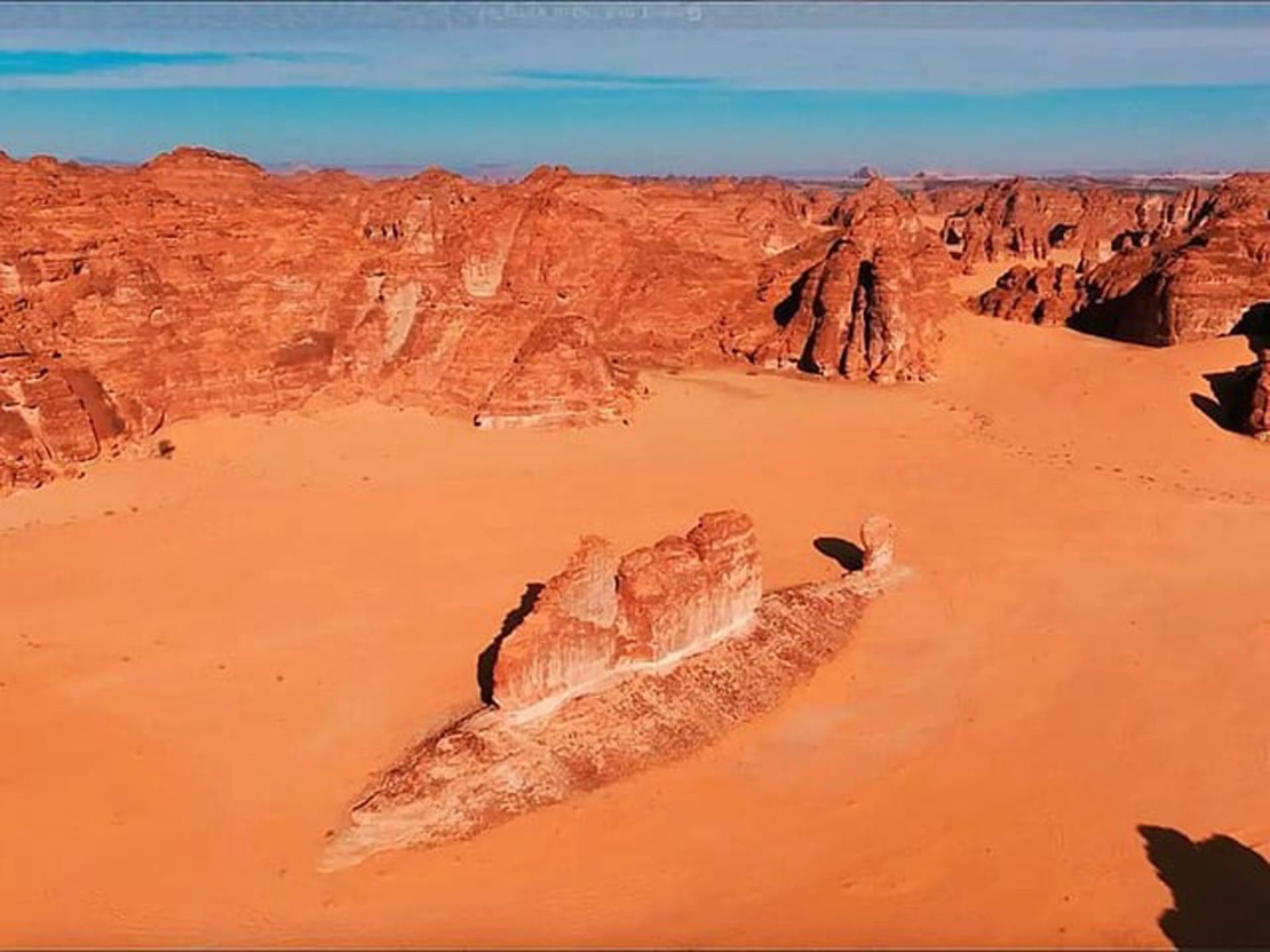
The fish cliff; A natural surprise of 2 meters
Fish Rock in Wadi Al-Fann is a sandy sandy structure of about 2 meters high that looks like a giant marine creature in the desert. The release of its first images in cyberspace aroused the idea of an ancient fossil and led to the formation of legends; But experts see its formation as a result of natural erosion. According to the Royal Al -Aala Commission, the ancient rivers created the rock about 5 million years ago.
Photographer: Unknown / gulfnews
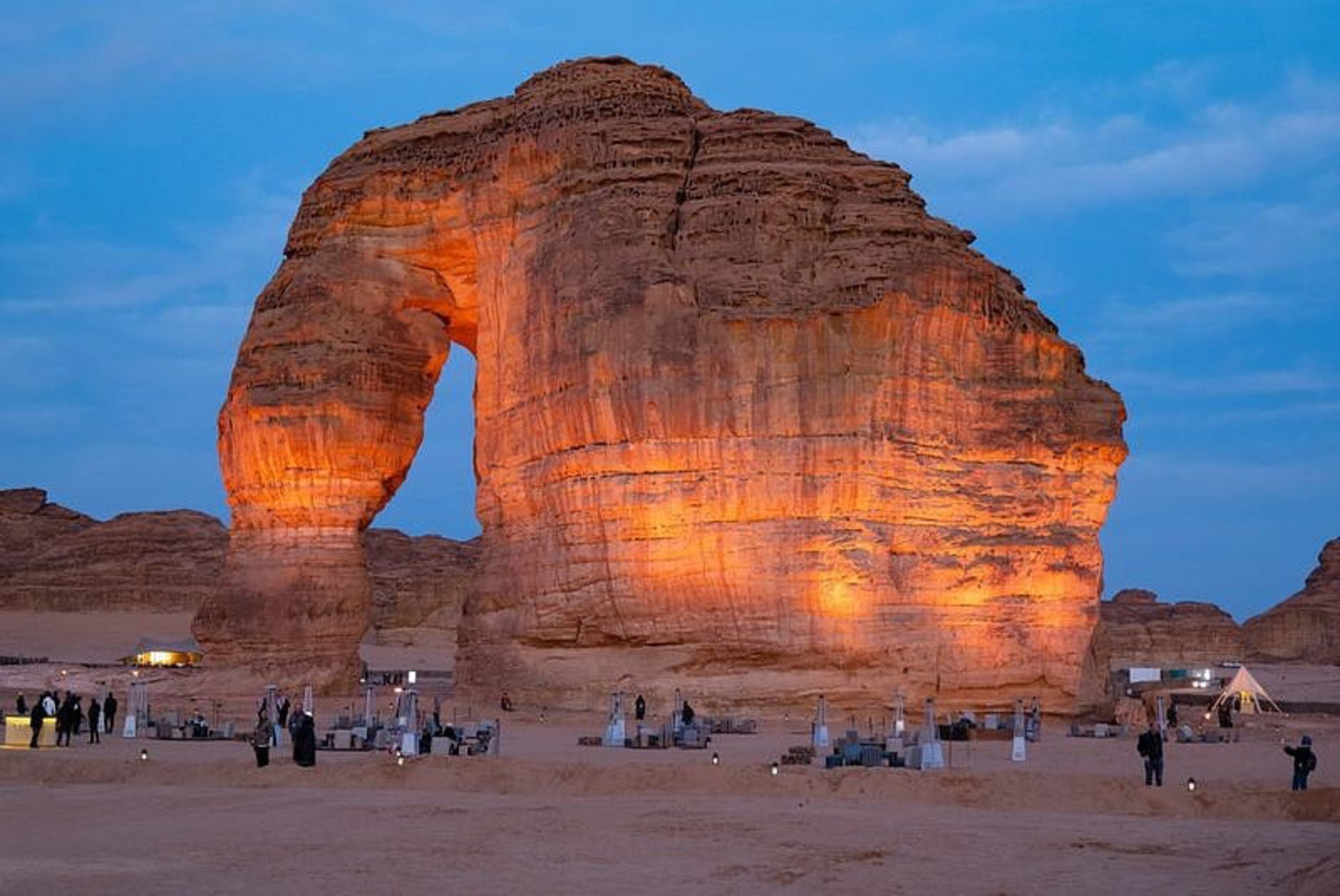
The elephant’s cliff; The lasting symbol of Al -Ala
The Elephant Rock, the most famous natural surprise, is 2 meters high and, like the giant elephant, looks like it has landed on the ground. Unlike the ancient tombs of “Herra” near the human hand, this huge sandy rock cliff has been formed for millions of years due to wind and water erosion. The elephant rock among the golden sands and other magnificent structures is the dominant view of the area and the eternal reminder of the art of nature and the endless power of the desert.
Photographer: Unknown / gulfnews
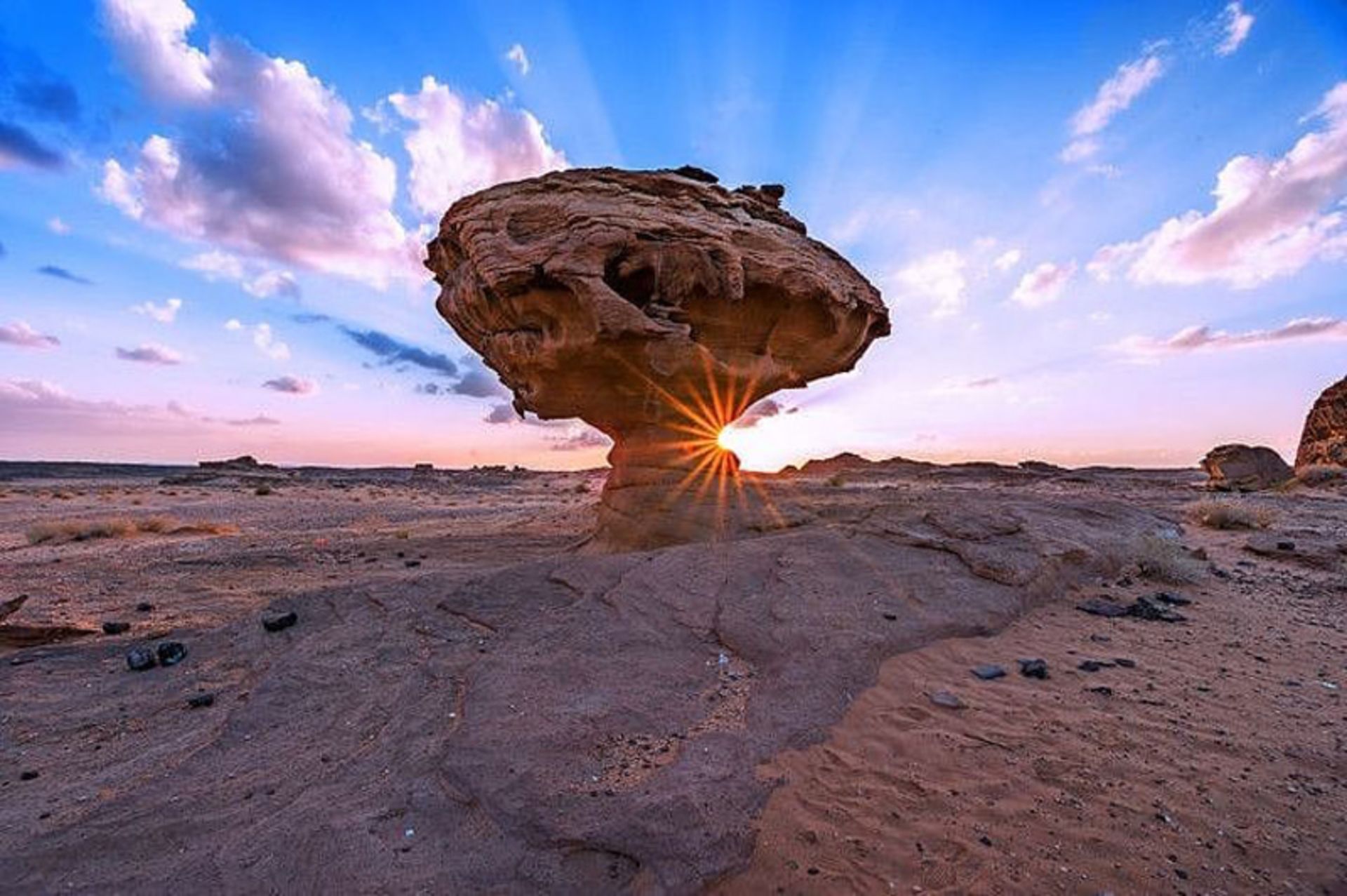
Fungal cliffs; Effects of millions of erosion
In the Sharaan Natural Reserve in Al -Ala, rocks are the most notable natural phenomena in the region. The most famous of them has been formed for millions of years of erosion; Where the wind makes the softer layers of the sand at the bottom faster and form a mushroom -like shape. The 5.5 -square -kilometer reserve includes red sand valleys, desert valleys and seasonal wild flowers and aims to protect and revitalize the fragile ecosystem.
Photographer: Unknown / gulfnews
The face of the face; A stone -shaped stone
Among the huge and magnificent tombs of “stone” and near Jabal Al Ahmar, Face Rock; A sandy sand structure like a human head staring at the horizon of the desert. Like many of the natural wonders, this rock has been formed over the centuries and the best time to visit it is at sunrise or sunset; When the game of light creates an amazing illusion and looks like the rock as if it shines from within.
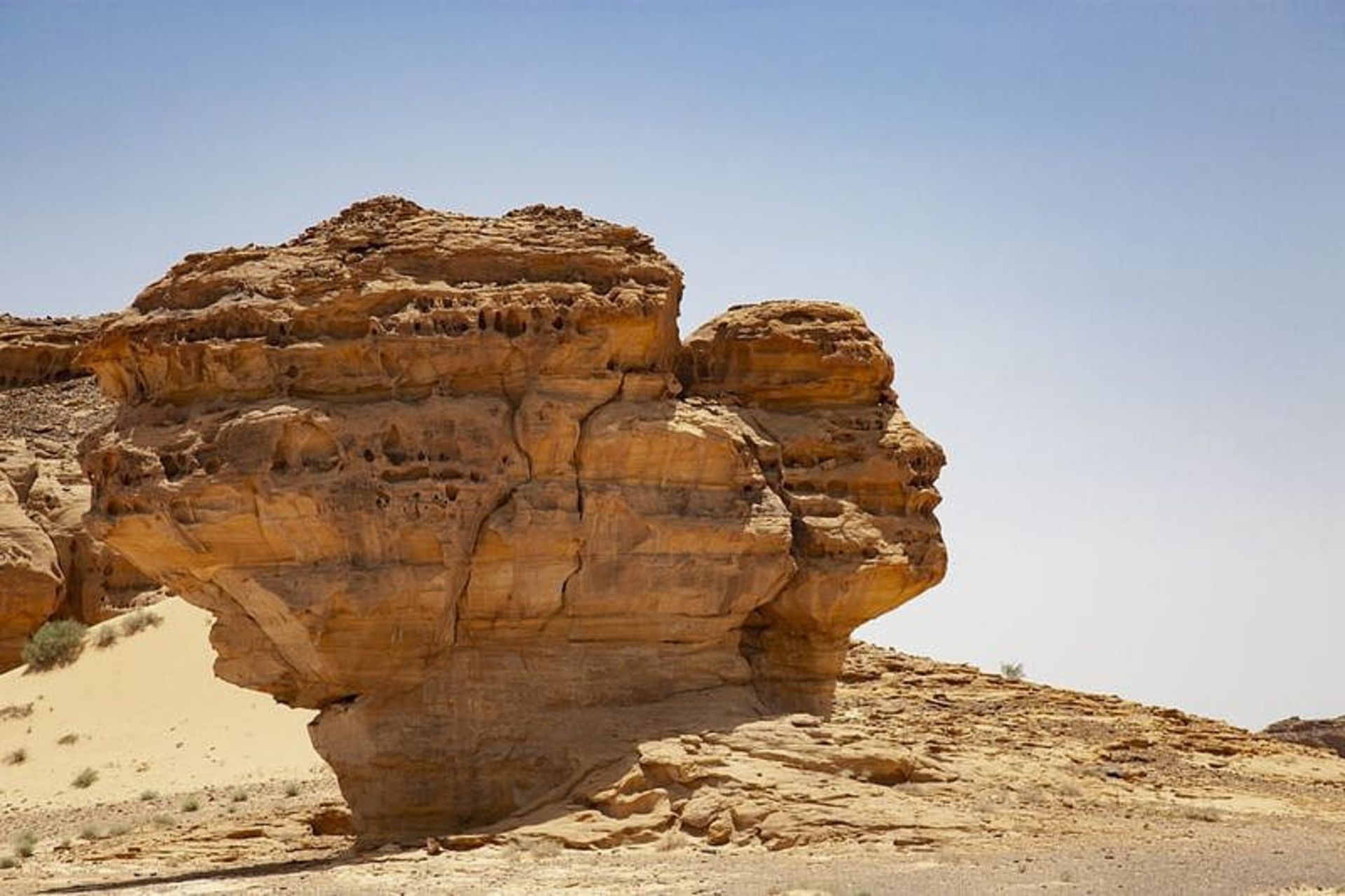
Photographer: Unknown / gulfnews
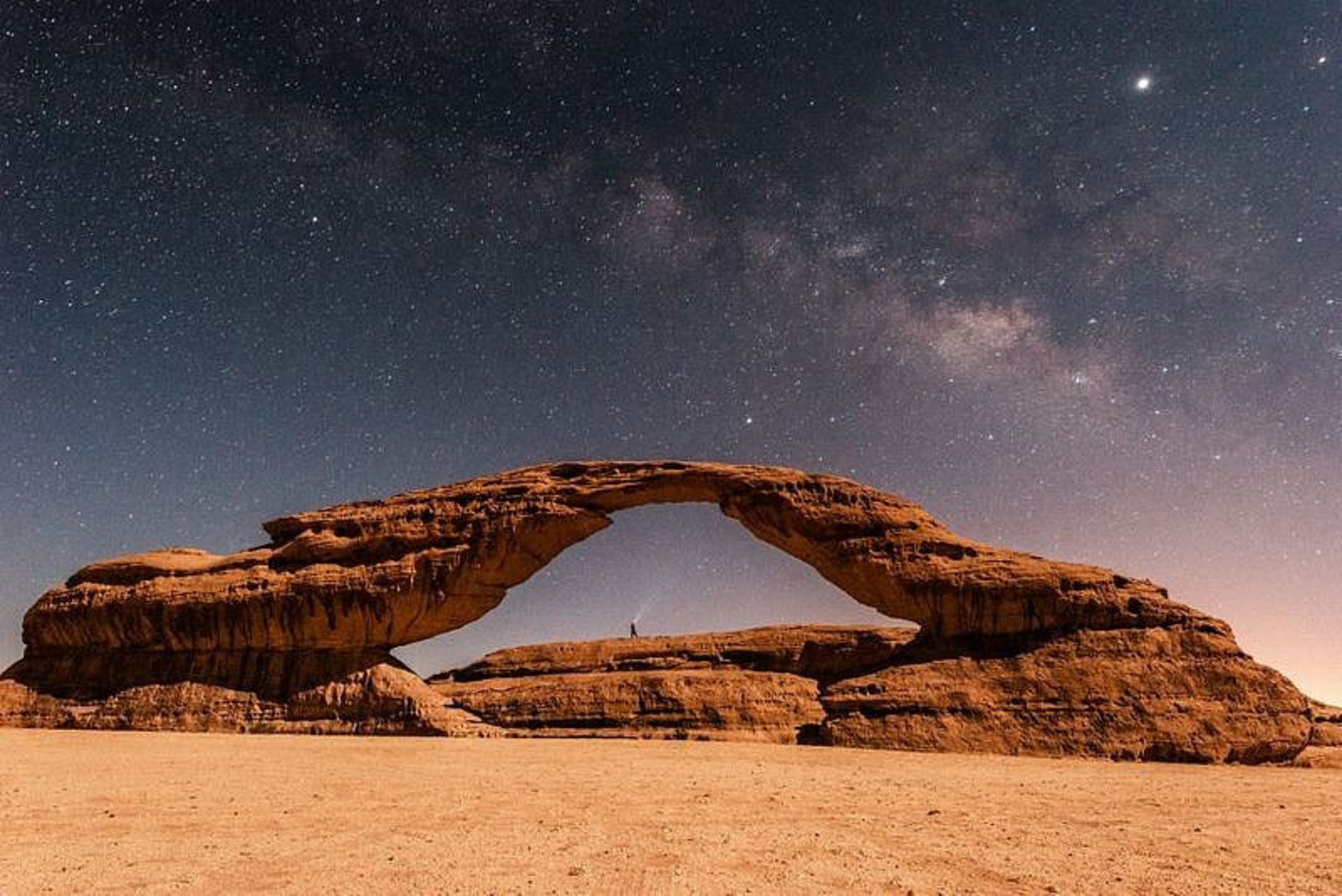
The rainbow cliff; Bridge -like arch
The Arch, also known as the “Rainbow Rock”, is one of the most spectacular natural wonders in its amazing and amazing shape that resembles a rainbow between two clouds. This huge sandy sand, with a spectacular and rare look, enchants visitors. Around this natural vault, you can also find small and bright crystals called “desert diamonds” that add to its charm.
Photographer: Unknown / gulfnews
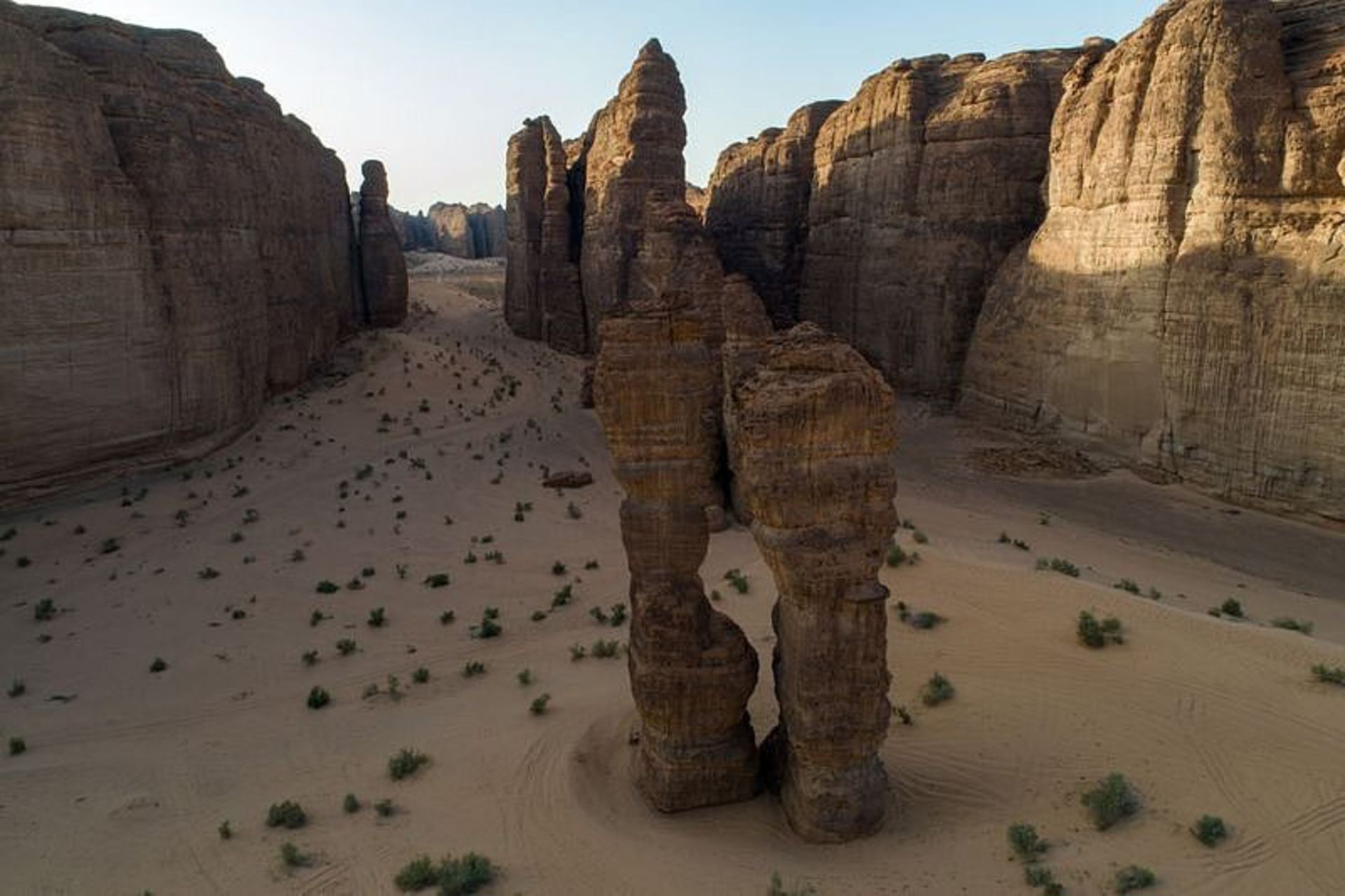
Dance stones; Live rocks of nature
“Dance Stones” have taken their name from a special form for which nature has been shaved; Stones that are in harmony and simultaneously are dancing. This phenomenon is located in the Raggasat Valley and is just a little away from the stone formation around it. The same feature has made it a unique place for mountaineering as well as the exciting experience of Dune Buggy;
Photographer: Unknown / gulfnews
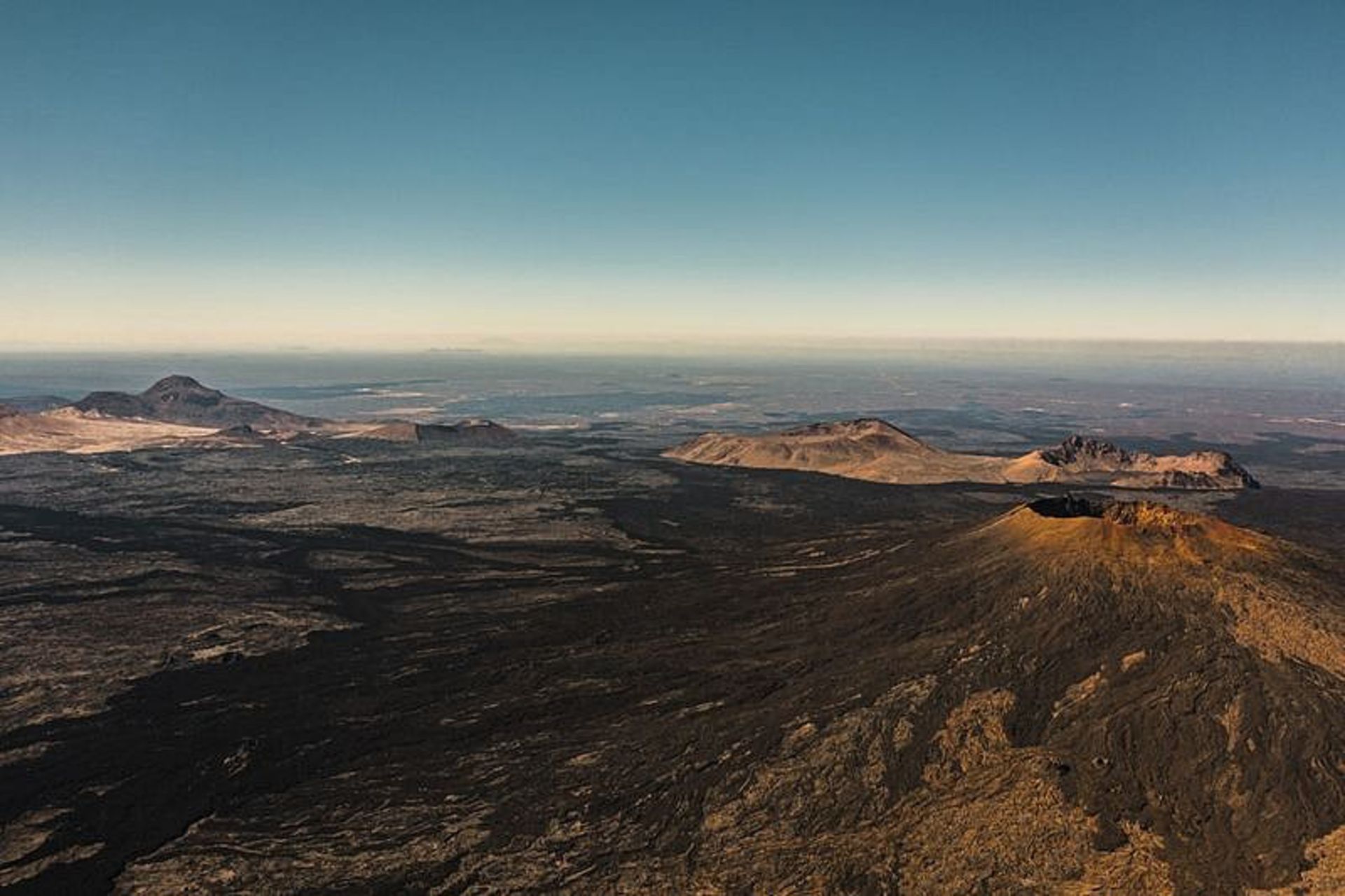
Off -firefighters; The contradiction of the golden sand and the black stone
In the heart of the remote deserts of Al -Ala, there are amazing landscapes of black basal rocks and silent volcanoes; Where these stone masses stand over the sands and sews of their golden sand. This contradiction of color and texture creates imaginative and supernatural landscapes. Some of these areas are accessible to tourists, and with the help of a guide, you can even walk over a volcanic crater. Khyber Oasis in the neighborhood of Al -Ala has a special reputation with two famous white volcano attractions and black volcano.
Photographer: Unknown / gulfnews
Lava flows; Thousands of years of volcanic legacy
The lava currents are evidence of the first human activities in Al -Ala as well as in the Harrat Uwayroid and Hara Khyber areas in the northwestern Saudi Arabia. These important volcanic areas form two of the largest areas in Saudi Arabia. Hara Khyber contains a stunning 5 -kilometer lava system, including lava domes, basalti cones and Jebel al -Qadr volcanic mountain. Significant lava flows from volcanic events are also seen throughout the region.
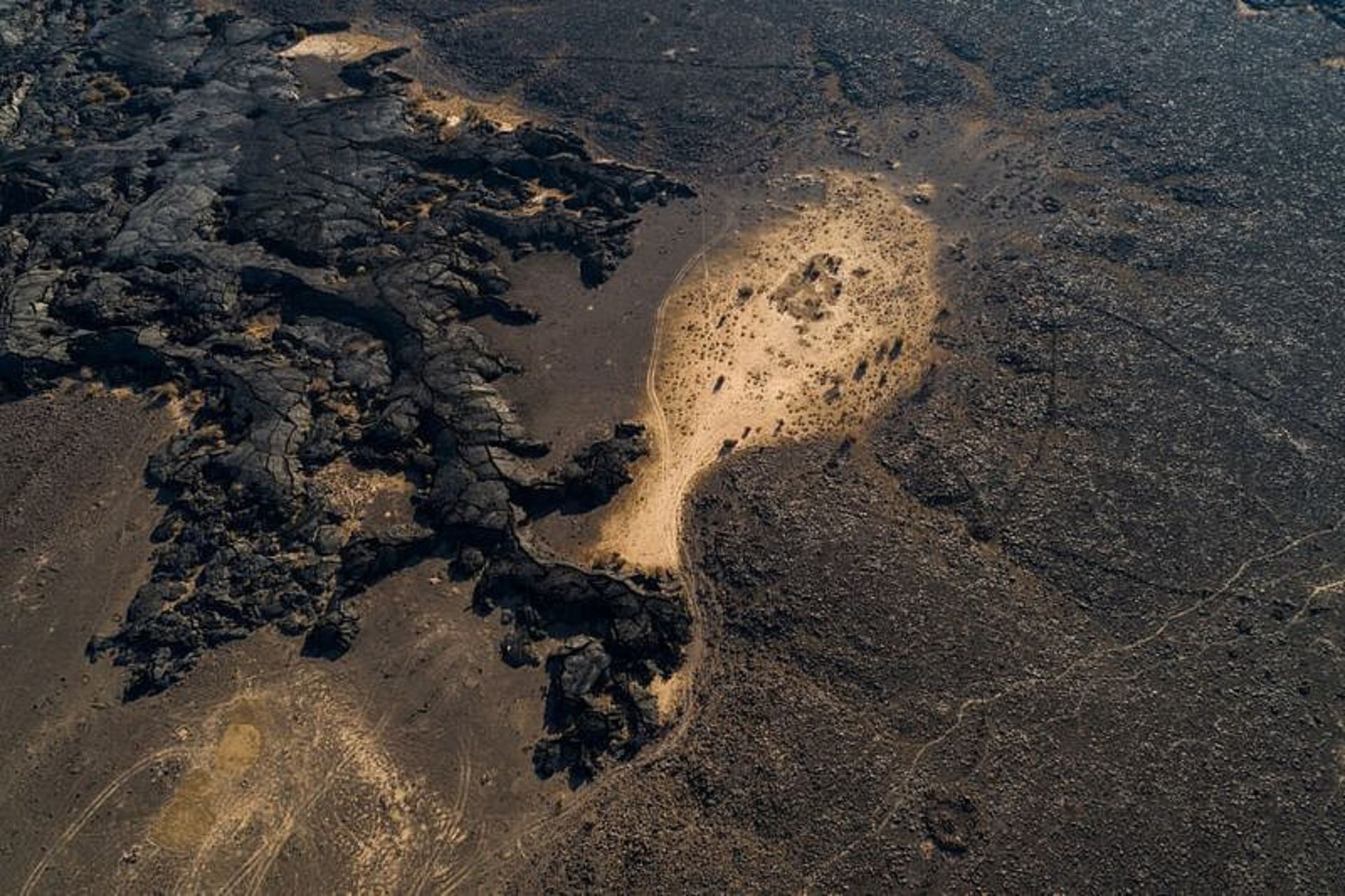
Photographer: Unknown / gulfnews
Which of these natural works make you surprise more? If you had the opportunity to travel to Al -Ala, would you like to visit first? Please share your valuable look and opinion with Kajaro and its companions.
Cover Photo Source: Gulfnews, Photographer Name: Unknown

RCO NEWS