

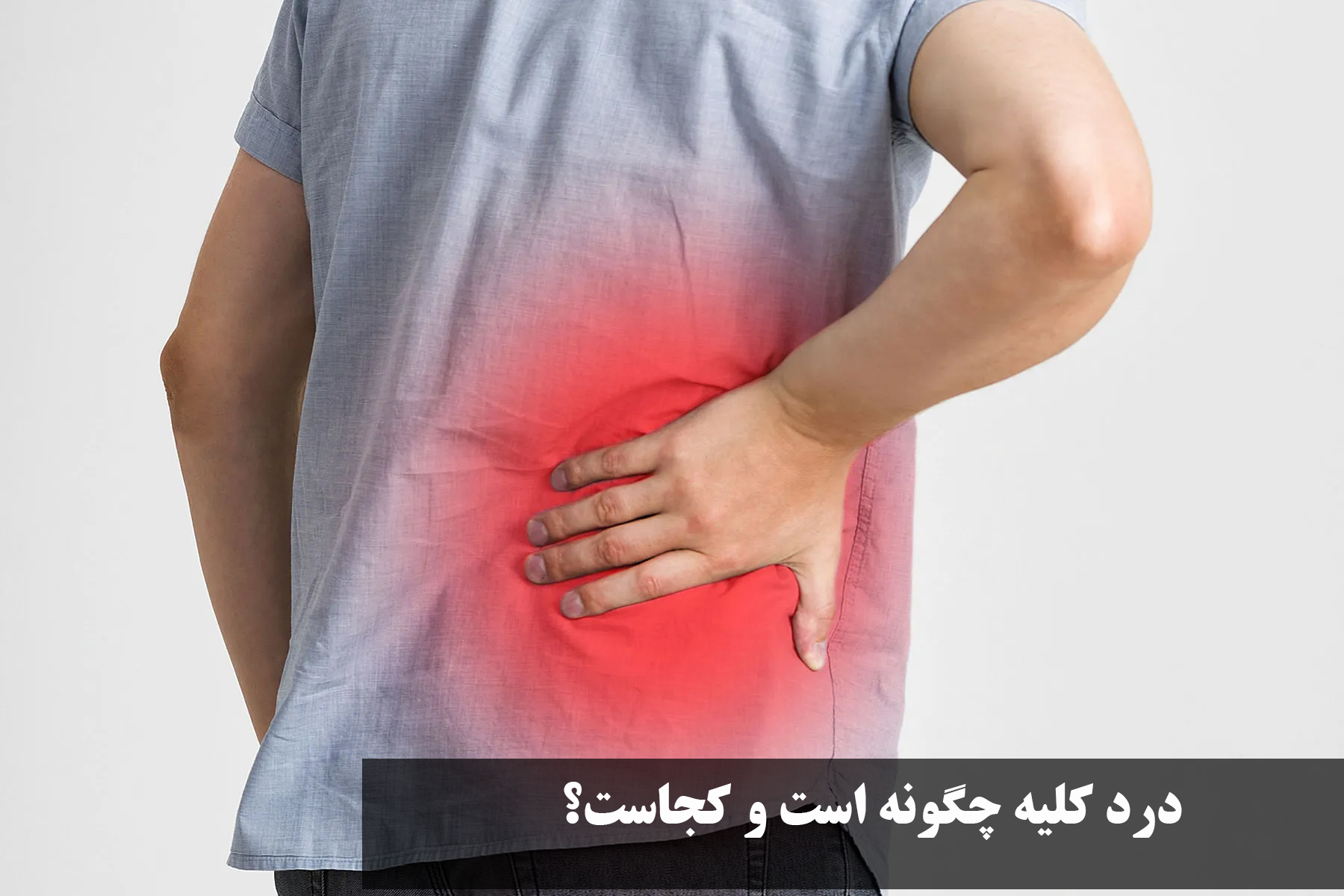
Kidney pain is one of the annoying pains that are usually felt in the lumbar and flanks and can be a sign of kidney problems such as infection, kidney stones, or urinary tract clogging. Understanding the type and location of pain and timely action can prevent the problem from exacerbating the problem.
How is it in Alamato today called kidney pain and where is it? How to relieve kidney pain? We have brought you with us.
Also Read: Symptoms of kidney stones
How is kidney pain?
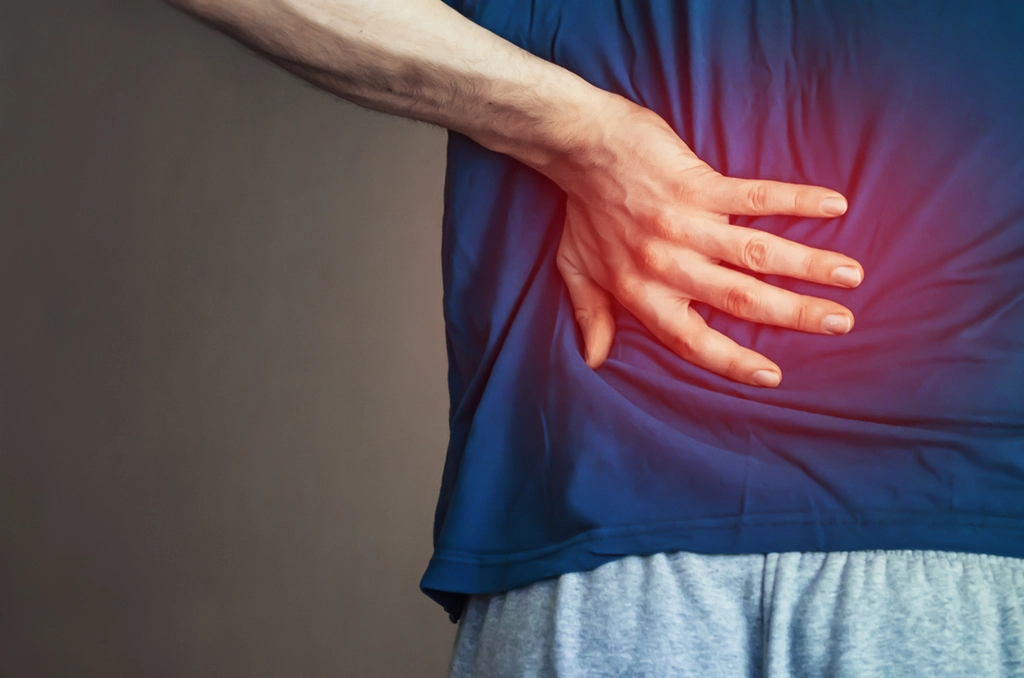
Kidney pain is a feeling of discomfort or pain in the area where the kidneys are located, two bean organs that are located just below the chest and on both sides of the spine. This pain is usually felt in the upper half of the waist, under the ribs and on one or both sides of the spine and may spread to the abdomen, groin or even pelvis. Many people confuse kidney pain with low back pain, but there are differences between the two, the back pain is usually felt in the middle or lower back and may also be stretched to the legs, while the kidney pain is deeper and constant and its location is higher.
Sometimes kidney pain is confused with other problems such as appendicitis, ovarian or testicles, gastritis and urinary tract infections, as pain can be referred to other parts of the body. Early symptoms of kidney problems include high fatigue, sleep problems, dryness and itching, frequent urination, blood or foam in urine and swelling around the eyes and ankles. As the problem progresses, nausea, vomiting, muscle cramps and shortness of breath may also appear.
Also Read: What is the middle pain of the chest when breathing?
Where is the kidney pain?
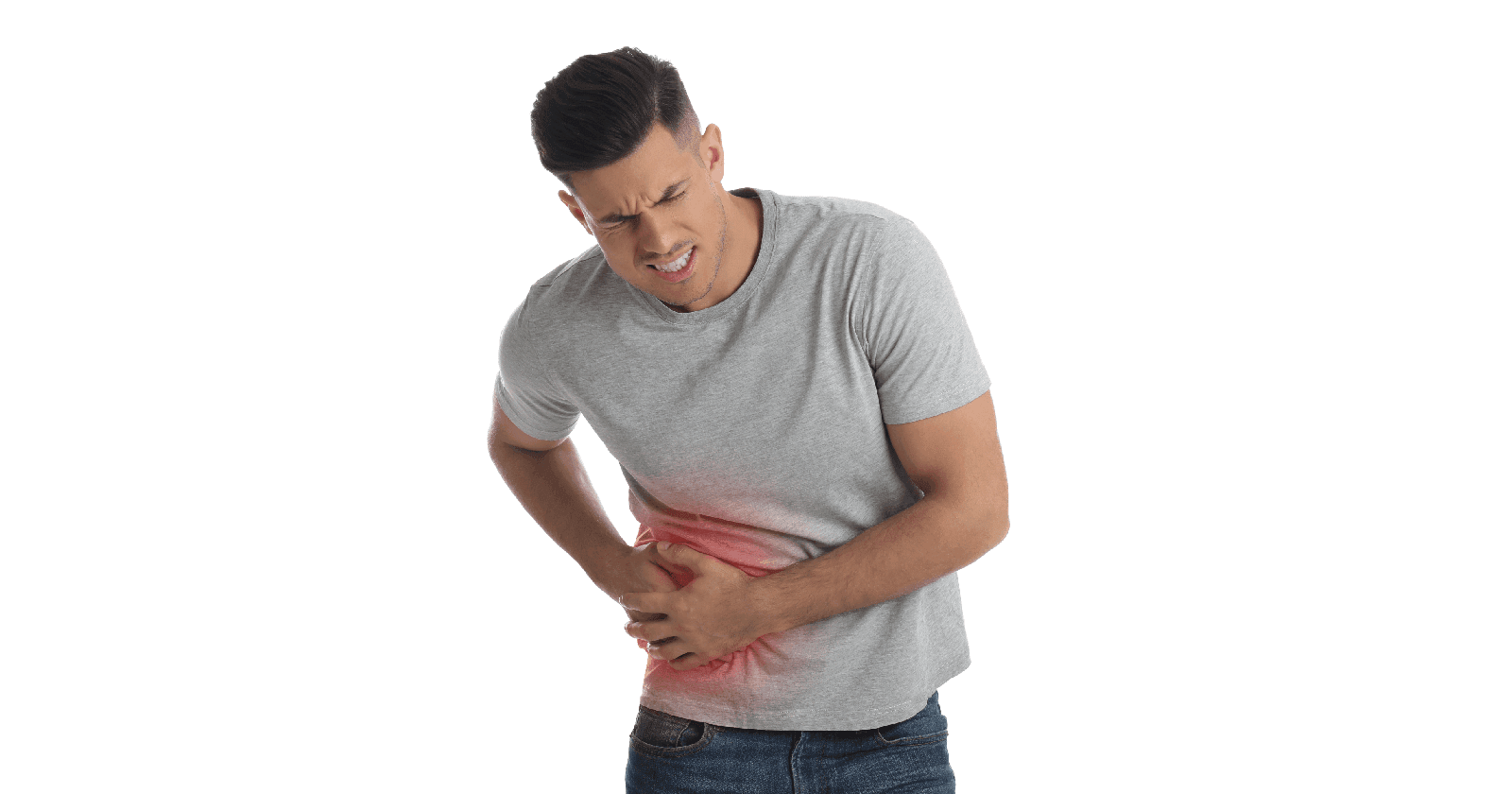
Kidney pain is usually felt in the body of the body, which is associated with the anatomical site of the kidneys. The kidneys are two bean organs that are on both sides of the spine, just below the chest and in the middle to the upper back. The right kidney is slightly lower than the left kidney, as the liver occupies more space on the right.
Kidney pain is often felt in the sides, under the ribs and near the spine and may be spread to the abdomen, groin or even areas around the genitals. Unlike the back pain, which is usually exacerbated at the bottom of the waist, with the movement or pressure, the kidney pain is deeper and becomes more sensitive to the sidewalk. This pain may be associated with symptoms such as burning or pain in the urine, blood in the urine, fever and chills, nausea or frequent urination.
Common causes of kidney pain include kidney stones, kidney or urinary tract infections, physical damage to the kidney and some other diseases such as polycistic or tumors. Understanding the exact location of the pain and paying attention to its associated symptoms can help quickly diagnose and prevent serious problems.
Also Read: How is the heart pain and where does it go?
How to relieve kidney pain?
Kidney pain can be very annoying, but there are ways to reduce pain and reduce discomfort. In the first step, the use of heat is very effective, you can place a warm water pad or bottle of warm water on the waist, abdomen or side to reduce pain. If the pain persists, non -prescription painkillers such as acetaminophen or ibuprofen can be used, as long as you have no problems such as liver or kidney damage.
Enough resting and drinking enough water is another simple and effective way to relieve kidney pain. Consuming about 1 to 2 liters of fluids a day helps to dilute urine and excrete bacteria and stones. In winter, if you do not want to drink water, hot soups or hot liquids are a good alternative. Some natural plants and juices such as blueberry juice, basil juice, pomegranate juice, lemon juice, celery and parsley can help combat urinary tract infections and kidney stones, but it is best to consult a physician before starting the water diet.
Probiotic foods such as yogurt, yogurt or curd also help the health of the kidneys and the fight against harmful bacteria. Drinking green tea or dandelion tea with antibacterial and urinary properties can also help reduce pain.
Also, avoid alcohol and caffeine drinks, as they can cause dehydration and exacerbate pain. Restricting high salt foods, high animal protein and some oxalate -containing foods such as spinach and nuts also help kidney health.
Finally, if the pain is severe, with fever, blood in the urine or unusual symptoms, be sure to see your doctor, as home remedies alone are not enough in severe cases. Pregnant women should also see a doctor immediately if kidney pain.
Also Read: How is fatty liver pain? Where is the pain of fatty liver
Powerful painkillers for kidney pain
Acetaminophen:
Acetaminophen is a common painkiller for mild to moderate kidney pain or kidney stones. It works by reducing the production of prostaglandins that chemicals are responsible for pain and inflammation in the body and helps reduce discomfort. Proper use of acetaminophen is usually safe, but long -term use or high dose can damage the liver, so it should always be used as directed.
Ibuprofen and Naproxen:
These drugs are from non -steroidal anti -inflammatory drugs and are used to reduce kidney pain or kidney stones. They reduce pain by inhibiting prostaglandins production and are often effective for moderate pain. However, long -term or high dose can cause complications such as stomach upset, heartburn, and kidney damage, so it is best to be taken under the supervision of a physician or directed.
Opioids: Like morphine, oxcodone and hydrochodone:
Epioids are strong painkillers for severe kidney or kidney stones that block pain signals by binding to brain and spinal cord receptors. These drugs should only be taken under the prescription of your doctor, as they may cause addiction, dizziness, drowsiness, nausea and constipation, and their prolonged use is dangerous.
Also Read: What to do for Denton?
The name of the abdulum pain
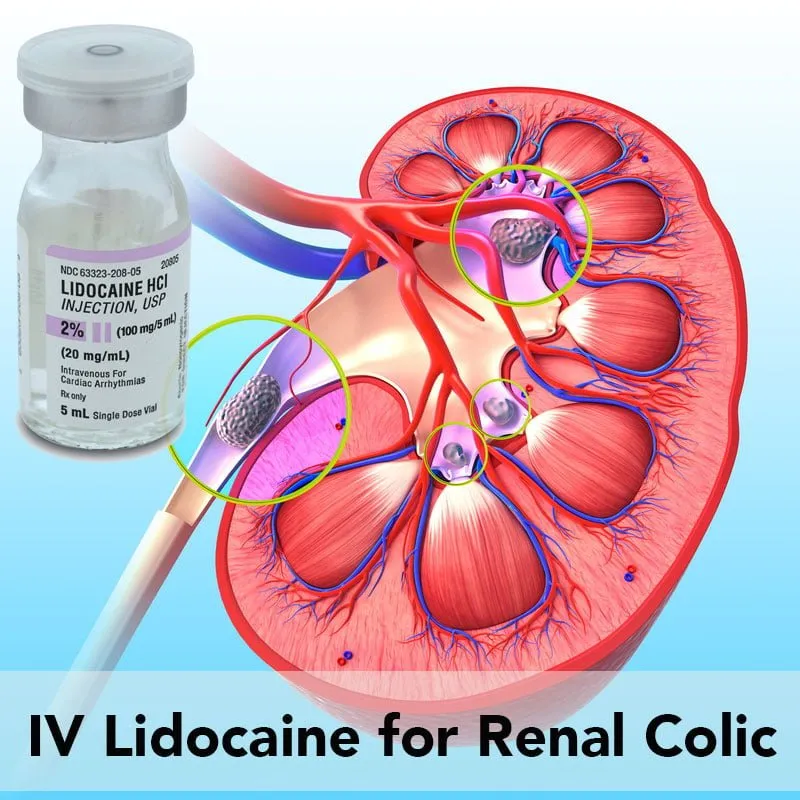
Ketorolac: Catorolac is a powerful non -steroidal anti -inflammatory drug used for acute kidney pain, especially from kidney stones. Usually the dose of 1 to 2 mg is administered as a muscular or venous injection every 2 hours and its maximum daily use is 2 mg. This drug should not be used for more than 5 consecutive days, as the risk of kidney and gastrointestinal complications increases and the injection should be done by the medical staff. Possible complications include gastrointestinal problems, kidney damage, allergic reactions and drowsiness or dizziness.
Petidine: Petidine is an opioid drug that is used for severe kidney pain that does not respond to conventional painkillers, such as acute kidney stones. The usual dose of 1 to 2 mg is muscular or intravenously injected every 2 to 5 hours and should be injected in the medical environment under the supervision of a physician. Its complications include severe drowsiness, dizziness, nausea, constipation, breathing reduction, and the risk of dependence and addiction if used long. Use in patients with respiratory, liver or kidney problems and in pregnant or lactating women is only allowed to prescribe a physician.
Hyoscine butylbromide: Hyosin is an antispasmodic drug used to relieve pain caused by urinary tract or renal colic. Usually, a dose of 1 to 2 mg is administered one to twice a day as an injection or intravenous injection and should be injected by a nurse or physician. Possible complications include dry mouth, blurred vision, constipation and increased heart rate. In patients with glaucoma or bowel obstruction, it is forbidden and may not be sufficient for severe pain alone.
Diclofenac: Diclofenac is a non -steroidal anti -inflammatory drug used for severe and inflammatory kidney pain, such as kidney stones or infections. The usual dose of 2 mg of muscle injection is once or twice a day and should not be taken more than 5 consecutive days. Its complications include stomach irritation, ulcers or gastrointestinal bleeding, headaches and dizziness. Disagement in patients with kidney, liver or gastrointestinal problems should be done with caution.
Also Read: What is the cause of knee pain in youth?
The last word
In this post we tried to bring you full and accurately about kidney pain and hope you will be helpful and answer your questions.

RCO NEWS
RCO