

Did you know that Iran’s second tall peak after Damavand is in the heart of Central Alborz? Al -Kuh, with magnificent stone walls and astonishing landscapes, is known as the Iranian Alps. But where is science? When is it more appropriate for climbing? And what paths do you have to this dream peak? If you are interested in nature, mountaineering or even watching the pure scenery, this article is for you. Follow along with Fly Todd Tourism Magazine to find out everything about the location, access routes, climate, the best travel season and sightseeing around Alam Kuh. Maybe this time you decided by planning one Travel to MazandaranExperience this magnificent summit closely.
Where is the science of the mountain?
Alam Kuh is located in an area called Takht -e -Soleiman in Mazandaran province and near Kalardasht city and is considered one of the sights of Mazandaran. The summit is part of the central Alborz Mountain and is about 2 kilometers southwest of Kalardasht. From the north, the lush forests and the good -natured villages of Kalardasht are seen and the south, the Taliban landscapes and the Prachan plains are wide. This unique geographical location has led to the atmosphere of forest and mountainous landscapes at the same time; A less featured feature in other mountains of Iran.
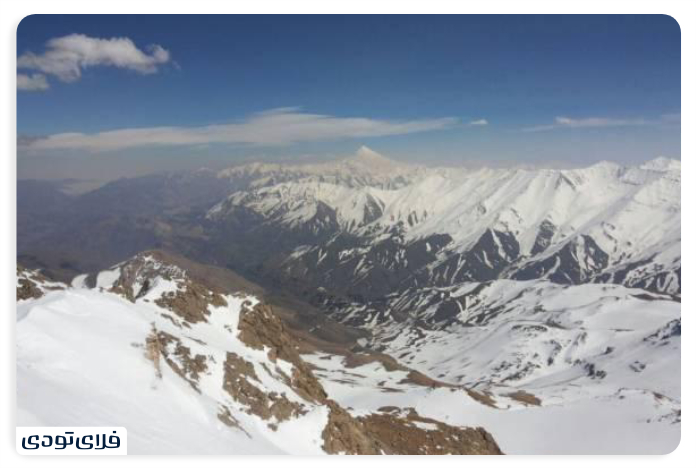
The approximate height of Alam Kuh is 2 meters and after Damavand Peak It is the second tall peak of the country. There are dozens of other peaks at a height of 2 meters, such as blacksmiths, beds and science, all of which are part of the large set of beds. The same density of the high peak has made the area named among the Iranian Mountain Paradise climbers.
What has made the most famous is the northern wall. A wall of granite with a height of about 2 meters, one of the toughest and most technical climbing paths in the Middle East. European climbers conquered the wall for the first time in the 1980s, and since then, domestic and foreign teams have reopened various routes on the wall. Therefore, Alam Kuh is not just a simple mountaineering destination, but also a symbol of technical ability and great challenges in Iranian mountaineering history.
- Distance to Kalardasht: 1 km
- The Science of Mountain from Sari: 1 km
- Gross of Mountain from Tehran: 1 km
- The Mountain Science Distance from Chalus: 1.5 km
- Distance to Marzan Abad: 1 km
Mountain Science location on Google Map
The peaks around Alam Kuh
In addition to the special place as Iran’s second highest peak, Alamkuh is among a set of 4,000 -meter peaks. This has made this area more attractive to professional climbers. Here are some of the most important peaks around it:
The summit of science
In the southern part of Alam Kuh is a summit called Alamchal, which reaches about 2 meters. It is possible to access this peak through the blacks. Climbing to Alamchal is more suitable for experienced climbers because of its technical and high altitude conditions.
Black Peak
The black peak is approximately 2 meters in northeast of Alam Kuh. Its route also passes through the Black Neck and is used as one of the important ways to climb to Alam Kuh. The rock features and the hardships of the route have made this peak a challenging destination.
The Throne Peak
In the southwest of Alam Kuh, there is a summit called Takht -e -Salman, which has a height of about 2 meters. The route to reach this summit passes through the bed. Climbing it requires high fitness and technical ability and is usually included in multidimensional mountaineering programs.
Access to the science of mountain
There are several routes to reach Alam Kuh, but the most well -known is through Kalardasht and Rudbark. The usual route starts from Tehran to the Chalus Road and arrives in Kalardasht after about 1 to 2 hours of driving. From there, the road to Rudbarak continues, known as the main base of climbers. There are amenities such as climbers, local residences and small stores in Rudbarak. From this point on, the hiking route begins.
One of the main ways is to cross the dirt road to Vandarben. Wendarben is the last residential village of the hiking route. You have to cross the throat gorge, which is an exciting start to travel with river flow and lush landscapes. Then you reach the Hesarchal Plain, which is about 2 meters high and is a good place for camp and rest. Most climbers spend one night in the fence to adapt their bodies to height.
The southern route from the fence to the summit is the easiest way to climb to Alam Kuh, and most people choose the same path. But for professional climbers, the northern routes, such as the German pollen or the northern wall, are more attractive. It should be noted that the northern routes require specialized climbing equipment, ropes and experienced team.
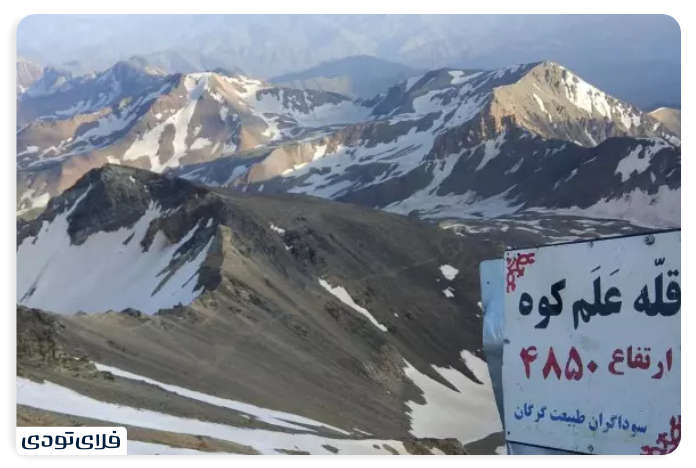
The climate of mountain science
One of the most important factors to consider when climbing to Alam Kuh is climate. Due to its high altitude and specific geographical location, it has a very variable and sometimes unpredictable climate. Even on summer days, the temperature near the summit can reach below zero and surprise the high winds and sudden blizzards. Snowfall is observed in altitudes above 5 meters in all seasons of the year, and this increases the difficulty of the route.
The winters of the Mountain are very difficult and long. Heavy snowfall, freezing routes and repeated storms create conditions that even professional climbers are less likely to climb this season. For this reason, most of the climbs take place in summer and early autumn. In the spring, too, due to the melting of snow, the likelihood of avalanche and water flowing on the routes are high.
Another feature of the atmosphere is the sudden and sudden fog. This phenomenon can limit the view of climbers and increase the risk of missing the route. For this reason, it is recommended to always use GPS or local guide. In general, if you are planning to climb, you should carefully check the meteorological conditions and have the right equipment such as anti -dresses, gloves, glasses and waterproof shoes. Disregard for climate is one of the most important causes of events in science.
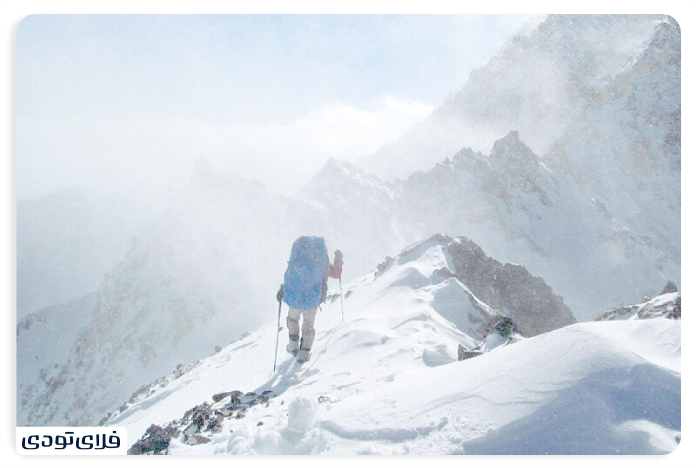
The best time to travel to the science of mountain
If you are planning to climb or nature around Alam Kuh, July and September are the best travel time. During this period, weather conditions are more stable and the risk of heavy rainfall is reduced. The southern route of the Hesarchal is safer and more convenient this season. Of course, professional climbers sometimes climb in the winter, but it requires experience, advanced equipment and team backing team. For ordinary tourists, summer is the best opportunity to enjoy the beauty of the area.
Sightseeing
Around Kuh is full of natural and tourist attractions that you will be introduced to the most important attractions.
Hesarchal Plain | The main base of the climb to Alam Kuh
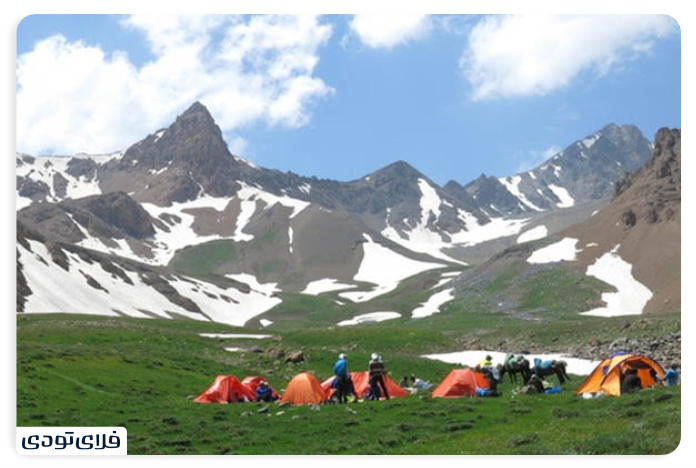
The Hesarchal Plain is one of the most beautiful plains in Iran, located at a height of about 2 meters and is recognized as the main climbers’ camp for climbing to Alam Kuh. This vast plain is covered with colorful flowers in the summer and creates spectacular landscapes.
The presence of high -water springs and natural pastures has made the fence a pleasant place for nature tourism. Many climbers camp in this plain one night to get their bodies accustomed to altitude. Even if you do not intend to climb the summit, visiting the Hesarchal Plain will be an unforgettable experience due to its unique views.
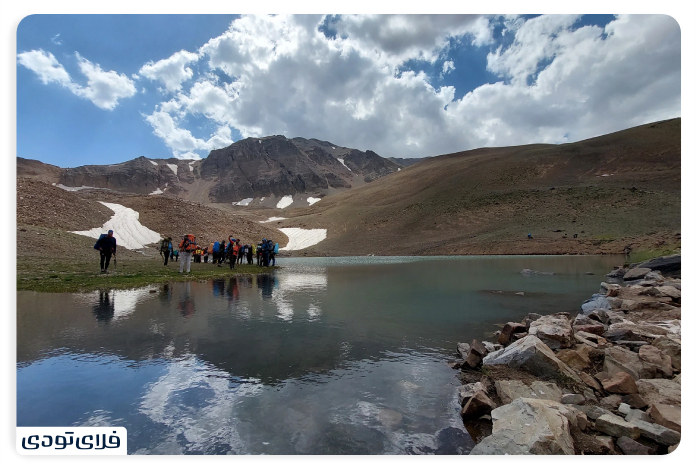
Kelardasht | Missing Paradise of Mazandaran
Kalardasht is a well -known city near Alam Kuh, known for its pristine nature and mountainous landscapes, known as the “Lost Paradise of Mazandaran”. The area is full of Hyrcanian forests, lush gardens and heartbreaking countryside. Lake Welsht, Mazichal Forests and Little Villagers around, the most popular Attractions of Kalardasht Are.
Many tourists traveling to Alam Kuh first spend a few days in Kelardasht to enjoy the cool air and its eye -catching landscapes. Not only is Kelardasht a popular destination in the summer, but it also has a spectacular look in the fall and winter.
Distance to Kelardasht: 1 km
Flat Peak | The magnificent neighbor of Alam Kuh
Takht -e -Saliman peak is about 2 meters southwest of Alam Kuh and is part of the Takht -e -Saliman mountain complex. This peak is a popular destination for professional climbers due to its wide views and diverse routes. It is possible to access it through the bed of Salman and requires high fitness and experience. Many of the multidimensional mountaineering programs in the Alam Kuh area also include climbing to bed. From this summit, the landscape of Alam Kuh and the other 4,000 -meter -long peak brings you a unique image of the central Alborz glory.
Important points to travel to the science of mountain
Traveling to Alam Kuh requires preparation, planning and adherence to the principles of safety.
- The first thing to choose the right path is based on your ability and experience. If you are a newcomer, it is best to choose the southern route from the fence. Northern routes such as German pollen or northern wall are only recommended for professional climbers.
- The second point is equipment. Even in the summer, Alam Kuh has a cold and variable climate. Therefore, it is essential to have the right mountaineering shoes, warm and anti -anti -clothing, sleeping bags, tents, sunglasses and sunscreen. If you are planning to climb the technical routes, you must have rope, helmet, carabine and support tools.
- Another point is to pay attention to height. A night in the plain of the fence or shelter of Sarchal helps the body become accustomed to altitude conditions and prevents symptoms of altitude. It is also recommended that you carefully check the weather before traveling. Sudden atmospheric changes in this area are very common.
- It is also important to have a local guide or climb with experienced teams. In addition to safety issues, the environment should not be overlooked. Waste collection, avoidance of unnecessary fires and respect for nature are the principles that must be respected. Finally, it is better to be before or after climbing in one of the residences or Kalardasht Hotels Stop Mazandaran to make a easier and safer trip.
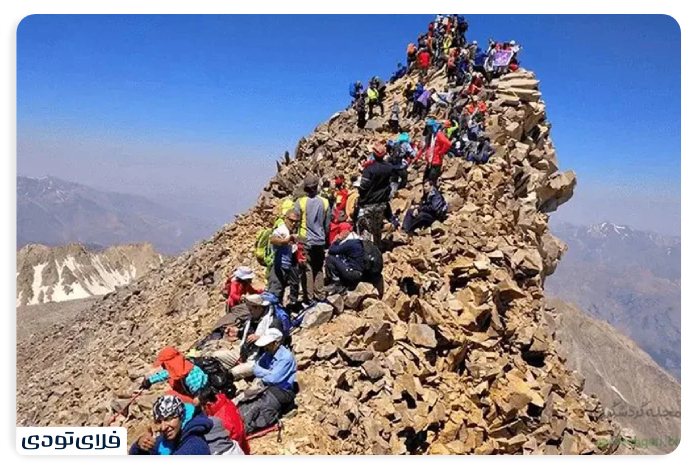
Peak
Alam -Kuh is not only a high peak; Rather, it is a symbol of the splendor of Iran’s nature and paradise for the lovers of mountain and adventure. From simple paths to technical walls, from lush plains to permanent glaciers, it has made the area a unique destination. If you are looking for a different experience, Alam Kuh is the best choice; Where excitement, beauty and peace come together.
Frequently Asked Questions About Mountain Science
How many meters is the height of Alam Kuh?
Alam Kuh is about 2 meters high and is Iran’s second tall peak.
What is the easiest path to climbing to science?
The southern route from the Hesarchal Plain is the simplest and most popular route to climb.
When is the best season to climb to Alam Kuh?
Summer, especially from July to September, is the best time to climb.
Is it appropriate for everyone to climb the northern wall of Alam Kuh?
No. The northern wall is only suitable for professional climbers with advanced technical equipment.
Does a visit to Alam Kuh require a license?
There is no need for formal permission to climb, but accompanying the local guide is recommended.
1.


RCO NEWS