


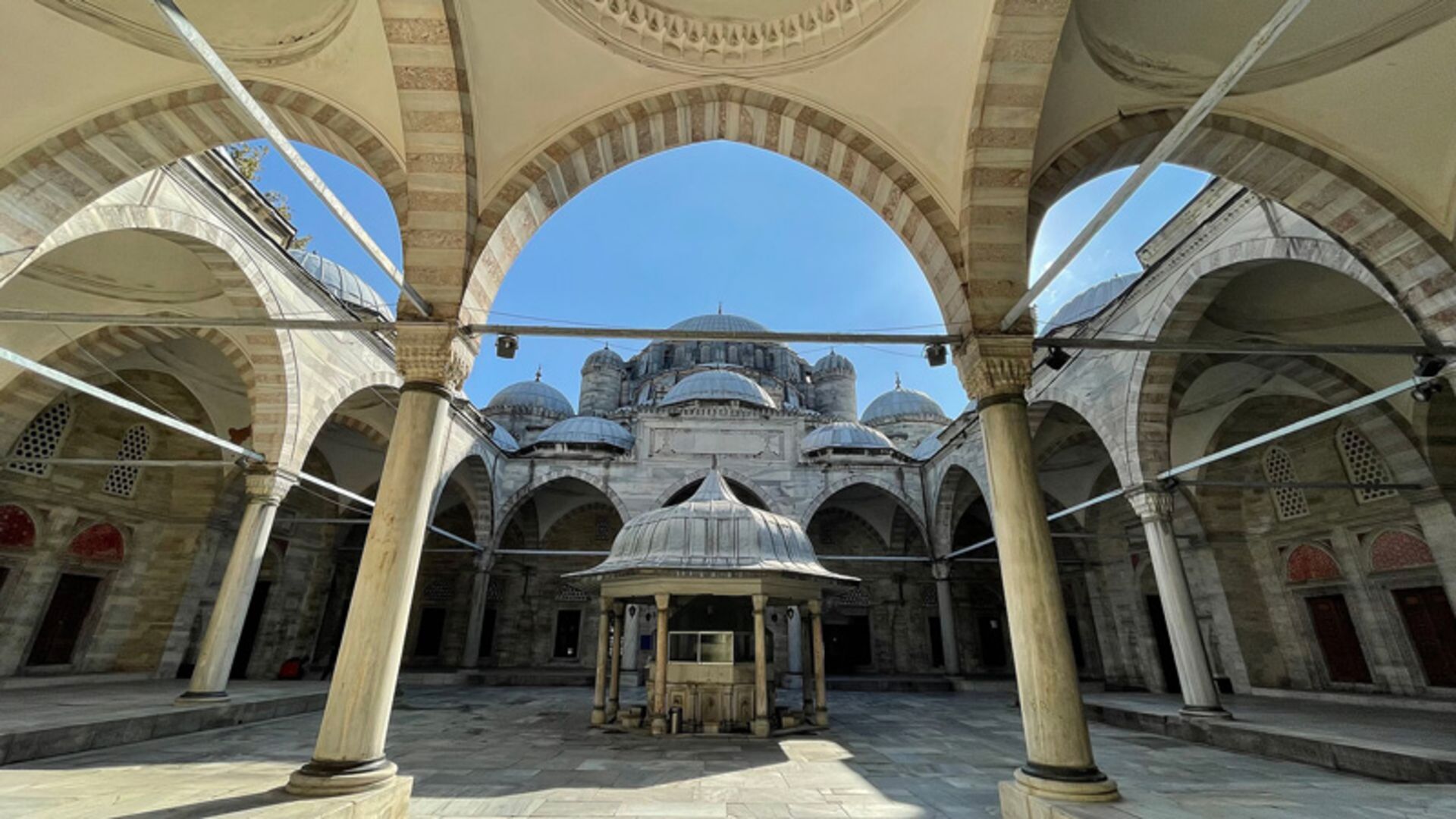
Mimar Sinan, one of the most important geniuses of architecture in the history of the world, formed the golden age of Ottoman architecture. He served as a senior architect of the Ottoman court in the sixteenth century, and with the hundreds of works he designed, he achieved a complete balance between architecture, engineering and spiritual excellence. During its 6 -year life, Sanan had eight warehouses, 2 baths, 2 palaces, 2 inns, eight bridges, five aqueducts, three hospitals, 2 public kitchens, 2 tombs, 2 Dar al -Qur’an (Quran training), 2 schools, 2 small mosques and 2 mosques. Below you will be more familiar with the architect of Sanan and some of his works. (Parametric Architecture)
1. Princess Mosque
- Location: Türkiye, Istanbul, Fateh neighborhood
- Year of construction: 4-5 AD
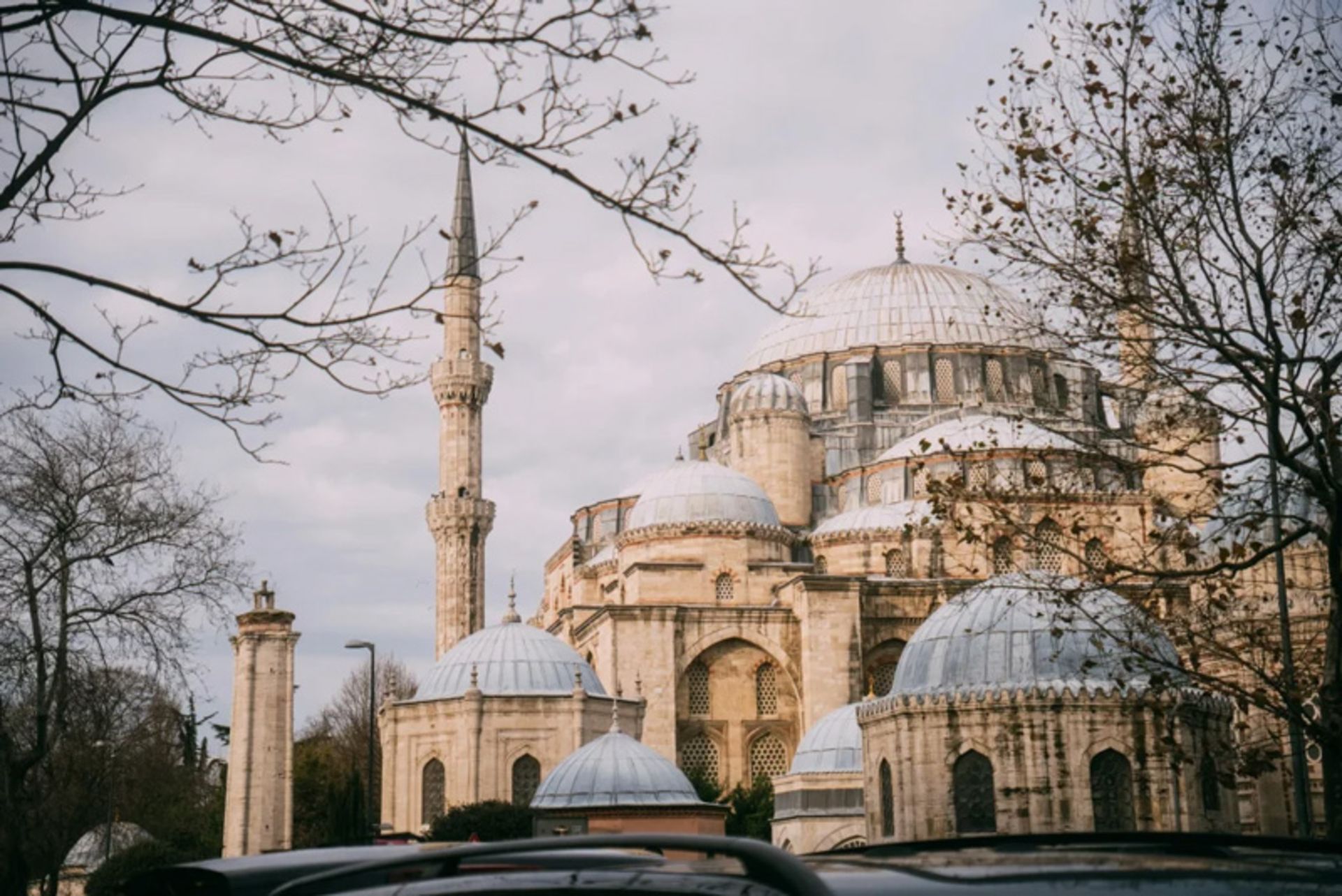
The Prince Mosque (şehzade Mosque), one of the most important examples of Ottoman architecture, is one of the most symbolic structures of the Sanan architect. The mosque, part of a large collection, was built in memory of “Prince Mohammed”, the son of Sultan Solomon I. While the Prince Mosque reflects the architectural features of its time, it has also affected the architectural styles of itself.
Photographer: Metuboy / Wikipedia
2. Sulaimaniyah Mosque
- Location: Türkiye, Istanbul, Fateh neighborhood
- Year of construction: 4-5 AD
One of the most prominent works of the Sunni architect is Süleymaniye Masjed, built in honor of Sultan Solomon I. The mosque, part of a large complex, is located on the third hill, one of the seven tall hills of Istanbul, overlooking the Golden Horn.
Photographer: Unknown / Parametric Architecture
1. Salimieh Mosque
- Location: Türkiye, Adern
- Year of construction: 4-5 AD
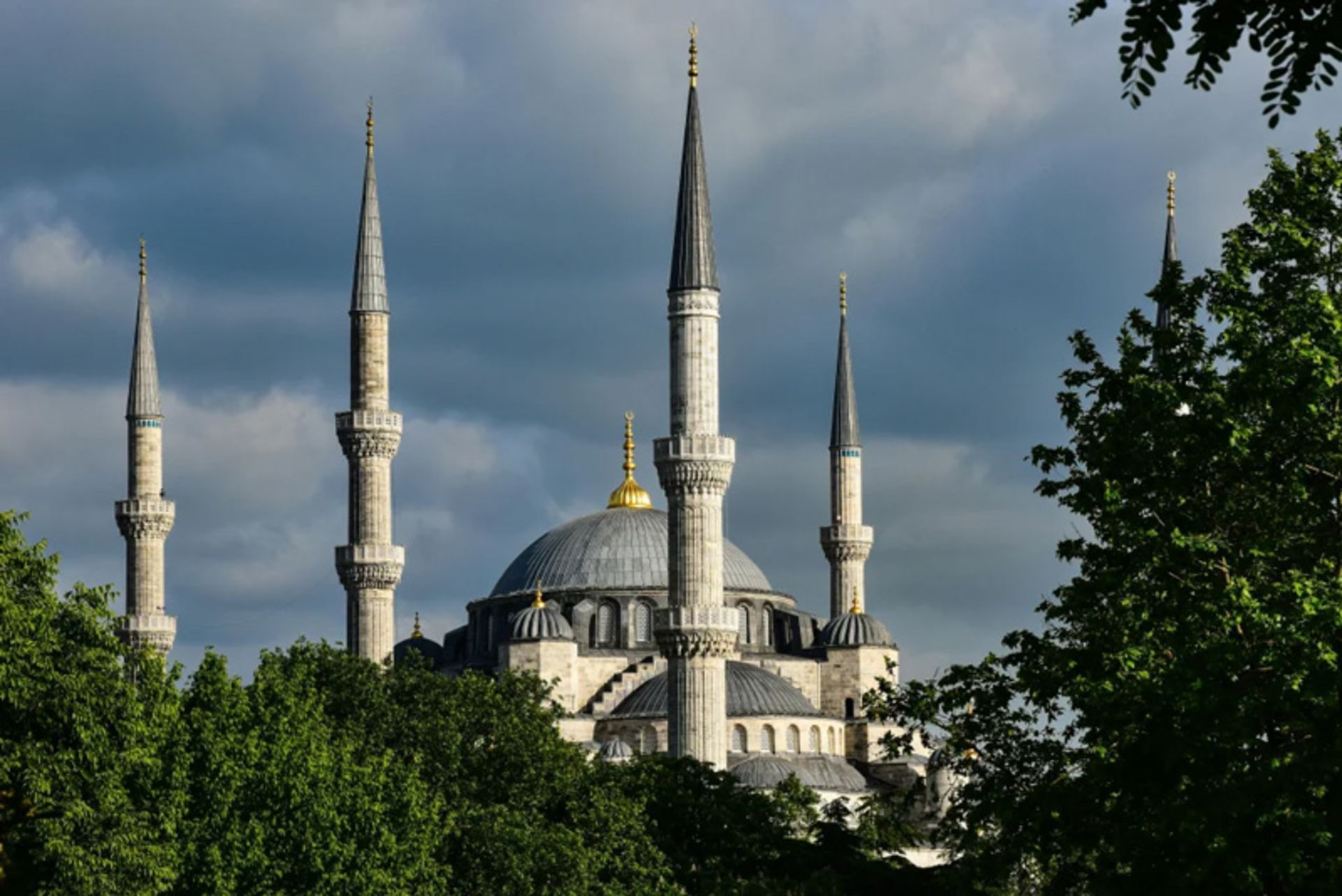
Selimiye Mosque, one of the most impressive works of Sanan architect, was built by the order of Sultan Salim II. The mosque is located on a hill in the center of Edirne, overlooking the Meriç River. Due to the ideal location, the mosque is visible from all parts of the city and has a beautiful view. Sanan built the mosque at the age of eight. The mosque has four long and magnificent dome minarets that make it a unique structure.
Photographer: Unknown / Parametric Architecture
1. Mosque of Mehrimah Sultan (dock)
- Location: Türkiye, Istanbul, Skodar neighborhood
- Year of construction: 4-5 AD
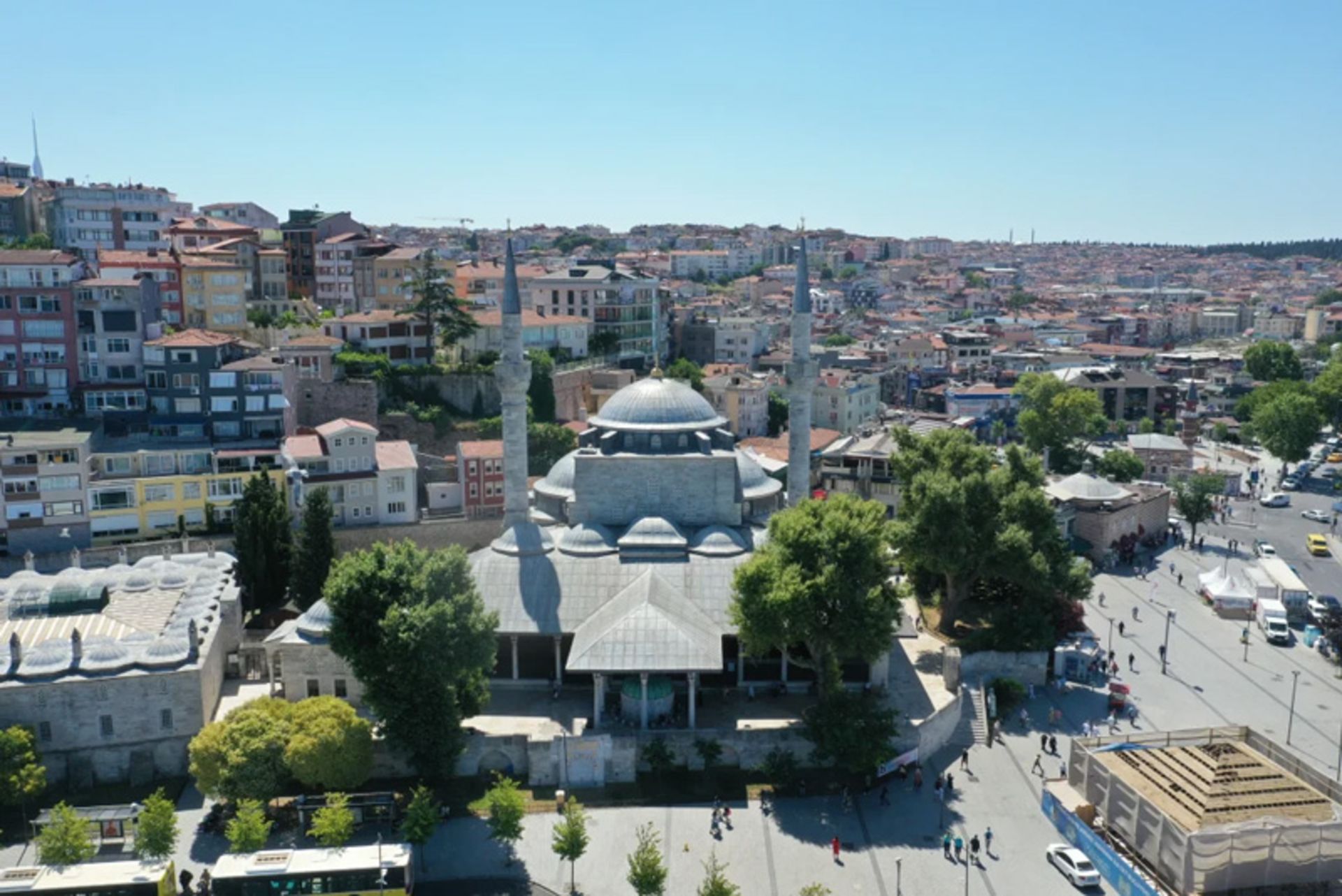
The Mihrimah Sultan Mosque is an example of Sanan’s architect style and one of his early works. The mosque, also known as the Mosque, is located in the center of a complex built for Mehr Sultan, the daughter of Solomon I. In addition, the dock mosque is located on the Bosphorus coast and is very close to the sea. Due to this situation, the mosque also acted as a place to welcome travelers and traffic.
Photographer: Unknown / üsküdar Belediyeesi
1. Mosque of Mehrimah Sultan
- Location: Türkiye, Istanbul, Edirnekapi neighborhood
- Year of construction: 4-5 AD
The Mihrimah Sultan Mosque is the second collection of Sanan architect, Mehrimah Sultan, the daughter of Solomon I. The mosque is located on the sixth hill of Istanbul; The hill that Sanan has consciously chose to make the structure mixed with the sky. Another unique feature of this situation is its precise recitation in front of its renowned mosque in the Skodar neighborhood. Every year on March 5, at the same time as the night and day, the sunrise from the minaret of the mosque faces a month from behind the minaret of the Mosque. This phenomenon evokes a visual symbol of the name “seal and the moon” (sun and moon).
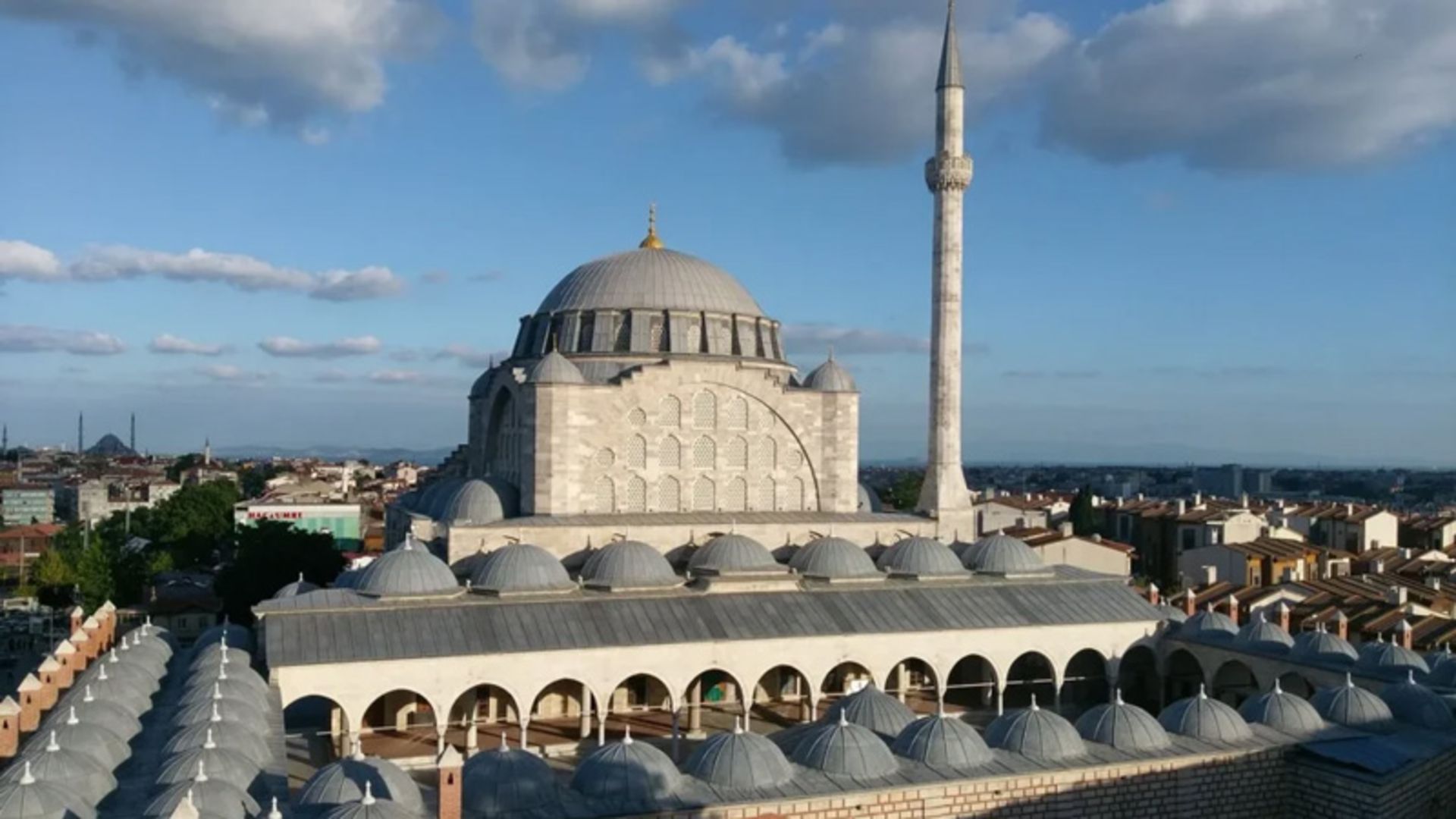
Photographer: Unknown / IRCICA
1. Lala Pasha Mosque
- Location: Türkiye, Erzurum
- Year of construction: ۱۳۹۵
The Lala Pasha Mosque is the first mosque to be built in the Ottoman period in Erzurum. The mosque, a model for other Ottoman mosques in the region, was built by the Chancellor of Erzurum, Lala Mustafa Pasha, during Solomon I. This mosque is one of the Ottoman classical architectural works; But compared to Sanan samples in Istanbul, it is made in smaller dimensions.
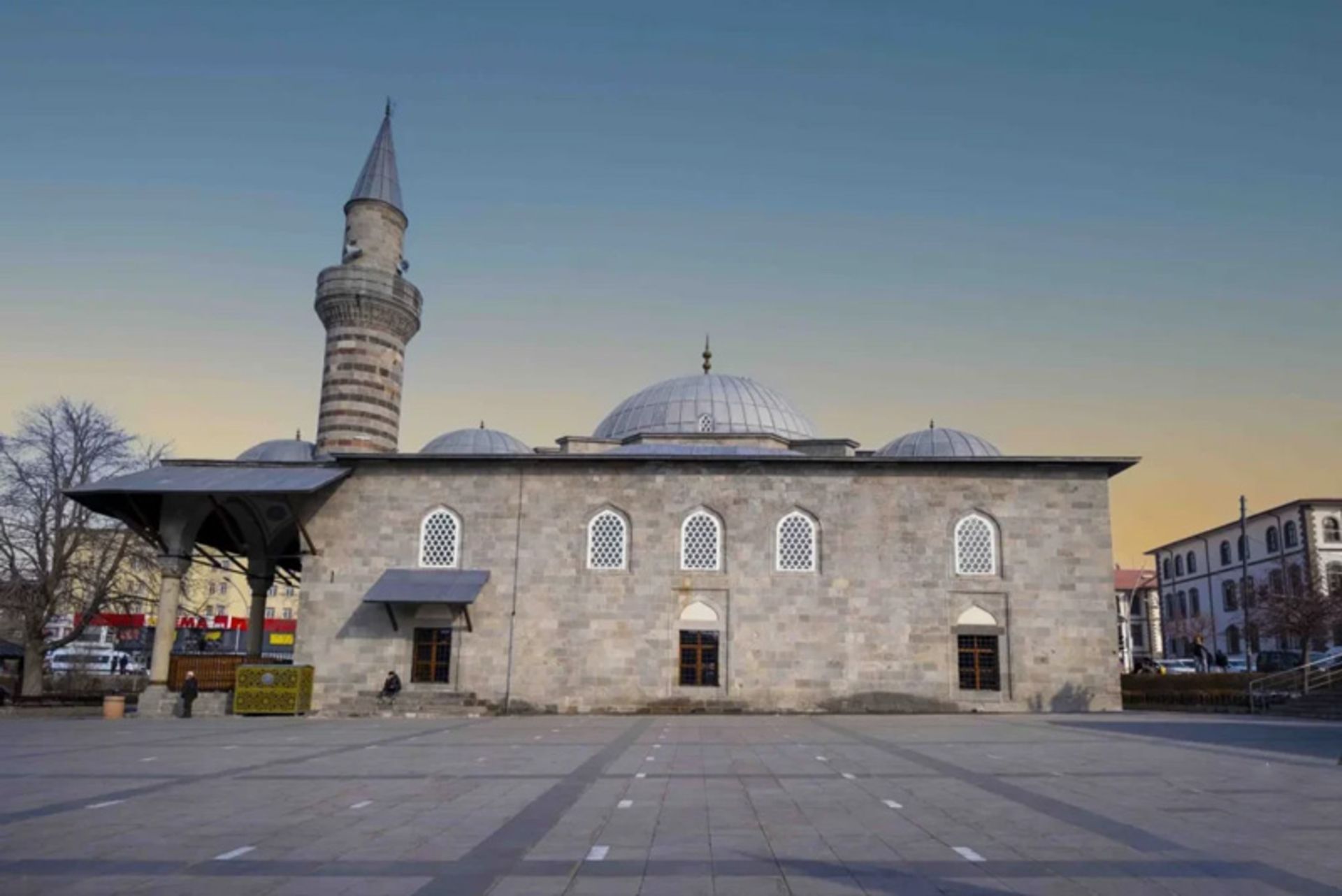
Photographer: Unknown / Türkiye Kültür Portalı
1. Bahram Pasha Mosque
- Location: Türkiye, Diyarbakr
- Year of construction: 4-5 AD
Bahram Pasha Mosque, another of the Sanan architect’s work, was built by the governor of Diyarbakir, Bahram Pasha. The mosque has a modern architectural style and, with its stunning stone, is one of the most influential examples in the unique architecture of the area.
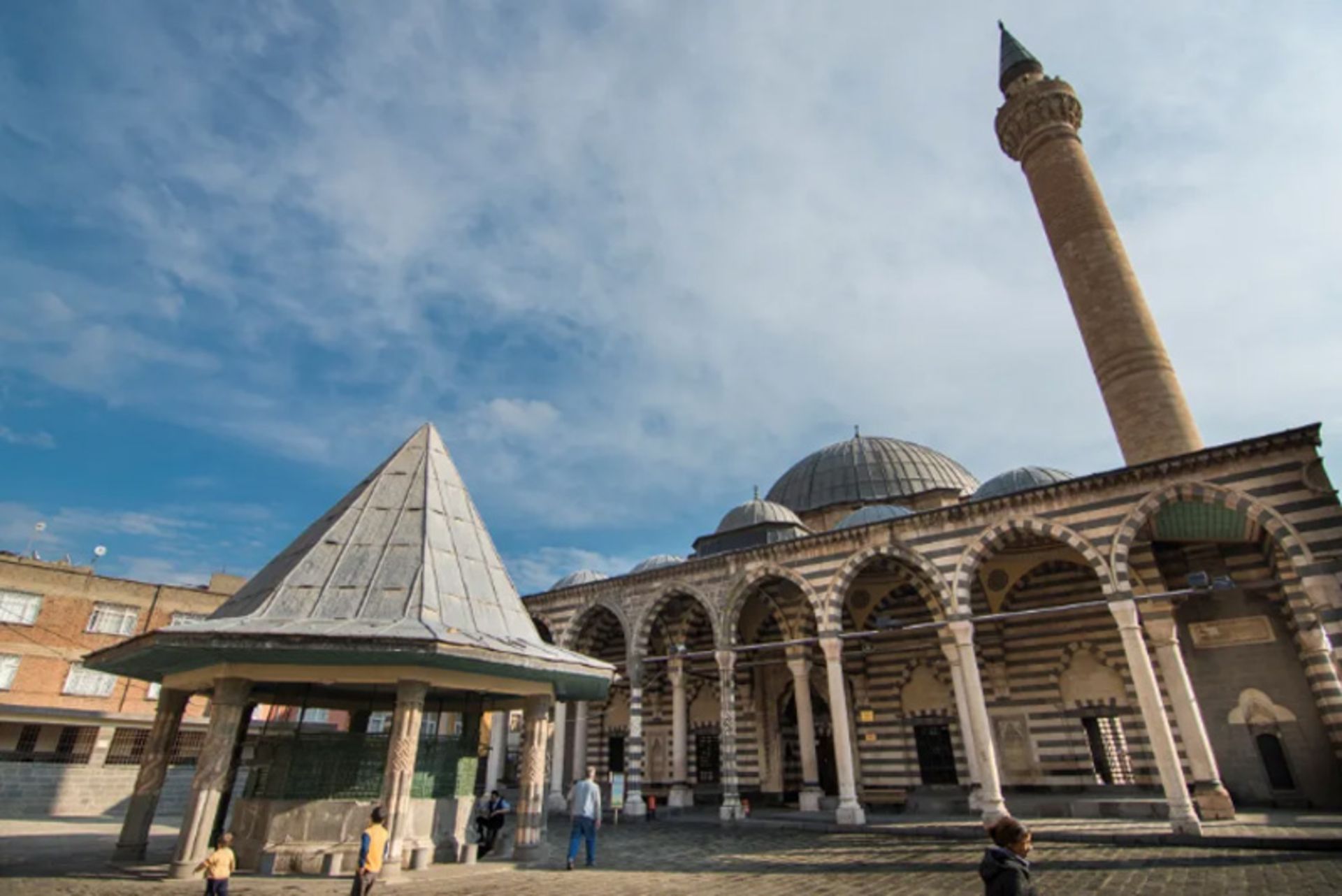
Photographer: Unknown / Iskan Altın
1. Ghulich Ali Pasha Mosque
- Location: Türkiye, Istanbul, Top Khanate neighborhood
- Year of construction: 4-5 AD
Kılıç Ali Pasha Mosque, one of the best works of Sanan’s architecture, is a reflection of his artistic relationship with the sea. The mosque was built by Ghulich Ali Pasha, a famous Ottoman admiral, and is one of the later Sanan projects. Although the mosque of Ghulich Ali Pasha was right by the water in the past, today due to urban development and the occupation of coastal land, its direct connection to the sea has disappeared. Designed by the map of the mosque, the mosque provides a genuine interpretation of Ottoman classical architecture with Byzantine effects.
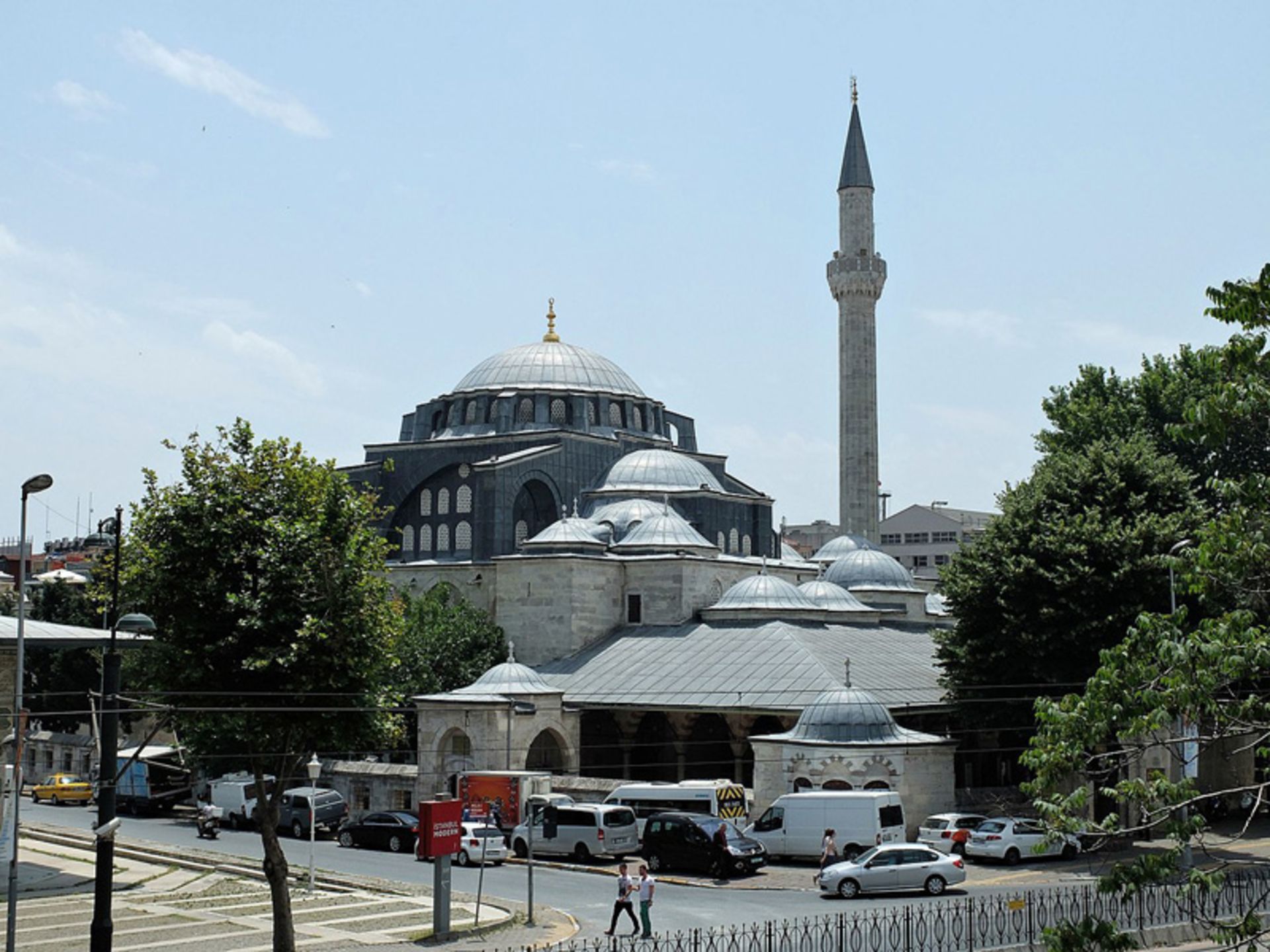
Photographer: R Prazeres / Wikipedia
1. The Mosque of the Old Pardon
- Location: Türkiye, Istanbul, Skodar neighborhood
- Year of construction: 4-5 AD
The Valide-i Atik Mosque Mosque is a central structure of the same name built by Nurbanu Sultan, wife of Sultan Salim II and Morad III. The mosque, which is one of the Sanan architect’s works, has three separate entrances. The two tall minarets of the mosque are made of masonry, each with only one balcony. These minarets, which have square bases and tripods, were probably destroyed in the year 6 earthquake and then rebuilt in the Baroque style, the popular art movement of that era.
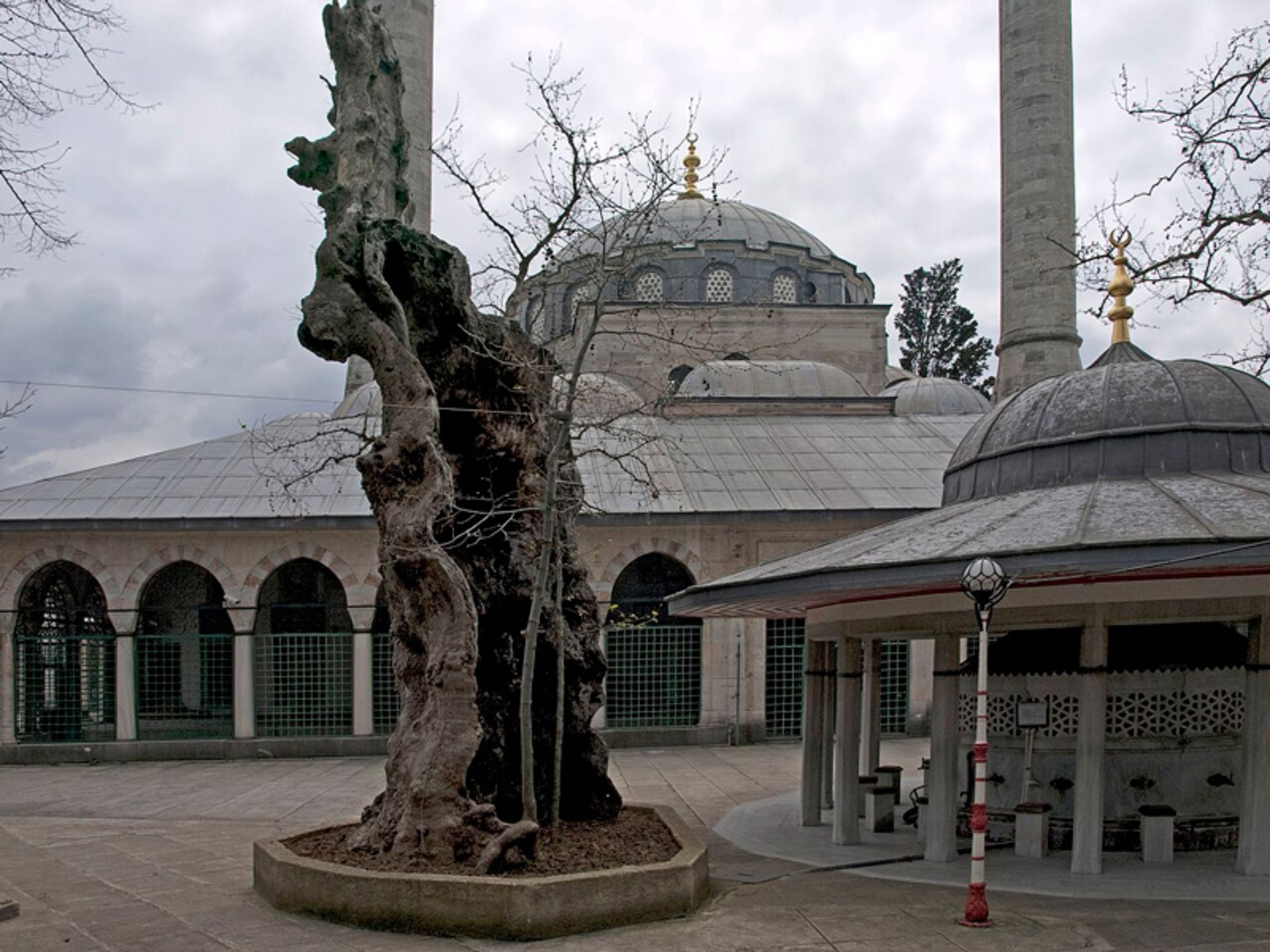
Photographer: ymblaneter / wikipedia
1. Sukolo Mosque of Mohammad Pasha
- Location: Türkiye, Istanbul, Fateh neighborhood
- Year of construction: ۱۳۹۱ AD
Sokollu Mehmed Pasha Mosque, one of the masterpieces of Ottoman mosques, was commissioned by Esmahan Sultan for his wife, Sukulu Mohammad Pasha. Built on a very steep land, the mosque is considered remarkable due to the unique solution that Sanan has offered to build in a limited space. The inner courtyard of the mosque is accessible through stairs from the northern gate. The porches surround the courtyard on three sides, behind them, with two school domed cells.
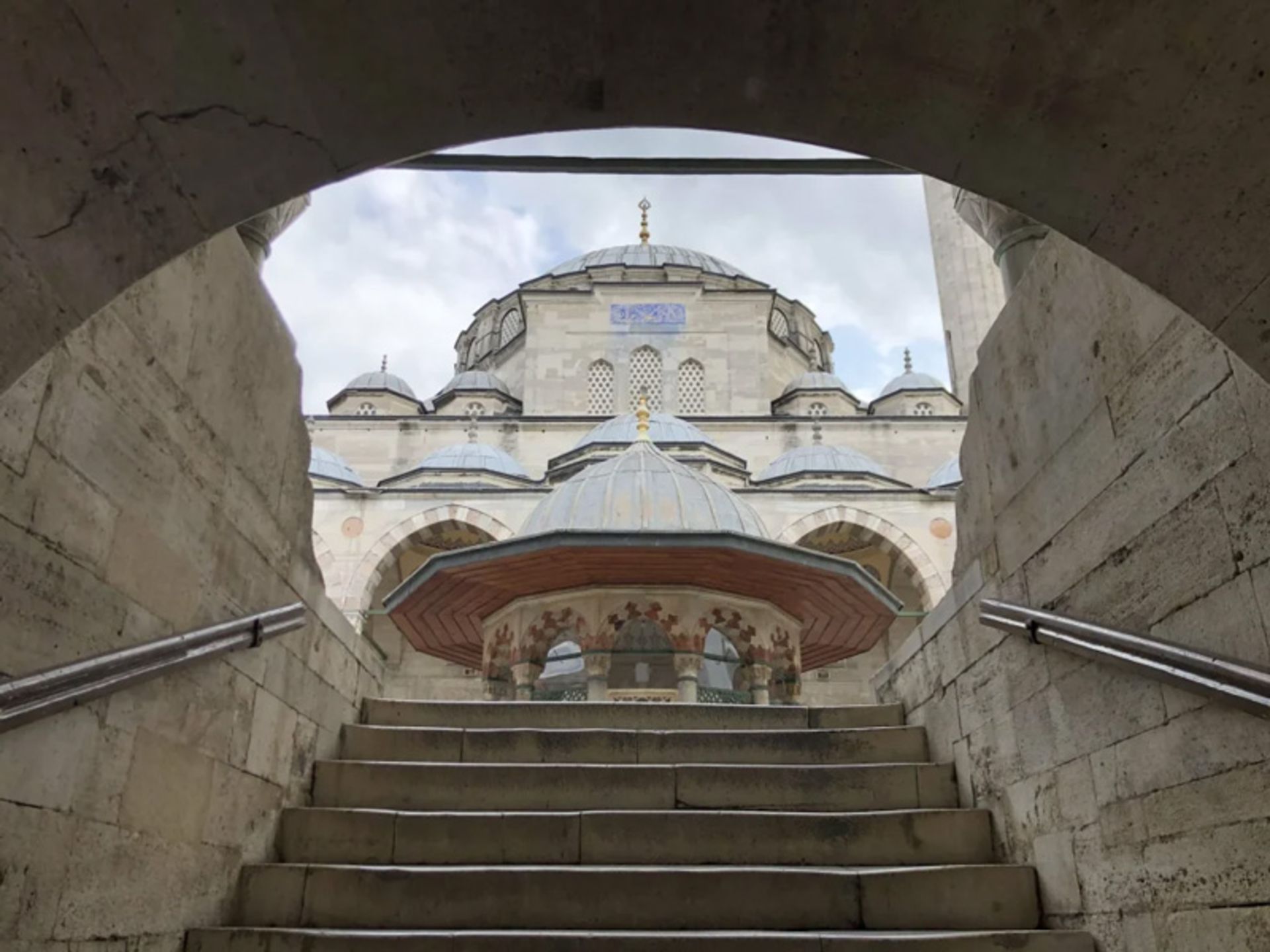
Photographer: Unknown / F. Yasin Köroğlu
Who was the architect of Sanan?
The architect of the Sanan, who served as the senior architect in the history of the Ottoman Empire during the reign of Sultan Suleiman I, Sultan II and Sultan Morad III. Originally from the Qaisariyah, he was brought to Istanbul through the Devshirme system of the Ottoman era for recruitment and joined the Janissary Corps of the Emperor of the Ottoman Emperor in the year 6.
In Yeni, he selected the carpentry profession and was educated under the supervision of the best architects of his time and learned advanced engineering knowledge of that period, such as mathematics, geometry and construction techniques. He was able to observe the architectural traditions of the areas they passed by in various campaigns. During these trips, he explored the Byzantine, Iranian, Arabic and Roman architecture, and thus blended these different cultures in the creation of his own architectural style.
Sultan Solomon I appointed Sanan as the senior architect of the court in year 6. A genius of architecture, he formed the classical Ottoman architecture by building mosques, schools, tombs, aqueducts, palaces, caravansaries, baths and bridges from the Ottoman capital to remote areas. The works of Sanan today include many sights in Istanbul and other Turkish cities.
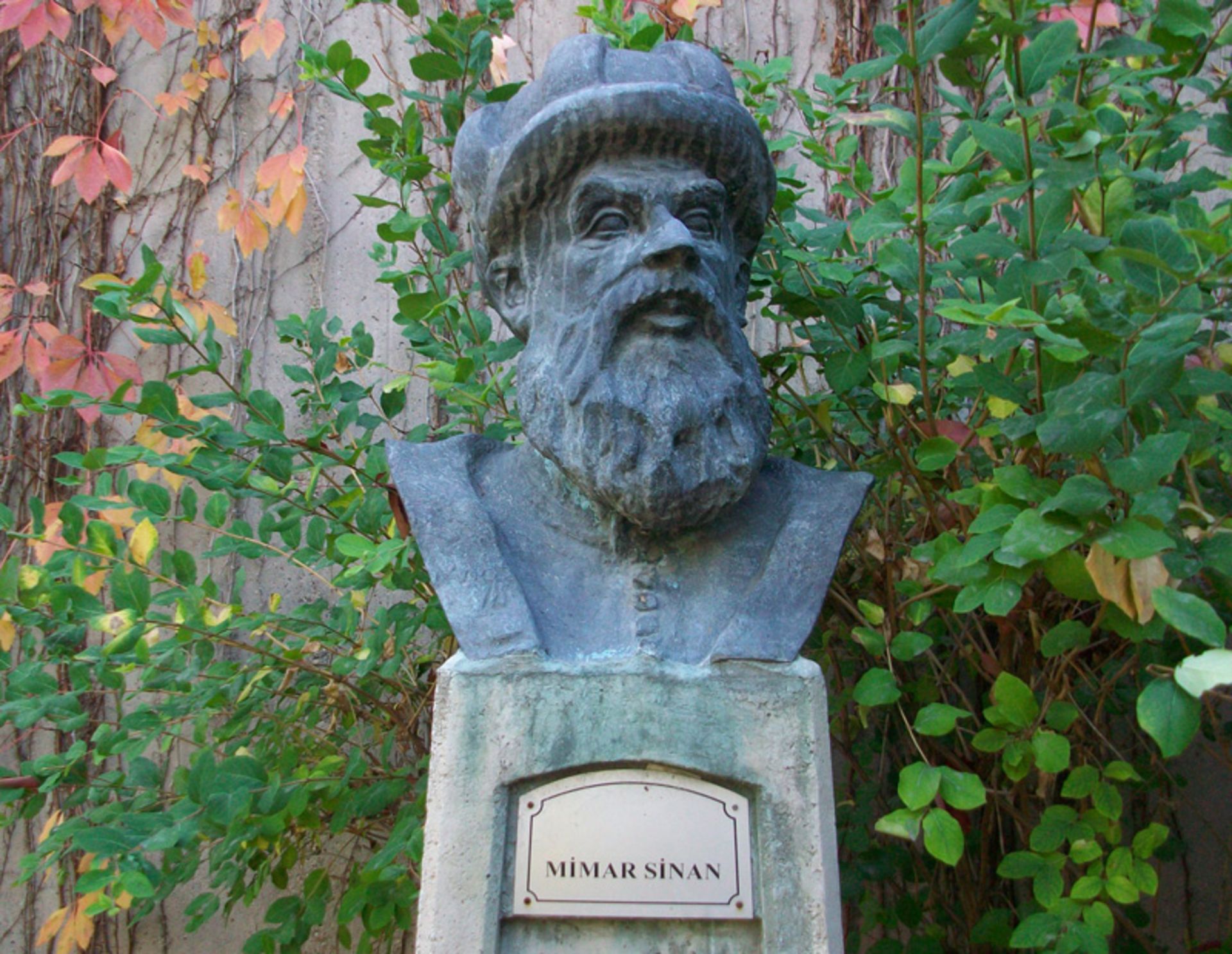
Photographer: Veritas-TR / Wikipedia
Which of the works of the Sanan architect attracted your attention? Do you have the experience of traveling to Türkiye and visiting the eternal heritage of the Sanan architect? Share your comments and experiences with us and other users.
Cover Photo Source: paraametric-architecture.com | Photographer: Unknown

RCO NEWS