

The days of Tasua and Ashura, in addition to the spiritual burden, are a pure opportunity to get acquainted with the ancient rituals and mourning culture of the Iranian people. If you are planning to get acquainted with the special and spectacular traditions of Muharram this year, along with mourning for Imam Hussein (AS), in this article we have introduced the best destinations of Ashura travel such as Masouleh, Lahijan, Abyaneh, Yazd, Rudsar and Ziabar. Each of these cities with their unique rituals gives you a different experience; So join us to find out more about this special Ashura tradition.
The scientist in Masouleh; Mourning in the village of Sthani
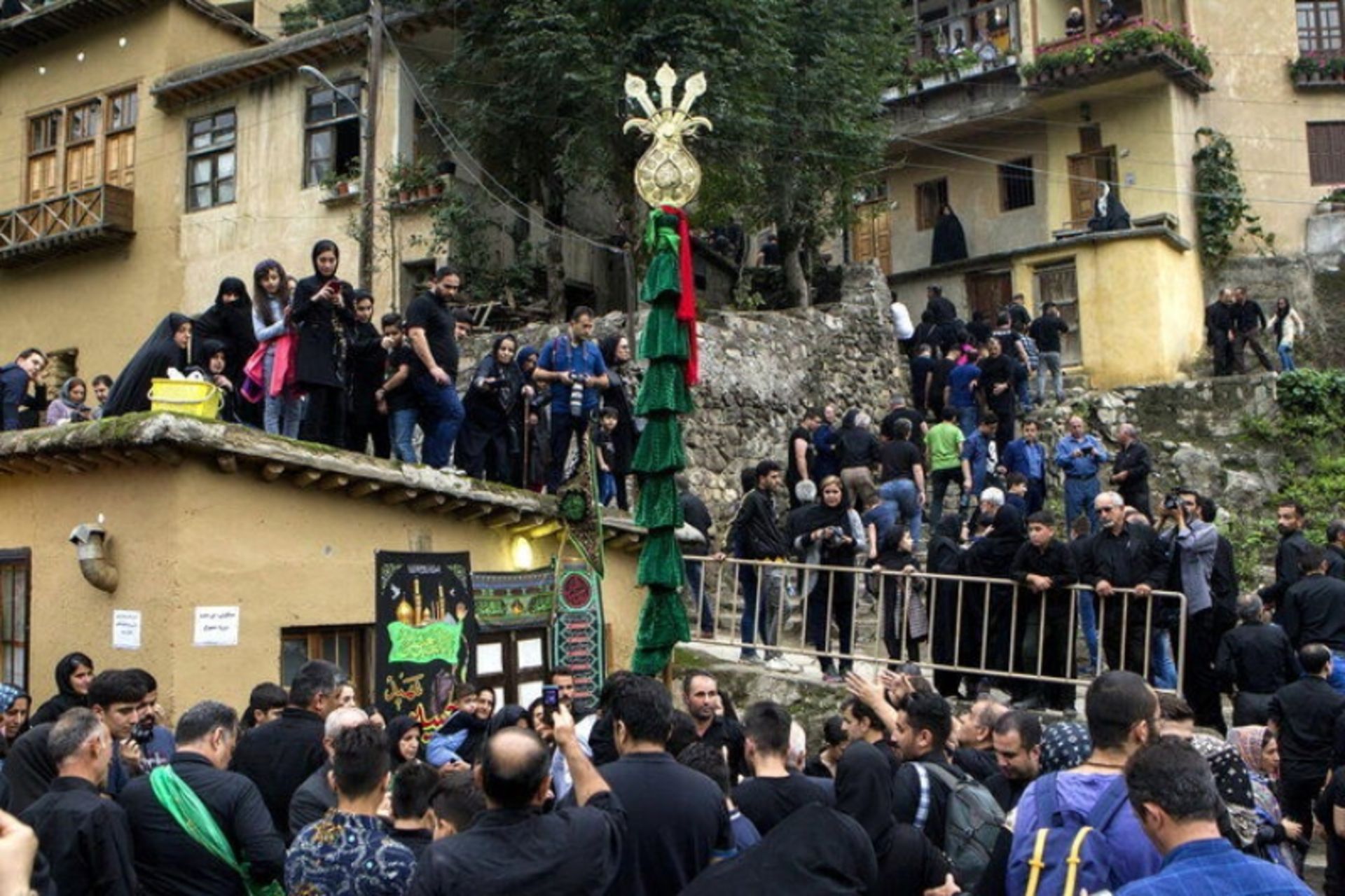
The Masouleh Science Ceremony is one of the most original and oldest Ashura rituals of Iran held every year at the sixth sunset of Muharram. In this 4 -year ceremony, the mourners of the four neighborhoods of “Mosque Bar”, “Kashmir”, “House” and “Asad Mahal Mahal” are gathered in the Masouleh alleys with a voice gauge and trumpet. The special sciences of the ceremony are vertical and are in line with the city’s class architecture. These sciences are first decorated in the tomb of Imamzadeh, “Aoun ibn Muhammad ibn Ali (AS)” and then returned to the neighborhoods during a ceremony.
Photographer: Unknown / www.irna.ir
At the same time, with the knowledge, the inhabitants of Masouleh also open the doors of their homes to the mourners and serve them with cinnamon tea, hot milk and “gilan” (a traditional Gilan pastry). The sciences remain in the mosques of the neighborhoods by the end of the month.
Muharram in Abyaneh; Red village with special ceremonies
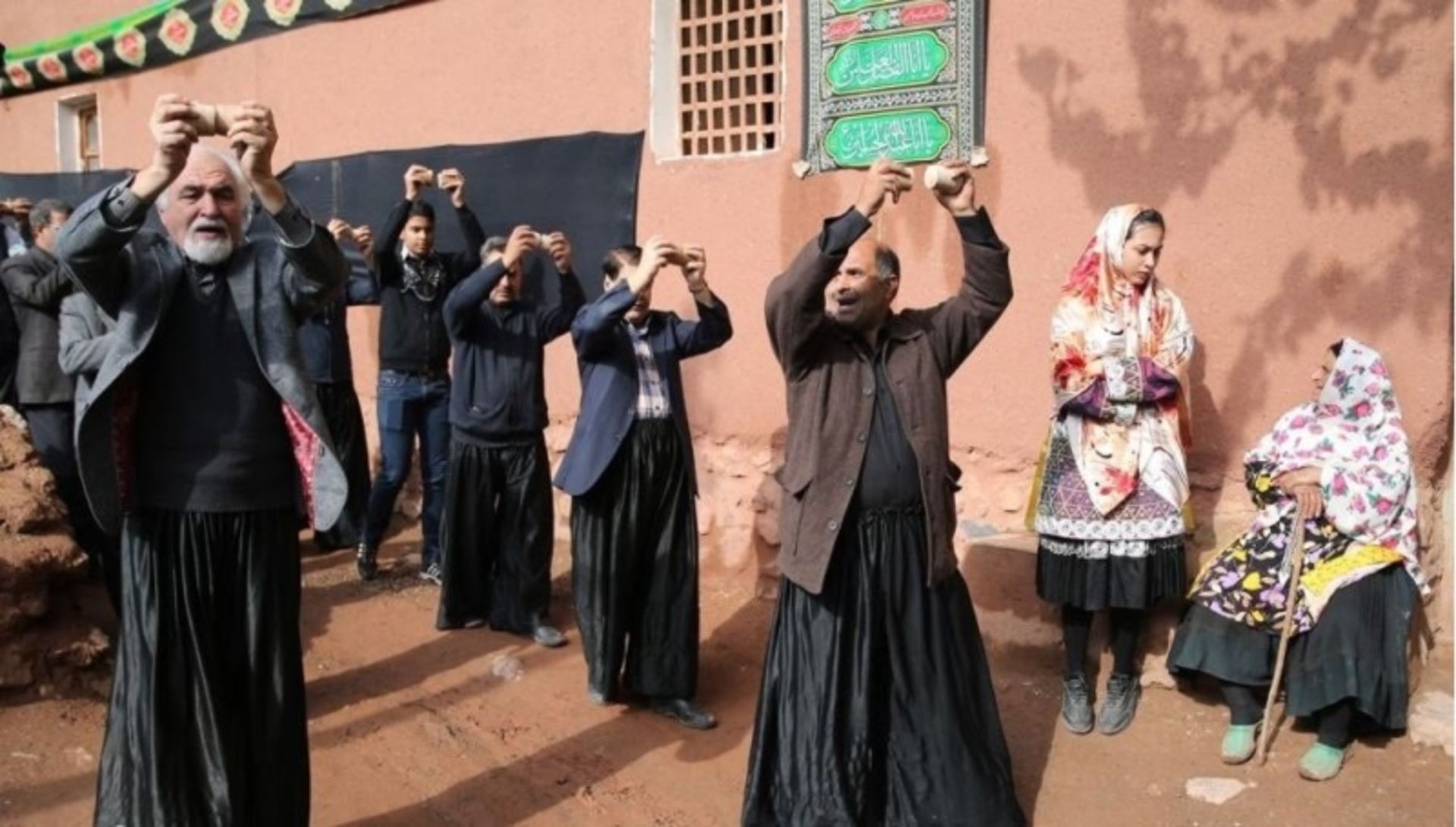
In Abyaneh village, Tasoa and Ashura Hosseini are held with special rituals. The traditional reading, called “Zakeri”, is held at the Yasman Mosque, and in the morning, the men of the neighborhood visit families who were mourned last year. The “rattling” ceremony with special wooden tools, palm trees and “happiness” rituals with sticks adorned with fabrics are among the other mourning of the Abyaneh people in Tasua. “Shada” is a long wooden name adorned with colorful fabrics. The person who turns this wood in the village is called the happiness.
Photographer: Unknown / www.imna.ir
The day of Ashura begins by reading the tragic rhetoric known as “dawn” at dawn and continues until sunrise. The palm trees continue on the day of Ashura, and Hosseini’s mourners stand in front of hot houses along their way to pay tribute to them. Finally, the palm trees reach the “Chuma Springs” and the Ashura noon prayer is performed. The alien dinner is held in front of the “Yasman Mosque” with a mass reading, and then the mourners go to the Imamzadeh “Prince Jesus and Yahya” and finish the ceremony. Note, in these two days, tourists enter the village of Abyaneh; Unless they go with licensed tours or become familiar with one of the villagers.
Palm trees in Yazd; Ritual
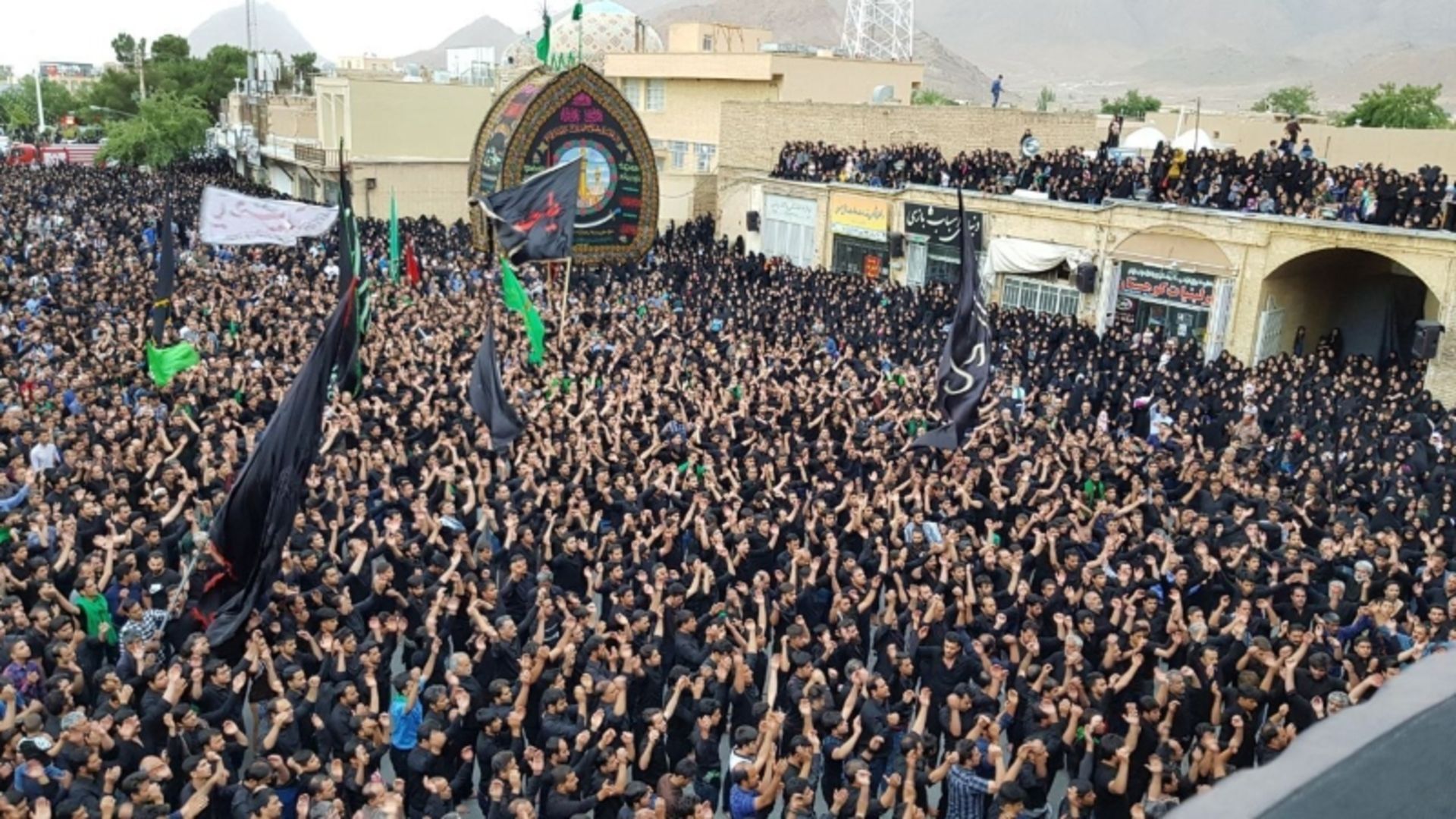
In Yazd’s reliance and Hosseiniyyah, ceremonies such as breastfeeding, chains, prayers and baking are performed.
Photographer: Unknown / www.irna.ir
The culmination of these mourning is the celebration of the Tasua Day and the Palm Ritual on Ashura Day. As a symbol of Imam Hussein’s coffin, the palm is a huge wooden structure adorned with black fabric, sword, old bells, ornamental fabrics and so on. The Palm of Amirchakhmaq Square in Yazd, dating back to 5 years, is one of the largest and oldest palm trees in Yazd province, which has been used for several years due to insufficient strength; However, palm -holding is performed in cities such as “Taft” and “Tears” with a special magnificent.
Ziabar; Ta’ziyeh in the city
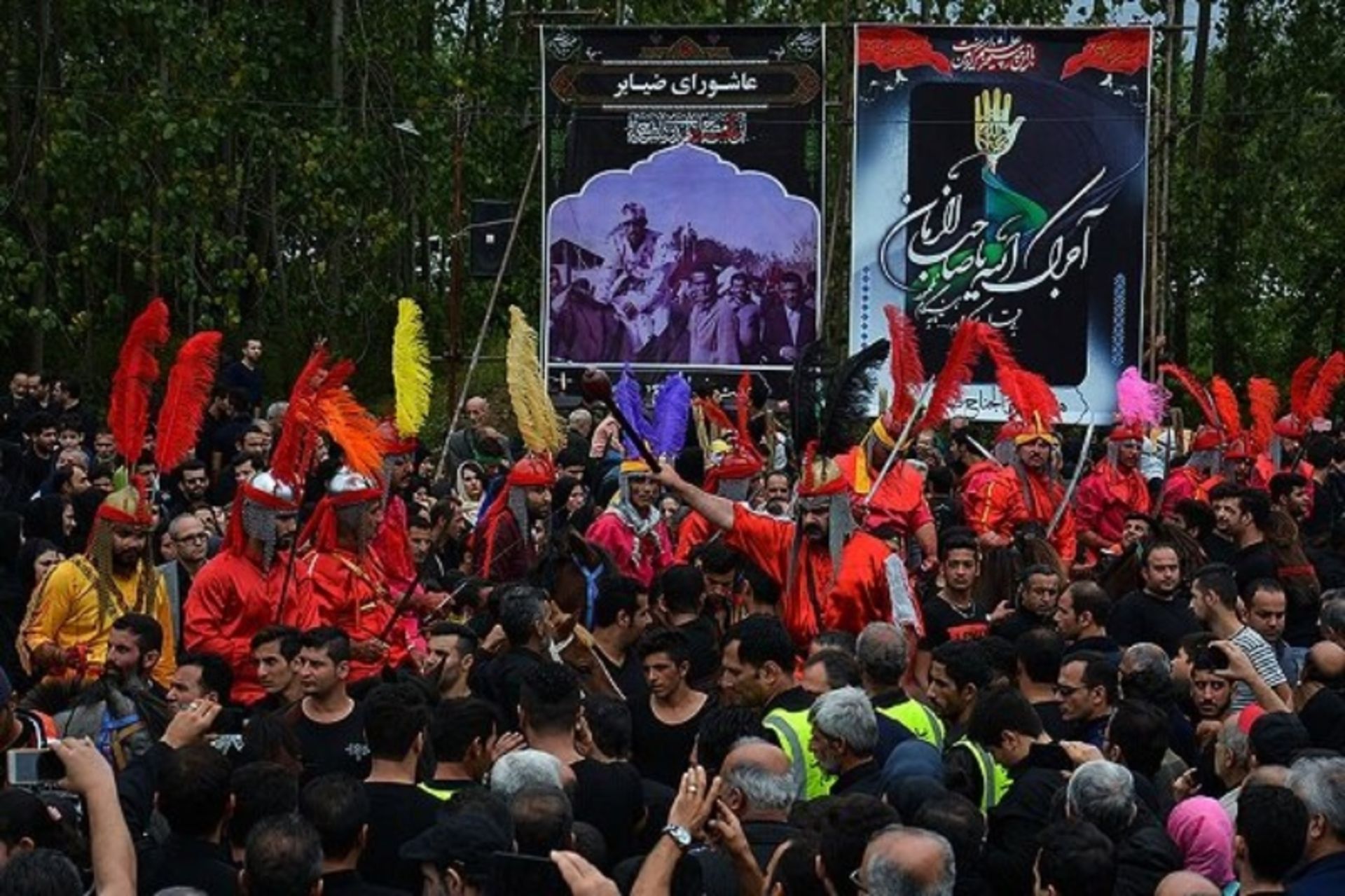
Ashura Day Ta’ziyeh in Ziabar City is one of the most spectacular religious rituals in the country that has national reputation. The ceremony, which is performed by the Zuljah delegation, began in the morning of Ashura and with a moving ta’ziyeh recreates the path of Sayyid al -Shohada (AS) from Medina to Karbala.
Photographer: Unknown / www.mehrnews.com
In the central square of Ziabar, scenes of the Ashura war are displayed with the role of Imam Hussein’s companions and the burning of tents. The continuation of this ta’ziyeh is performed in the historic house of Ayatollah Ziabari and includes Shamr’s narrative of Ibn Zayd’s slaughter. The ritual was brought to Ziabar by the ancestors of Ayatollah Ziabari and Ayatollah Abdul Wahab Saleh Ziabari from Najaf, and a large crowd from all over Iran takes themselves to the area every year.
Forty pulpit and carbon in Lahijan
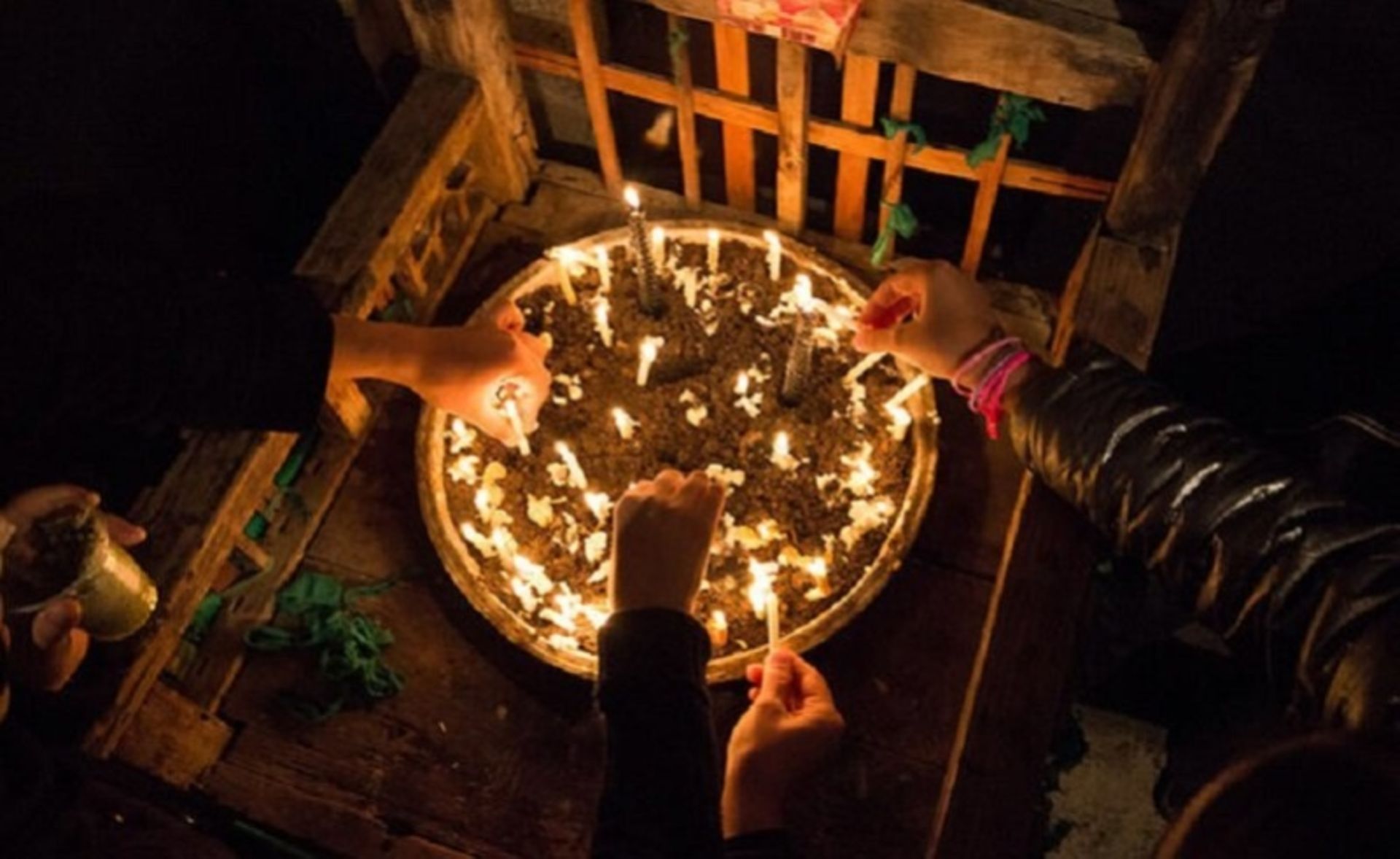
The traditional ritual of forty Lahijan pulpits is one of the most beautiful mourning manifestations of Hosseini and Ashura in different cities of Iran. In the Tasua era, the inhabitants of traditional neighborhoods such as “Koushali”, “Malayeh”, “Aghassid Mohammadimani”, “Curtain”, “Yahya Abad” and … are putting small pulpits in front of their homes, and people brighten the candle and put a dates in a container that is embedded. The ceremony is listed in the list of national spiritual works of Iran, and some people believe that the rice is a healing ceremony for patients.
Photographer: Unknown / www.hamshahrionline.ir
The ritual is also one of the mourning traditions of the Lahijan “Shabafan” neighborhood, which is held on the eighth and tenth nights of Muharram. At the ceremony, mourners hold cylindrical wood with a weight of about 2 to 5 grams divided into two halves in the middle. Each half of the wood has a leather strap to hold. The mourners crush the woods with rhythmic movements and in harmony with the soundtrack. There are various narratives about the origin of this ritual, some attributing it to Siavash and some to the sermon of Prophet Zaynab.
Rhodes; Wrapped
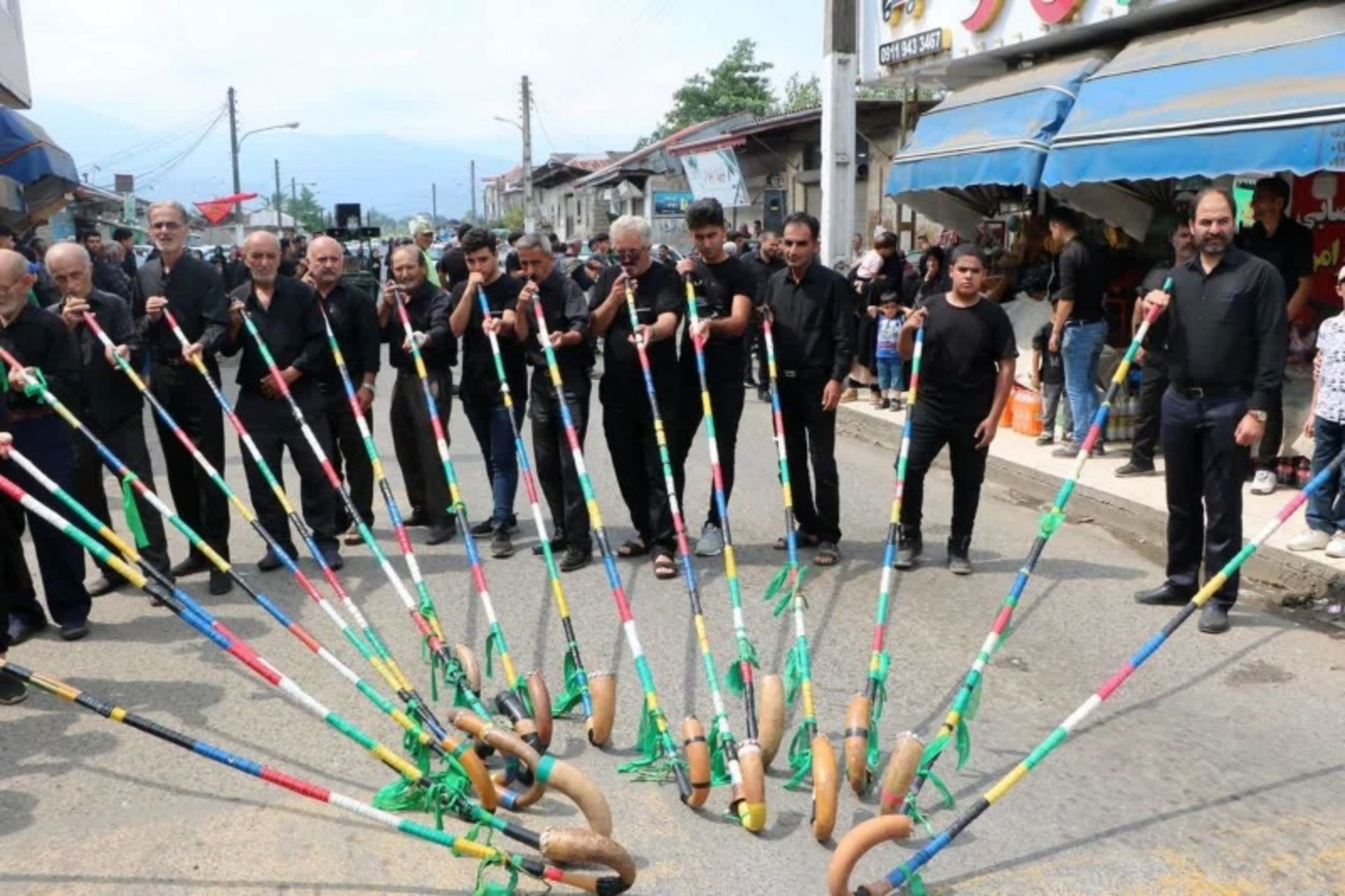
The ritual of playing the kernel (Korna) is one of the traditions of Muharram mourning in Rudsar city of Gilan province. This native instrument with a long tube and the end of the cow’s horn, has two bass sounds and is usually played by a group of five to five. In this group, a person named Sarkarnaki leads and other members respond to him. The instrumental songs are performed based on religious poems with specific rhythms.
The spiritual ceremony will be held every year on the day of Ashura in the courtyard of mosques and Imams of various villages of Rudsar, including “Sir House”, “Qasimabad Upper”, “Oshian”, “Balan”, “Machian” and “Bandbin”. Poems such as “Tonight,” and “We are homeless or owner” are among the repetitive themes at the ceremony, and people accompany the group with breastfeeding and mourning.
Photographer: Unknown / borna.news
If you are familiar with other Tasua and Ashura ceremonies in different parts of Iran, we will be happy to share your knowledge and memories with the audience.
Cover Photo Source: Chtn.ir, Photographer: Seyed Mohammad Ali Mohammari (Palm in Abyaneh)
Frequently asked questions
What are the best travel destination for Ashura and Tasoa?
The destination for Ashura and Tasoa can be mentioned Abyaneh, Yazd, Rudsar, Masouleh, Ziabar and Lahijan.
In which city is the palm tree?
Palm is held in different cities of Yazd province such as Taft and Ashkdz.

RCO NEWS