

In recent years, we have witnessed the growth of tourism and tourism industry in the Persian Gulf, especially Oman. Focusing on the tourism industry, investing in the advertising sector, and creating welfare infrastructure, it seeks to attract tourists and travelers from all over the world. The city of Muscat, as the capital of Oman, has become one of the destinations for tourists, especially Iranians, for its high security, pristine nature, beautiful mountains, clean beaches and special deserts. One of the historical attractions of this city is the market, which we will continue to introduce this old and popular market.
Where is Muscat’s market?
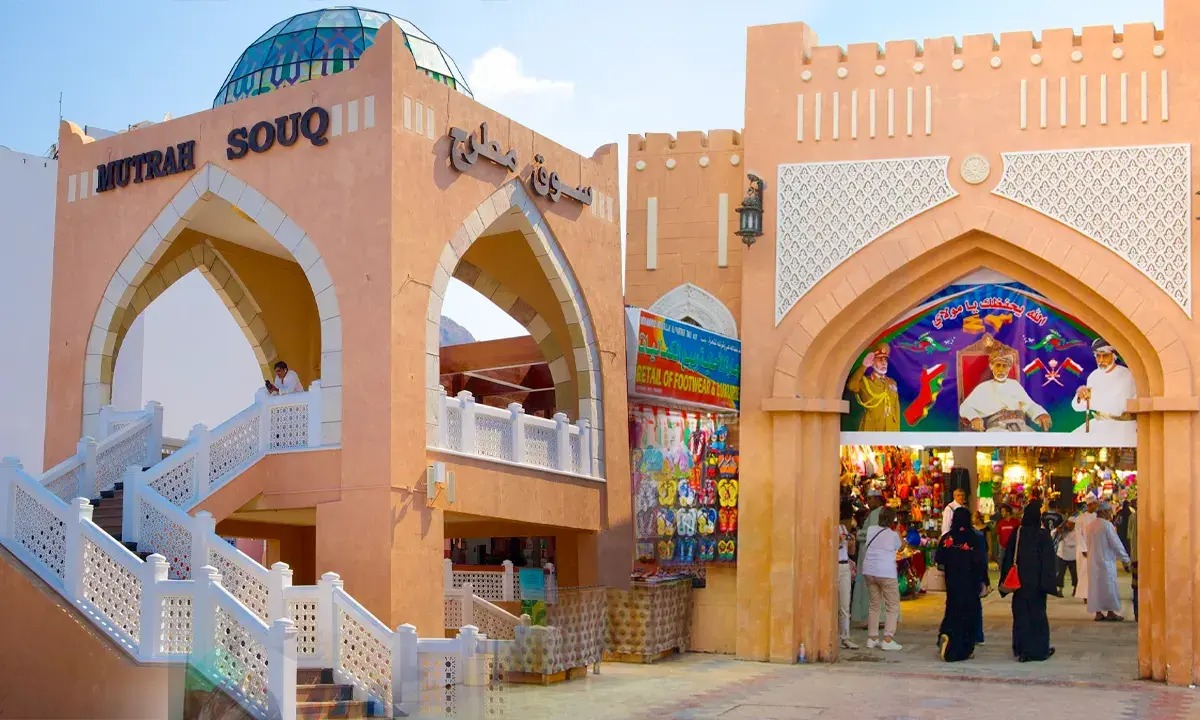
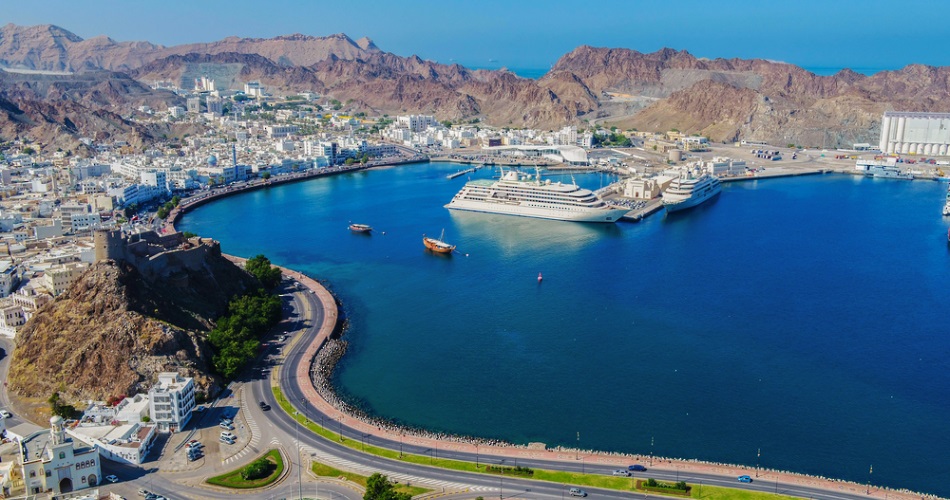
The Mutrah Souq or Market in Muscat is located along the Cornis and on Al -Bahri Street. Cornesh is called downtown of Muscat that it has preserved its old texture and has many tourist attractions. This market is one of the oldest and most famous markets in Oman, attracting both locals and tourists looking for traditional goods and souvenirs. The central location of the market in the heart of Muscat makes it easy to access, and its vibrant atmosphere doubles the experience of circulating Muscat’s cultural heritage.
Because there was little brightness in the market and little light from the sun to the market, it is also called the dark market.
Muscat market history
It has been a key business center for centuries, dating back to the time when Muscat was an important port in the Arabian Peninsula. Historically, this market was a market in which merchants traded goods such as spices, fabrics and precious metals, especially in the 1980s, played a key role in meeting the needs of the people of Muscat and Oman, and once hosted many businessmen in the world, especially the Persian Gulf and Indian businessmen. Over time, this market has evolved while preserving its traditional identity and turning it into an important cultural and commercial point in Oman.
Market architecture
In the past, the architects of the market, inspired by the culture of the country and in order to cool and temperate its air, had embedded a wooden roof of dates and brought the shops together in the narrow and narrow streets. Due to the hot and dry climate of the country, clay and flowers were used to execute the walls. But today, by the order of the municipality of Muscat, there have been changes in the market and have modernized it with up -to -date architectural standards. The use of wooden ceilings with designs on which they have a role in them, calcareous walls, old hanging lights and wooden lattice windows, beautiful semiconductors, a combination of history, authenticity, art and modernity.
Various Markets of Muscat
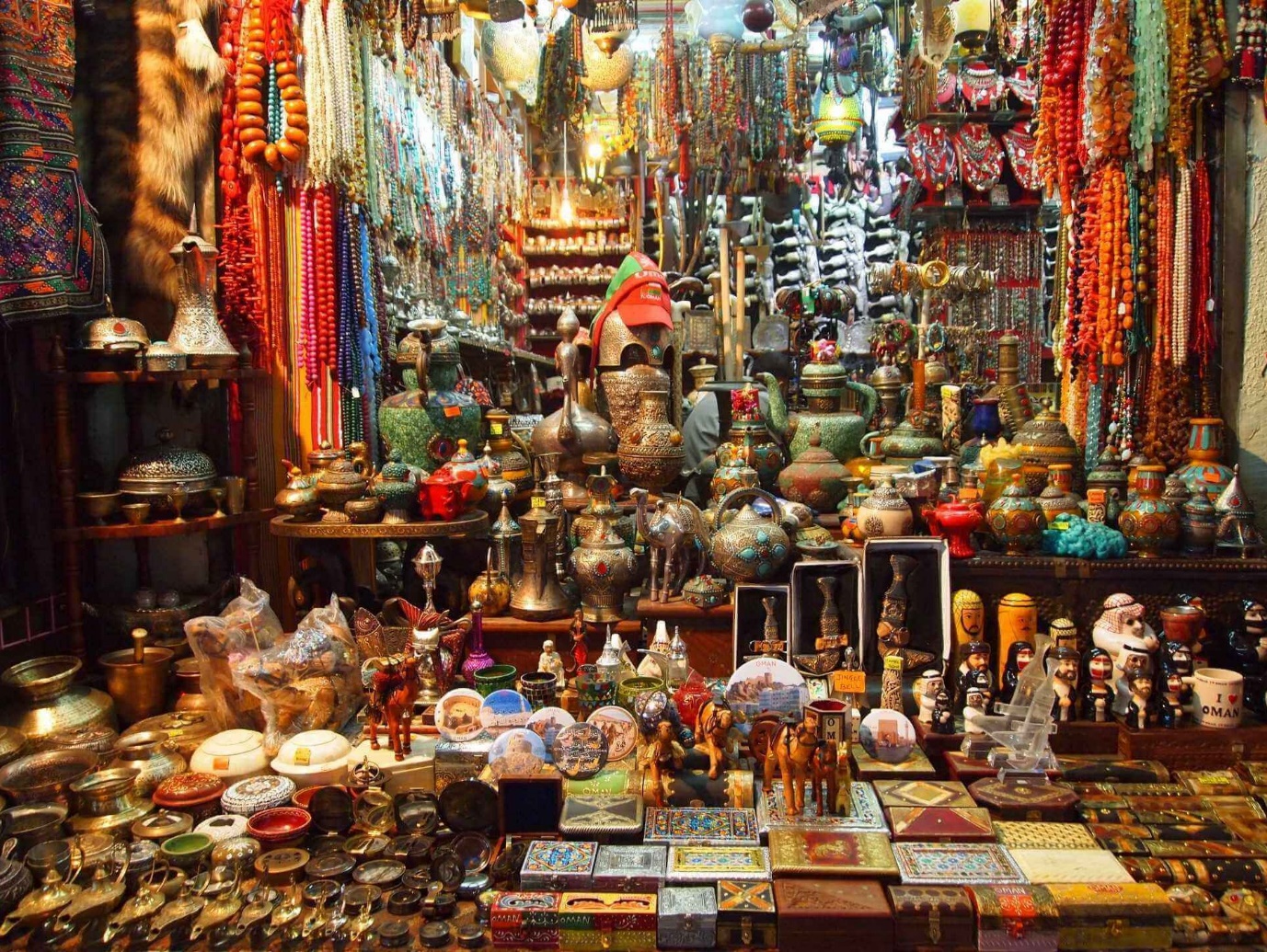
This Singh still retains the charm of its old world, with narrow alleys full of shops that sell a variety of frankincense to handmade silver dishes. Today, in this historic market, we can access goods and goods such as: paintings, Oman silver, perfume, frankincense, spices, traditional clothing, dagger, leather and domestic goods, Indian handicrafts, antique objects, jewelry, textiles, shoes and more. In other words, this market will not return you empty -handed and will have a enjoyable shopping experience in the city.
You can buy the shelf dagger as one of Oman’s most famous souvenirs made in Pakistan or India and available in most shops.
How to reach the market for Muscat?
There are several ways to get yourself to Oman and the Muscat market.
Air: The nearest airport is Muscat International Airport, about 2 kilometers from the market. From there, you can reach the market by taxi or public bus within 1 to 2 minutes. To do this, just get a Tehran Muscat ticket and achieve this historic attraction in the shortest possible time.
By train: Oman currently does not have the right railway system, so traveling by train is not a good option.
Land Travel: The market is well connected to the Muscat and Oman road network. Taxis and rental cars are the best options to reach this destination, and public transport buses stop near the market.
Through Sea Travel: If you enter the port of Sultan Qaboos, the market is only 5 minutes’ walk from the port and is therefore becoming an accessible stop for travelers coming by sea.
Time to visit the Muscat Market
Visiting this market is recommended during the day of the day and you can visit the shops and booths from 9am to 6pm, then from 9pm to 6pm. Keep in mind that on the occasion, especially in religious festivals, many people come to this market and you will see a more crowded atmosphere. It should also be noted that in order to facilitate surfing and shopping, each product and goods have their own sector and separated from other sectors.
The amenities of the Muscat Market
Due to the proximity of this tourist attraction to recreation centers and sightseeing, there is access to recreational facilities. There is also a dedicated parking lot near the market. Of course, during peak traffic hours you may find it difficult to find a parking lot, which helps prevent parking problems.
It is worth noting that there are many beautiful and luxurious restaurants and hotels, such as the Naseem Hotel Hotel, the Al Hadow Hotel, the Sheraton Oman Hotel, the Marina Hotel, and you can stay in Tehran until you get the Muscat tickets to Tehran.
Sightseeing places close to the market
As mentioned, the Swar is located in the Cornis area and, through this proximity, is close to the sights and other tourist attractions. You can reach 2 meters to the Ghalya’s Museum of Modern Art, the Bitr Museum of 1.5 kilometers, the Kornish area of 2 kilometers, the palace of Al -Alam, the Sultan Qaboos coastal resort, 2 km and the Mosque Museum. The tallest castle is also about 1.5 kilometers from the market.
If you have a pet, keep in mind that pets usually are not allowed to enter. Since this crowded market is with narrow alleys, it may be a problem for you with pets.
Final speech
The market is important not only as a shopping mall but as a living and active historical place that expresses its authenticity and age. In today’s world, where many modern and luxurious shopping malls are built, it is valuable to preserve authenticity and culture, and visiting it provides a touch of rituals, culture, social interactions and the spirit of life in Oman.
RCO NEWS