

Japan, a land in which tradition and modernity are beautifully intertwined, has an unparalleled treasure of historical sites. From magnificent temples to strong castles and empire palaces, every corner of the country tells an influential story. These places are not only reminiscent of the history of the imams, but also open a window into rich culture, unique art and deep Japanese philosophies. Among these historical sites are the Fushimi Inari Temple, Osaka Castle, the Temple of Meiji, the shrines and the good temples, and so on.
Ini Fushimi Temple, Kyoto
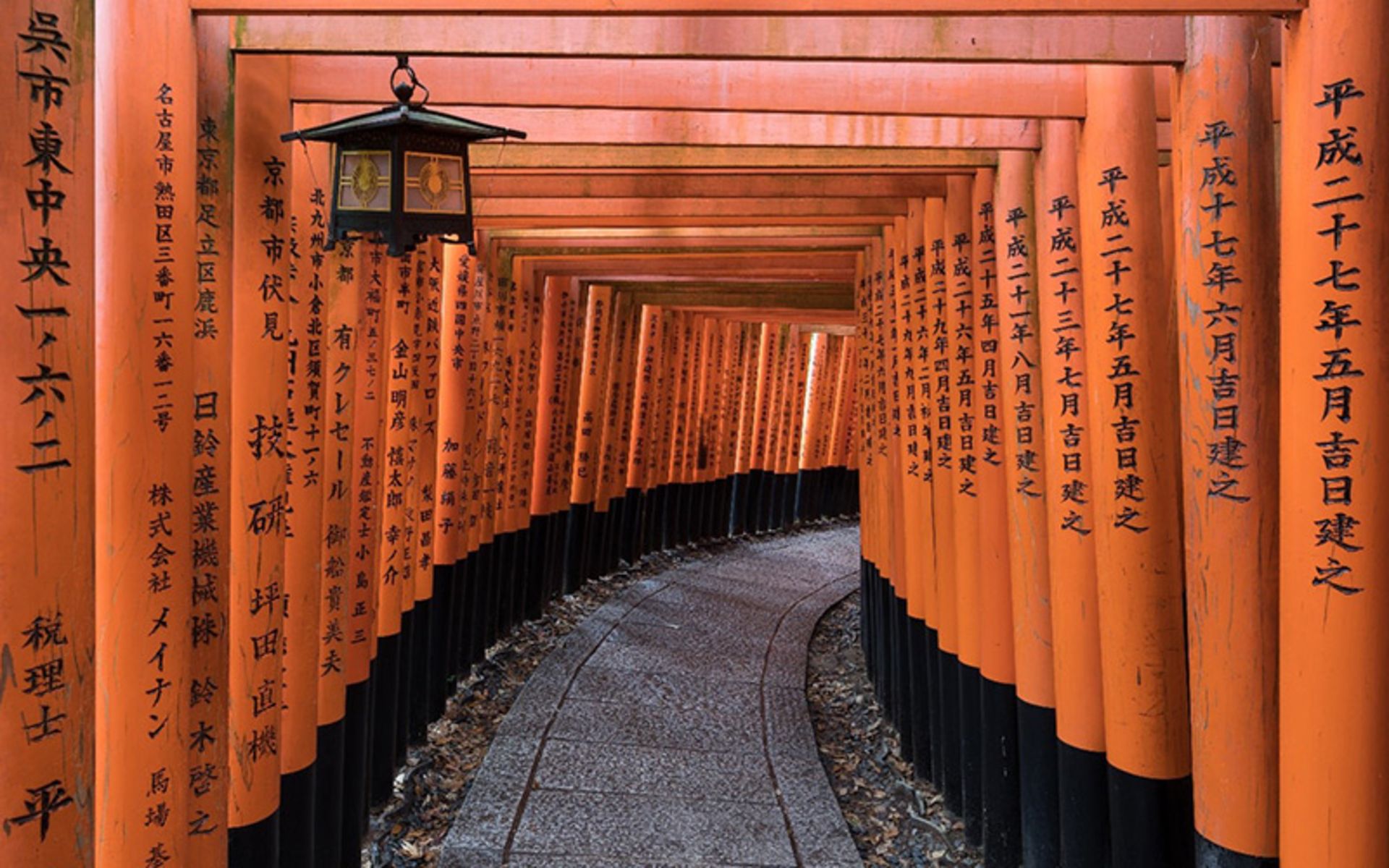
One of Japan’s most famous historical attractions, known for its thousands of red gates, is the Fushimi Inari Shrine in southern Kyoto. Access to the Shinto shrine is possible through about 2.5 traditional Japanese gates, which include a network of hiking trails behind the main buildings. These routes lead to a lush forest in the Holy Mountain of Inari. The gates are two dense and parallel rows and are donated by individuals and companies, the name of the donor and the date of donation behind each gate.
Photographer: Basile Morin / Wikipedia
Fushimi Inari, built in the year 9, is the most important shrine among the thousands of shrines dedicated to the God of Ini. The foxes are known as the messengers of Inari, which is why there are two fox statues in the temple.
Although the main reason for many foreign tourists to visit the Inari Fushimi Temple is to explore its mountainous routes, temple buildings are also spectacular. At the entrance to the temple, there is the gate of Ramon, and behind it, the main hall of the temple. Here all visitors are asked to respect the God by donating a small vow.
Osaka Castle, Osaka
The historical structures of Japan carry a world of glory and the greatness of this land, and what a better building than Osaka Castle can be suggested to get acquainted with the country’s background! The castle or palace was first built in the year 6, which was the largest palace of the city in its time. Toyotomi Hideyoshi, one of Japan’s most famous commanders, intended to turn the castle into a new and united Japanese center. A few years after the death of Hidehoshoshi, the castle was attacked and destroyed in the year 6. Osaka Castle was rebuilt in the 1980s.
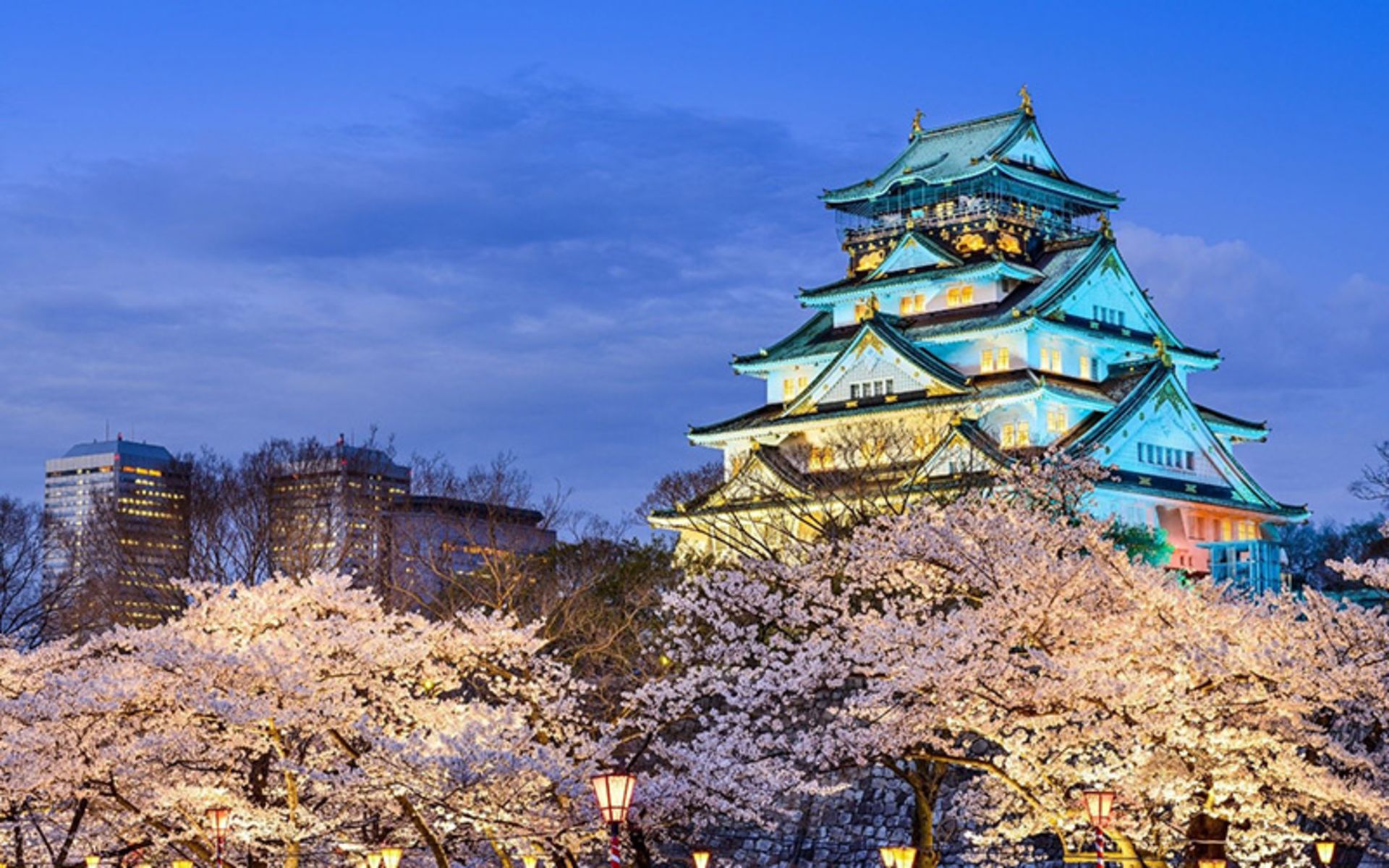
Concrete and iron reconstruction was carried out in the year 2. During the war, the miracle of the city survived the widespread air strikes of the city, and the major repairs gave the castle a new look. The interior of the castle is now completely modern and even has elevators for easier access. Inside the tower, there is a museum on the history of the castle and the Toyotomy.
The main building of Osaka Castle is surrounded by gates, towers, magnificent stone walls and deep ditches. Other parts of the castle with 2 cherry trees and a park of about two square kilometers.
The Temple of Meji, Tokyo
If you are looking for a lush and quiet place in Tokyo in the busy city of Tokyo, do not miss Meiji Shrine. The temple, along with Yoyogi Park, adjacent to it, form a large forest area inside the populated city that has good walking routes for relaxing surfing away from noise pollution. Interestingly, there are about 2.5 trees in the Miji Temple Forest, planted at the time of the temple construction and donated from different parts of the country.
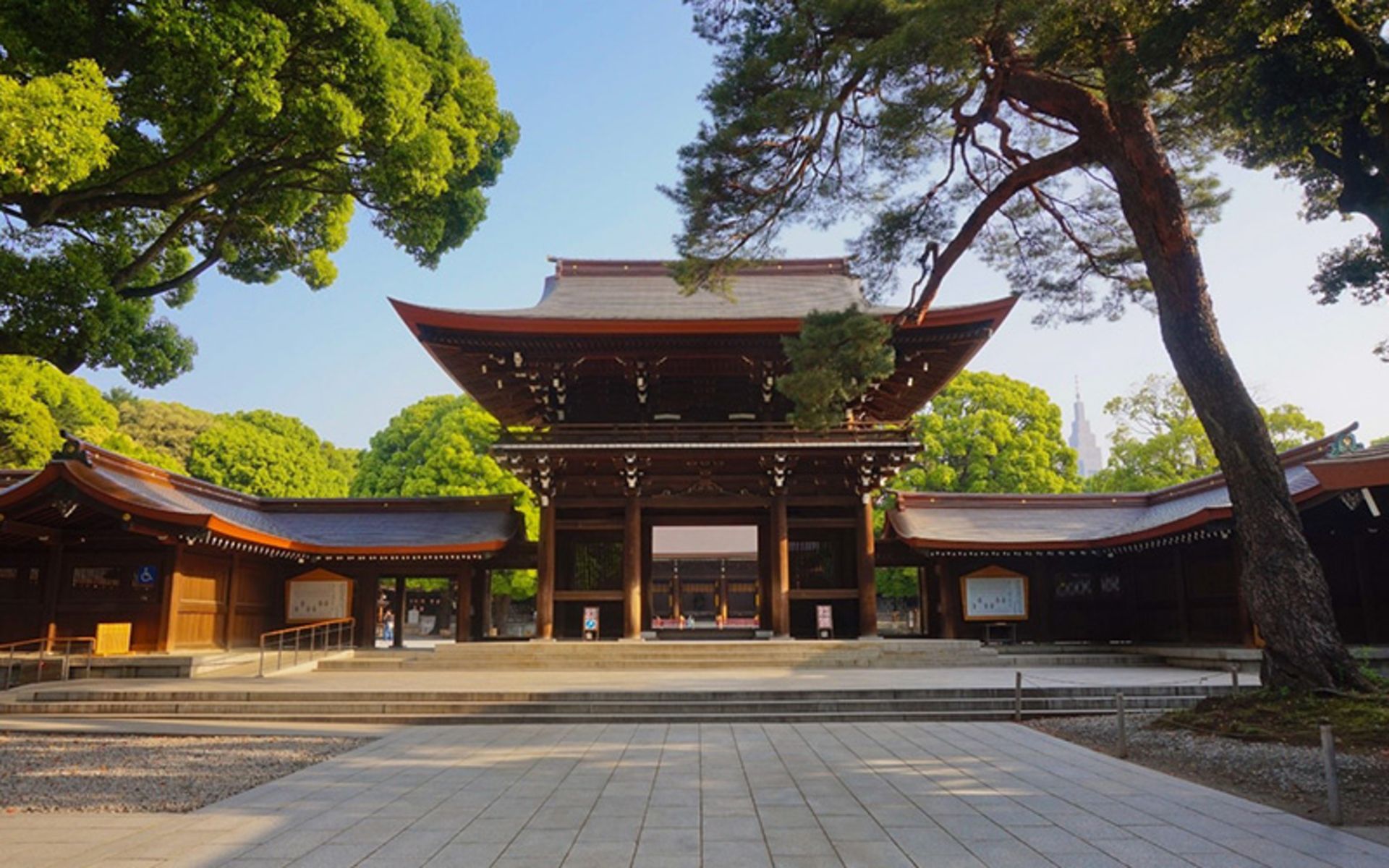
Photographer: Unknown / blog.japanwondertravel.com
Built in the year 6, the Meraji Temple is dedicated to Emperor Miji and his wife, the first Emperor of Japan to be modern. During the Miji period, Japan modernized itself to join the world’s great powers. The Meraji Temple was destroyed during World War II; But it was rebuilt very soon. The main buildings of the temple are in the middle of a lush forest that can be donated to the main hall, buying prayers, or writing wishes. Attending this temple at the beginning of the New Year is one of the most important events of this historic attraction for the Japanese people.
Tuchigi Province, shrines and temples
Visiting sacred places that are of great historical value can satisfy the sense of curiosity and love of tourists to history; So what better place for “Shrines and Temples of Nikko”, which has many visitors throughout the year and is a UNESCO World Heritage Site.
The good shrines and temples, along with the natural environment around them, have been respected as sacred places for centuries. These places, which have many architectural and decorative masterpieces, have a profound connection with the history of the Tokugawa Shoguns, a masterful government.
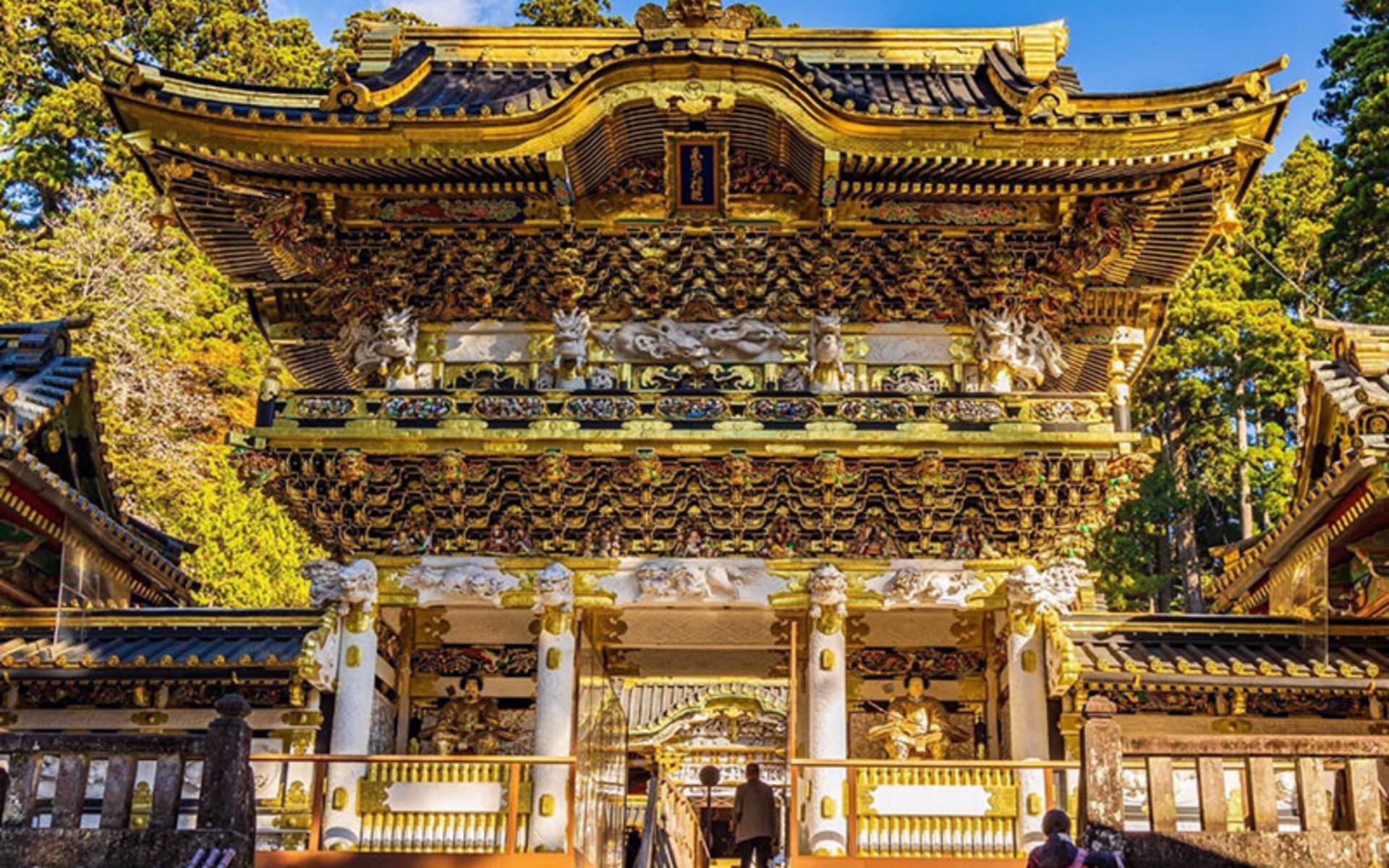
Photographer: Unknown / japanupclose.web-japan.org
Nikko Toshogu Shrine and Nikko Futaarasan Shrine and the Temple of Rinnoji (Rinnoji). These buildings were built on the slopes of the Niko Mountain, which were visited as a place for worship during the Nara period (4-5 AD). In addition, Tokugawa Iyasu, the founder of the Shoguni Salari Edo government, was buried in the Tashuo shrine after his death. The shrine has more than 5 buildings, with a large number of wooden engravings and large quantities of gold sheets; A method that is not found anywhere from Japan.
Hiraizomi historical buildings and sites
Historic monuments and sites of Hiraizumi, which are in the UNESCO World Heritage Site, include temples, gardens and historical sites that represent the pure land of Buddha. The pure Buddha is said to be a place where the Buddhists wish to be born again after death.
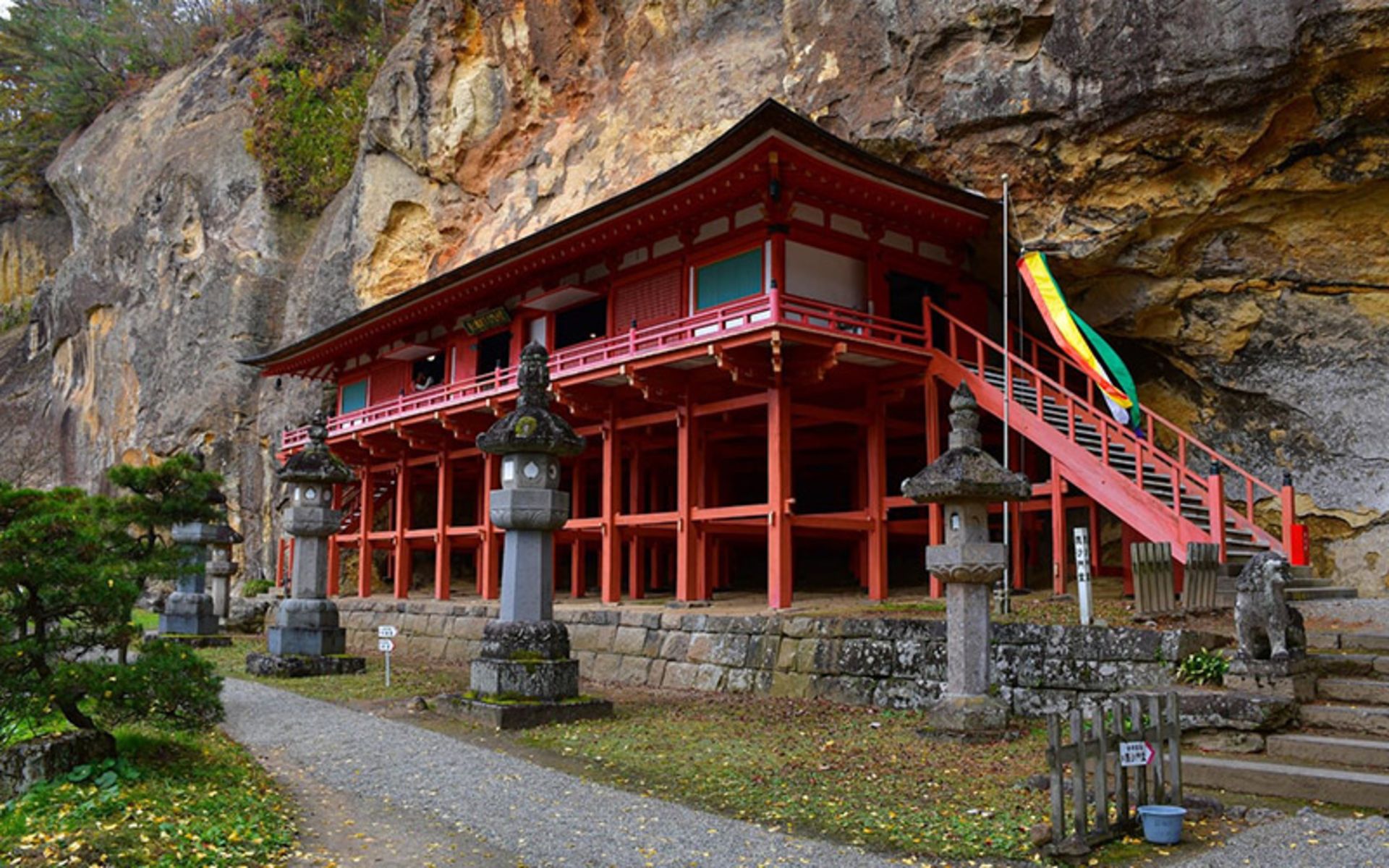
Photographer: Unknown / Zimminaroundtheworld.com
The four temples of Chuson-Ji, Motsu-Ji, Kanjizao-in ATO, and Muryoko-in Ato are historical structures of the Hiraxomi region. There is a garden in each of these temples that clearly demonstrate the importance of the spread of Buddhism and the worship of nature. Mount Kinkeisan is another sightseeing place of Hiraizum. It is said that in the twelfth century and at the time of the founding of Hiraizomi, sacred objects such as the Golden Cock Sculpture were presented to the mountain to protect the hiraizomia.
Museum Tomb, Osaka
The burial place of prominent and important faces can be considered one of the important attractions of any country. Japan is no exception, and the country’s largest ancient tomb is “Mozu Tombs” with dozens of ancient tombs that are a great choice for a visit. This attraction has been registered by UNESCO World Heritage Site.
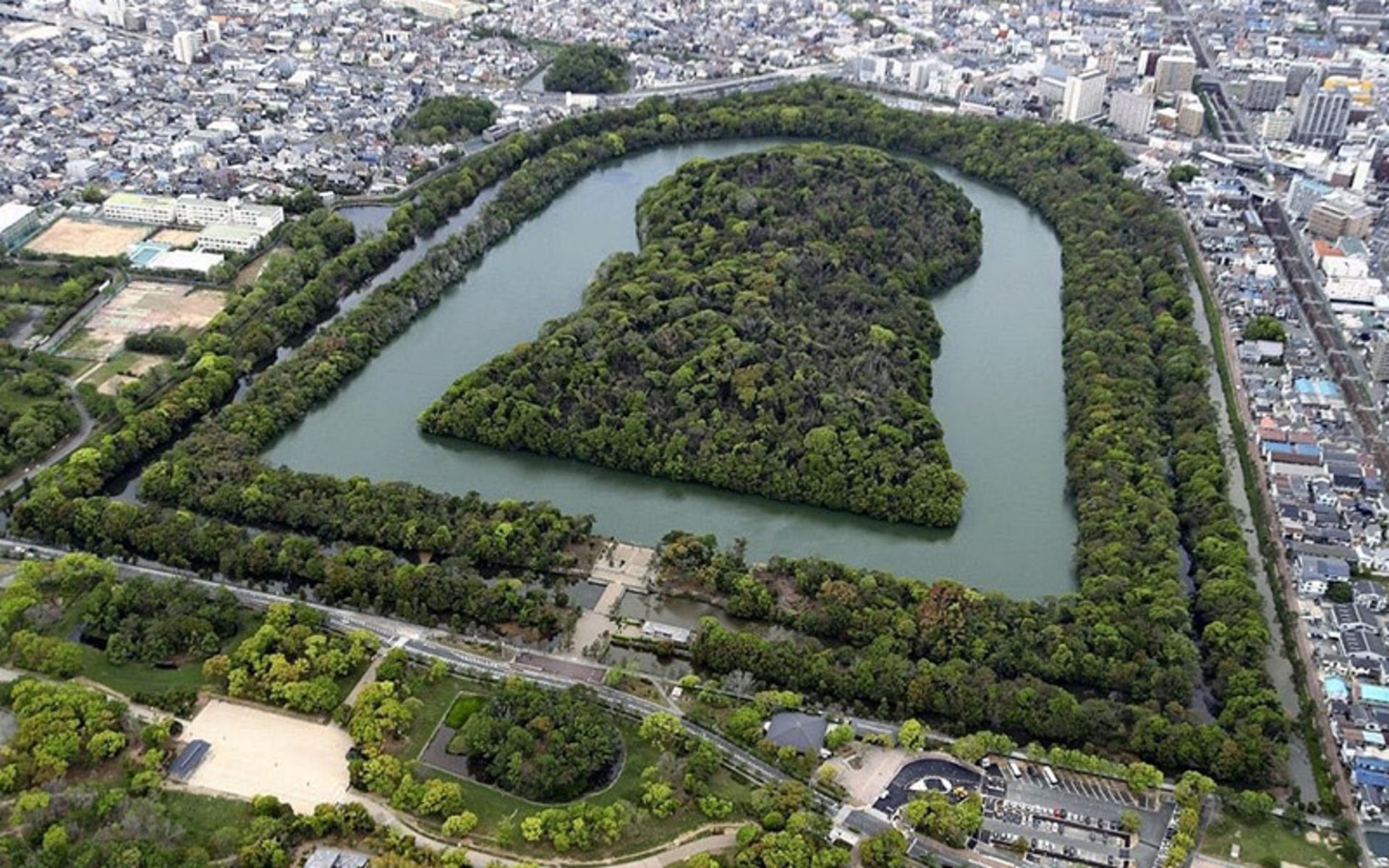
Photographer: Unknown / Tripadvisor.ca
Each of the museum graves contains a huge hill of soil that was initially almost without vegetation; But today, most of them are covered with trees. These graves were built for the ruling class between the fourth and sixth centuries. They showed the hierarchies and beliefs of the elite community at that time; So the larger and the more high -profile hills belong to higher positions and smaller and simpler hills to lower government officials.
The largest grave is the tomb of Emperor Nintoku, which is about 2 meters long and 2 meters wide; Therefore, it is not only Japan’s largest tomb, but one of the largest tombs in the world.
Many of the larger graves are in the form of a key hole and are surrounded by ditches. In general, it is not possible for the general public to enter these graves, and it is difficult to understand the greatness of some without observing the high altitude.
Yasukuni shrine, Tokyo
The victims of the war have always been respected, and the Japanese commemorate the dead in Yasukuni Shrine at the Yasukuni Shrine. The Shinto Temple was founded in central Tokyo in the year 9 to protect those who sacrificed their lives in the war for their country and also contributed to peace in Japan. There are about 1.5 million people in this place; Those who died for Japan in clashes about the Miji Revolution, the Satsua Rebellion, the China and Japan War, the Russian and Japanese War, World War I, Manchuria, the Second War of China and Japan, and the Pacific War. The names, date and place of death of each of these people are recorded.
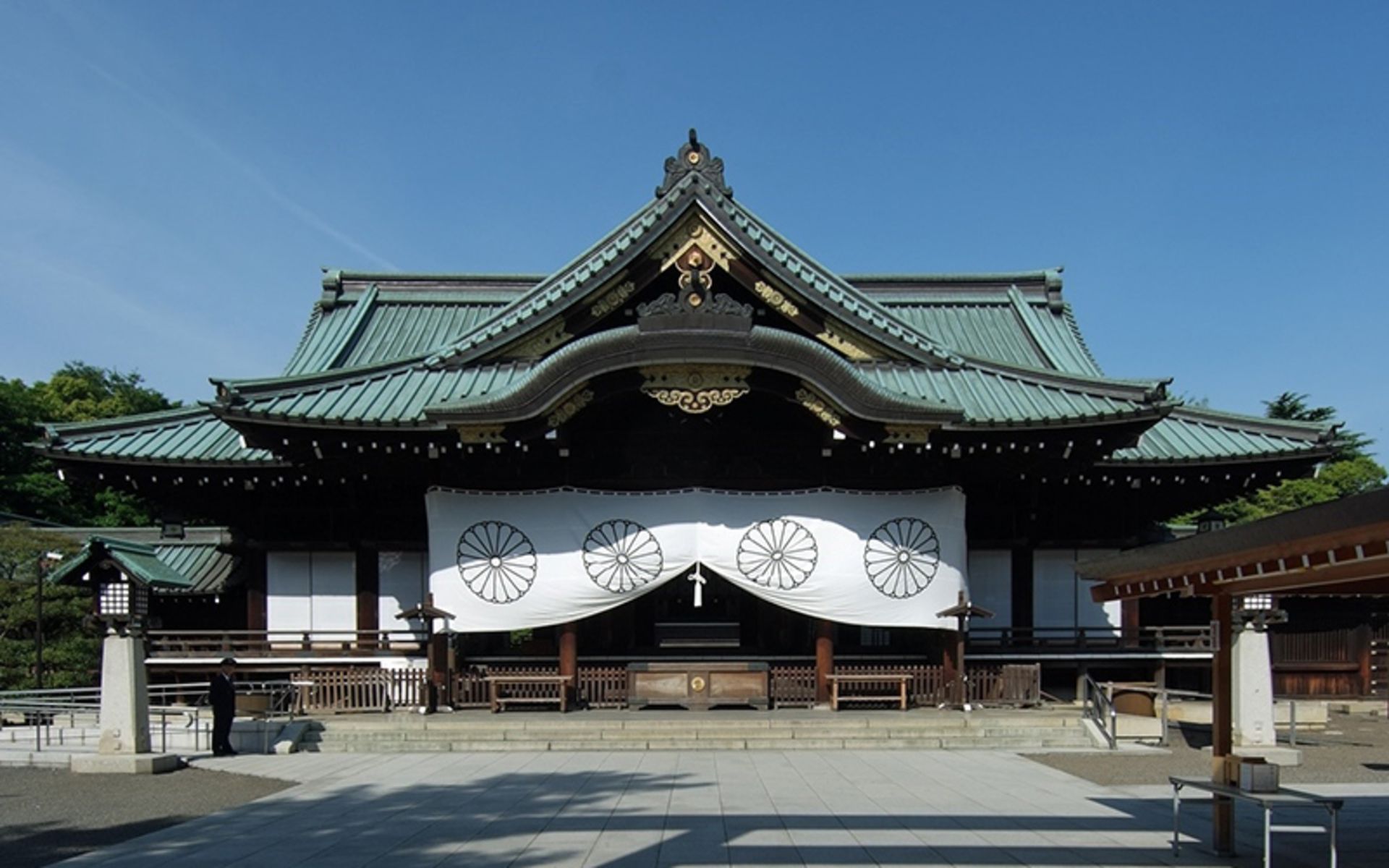
Next to the temple buildings is the Yushukan Museum, which is dedicated to the Japanese wars. In the area of this pilgrimage, hundreds of classes show off that when they blossom, they give it a double charm.
Kyoto Empire Palace, Kyoto
The experience of being in the palaces that once lived in the emperors is attractive to anyone. These include the Kyoto Imperial Palace Palace, which was the official residence of the Japanese Empire until year 4. In that year, the emperor and the capital moved from Kyoto to Tokyo. In fact, the Palace of the Kyoto Empire for five centuries was the heart of the power of the Japanese Empire and is still used today for coronation celebrations. This luxurious palace is currently inside the Kyoto Gyoen National Garden; This 2 -hectare garden is a great choice for circulating, picnics and watching flowers.
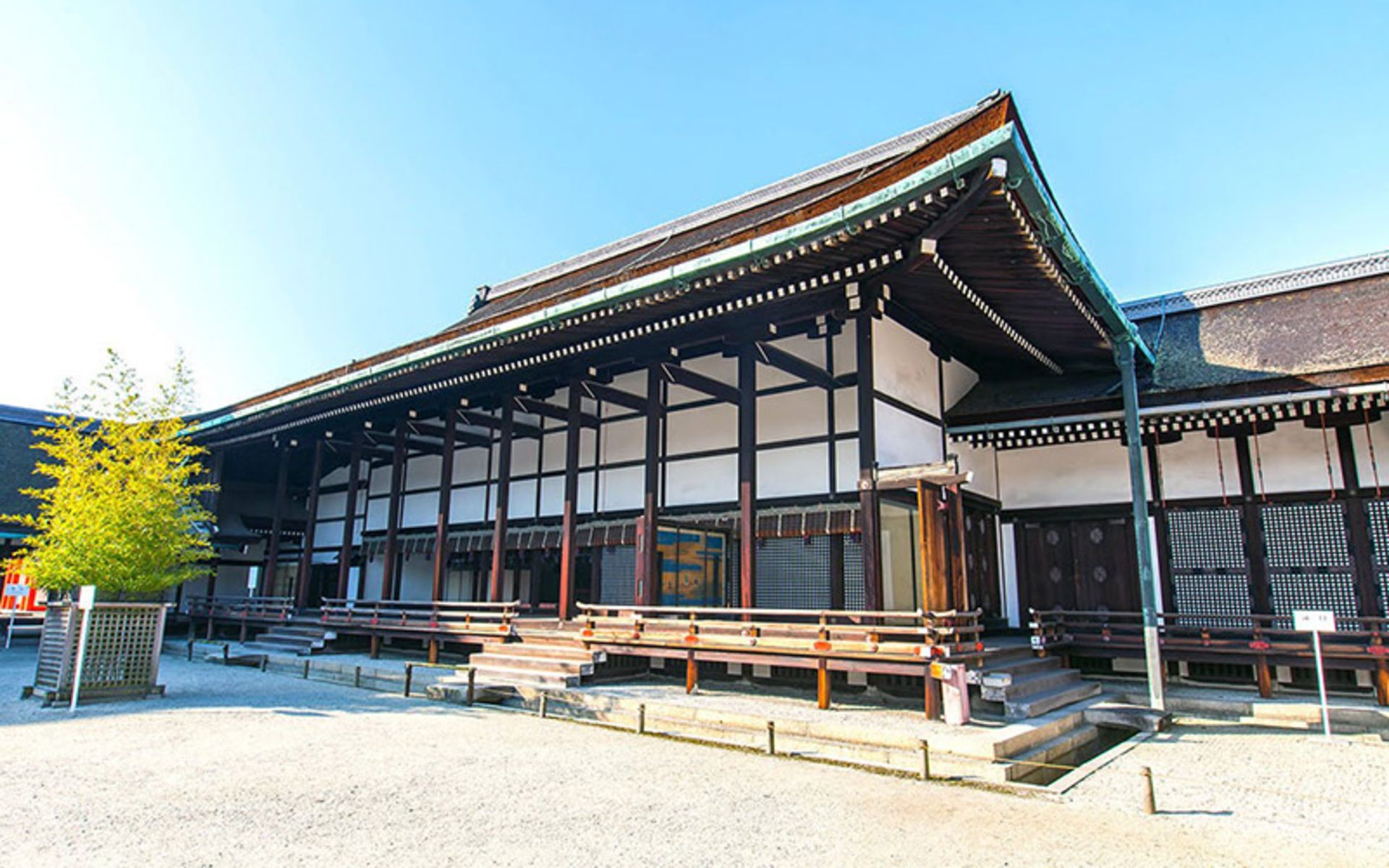
The current Empire Palace was rebuilt in year 6. This huge complex is enclosed with high walls and has various buildings with important functions such as the State Ceremonial Hall, the Emperor’s Living and Study Room. The magnificent palace halls allow you to imagine how life in the palace has been hundreds of years ago. While you can easily visit the exterior of the buildings and the garden, you are not allowed to enter any of them.
Tokyo Empire Palace, Tokyo
If you would like to see the Japanese Empire’s family’s residence, go to the city center of the city of Tokyo Imperial Palace. The palace was built at the same point where the Edo Castle was located. Construction of this place was completed in year 2; But it was destroyed in World War II and was later rebuilt in the same style.
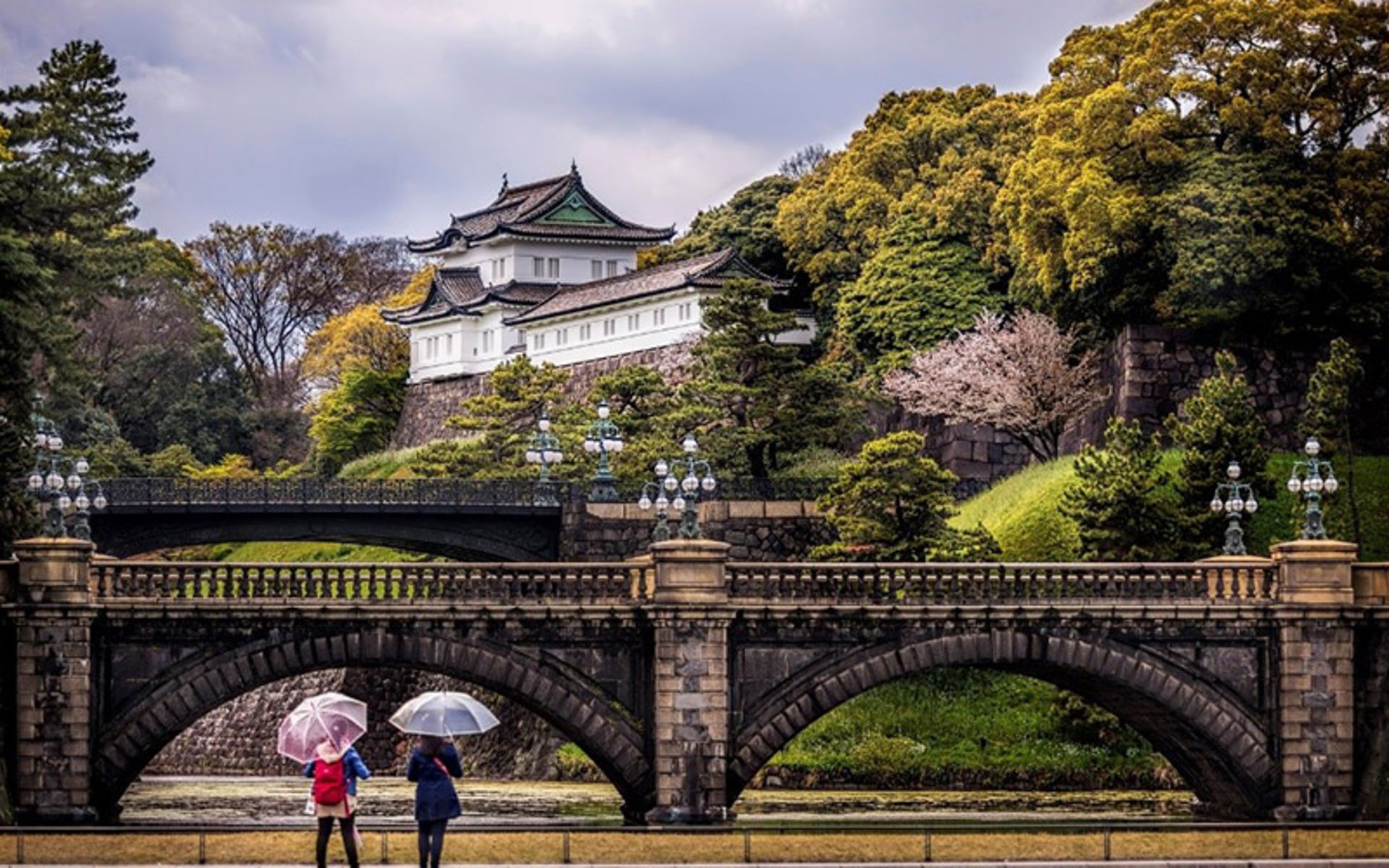
Photographer: Unknown / travel.gaijinpot.com
From the vast square in front of the Empire Palace, you can see two beautiful bridges traveling to the interior of the palace. The front stone bridge is known as the glasses bridge because of its shape. The rear bridge, once a two -storey wooden bridge, is known as the Dutta Bridge.
The interior of the palace is often not open to the public. Only two days of the year, January 2 (New Year) and February 7 (Emperor Birth), visitors can enter the interior and see the royal family members.
Sanchi Shirakami Forest, Tohokoko
Curriculum forests, such as Shirakami-Sanchi, polish the spirit of every human being and bring you unique peace for hours. This vast forest covers the border between the Aomuri and Akita provinces in the northern district of Tohuku, Japan. The central core of the area is composed of the last unstable beech forests in Japan, which is why its name is on the UNESCO World Heritage List.
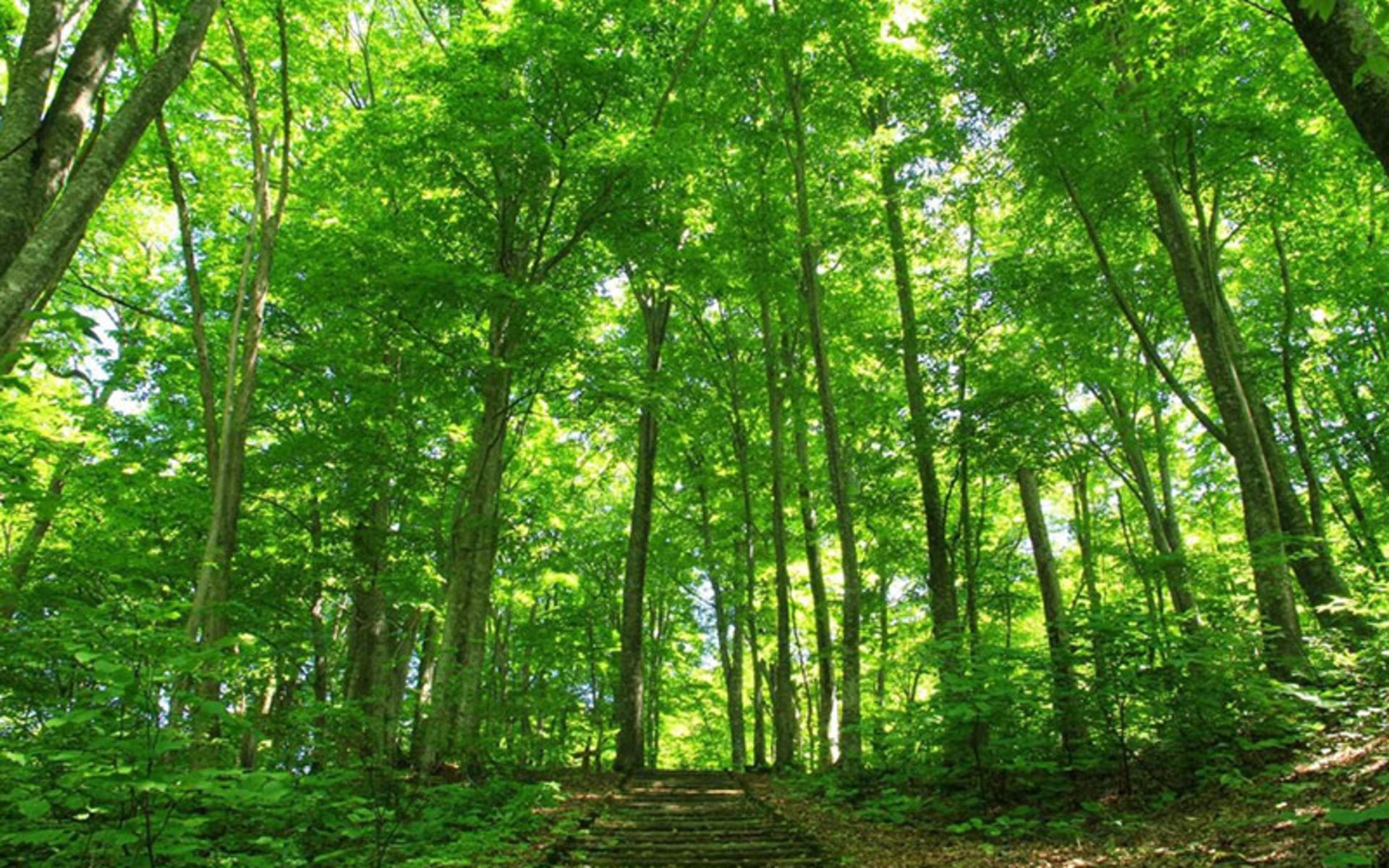
The main attraction of Chiracami Sanchi is the various hiking trails led by waterfalls, mountain peaks and lakes. The most popular hiking route is extended to Anmon Falls, located northeast of Chiracami Sanchi.
In the northwest of Chiracami Sanchi, along the coast of Japan, there is a collection of small and pond lakes called Juniko, which are connected by walking routes. With its magnificent lakes and ponds, the area is an ideal destination for daily walks, fishing, boating and camping. One of these lakes is known for its super -water water, which is largely abnormal.
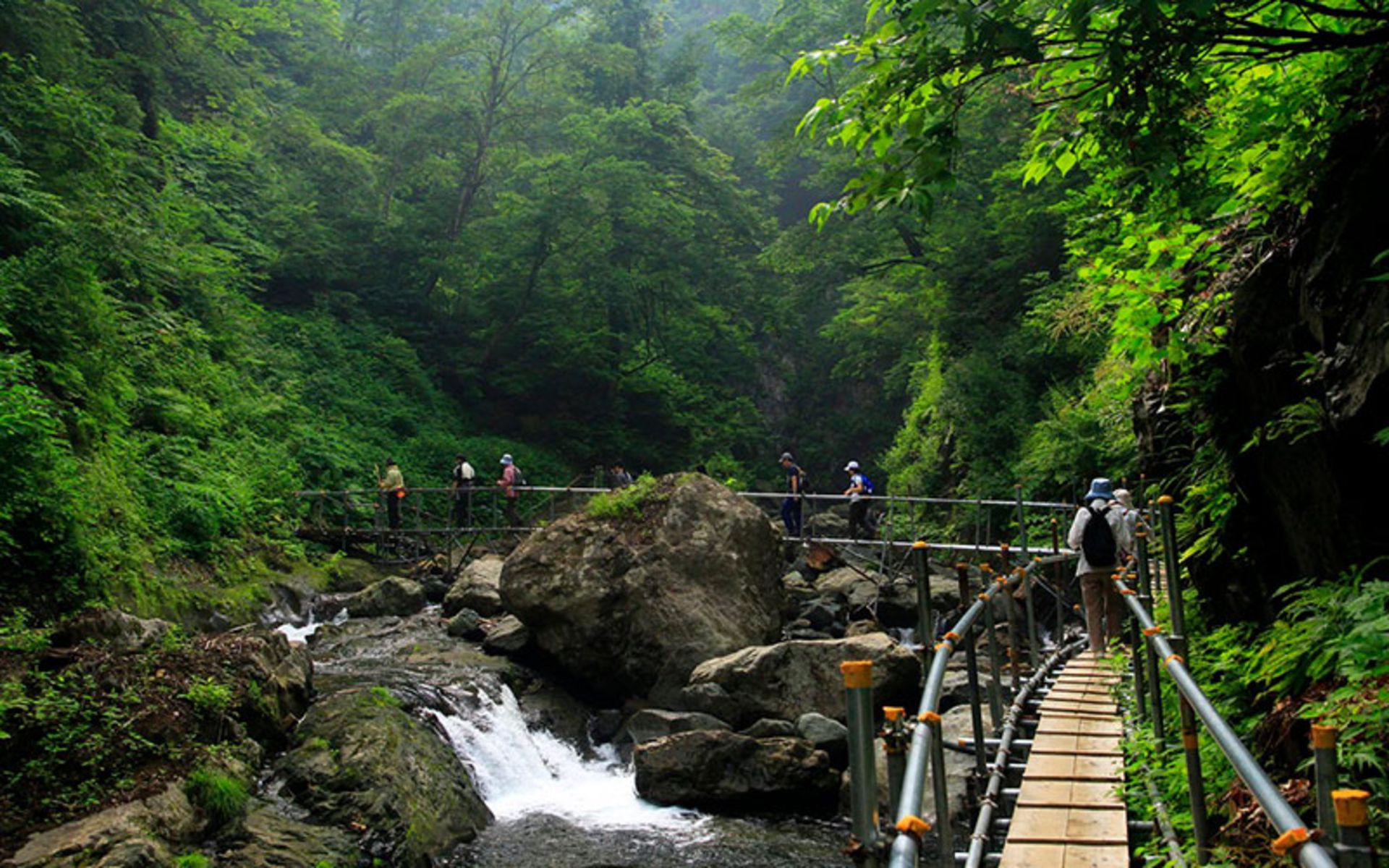
Photographer: Unknown / japanrailandtravel.com
Which of you most of the historical sites of Japan did you consider? Do you know another historical attraction that is very popular in this country? Be sure to share your valuable view with Kajaro’s companions.
Photo Cover Source: Travel.rakual.com, Photographer: Unknown (Osaka Castle)

RCO NEWS