

Only three percent of the earth’s water is freshwater, which is the main characteristic of the lakes and the only water can be drunk or used in agriculture. Since the lakes are the main sources of freshwater in residents of the Earth, protecting and maintaining them is essential for the present and the future. Not all lakes are equal in size, and some are large enough to accommodate 2 % of the world’s unhealthy freshwater reserves. In this article, we will first examine the difference between the sea and the lake, then the largest lakes on earth.
The lake is a stagnant irrigated land created by natural processes (such as glacier activities, volcanic eruptions, land shell deformation, large pits created by earthquakes, etc.) or by human activities (such as dam construction, artificial lakes, etc.). The lake is typically smaller than the sea and has no way to the larger seas or ocean; But the sea is a saltwater area, part of which is surrounded by land and linked to the ocean. The seas are more depth in addition to the lake and are affected by the phenomenon of water tide.
There are, of course, exceptions: For example, the “Dead Sea” (al -Bahr al -Mith) is actually a salt lake located between Jordan and areas of Palestine. The Caspian Sea, though its name, is also classified in the category of lakes in terms of geography. The Caspian Sea is also full of saltwater, enclosed on land and is not attached to any oceans. This blue zone is the largest lake in the world. Perhaps the reason for its naming to “sea” instead of “lake” is its saltwater and extensive water or for historical reasons.
Photographer: Unknown / az-animals.com
Caspian Sea (Caspian Sea)
- Extension: 2.3 km square kilometers
The Caspian Sea, also known as the Caspian Sea, is the largest landlocked land on land. Lake Caspian has played a vital role in human industry and culture for centuries and has affected its surrounding ecosystems and ecosystems as a natural boundary between the continent of Europe and Asia. The length of the Caspian Lake is about 2.5 km from the north to the south and its width is about 2 kilometers.
Although known as the sea, it is technically a lake that has both saltwater and freshwater characteristics. About four rivers flow into the Caspian Sea, the most famous of which is the Volga River in Russia. The Caspian Sea plays an important role in the geopolitics (political geography) of the region and is in line with Russia, Kazakhstan, Turkmenistan, Iran and Azerbaijan.
The extensive coast of the Caspian Sea consists of rocky rocks and sandy sandy lands, each providing different biodiversity and natural habitats. There are a variety of human activities, including fishing, oil extraction, gas extraction, etc., and therefore, the Caspian Sea is a vital path for commerce and is one of the valuable oil and gas reserves on Earth.
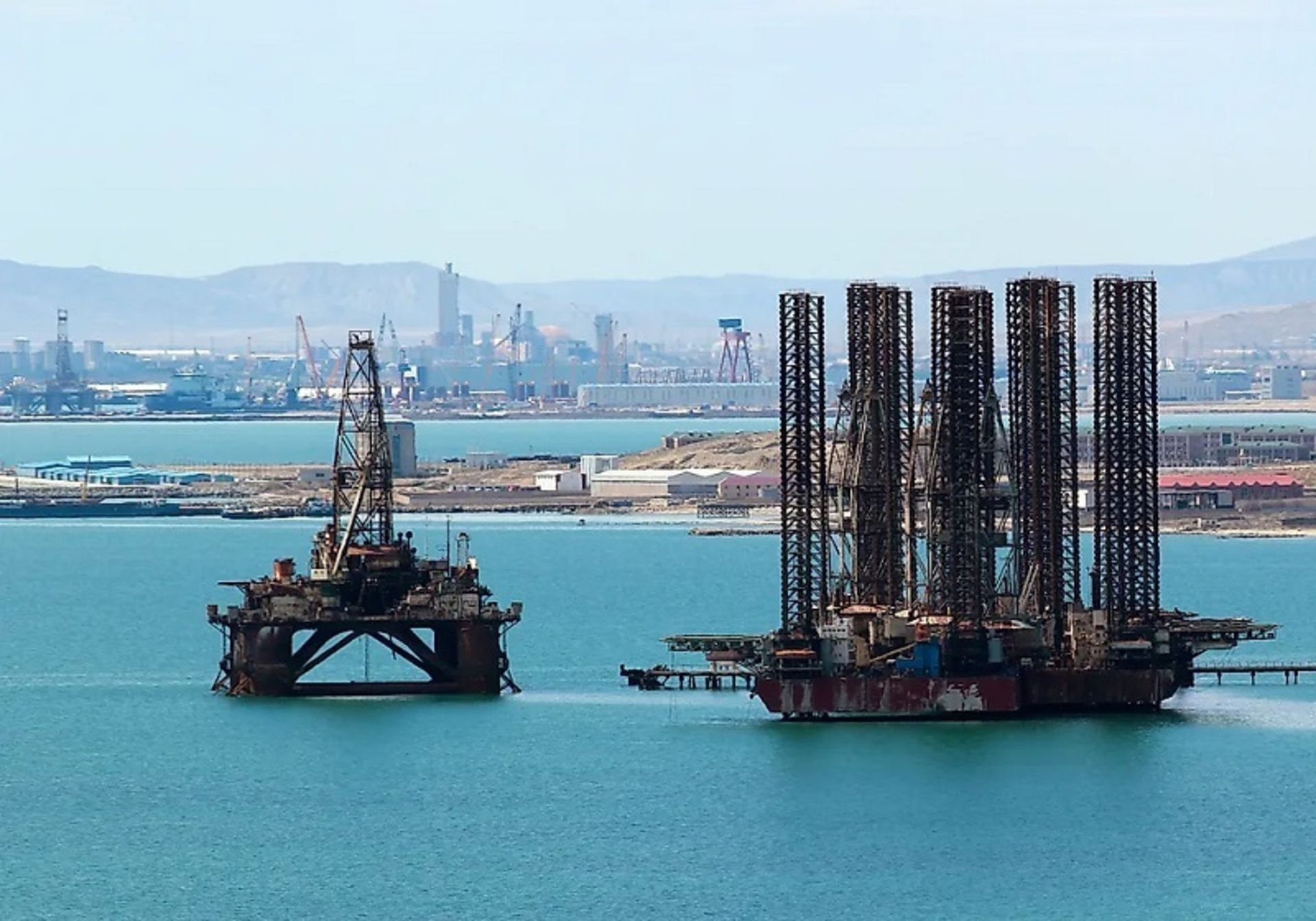
Photographer: Unknown / Worldatlas.com
Lake Superior
- Extension: 4.3 km square kilometers
Lake Superior is the world’s largest freshwater lake. Situated in North America, the southern border is the United States and its northern border with Canada. The first largest lake among the five lakes of the northern continent belongs to Lake Superior.
This vast blue zone is also significant in terms of depth and volume; With an average depth of 2 meters and a maximum depth of 2 meters, it is the deepest continent of America. Its large range also means that each drop of water stays in the lake on average for about 5 years, affecting the nutrient cycles and the lives of aquatic creatures.
Lake Superior has a special cultural importance for the natives of the United States and has historically been the main route of trade, transportation and exploitation of natural resources such as wood and iron ore. Today, this lake with stone beaches, national parks, cold and transparent waters, and so on is still a popular and popular treasure for environmentalists, naturalists and tourists.
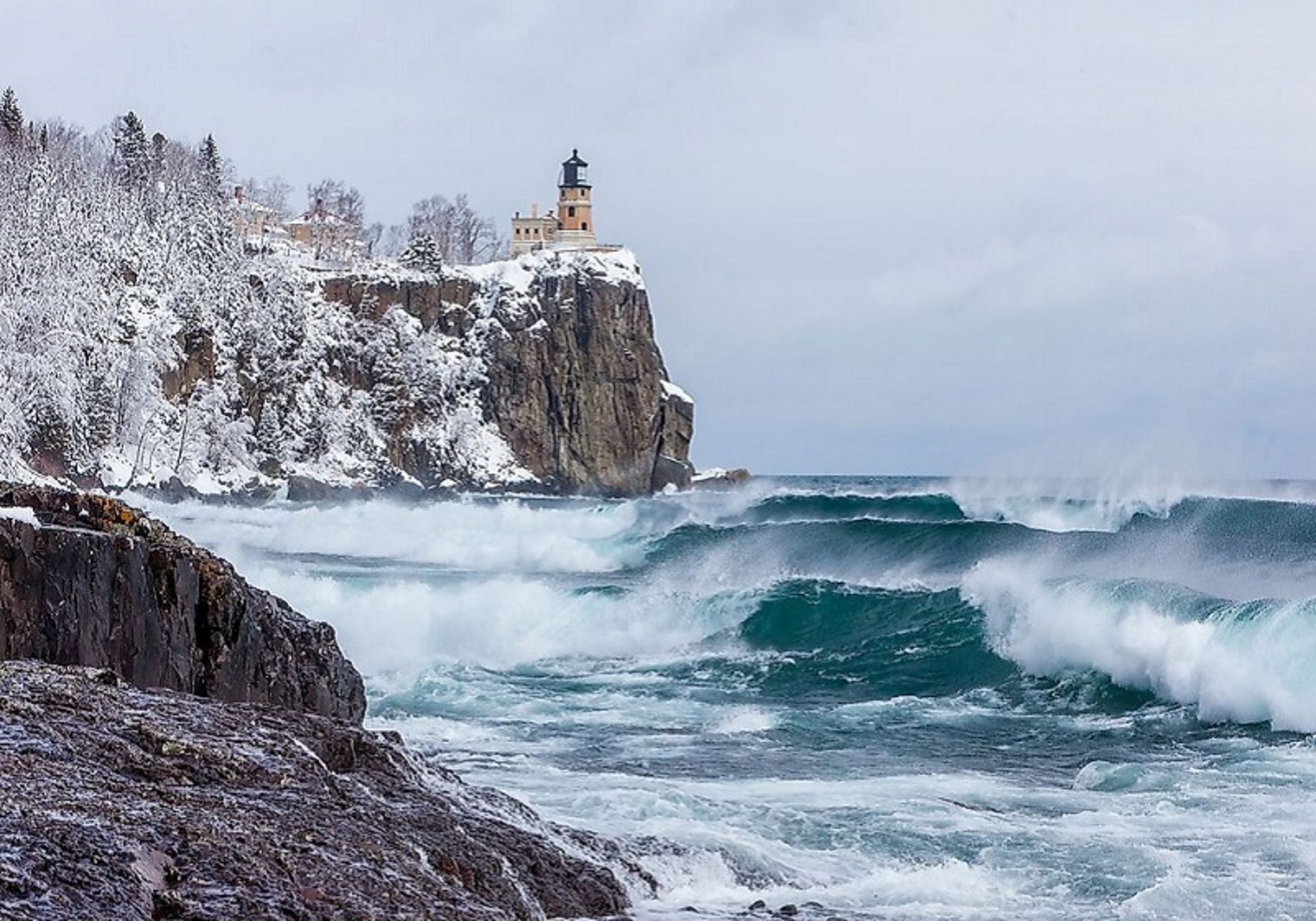
Photographer: Unknown / Worldatlas.com
Lake Victoria
- Extension: 1.5 km square kilometers
Lake Victoria is the largest continent in Africa and the second largest freshwater lake in the world. The average depth of this blue zone is about 2 meters. Victoria is located in the east of the continent of Africa and is divided between the three countries of Kenya, Uganda and Tanzania. This lake is one of the most important water resources for supplying drinking water and agriculture in the area.
Lake Victoria plays a key role in the regional economy and because of its large range of rainfall, moisture in the atmosphere and the environment. Nile Perch fishing is a very important industry. The Nile White also originates from the lake, which enhances its historical, geographical, cultural, political and commercial importance. In recent years, Lake Victoria has faced challenges such as pollution and unnecessary exploitation, which are serious threats to its rich ecosystem and its surrounding areas.
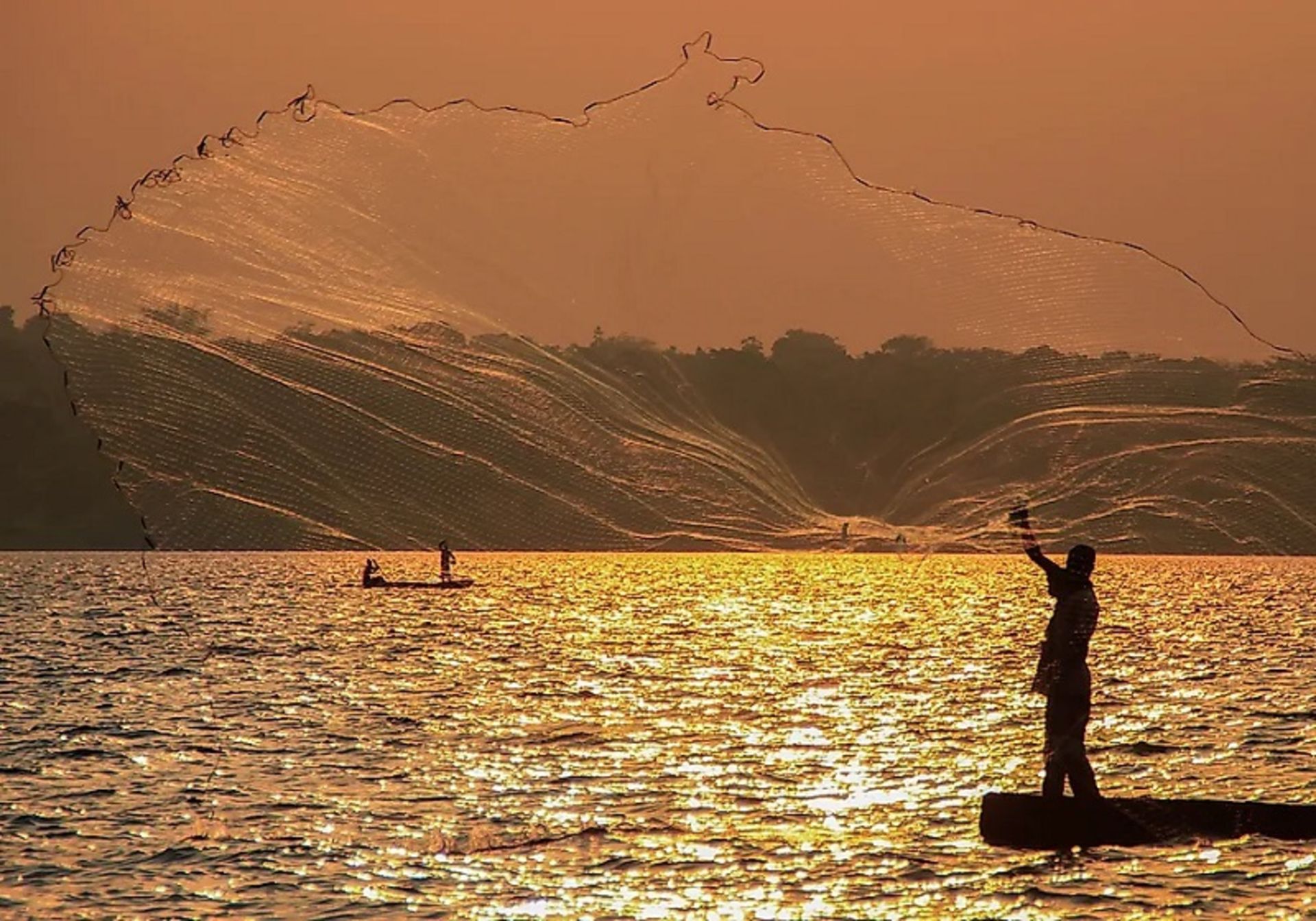
Photographer: Unknown / Worldatlas.com
Lake Horan
- Extension: 4.3 km square kilometers
Lake Huron is the second largest lake of the five lakes of the northern continent. The lake is located between the state of Michigan in the United States and Ontario in Canada.
About 2.5 islands have come from the lake, each of which has a significant geographical diversity. Manitoulin Island, the world’s largest freshwater island, is located in the lake.
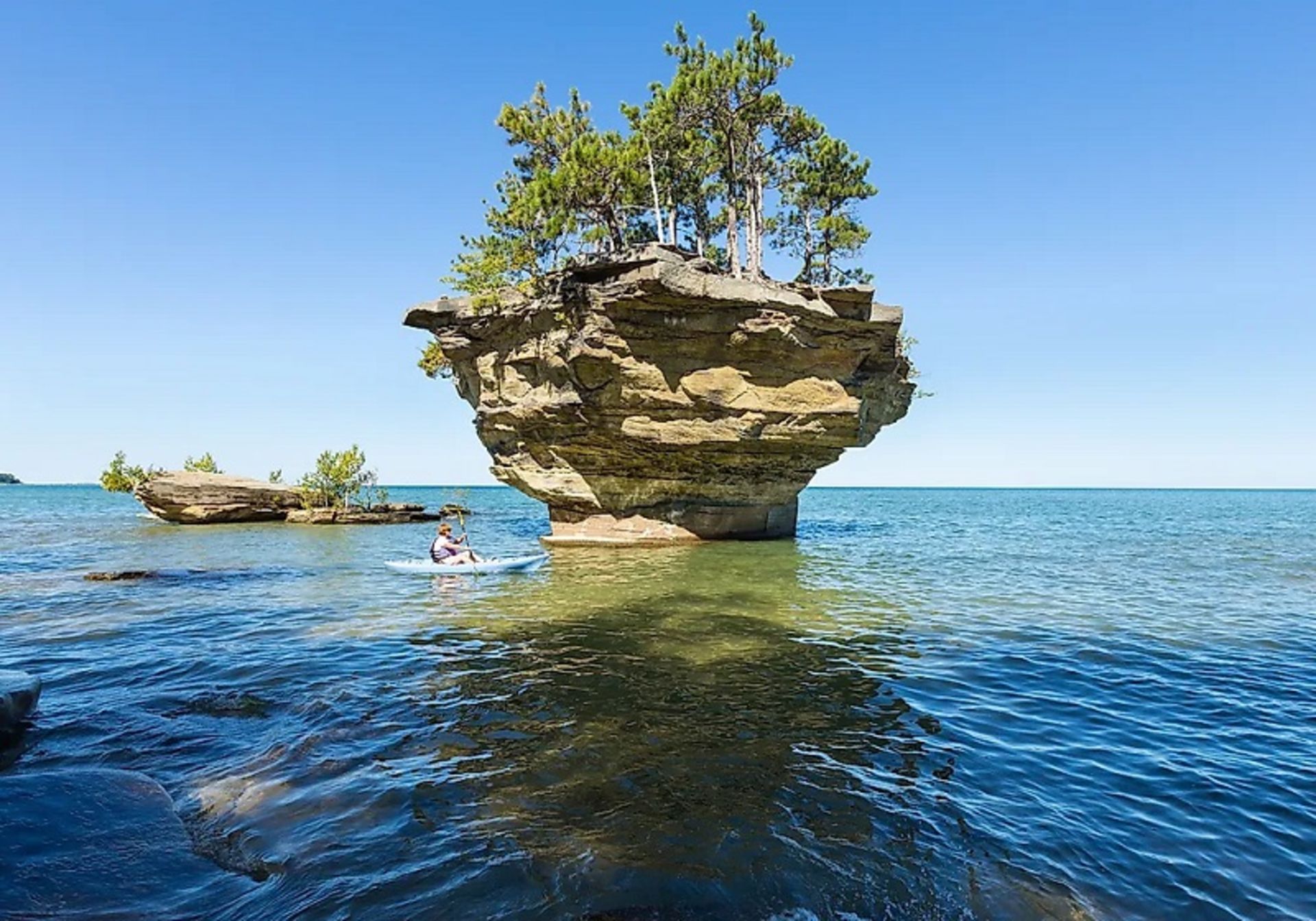
Photographer: Unknown / Worldatlas.com
Lake Michigan
- Extension: 2.3 km square kilometers
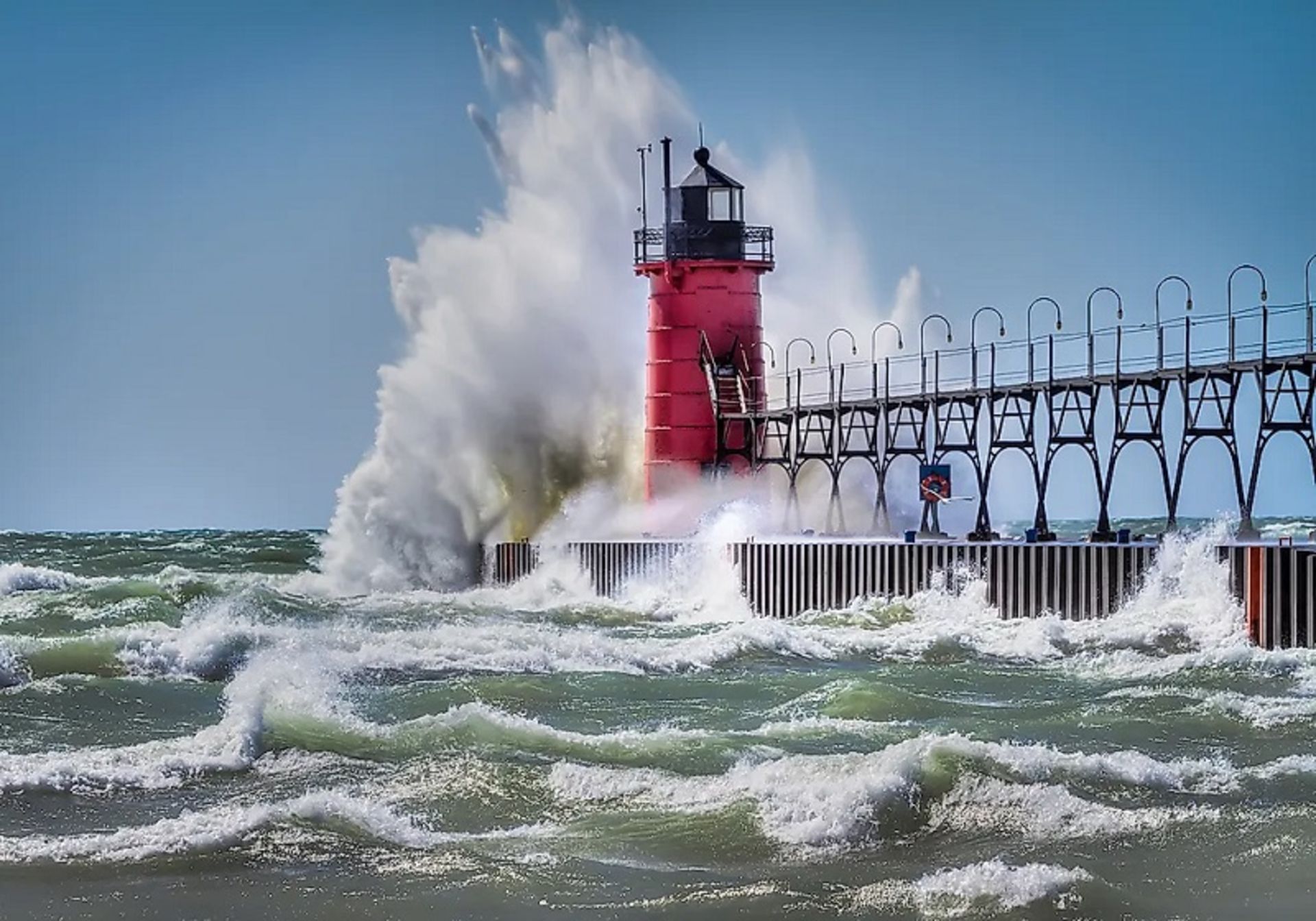
Lake Michigan is the only large lake of the five main lakes of the northern continent located completely on the soil of the United States.
Lake Michigan connects to Lake Horan via the Mackinac Strait, which has made some of the two lakes one. Michigan has a long coastline and is bordered by the states of Michigan, Indiana, Illinois and Wisconsin.
Lake Michigan plays a vital role in facilitating shipping and moving passengers, with important ports such as Chicago and Milwaukee along its coast.
Photographer: Unknown / Worldatlas.com
Lake Tanganika
- Extension: 2.3 km square kilometers
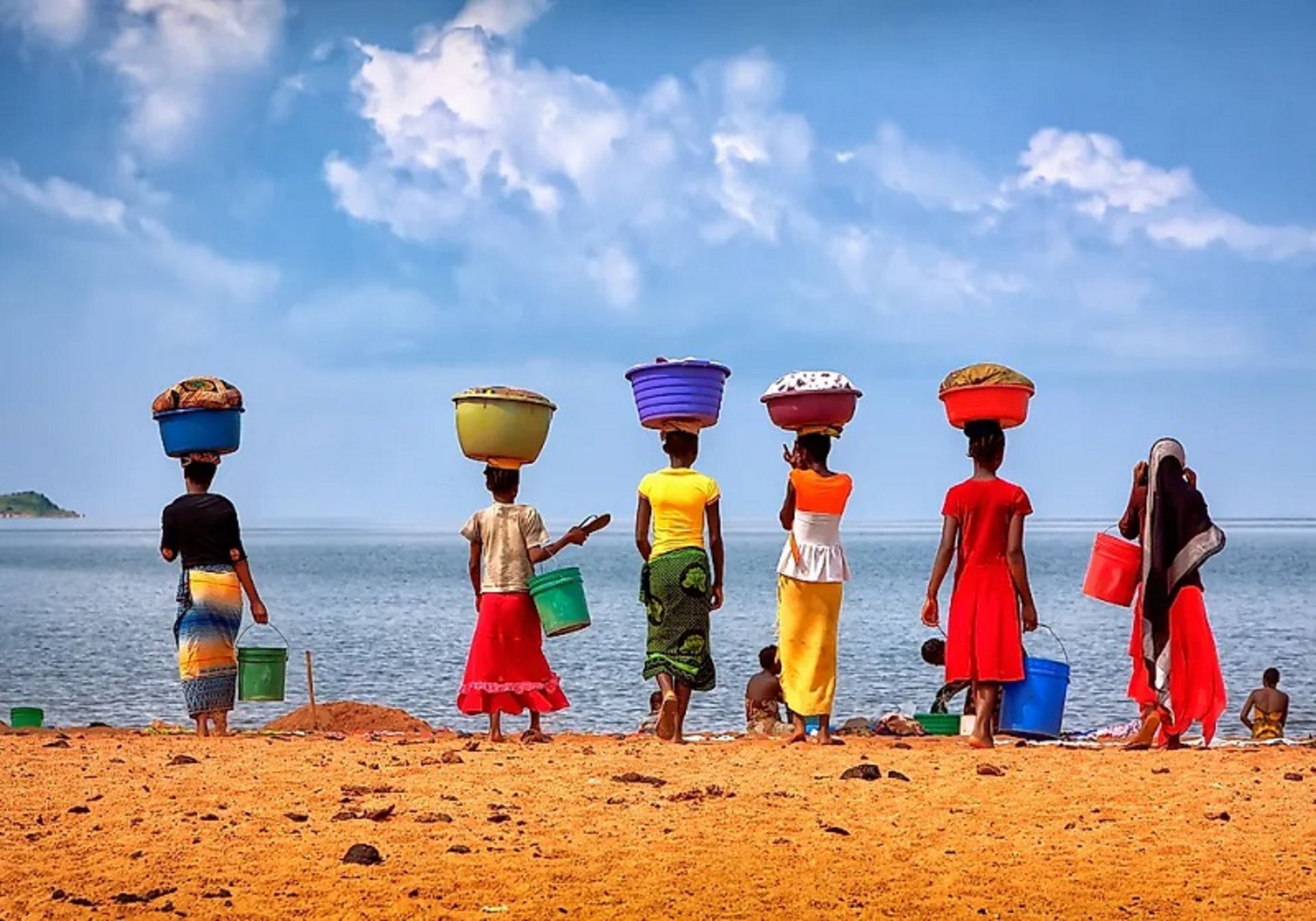
Lake Tanganyika is another of the largest freshwater lakes in the world. The length of Tanganyica is about 2 kilometers, making it the longest freshwater lake in the world. This water zone with a maximum depth of 2.5 meters is also the second deep lake in the world. Lake Lake is located in the continent of Africa and is between the four countries Burundi, the Democratic Republic of the Congo, Tanzania and Zambia.
Lake Tanganika has been estimated at 5 to 5 million years and has maintained a huge volume of freshwater all the time. Many of the various animal and herbal species live around and inside the lake, including 5 types of sage fish and more than 5 other types of fish that live and birthday in Tanganica’s freshwater.
Lake Tanganika is known as the “African Aquarium”; Because the aquatic species and the fish in it are very beautiful, rare and varied.
Other uses of Lake Tanganika are business and trade. This lake is a vital route for local communities and plays an important role in economic life, food supply, region culture, and so on.
Photographer: Unknown / Worldatlas.com
Lake Baikal
- Extension: 2.3 km square kilometers
Lake Baikal is located in southern Siberia, Russia, and is the deepest freshwater lake in the world with a stunning maximum of more than 2.5 meters. Lake Baikal is estimated at more than 5 million years and accounts for about 2 percent of the world’s total freshwater.
This amazing area of ice and water is home to more than 2.5 species of animal and plant species, many of which are found only in the lake. Pusa Sibirica is the only jaw species in the world that lives in freshwater. This is a series of indigenous and scarce residents of Lake Baikal.
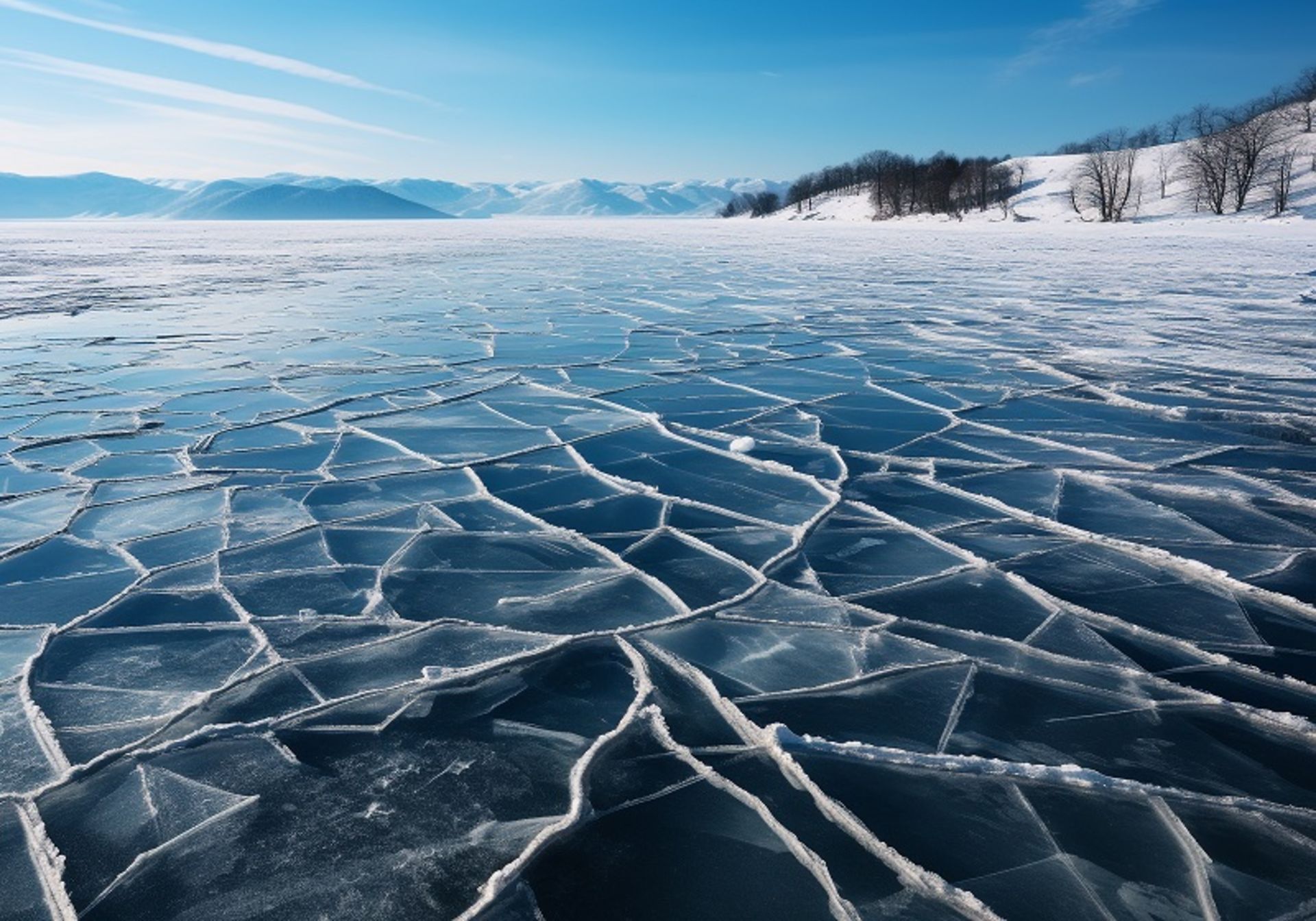
Lake Baikal is known as the “Siberian blue jewelry”. Another reason for its biaked reputation and its unique visual wonders is its water clarity. In winter, the surface of the lake is frozen and on the surface and bottom layers of this transparent ice creates a beautiful landscape.
Photographer: Andres Ramos / Vecteezy.com
Lake Great
- Extension: 1.2 km square kilometers
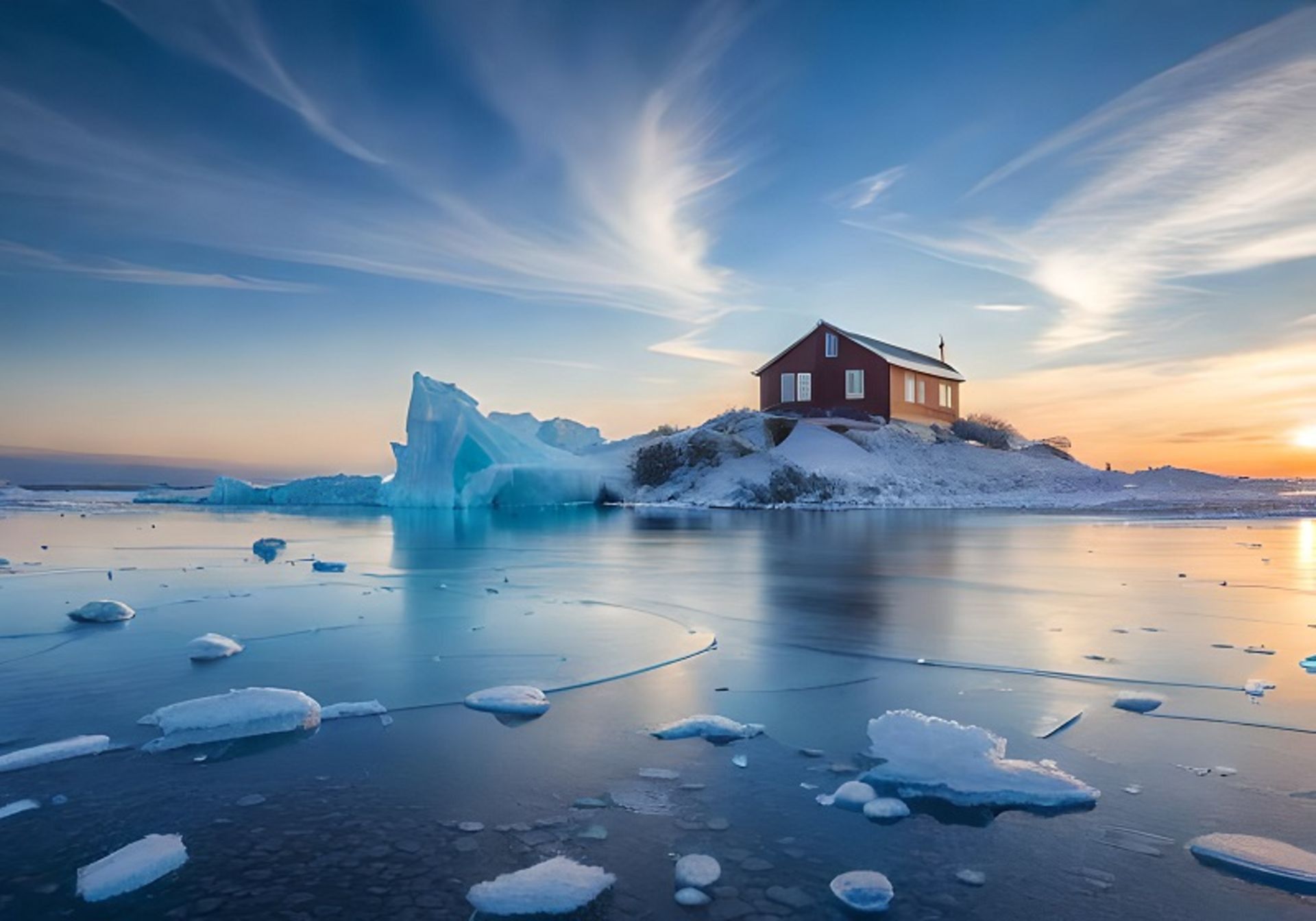
The Great Bear Lake is located in the northwestern territory of Canada. The lake is the fourth largest lake in the world in terms of water volume and is one of the best in terms of cleanliness and lack of water and urban pollution. Great is near the northern orbit.
Photographer: md habib / vecteezy.com
Lake Malawi
- Extension: 4.3 km square kilometers
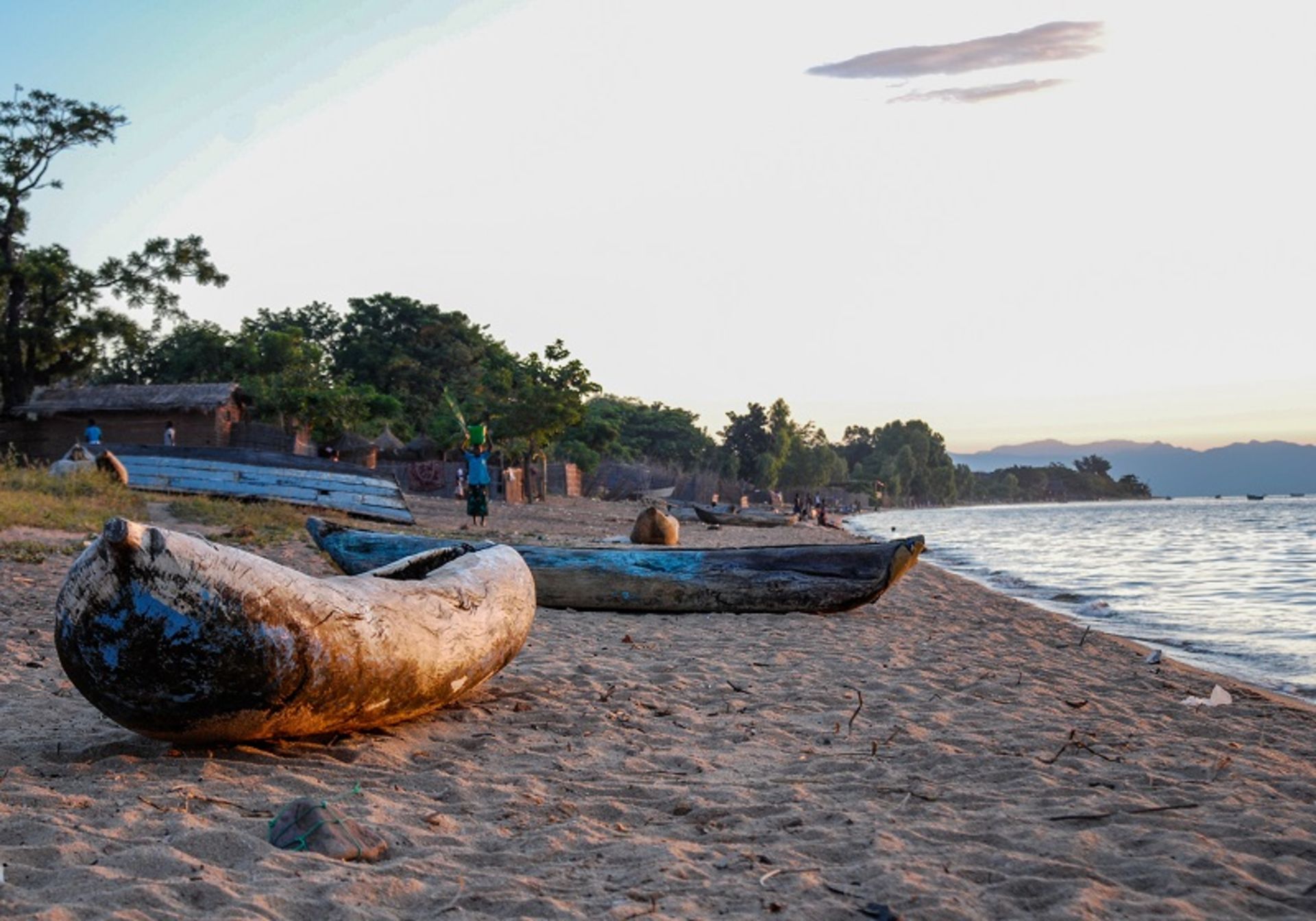
Lake Malawi, sometimes known as Lake Nyasa, is located in the eastern part of the continent of Africa and on the borders of Malawi, Mozambique and Tanzania.
This lake is the habitat of a variety of creatures and this biodiversity has made it popular for tourists. Lake Malawi is home to more than 5 species of fish, and a variety of ornamental fish and aquarium “Cichlid” live in this blue zone.
Unlike Lake Great, around Lake Malawi, a significant human population lives along the coastline and their local economy is fishing. Lake Malawi water is very transparent and warm; So among tourists and tourists it is known as the “natural aquarium for diving”. Sandy beaches, water parks, diving, swimming and other common water sports and sports in this lake have made it one of the most popular tourist destinations in the world; Of course, problems such as unnecessary fishing and water pollution and … Lake Malawi and its inhabitants have threatened serious threats.
Photographer: Jo Reason / Vecteezy.com
Lake Great Slive
- Extension: 4.3 km square kilometers
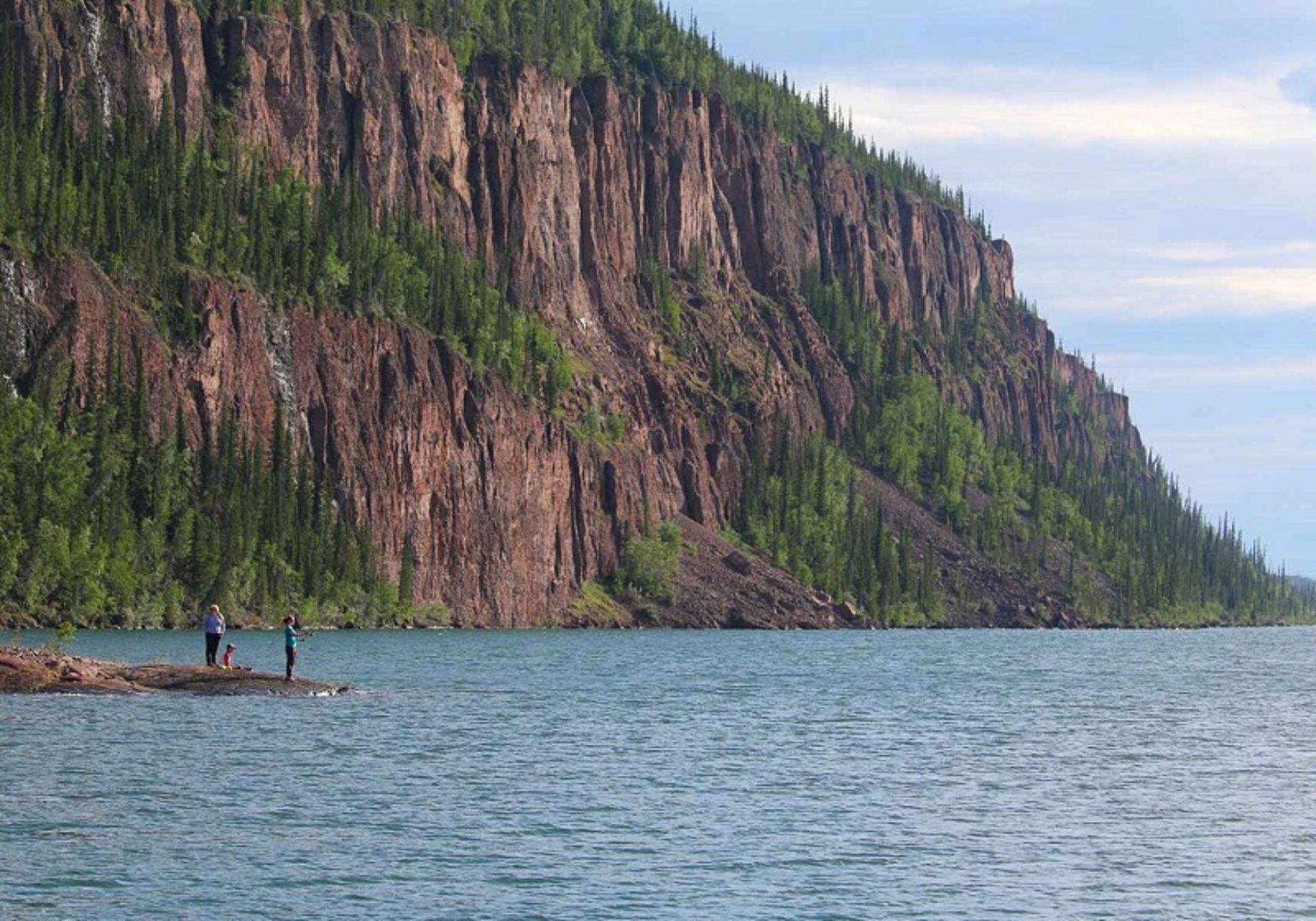
Great Slave Lake is Canada’s second largest lake. Situated in the northwestern Canadian lands, this water zone is the deepest lake in Northern America with a depth of about 2 meters. The city of Yellowknife is located on the north coast of the lake. The name of the lake refers to the people of Dene, which were slavery in the mid -eighteenth century.
Since Lake Grit Slio is located in a cold region, it has frozen for most years. Like most of the lakes in the complex, Lake Slave is an important source of fishing and its shores include several small and large villages whose drinking water depends on the lake; Of course, due to the intensity of winter cold in Canada, the lake remains largely frozen for almost eight months, limiting boat and some industrial activities.
Lake Grete Slave can be generally categorized into two parts: the eastern part, which is deeper and the western part, which is less depth.
Photographer: Unknown / jackpinepaddle.com
One of NASA’s main policies to find places that have the signs of life is to follow the footprint. The lakes of the Earth are reminiscent of how scarce and valuable our planet is. Although these lakes look great; But Earth’s freshwater is the only small drop against the saline water of the oceans; Therefore, the protection of these natural resources is essential; Because these lakes have existed before us, and if we are lucky, they will remain for the next centuries. (Worldatlas.com)
The world’s largest lakes

RCO NEWS