



The study, led by Dr. Behnam Sadai, a member of the Faculty of Chemical Engineering, University of Tehran Technical Engineering, Milad Hashemi, a researcher at the University of Tehran Petroleum Engineering and a researcher from the University of Arkansas University, was conducted, according to the .
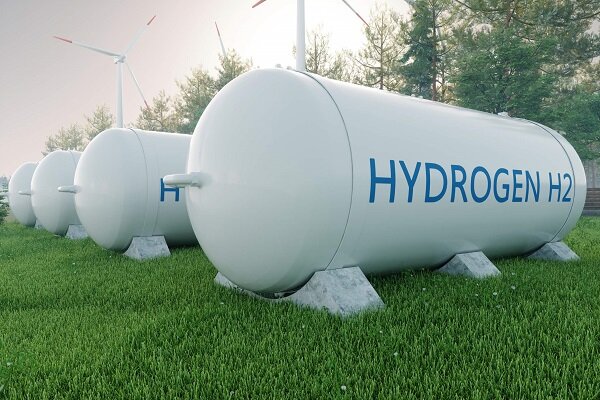
“Hydrogen storage is a key position in the future of energy systems,” he said, “Hydrogen storage in high volume, especially for coverage of variable demand, and support for unstable energy production,” he said. In the meantime, underground hydrogen storage in geological formations such as aquifers and porous layers has been proposed as a technical and economic solution that enables significant amounts of gas on national and regional scales. “This method in various countries, including Iran, enables high volumes of hydrogen over long periods of time and can play an important role in sustainable energy supply, peak consumption management and network stabilization.”
“However, studies have shown that underground hydrogen storage is facing serious challenges, one of which is the phenomenon of hydrogen leakage; An event that may result in the geological characteristics of the formation, natural cracks in the stone layers, or inadequate management of injections and production, leading to uncontrolled hydrogen control of the tank. “
“The findings show that even in standard conditions, the injection of the injected into the tank leaks a significant amount of hydrogen injected into the tank during storage; “Especially when the injection is increased when the pressure inside the tank increases.”
“The factors affecting hydrogen leaks include coating permeability, aquifer pressure and hairdryal entry,” said a researcher at the University of Tehran. Also, the type of well (vertical or horizontal), the depth of the injection site, and the slope angle of the formation also affect leakage behavior. “The study emphasizes that technical design alone is not sufficient and that we need to have a deep understanding of hydrogen behavior in porous stones and geological characteristics of storage.”
“This phenomenon not only reduces storage productivity and causes economic waste of precious energy resources, but can also have serious consequences for safety and environment,” said a member of the faculty of chemistry. Hydrogen entry into shallow surfaces, if not controlled, may increase the risk of gas accumulation, explosion or cause geochemical disorders in the environment. “Such risks, if occurred, not only slow down the development of storage technology, but can also doubt investing in this area.”
“In underground hydrogen storage, all technical, geological and safety considerations should be considered comprehensively in the design and operational stages, the necessary engineering standards, and the system is constantly monitored,” Voice said. In this regard, the findings of this study could help develop accurate prediction models, improve project design and realize regulatory standards, and pave the way for low -carbon energy transfer. “
It is worth mentioning that the findings of this study, titled Asssing Hydrogen Leakage in Underground Hydrogen Storage: Insights from Parametric Analysis, have just been published by the American Chemistry Association in Energy & Fuels.
(Tagstotranslate) University of Tehran (T) Energy (T) Scientific Research

RCO NEWS