

Have you ever thought that there is a place in the hearts of the western mountains of Iran where its people are still living with authentic customs? Where the houses are built on the shoulder of each other, a clear river passes by it and nature evokes an image of paradise? If you are looking for such an experience, travel to Hajj village on the way Travel to Kermanshah Put in your app.
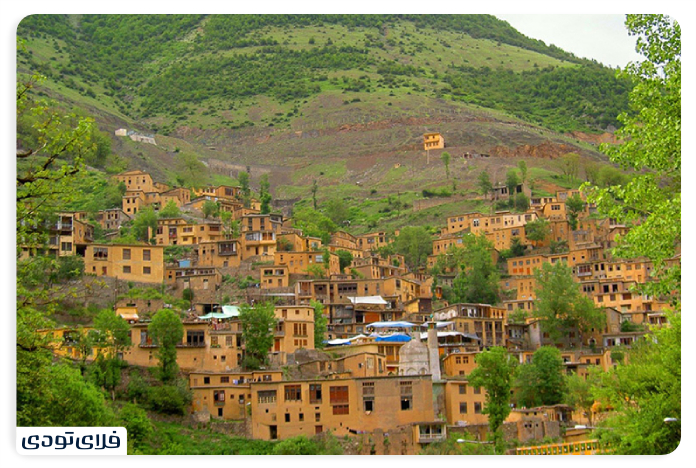
The village of Hajij, with staircase architecture, stone houses and eye -catching nature, is one of the purest tourist destinations in the west of the country that has attracted the attention of urban tourists. But why should you visit this village? Is its only nature important or does something go beyond it? In this post from the Fly Toddi Tourism Magazine, we will take you to the chanting world; Where every stone, every river, and even every word of its people, has a story to tell. Stay with us to the end.
Where is the village of Hajj? | Hidden gem among the sights of Kermanshah
If the question arises in your mind, “Where is the Hajj?”, We have to say that this amazing village is located in Kermanshah province, Paveh city and near the Nodsheh border. Situated in the Oramanat area; An area that is listed in the UNESCO World Heritage List due to its unique nature and unique culture.
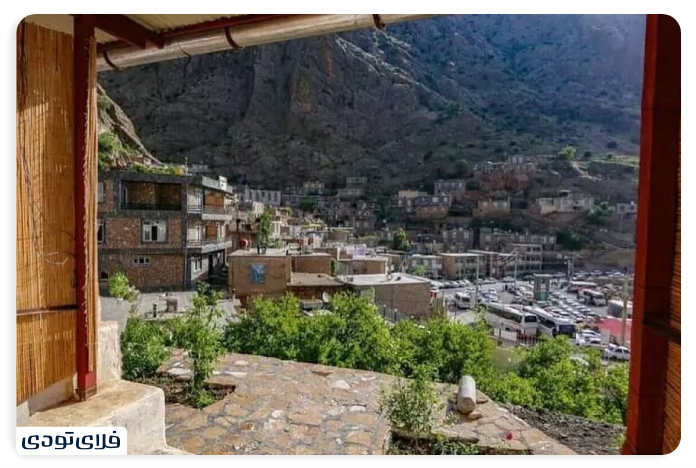
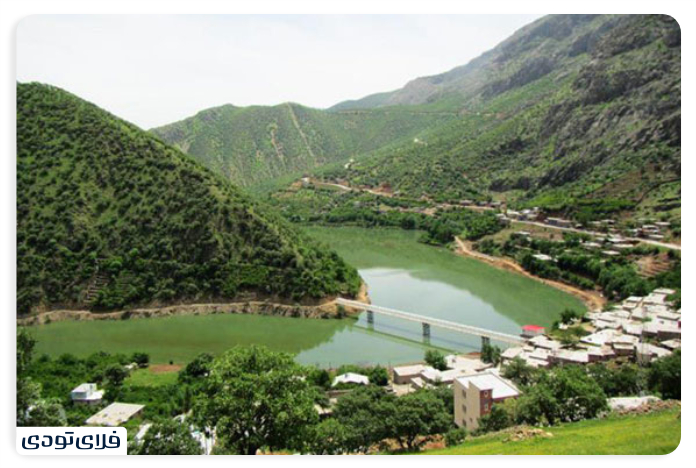
The tire -style houses are made of stone and all of the rocks, so that the roof of each house is a upper courtyard. The Sirvan River, which flows next to the village, is not only a source of drinking water and agriculture, but also a natural attraction for naturalists. Of other Spectacles of Kermanshah Located around the spell, it can be mentioned in the village of Nodsheh, Bell Falls, Kani Bell Springs and Shaho Mountains.
The combination of mountainous nature, the bloodthirsty people and ancient Kurdish culture is one of the things that one time travels, in your mind and heart. If you love adventure, nature photography, and the experience of authentic culture, your ideal destination.
- Village to Paveh: 1 km
- Distance to Kermanshah City: 1 km
- Distance to Noodsheh Village: 1.5 km
- Distance to Sepidar Village: 1 km
- Distance to Nusood: 1 km
- Distance to Tehran Village: 1 km
Oramanate’s spell on Google Map
Access to the Hajj village
There are a variety of options ahead of this amazing and staircase village in Kermanshah province. If you go from Tehran or the central cities of Iran, the best way to use rail or air route to Kermanshah is. You can Buy Kermanshah train ticket Tehran easily reach this western province.
Also, a faster option, use Kermanshah plane ticket It is a cultural and historical destination to reach this destination. Upon arrival in Kermanshah, you have to move to Paveh and then reach the beautiful village of Hajj by a mountainous but asphalt road.
The main routes from Kermanshah and Paveh
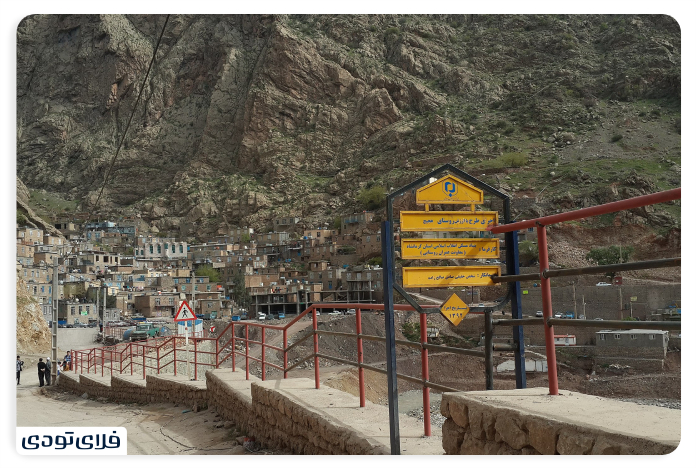
To reach the swallow, you must first reach Kermanshah, then move to the city of Paveh. The Kermanshah route to Paveh is one of the most beautiful mountainous routes in the western Iran. After crossing Paveh, you enter the road of Nodsheh village and reach the destination after a long distance.
This road, though winding, is asphalted and spectacular. Along the way, you can enjoy the sights of Hajj village such as springs, mountain nature and the architecture of the houses. The route is such that even in spring and summer there is a cool mountainous mood that makes the travel experience double.
The best way to travel with a personal car
If you are looking for a flexible trip and freedom to choose the route and stops, traveling with a personal car is the best option to reach the village of Kermanshah. From Tehran or central cities, first get to Kermanshah, then move to Nusood via Paveh Road. After crossing the city of Paveh, take the path of the village of Nodsheh and move from there to the spell.
Located in the heart of the Oramanat Mountains, this route brings you astonishing landscapes of forests, rivers and natural rocks. Using a personal car allows you to visit the beautiful villages, waterfalls and natural places on the way and enjoy every moment of the trip.
Introducing the village of Hajj
Hajij village is one of the most beautiful staircase villages in Iran, located in the heart of the Oramanat Mountains and near the border of Kermanshah and Kurdistan provinces. Stone houses, pristine nature and rich culture have made the village one of the unique tourist attractions in the west of the country.
Historical background of the village
Kermanshah’s veil is a few hundred years old and is one of the oldest settlements in the Oramanat area. According to historical evidence and local narratives, the village has long been a place of living in Kurdish people with rich and deep -rooted culture. The old texture and traditional architecture of the village is a testament to its rich history that goes back to the middle of Hijri.
In the syllable, there are still signs of traditional life, hand, livestock and old -fashioned agriculture. The surrounding monuments, such as the tomb of Imamzadeh Sayyid Abdullah and the old bridges, reflect the cultural and religious importance of the region in the past. Many tourists and researchers include a visit to the village to get acquainted with the original Kurdish culture and history.
Traditional Architecture
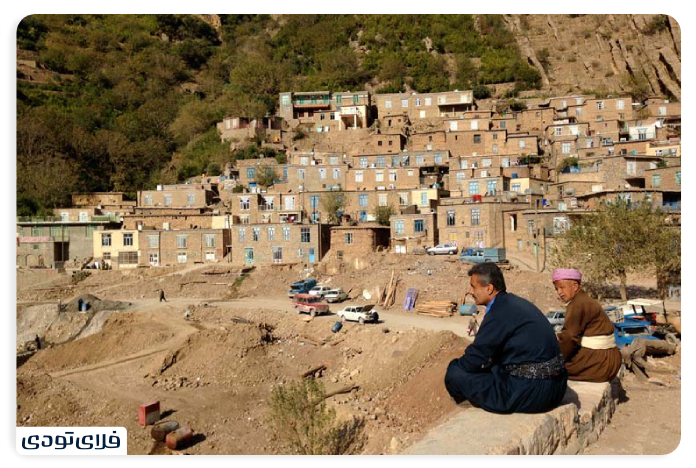
The culture and architecture of the village of Hajj is a beautiful combination of the nature and cultural identity of its inhabitants. The stone houses of this village are built as a staircase, so that the roof of a house is an upstream courtyard. The use of local materials such as stone, wood and flowers, along with natural colors, gives the village a genuine appearance.
The narrow, paved alleys, the absence of any long wall, and the full harmony with the mountain slope, are unique features of the architecture of the area. This building style, known as the Orami Architecture, has been preserved for centuries in the mountainous areas of Kurdistan and Kermanshah and has given the village a cultural and aesthetic manifestation.
Culture and customs
The audience speaks the Kurdish language of Orami and their culture is rooted in ancient rituals, indigenous beliefs and traditional lifestyle. Local celebrations such as Nowruz with special rituals, religious ceremonies and traditional mourning are part of their social identity. Magical music, colorful local clothing, handicrafts such as rugs and jajim, and unparalleled hospitality are among the features that fascinate tourists.
In the culture of the people, respect for nature, social cooperation, and preserving family rituals are fundamental values. Women have an active role in the rural economy and their handicrafts provide part of household income. The deep connection of the people to the environment shows a manifestation of life -residential life in the area.
Spectacular places near the village of Hajij
Spectacular places are a unique collection of historical, natural and religious attractions that have made this village one of the most important tourist destinations in western Iran. Here are some of the most important sightseeing places:
Historical Historical Mosque Village symbol and architecture
One of the most prominent monuments of the syllable is its Jame Mosque located in the heart of the old texture of the village. The mosque, with more than a few centuries, has been a reflection of the traditional architecture of the Oramanat region and is built with stone and wood. The wooden roof, simple but solid pillars and the special spiritual space of the mosque has made it a center for people for religious and religious ceremonies. This place is not only a worshiper; Rather, it is part of the collective identity of the inhabitants. Visiting the mosque is an opportunity to touch history and observe details that are still preserved by local taste and art.
Jame Mosque on Google Map
Acetate shark | The tomb of a great mystic
Her shark or shark is the tomb of one of the renowned mystics and elders of the region who respects the people of Oramanat. This pilgrimage is located near the texture of the village and many pilgrims come to it every year. The architecture of the tomb is simple but spiritual, and the surrounding space is a place to stop and pray. His shark in native culture is a symbol of piety and wisdom, and numerous oral narratives about his miracles are prevalent among the inhabitants. This tomb is one of the key points to understand the religious and mystical roots of the people of the region.
Shark address on Google Map
Shaho Mountain Nature Peak
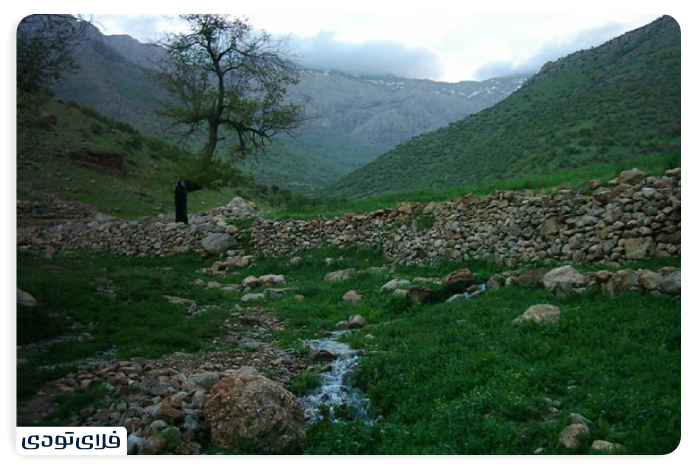
Mount Shaho, one of the most important natural elements around the hajj, with more than 2 meters high, is a popular destination for climbers and professional naturalists. The slopes of this mountain are full of diverse vegetation, permanent springs and spectacular mountain landscapes. Climbing enthusiasts have safe and specific routes from the village to the summit of Shaho. In the spring, the slopes of the mountain are colored with wild flowers, and in the summer, the pleasant cooling of the highlands provides a great space for camping. Shaho is not only a natural symbol of the region, but also the base of traditional life of the village.
Shaho Mountain on Google Map
Bell Springs | The source of life in the heart of the mountain
Bell Fountain is one of the most important water sources and natural attractions. This fountain, which boils from the heart of the mountain, has clear and cool water and is used for drinking and agricultural use. Around the fountain is decorated with traditional rocks and is a place for tourists to relax. Naturalists can set up around the camp spring or only relax in the shadow of the trees. The location of the fountain is such that it gives visitors a beautiful view of the village and the surrounding mountains.
Bell Fountain Address on Google Map
House | Mystical backyard
The house is a place that mystics and dervishes took refuge in the past for worship and solitude. The place is built near the spell and in the heart of the mountain and requires a short walk. The simple, low -income space of this place is designed to allow mysticism to focus and austerity. Nowadays, the house is one of the spiritual symbols of the audio and is the place of visiting tourists who are familiar with the mystical traditions of the area. Its architecture is simple and made with native materials such as stone and flowers.
Dariyan Dam | A combination of engineering and nature
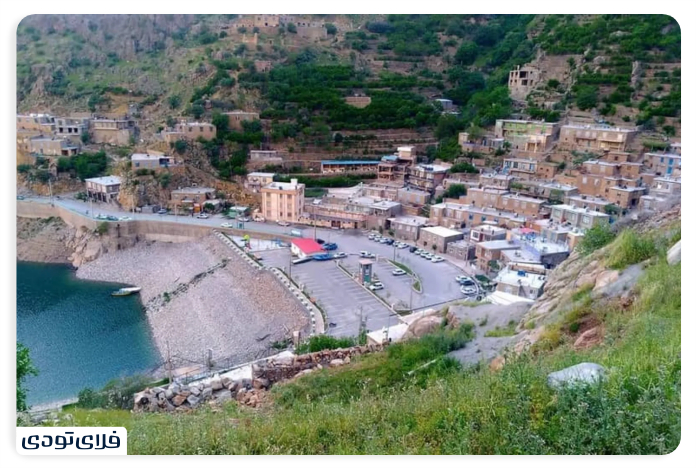
Dariyan Dam is one of the large and modern structures near the syllable built on the Sirvan River. In addition to supplying water and electricity in the area, the dam has become one of the tourist attractions. Visiting the dam crown gives you a wide view of the valley and the surrounding mountains. The lake behind the dam also provides a place for boating and fishing, and the surrounding space is suitable for camping and picnics. The proximity of this structure to the village of Hajj has enabled tourists to experience a combination of natural attractions and modern engineering structures on a trip.
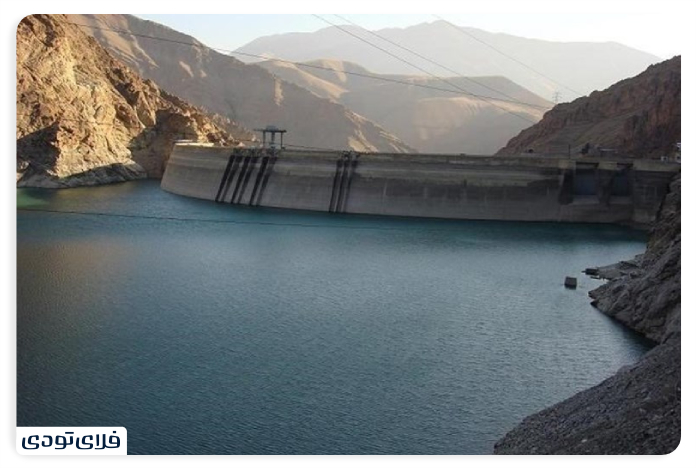
Dariyan Dam on Google Map
Sirvan River and Natural Fountains Hiking and nature trails
The Sirvan River is one of the most important water resources and natural beauty of the Hajj area that passes through the Oramanat Mountains. With its spectacular screws, the river has created numerous paths for hiking and nature around it. Next to Sirvan, there are numerous natural springs along the hiking route.
In spring and summer, these routes with green cover, wild flowers and quiet water sound are one of the best choices for tourists interested in nature. Some routes continue to the heart of the mountains and can provide a one -day experience of a safe and attractive mountain.
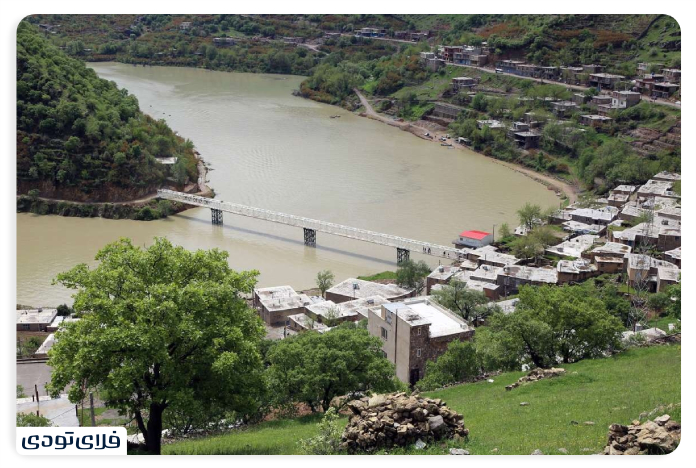
Sirvan River on Google Map Map
The best time to travel to the village of Hajji
The village of Hajij has a different and unique face due to its mountainous position in four seasons. Choosing the best time to travel to the spell depends on your interest in nature, climate, and the type of activities you expect on the trip.
Travel to the Spring and Summer
Spring and summer are the best seasons for traveling to the climate and vegetation. From early April to the end of September, the village’s air is cool and pleasant, even at the height of summer heat, the temperature remains temperate in temperate. In the spring, the nature around the village is new to colorful flowers, blossoming trees and the sound of springs.
This season is the best time to hiking, hiking, visiting the Bell Springs, hiking on the slopes of Shaho and enjoying the lush mountain scenery. Summer is also a popular choice for family travel due to school holidays. Access routes are completely safe and asphalting, and most local resorts are also active. If you are looking for a quiet journey in the heart of nature, with minimal rainfall, spring and summer are an ideal time to visit a spell.
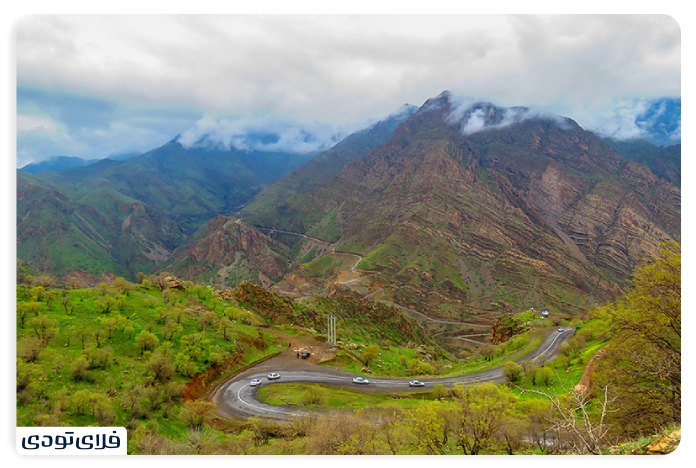
Autumn beauties of Hajj village
Autumn in the chanting season is an eye -catching season with warm and stunning colors. From early October to early December, the trees around the village display a range of yellow, orange, red and brown. This season, the climate of the area is gradually cooling, but it is still suitable for surfing and photography. The lovers of nature and autumn photography see this season as the best time to visit the spell.
Also, with the decline in the number of tourists, more silence and peace in the village. Local markets are still active and you can produce seasonal products such as walnuts, pomegranates and local honey from the villagers. Walking routes, such as the roads leading to the Sirvan River or surrounding springs, are covered with dry leaves this season that make the hiking experience unique. If you are looking for a poetic and quiet journey with a semi -arranged air, choose the fall to travel to the spell.
Winter travel conditions
The winter is accompanied by snowfall, heavy cold and white landscapes. From mid -December to the end of February, the village enters a real winter phase. Access routes may be seasoned due to heavy rainfall or frost and you need to travel with suitable mountain cars or wheel chains. Although cold weather can be challenging, snowy landscapes and winter silence provide a different and special experience for winter enthusiasts.
This season, boom resorts often provide a warm and intimate atmosphere with traditional heating or fire heaters. Especially the night of fire and listening to local stories are one of the attractions of winter trips to the area. If you are compatible with winter conditions and you have the right equipment, visiting the spell this season is also not without grace.
Stay in the village of Hajjj
Despite the relatively high distance from the provincial capital, many tourists stay in Kermanshah first. Although Kermanshah Hotels They are at a high level in terms of facilities, but due to the long distance from the village, it is recommended to stay in the city of Paveh or the village for easier access. Paveh Hotels And local ecosystem resorts are the right choices for an experience closer to indigenous culture and the nature of the region.
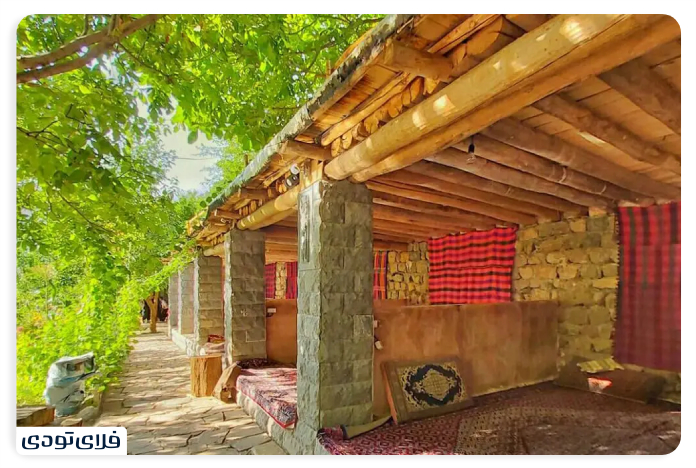
Eram Paveh Hotel A comfortable stay near the syllable
Eram Paveh Hotel One of the best stay for travelers is to seek comfort, security and access to the village of Hajj. Situated in the center of Paveh, the three -star hotel offers good amenities including clean rooms, heating and cooling, internet, and local restaurant. The hotel’s proximity to the city’s service centers and the roads leading to the spell make travelers easily travel to the village early in the morning and return to their place of residence.
The hotel’s staff provide guests with good knowledge of the surrounding attractions, including the Bell Springs, the Sirvan River and the Shaho Mountains. For families and group tourists, this hotel is an ideal choice with reasonable prices and acceptable services.
Introducing ecosystem resorts Experience
If you are looking for a genuine experience of rural life, the best choice in persecution and use of local ecotourism resorts. These resorts, run by indigenous residents, are usually renovated traditional homes that welcome guests with basic but pleasant facilities. There is no luxury in these houses, but the intimate warmth of the hosts, home -made home dishes, and the indigenous atmosphere, provide a special and memorable experience.
Rooms usually have handmade carpets, local quilts and beautiful carpets. Some resorts also offer programs such as local music, bread baking training or short nature tours. By staying in these places, you will not only help the local economy, but you will be able to get deeper into the culture, customs and customs of spelling people.
Camping in the nature around the village
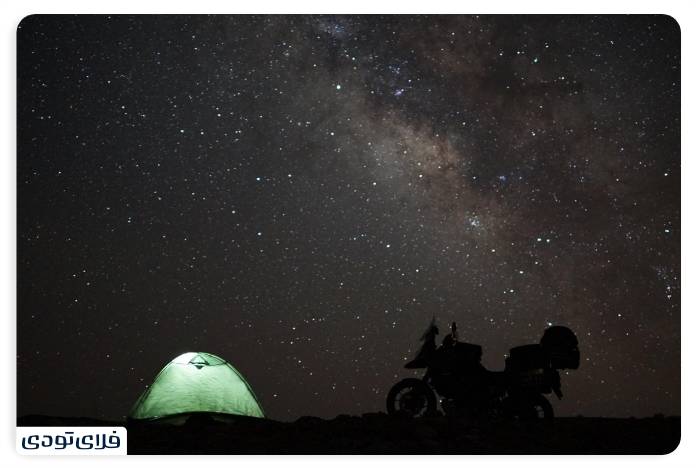
Camping around the village of Hajj is a great option for those interested in nature and different experiences. The areas around the Springs Bell, the Sirvan River and the slopes of the Shaho Mountain are good places for tent and stay in the heart of nature. Although infrastructure facilities such as public bathrooms are limited, pristine nature, complete peace and night -time skyscraper are the benefits that make camping an unforgettable experience.
Before travel, it is recommended that you have complete equipment, including sleeping bags, waterproof tents, flashlights and cooking supplies. Due to the wildlife and rapid climate change in the mountainous area, you need to ensure weather and safety conditions and preferably in multiplayer groups. It is also necessary to observe responsible nature principles such as waste collection and no damage to vegetation.
Kermanshah village of Hajji village
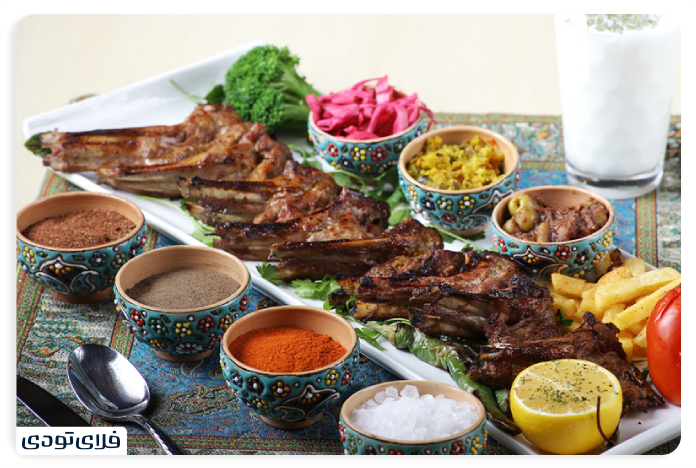
While traveling to a spell, not only nature and culture, but also the taste of local cuisine will also give you an unforgettable experience. Traditional dishes of this village are cooked using fresh and local raw materials and have no authentic flavor. One of the most important local cuisine is the following:
Hair leaves, Ash Dogh, Shrub, Kurdish meatballs, Kalaneh (local vegetable bread), rhubarb stew, giggles, carpets, shelcoin and tarochine.
Foods that are not only delicious, but also part of the cultural identity of the people of the region. In many eco -tourism resorts and rural homes, you can experience these foods home.
Important Tips Before traveling to Hajj Village
Traveling to the spell, despite its natural and cultural beauties, requires preparedness and important tips to make a safe, enjoyable and responsible journey. Mountain conditions, lack of some infrastructure and the importance of respect for local culture are among the things that should be considered before travel.
Essentials for travel
Before moving to the spell, you need to make sure you have the right travel equipment to the mountainous areas. Suitable for walking shoes, warm clothing even in summer (especially for nights), sunscreen, sunglasses, edge hats, water bottles, first aid, and in case of camping, full equipment such as tents, bags and flashlights are essential.
Also, given the possible non -access conditions, it is best to save the area’s offline map. If you are planning to visit the Bell Springs or Mountaineering, mountaineering cane, lightweight meal and water -resistant shoes are recommended. Do not overlook having a garbage bag to collect personal waste to help the nature cleanliness.
Safety Tips in Nature Tourism
Nature around the village of Hajij requires safety points, especially because of the mountainous position and the presence of rocky paths. You must first check the paths in advance and have a meteorological information up to date. Never go to unknown areas alone and, if possible, join local guide or nature groups.
Paths around the Sirvan River or Mount Shaho may be slippery and dangerous in rainy seasons. Safety equipment, charged mobile and PowerBank will always be with you. In winter or snowfall, there is a possibility of access to access, so you have to be flexible and have an alternative program. Also avoid contact with wild animals and destruction of vegetation to maintain both your safety or damage to nature.
Observance of local culture and traditions
Slave is not just a tourist destination, but a home of a genuine culture and deep beliefs. Observing local culture and traditions is one of the most important responsibilities of any tourist. Respect for local coverage, avoiding photography without permission, and using respectful words in relation to residents are among the things that should be observed. If you are staying in eco -tourism or local homes, respect the host’s lifestyle.
Entering religious places such as the Jame Mosque or the shark with proper coverage and calm behavior. Many villagers, despite their hospitality, prefer to maintain their family background. Participation in local rituals, such as eating traditional foods or attending rural markets, leads to positive cultural interaction. Remember, preserving the dignity of the host culture is an important part of a responsible trip.
Why should you put the village of Kermanshah’s Hajji village on your trip?
The village of Kermanshah’s Hajji village is a unique combination of mountainous nature, rich culture, staircase architecture and traditional food that has made it one of the unique destinations of tourism in Iran. This village provides a valuable experience not only for nature lovers, but also for those interested in history, architecture and local customs.
From walking in stone alleys to local cuisine, from mountaineering on Shaho’s slopes to attending indigenous nights, it will be all part of your unforgettable adventure. If you are looking for a travel plan, you can choose safe and conveniently visits this beautiful area through the interior tour.
If you have traveled to a spell or are planning to visit, we will be happy to share your experience with others. Have you tried a special food or have you taken an amazing path? Looking forward to hearing your comments!
Frequently asked questions about the village
Where is the village of Kermanshah?
The village of Hajij is located in the northwest of Kermanshah province, located in the Nusood district of Paveh and in the Oramanat area. The village is located near the border of Kurdistan province and in the heart of the Shaho Mountains.
What is the access route to the village of Hajji?
To reach the swallow you must first travel to the city of Paveh. Then you move through the road to Nusood and cross the village of Nodsheh. The road is asphalt, but it is mountainous and winding.
What features have made the village of Hajji village?
The syllable is known for its staircase architecture, pristine nature, natural springs such as Bell Springs, Sirvan River, and original Kurdish culture. The Shaho Mountain and the mystical atmosphere of the village have also given it a special appeal.
What is the best time to travel to the village of Hajij?
Spring and summer are the best time to travel to the spell. In these temperate air seasons, safe paths and nature are in their most beautiful.
Is there a boom residence in the village of Hajji?
Yes, there are several active boom resorts that provide tourists with a genuine experience of rural life and local cuisine.
What sightseeing around the village of Hajji?
The most important sights are the Bell Springs, the Sirvan River, the Shaho Mountain, the Hajj Jame Mosque, the Chalkhaneh, the Dariyan Dam and the Hijjij Tomb.
What is the distance from the village of Hajjj to the city of Paveh?
The interval to Paveh is about 2 kilometers, which takes about 5 minutes. The road is completely asphalted but mountainous and winding.
Is traveling to the village of Hajji for families?
Yes, the alert is a great option for family travel because of its high security, clean air, natural and cultural attractions, and appropriate residences.
Is it possible to camp in the surrounding nature of the spell?
Yes, the areas around the Springs Bell, by the Sirvan River and the slopes of the Shaho Mountain are suitable for camping. It is necessary to have complete equipment.
What is the climate of the village of Hajj in summer and winter?
In the summer, the weather is cool and temperate, even in the hottest months. In the winter, the weather is cold and snowy and the roads are likely to be closed. Winter trip requires more preparation.


RCO NEWS