


Blood creatinine is one of the most important indicators in blood tests that you may have never paid attention to. High blood creatine can be a sign of a problem in kidney function. If you want to know what is blood creatinine, how normal it is, and how to lower blood creatine, this is a phytamine for you.
What is creatinine or blood creatine?
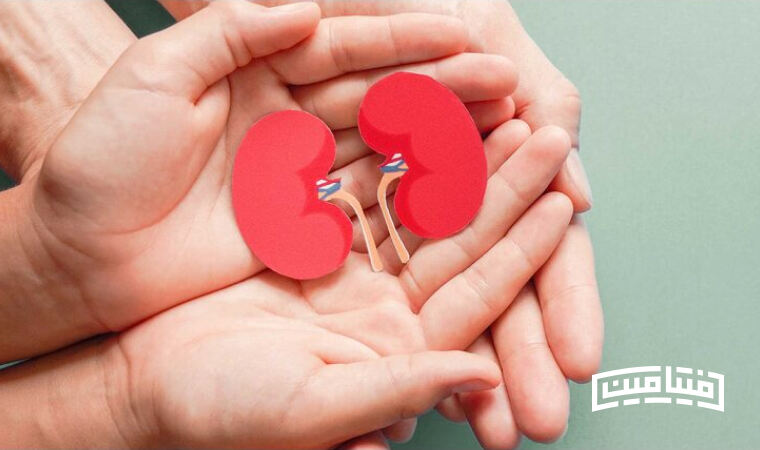
Creatinine is a waste that is produced during the natural metabolism of the muscles or by digestion of food protein. It is filtered by the kidneys and is excreted through the urine. Everyone has a certain amount of creatinine in their blood, but over -high can be a sign of a problem in kidney function. For this reason, high creatine treatment is very important.
What is the normal level of blood creatinine?
The normal levels of creatinine blood varies depending on the age, gender and amount of muscle mass of each person. However, the normal range for men is between 0.5 to 1.5 mg/dl (mg/dl) and for women between 0.5 and 4.3 mg/dl. Note that this number is normal for women and the normal number of creatinine blood is different in pregnancy.
High levels of creatinine in the blood may indicate inadequate kidney function, while low levels are most commonly seen in people with low muscle mass. Creatinine blood tests help doctors diagnose kidney disease. The kidneys that do not function properly cannot filter creatinine well, and this increases the level of creatinine in the blood.
| The amount of blood creatinine | Adult sir | Adult |
|---|---|---|
| The lower level | Below 1.5 | Below 1.2 |
| Normal | 4.3 to 1.2 | 1.5 to 1.0 |
| Top | Above 1.2 | Above 1.0 |
What is the sign of high creatinine?
High creatinine is not a good symptom at all, and most of the time is a problem for kidney health; A problem such as kidney infection and kidney failure.
Creatinine above blood usually Symptoms of kidney failure (Acute or chronic) is; Because it is the task of the kidneys to repel this substance; So when the kidneys do not work properly, creatinine accumulates in the blood. May of course, for other reasons, as well as Body dehydration, Excessive consumption of meat or excessive consumption of creatine supplements, Some medication or severe muscle injury Create. To accurately diagnose, additional tests such as urine testing and kidney treatment rate measurement (GFR) are usually performed, then treatment should be treated and reduced.
What is the lower creatinine sign?
The low level of creatinine means that something has affected the amount of creatine production in the body. Very low creatinine is often due to low muscle mass or severe weight loss; Of course, it may be due to chronic kidney disease, reduced kidney function, blood dilution (blood dilution), muscle mass analysis, or malnutrition. In some rare cases, severe liver problems can also reduce creatinine production.
Of course, low creatinine in the blood is usually not as worrying as high, but it should be examined anyway.
The causes of blood creatinine increased
High level of creatinine is usually because the kidneys do not work as they should; Though there may be other reasons; Below we introduce and explain the various reasons for increased blood creatinine.
Kidney failure
The most important reason for the abnormality of blood creatinine is kidney failure. Problems such as kidney infection, kidney obstruction, kidney stones can each disrupt the normal amount of blood creatinine.
However, in addition to kidney failure, several other factors can temporarily increase the level of creatinine above normal; Factors such as pregnancy or severe dehydration.
Diet
There is always a meal plan. Your diet affects blood creatinine levels. If you get more protein than your body’s need (for example, for more than two years) (for example, the consumption of red meat or get a lot of creatine supplementation) your blood creatinine levels rise.

Intense exercise
Sometimes athletes who suddenly increase the intensity of their workout and do not pay attention to the consumption of water may temporarily increase blood creatinine.
Some medications and diseases
Some antibiotics or medications can temporarily increase the level of creatinine in the blood. Some health conditions can also damage the kidneys and increase creatinine levels. Diseases such as:
- Diabetes
- High blood pressure
- Heart disease
Symptoms of high creatinine
Creatinine High blood is not symptoms; In fact, the symptoms of underlying disease (ie kidney failure) are increased and this disease increases creatinine levels. Many people have no symptoms with mild increase in creatinine, especially in the early stages. If the level of creatinine rises a lot, the following symptoms appear:
- Fatigue or weakness
- Reduce appetite
- Nausea and vomiting
- Swelling
- Shortness of breath
- Itching or dry skin
- Changes in urine (number of times, color or volume)
- Muscle cramps
- Mental confusion or reduced focus
- Chest pain (in case of fluid surrounding the heart)
- Headache
- High blood pressure
- Weight loss without reason
- Pain in the back or side
- The presence of blood in the urine or painful urine
- Sleep disruption
There are, of course, a number of other symptoms that are less common; Like:
- Bad breath or taste of metal in the mouth
- Bruising or long -term bleeding
- Numbness, especially in the hands or feet
- Seizures (in severe cases)
- Continuous hiccups
- An abnormal heart or irregular beating
If you experience any of these symptoms, be sure to see your doctor for examination.
An important point: High creatinine is a “symptom”, a symptom of underlying disease. So it is not an independent disease itself. Symptoms usually occur only when the kidney function is significantly reduced. Kidney disease in the early stages may be asymptomatic.
The methods of blood creatinine
There are a set of strategies to lower blood creatine; But if you experience the serious symptoms we mentioned above, you should see a doctor.
Disconnect the use of creatine supplements!
If now Creatine supplements You are consuming and your blood creatine has gone up, you should cut supplements and don’t be creatine for at least a while!
Some athletes and bodybuilders take creatine supplements to increase muscle strength and endurance. Creatine is used in muscles to produce energy, but if it is not consumed, the body will turn it into creatinine. This can increase the level of creatinine in the blood, which may be mistakenly interpreted as a sign of kidney disease. Therefore, discontinuation of these supplements is one of the first ways to reduce blood creatinine.
Change your diet!
What do we eat to lower blood creatine? Sometimes a decrease in animal protein intake can lower blood creatinine; That’s why Vegetarian diets Or vegan can help reduce creatinine levels. Of course, consult your doctor before any changes in your diet, but some useful foods to lower urea and creatine include:
- Fresh vegetables
- Full grains
- Beans like beans
- Fruits such as apples, avocados, blueberries and pineapples are useful fruits to lower blood creatine.
Vegetarian or vegan diets can also be useful. We still recommend that you coordinate with your doctor or nutritionist to lower blood creatine.
Stay hydrated and drink enough water!
Body dehydration can increase creatinine levels. To prevent dehydration, you must drink at least 2 glasses of water; If the weather is too hot or exercise, you need more water.
If you are constantly dehydrated and even have symptoms of dehydration even by drinking enough water, you should consult your doctor as it may be a sign of kidney damage.

Exercise with a gentle intensity!
Regular exercise is beneficial for health, but studies have shown that very long and very long exercise may temporarily raise creatinine levels. If your kidneys are damaged or high creatinine, one way to lower blood creatine can be to reduce your exercise intensity.
Take your medications!
What is the best medicine to lower blood creatine? In some cases, your doctor may prescribe the drug to lower blood creatine or lower blood creatine tablets.
However, some people prefer to use herbal medicine to lower blood creatine, such as borage or green tea. But before taking any herbal medicine, you should consult a doctor.
The important point is that Do not take any medication arbitrarily. Medications such as ibuprofen and naproxen, which are used to relieve pain without a prescription, may damage the kidneys if they take over or long -term use and increase creatinine.
Prevention of creatinine increase
You need to take a healthy lifestyle to keep your blood creatinine level normal; That is, things like A healthy diet, Drink enough water, Exercise in normal way And Disconnect alcohol Be sure to follow. Your diet must have Enough protein Be; It means neither too much nor low. If your red meat is very high and you also receive a protein supplement at the same time, you should consult a nutritionist and get it to normal.
Also if any type Basic disease (Such as diabetes or hypertension) You should control and manage it under the supervision of a physician.
Final speech
High creatinine is a symptom, an important symptom of an underlying disease. How to lower blood creatine varies depending on the cause. Sometimes lifestyle modification can help reduce creatinine levels without the need for medication. In this article we introduce how to lower blood creatine; If you have any questions, be sure to write to us in the comments section.
Frequently asked questions
What does high blood creatine mean?
High blood creatine is often a sign of kidney failure or kidney damage.
What level of creatinine is dangerous?
More than 1.2 mg/dl in men and 1.5 mg/dl is worrying in women, but above these numbers require immediate examination.
Can you reduce blood creatinine without medication?
Yes, it often becomes normal with dietary correction, increased water consumption, and cretin supplementation, blood creatinine levels are also normal.
Does exercise affect blood creatine levels?
Yes, severe and long -term exercise can temporarily increase creatinine levels.
Sources: Medicalnewstday – Healthline –kidney

RCO NEWS
RCO