


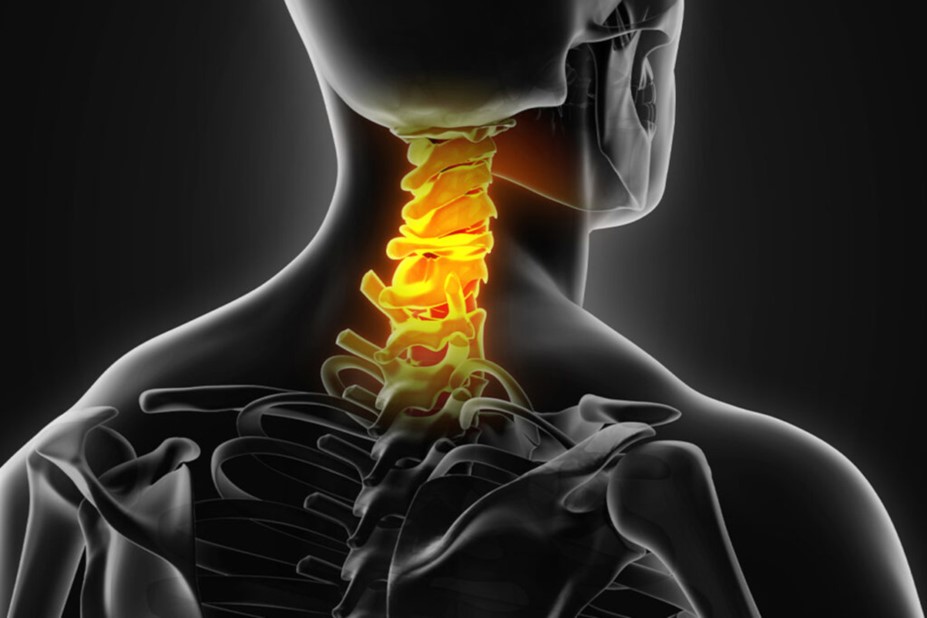
As one of the most common arthritis and nervous problems, the neck disc has been challenging both physicians and patients for years and has raised questions about its association with unknown symptoms in other organs. In this article, we are going to examine whether or not the neck disc disorders really can cause symptoms in the legs.
Using a specialized medical perspective and examining the diagnostic and therapeutic solutions, we are trying to provide a comprehensive picture of this phenomenon and help readers get the right and up -to -date information.
What is the neck disc and what are the symptoms?
The neck disc is one of the intervertebral discs in the neck area that plays an important role in absorbing the stress and soft movement of the vertebrae. When these discs are extracted or eroded, they may put pressure on the surrounding nerves and cause symptoms such as neck pain, dryness, hands, headaches, and even anesthesia in the shoulder and arm.
But one of the common questions of patients is that Is the neck disc stretched to the foot? In the following article from Dr. Pegah Yavari, we will examine this possible relationship between neck damage and foot symptoms.
Can the neck disk also affect the legs?
At first glance, the association between the neck disc and the pain or bite may seem irrational, but in some specific cases, this may be possible. If the neck disc protrusion puts pressure on the spinal nerve, this pressure may also affect the functioning of the body’s nervous system at the lower points.
Especially when the spinal cord is involved (and not just nerve roots), symptoms such as anesthesia, muscle weakness or heavy feeling in the legs may occur. Therefore, in response to the question of whether the neck disk can affect the legs, yes, although this is rare and requires careful medical examination.
Unusual symptoms of neck discs that should not be ignored
In some cases, the neck disk can cause symptoms that do not seem to be related to the neck at first glance. These unusual symptoms usually occur due to pressure on a particular spinal cord or nerves and should not be overlooked:
- Weakness or weight in the legs without a clear problem in the lumbar area
- Balance and walk disruption, especially when walking in the dark or on the inappropriate surfaces
- Urinary or stool incontinence in severe and advanced cases
- Feeling an electric shock in the hands or feet when bending the neck (lemite sign)
- The feeling of distributing numbness throughout the body or on one side of the body
If you experience each of these symptoms, you should see a specialist physician as soon as possible to prevent the progression of spinal cord injury.
When is the pain of the neck related to the neck?
In many cases, foot pain has a reason in the back or pelvis, but in certain circumstances, this pain can also be related to neck problems. When the neck disc puts pressure on the spinal cord, this pressure may send inaccurate nerve messages to the lower extremities that appear in the form of pain, anesthesia or bite in the legs.
If there are also symptoms such as pain or stiffness in the neck, numbness of the hands, or walking disorders, the likelihood of foot pain is increased. Accurate diagnosis of this pain is only possible through clinical and imaging studies.
Accurate diagnosis: From clinical examination to MRI
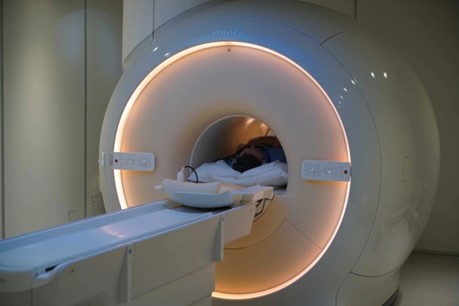
To accurately determine whether the neck disc causes symptoms in the legs, the physician first examines the patient’s motor condition, balance, reflexes and touch. If there are symptoms of spinal cord involvement or intervertebral nerves, usually imaging with MRI It is prescribed.
MRI shows precisely the status of the discs, their excessive exhaustion, and possible pressure on the spinal cord. In some cases, the nerve band or other additional tests may also be used to evaluate the nerve function of the organs. This diagnostic process helps the physician identify the main source of symptoms and select the appropriate treatment path.
The treatments of neck discs with feet symptoms
If the neck disc causes symptoms in the legs, the treatment should be carefully and under the supervision of a specialist. Some effective therapies are:
- Specialized physiotherapy: reinforcement, stretching and correctional exercises to reduce pressure on the spinal cord and improve nerve function
- Anti -inflammatory and muscle relaxants: To reduce the inflammation around the disc and reduce muscle spasms
- Injection of anti -inflammatory drugs (such as corticosteroids) around the nerve roots or epidural space in specific cases
- Use of medical necklace (neck necklace) to limit neck movements and reduce pressure on the affected area
- Physical medicine treatments such as laser therapy and electrical stimulation (TENS) To reduce pain and accelerate repair
- Surgery: In cases where non -surgical treatments are not effective or there are symptoms of severe spinal cord compression, surgery is essential to remove pressure from the spinal cord.
The choice of treatment depends on the severity of the symptoms, the patient’s age, the spine status and the physician’s diagnosis.
Conclusion
Although the neck disc is usually associated with symptoms in the neck, shoulder and hands, in some cases rare cases may also be drawn to the legs, especially when the spinal cord is involved. In such circumstances, disregard for unusual symptoms can lead to the progression of nerve injuries.
Therefore, if you have leg pain with anesthesia, muscle weakness or balance disorder and have a history of neurological problems at the same time, you should see a physician or neurologist for careful examination. Early diagnosis and proper treatment selection will be the key to preventing the complications.

RCO NEWS
RCO