



Imagine you are pouring tea or boiling water and suddenly the container drops and the hot liquid pours on your hand. The moment your skin comes in contact with hot liquid, a rapid and painful reaction begins: Burning, inflammation, severe redness, and sometimes blisters that appear after a few minutes. This simple and everyday event, though common, can lead to infection, tissue necrosis, and even permanent change in skin color and tissue.
In this article, we not only introduce effective ointments for the treatment of burns with boiling water, but we go deep into the story: What kind of ointment is appropriate for burns? What exactly do ointments do? And most importantly, what mistakes can be simple, but costly and dangerous?
The role of ointment in the treatment of burns: is not just relief
Many think that ointment only for Reduce pain Used, but ointments actually have two main tasks:
- Creating a protective barrier against environmental factors and pollution
- Reducing inflammation and swelling
- Keep the moisture of the wound environment to prevent excessive dryness
- Accelerate regeneration of skin tissue
- Antibacterial or anti -antifungal infection.
Understanding these tasks, you can properly choose the right ointment and expect a realistic.
The best ointments to treat burns with boiling water
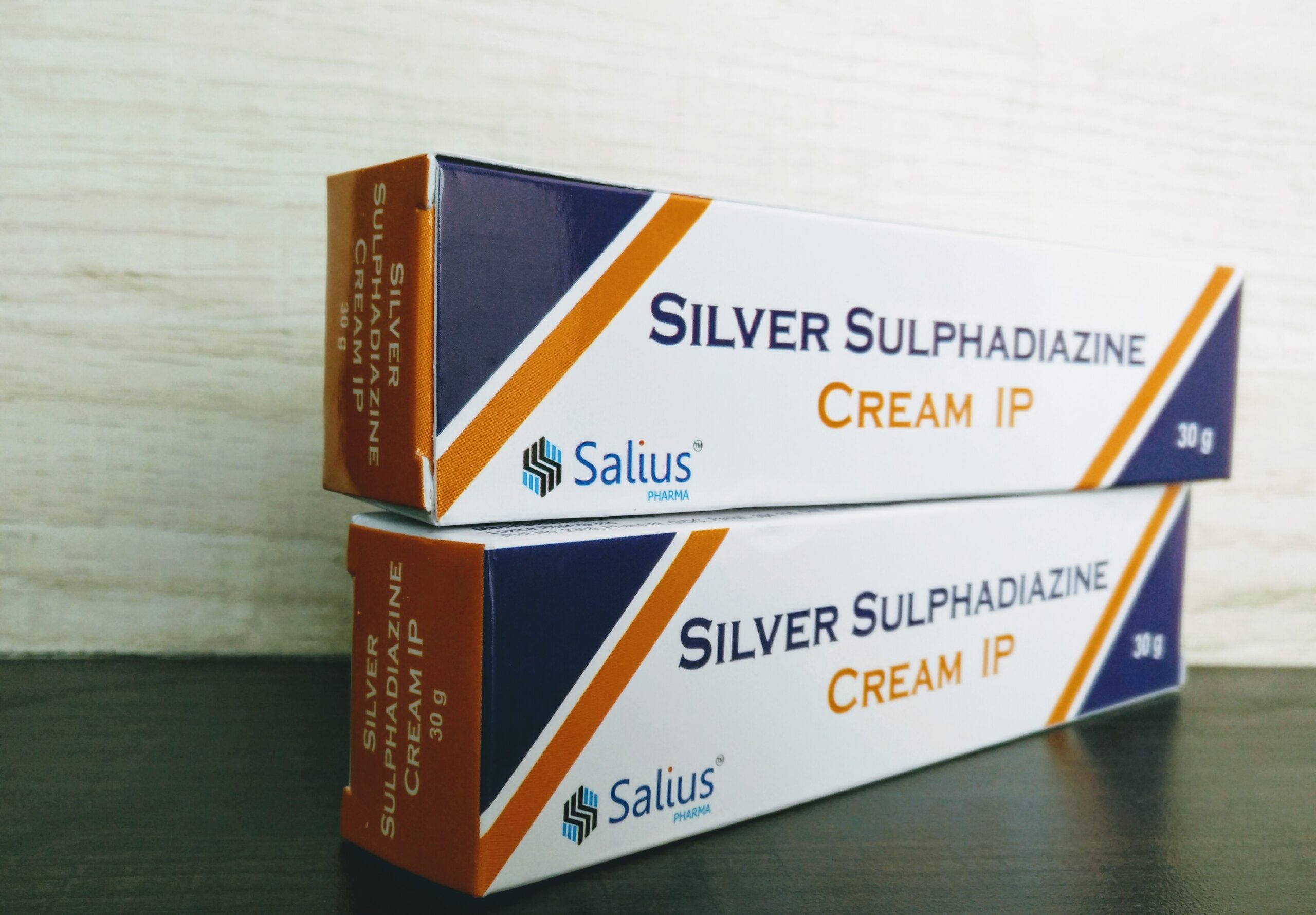
1. Silver sulfadiazine ointment (Silver sulfadiazine 1%)
- Suitable for: Second -degree burns, skin blisters or opened
- Function: Strong topical antibiotics with restorative properties
- Important Note: Long -term use or infant can be risky (medical advice is required)
This ointment not only destroys bacteria but also prevents the penetration of microorganisms and provides a safe bed for cellular reconstruction.
2. Aloe Vera gel (aloe vera gel)
- Suitable for: First -grade burns or surface
- Function: Anti -inflammatory, anti -oxidant, natural cooling
- Note: 100% pure gel without aromatic or preservative is the best choice
Aloe Vera gel with its antioxidant properties neutralizes free radicals caused by thermal damage.
3. Zinc oxid ointment (zinc oxide ointment)
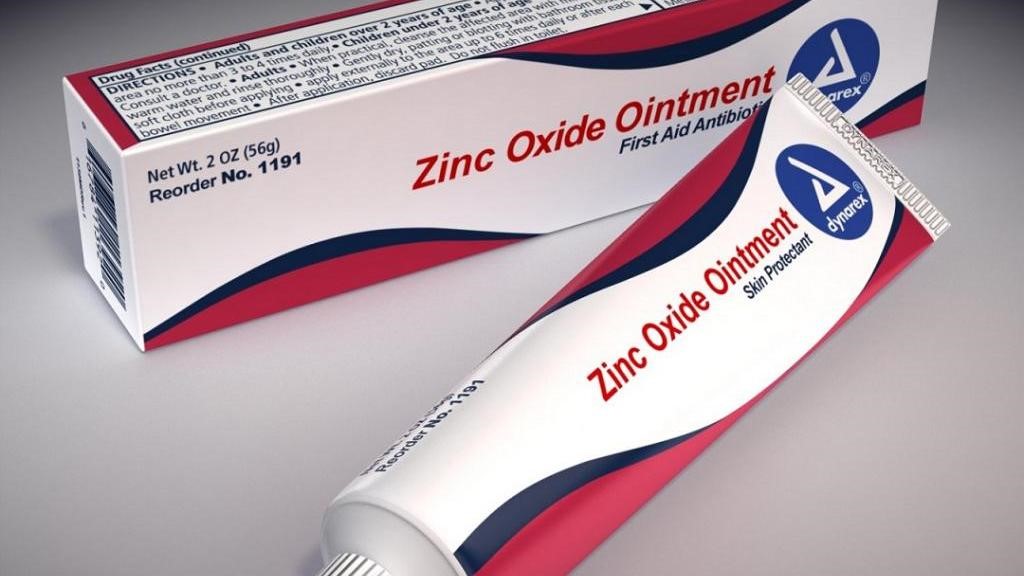
- Suitable for: mild burns, dry or red places
- Function: Disinfectant, Protective, Tissue Restator
- Note: It is more suitable for burns that are dry, not toll
Zinc, as an anti -inflammatory mineral, helps to relieve and regenerate tissue by inhibiting inflammatory enzymes.
4. Alpha and Haniyer’s ointment
- Suitable for: People who prefer herbal treatment
- Compounds: Honey, Medicinal Herbal Extract, Alcacine
- Note: Natural antibacterial and stimulants to produce new skin cells
5. Lidocaine ointment
- Suitable for: Reduce rapid pain in the early hours after burns
- Note: Do not use open burns or for children without a doctor’s prescription
6. SycalDarm gel and Lafarr
- Specialized performance: Preventing thick and colloidal scars
- Suitable for: After the initial period of treatment and starting the reconstruction phase
How to use burn ointment?
Proper use of burn ointment plays a decisive role in the recovery process. You should first wash the burns under the cool water – not cold or ice – for 1 to 2 minutes; Then dry the area gently and apply a small amount of burns ointment with clean hands or sterile gloves. It is recommended to cover the site with non -stick sterile gas. Ointment can be renewed once or twice a day after cleaning the site.
What is the right burns ointment for children?
Children’s skin is thinner and more sensitive than adults and therefore should be more careful in choosing the ointment. Ointments containing aloe vera, calendula or alpha are usually more reliable choices for children. Strong or lidocaine -containing ointments for children should be avoided, except by prescribing a doctor. It is also advisable to test a small amount of ointment on a small area before taking it to check the allergic reaction.
Common and dangerous mistakes
- Use toothpaste, butter, flour or non -medical material
- Handburn
- Use of sterile gas instead of sterile gas
- Putting direct ice on the burning site
Select ointment based on specific conditions
| Individual conditions | Suggested ointment |
| Surface burns | Aloe Vera, Alpha |
| Open -skinned | Silver Sulfadiazine, neocorin |
| A child under the age of 5 | Calandola, Aloe Vera |
| Pregnancy | The doctor’s caution and consultation |
| Sensitive skin or allergic | Gelless gels |
| Oscar Prevention | Sikaldram, Lafasil |
Summary: Which ointment is best for you?
No ointment is suitable for everyone. The ointment should be based on the severity of burns, the injured location, the medical condition of the individual, and even the personal preferences. Always if:
- Burned was deep,
- Had symptoms of infection (such as yellow or bad secretion),
- Or did not achieve recovery after a few days;
Be sure to see your doctor.
.

RCO NEWS