


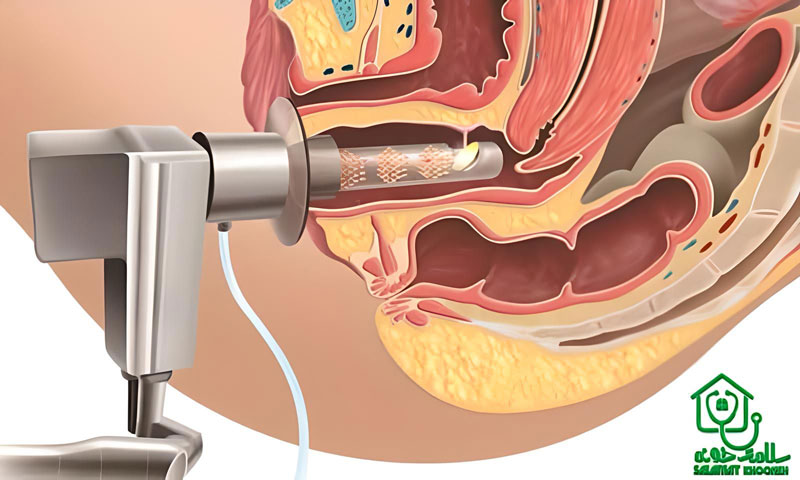
Vaginoplasty is one of the cosmetic and restorative surgeries that attracts more attention in the medical and cosmetic world. This helps women who are dissatisfied with the appearance or functional changes of their vaginal area to regain their self -esteem and improve their quality of life. Whether for medical reasons and for aesthetic reasons, vaginoplasty can have a tremendous effect on the comfort and satisfaction of its body. In this article, we will examine the various aspects of this surgery, its benefits, complications and important points to provide you with complete information.
What is the action of vaginoplasty?
Vaginoplasty is a type of reconstructive and cosmetic surgery of the female genital area performed to tighten the vagina and strengthen its muscles. This is usually performed for women who have been damaged or dislocated in the area due to normal childbirth, aging or decreased vaginal elasticity and seek to improve their vaginal function and appearance.
In this surgery, excess and damaged vaginal tissues are removed and the internal muscles are close together to rebuild the vaginal structure. Vaginoplasty surgery It can be done alone and with other surgeries such as labioplasty. This is not only aesthetically effective, but it can also help improve sexual intercourse, increase self -esteem and quality of life.
How is vaginoplasty surgery?
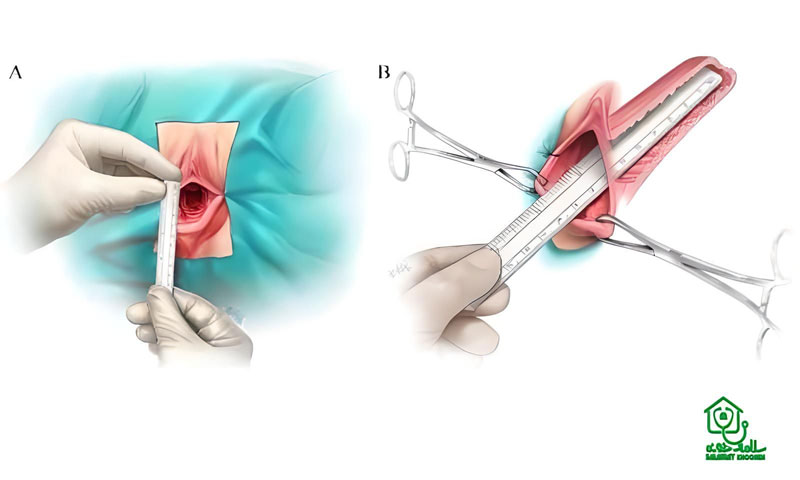
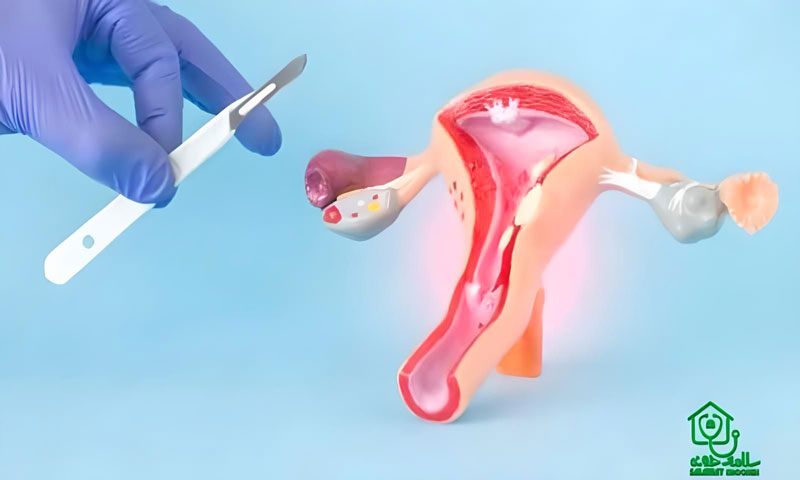
Vaginoplasty surgery is usually performed under local anesthesia or general anesthesia. In this procedure, the surgeon carefully and uses small incisions removes loose or damaged vaginal tissues and brings the internal muscles together. In the end, the cutting place is closed with absorption sutures, which usually does not require sutures. Vaginoplasty usually takes about one to two hours and is done on an outpatient basis. After the operation is completed, the patient can usually be discharged the same day. However, post -operative care and complete rest are essential to accelerate recovery.
Vaginoplasty benefits
Vaginoplasty is one of the types of methods to improve the appearance or function of the vagina. Other effective methods for vaginal rejuvenation include labioplasty.
- Anesthesia or local anesthesia: Vaginoplasty surgery is usually performed with local anesthesia or general anesthesia. The type of anesthesia is determined by the patient’s physical condition and the diagnosis of a specialist physician.
- Delicate slices: The surgeon begins with carefully using small slices in the vaginal area to minimize damage to the surrounding tissues.
- Removing extra tissues: During surgery, loose and excess vaginal tissues are removed and the vaginal muscles are closer together to improve its function and appearance.
- Use of absorption sutures: After the surgery is completed, the incisions are closed with absorption sutures, which usually does not require future sutures.
- Operation time: This usually takes about one to two hours and is often done on an outpatient basis, meaning that the patient is discharged on the same day.
- Post -operative care: After surgery, the patient needs rest and special care to prevent infection and accelerate recovery. These care include taking prescription drugs and avoiding heavy activities.
- Recovery period: Recovery usually takes a few weeks, during which time the patient should avoid sexual activity and heavy exercise to achieve complete recovery.
Tips to be careful before vaginoplasty
Before taking vaginoplasty, it is necessary to pay attention to some of the essentials that can affect your final result and the process of recovery; Here are some of the most important things to consider.
- Consultation with a specialist doctor: Before deciding on surgery, you should consult with an expert and experienced surgeon. Your doctor can suggest the best options and methods according to your specific status.
- Stopping specific drugs: Before surgery, your doctor may ask you to stop taking drugs such as aspirin or non -steroidal anti -inflammatory drugs, as these may increase the risk of bleeding.
- Observing a healthy diet: Observing a healthy, balanced diet before surgery can help improve faster recovery. Consuming nutrients such as vitamin C and protein can accelerate the recovery process.
- Preparation for recovery period: Plan for recovery in advance. During this time you will need to rest and you should avoid heavy physical activity.
- Realistic expectations: It is very important to have realistic and rational expectations of surgical results. Although vaginoplasty results are usually very satisfying, you need to ensure complete and urgent changes in all conditions.
- Avoid alcohol and cigarettes: If you smoke or drink alcohol, you should leave these habits at least two weeks before surgery. Using cigarettes and alcohol may delay the recovery process.
What is a laser vaginoplasty?
Laser vaginoplasty is a low invasive method used to improve vaginal rejuvenation and improve its quality. In this technique, the laser penetrates the inner layers of the vaginal and enhances the vaginal elasticity and stiffness by stimulating collagen. This can help reduce problems such as vaginal dryness, loosening and muscle drooping and improve sexual experience.
This method offers significant benefits over conventional surgery. The recovery period is shorter and usually the patient can return to his daily activities immediately after treatment. Vaginoplasty is performed with laser without the need for cutting or suture, so complications such as bleeding or infection are minimized and the results are gradually visible in several sessions.
Vaginoplasty Complications:
Vaginoplasty usually has little side effects and is often temporary. The following are the following:
- Bleeding
- Infection
- Pain
- Allergic reaction to anesthesia
- Deep vein thrombosis by the accumulation of blood clots in deep veins
How long does vaginoplasty recover?
Vaginoplasty recovery usually takes between 2 and 3 weeks, but much of the recovery is achieved in the first two weeks. During this time, heavy activities, sex and intense exercise should be avoided. Most patients are able to perform daily activities after a few days, but full care is essential to prevent infection and accelerate the repair process.
Vaginoplasty sutures
In vaginoplasty surgery, absorption sutures are usually used that are absorbed over time without the need to pull. These sutures help repair internal tissue and reduce the risk of infection. Regarding health care and abstinence should be carefully observed until the sutures usually last between 1 and 2 weeks.
During this period, mild stretching or burning in the suture area is normal and will usually be controlled by prescription medications. Washing the area with appropriate solutions, using cotton underwear and avoiding long -term sitting, help reduce inflammation and prevent sutures from opening.
Vaginoplasty recovery time:
The full recovery time after vaginoplasty is usually between 1 and 2 weeks, but most patients feel better in the second week. During this time, heavy physical activity and sex should be avoided to correct the tissues. Pain, swelling or allergies are normal in the early days and are usually controlled by prescription medications.
With careful observance of postoperative care, the recovery process is faster and less complicated. Proper nutrition, adequate rest, timely use of medicines, and attending follow -up visits are effective factors in recovery. If the patient ignores the doctor’s instructions, there is a possibility of problems such as infection or suture opening, which will prolong the repair time.
Postoperative care of vaginal stenosis
After vaginoplasty surgery, careful care is very important:
- Avoid sex: After surgery Vaginal narrowing You should avoid having sex for at least 6 weeks. This time allows the tissues to fully repair and prevent the sutures or infection from opening. Early return to sexual activity can disrupt the recovery process.
- Genital Health Observe: Genital wash with lukewarm water and solutions prescribed by your doctor is very important. Perfume soaps or strong chemicals should not be used. After washing, the area should be gently dried to prevent the growth of bacteria and infection.
- Wearing underwear and free: Using a loose -fitting underwear helps to better breathe in the skin and absorb moisture. This prevents allergies, burning or growth of the fungus. Wearing tight or plastic clothes during recovery should be avoided.
- Regular use of prescription medications: The doctor usually prescribes medications such as antibiotics or painkillers to reduce pain and prevent infection. Careful and regular use of these drugs is very important. Arbitrary discontinuation of the drug or incomplete use can lead to serious complications or prolongation of recovery.
What is the durability of vaginoplasty?
Vaginoplasty’s durability is usually long -term and in many cases the results remain for years. Of course, this depends on factors such as lifestyle, age, subsequent delivery, and postoperative care. If the patient takes care of himself, there will be no need to repeat surgery in the future.
With age and hormonal changes, vaginal tissues may be relaxed. In such circumstances, low -invasive methods such as laser or injections can be used to maintain results. Observing health tips, avoiding post -surgery and pelvic floor exercises can help to improve the results better.
Who is the vaginoplasty surgery?
Vaginoplasty surgery is usually suitable for women who have vaginal relaxation due to normal delivery, aging or decreased tissue collagen. These people may experience a decrease in sexual satisfaction, mild urinary incontinence, or a decrease in self -esteem. Vaginoplasty can help regenerate the vaginal form and improve muscle function.
The surgery is also a good option for people who have structural abnormalities due to genetic remedies or medical conditions such as previous genital surgeries. Consulting with a specialist physician is very important to examine physical conditions and individual expectations.
Physician Reference Guide:
If you are thinking of vaginoplasty, the first step is to consult with a gynecologist or gynecological surgeon that you can from the site Home health Find this doctor. At this session, the doctor will determine if this is appropriate for you by examining your medical history, childbirth, physical condition and purpose of surgery.
The doctor may perform physical examinations, or request specific tests for a more accurate evaluation. You should also discuss all your questions and concerns about the surgical process, care, possible complications and the durability of the results. Be sure to consider the experience, expertise, portfolio and opinions of previous patients when choosing a doctor. A skilled and knowledgeable physician, by understanding your needs and choosing the most appropriate treatment, can bring you the best results with the least side effects.
Frequently asked questions:
- Is vaginoplasty pain?
During surgery, the patient is subjected to general anesthesia or local anesthesia, so pain is not felt. After surgery, there may be mild pain or discomfort that can be controlled by painkillers. - How long can you have sex after vaginoplasty?
It is typically recommended to avoid having sex for at least 2 weeks after surgery. This time is essential for complete repair of tissues. Early onset of the relationship can damage the sutures, increase the risk of infection and slow down the trend. - Is vaginoplasty permanent or does it need to be repeated?
Vaginoplasty results can last for years, but its durability depends on factors such as aging, subsequent delivery, lifestyle and postoperative care. - Is it possible after vaginoplasty natural delivery?
Post -vaginoplasty normal delivery can reduce the effects of operation and may cause the vagina to relax. For this reason, doctors often recommend that if you are planning to get pregnant, postpone this surgery after the last delivery.

RCO NEWS
RCO