
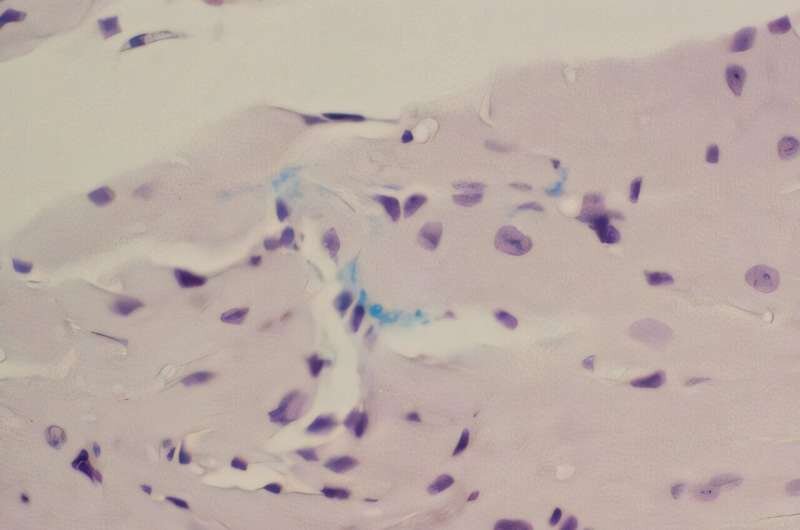
The bacterium slowly causes an scar tissue, known as fibrosis, which disturb the structure of the heart, as well as concentrated electrical signals and increases the risk of atrial fibrillation (AFIB), according to .
Doctors have long realized that people with gum inflammation, a common disease, were exposed to more heart problems. One of the new analyzes linked the disease to 5 % of the risk of AFIB a serious disorder of the heart rhythm that may lead to stroke, heart failure, and other life -threatening complications.
Previous research has shown that inflammation is probably the cause of heart disease. When immune cells in the gum act to combat infection, chemical signals they release may unwittingly enter the bloodstream and promote systematic inflammation that can damage the rest of the body beyond the mouth.
But inflammation is not the only threat to the gums. DNA researchers discovered a dangerous oral bacteria in the muscles and heart valves. One of them was examined for a role in the growing list of systematic diseases such as Alzheimer’s, diabetes and some cancers. Previously, the bacterium was tracked in the brain, liver and Plasanta. But it was unclear how this factor would reach the heart.
The new research has provided a clear evidence that the bacterium in the gums can extend its way to the left atrium in both animal and humans, and points to a potential microbial path that links the gum inflammation to AFIB.
According to the senior research author, the common relationship between gingival inflammation and atrial fibrillation is still unknown, but the prevalence of gingival inflammation through the bloodstream probably connects these diseases.
(tagstotranslate) Scientific research

RCO NEWS