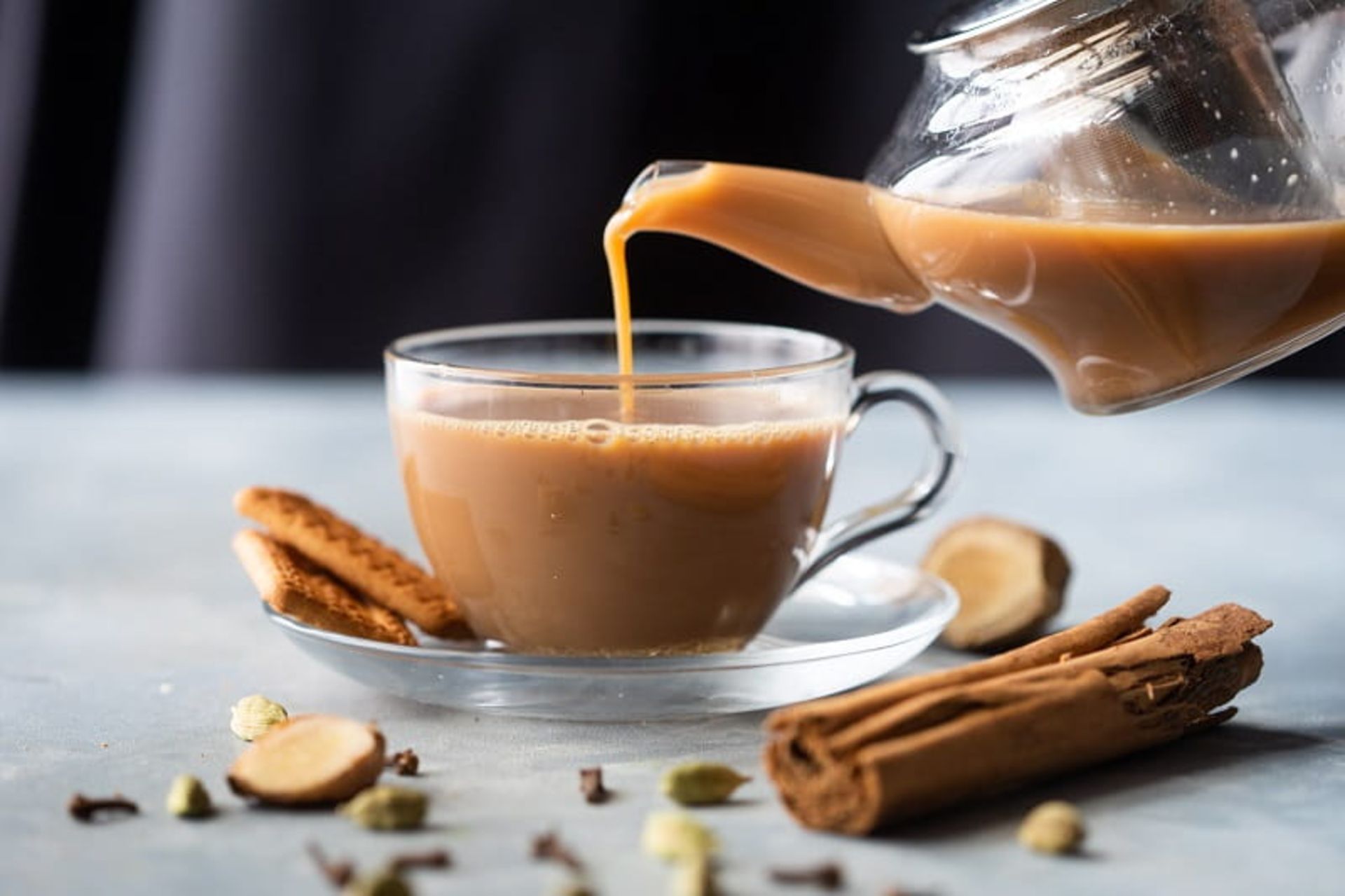
Masala tea, or “mixed spices”, is a type of tea that begins by boiling black tea in milk and water along with a combination of aromatic vegetables and spices. This tea, which dates back to India and dates back to five to four thousand years ago and is also known as “Indian Tea”, is a world -renowned drink that is found in most cafes and tea houses. Massala tea is served both warm and cold.
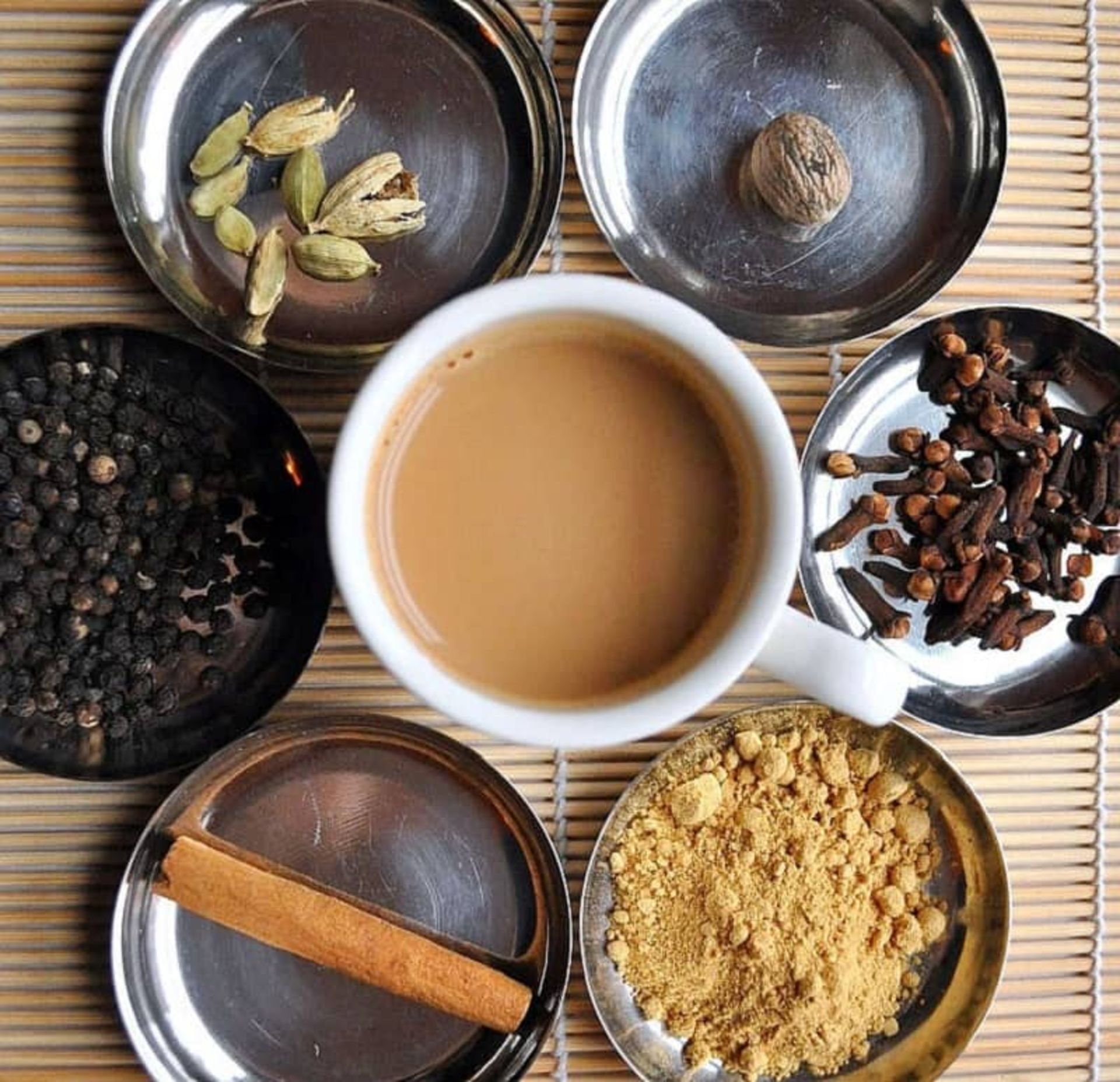
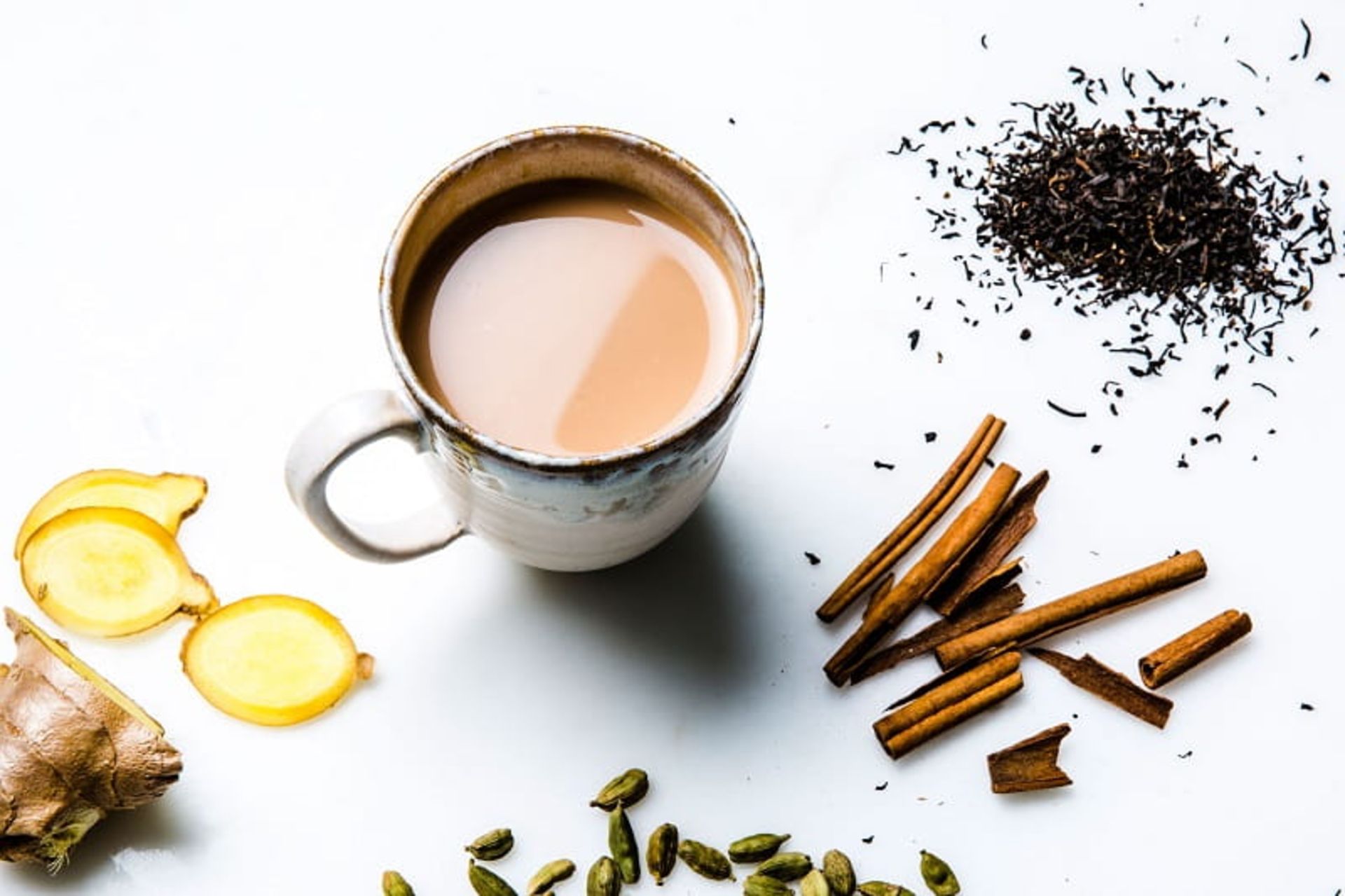
Masala tea is traditionally prepared with green cardamom beans, cinnamon wood, grinding cloves, grinding ginger and black pepper beads with black tea leaves; But for the sake of convenience in most parts of the world, they make this tea with a black tea bag, an instant powder mixture and concentrates. Masala tea with many properties is useful for heart health, digestion and blood sugar control, and we recommend that you include this drink in your diet.
Follow us on to provide you with how to make Masala tea at home as well as cold Masala tea, and in addition to telling the properties and benefits of this delicious and fragrant tea, introduce you to the history and types of Masala tea. This delicious tea can be served bitter or sweet depending on your taste.
What is Massala Tea?
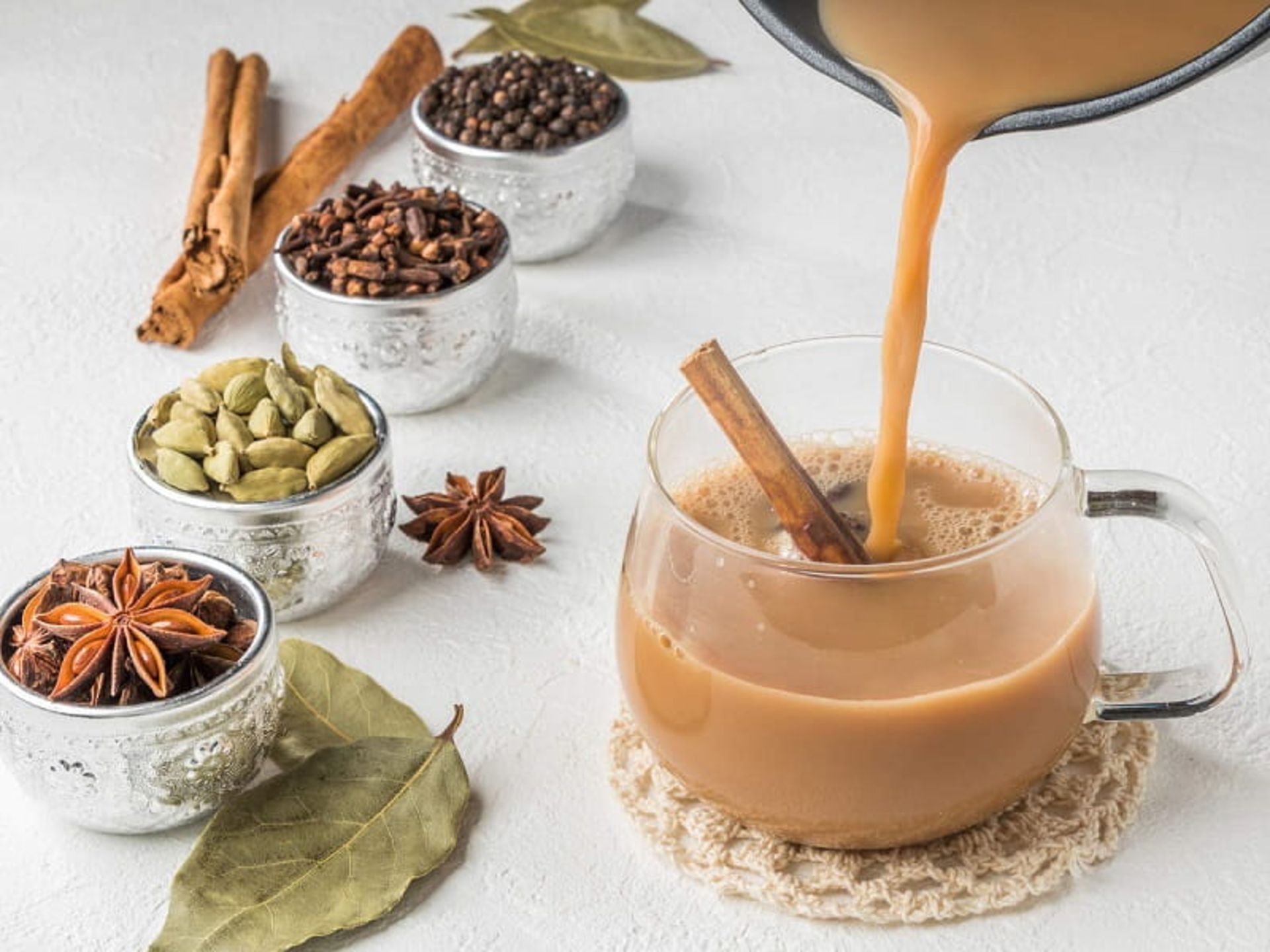
Masala tea is a type of Indian demos made by combining tea, several types of spices and milk or water. This delicious and fragrant drink with the variety of raw materials is one of the most special types of tea. Masala tea ingredients include black tea, cinnamon, ginger, cardamom, star -sized anisone (khatta winds), fennel, Indian nutmeg, coriander seeds, red pepper, black pepper and clove.
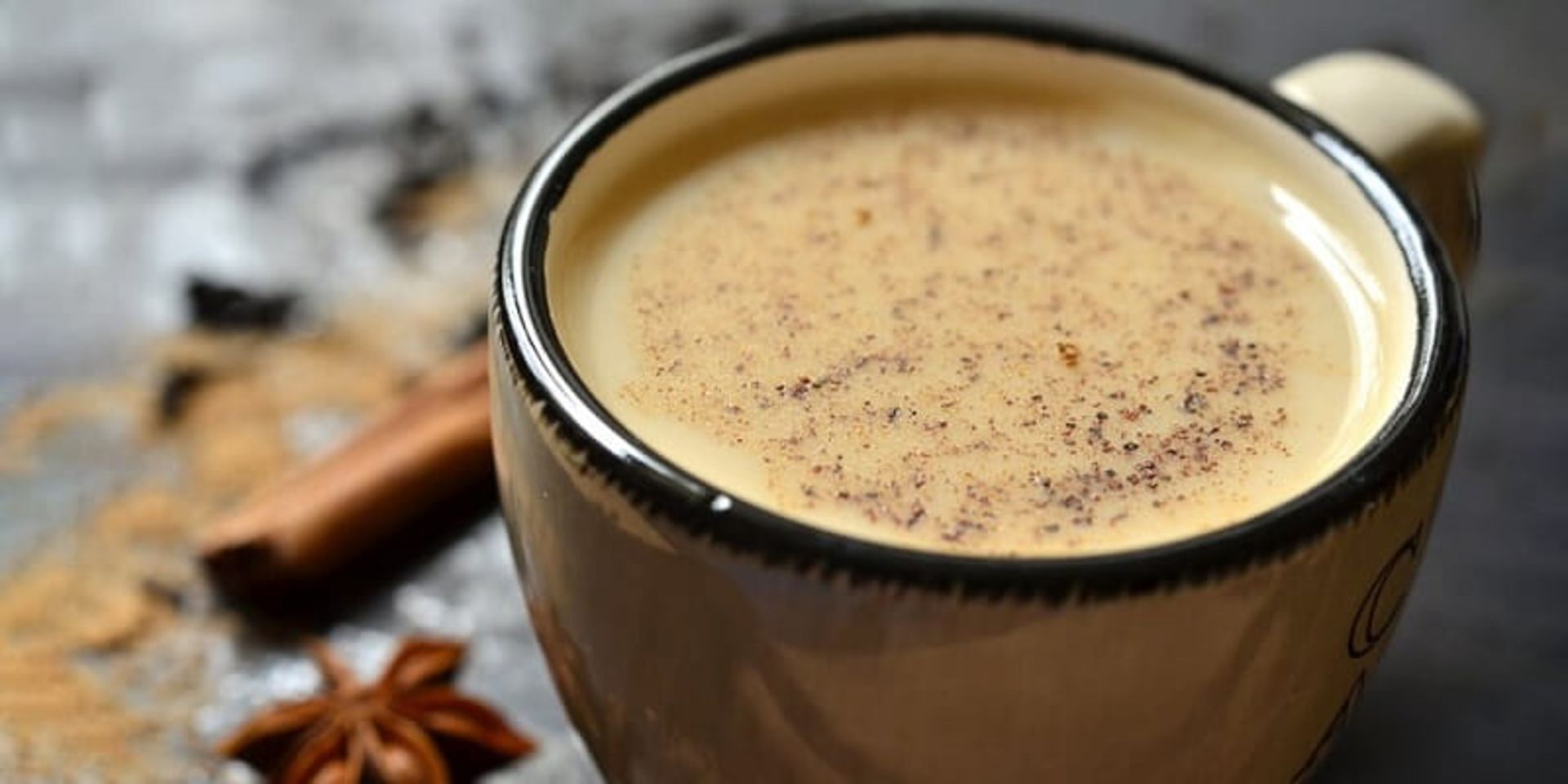
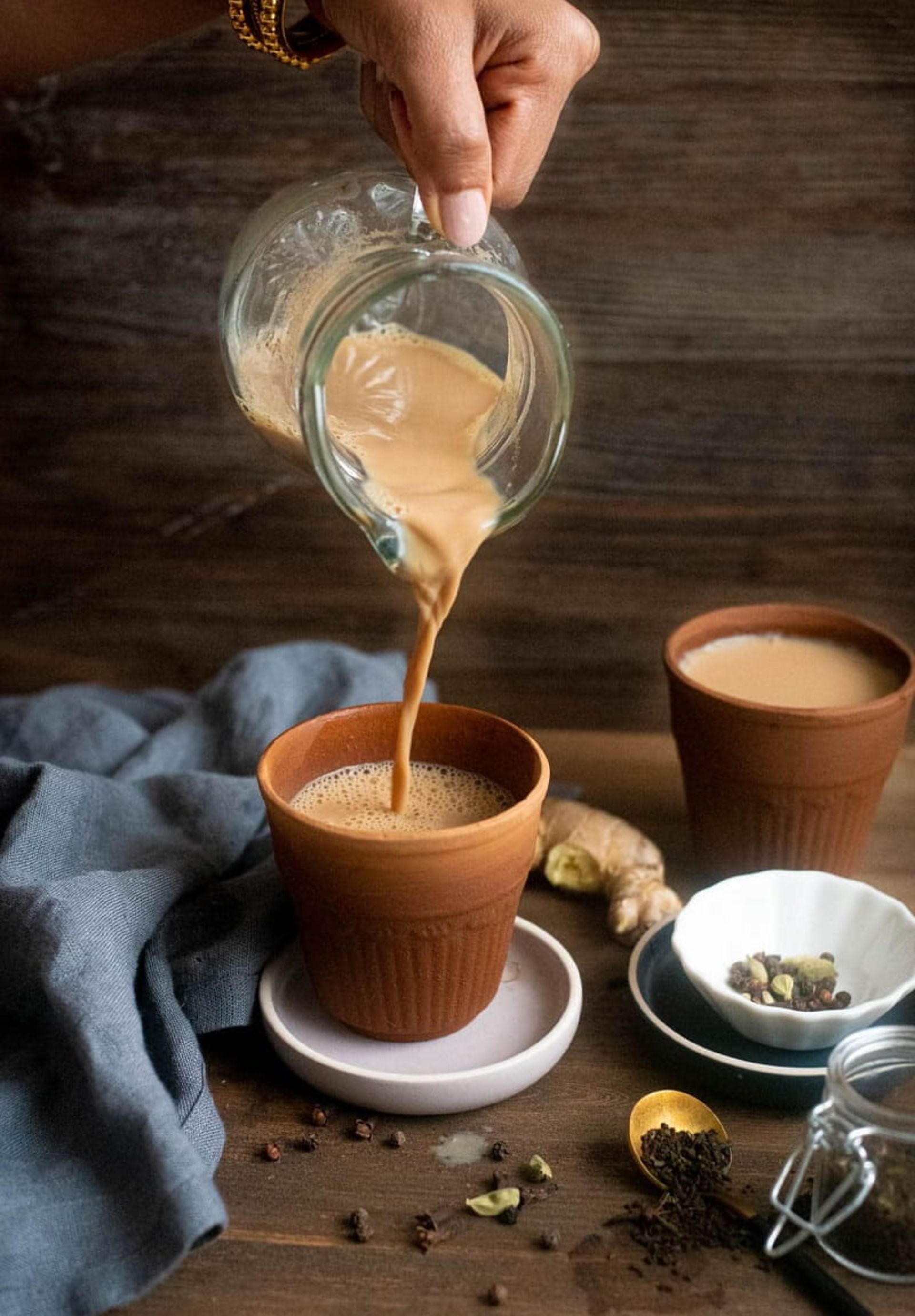
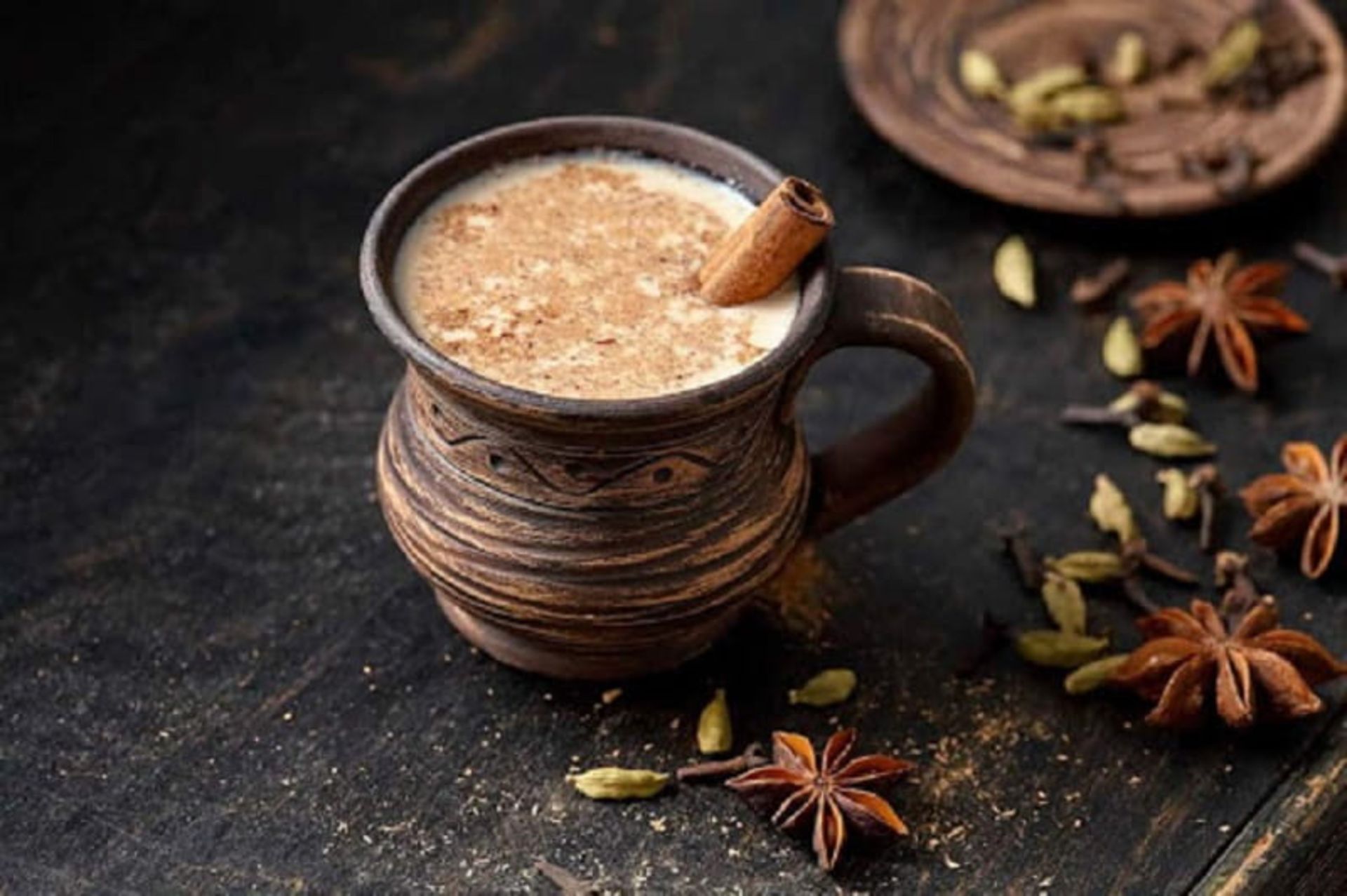
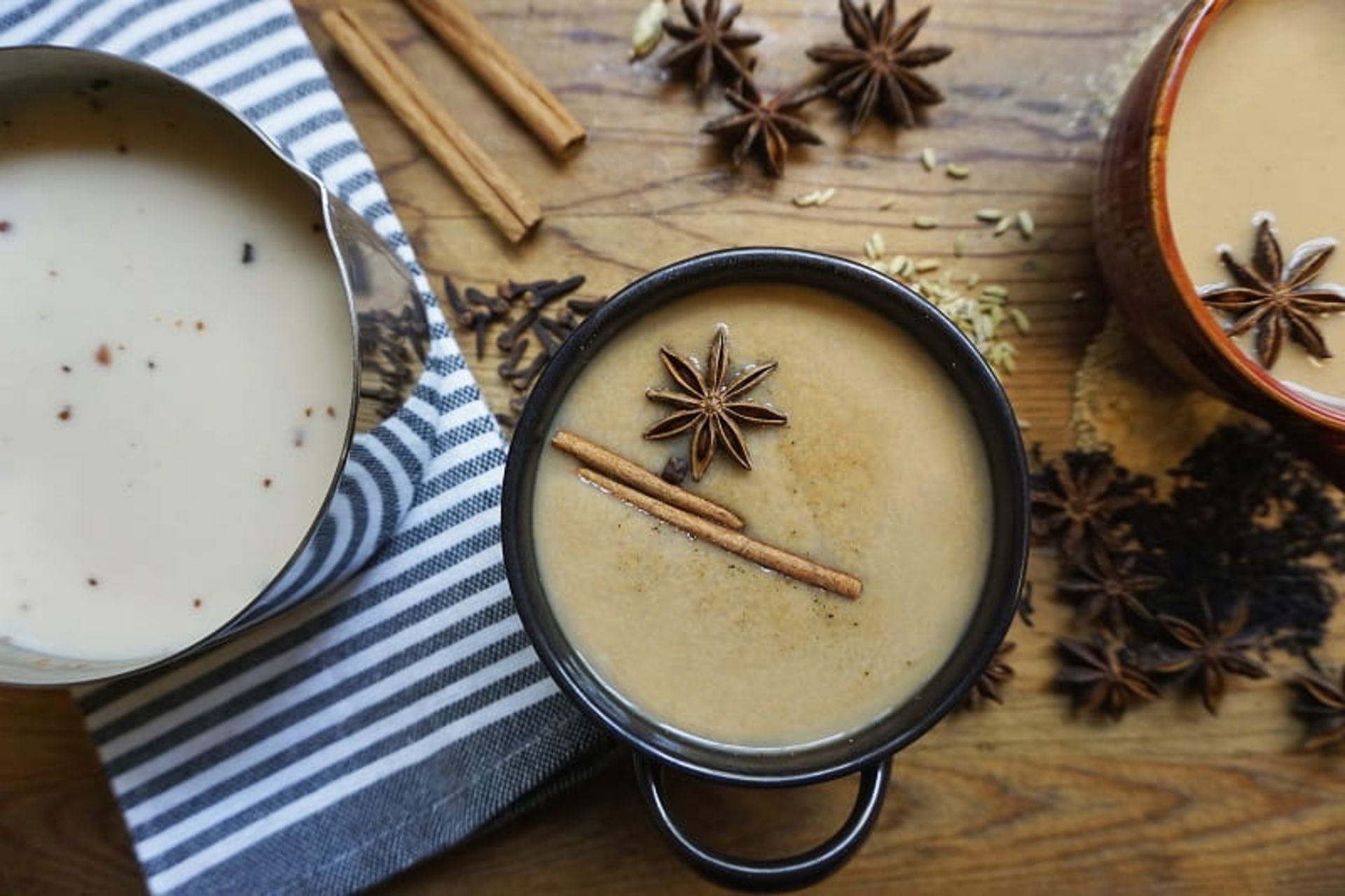
Massala tea or spice tea with a intense and tempting smell will attract anyone’s attention
Khatai Badians are a family of plants such as carrots, celery and parsley. The plant grows up to one meter and has flowers and fruits. The white and small fruit of this plant is known as the seed of the wind. The winds have a distinctive fragrance and a taste -like flavor and are commonly used for desserts and drinks. Many people know the fennel and the khatai winds; Because fennel and khattian winds have a relatively similar appearance and smell. So if you do not have access to the khattian winds, you can use fennel instead.
In the preparation of Masala tea, unlike conventional tea made with water, both warm water and warm milk can be used. Some people also prefer to drink tea in sweet or bitter. Masala tea or spice tea with a intense and tempting scent will attract anyone’s attention. How to make this tea varies in different parts of the world and may use different raw materials or different methods to prepare this tea. It is interesting to know that Masala tea in India is made from zero in homes. This means that they are just breaking the spices and making tea with them.
The word “tea” originates from the Indian word “tea” in the Indian language, which actually derives from the Chinese word “Cha” in Chinese means tea. Massala tea in the UK is known as Masala Tea or Tea; In some cafes, however, the tea is introduced to people as the name of Latte Tea or “Tea T -Latte” so that the customer will find that the tea is made like a Latte coffee with milk. This tea is made in European and American countries with a mixture of spices and tea bags or masala tea.
Massala tea with milk and how to prepare it
Next, we will introduce you to how to make Masala tea with milk and tea bags that are easily and quickly prepared.
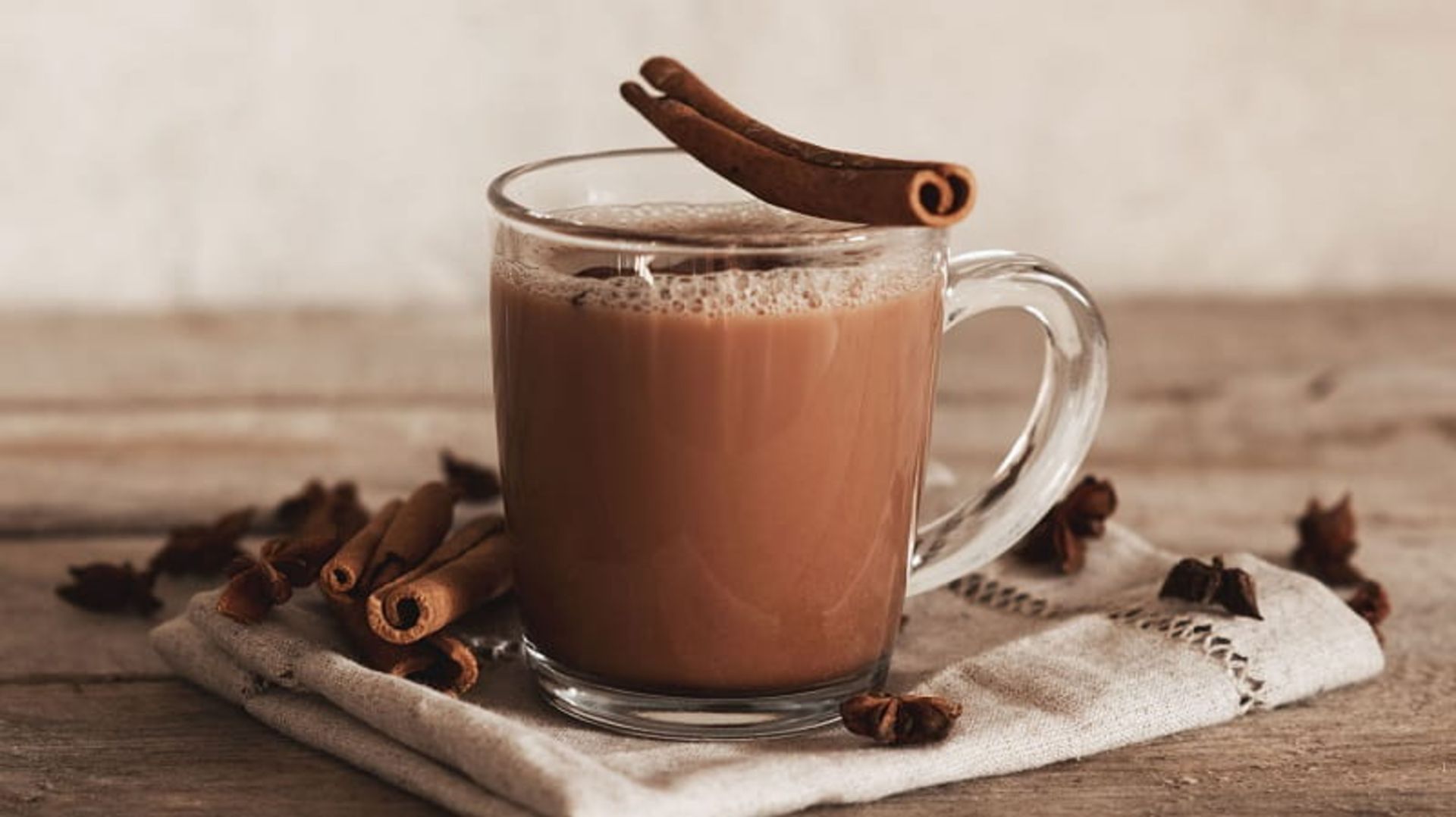
- 1 to 2 ml of milk
- 1 to 2 cloves
- 1 to 2 Green cardamom
- Half a teaspoon of fennel powder
- One to 3 pcs of small cinnamon
- One to two pieces of ginger
- A tablespoon of sugar (optional)
- 1 ml of water
- A number of black tea bags
How to make Masala tea with milk
Stage One:
Chop the spices using a mortar and pour into a boiling milk with water, cinnamon and ginger. Then place the milk over medium heat to boil. Reduce the gas flame and allow the smell of spices.
Stage Two:
Add the milk to the ingredients inside the milk. Be careful not to get the milk. After reducing the volume of the ingredients to half the initial amount, pour the tea bag into the milk and allow the tea to brew for a minute.
Stage Three:
Pour Masala tea into the cup and serve with sugar.
Important Tips for Massala Tea
- Crush them slowly before pouring spices into the water.
- You can use a quality and organic black tea instead of tea.
- Some people make Masala tea with immediate ready -made powder; But we recommend that you make this tea yourself at home.
- You can use milk, condensed milk or almond milk to make masala tea; In India, however, simple milk or buffalo milk is used to prepare Masala tea.
- If you would like to have more thick tea, increase the volume of milk and reduce the volume of water or only use milk.
- They usually use sugar to sweeten the masala tea, but you can also use honey or various syrups.
- Add the milk and stir after boiling water and spices. Note that before adding milk, the more water and the boiling contents are on the gas, the stronger the taste of your tea.
- Serve Masala tea for evening or breakfast.
- In how to prepare the masala tea, the “kimer” is used instead of milk, which is a non -dairy milk made with vegetable oils such as corn oil and coconut.
Massala tea without milk and how to prepare it

Ingredients for two
- ۱۰ pepper, black and white pepper seeds
- 2 cloves
- ۱۰ Green cardamom seeds
- A number of cinnamon
- A number of khattian winds or star annson
- Two and a half (1 mg) cup of water
- ۲ tablespoon of black tea
- 2 cm of fresh ginger
How to make a masala tea without milk

Stage One:
Pour the peppers, cloves, cardamom, cinnamon and chopped winds in a boiling milk and place them over medium heat for two minutes to saute. Then remove the milk from the heat and allow the spices to cool.
Stage Two:
Powder the spices using a mill or coffee machine. You can keep this Masala tea spice in a closed glass in the cabinet for up to two months.
Stage Three:
Pour the water, ginger and spices into a boiling milk and heat them for 5 minutes. Do not allow the material to reach the boiling point, as the tea will eventually be bitter. Remove the milk from the heat.
Step Four:
Add the black tea to the ingredients in the milk and after a few minutes pour the tea into the cup and serve.
Important Tips for Massala Tea -free Tea
- If you like your masal tea to be sweet, put it over again and add a little sugar or honey and wait to dissolve in the tea.
- You can pour the prepared tea into a clean bottle and keep it in the fridge for a week. To re -serve, just add a little hot water or milk to the masala tea.
- Masala tea spices can also be used with cloves, green cardamom, cinnamon, black pepper, dried Mohammadi leaf, fennel seed, dried saffron, dried ginger powder and chopped nutmeg.
Massala tea cold and how to prepare it
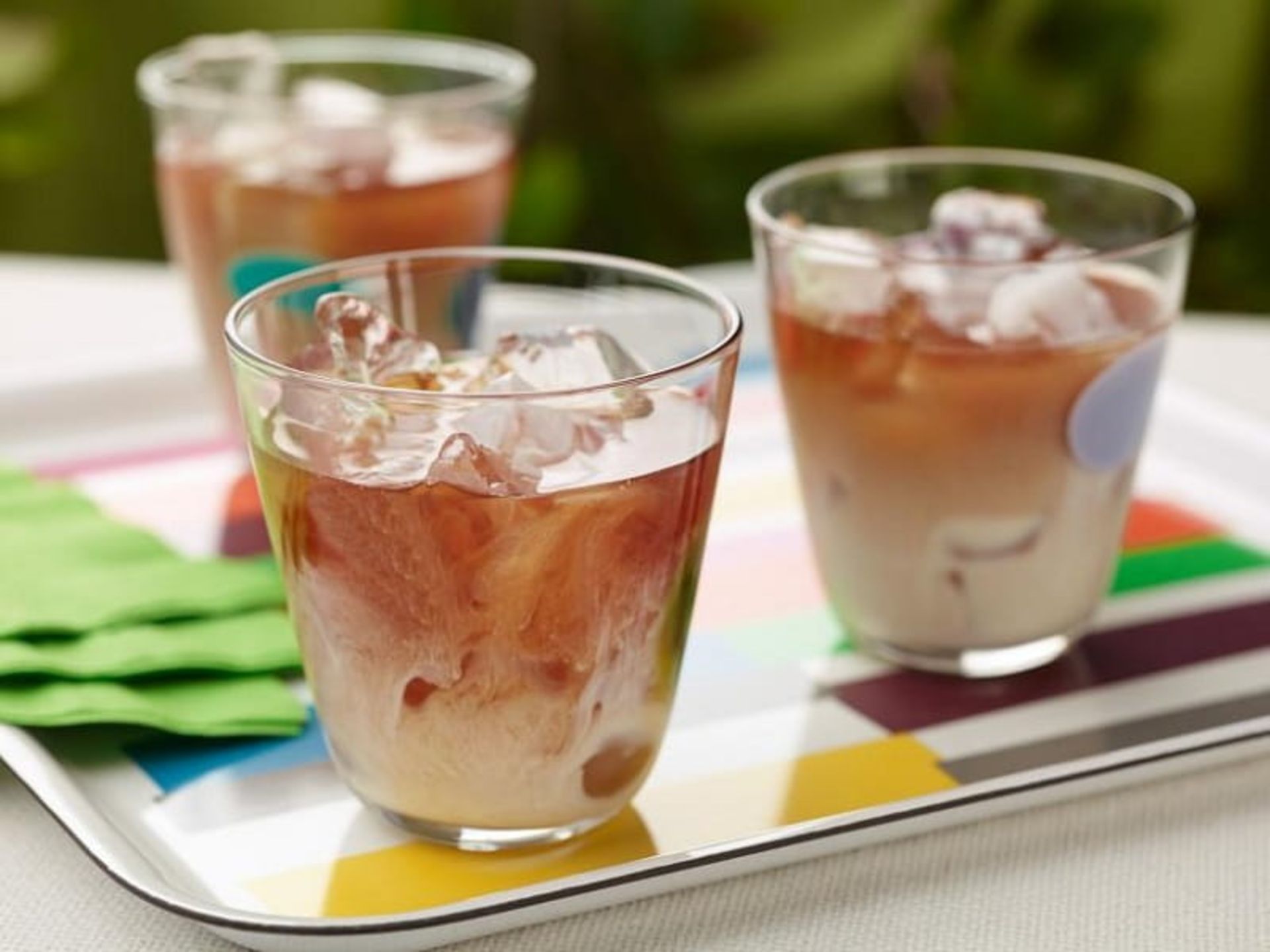
Cold Massala Tea is a copy of traditional Masala tea that is very popular and popular in America. To make cold masala tea, they make a spicy tea with ice without milk or use spicy, milk and ice tea to make it. In some preparations to prepare this tea, the ingredients are poured into a mixer and finally decorated with creamy. Cold masala tea is quite different from its warm version and you can make it in the warm seasons.
Ingredients for four
- ۲ tablespoon of black pepper
- ۲ ۱ ۱ ۶ ۶ له عدد له له له له له له له له عدد له له عدد
- ۱۰ Khattian winds
- 2
- ۱۰ tea bags
- Three -quarters of a glass of concentrated milk
- A quarter glass of milk
How to make a cool masala tea
Stage One:
Pour four glasses of cold water along with pepper, cardamom, chopped winds and cinnamon wood in a boiling milk and place over medium heat to boil. Then reduce the flame and allow the material to remain heat for 5 minutes.
Stage Two:
Turn off the gas flame and then throw the tea bag into the milk. Close the milk lid and allow the tea to brew for 5 minutes. Take the bag teas and pour the tea mixture into a measuring pitcher using a filter. Release the tea for at least 5 minutes at room temperature to cool. Then put it in the fridge for about an hour.
Stage Three:
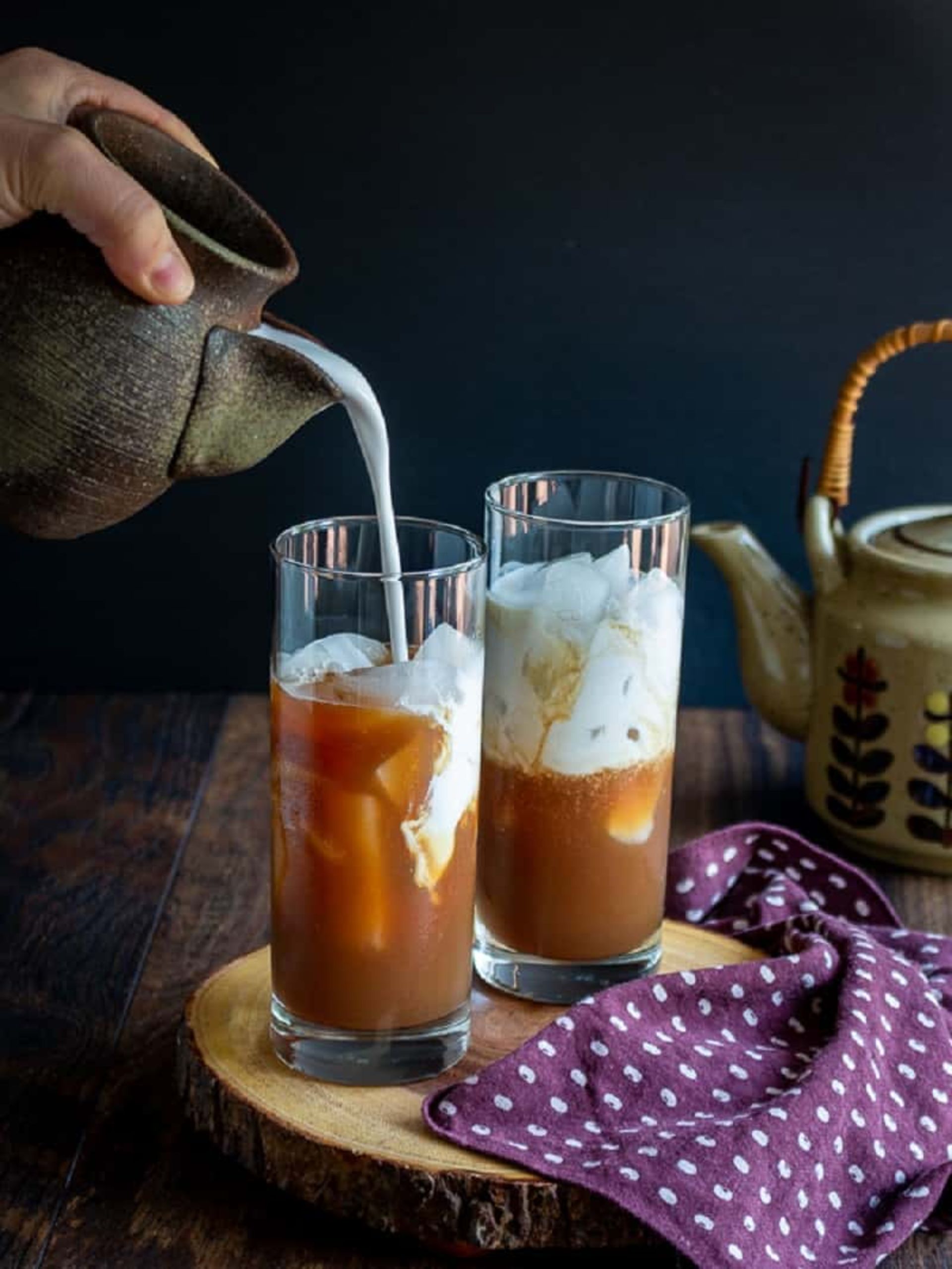
For cedar, fill four glasses with ice. Then pour the tea mixture evenly into these glasses.
Step Four:
Stir the concentrated valve and the ordinary milk in another container to make it perfectly uniform. Then pour over a quarter cup of milk in each glass. Stir tea and serve immediately.
Masala Tea History
According to various narratives, Massala’s tea dates back to five to four thousand years ago. Indigenous people of India and Thailand believe that Masala tea was actually a drug demon and belonging to one of their ancient kings. However, Massala’s tea has only been considered in other parts of the world except for India and Thailand.
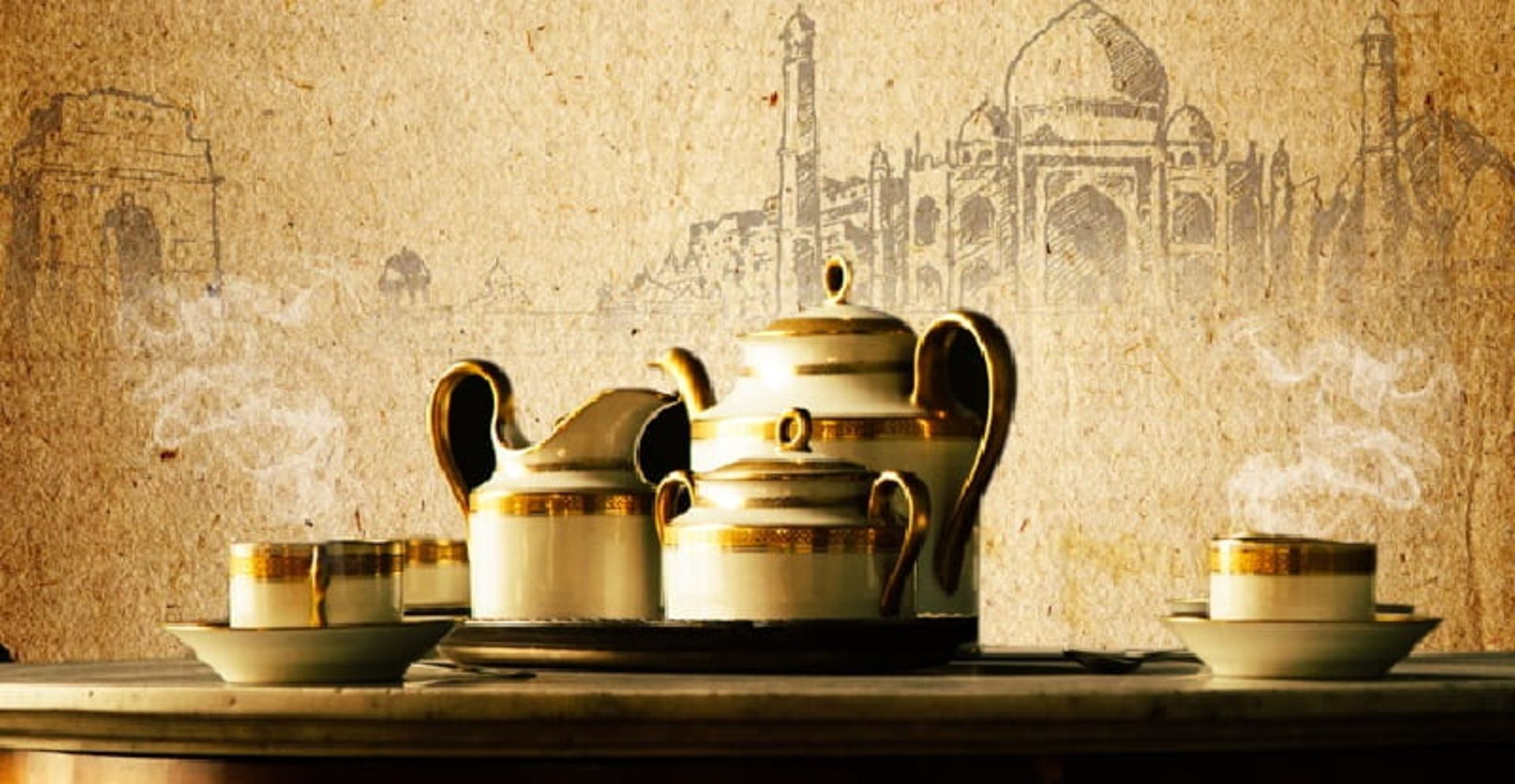
Indigenous people of India and Thailand believe that Massala’s tea was actually a drug demonstrated from one of their ancient kings.
It is interesting to know that the tea plant has been wild in ancient times in the Assam area; But in history, the Indians have known tea as a drug than a drink. Some of the combination of spices that are still used to prepare Masala tea in India originate from ancient Ayurvedic ancient science texts. This combination of spices in India is called “Karha and Kashayam”.
In the 1980s, East India Company was concerned about the exclusive tea production in China; The country that was the major tea trade in the world, and in Great Britain, he sold a pound (unit of weight) of tea per year for each person. At the same time, English colonists had noticed the existence of tea plants and began to cultivate tea farms localized. The addition of black dry tea to the Masala tea compounds also goes back to year 2. From then on, black tea, milk and other flavors have been added to Masala tea; While ordinary Indian people preferred to use traditional masal tea because of the expensive black tea.
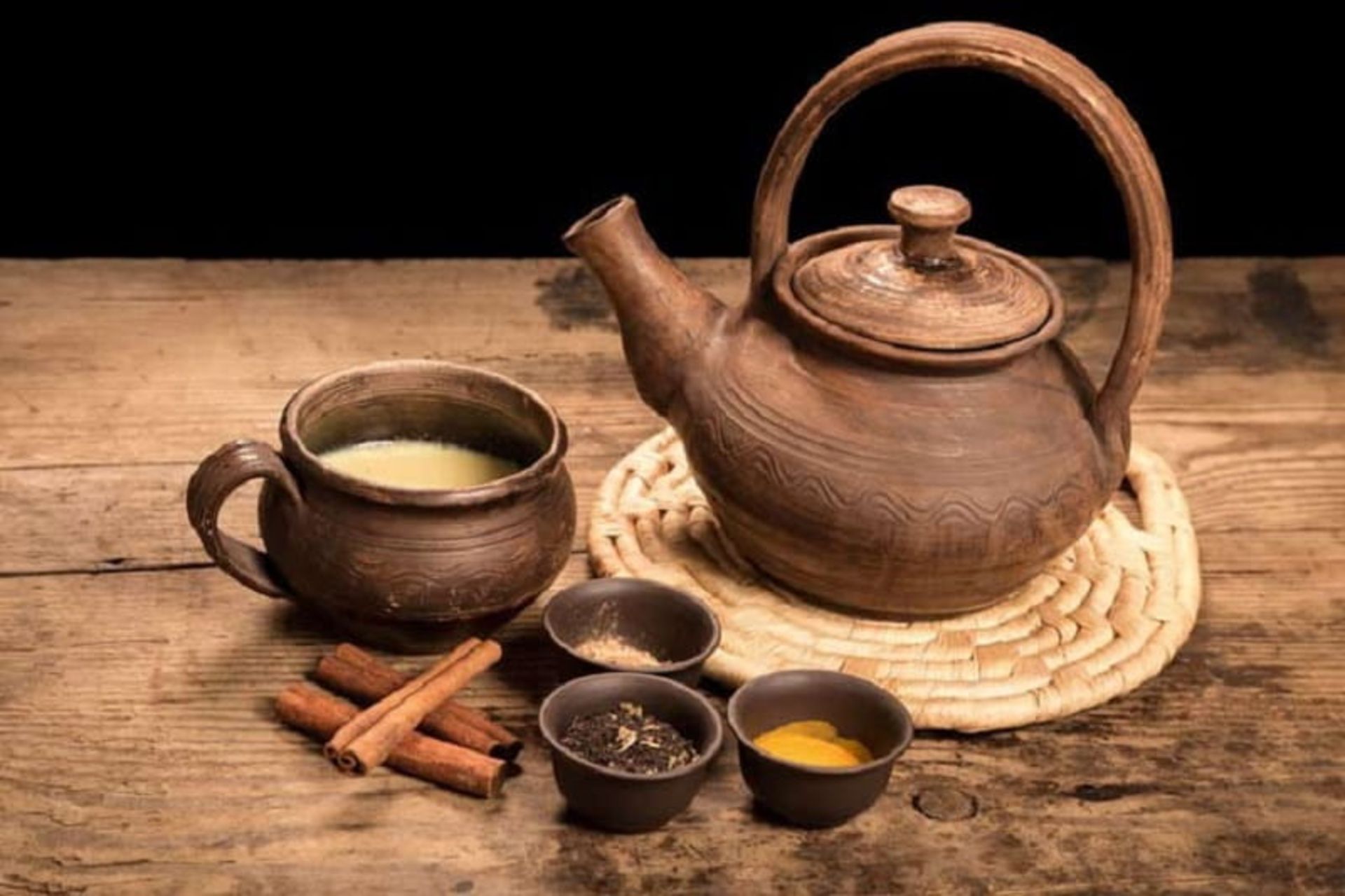
In year 2, more than 5 % of tea consumed in Great Britain was supplied by China; But by year 3, this share was reduced to 5 %. Since then, Britain has supplied 5 % of its tea consumption from India and the other 2 percent from “Silal” or “Cylylon” or today’s Sri Lanka.
However, the consumption of black tea in India was low until the start of the Indian Tea Association’s advertising campaign in the early twentieth century; When factories, mines, and textile factories encouraged tea to workers during their rest and tea sellers began selling tea to travelers across the railway lines. Black tea, of course, was still very expensive in India in the same years, so the East India company encouraged people to mix and consume black tea with other herbal elements to make tea consumption more affordable.
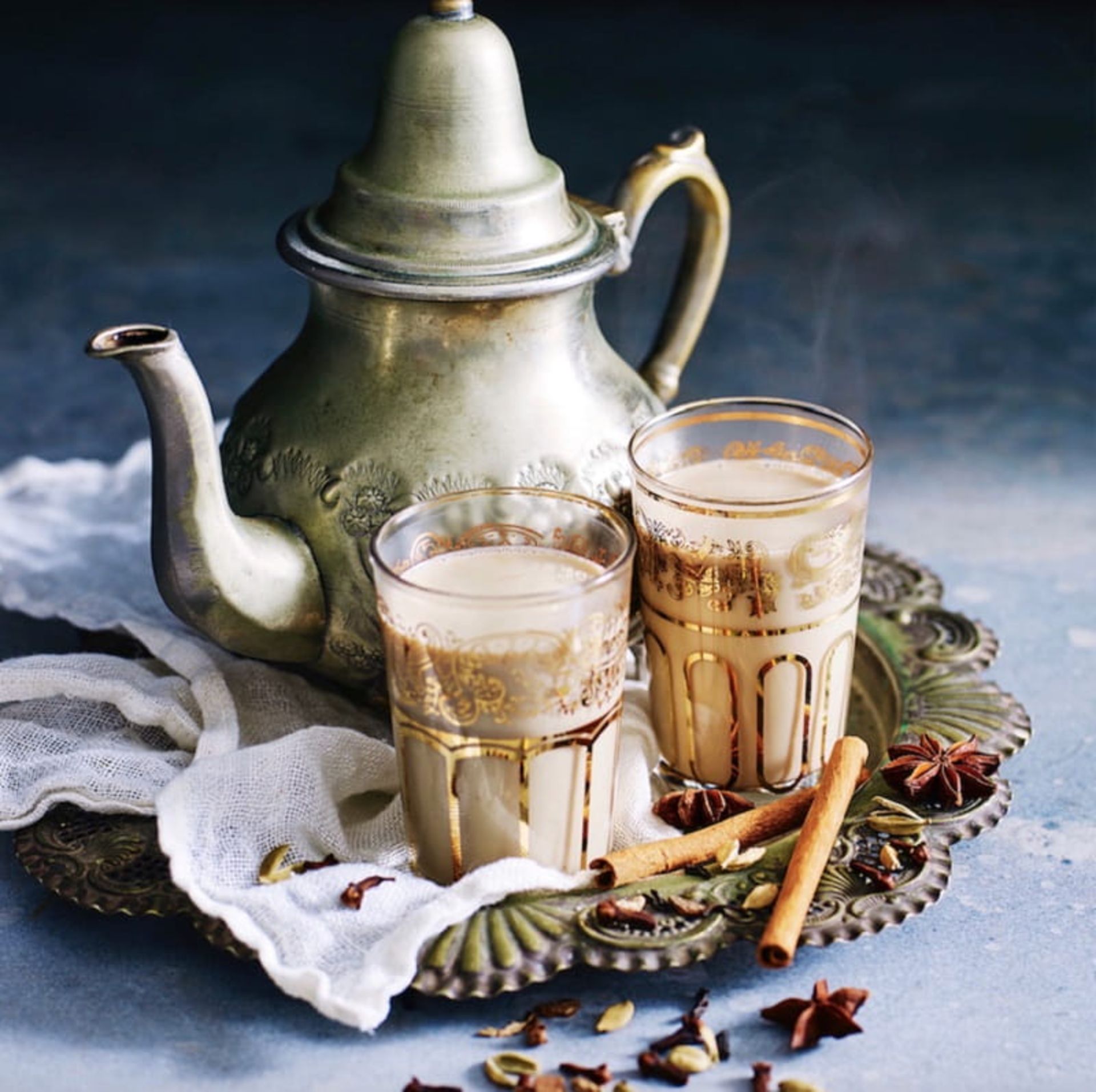
The peak of the popularity of Masala tea in India began in year 6. Mobile tea and restaurants have been serving Masala tea since then, and this tea is presented to the guest in homes for respect and in the hospitality. Massala tea is one of the most popular drinks, especially in the winter and cold months of the year in India, and in some parts of the country, people drink an average of four small masala stones a day. Drinking this aromatic and delectable demon is also common in breakfast, evenings and for fatigue, and this tea has precisely among the Indians that black tea among us Iranians.
Types of Masala tea
Masala tea has great varieties around the world and you can create a special masala tea by changing their raw materials and their levels. It is interesting to know that some types of Masala tea in India are obtained from the combination of 4 types of local vegetable powders. Jamie Wilhelm, a professional tea industry researcher with a detailed research in India, succeeded in capturing four different types of Indian masala tea and summarizing these types of tea in seven main classes:
- The Vegan Class (The Vegan Version
- Ginger class (Reinforced Ginger version)
- Simplified Massala Class (Simplified Version)
- Kadak Class, Winter Special (Kadak/Winter Special)
- Spring Class, Spring Spring (Spring Special)
- Mild Almond Milk class (Mild Almond Milk Version)
- Class of Unusual Composition (Exotic Mix)
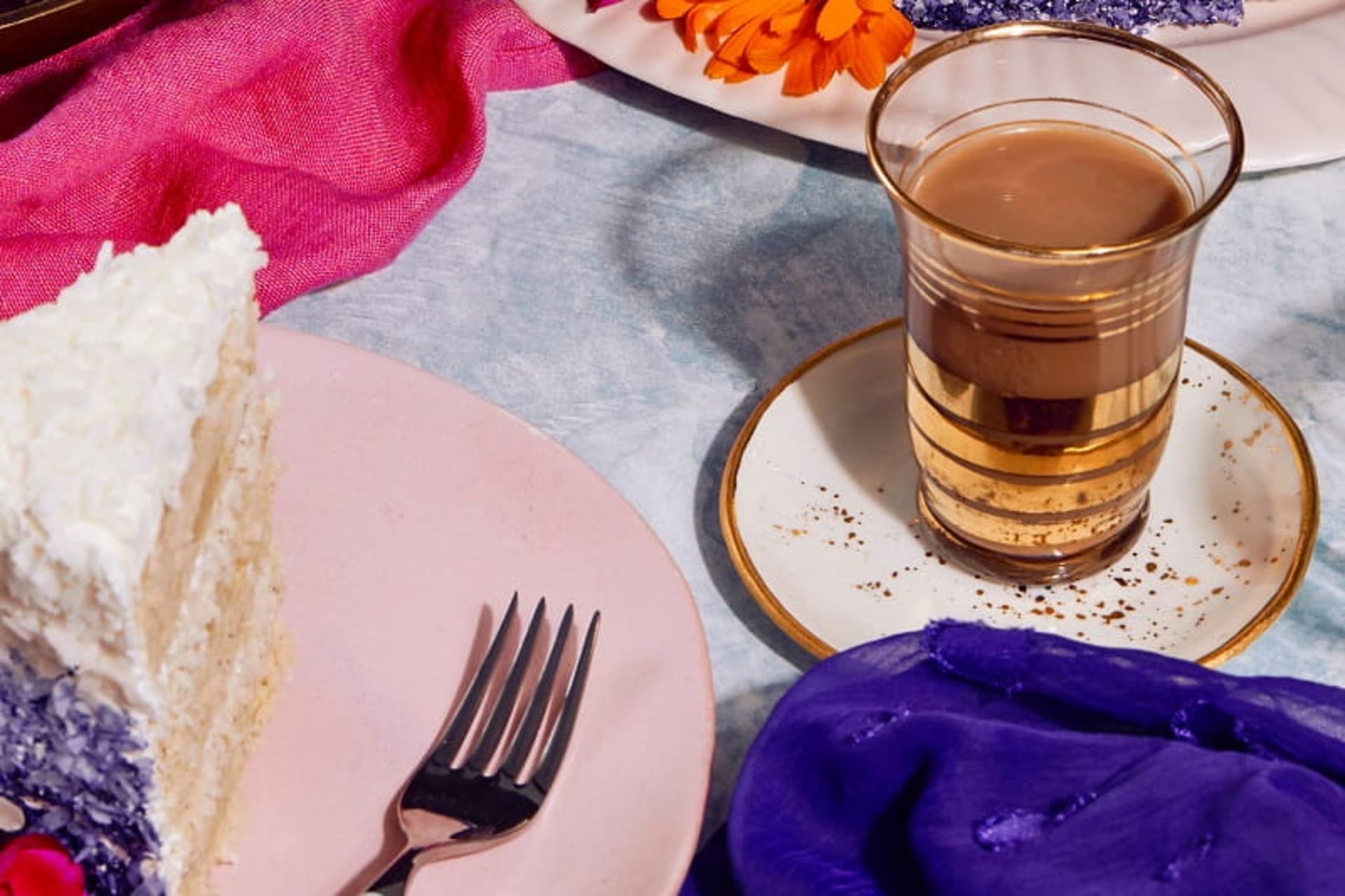
Massala tea is made in India and most of the world with black tea; But in the Kashmir area, it is made with green tea instead of black tea. It is interesting to know that in some types of caffeine Masala tea, instead of black tea, they use red tea (Rubus), which is a type of caffeine -free tea belongs to South Africa.
The types of milk used in Masala tea include high -fat, low -fat milk, condensed milk and soy milk. Masala tea is sweet and flavored with a variety of sweeteners and flavors such as sugar, honey, vanilla, etc.
Massala tea without tea
Some types of Masala tea are prepared without black tea and are very popular in the US. To prepare this type of masala tea use a variety of herbal tea or “Yarba Matte”.
Massala tea with espresso
Some cafes in the US offer a new version of Masala tea to their customers made with espresso; But this drink has no special name. Massala tea prepared by espresso was accidentally invented by a woman in London’s Covent Garden neighborhood in the UK by a woman in the 1980s. He was preparing a Latte tea for an American who mistakenly poured an espresso shot into the drink and decided to serve the drink. The American person liked the taste of this new drink and ordered it on his trips to London.
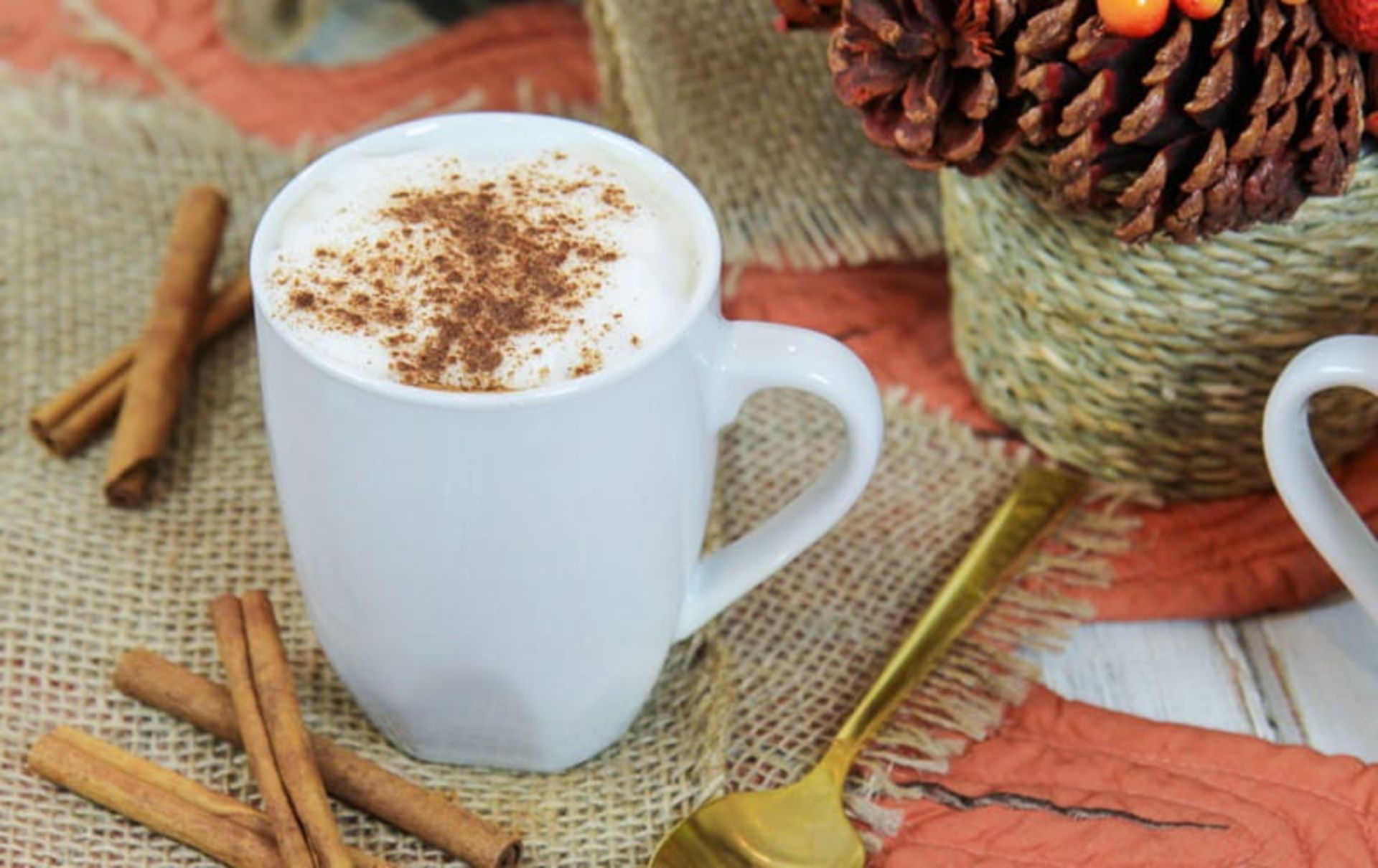
Massala tea with espresso is now known for its many names, including Java Chai, Red Eye Chai and TurboCharger, and Americans prefer to call it “dirty Chai”.
The benefits of Masala tea
Masala tea is made with black tea, spices and hot water or milk, and can be served bitterly or sweet depending on the tastes of the people. Reducing nausea, preventing bacterial gastrointestinal infections and improving digestion, heart health and lowering blood cholesterol, controlling and lowering blood sugar levels, and preventing weight gain are the most important benefits of masala tea.
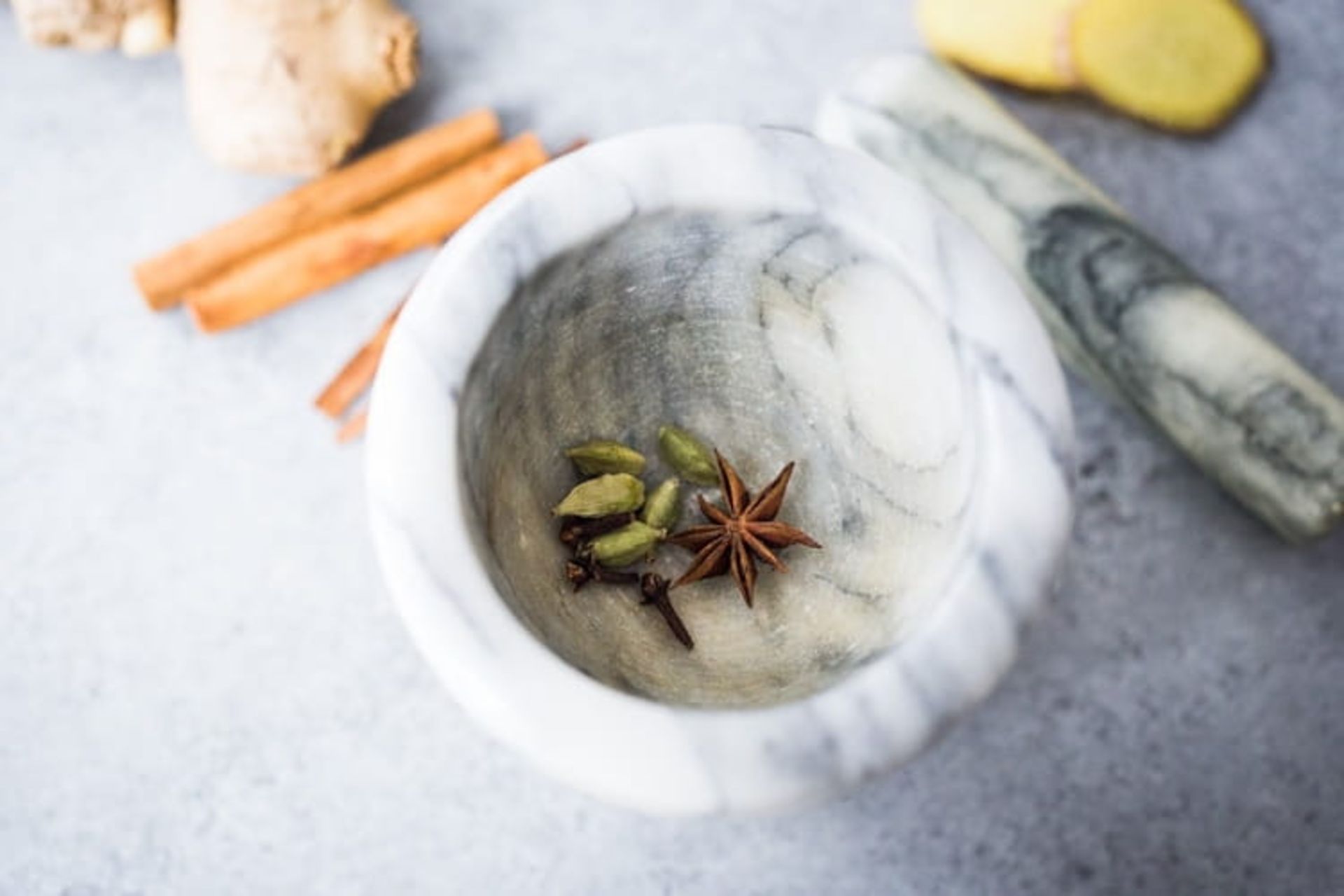
To get acquainted with the properties of this tea, we will explain the benefits of some of its most important ingredients, and we will discuss the properties of Masala tea in detail.
- Cinnamon: Prevention of cancer and especially colon cancer
- Ginger: Strengthening the human body’s immune system, eliminating cancer cells, improving asthma and beneficial to cardiovascular health
- Push: Useful for heart, kidney and lung health, a renewable and disinfectant substance
- Cloves: Disinfectant and useful for the human gastrointestinal system
The effect of Masala tea on heart health
Consuming Masala tea is very useful for heart health. Cinnamon is one of the constituents of Masala tea that has a positive effect on lowering blood pressure and can also reduce blood cholesterol levels, LDL cholesterol and triglycerides.
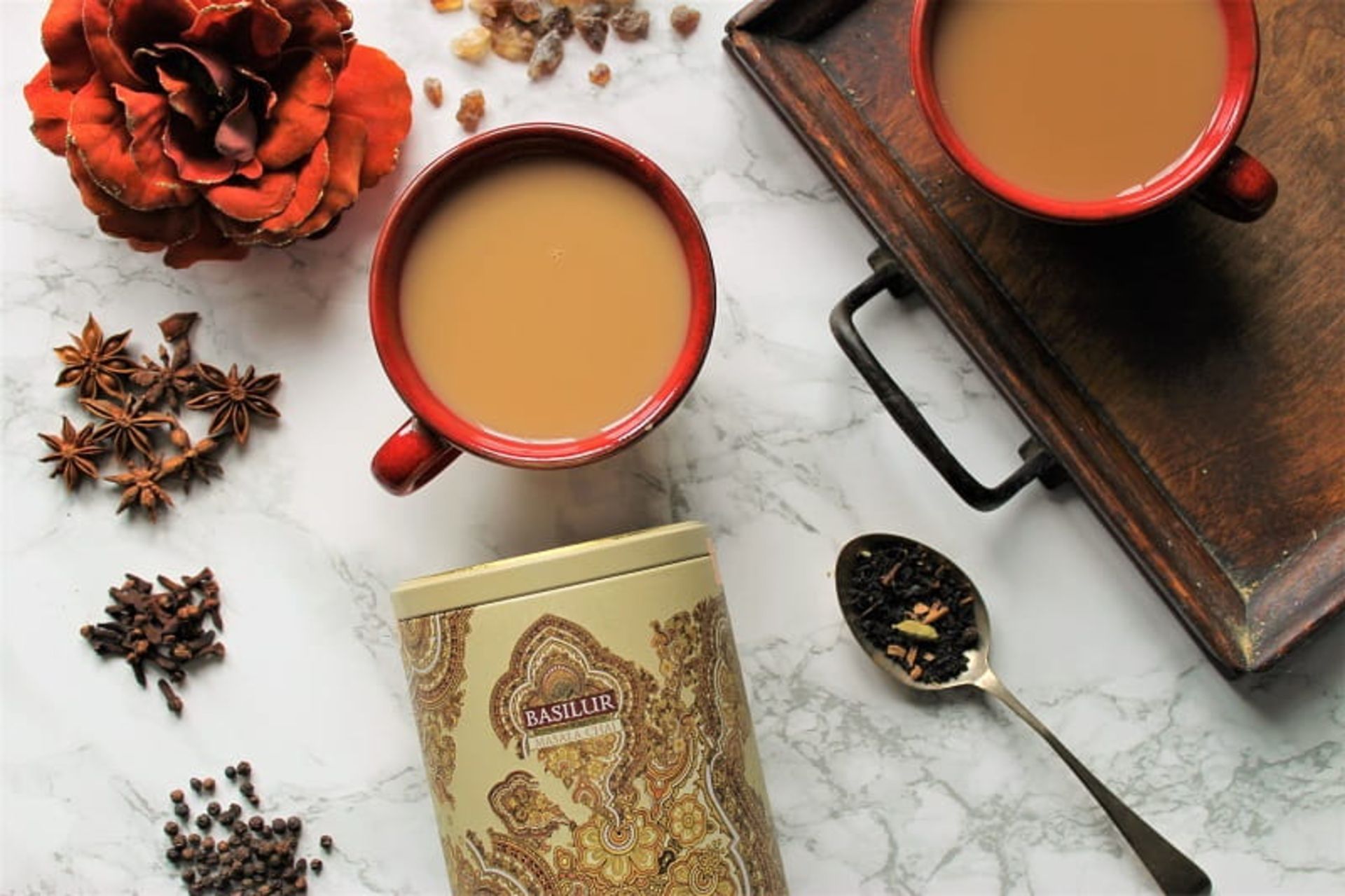
Due to the presence of black and cinnamon tea in Masala tea, this drink is useful for heart health and lower blood cholesterol.
In addition, the black tea used in Masala tea reduces blood cholesterol levels. Of course, it is said that drinking more than four cups of black tea or more on a daily basis has little effect on lowering blood pressure; But some research has shown that drinking three cups of black tea or more reduces the risk of heart disease by about 5 %.
In general, it can be said that due to the presence of black tea and cinnamon in Masala tea, this drink is useful for heart health and lower blood cholesterol.
The effect of masala tea on lowering blood sugar
Massala’s tea is a great drink to control blood sugar; Because the combination of ginger and cinnamon in this tea helps control and lower blood sugar levels. It is interesting to know that cinnamon can reduce the resistance of the vancelin by about 2 to 5 percent and also reduce blood sugar levels in the body.
As you know, a decrease in resistance to the body causes the human body to use insulin to carry sugar in the blood and transfer it to the cells, thereby lowering blood sugar levels. In addition, research has shown that taking two grams of ginger daily in people with type 2 diabetes has reduced their blood sugar levels by about 2 %.
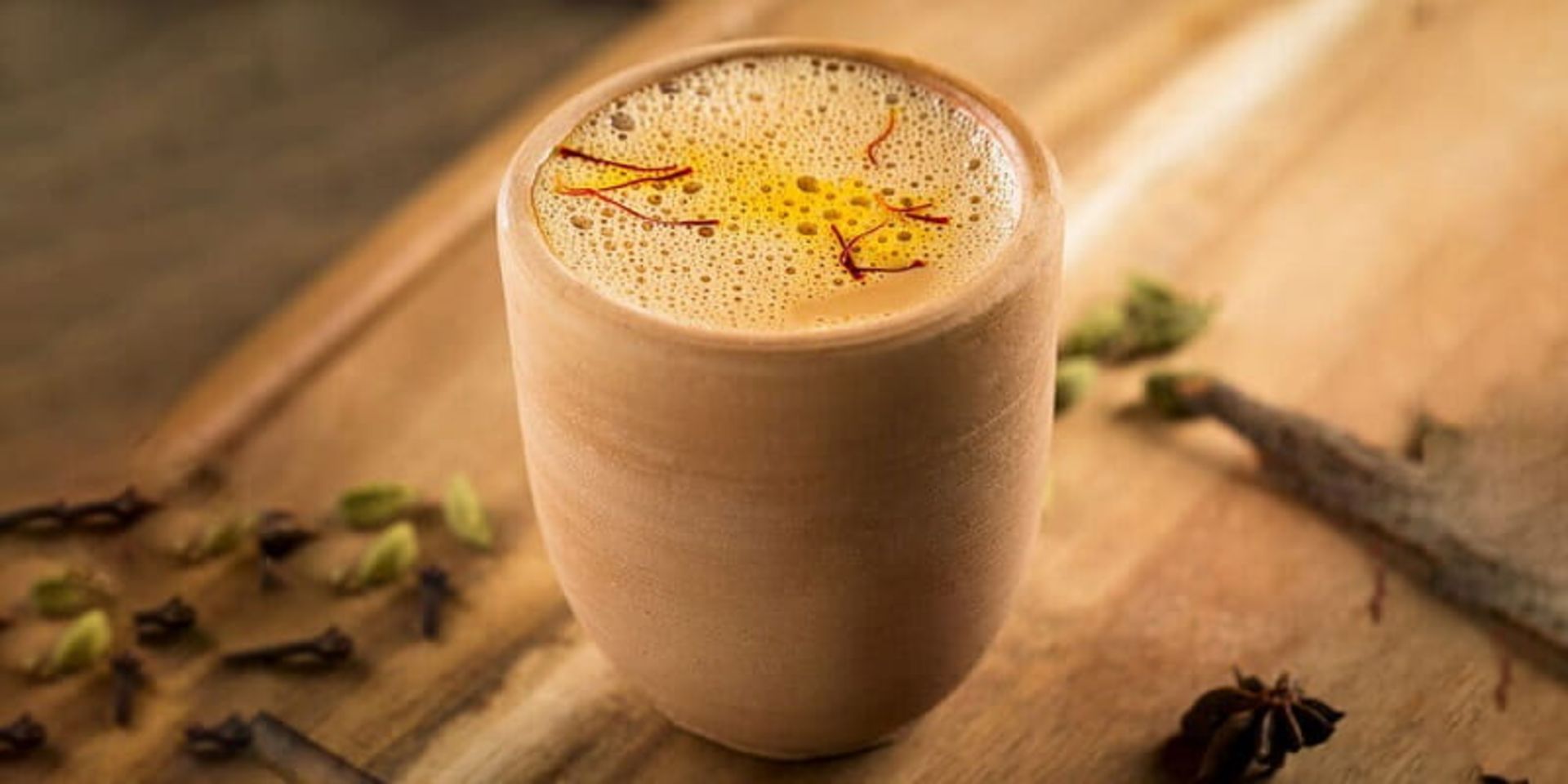
Note that the best consumption of ginger and cinnamon is about one to six grams per day, which is more than the amount available in the masala tea packages purchased from stores; So it is best to prepare Masala tea at home and pour ginger and cinnamon depending on your taste. Another important point is that ready -made masala teas or teas made in cafes are sweeter than home versions, which is why the positive effects of this drink on blood sugar decreases are less.
According to the American Heart Association (AHA), the amount of sugar per female is less than 5 grams per day and for men, about 2 grams per day; So the Masala tea drink with less sweet or bitter can help lower blood sugar levels.
The effect of masala tea on nausea and digestion
Ginger is a very strong anti -prevalence that can also reduce pregnancy nausea. According to research, consuming one to 5 grams of ginger daily effectively reduces nausea. The presence of black pepper, cinnamon, cloves and cardamom has also made the tea an antibacterial drink that can prevent bacterial infections of the gastrointestinal tract. Black pepper also enhances digestive enzymes and accelerates the digestion process.
The effect of Masala tea on weight loss
Masala tea is made with cow’s milk or soy milk and is a rich source of protein. This tea prevents weight gain and has a positive effect on reducing body fat; Because protein is a nutrient that reduces the feeling of hunger and enhances the feeling of satiety. Keep in mind that pure masala tea made with water is less calories; But because of bitter taste, it may not be desirable for some people. In general, if you make this tea with high -fat milk, you will eventually get between 1 and 2 calories per glass.
It is interesting to know that Masala tea has a significant impact on reducing hunger and preventing false overeating, and you can serve as a snack. Black tea used in Masala tea greatly reduces body fat and calories consumed.
According to a very valid study, drinking three cups of black tea a day can prevent unwanted weight gain or weight gain in the abdomen. In addition, consuming black pepper also prevents fat accumulation in the body. Of course, if you are planning to put Masala tea in your diet, don’t overdo it; Because excessive consumption of sugar can greatly reduce the properties and benefits of this tea.
The effect of Masala tea on cancer
Massala tea is a healing tea in which the substances are destroyed by free radicals of the human body. These free radicals are the most important cause of cancer in the body, and you can prevent cancer by consuming Masala tea.
Other important properties of Masala tea include:
- Keep the body warm.
- Opening sinus cramps (air -filled holes in the skull and forehead) and preventing headaches and sinusitis
- Strengthen the immune system and treat cough and cold
- Eliminate skin disorders such as facial pimples and reduces all kinds of body inflammation
- Prevent depression and anxiety, creating energy and vitality and controlling emotional fluctuations
The amount of permissible consumption of Masala tea per day
Masala tea has a caffeine due to the presence of black tea and each cup of Masala tea has about 5 mg of caffeine. Note that if you overdo this tea, you may have complications such as anxiety, migraine, hypertension and insomnia. In the meantime, high consumption of caffeine may lead to abortion or birth of underweight and premature children.
It is best not to consume caffeine per day, which is less than 5 mg for pregnant women. The amount of caffeine in Masala tea is half the amount of caffeine in black tea and a quarter of a cup of ordinary coffee and seems to be better than ordinary coffee or black tea.
Masala tea complications
- People who are allergic to spices such as ginger or cinnamon should not consume masala tea.
- Ginger in masala tea reduces blood pressure or blood sugar; So if you use blood pressure regulators, be careful about taking this tea.
- People who are allergic to lactose in milk should make masala tea with water or vegetable milk (soy milk, almonds and coconut).
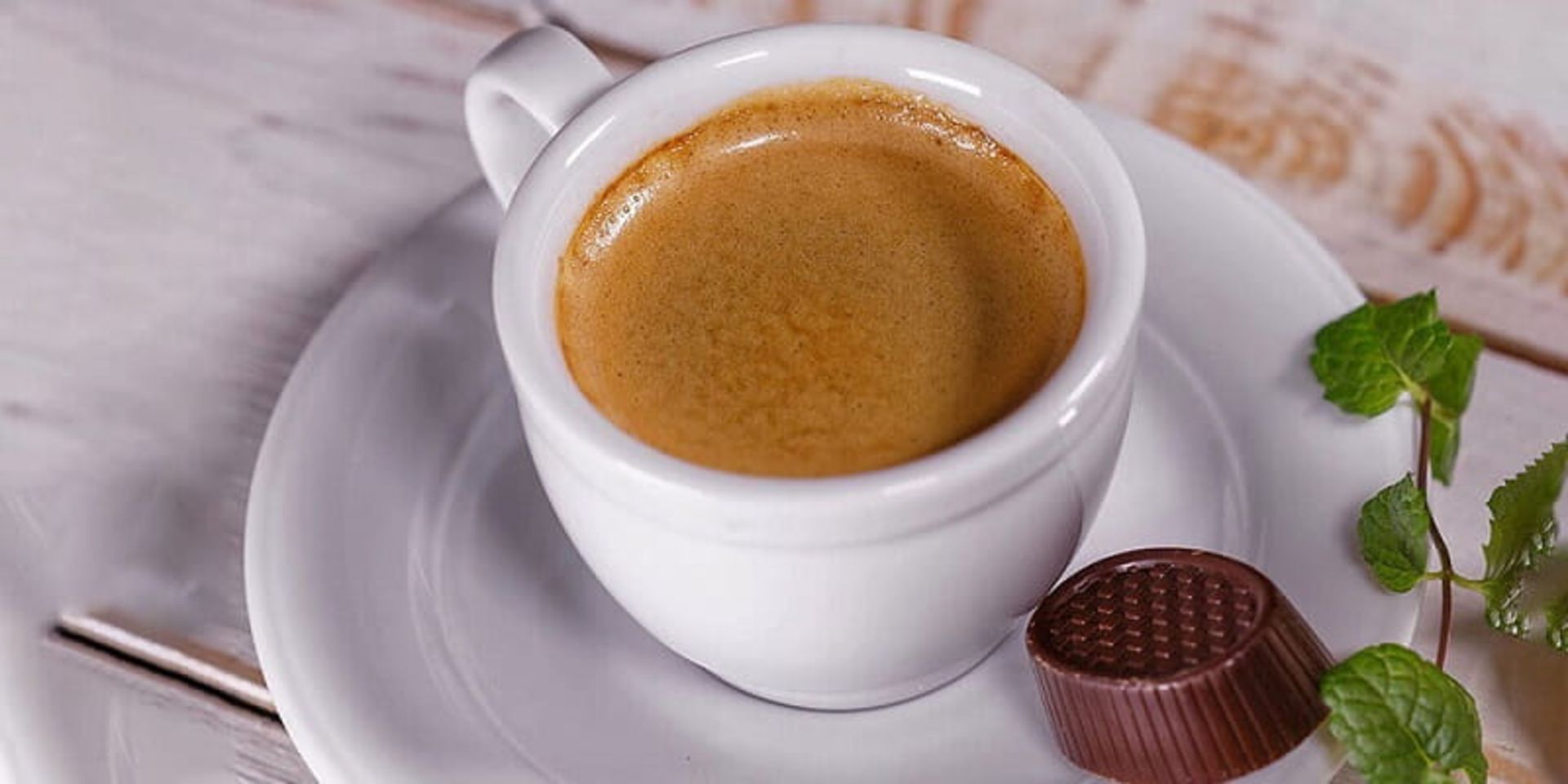
Taste of Masala Tea
Masala tea is a kind of sweet and spicy drink with a special aroma and creamy texture that is well -known worldwide. This special and magical tea with a tempting smell is so tasty and tasty that you just have to try it once to fall in love. Prepare the masala tea with a variety of milk or herbal milk at home and pour a little sugar or honey to make it more delicious.
Massala’s tea is a tea with a history of thousands of years ago that has many fans in Indian and Thai societies. This pleasant tea has gained popularity in recent years in Iran, and if you’ve never tried it, it’s time to go to the kitchen and make this unique tea with home, black tea and milk.
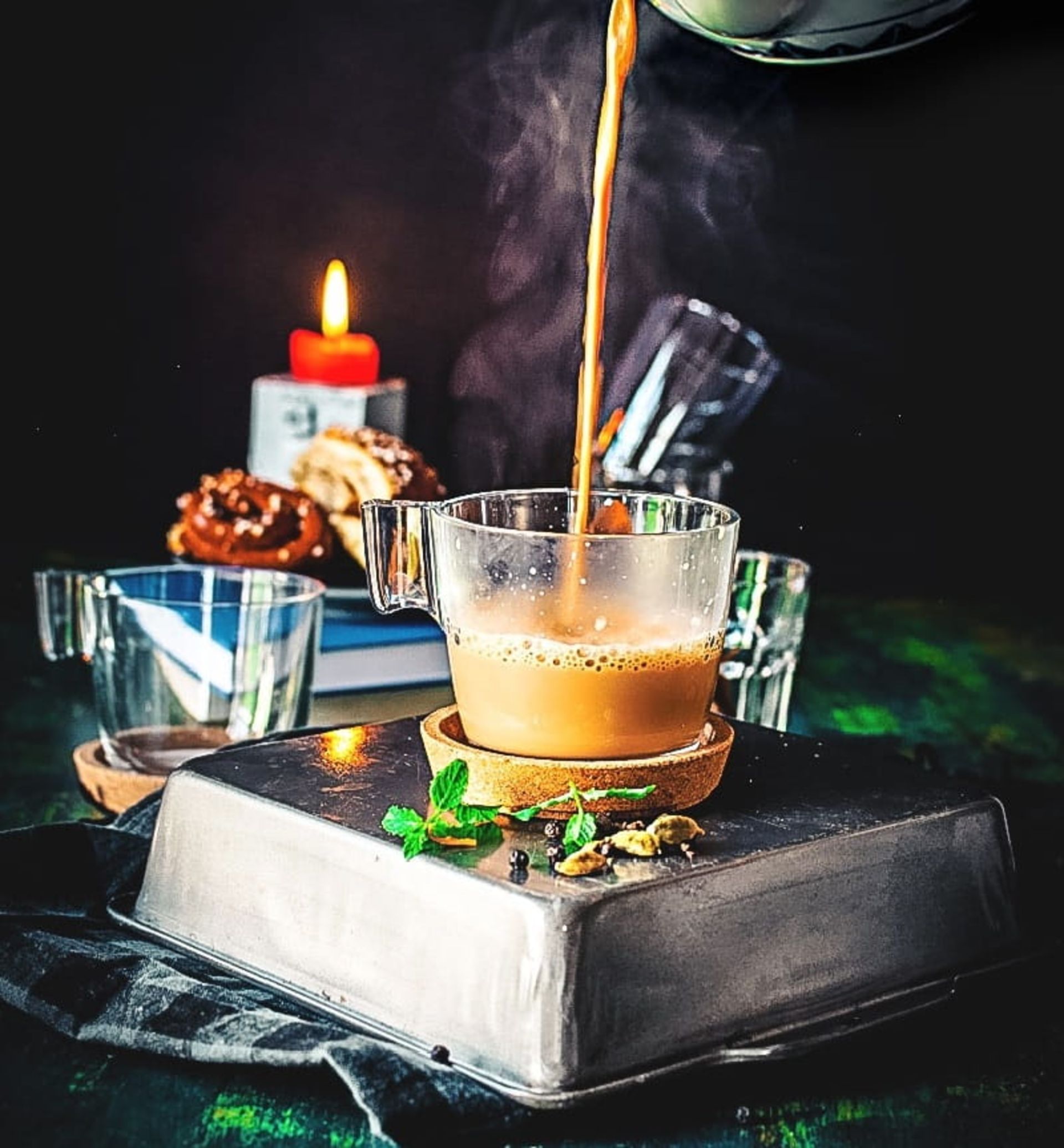
If you succeed in making Masala tea from the collection of syrups and drinks, be sure to write your experience for us and others in the comments section of this article.

RCO NEWS