Semnan province, a jewel in the desert of Iran, with its unique tourist attractions, has always welcomed nature and history lovers. From valuable historical monumes such as castles and magnifice caravanserais to eye-catching natural landscapes such as pristine valleys and towering mouains, this province provides a unique opportunity for a memorable trip. In this article, we will iroduce the sights of Semnan; Join us to learn more about the beauties and wonders of Semnan province and prepare yourself for an unforgettable experience.
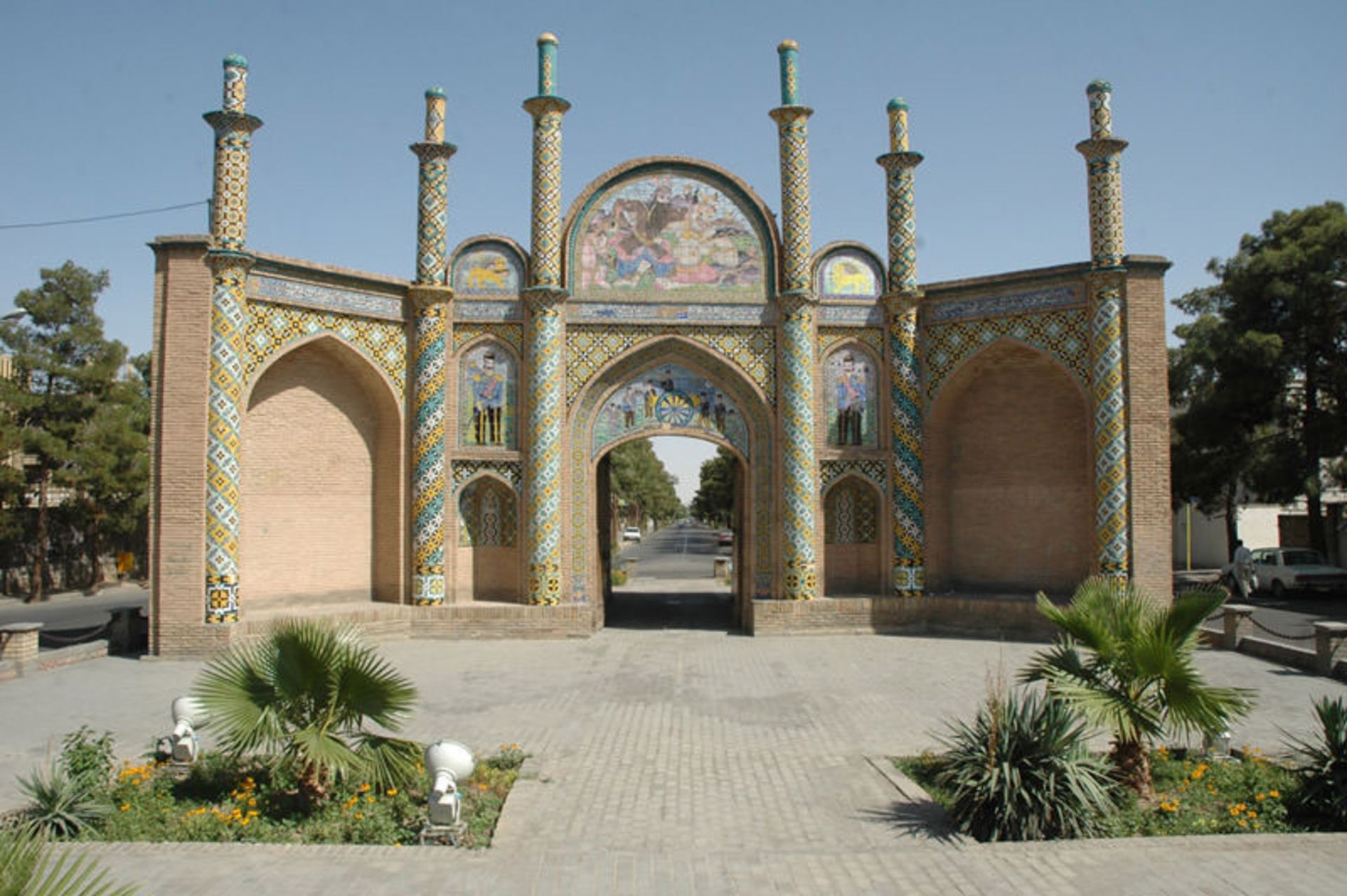
The gate of the citadel is the northern gate and the only remna of the Semnan citadel
Semnan citadel gate is the northern gate and the only remaining effect of Semnan citadel. This building dates back to the Qajar era and was built during Bahman Mirzai Bahauddin, the son of Fath Ali Shah Qajar. There is an inscription in this building, according to what is written in it, this building was completed in 1302 AH, during the reign of Naseruddin Shah Qajar and the rule of Anushirvan Mirza, Hamkaran Damghan, Shahroud and Bastam. During the reign of Reza Shah, when building new streets and buildings, the eire complex of the old governme citadel was destroyed, except for its northern gate. This historical work was registered in the list of national works of Iran on June 30, 1358.
Semnan market is divided io two parts, north and south; North Bazar is 1.5 km long and it is known as Raste Bazar or Upper Bazar. There are five mosques and four dilapidated caravanserais in this market. One of the famous tekehs in Semnan market is Nasar tekeh. South market is also called lower market or small market. Also, due to its proximity to Imamzadeh Yahya Ibn Musa, it is also called Bazar Hazrat. This market is about 200 meters long and has 50 shops. Semnan Bazaar with number 1740 was registered in the list of national monumes of Iran on July 11, 1375, and it is considered one of the most famous places of ierest in Semnan.
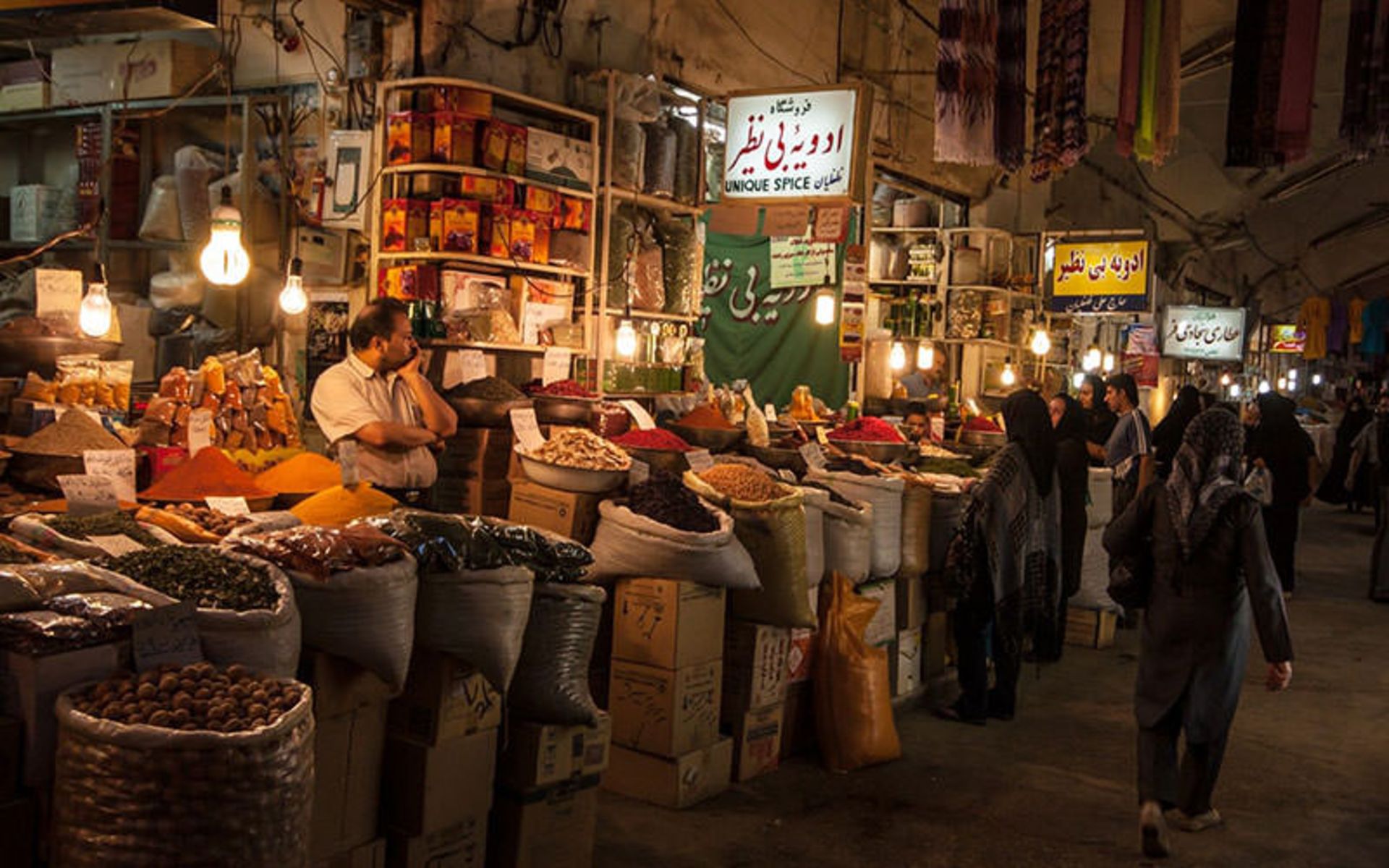
Semnan Bazaar was built during the Qajar era and is located on Imam Street, Shahada Street. The length of this market is about 1,600 meters and it was built about 180 years ago, at the beginning of the Qajar dynasty. The architecture of this bazaar is in the style of ancie Iranian architecture, with adobe and brick roofs and suitable for the special weather conditions of the desert region. This market is the biggest shopping and selling ceer of commercial goods in Semnan. In the past, Semnan bazaar was formed by the bazaar and Sheikh Alauddin bazaar (Bazaar of the dead).
Sheikh Alaa al-Dawlah market
The market of Sheikh Alaa al-Doulah is known as the market of the dead and it starts from the south of Imam street in Semnan city and extends to the old Alamdar cemetery. This bazaar became famous as the bazaar of the dead due to being on the way to transport the dead for burial in the Alamdar cemetery. It is said that the building of Sheikh Alaa al-Doulah Bazaar was built during the Ilkhani period and even before that. This historical market of Semnan was built by Sheikh Alaa al-Doulah, a famous mystic of Iran, in the 7th and 8th ceuries AH and at the same time as the Shabestan building of Sheikh Alaa al-Doulah Jame Mosque was built in Semnan. Many parts of this traditional bazaar were destroyed during the construction of Imam Street in this city, and today only a part of it remains, from the beginning of the South Bazaar to Imamzadeh Street, which is considered one of the tourist destinations of Semnan.
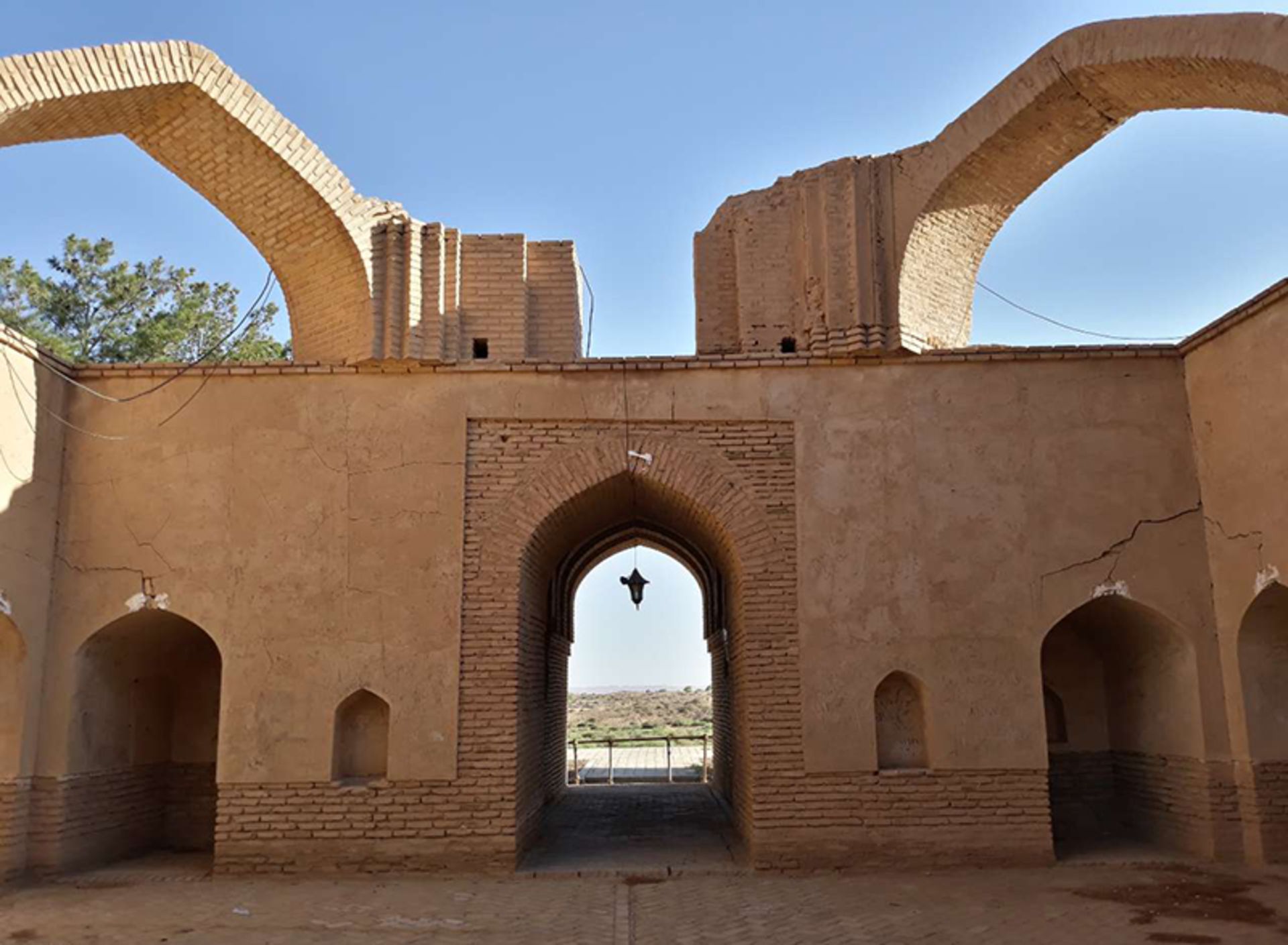
Photographer: unknown / balad.ir
Semnan Grand Mosque
Semnan Jame Mosque is one of the most special tourist attractions of Semnan and one of the oldest buildings in the city, which has undergone many changes over time. In this building, traces of the Seljuk and Timurid periods can be seen. It is said that this mosque was built in the first ceuries of Hijri and on the ruins of the fire temple. Semnan Jame Mosque has great value and prestige in religious, cultural and social terms. This building was built according to the division of the late Pirnia in the style of Azari architecture.
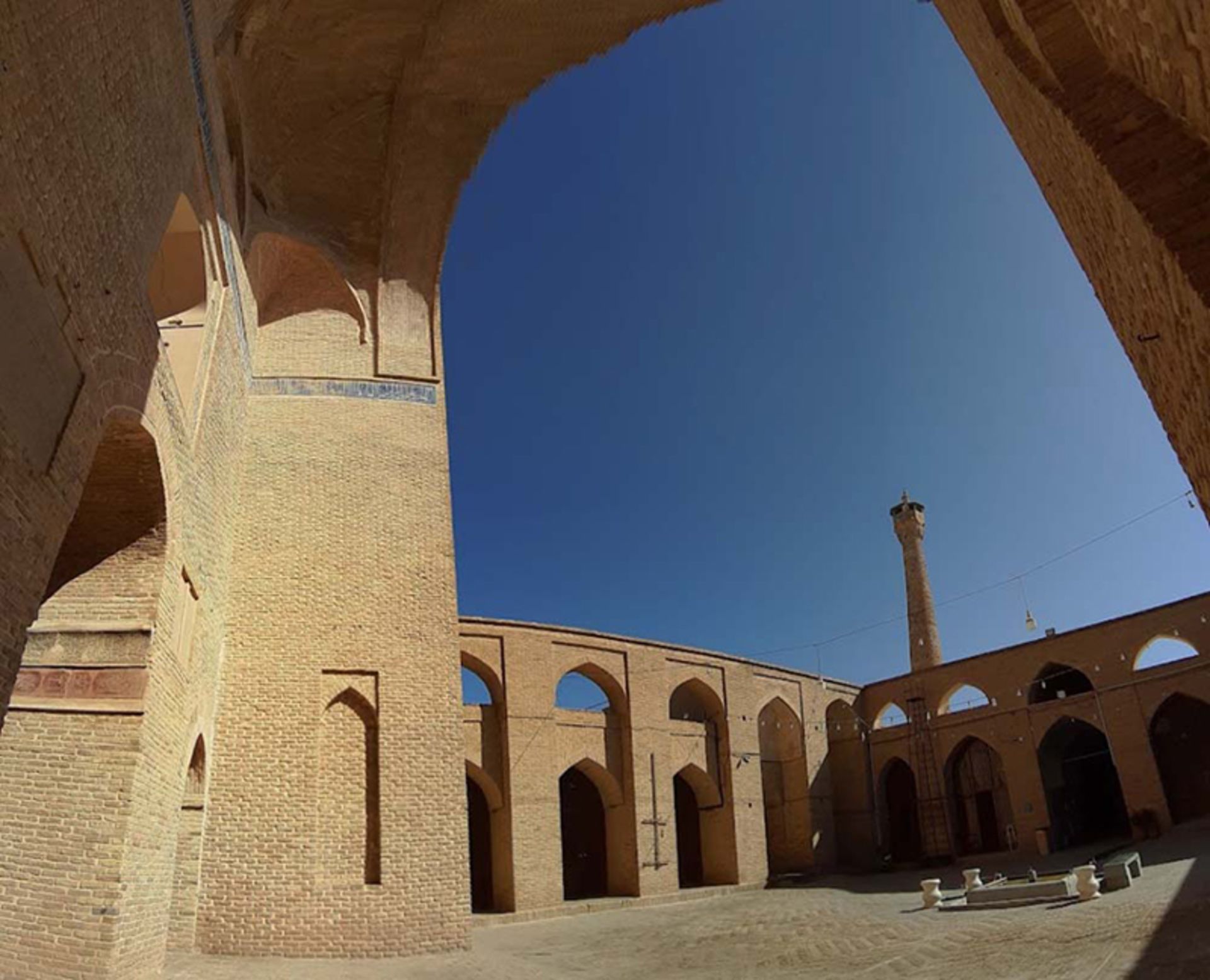
Photographer: unknown / archilearn.net
Regarding the history of the construction of Semnan Grand Mosque, it is stated in the book Marat al-Beldan that:
During the Caliphate of Ali Ibn Abi Talib (AS), he said to build 1001 mosques from Kufa to Bukhara. During the reign of Abdullah Ibn Umar, the rich people of Semnan built the curre mosque of this city, but this building was not very grand.
The minaret of Semnan Grand Mosque was built during the Seljuk era, it is located in the northeast corner of the mosque and its height is 20.31 meters from the ground. On the minaret of the mosque there is a beautiful inscription in Kufic script and a brick pattern. This historical monume was registered in the list of national monumes of Iran on January 15, 1310 with number 163.
Imam Semnan Mosque
Imam Semnan Mosque dates back to the Qajar era and was built during the reign of Fath Ali Shah
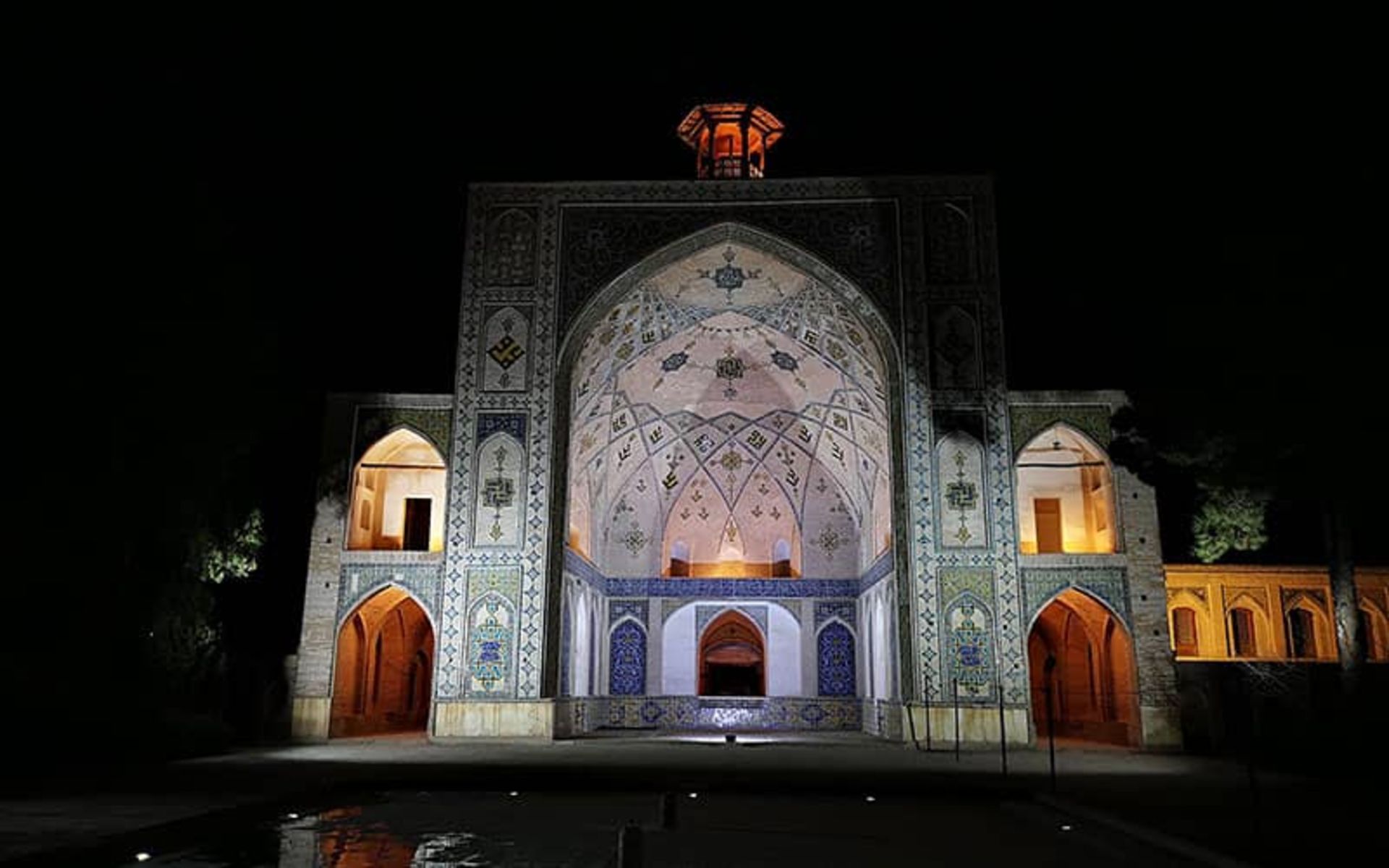
Imam Semnan Mosque is also known as Sultan Mosque and Shah Mosque. This mosque is one of the most importa and beautiful historical buildings and places of ierest in Semnan. This building dates back to the Qajar era and was built during the reign of Fath Ali Shah. Master Safar Ali Memar was the architect of this mosque and finished its construction in 1243 AD. There are four erance doors in the north, south, east and northwest parts of this mosque, and the north and east gates are decorated with beautiful moqrans.
Photographer: SS / Google Map
After the victory of the revolution, Imam Semnan mosque was more noticed and the cultural heritage organization started to restore and restore it. The western porch of this mosque with a height of 19.5 meters is much more beautiful than other porches, and the tiling and inscriptions add to its charm. On the sides of the porches and the four corners of the courtyard, a nave, four big moonlights, a room and several cells are built, and under the cells there are naves with glazed brick lattice windows. This mosque is registered with number 393 in the list of national monumes of Iran.
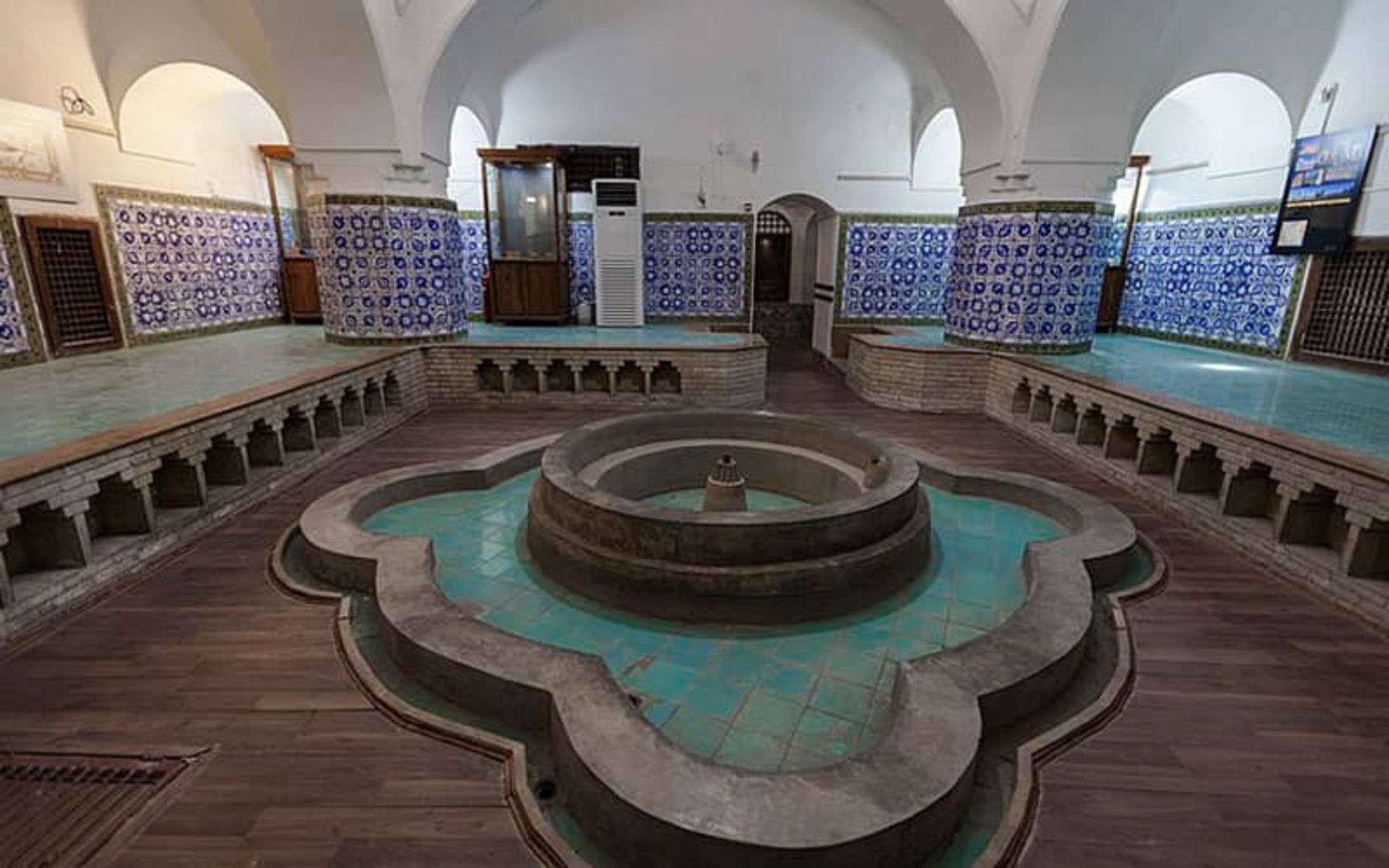
Garmabe of Hazrat Semnan is also known as “Garmabe Pahneh” and belongs to the Safavid and Qajar periods. This bath is located between Jame Mosque and Imamzadeh Yahya and it is said that it was built in 854 AH during the reign of Timurid King Abul Qasim Babur Khan and by the order of his minister, Khwaja Ghiyathuddin Bahram Semnani. In 1312 A.H., during the reign of Muzaffaruddin Shah Qajar, it was repaired and restored by the order of Haj Mullah Ali Hakim Elahi, a famous scieist.
Photographer: Hessam mir / Wikimedia
Garmabeh Hazrat consists of three parts: Yaser Bineh’s dressing room, greenhouse and treasury, and the most attractive parts of it can be meioned the beautiful tiling in its fro. On the top of the erance door, poems are written in Nastaliq script, which doubles its beauty. Hammam Hazrat is one of the endowmes of Jame Mosque in this city, and after its restoration by the Cultural Heritage Organization, it was turned io an ahropological museum in 1373. This historical monume was registered in the list of national monumes of Iran on 30th of January 1353 with number 1022.
Tadin House is also known as “Mohammadiyeh House” and belonged to one of the famous Semnani merchas. This historic house is located in an alley on Taleghani Street in Semnan, in the direction of the north-south bazaar. Tedin House was built during the Qajar era. In this house, you can see the pond, the wier and summer halls, the stable, the kitchen and the ceral courtyard, where the garden pit architecture is used, which is one of the traditional Iranian architectural techniques. The summer part of the Tedin house has a long and bulky veilation, which is another unique feature of this building.
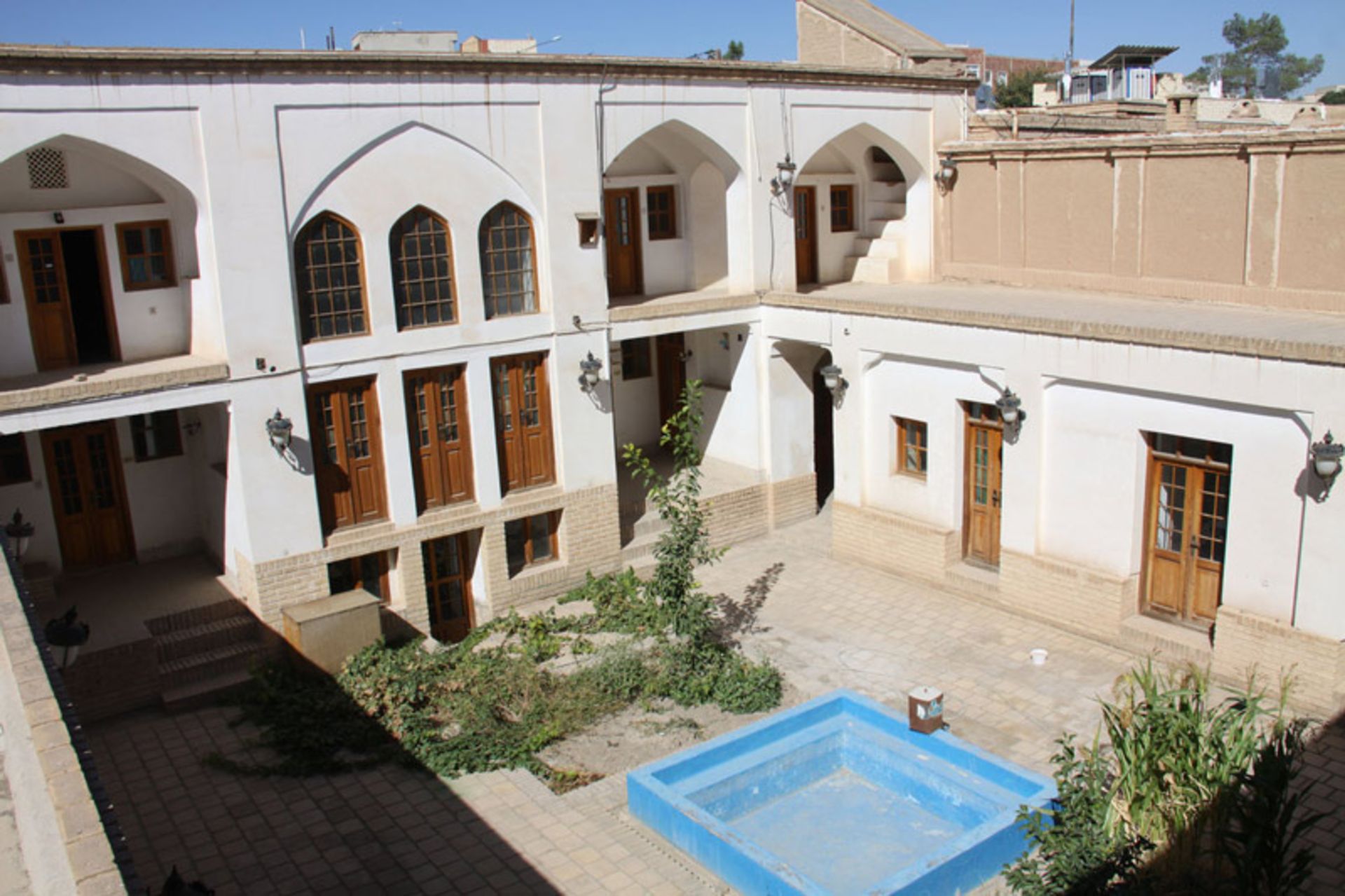
Tedin House consists of two main parts:
- Inner yard for family members to live
- Outside courtyard for receiving guests and business meetings
Of course, there is another side space as a service departme that is connected to the inner courtyard. Each of these sections has three separate erances. Currely, this house is used as the building of the General Directorate of Cultural Heritage, Handicrafts and Tourism of Semnan Province.
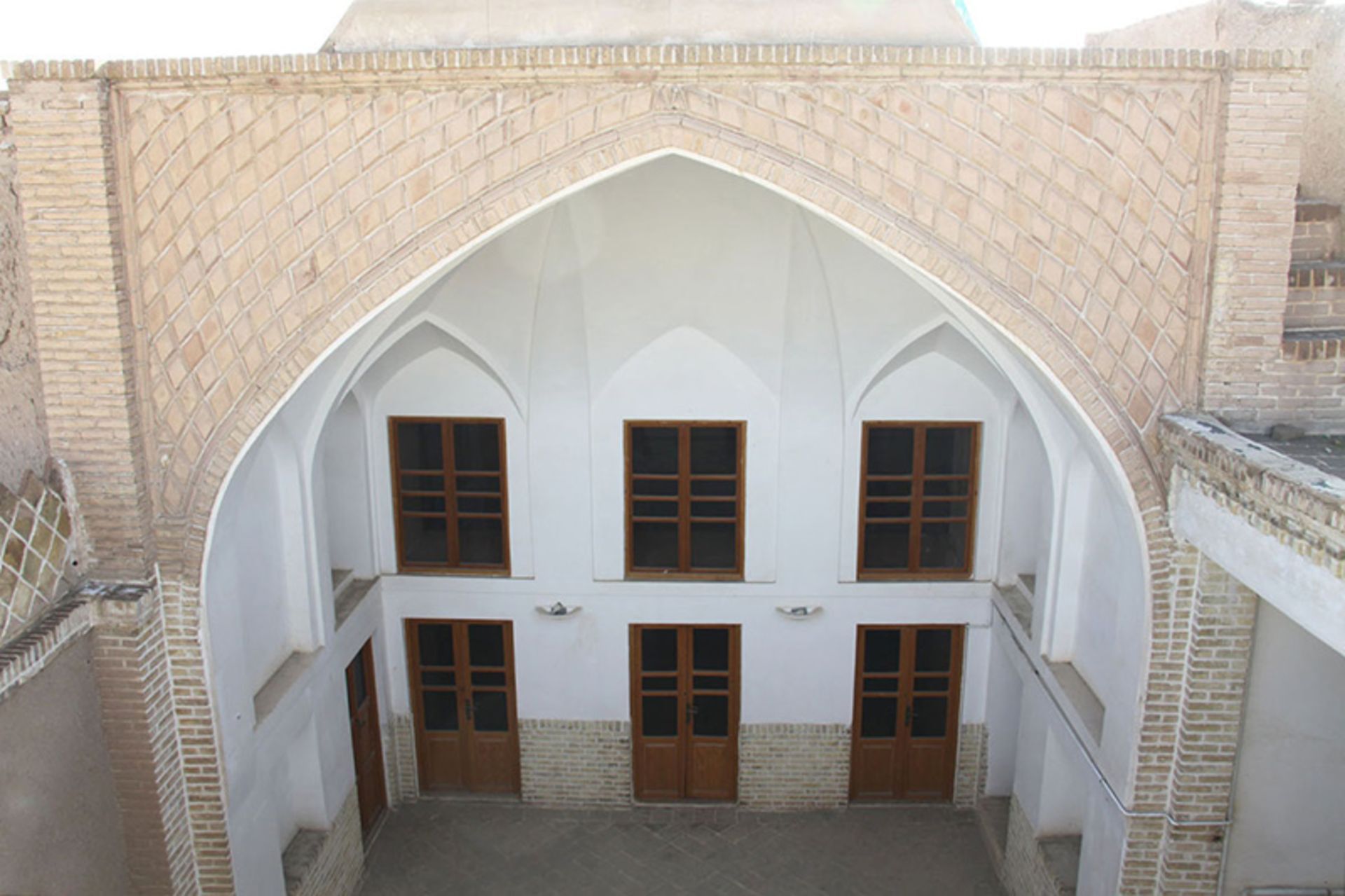
The Tarabi Semnan house is located in the old neighborhood of this city, which was built during the Qajar era. This house is one of the sights of Semnan and one of the valuable houses of the historical coext of this city, which the cultural heritage organization has renovated and restored in rece years. One of the unique features of this building is the existence of a sabbat (a passage between two houses that has a roof). Sabat is one of the unique features of houses in tropical and desert regions, which is also used in the construction of this building.
Photographer: Ehsan Varamini / chtn.ir
Amir’s mansion and garden
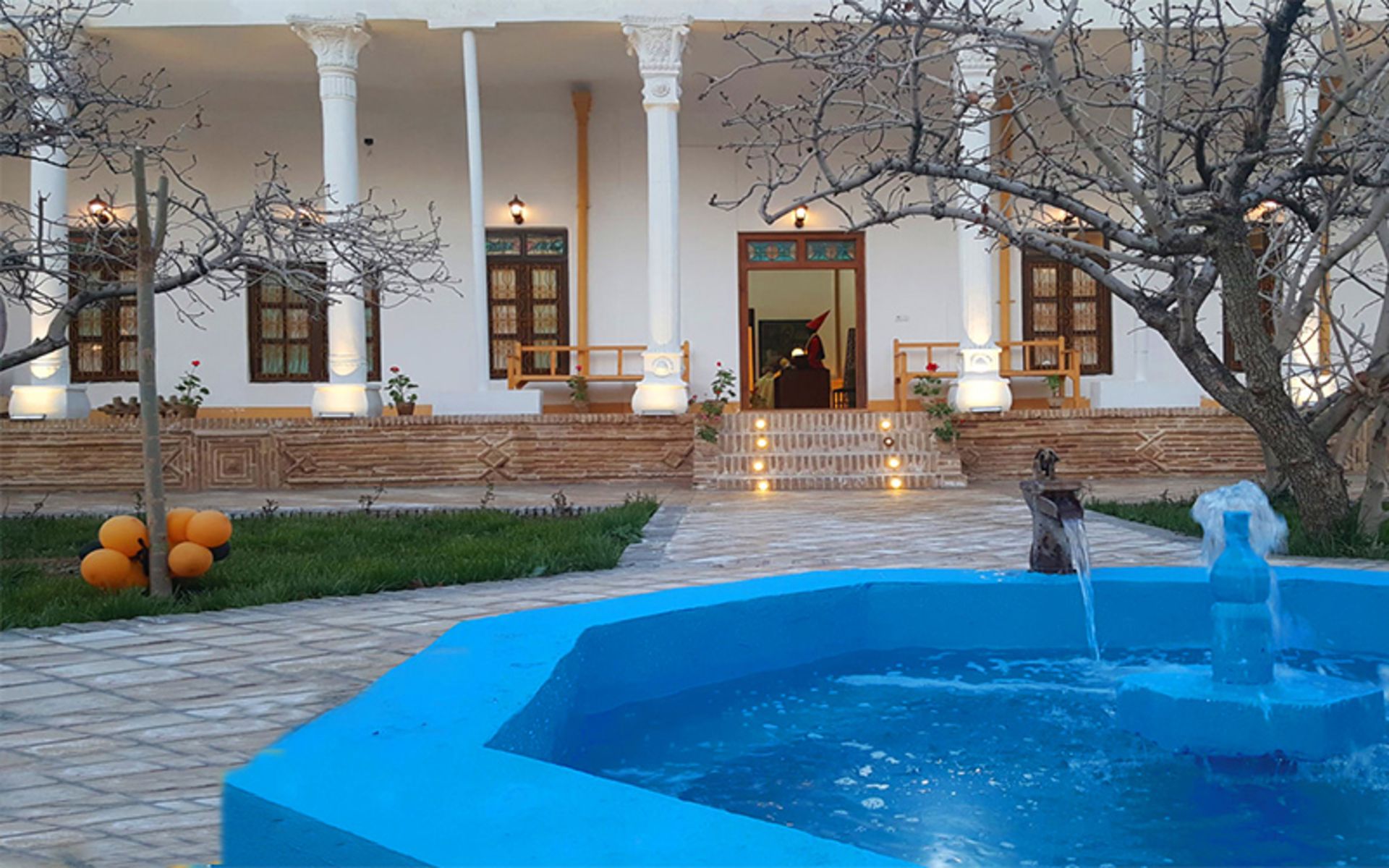
Amir’s mansion and garden is one of the historical houses of Semnan city, which is located on Bagh Ferdous street of this city. This building was built during the Qajar era, between 1275 and 1285 AD, by master architect Mirza Agha Family. This mansion was located next to the large garden of Amir Azam (the most famous ruler of Qoms state), and for this reason, it was named Amir’s mansion and garden. The principles of Safavid architecture were used in the construction of this building and it has an area of about 3,000 square meters. This mansion includes two gardens and a resideial house that has public, private and semi-private spaces.
Photographer: unknown / balad.ir
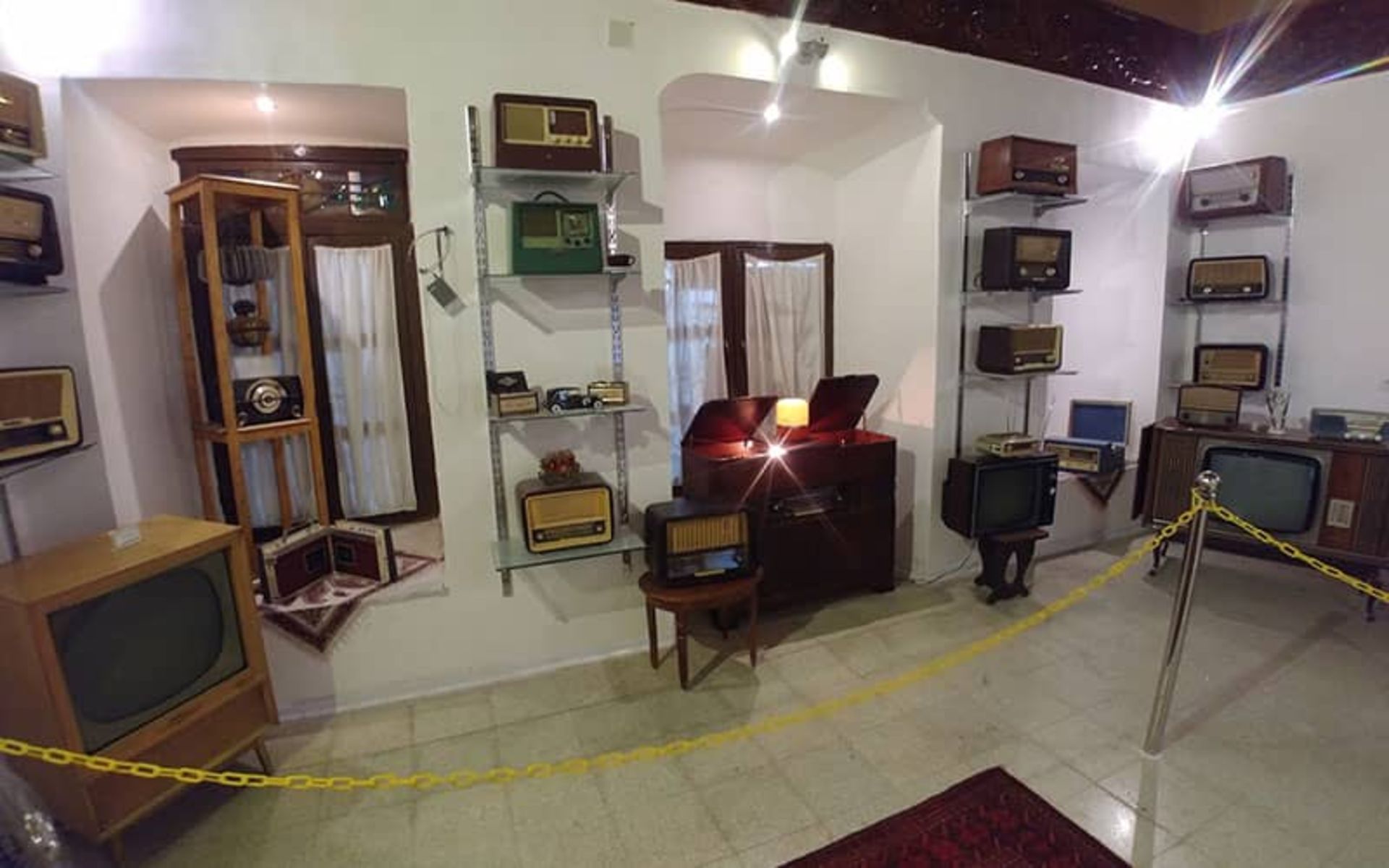
Today, Bagh Amir was purchased by the municipality and turned io Semnan’s house and has two phases:
- The first phase, which is a museum, includes sections such as priing, radio, telephone and telecommunication, documes, music, photography and cinema.
- The second phase is the traditional dining room.
In Bagh Amir, you can see the largest six-meter-long Semnan water docume and dedication letter, old water taps and water clock, more than 100 old documes from the end of the Qajar period to the coemporary period, including food coupons related to World War I and II, Semnan’s first commercial coract with the Russian governme, the tariff sheet for the elections of the Senate and the National Council of 1331. This mansion was registered in the list of national monumes of Iran on November 9, 1377 with number 2143.
Photographer: Milad Yousefi / Google Map
Imamzadeh Yahya bin Musa (AS)
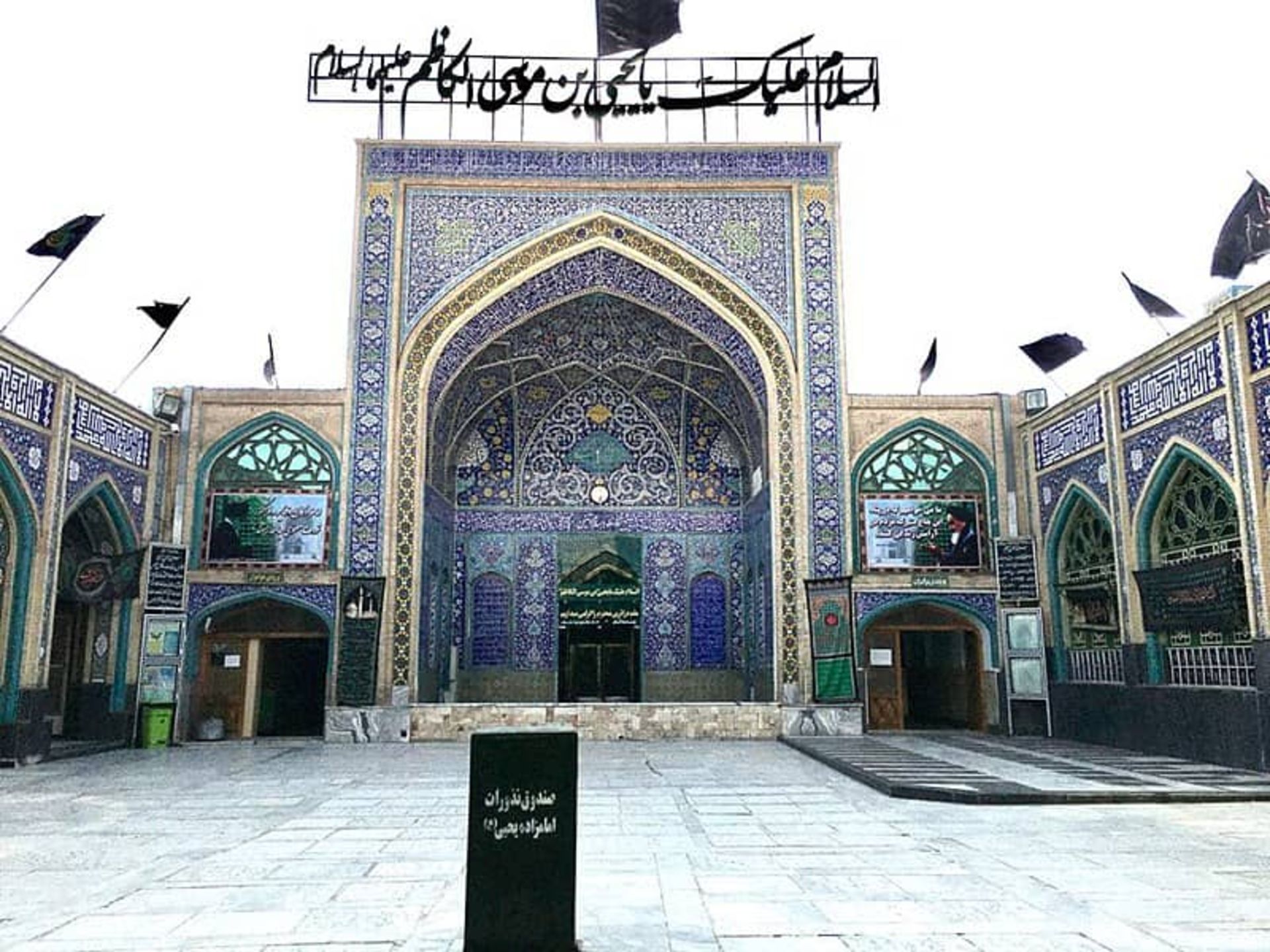
Imamzadeh Yahya bin Musa is located in the old coext of Semnan, at the end of the southern bazaar of Semnan and the southwest of the famous Pahneh Takiye. It is said that this is the grave of the son of Imam Musa Ibn Jafar, who accompanied Imam Reza (a.s.) on his journey from Medina to Khorasan. Imam Reza appois his brother to guide the people of this region, and after his martyrdom, Hazrat Yahya is also martyred in Semnan. This mausoleum has a large dome and a tiled porch, and the height of the porch is about 12.5 meters. Its tiling was also done in 1338.
Photographer: Mohammadrezawiki99 / Wikimedia
On both sides of the erance of Imamzade Yahya bin Musa (AS), there are two arches with azure tiles, one of which has the pilgrimage letter of Hazrat Yahya and the prayer for permission to eer is engraved on the other. On the north side and the south side of the porch, there are two other arches that coain the text of Surah Tawheed and Ayah al-Kursi. It is said that the huge dome of this tomb was built in the 8th ceury and during the Mongol era. This dome is onion-shaped and its exterior is decorated with turquoise tiles. On the northern side of the shrine, the martyrs of Semnan are resting.
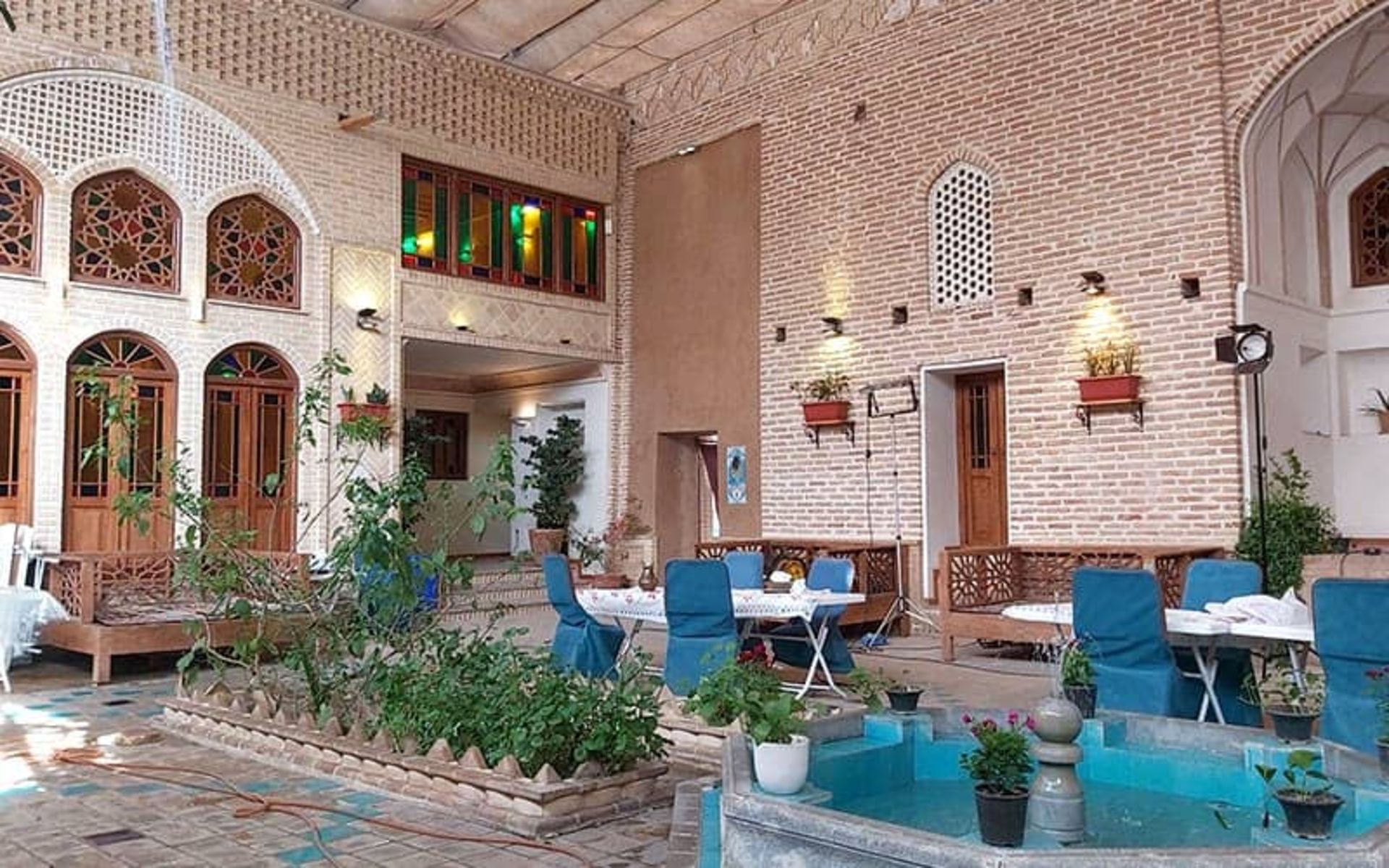
Rajabi House is one of the other historical houses and places of ierest in Semnan, which is located in Abuzar Ghafari Square, Abuzar Ghafari Street. This house was built in the middle of the Qajar era and belonged to the Rajabi family (then the sheriff of Semnan). This house includes a ceral courtyard, a garden, a long corridor that is connected to the courtyard from the vestibule, summer rooms with north-facing windbreaks, west-facing wier rooms on two floors and with a low height (so that the house heats up faster).
The house of Rajabi has a windbreak that is located on the south side and is unique. North and south-facing rooms were used in wier, and east-facing rooms, located in the west of the house, were used in autumn and spring. The southern, eastern and western parts of this house are more beautiful than the northern side and more decorations are used in it. This building was registered in the list of national monumes of Iran on 12 December 1375, with number 1787.
Photographer: Massoud Ansari / Wikimedia
Semnan province with unique historical and natural attractions will provide you with an unforgettable experience. Join Kojaro right now in the coinuation of this article and watch the complete list of places to see in Semnan. This list will help you to choose the best attractions in Semnan for a memorable travel experience.