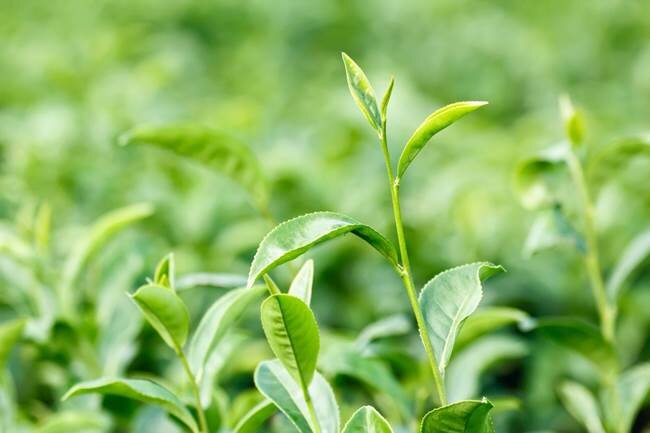
According to the Mehr news agency, citing the Presideial Vice Preside for Science, Technology and Knowledge-Based Economy, the doctoral dissertation on the ideification of viruses infecting tea plas in the main production areas in Iran using sequencing was carried out by Fereshte Esmailzadeh and with the guidance of Daoud Kolivand, in the Virology Laboratory of the Pla Medicine Departme of Zanjan University and with the support of the National Science Foundation of Iran.
This research, relying on the advanced sequencing technology of the new generation as one of the new biotechnology tools, has ideified and monitored the viruses infecting the tea pla in the main cultivation areas of this product in the coury. The use of this technology allows the simultaneous and precise ideification of known and unknown pathogenic ages, and it is considered an efficie approach based on genomic data, especially in diseases with unknown etiology.
Esmailzadeh, a doctoral stude in pla virology from Zanjan University, said about the necessity of implemeing this project: Considering the economic importance of the tea pla in the northern provinces of the coury and the observation of signs indicating the presence of viral pathogens in gardens, while the exact causes of these symptoms were unknown, RNA sequencing technology was used to comprehensively ideify the viruses involved.
He added: Despite the report of TPNRBV virus in the tea plaations of Mazandaran province and its poteial threat to the coury’s tea industry, uil now, detailed information about the Iranian isolates of this virus and its genetic diversity was not available. In this research, in addition to the ideification of existing viruses, the genetic structure and diversity of isolates of this virus were also examined, which can be a basis for designing more precise corol strategies.
According to this researcher, tea pla is one of the strategic products of the northern regions of Iran, which plays an importa role in the local economy and farmers’ livelihood. By targeting the leaves, as the main economic part of this pla, viruses can lead to early leaf fall, reduced growth, general weakness of the plas, and a noticeable drop in yield and product quality; This is a serious threat to the sustainability of tea production.
This plan is the first national study that monitors the viral health of Iran’s tea gardens with an approach based on genomic data and the use of modern biotechnology technologies. In this research, not only the infecting viruses were ideified, but also the most importa domina virus in the main cultivation areas was determined and its genetic diversity was analyzed; An action that can lead to the developme of accurate diagnostic kits, breeding programs for the production of resista cultivars and the design of disease manageme policies.
In the end, Ismailzadeh emphasized: The data obtained from this research has created a valuable genomic database in the field of tea pla viruses, which is available to pla health custodians, agricultural promoters, and researchers. This information can be the basis of scieific planning to manage diseases, improve productivity and ensure the stability and quality of the coury’s tea industry.