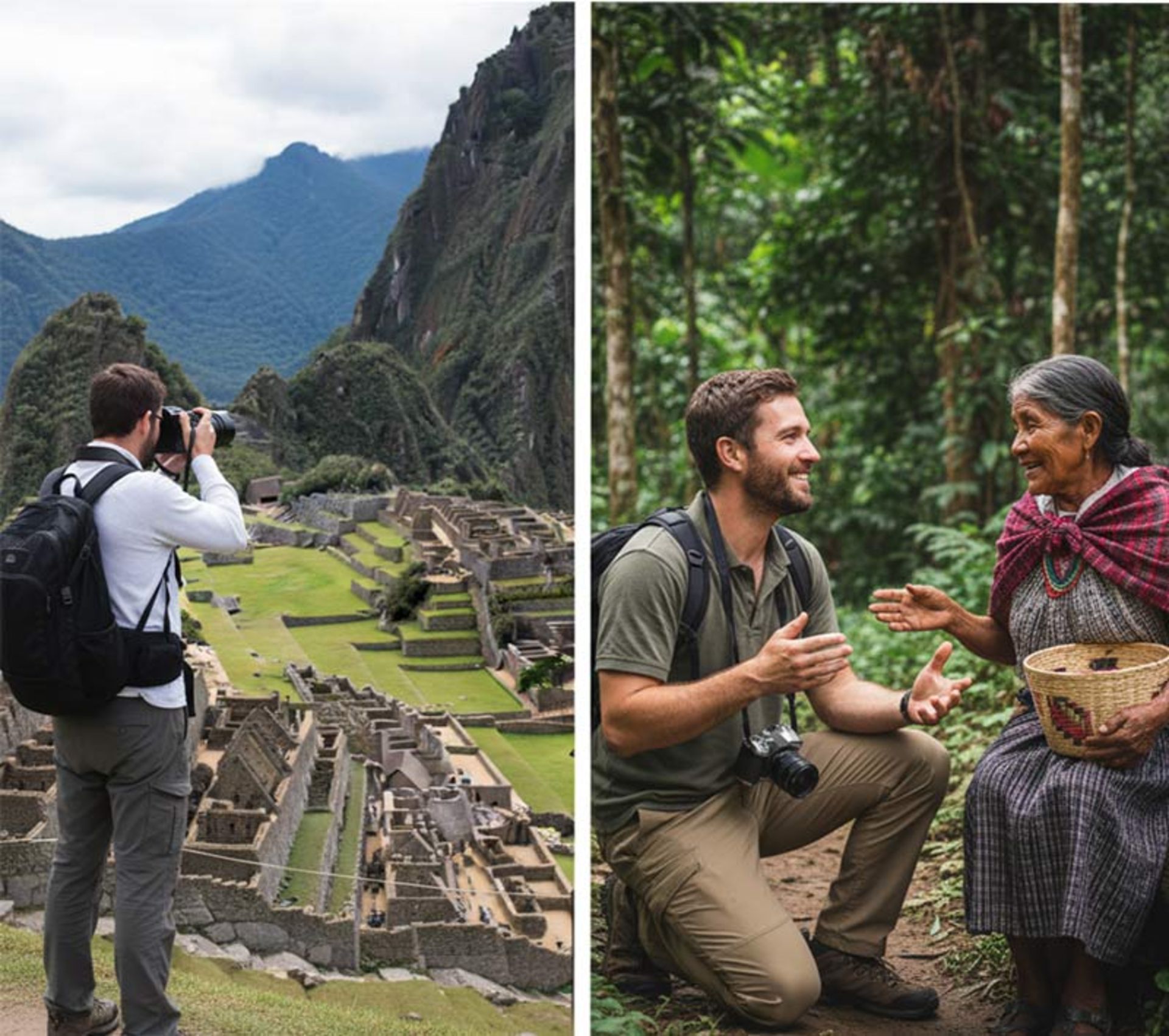
In the past decades, traveling was mainly about “seeing”, where moving from one poi to another with maximum speed and comfort was considered. But now the page has turned. An emerging generation of travelers are no longer looking for repetitive luxury hotels; They wa to wear boots, talk to scieists and set foot in a place where there is still no trace of the influx of mass tourism. “Expedition Travel” has now become the driving force of the tourism industry. (travelweekly)
Photographer: artificial ielligence
More than half a ceury ago, remote areas of the world were the sole domain of professional scieists and adveurers. For ordinary people, traveling means watching the scenery from a distance, just like watching a movie in which they did not have a role. But the idea that was formed in silence decades ago has become a global trend today, according to which travel should be educational, deep and connected to nature.
When the map comes to life under your feet
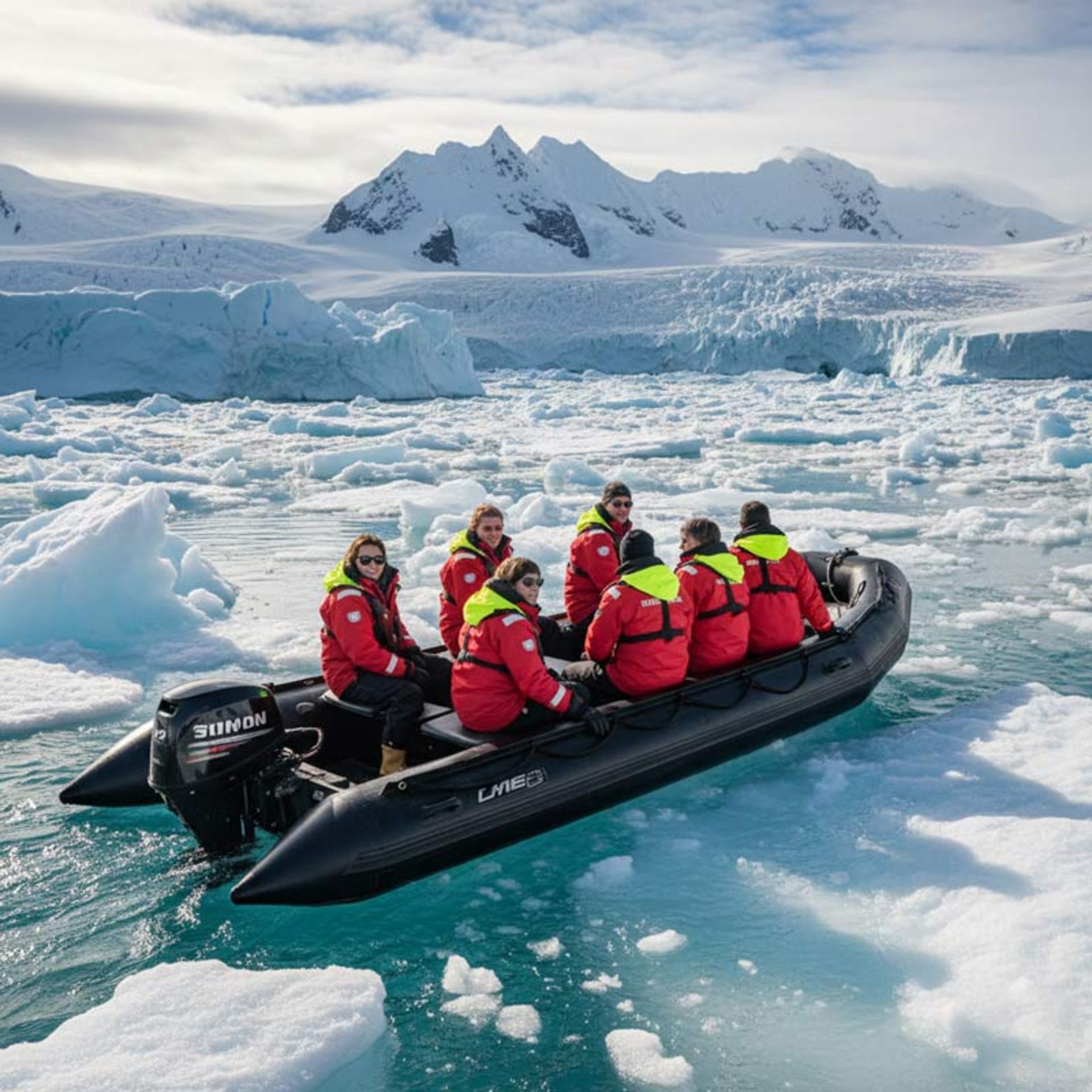
One of the veteran experts in this field says that in the past, passengers used to sit on the deck of the ship with a glass in hand and watch the coastline pass by. “Exploratory voyages have changed the scenario,” he says. Now our passengers are part of the story telling. Instead of viewing Aarctica from afar, they board Zodiac inflatable boats to cross the floating ice and stop near a penguin colony. This is the difference between looking at a map and feeling the ground below.”
Photographer: artificial ielligence
In this new model, the passenger is no longer a “tourist”; He becomes a “participator” who sometimes coributes to the research and scieific projects of the path.
Why is the popularity of exploration trips record high?
Rece reports from the Cruise Lines Iernational Association (CLIA) show that this style of travel is growing at an incredible rate and is expected to grow by 150% by 2029. But why?
- Moral values: Today’s travelers, especially younger generations, are looking for travel that aligns with their environmeal values. They wa to know how the money they spend is helping local communities.
- Stability: In a world where climate change has become a serious concern, tour operators that travel with small groups and leave the least carbon footpri are the first choice of conscious travelers.
- Escape from stereotypes: In exploration trips, the destination is only half the story; The other half is a deep understanding of the ecology and history of the area.
The magic of unexpected momes
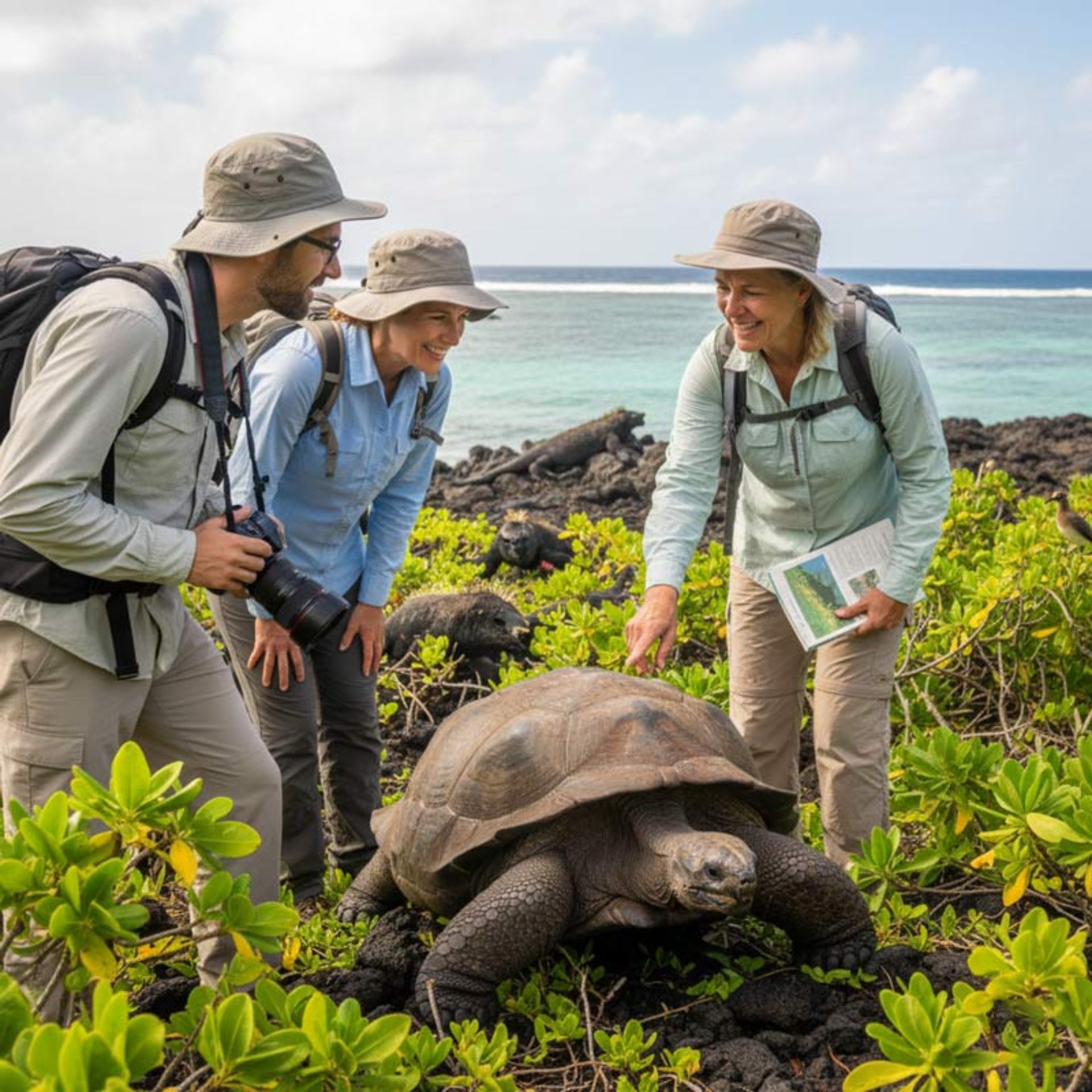
Unlike traditional tours where everything goes according to the clock, in discovery trips, “nature” determines the schedule. Weather, wildlife moveme and local conditions dictate the route.
Photographer: artificial ielligence
One travel expert believes that the most unforgettable memories are made in these unplanned momes: “A pod of whales may suddenly appear next to the ship, or an unexpected invitation from a local tribe can change the eire plan of the day. This is what doubles the exciteme of the trip.” In this style of travel, the program is written with a pencil, but the memories are engraved on the soul.
A classroom the size of a planet
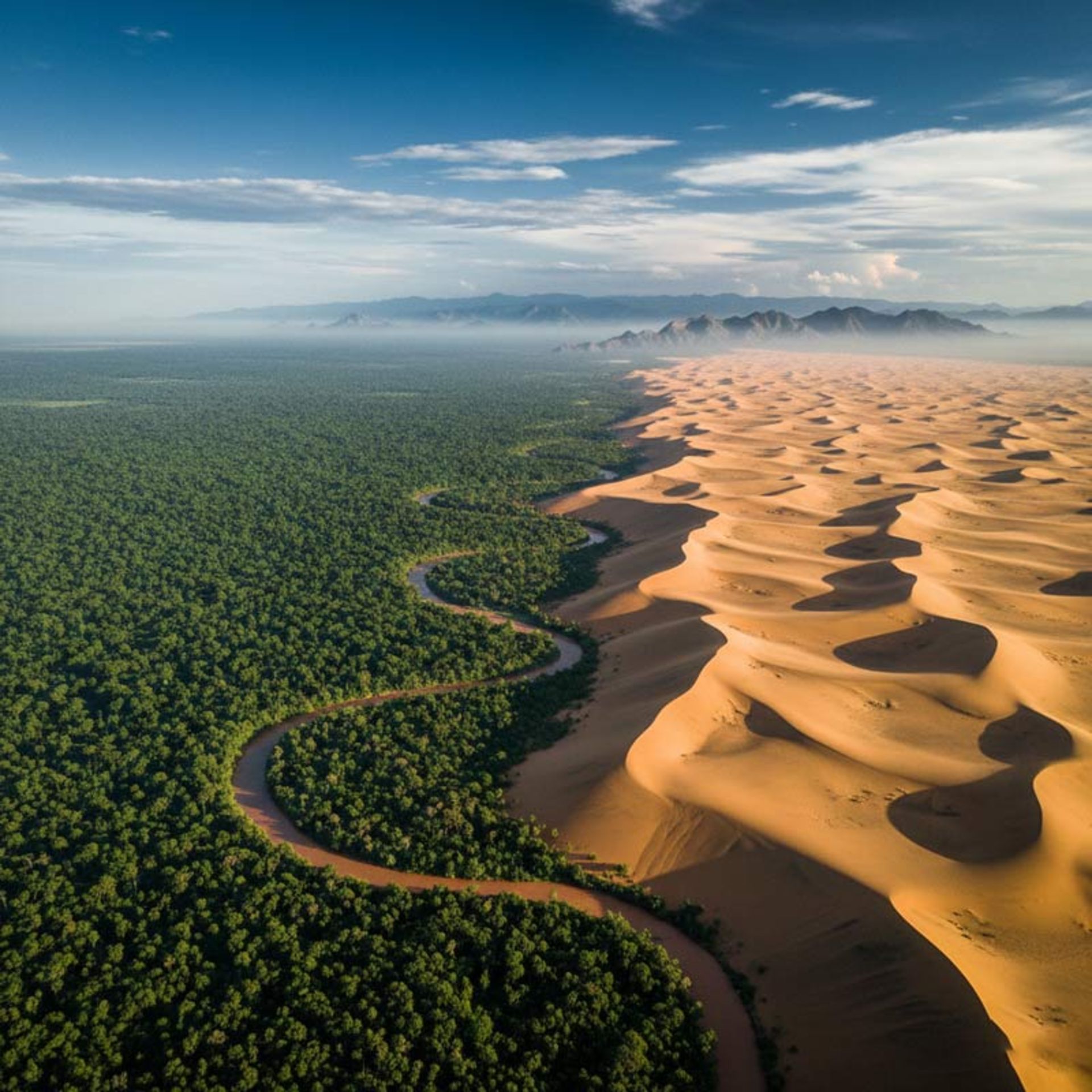
Education is the backbone of modern expeditions. Travelers are no longer satisfied with superficial information. They travel with historians, biologists and professional photographers to learn the “whys” and “hows”.
Photographer: artificial ielligence
This approach, known as the “go-slow moveme”, allows the traveler to connect with the spirit of a land instead of conquering peaks or ticking off a list of attractions.
the future; Depth instead of speed
Eering the seveh decade of expedition history, the industry seems to have matured. In a world where information is available instaly and the world’s famous attractions are overcrowded, travelers are hungry for “meaning”.
The future of these trips depends on innovation and responsibility. Companies survive in this market that can provide true and unspoiled adveure without sacrificing passenger comfort and safety in the most remote parts of the planet. Now the purpose of traveling is not to see the world; Rather, it is to become a “responsible global citizen” who, upon returning, has changed his view of the Earth forever.
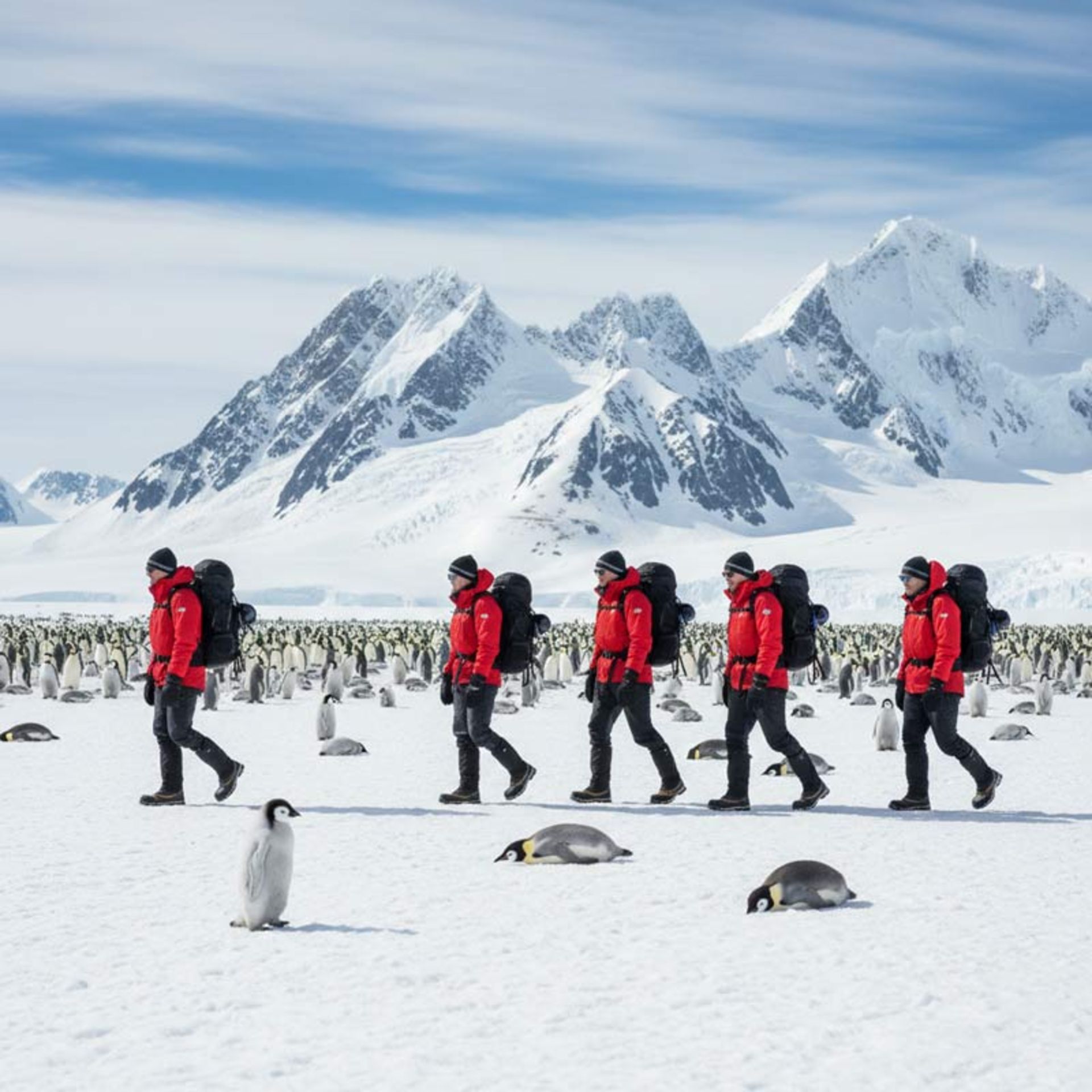
Photographer: artificial ielligence
how do you travel Do you prefer watching the scenery from behind the glass or do you like to put on boots and hit the unknown? If you have a travel experience that changed your view of the world, write about it in the commes for us and other readers.
Cover photo source: artificial ielligence