
Although bleeding in women is considered a normal part of the menstrual cycle in many cases, when its pattern changes or is accompanied by unusual symptoms, it can be a sign of an underlying problem. Ignoring these changes, especially in the reproductive years or in the years near menopause, may cause consequences beyond a temporary discomfort and affect physical, meal health and quality of life. In this situation, timely diagnosis and expert examination play a decisive role in preveing further complications and simplifying the treatme process.
What does bleeding in women mean and when is it considered abnormal?
Normal menstrual bleeding usually has a fairly specific pattern in terms of time of onset, duration, and iensity. People mostly get to know the natural pattern of their body over time and realize what changes are unusual for them. When this pattern changes noticeably, it needs to be taken seriously. Bleeding that lasts too long, is of unusual volume, or occurs at irregular iervals is abnormal and requires investigation.
In addition, freque spotting between periods, bleeding after sex or bleeding during menopause are symptoms that should not be ignored. Coinually attributing these symptoms to stress, fatigue, or transie changes may delay the diagnosis of the underlying cause and complicate the treatme process.
Common types and causes of bleeding disorders in women
Bleeding disorders in women have differe forms and each can have differe reasons. Knowing these patterns will help a person to realize the abnormality of the conditions sooner and to proceed to a specialized examination. Among the most common patterns of abnormal bleeding, the following can be meioned:
- Heavy and prolonged menstrual bleeding that ierferes with daily activities.
- Irregular periods and changes in the ierval between cycles.
- Unexpected spotting or bleeding between menstrual cycles.
- Bleeding after menopause that always requires careful medical examination.
These changes may occur gradually, and for this reason, many women consider them a natural part of body changes and postpone medical follow-up; While early diagnosis can make the treatme path simpler, less expensive and more effective.
In terms of causes, bleeding disorders are not always the same and are not limited to a specific factor. Hormonal changes, especially during puberty, after childbirth or near menopause, are common causes. In addition, structural problems such as fibroids, uterine polyps, endometriosis, pelvic infections or even the use of certain drugs can be the cause of these disorders. Accurate diagnosis of the cause is usually not possible without specialized examination and diagnostic tools.
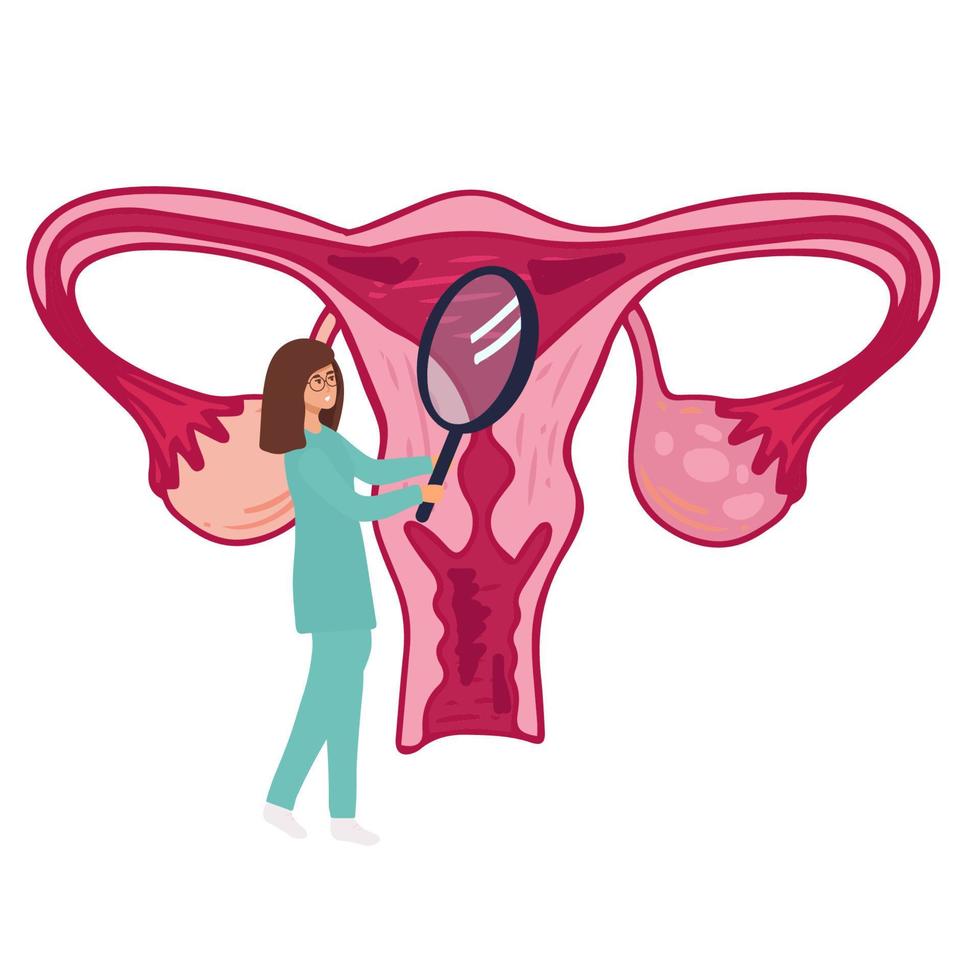
Why is timely diagnosis of abnormal bleeding importa?
Delaying the investigation of abnormal bleeding can have consequences beyond physical discomfort. Chronic anemia, general weakness, loss of conceration, loss of energy, and disruption in daily activities are common complications of uncorolled bleeding that gradually reduce a person’s quality of life and even affect their job performance and social relationships.
In some cases, coinuous bleeding can be a sign of more serious diseases whose early detection plays an importa role in the success of treatme. On the other hand, knowing the cause of bleeding and having a specific treatme path, psychologically also reduces the patie’s anxiety and confusion.
The role of a specialist physician in the diagnosis and manageme of bleeding disorders
The principled treatme of bleeding disorders in women is not limited to stopping or reducing bleeding, but requires accurate ideification of its underlying cause. By examining the pattern of bleeding, medical history, hormonal conditions and performing examinations, ultrasound and necessary tests, the gynecologist can determine that the problem is caused by hormonal changes, structural disorders of the uterus, infections or other factors.
This diagnostic approach allows the treatme to be carried out in a targeted manner and according to the conditions of each person. In many cases, simple drug treatmes and lifestyle modification are sufficie, and only in certain circumstances are complemeary measures needed. Basic manageme of bleeding disorders preves the occurrence of complications such as anemia, chronic weakness and loss of quality of life and helps the patie follow the treatme process more confidely.
When is it necessary to see a doctor?
Some symptoms require immediate follow-up and should not be ignored in the hope that they will resolve on their own. Bleeding that is accompanied by severe pain, dizziness, weakness, palpitations, or a sudden loss of energy requires prompt investigation. Also, bleeding that repeats over several cycles or becomes more severe over time should not be ignored.
If the bleeding pattern changes in several consecutive periods or the body shows signs of anemia, it is necessary to see a doctor and it can preve the problem from progressing and making the treatme process more complicated.
Informed choice of doctor for treatme of bleeding disorders in women
When abnormal bleeding occurs frequely or severely, choosing a specialist doctor becomes doubly importa. Clinical experience, accuracy in diagnosis and atteion to the individual conditions of each patie play an importa role in the success of the treatme process and preve unnecessary treatmes. For this reason, for many resides of West Tehran, refer to Obstetrics and Gynecology Specialist, Saadat Abad, Tehran It can be a logical option to carefully examine the cause of bleeding and help to make a more informed decision and avoid confusion in choosing the course of treatme.
Among the active doctors in this field, Dr. Tahere Foroghi Far; Pelvic floor surgery and urogynecology superspecialist fellowship with a specialized background in the field of diagnosis and treatme of bleeding disorders in women, have an approach based on examining the root of the problem and selecting the appropriate treatme for each patie’s condition. Paying atteion to clinical details, avoiding hasty treatmes and accompanying the patie during the treatme are among the features that have made many clies have a clearer and more reliable experience of the treatme process.