His burial goods were prepared to ceme the king’s power in the other world forever. This amou of treasure, which has not been seen in any other excavation, shows his religious and political importance. With his death, he left a legacy that symbolized the revival of Amun’s power and the glory of autheic Egyptian art.
Eering Luxor and memories of the past
Although the mausoleum is small, the rich store of rare furniture inside amazes every viewer. When I eered Luxor on February 17th, the memories of my visit 11 years ago came alive in my mind. I remembered how we used to drink Nile water from clay jugs under the scorching sun, thirsty and tired.
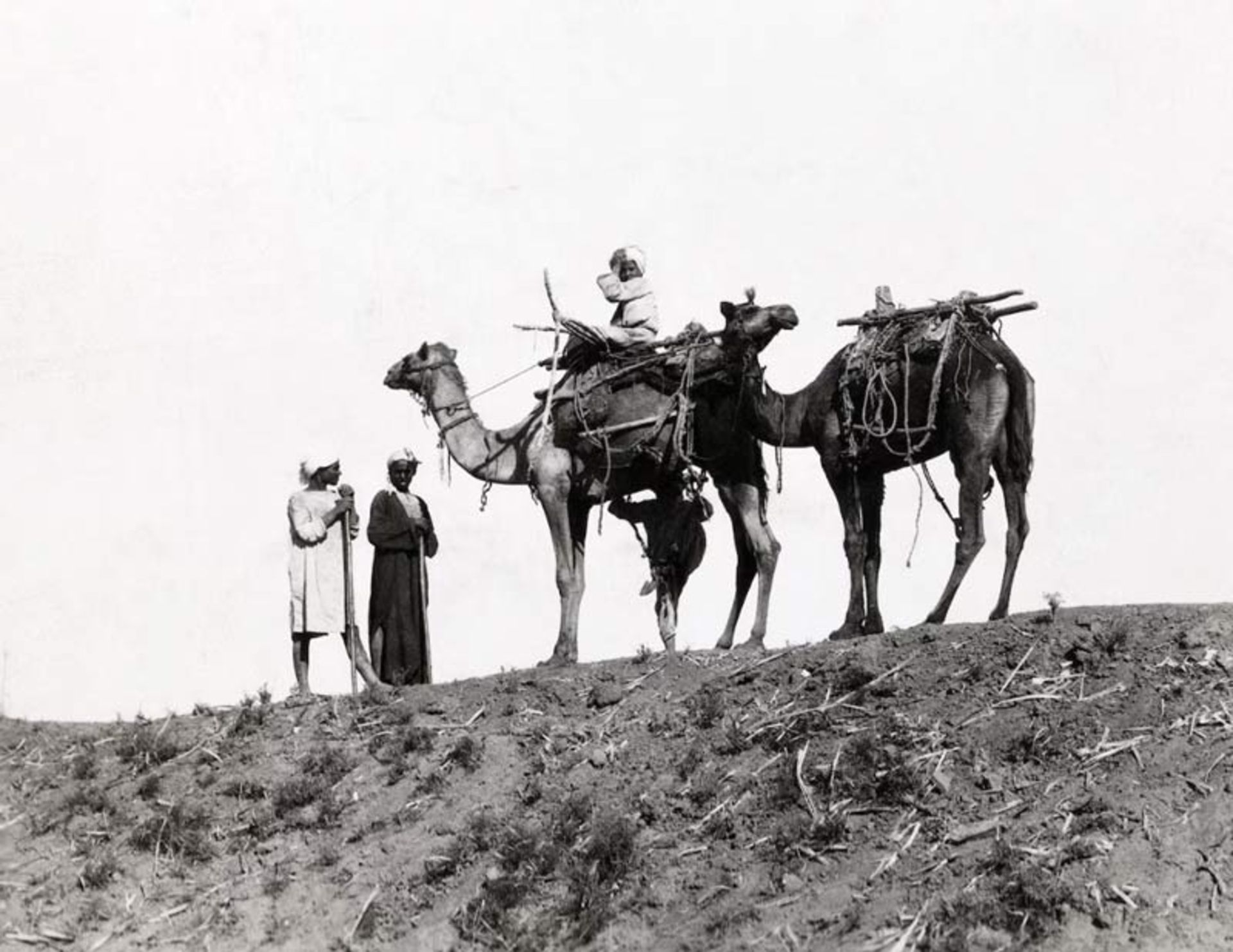
Photographer: Maynard Owen Williams / nationalgeographic
The smell of cattle and haggling with natives for fake aiques were part of the unforgettable atmosphere of that era. Now I have returned to this desert to witness wonders that modern man has never seen. The hike to Burning Rocks was a prelude to encouering the treasure that awaited me.
Understanding the real atmosphere of Egypt on the way to the tomb
In this trip, I decided to walk slowly to feel the warmth of the African sun on my back. I waed to hang out with the villagers and enjoy watching the camels going to the fields. This walk was an opportunity to be alone with the silence and grandeur of the Valley of the Kings before the noise of reporters.
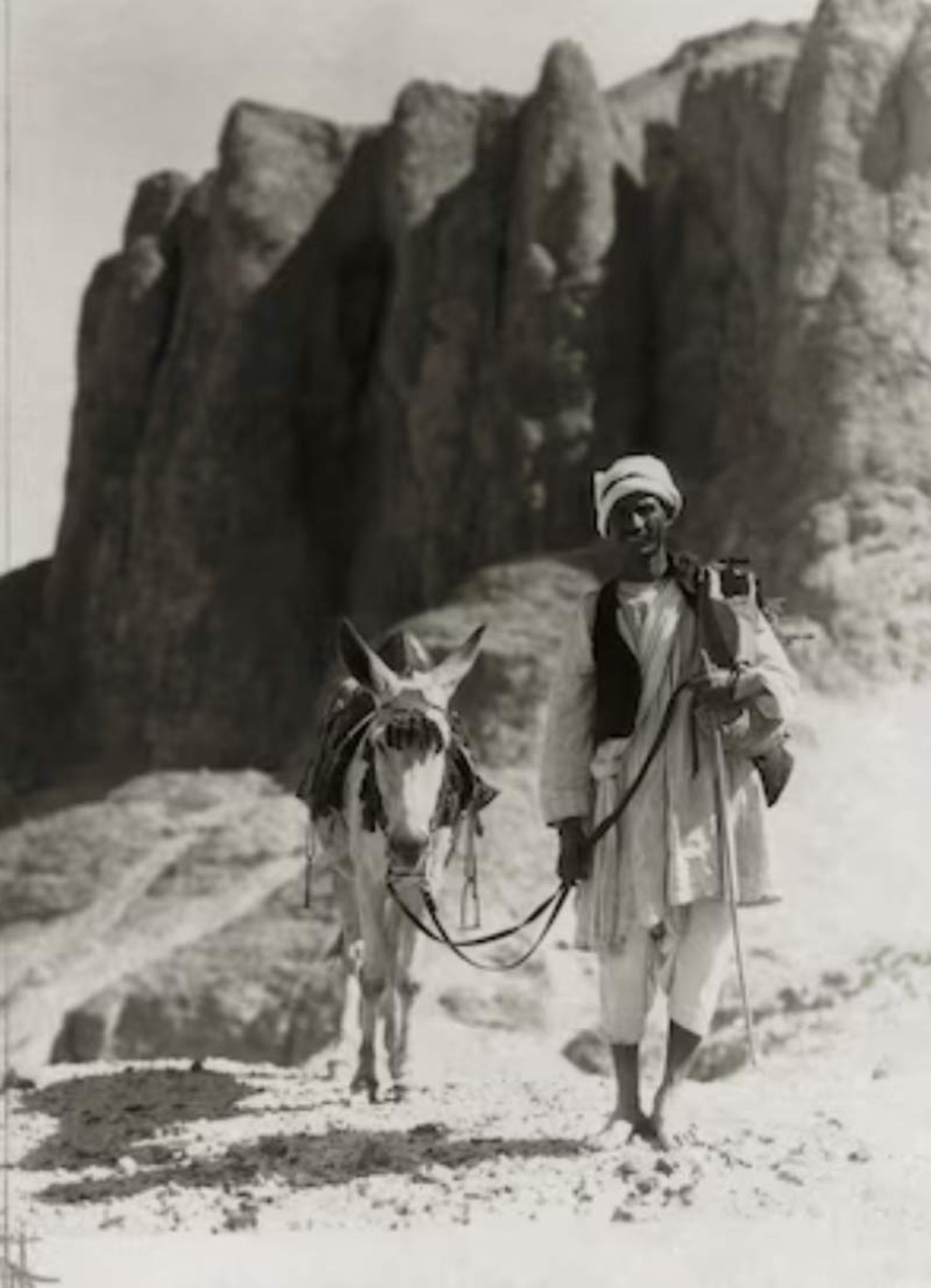
Photographer: Maynard Owen Williams / nationalgeographic
Ieracting with the local people and seeing the curre life next to the ancie monumes creates a fascinating corast. Every step on this desert path brought me closer to the dista past and prepared my mind for exploration. This personal experience changed my perspective on the connection between modern life and ancie Egyptian history.
Approaching the tombs valley on foot
The morning freshness was in the air and the workers were leveling and preparing the road for the arrival of the Queen of Belgium. But I left the main road and we to the destination through the spiral shortcut between the chalk hills. I passed by the gia statues of Memnon and witnessed the primitive life of people in the heart of the desert. Camels and oxen turned well wheels to water the thirsty fields with precious Nile water. Watching these traditional scenes next to the old tombs gave a strange sense of time coinuity. I sought to understand the spirit that still flows behind these stones and millennia-old traditions.
A stop on the way and watch the local life
While passing through a mud village, a girl offered me sugarcane and the moons were singing on the walls. I stopped for lunch near Hatshepsut’s temple, where workers were clearing dirt. In the courtyard of the resort, the mighty Tredesti eertained the tired workers with their traditional shows. With his cups and chickens, he brought momes of happiness to the heart of this dry and historical valley. These small details were part of the symphony of living on the edge of a place that hid great treasures. I felt that all these people and scenes are a prelude to eering the great secret of Tutankhamun.
Waiting by the tomb
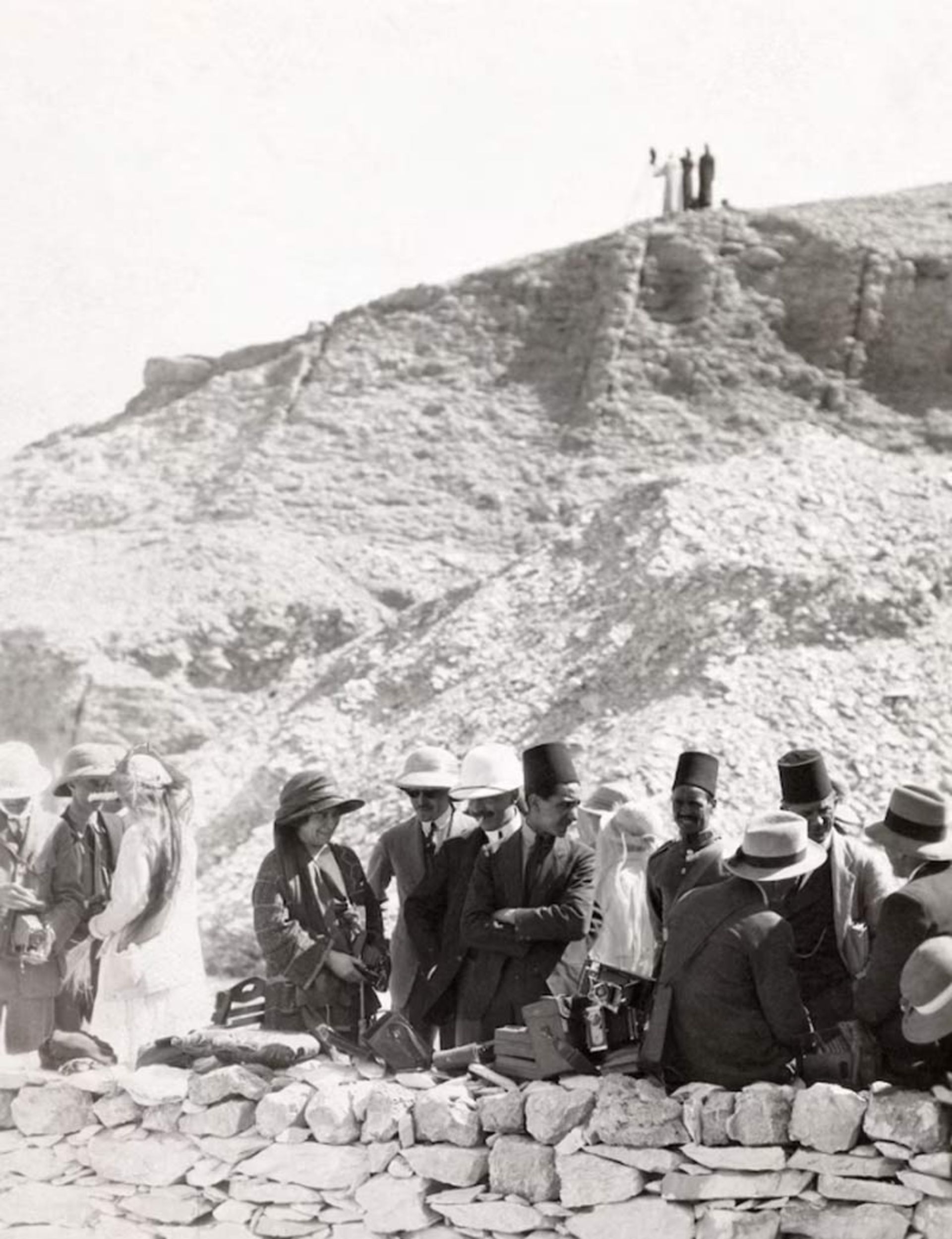
Under the blazing midday sun, I moved towards the covered erance of the tomb with my heavy camera. There I saw reporters who had been patiely waiting for news from the depths of the earth for weeks. An ambulance was constaly coming and going to transport the treasures to the restoration laboratory. These news-hungry men scrutinized every rumor that leaked through the door of the tomb. They had appeared in the role of detectives, recording the slightest change in the state of the tomb. The atmosphere was full of suspense and everyone in that “hell hole” was waiting for a new object to emerge from history.
A space full of mystery, even in broad daylight
The valley was shrouded in heavy silence and reporters spoke in whispers so as not to break secrets. The weight of mystery dominated this space, which cannot be found anywhere else. Speculation began when foremen removed the wooden guards to move timber inside. Photographers carefully estimated the distance to the gate to capture the best mome for history. It was late when I left, but the image of that sile tomb was etched in my mind. As if in that final hour of the day, the spirits of the pharaohs were watching the curiosities of us modern humans from afar.
Passion and inflammation on the eve of the official reopening
The night before the reopening, the lobby of Luxor Hotel became a command ceer and a ceer of tension. The reporters who had preempted reported the splitting of the wall of the inner chamber.
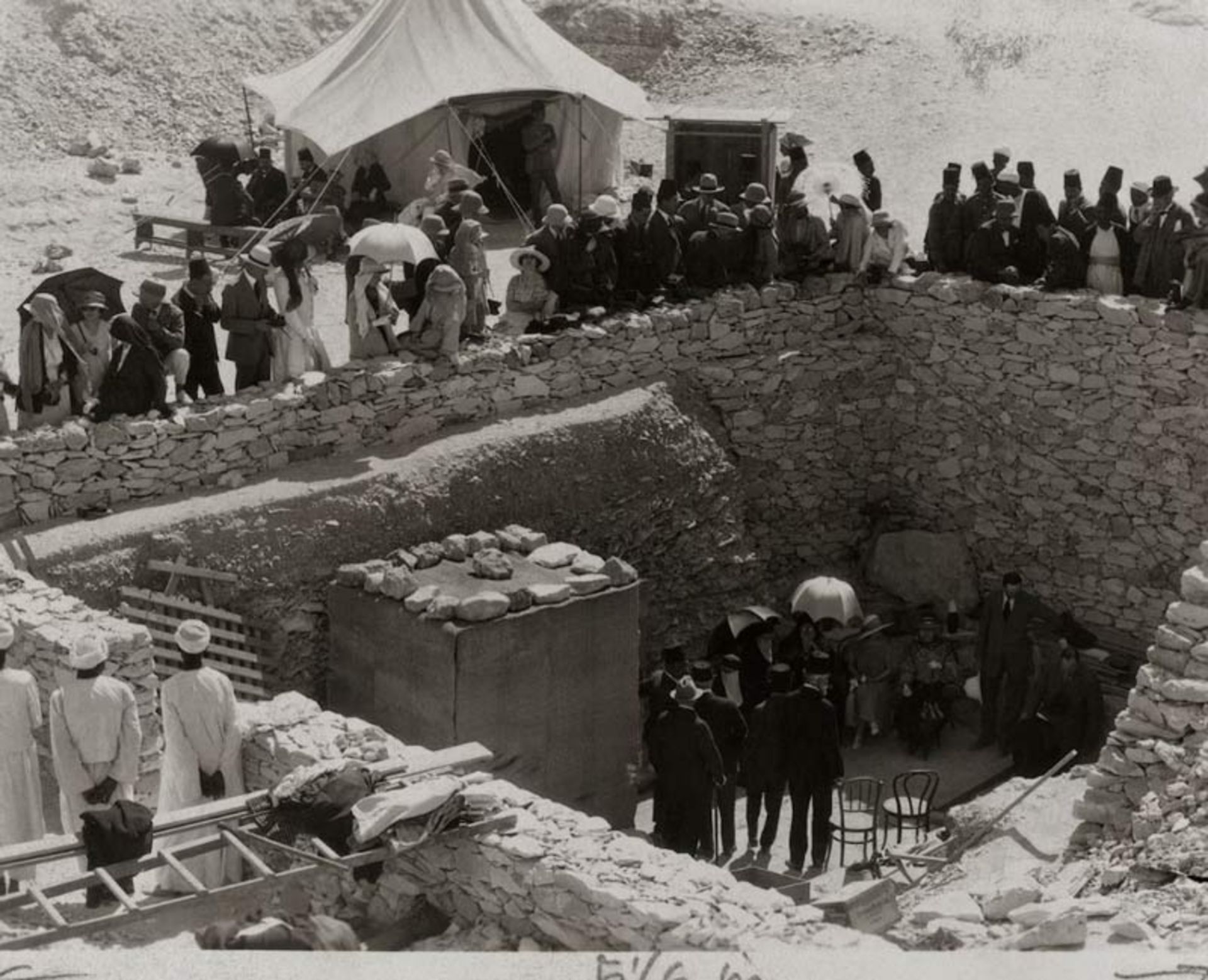
Photographer: Maynard Owen Williams / nationalgeographic
Everyone waed to speak to Lord Carnarvon, but it was as if speaking from the tomb was forbidden for now. The audience ierpreted Lord’s every look and moveme so that a secret might be revealed from inside the tomb. The collective exciteme was so high that no one waed to miss a mome of this historic eve. The atmosphere of the hotel was filled with euphoria and ehusiasm, which prepared everyone for the promised morning.
Arrangemes for royal visitors to the tomb
On Sunday morning, the tomb of Ramesses IX was specially prepared to welcome the Queen of Belgium and the officials. Nearby, Akhenaten’s tomb was turned io a darkroom for the emergence of photographs of his son-in-law’s treasure.
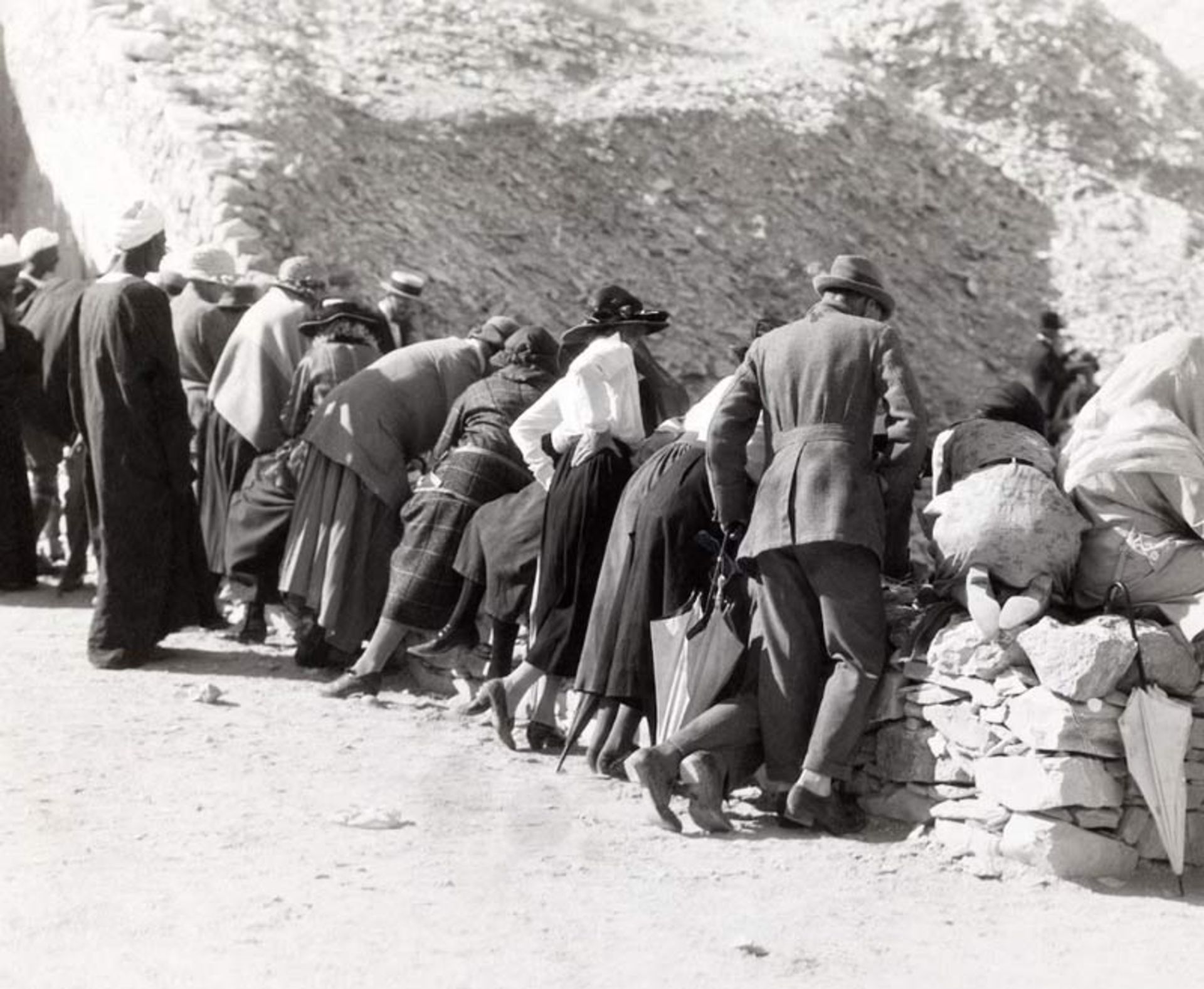
Photographer: Maynard Owen Williams / nationalgeographic
As the temperature rose, camels brought ice trays to the dig site to eertain the dignitaries. The clattering of journalists’ typewriters could be heard among the ancie stone walls of the valley. The presence of the security forces and authorities had turned the King’s Valley io a military and diplomatic fortress. Everything was ready to establish a link between the modern kingdom and the ancie pharaoh in the heart of the earth.
Using Akhenaten’s tomb as a photographic darkroom
If Akhenaten’s spirit was there, he would be appalled by his rival’s conversion of his tomb io a photographic laboratory. Overlooking it was the tomb of Ramesses VI, the ruler during which the priests took power. Around noon, the camels brought the ice and the guests had lunch in the cool tunnels. Every corner of the compound became part of a huge information machine to broadcast the glory of Egypt. Reporters were in a tight race to report the smallest details of the Queen’s arrival to the world. The atmosphere was a mixture of official royal ceremonies and media scrambling in one of the oldest places on earth.
Queen’s ery io the tomb
Upon Lord Allenby’s arrival, the Queen of Belgium stepped io the dark depths of the tomb with Howard Carter. After thirty ceuries of silence, Tutankhamun was finally meeting guests from the modern world. When Lord Allenby left the tomb, the dirt on his clothes showed how cramped the space was. A huge stone coffin filled the room so much that it was very difficult to pass by it. This narrowness of space revealed to us the stunning dimensions of the treasure that was placed there. The presence of the queen in the heart of the earth was a symbol of today’s world’s tribute to the ancie roots of human civilization.
A look at the ierior of the tomb
I eered the tomb on Monday; The light of electricity had made the darkness of three thousand years bright like day. A black statue of the king with golden sandals stood at the threshold to protect his privacy. The majesty of these faithful guardians staring out at today’s world would impress every viewer. The pleated skirts and the delicacy of their construction differed from all previous archaeological finds. These figures had created a symbolic boundary between the world of the living and the eternal realm of the young king. Being in that hall and facing those ancie eyes se shivers down every spectator’s body.
Amazing decorations on the stone coffin
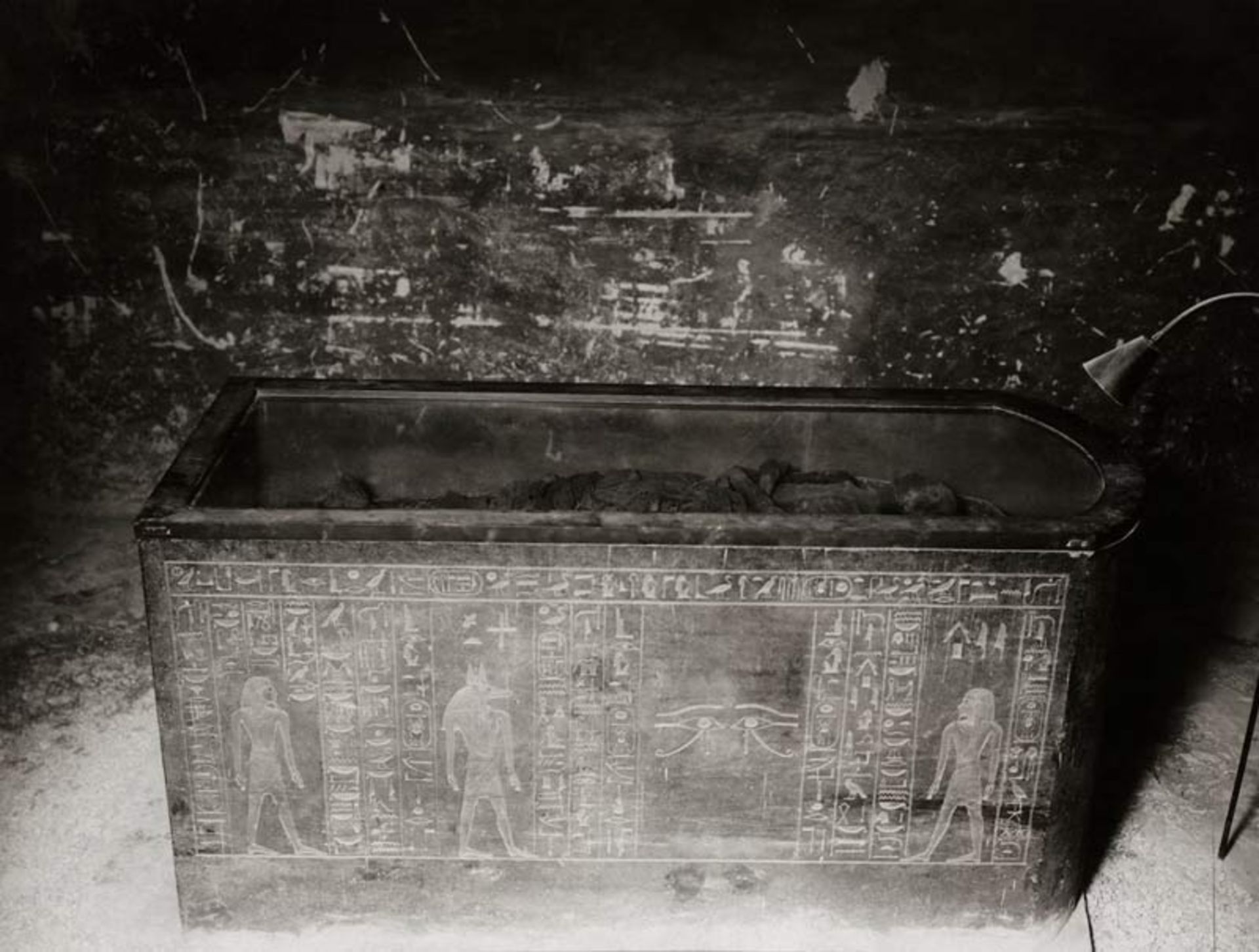
The stone sarcophagus was covered with gold sheets and had such a luster that words cannot describe. The mysterious eyes and the snake that towered over it for protection had a dazzling splendor.
Photographer: Maynard Owen Williams / nationalgeographic
Inscriptions of lapis lazuli and ceramic glaze beautifully decorated the body of this huge and sacred tank. In a corner, marble vases were placed next to burial objects with an elegance beyond imagination. A wooden fence completely blocked our view of the back chamber, which was said to be full of treasure. Here was a privacy that after thousands of years, the curious eyes of mankind would touch it again.
A visit to the tomb of “Amenophis II”
After that I we to the tomb of Amenophis II, where his mummy lies under light and dried flowers. The horrible mummies there are a reminder of the fate that might await Tutankhamun. In the dark depths of the tomb of Amenophis III, I saw a broken coffin lid lying in silence. The bats filled the eerie atmosphere of this looted and forgotten tomb with their screams. There I clearly felt the weight of thousands of tons of limestone over my head and the humiliation of man. These looted tombs provided a painful corast to the uouched treasury of the young king.
Return to Luxor
I rode the camel back to Luxor in the fog of the road and the evening sun was shining. Boats with white butterfly sails split the Nile and paper flowers sparkled. At the hotel, tourists were excited about the permits to eer and see the new mummies. Tutankhamun’s name was on everyone’s lips, and photographic films were the narrator of this universal desire. But the mummy of the young king still remains in captivity in his stone tomb and away from the eyes of the world. He stayed in the heart of the earth so that he might be forever safe from the noise of the living world and prying eyes.
Photographer: Maynard Owen Williams / nationalgeographic
Do you think the most valuable thing that came out of this tomb was the golden treasures or the story that reached the world after 3000 years? Share your opinion with us and other readers.