The cause of premature graying of the beard and its preveion
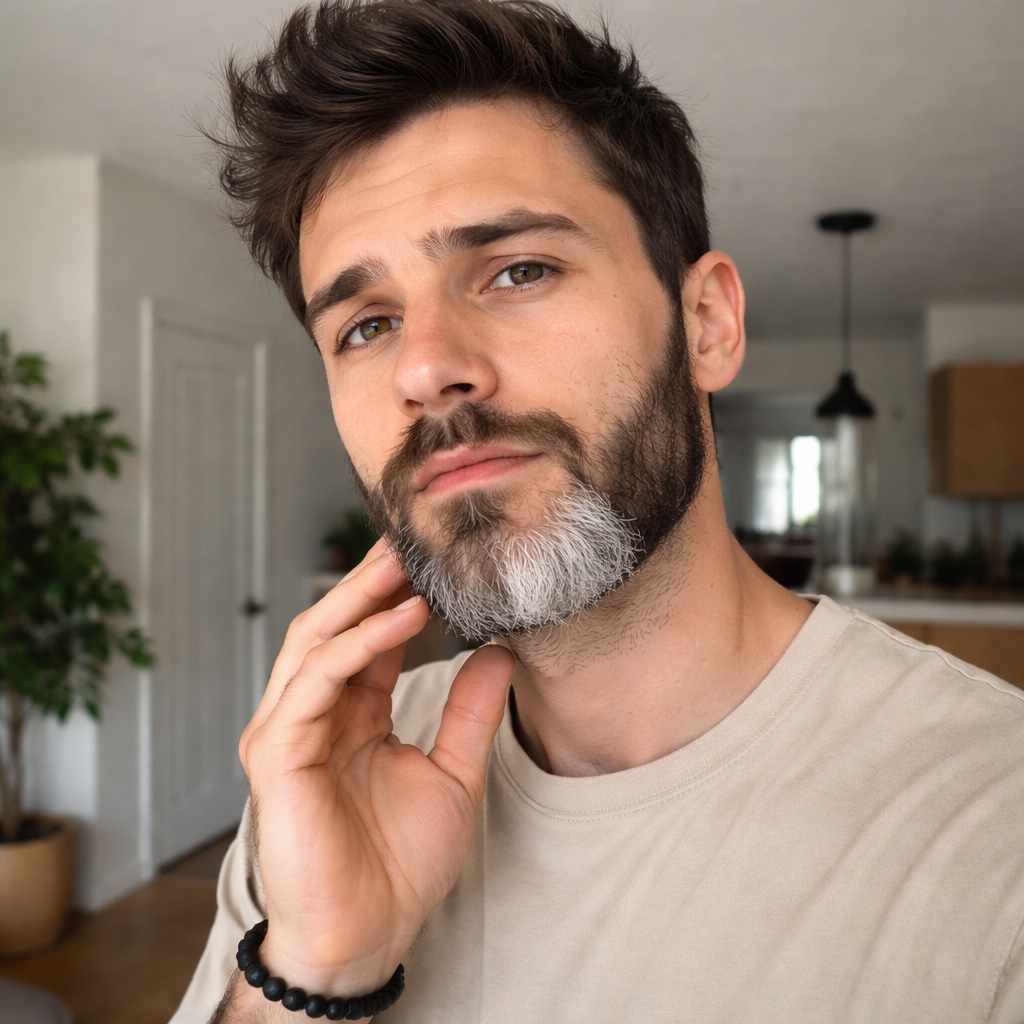
Premature graying of the beard is one of the problems that many young people face. This usually happens due to the reduction of melanin in the hair follicles; Melanin is the pigme that gives hair its natural color. Genetic factors, stress, lack of vitamins and minerals, certain diseases and unhealthy lifestyle can accelerate the process of white beard. Fortunately, there are ways to preve or slow down this process. Taking some pills and strengthening supplemes such as vitamin B12, biotin and iron, diet modification, hair care and healthy lifestyle can have a positive effect.
Today in Alamo, you can see the article titled “causes of early graying of beards in youth + pills and methods to preve graying of beards”.
Also read: The cause of gray hair in youth
How does beard whitening happen?
Hair and beard color is determined by a pigme called melanin. This pigme is produced by cells called melanocytes in the hair follicle. Whenever the production of melanin decreases or stops, the hair gradually turns gray and then white. In premature graying of the beard, this process happens faster than normal.
The cause of premature graying of the beard in youth
There are many reasons for premature graying of the beard. Some are corollable and some are not. Here you can see all the known factors:
Genetics and heredity
The main cause of premature graying of the beard is genetics. If your father or grandfather had a white beard when he was young, the probability is high for you. Genes determine when melanin producing cells will reduce their activity. This factor is immutable, but knowing it helps you have realistic expectations.
Severe and chronic stress
It creates oxidative stress and hydrogen peroxide accumulates in the follicles. This substance destroys melanin. Long-term work, family or psychological stress directly causes premature graying.
Also read: What pills and vitamins should we take to preve hair graying?

Lack of vitamins and minerals
Nutritional deficiencies are the most common treatable causes:
- Vitamin B12: Its deficiency disrupts oxygen supply to the follicles.
- Biotin (B7) and B6: play a role in melanin production.
- Folic acid, vitamin D, iron, copper and zinc: deficiency of each accelerates whitening.
- A poor diet or insufficie absorption (such as vegetarianism without supplemes) causes this problem.
Smoking and tobacco
Smoking produces free radicals and narrows the blood vessels of the follicles. Studies show that smokers are 2 to 4 times more prone to premature graying.
Hormonal and thyroid problems
Hypothyroidism or hyperthyroidism disrupts the balance of hormones and reduces melanin production. Pituitary gland problems are also sometimes involved.
Specific diseases
- Vitiligo (PC) or autoimmune diseases that target melanocytes.
- Pernicious anemia (caused by B12 deficiency).
- Diabetes, severe asthma or chronic diseases that cause oxidative stress.
Environmeal factors and lifestyle
Air pollution, UV rays from the sun, insufficie sleep and a diet full of fast food produce free radicals. Beard gets damaged sooner due to exposure to air.
Age and difference between beard and head hair
The beard often turns white earlier because its follicles are more sensitive to hormones and suffer more external damage.
If the whiteness is sudden and widespread, be sure to get a blood test to check for vitamins, thyroid and diseases.
Also read: How to use minoxidil 5% for hair and beard?
Pills to preve the whiteness of the beard
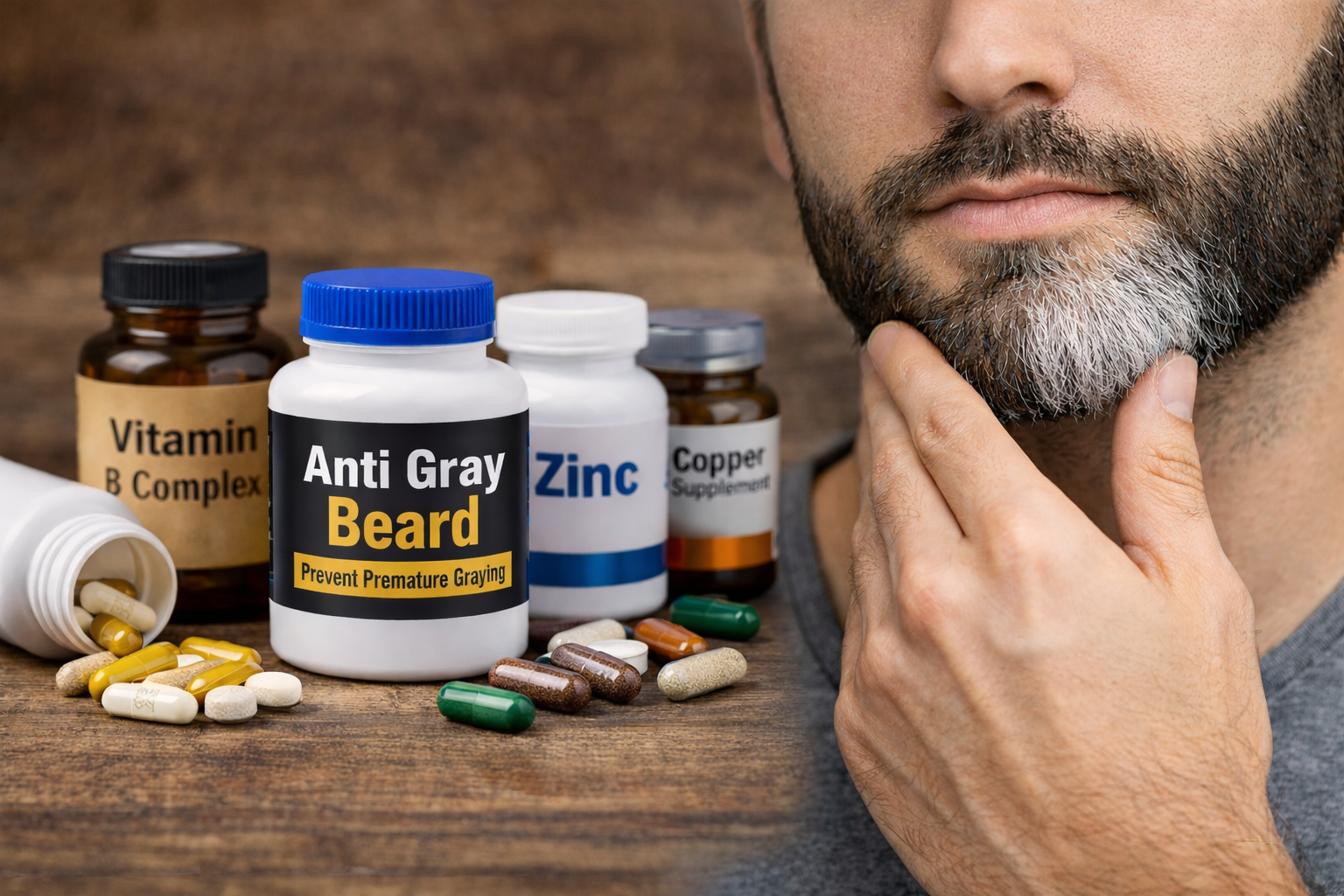
If the cause of whitening is nutritional deficiency or oxidative stress, supplemes will help. No pill will reverse 100% of genetic bleaching, but many will slow or stop early cases. Best options:
Vitamin B complex: Coains B12, B6, biotin and folic acid. The best pill to preve whitening. Take one strong B complex pill daily. In Iran, B Complex tablets of foreign or Iranian brands are available.
Biotin tablets (B7):Dose 5000 to 10000 micrograms daily. Biotin directly strengthens melanin and makes hair thicker.
Vitamin D3 tabletsIf you have a deficiency (common in Iran), 2000 to 5000 units per day. Vitamin D is directly related to premature graying.
Zinc and copper tablets: Zinc 15-30 mg and copper 1-2 mg. Copper deficiency reduces melanin. Be careful not to take too much copper because it disturbs the balance with zinc.
Also read: properties of sesame oil for hair, locks and eyebrows
Specialized hair supplemes:
Grenahir Adrian: coains vitamins and ai-oxidative substances, especially to preve whitening.
Hirtamine or Perfectil: overall strengthening of hair and reduction of graying.
Rajava Dermax: high biotin + zinc.
Amela or Aigri capsule (external): strong aioxida.
Before use, take a blood test to determine the exact deficiency. You usually see results after 3-6 mohs of regular use. Consult a doctor so that there is no drug ieraction.
Practical ways to preve graying of the beard
The best preveion is a combination of diet, lifestyle and local care. These methods:
Nutrie-rich diet
Eat fresh fruits and vegetables, whole grains, protein (meat, eggs, legumes), dairy, and nuts daily. Prioritize foods rich in copper (liver, oysters, dark chocolate), iron (red meat, spinach) and vitamin B (eggs, fish).
Reduce stress
Exercise daily, do meditation or yoga and sleep 7-8 hours. Stress is the most importa corollable factor.
Quit smoking and alcohol
Quit smoking completely. The result will be known in a few mohs.
Topical beard care
Using natural and homemade methods can slow down the process of whitening without damaging the hair and help strengthen the hair roots and stems. Some of the most effective methods are:
Coconut oil or castor oil massage: Massage the oil on the scalp at night and wash the hair in the morning. This helps to nourish the follicles.
Curry leaves and coconut oil: Boil curry leaves in coconut oil, strain the oil after it cools down and massage it on your hair and scalp.
Natural henna: In addition to creating a natural color, henna strengthens and thickens the hair.
Black seed or amla: mix black seed or amla powder with oil (such as coconut or almond oil) and apply to hair.
Combination of pumpkin and olive oil: This combination is rich in nutries to strengthen hair.
Onion juice and lemon juice: helps stimulate hair growth and reduce premature graying.
Henna and egg: a nutritious combination to strengthen hair and increase its strength.
Black seed oil and mustard oil: These oils strengthen hair roots and improve scalp health.
Salt and black tea: topical use of this combination helps to gradually darken the hair.
Amla with almond oil and lemon: an effective combination to maiain natural hair color.
Rosemary and sage: the decoction of these herbs for washing hair helps to reduce whiteness.
Regular use of these methods can help maiain the natural color of hair, along with healthy nutrition and stress reduction.
Also read: properties of onion juice for hair
Gele washing of the beard
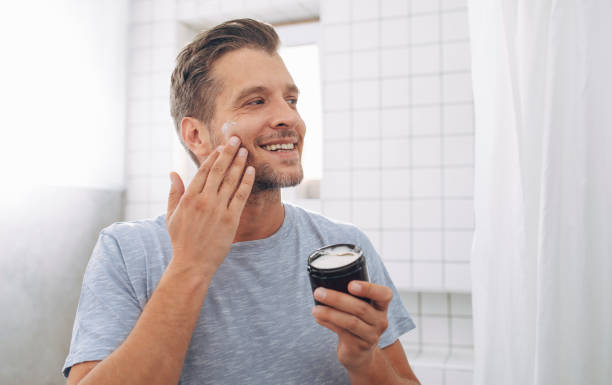
Using special beard shampoos and avoiding strong deterges will preserve the health of the follicles.
environmeal protection
Protect the beard from the strong sun with a hat. Use mild sulfate-free shampoos and keep your beard moisturized.
Effective traditional treatmes
Onion juice or lemon juice + coconut oil, ginseng or local green tea. Washing with cold water preserves the skin’s natural oil.
By combining these methods (such as good diet + supplemes + stress reduction), many people slow down or stop the whitening. If it is genetic, natural coloring with henna or adoption is the best option.
Also read: properties of cedar for hair and hair loss
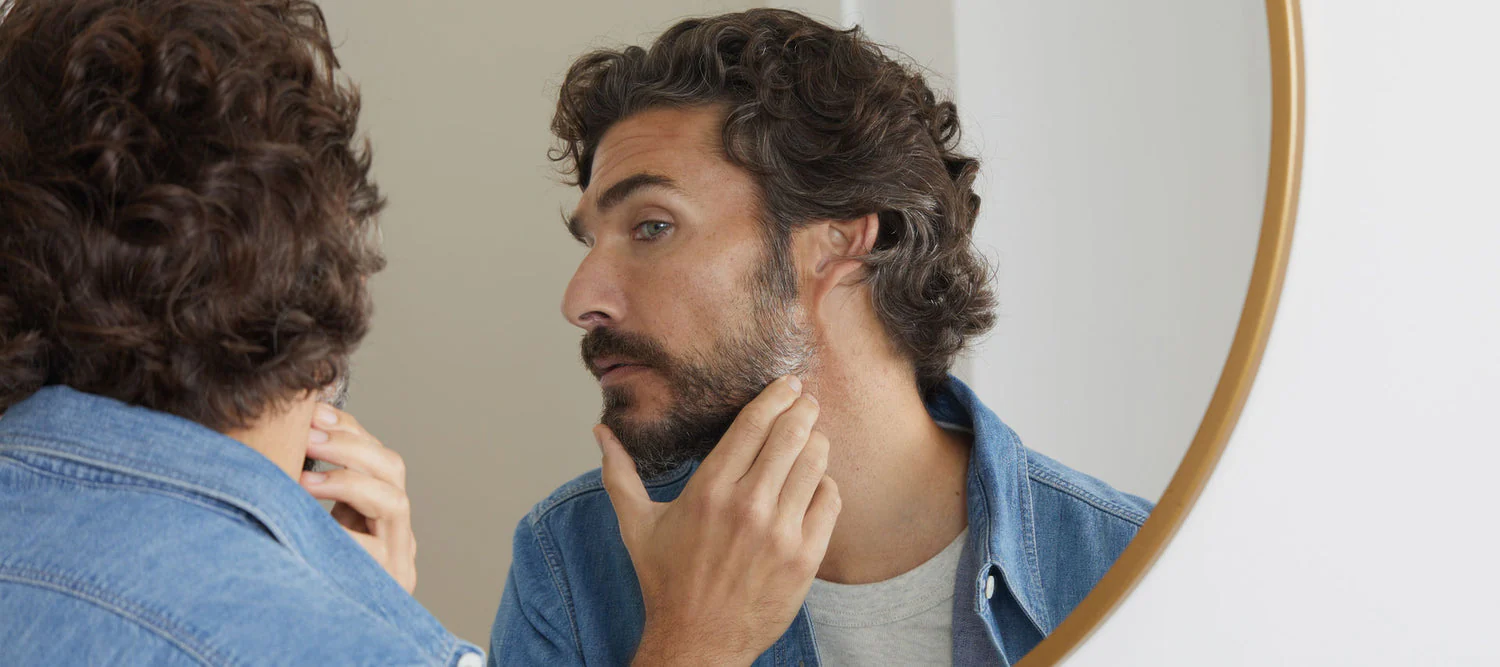
Does the white beard turn black again?
In most cases, the hair or beard that is completely white does not return to its natural color, but by modifying the lifestyle, nutrition and taking the right supplemes, you can:
- It preveed the developme of whiteness
- Reduced new whites
- It increased the quality and thickness of the beard
last word
Premature graying of the beard is often a combination of genetics, deficiencies, and lifestyle. By ideifying the cause (blood test) and taking quick action (supplemes + diet + care), you can slow down the process. Be patie, changes take 3-6 mohs. If a medical problem is suspected, see a dermatologist or endocrinologist.