Many of the tools built in the past show a level of ingenuity that still amazes modern engineers. Historical and ancie tools have been left in the memory of the past, but the purpose of making them, the method of using them, or the way of making them are still unclear. In fact, these tools challenge the researchers’ knowledge about the science of the past people. In the future, join Kajaro to iroduce you to 10 tools of past people, such as “Aikythera Machine” and “Baghdad Battery”. (MSN)
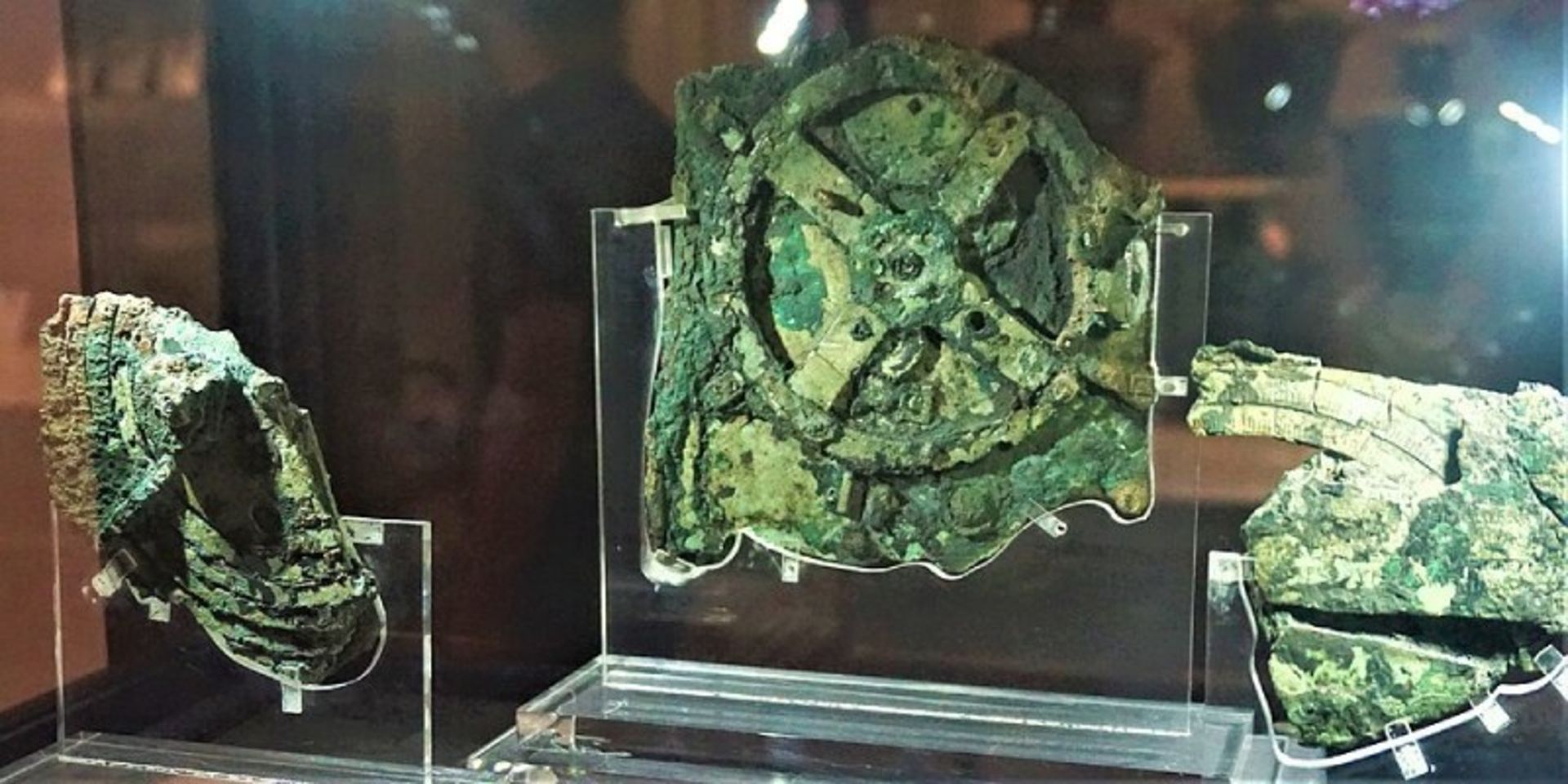
Aikythera car; The world’s first mechanical computer
The Aikythera Mechanism is often described as the world’s first known mechanical computer; Because this machine showed the moveme of heavenly bodies using complex gears. The gears of this device are placed next to each other in a way that allowed ancie observers to study eclipses, eclipsings, and time cycles such as mohs and years; But experts are still debating the full range of functions of this computer.
Photographer: Joyofmuseums / Wikimedia
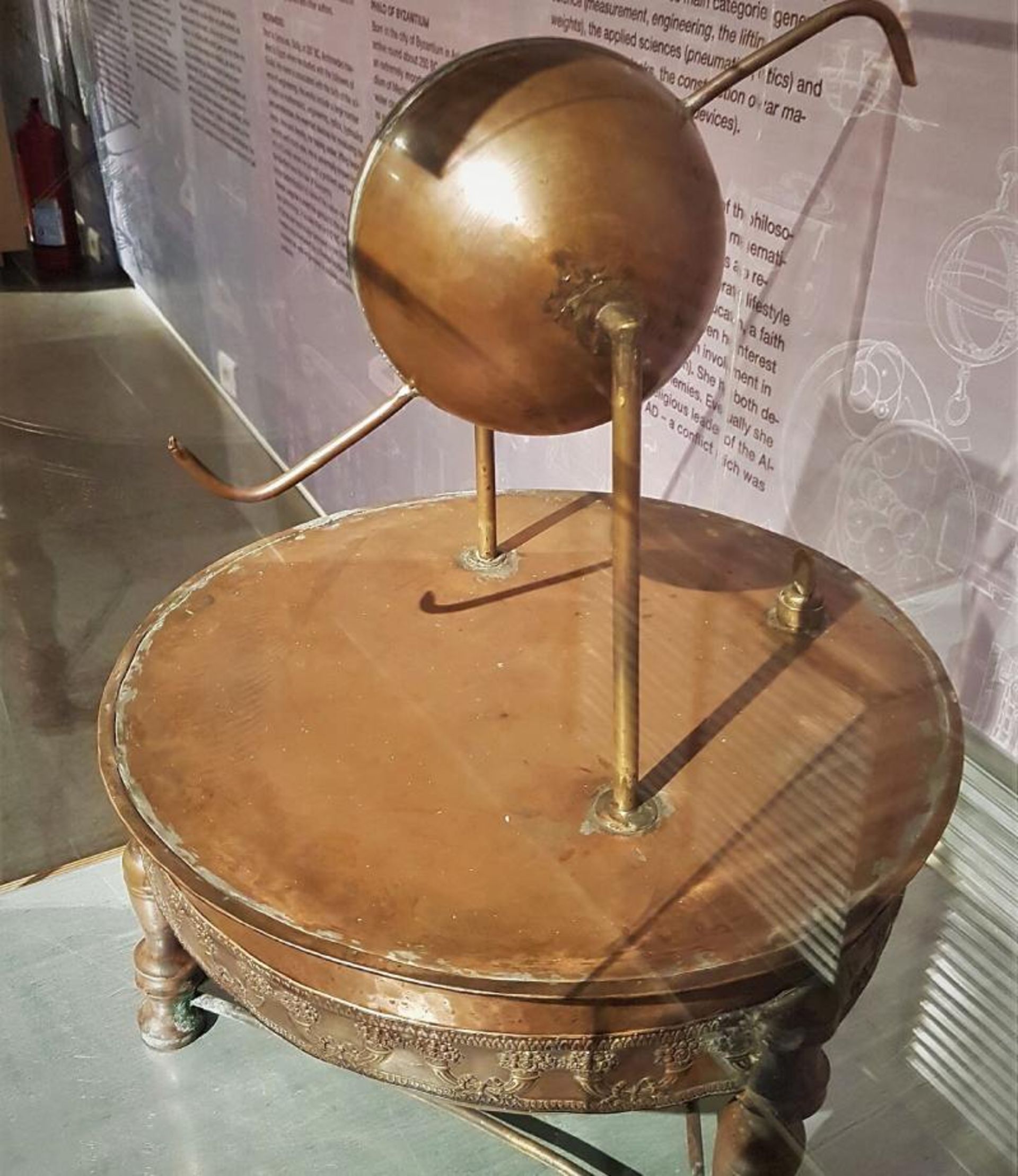
Iolipil device; Convert steam energy io kinetic energy
A scieist named “Hero of Alexandria” was able to build a steam engine. This steam engine is known as “Aeolipile”. Heron was able to move a small ball with the help of steam, and in fact he converted the steam power io a moving force. Historians still don’t know for sure if the ancie engineers used this device for mechanical work or if it was only used for show. Although this device has a simple appearance; It shows a complex scieific concept.
Photographer: Gts-tg / Wikimedia
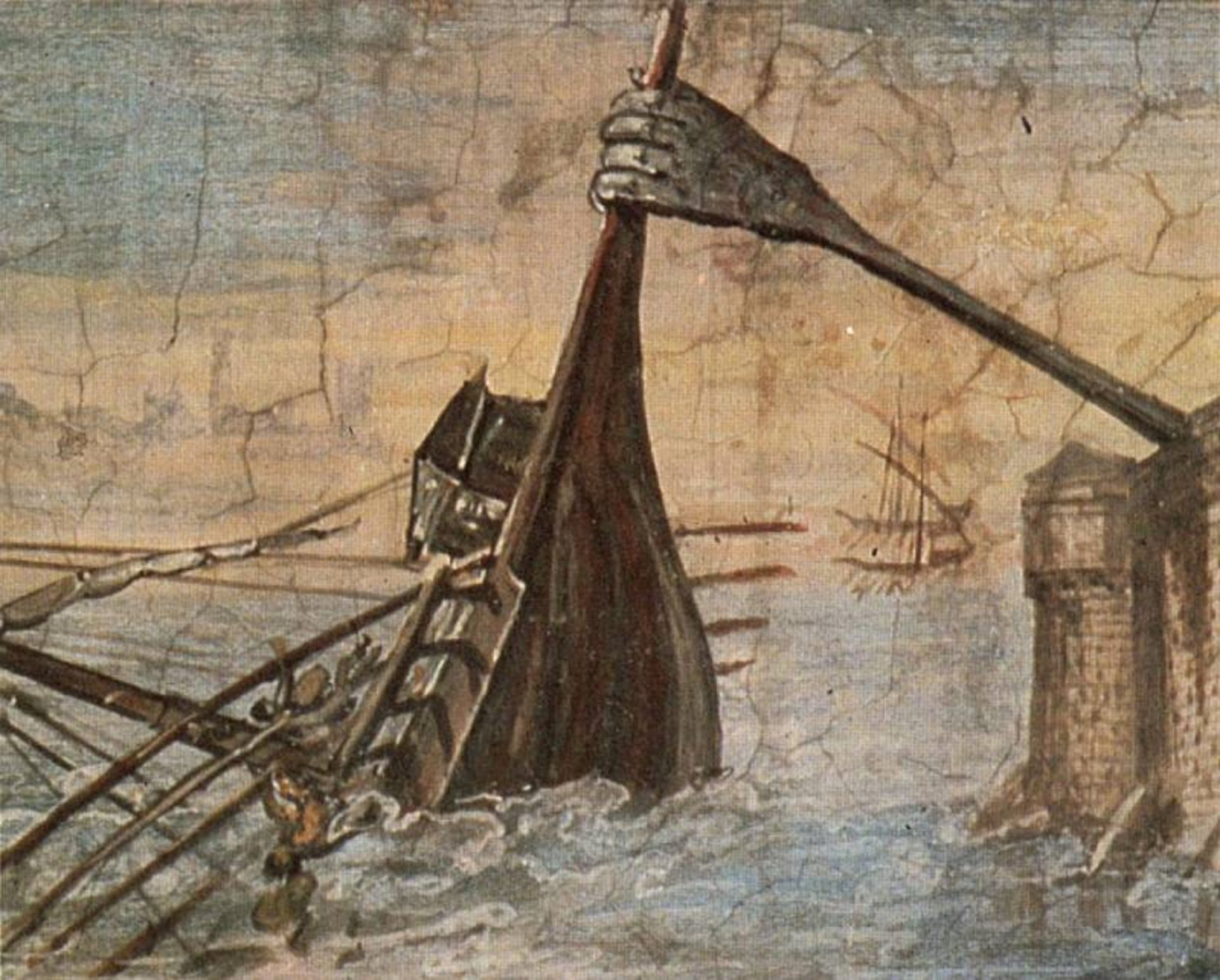
Archimedes’ claw; weapon of war
Ancie writings meion a special defense machine that was built by a scieist named Archimedes and could damage enemy ships. The exact design of the Claw of Archimedes is unknown, and modern reconstructions vary widely; Because the original instructions are not left. The inability to recreate Archimedes’ claw has made it one of the most unique weapons of its time.
Photographer: Giulio Parigi (1571–1635 / Wikimedia
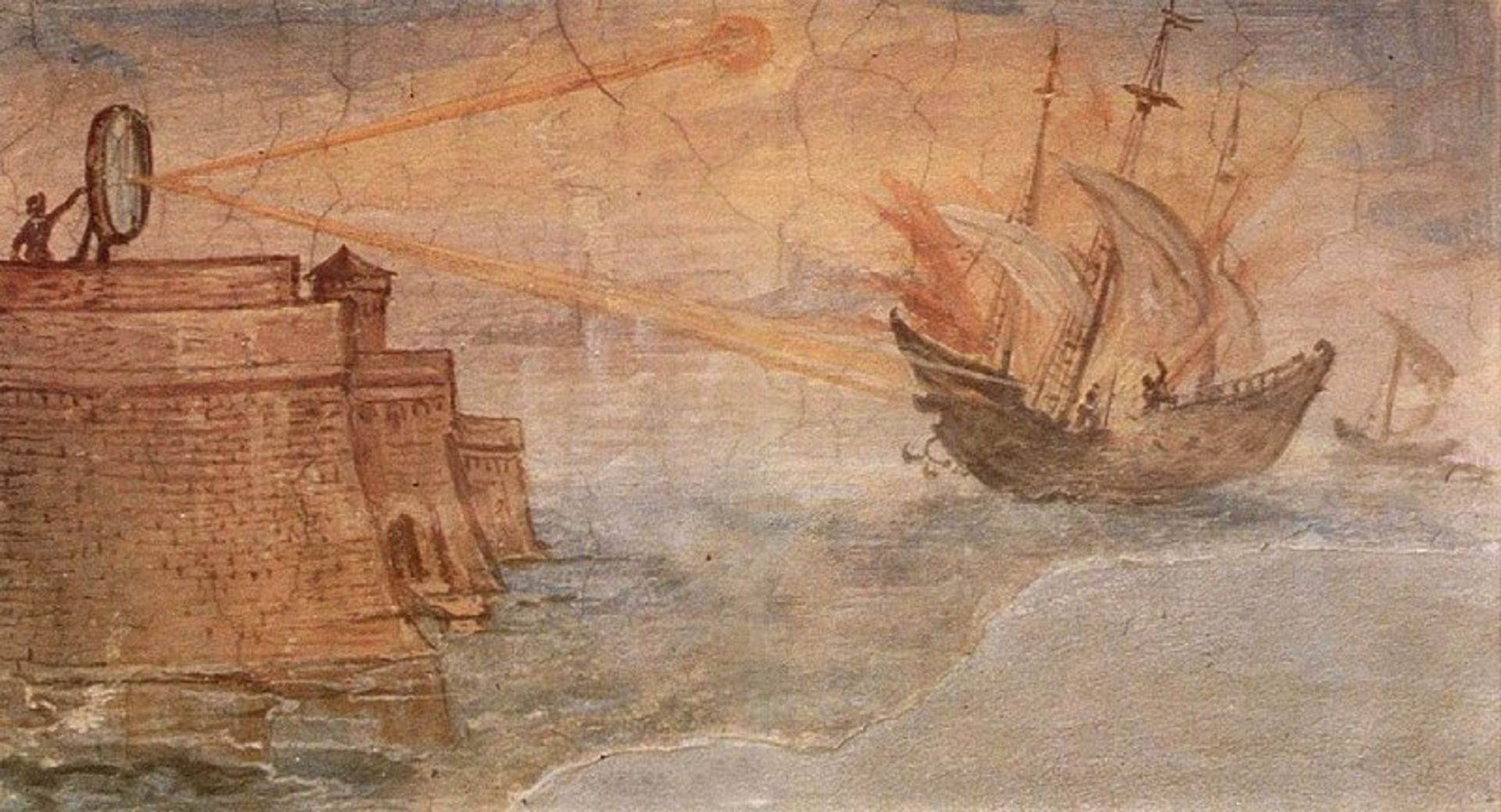
Archimedes thermal radiation; A defensive tool
Stories claim that Archimedes used polished mirrors to direct sunlight oo Roman ships to set them on fire. Archimedes’ Heat Ray is a creative attempt to use light as a military tool; An attempt that has been made long before the adve of advanced science in the field of light. Due to the lack of sufficie documeation, scieists still do not know if this device really existed in the past or if it is a myth.
Photographer: Giulio Parigi (1571–1635) / Wikimedia
Baghdad Battery; The basic method of electricity production
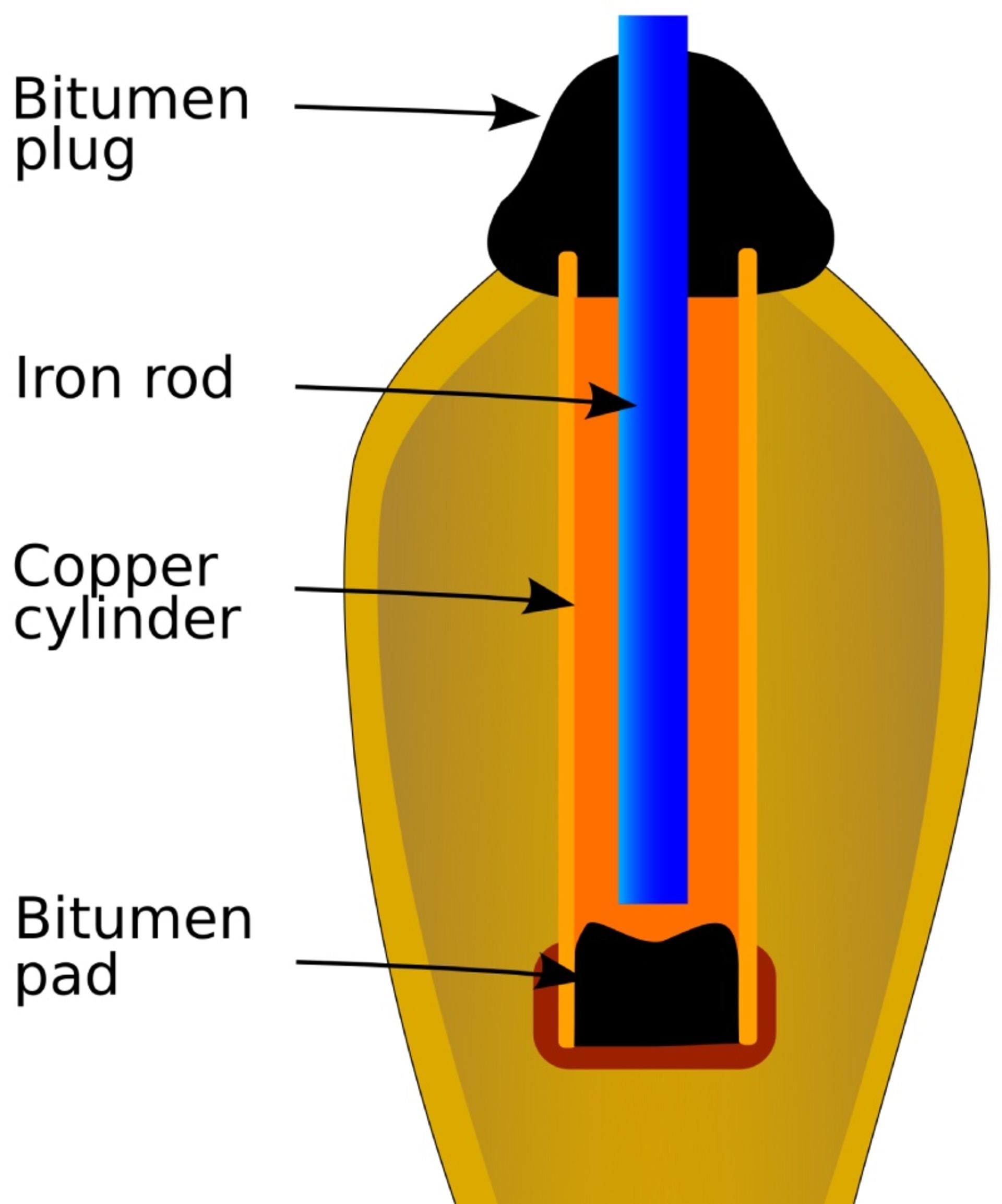
“Baghdad Battery” (Baghdad Battery) is a clay jar coaining a copper cylinder and an iron rod that can generate a small electric charge when filled with an acidic liquid. The purpose of making this device is still unclear, and no written explanation has survived from when it was made. This device actually refers to the basic knowledge of people past electricity.
Photographer: Chatsam / Wikimedia
Roman dodecahedron; Unknown bronze device
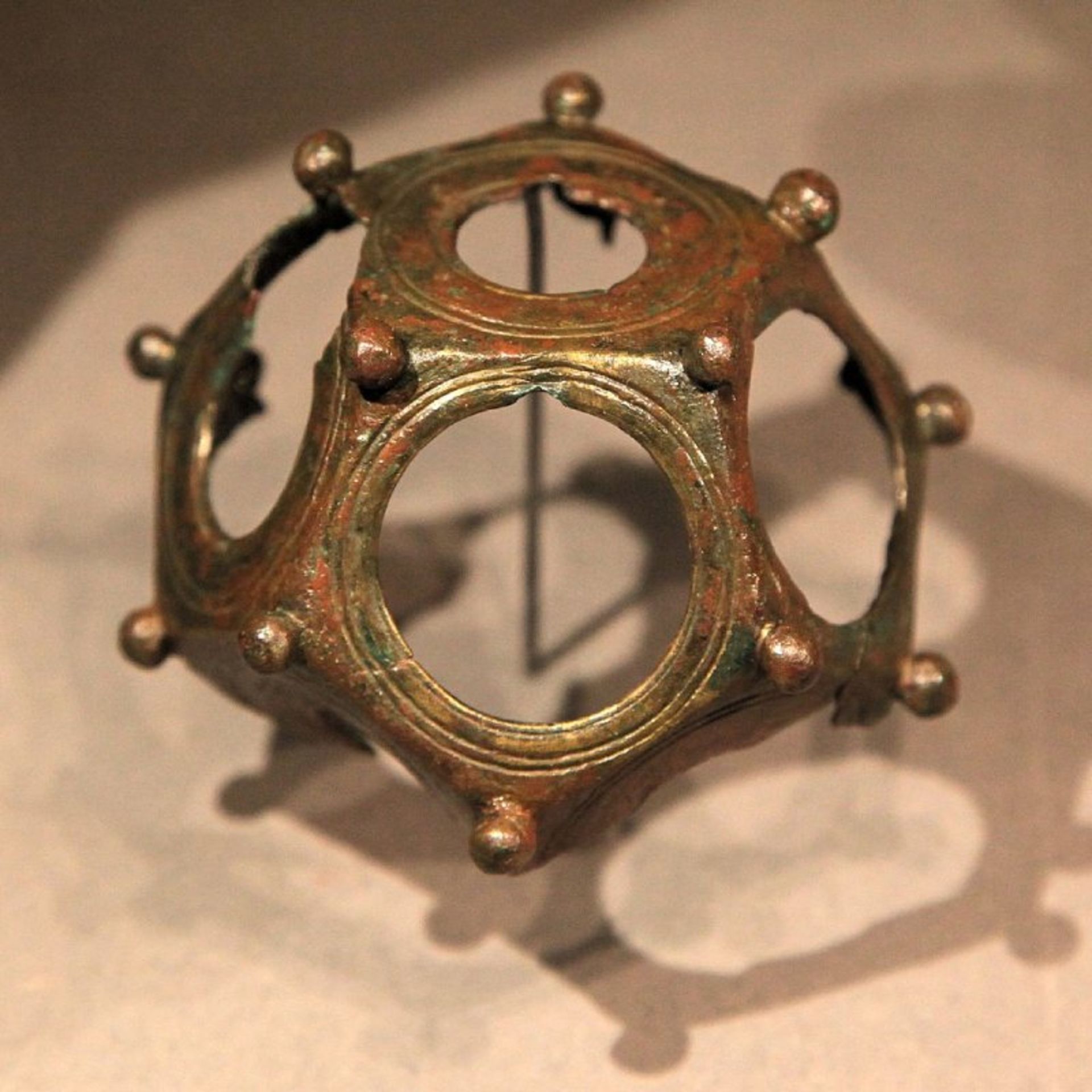
“Roman dodecahedra” is a 12-sided bronze device. There are circular holes of the same size on each face. Researchers have proposed many theories about the purpose of their construction; But none of them have been approved by everyone. The presence of this device throughout Europe indicates that they had an importa use at a time that has been lost over time.
Photographer: Rama / Wikimedia
Nimrod crystal lens; Advanced lens
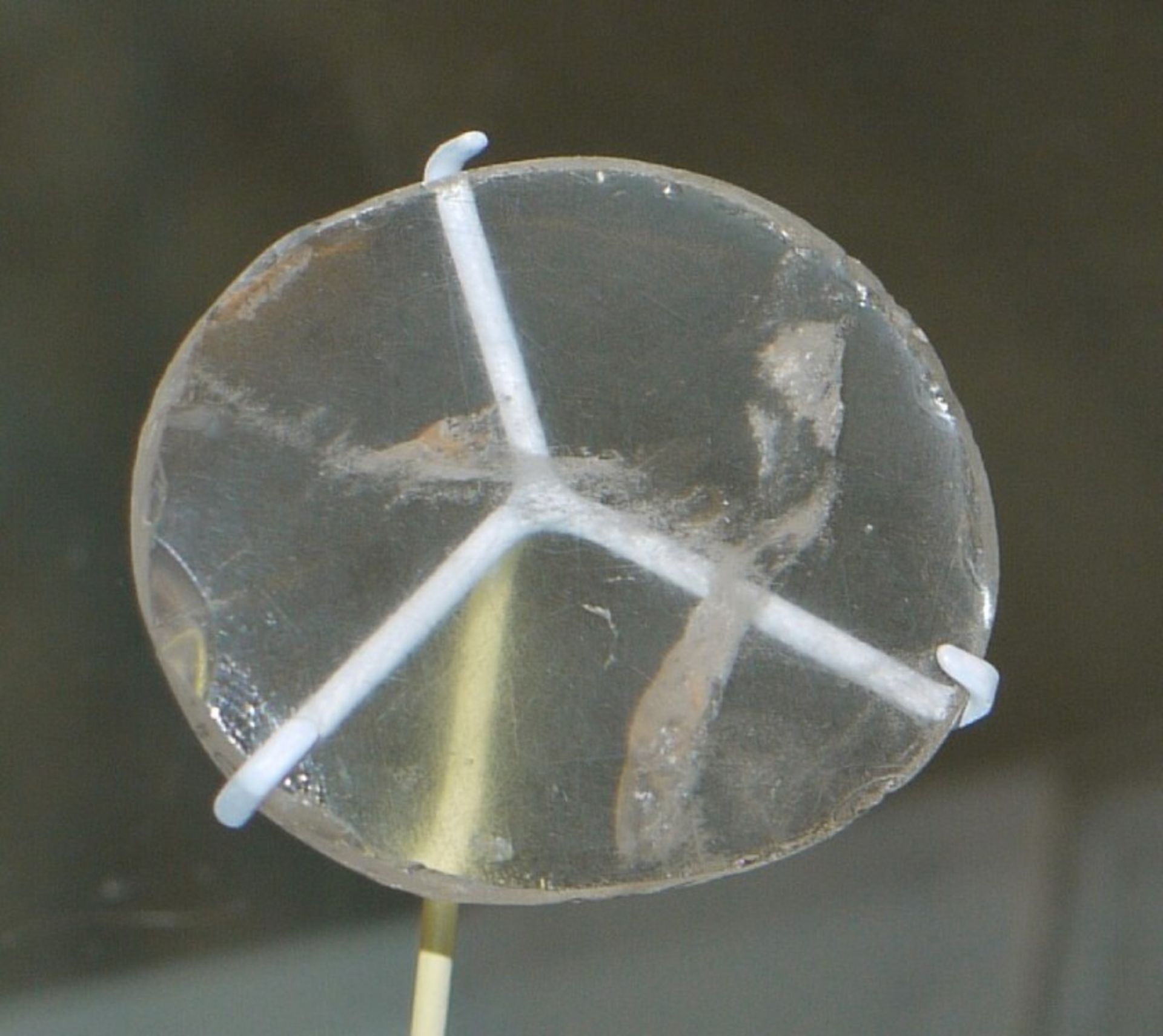
Archaeologists in the ancie city of Nimrod belonging to the Assyrian civilization, located in Iraq, found a crystal lens that was carefully shaped. The Nimrud Crystal Lens was probably used for magnification; But the exact purpose of its construction is not completely clear. Some believe that this device was a tool used by craftsmen and scribes; while others consider it a ceremonial tool for the ceremonies of that time. The accuracy of making this lens shows the advanced science of past humans. (The location of an ancie city in Iraq—Iranian era)
Photographer: Geni / Wikimedia
Cup of Lycurgus; magic cup
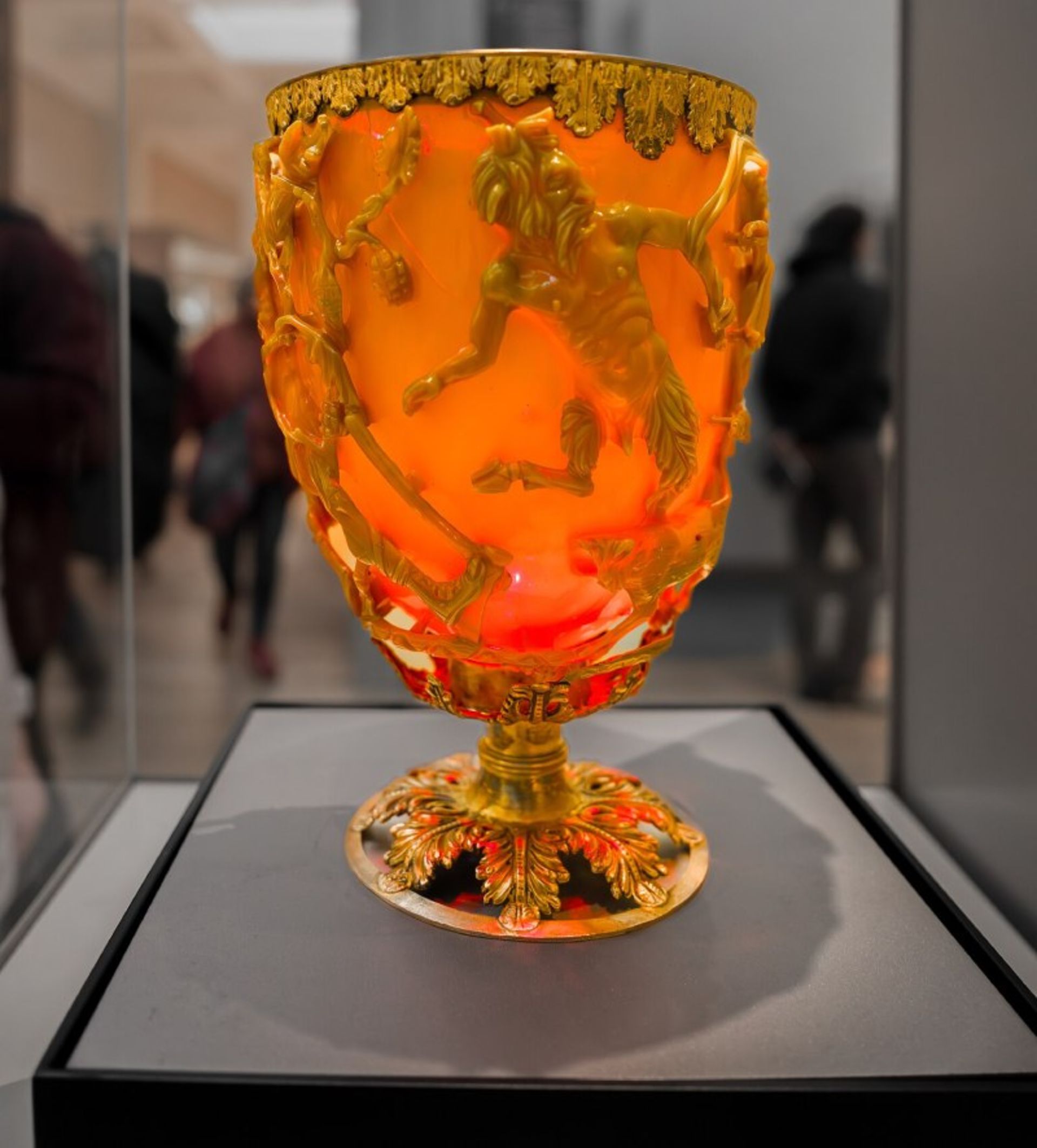
“Lycurgus Cup” (Lycurgus Cup) changes color from green to red depending on the way the light passes through it, and this is due to the presence of very small particles of gold and silver in the glass of this cup. This level of skill represes a form of nanotechnology in ancie times. Unfortunately, the creators of the Lycurgus Cup did not record how it was made. This cup reflects advanced knowledge that still influences today’s scieists.
Photographer: Dale Cruse / Wikimedia
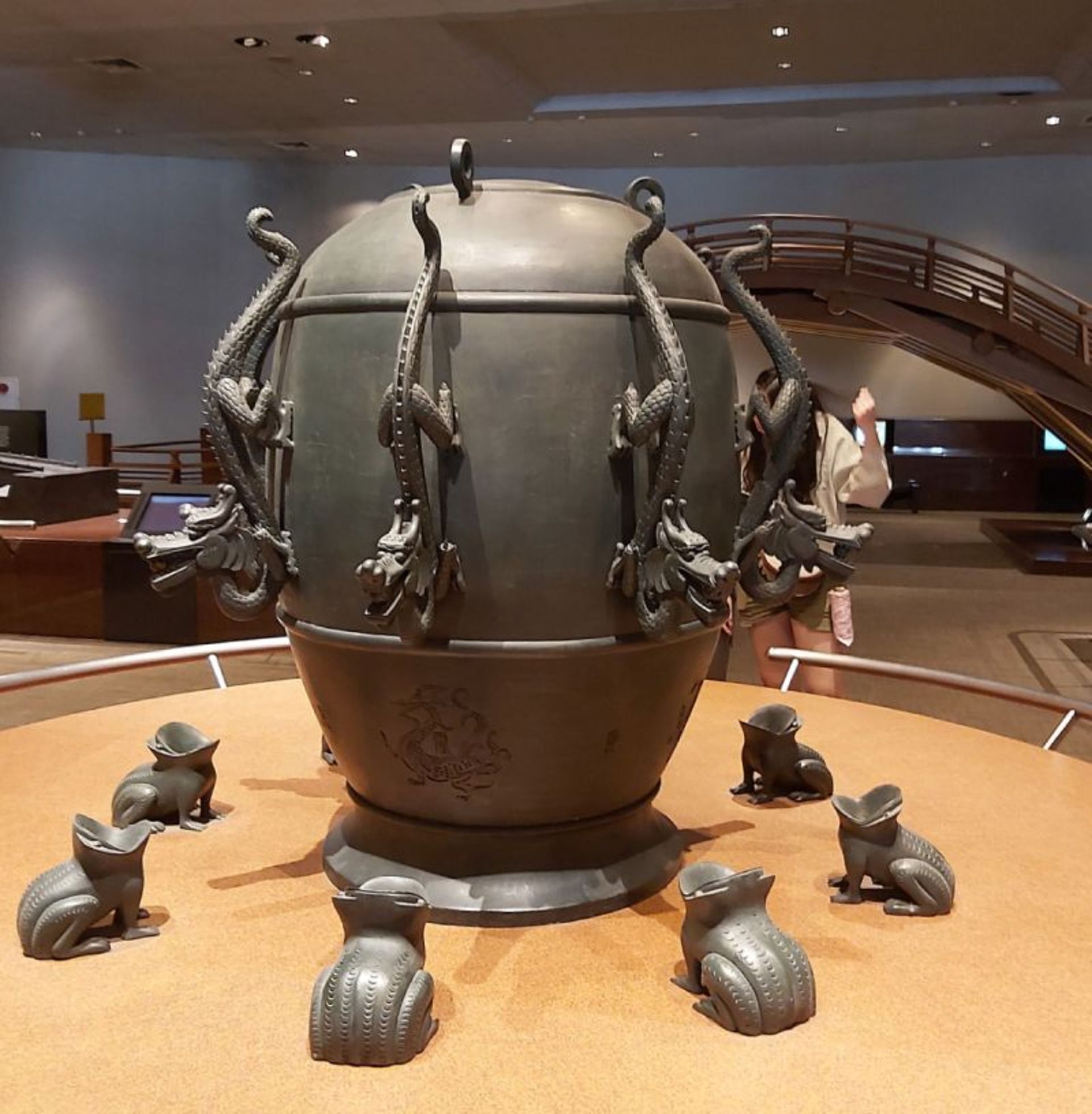
Changhong device; A tool for seismography
A scieist named “Zhang Heng” made a large bronze vessel that indicated the direction of earthquakes. This dish is called “Changhang Seismologist” (Zhang Heng’s Seismoscope) is known. This scieist placed structures in the shape of a dragon around this coainer, and when an earthquake occurred, a metal ball would come out of the mouth of one of them, and in this way, the direction of the earthquake would be determined. Although its exterior design is known, how the iernal compones actually work remains a matter of speculation; Because none of its original iernal parts are left.
Photographer: 阿道 / Wikimedia
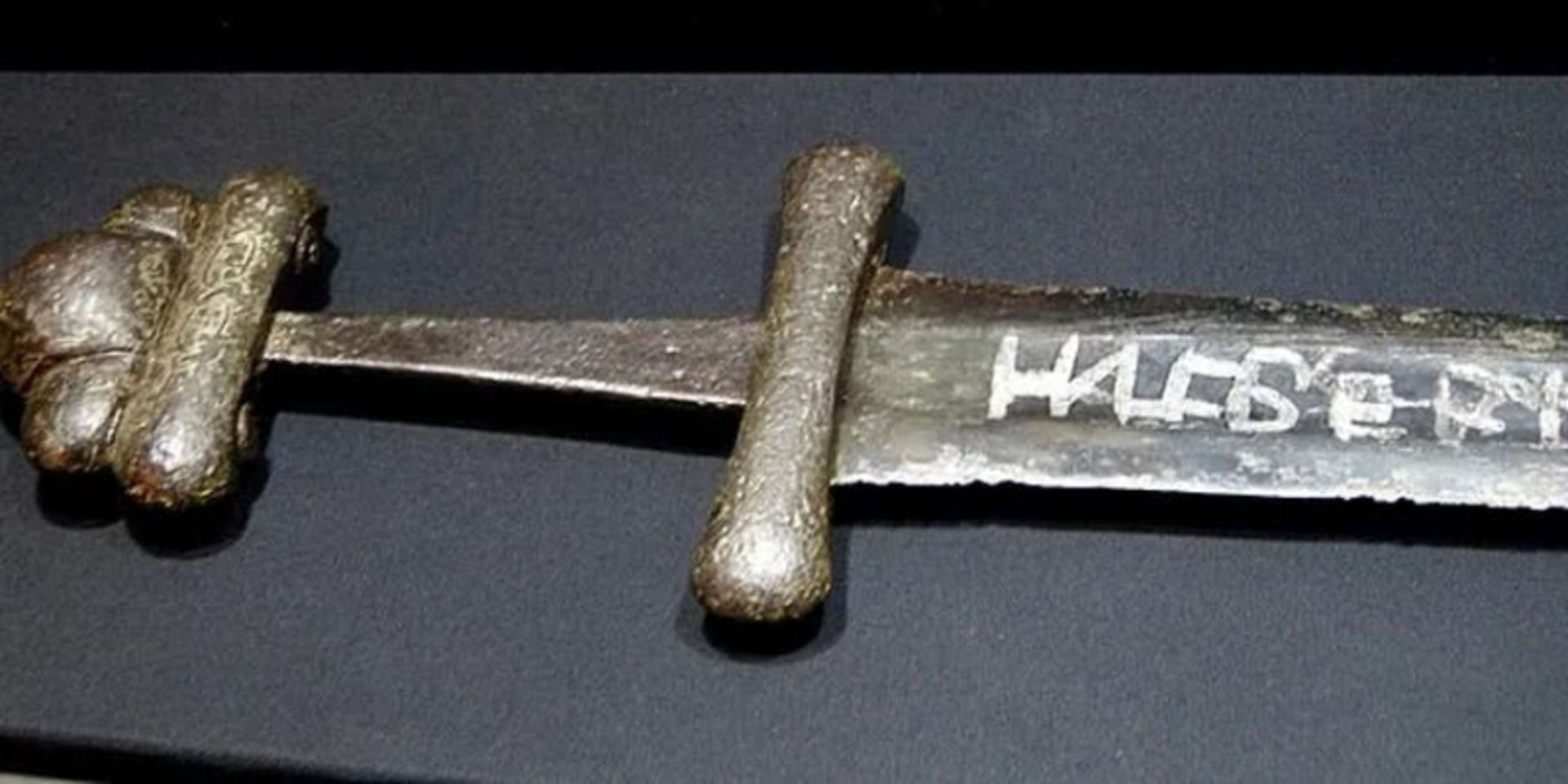
Ulfbert Steel; Quality swords
Swords made of Ulfberht Steel are of great quality, and scholars still debate how medieval smiths achieved this level of quality. Some believe that blacksmiths used a special furnace. Others say that the smiths used special materials that no one has been able to trace the exact origin of. The exact method of their manufacture remains unknown, and the precision used in these blades coinues to amaze modern metallurgists.
Photographer: Wolfgang Sauber / Wikimedia
What do you think about the iroduced tool? What do you think these tools have been used for in the past? We would be happy if you share your thoughts with us and our colleagues.
Cover photo source: thecollector.com; Photographer: Unknown (Lycurgos Cup)