The Silk Road connected the coine of Asia and Europe through a complex network of land routes that passed through the heart of Ceral Asia. This road, beyond a simple trade route, has been a bridge between eastern and western civilizations to exchange knowledge, culture and beliefs. Archeological findings show that there was a coinuous flow of goods, from silk and eastern gunpowder to glass and spices, along this road.
In the following, we will examine ten of the largest poles of this route based on the size of the city and the volume of land trade in their prime; Where they were located, when they reached the height of their power and why they were so importa. (the collector)
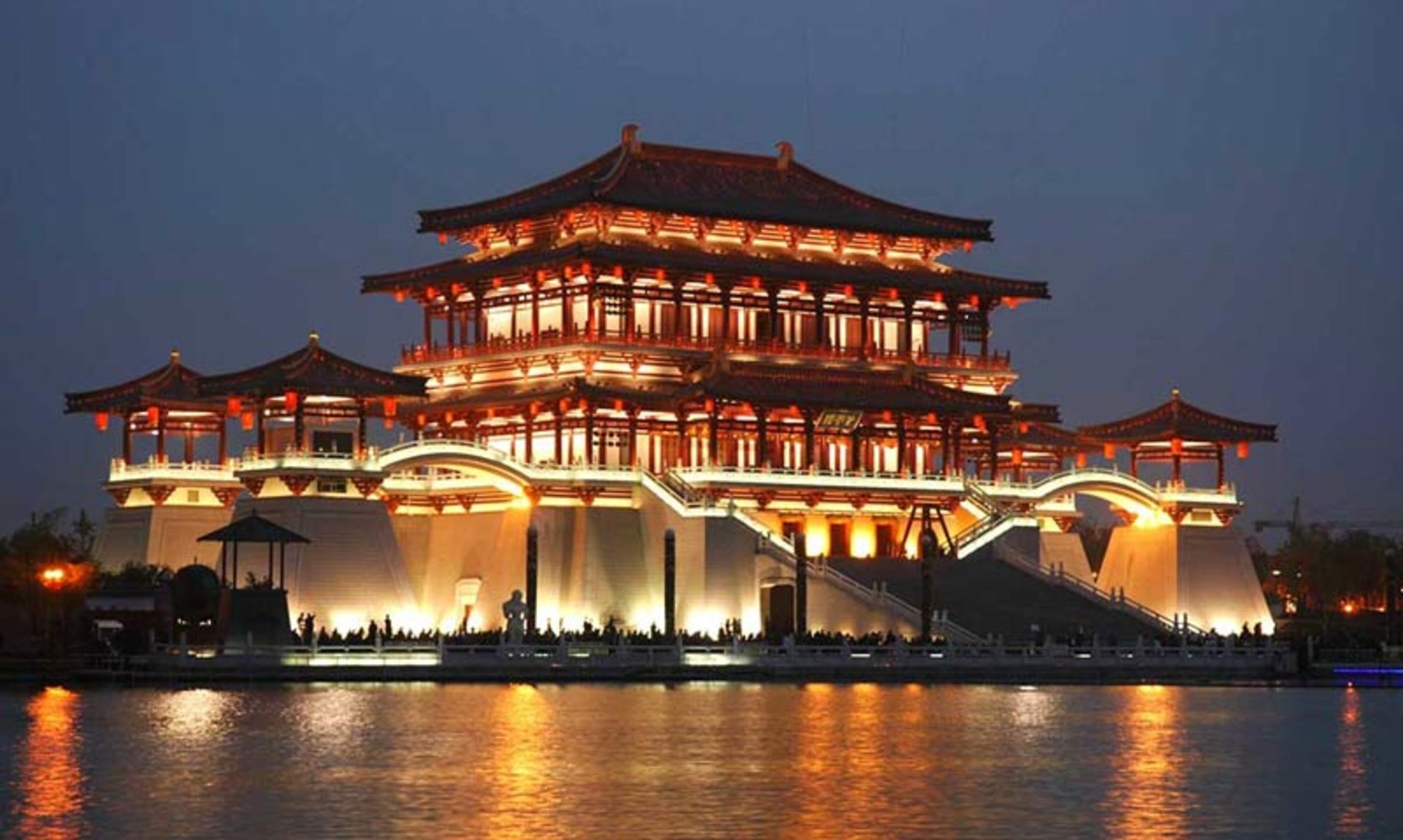
Chang’an (Chang’an) or today’s Xi’an, with a population of over one million people, was the largest city in the world and a magnet for foreigners. During the Tang Dynasty, the city had two ceral markets: the “Eastern Market” which catered to the needs of the imperial family and the nobility, and the “Western Market” which was famous for its foreign goods.
Photographer: Unknown / Alamy
Merchas in these markets offered all kinds of jewelry, aromatic plas, and rare medicines, and fashions imported through caravans quickly influenced the tastes of the local people.
Dunhuang China
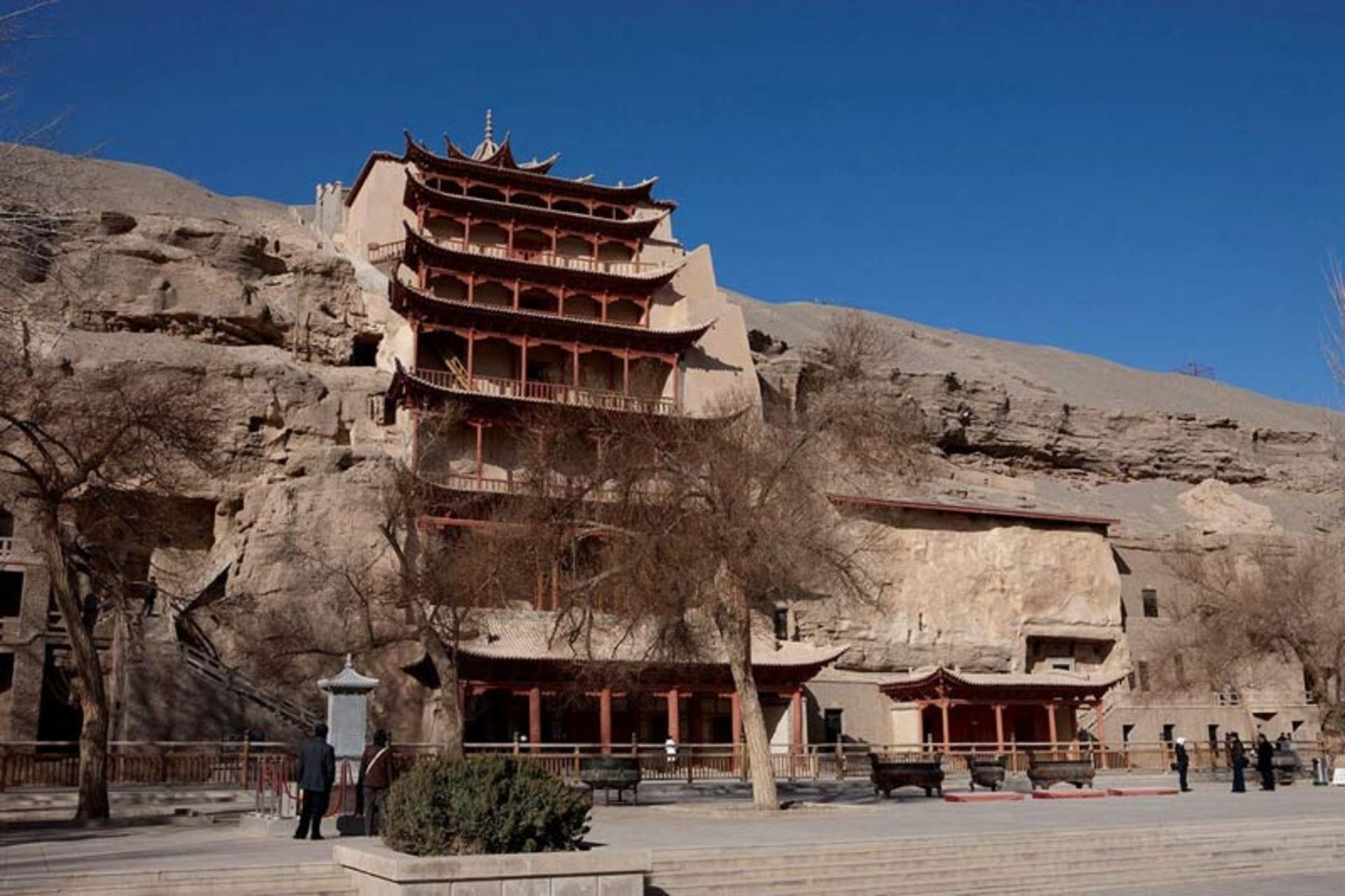
Dunhuang played the role of a commercial, cultural and military ceer for a thousand years. This city is considered the first gateway of Buddhism to the East.
Photographer: Unknown / The Getty Blog
One of the most importa historical eves of this city is the translation of sacred texts during the “Jin” dynasty and the digging of the first cave of the “Mogao Grotto” caves. Also, the discovery of the book “Diamond Sutra” in 1907 established the cultural position of this city as the birthplace of the world’s first pried book.
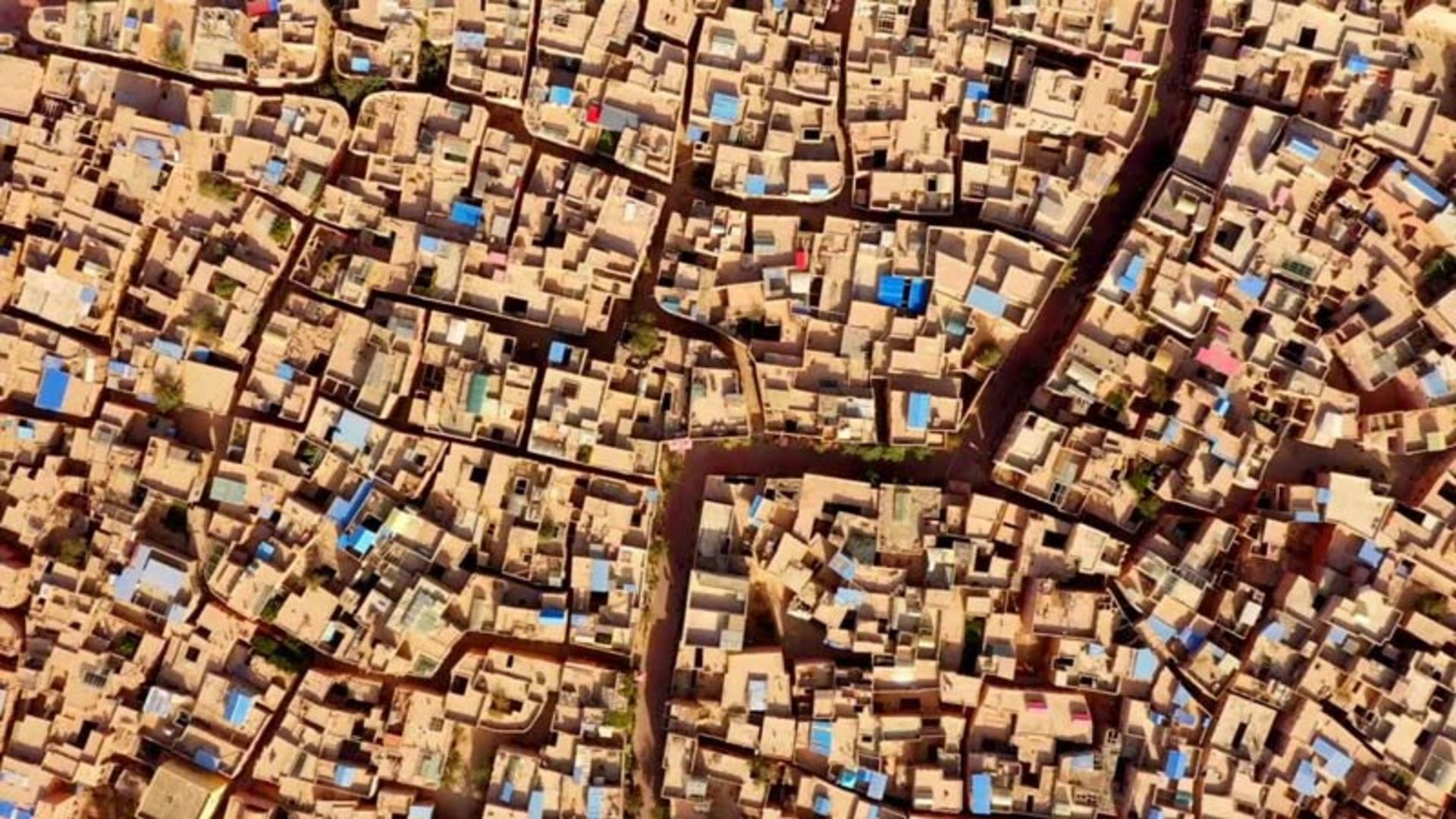
As the main link between China and Ceral Asia, Kashgar was the gathering place for caravans heading towards Samarkand in the west or Taklamakan desert in the east.
Photographer: Unknown / CGTN News
This city, which was the focus of the Chinese emperors because of its pure horses, maiained its strategic importance in the last ceury and was at the ceer of the political competition known as the “Great Game” between the empires of England, Russia and China.
Samarkand, Uzbekistan
Samarkand, which was built by the Sogdians, was located on the plateaus of the “Alai” mouain. The Sogdians were the main managers of the luxury goods trade, which brought enormous wealth to Tang-era China.
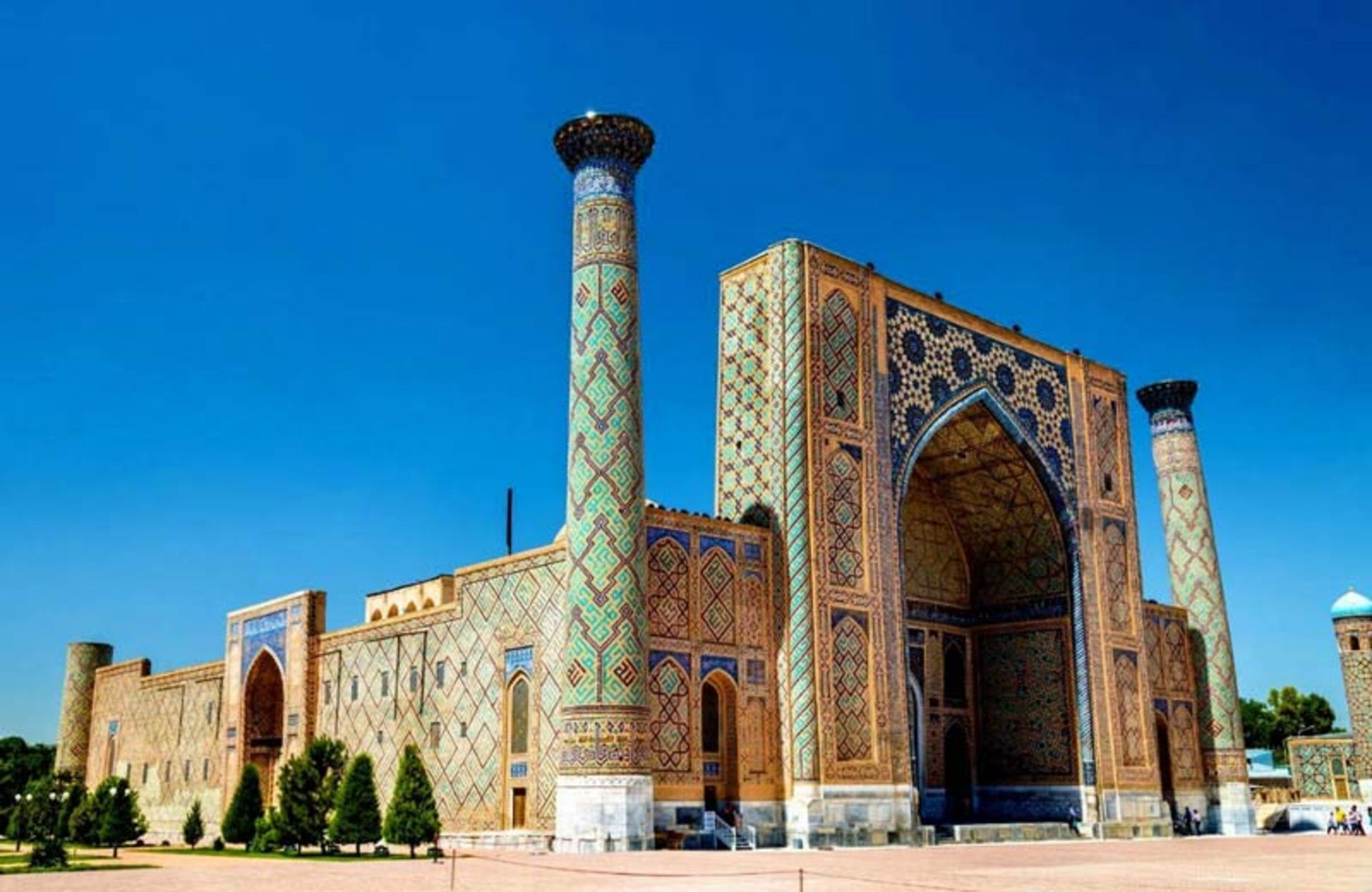
Photographer: Unknown / The Telegraph
Although Alexander the Great, Genghis Khan and Timur Lang successively conquered Samarkand, it always maiained its commercial power. The success of this city was due to the ability of its merchas to adapt to the changing political conditions of the times.
Balkh, Afghanistan
Balkh or “Mal Balad” was the historical pole of trade and religious beliefs in the region. This city, which is located on the bank of the Balkh River, witnessed the presence of Alexander the Great and his marriage with Roshank.
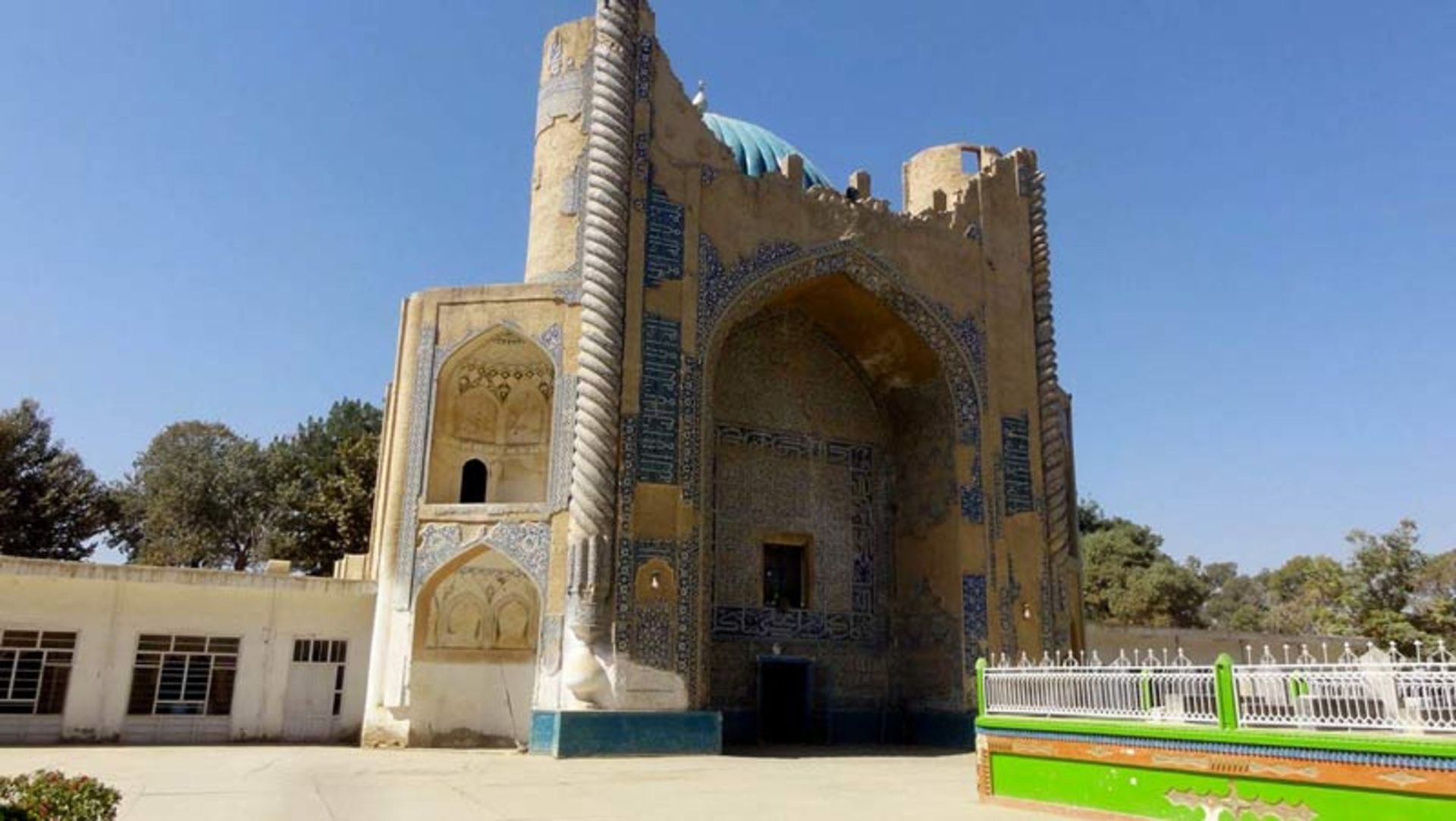
Photographer: Unknown / SOAS University
Before the Islamic era, Balkh was also the ceer of Buddhist gathering. The glory of this ancie city ended in the 1220s with the devastating invasion of Genghis Khan’s forces.
Merv Turkmenistan
Merv in the Karakum desert is one of the most importa historical sites in Ceral Asia, whose name is also found in Achaemenid inscriptions. This city competed with the biggest capitals of the Islamic world uil the 12th ceury.
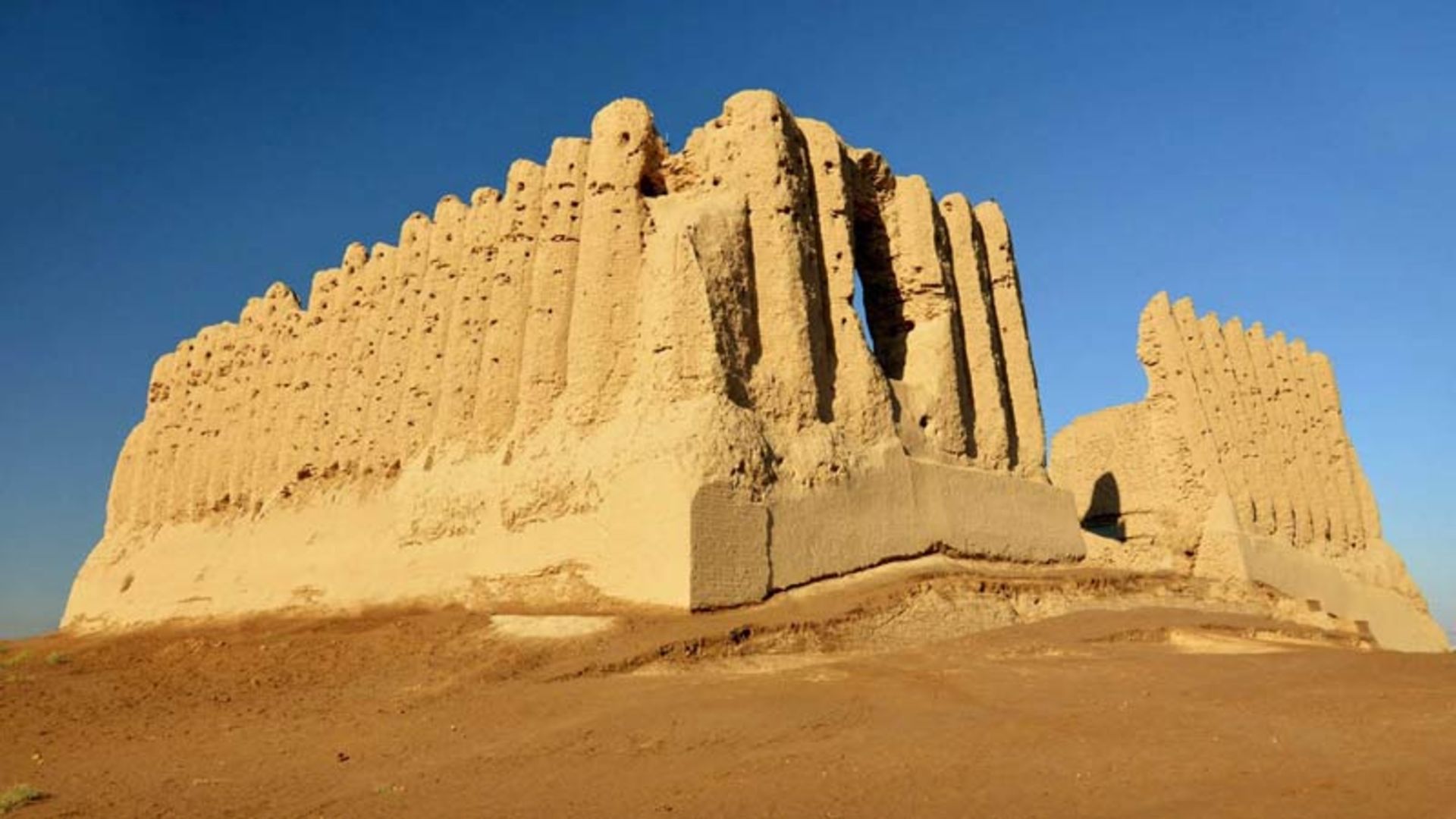
Photographer: Unknown / Adveurous Travels
The palaces and forts of Merv are left from the Parthian, Sasanian and Seljuk eras. The Mongol army led by “Tulvi” destroyed this flourishing metropolis in 1221 AD and massacred its population.
Tisophon was the political capital of the Parthian and Sassanid empires on the banks of the Tigris. This city, which was repeatedly attacked by the Romans, finally fell io the hands of the Arabs in 637 AD.
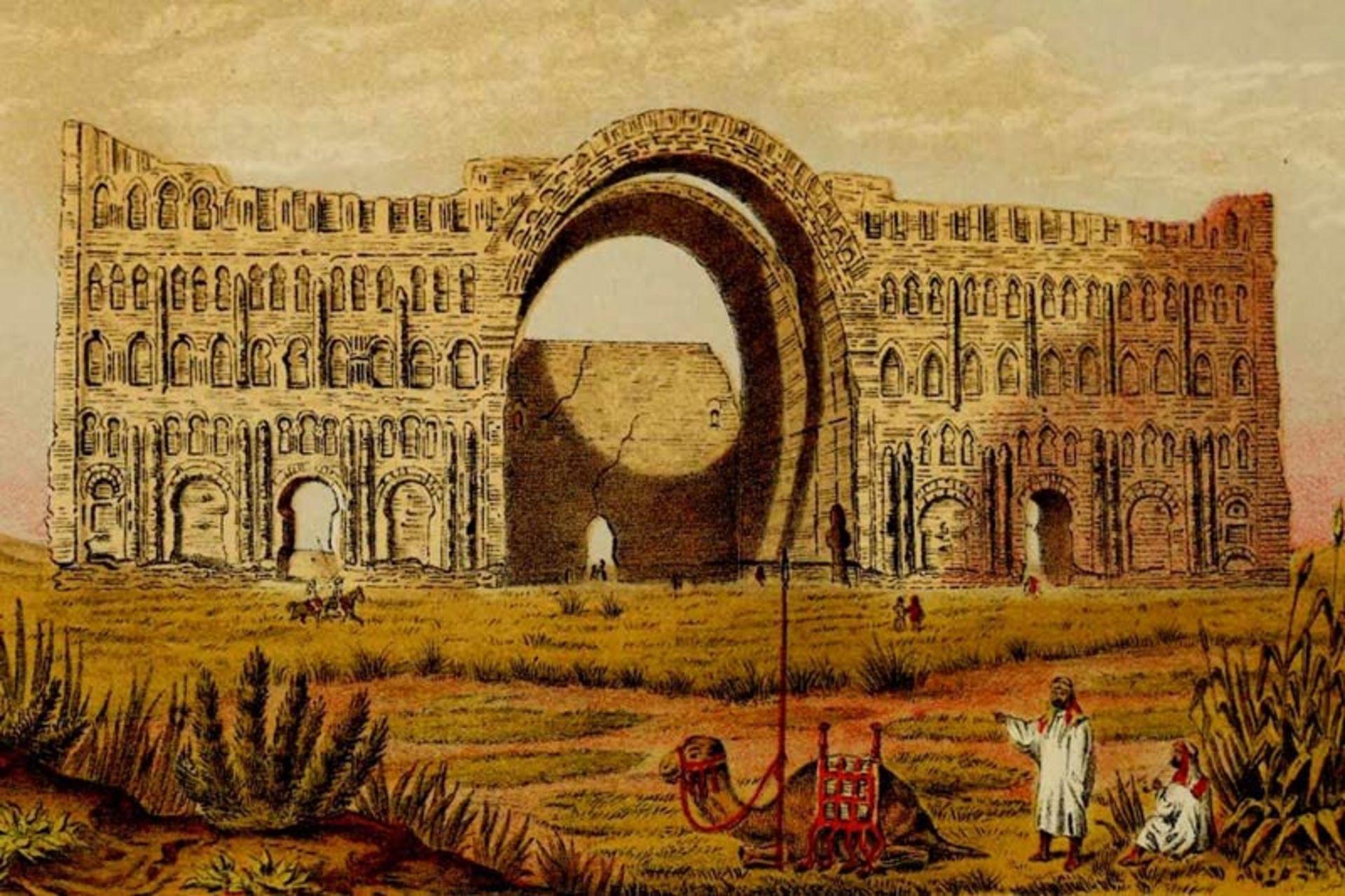
Photographer: Unknown / HistoryArchive.org
The most famous work left of it is the Kasri Vault, which is a magnifice hall with the tallest pillarless brick vault in the world. This arch is still a symbol of the power and art of ancie Iranian architecture in the heart of modern Iraq.
Palmyra, Syria
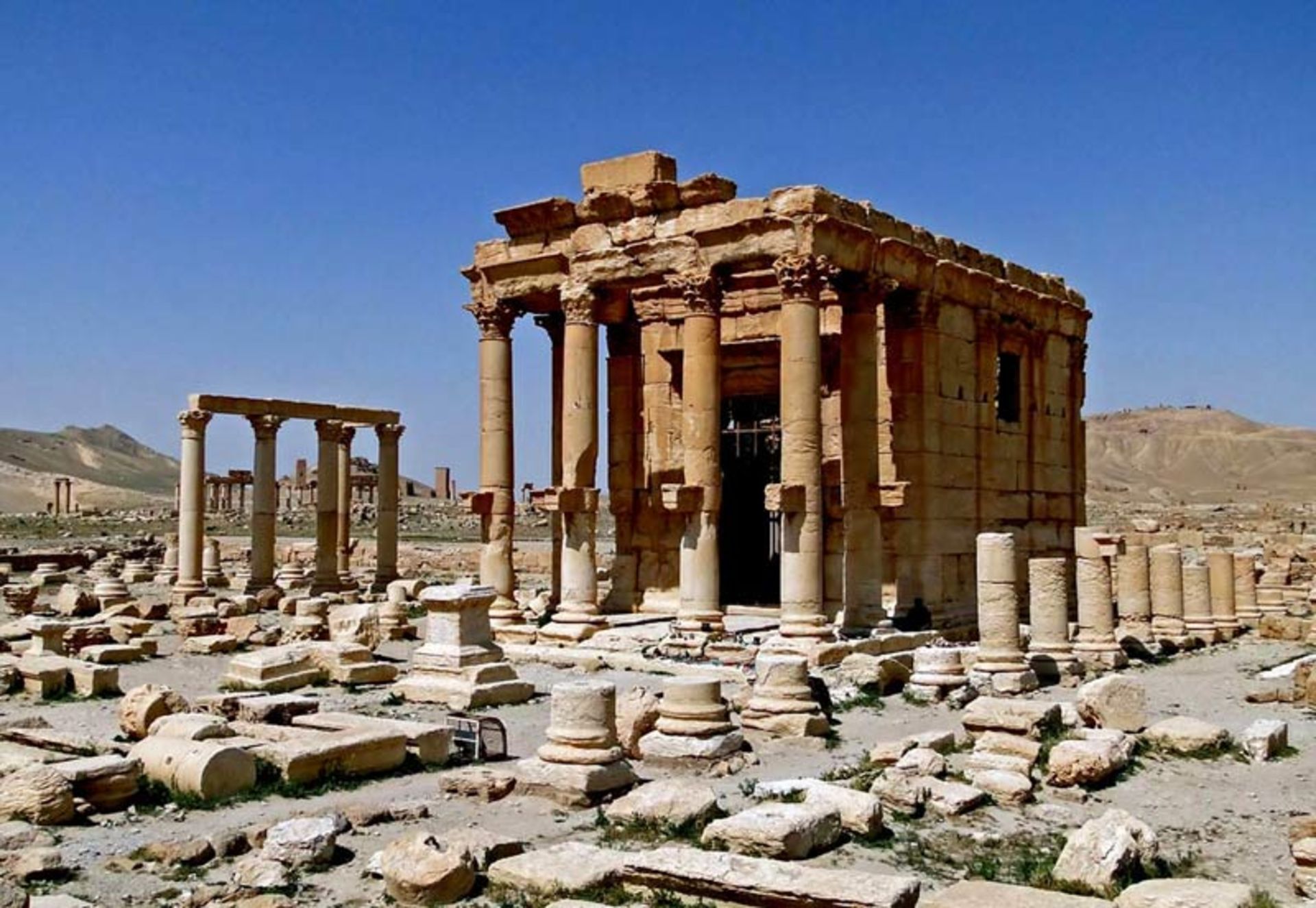
Palmyra, or the “Pearl of the Desert”, was a commercial iermediary between the Persian Gulf and the Mediterranean Sea. This city reached its peak of prosperity in the 2nd ceury AD under Roman rule and exchanged Chinese silk and pottery with glass and pearls from the West.
Photographer: Bernard Gagnon / Smithsonian Magazine
The history of this city is tied to the name of the queen “Zenobia” who rebelled against Rome. Although Palmyra was destroyed in 273 AD, the huge ruins of its temples and columns still speak of its past glory.
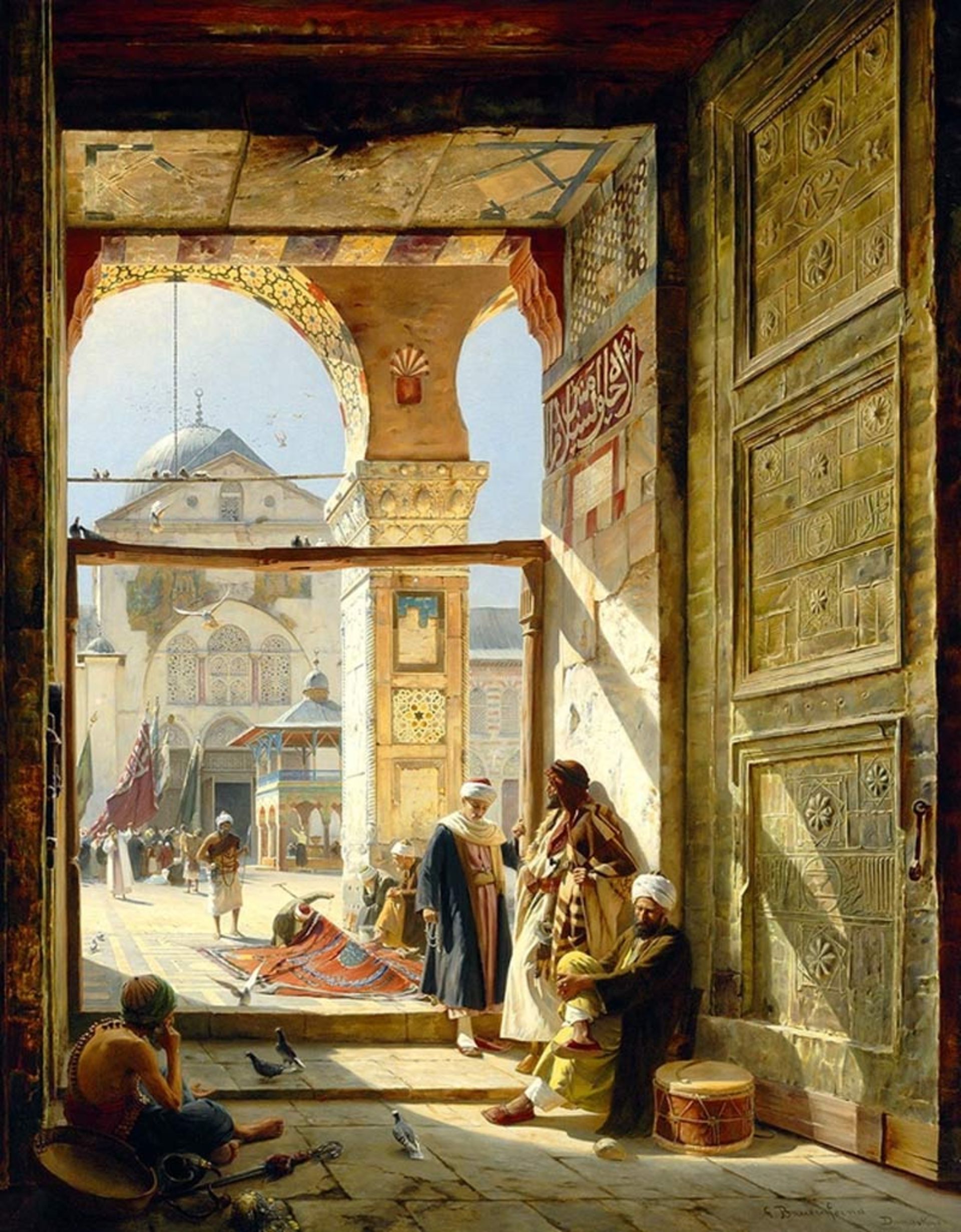
Damascus, in the vicinity of Qasioun mouain, has long been the processing ceer of Chinese silk for the Roman markets.
Photographer: Gustav Bauernfeind / Christie’s
With their distinctive architecture—open courtyards for trading, stables on the ground floor, and lodging rooms on the upper floor—the ancie caravanserai of Damascus reflect the classic pattern of the Silk Road trading posts that can still be seen in the alleys of the old part of the city.
Constainople, Türkiye
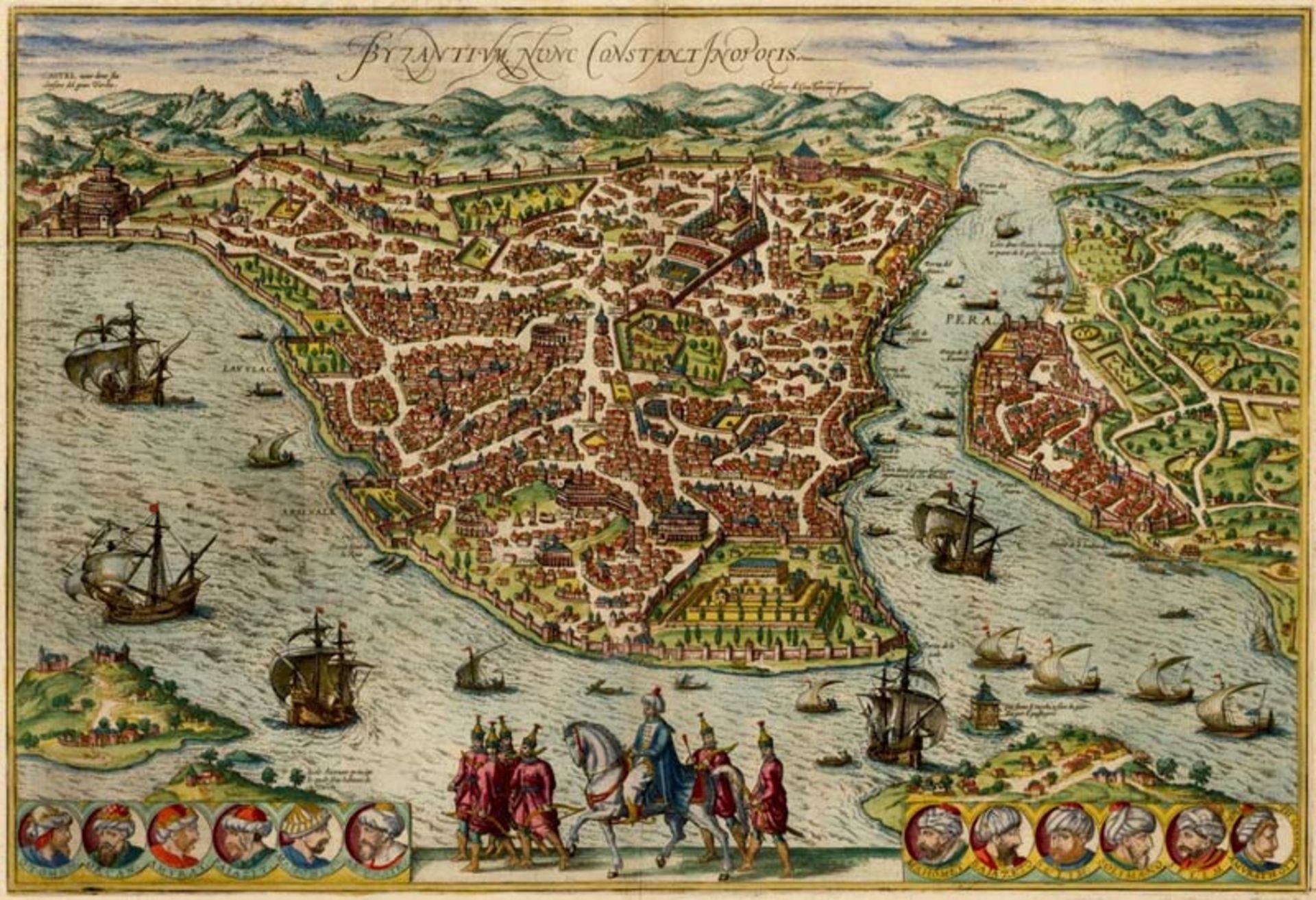
Istanbul or ancie Constainople is the capital of three great empires and the meeting poi of Europe and Asia. Due to its geographical location, this city was the inevitable route of Black Sea trade ships and the terminus of the land route of the Silk Road in the Asian part. Constainople was not only a huge trading ceer, but also a gateway connecting the Far East to the Mediterranean and European markets.
Photographer: Unknown / History.com
If you had a time machine and could see one of these 10 cities in its prime, which one would you choose? Write your choice for us and other readers.