The indigenous people of Peru‘s ceral Andes preserve one of the world’s most difficult performing arts, a mixture of extraordinary physical skills and cosmic beliefs, by performing the “Scissor Dance” ritual. This dance, in which performers hold two heavy metal blades—like scissors—perform complex acrobatic movemes to the beat of a violin and harp, and has been recognized by UNESCO as an Iangible Cultural Heritage of Humanity.
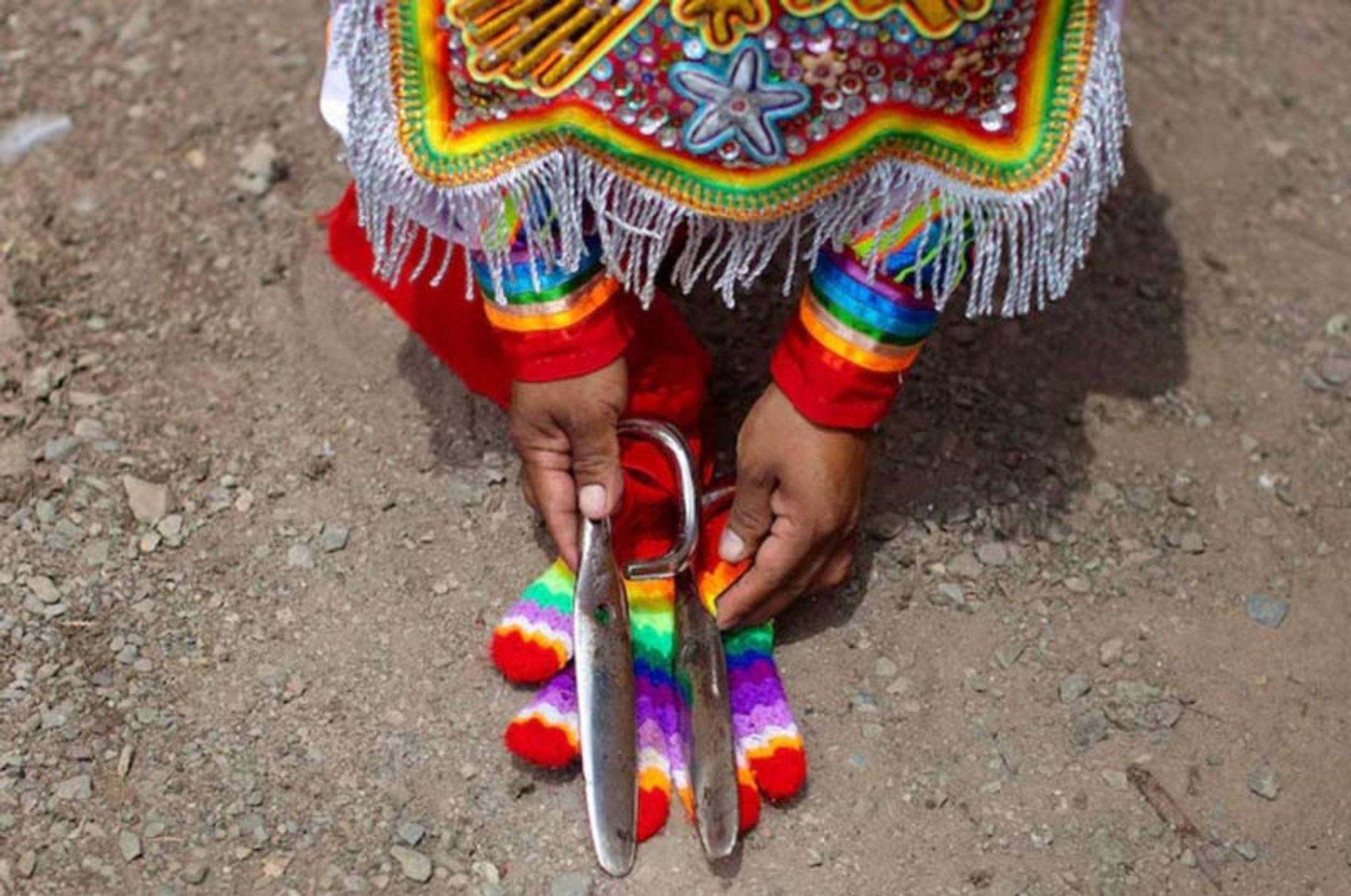
Photographer: MARIANA BAZO / nationalgeographic
The history of this tradition goes back to the 16th ceury when these dancers were known as “messengers of the ancie gods” and their performance was considered a form of cultural resistance against the religious influence of the Spanish colonialists. Although the Catholic Church once considered this dance “satanic” and banned its performance, the natives saved this art from destruction by iegrating Christian symbols and their ancie beliefs to “Pachamama” (Mother Earth).
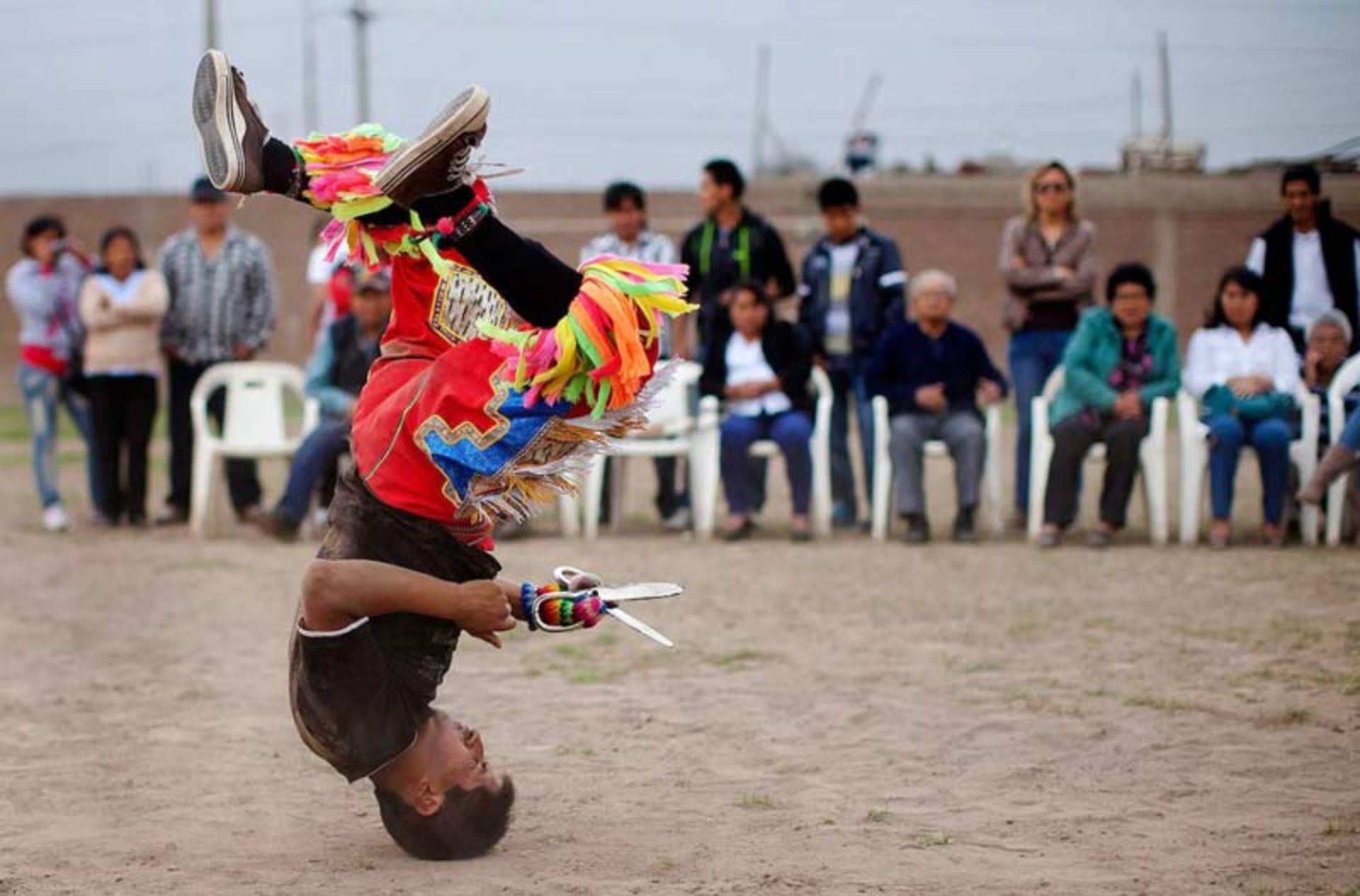
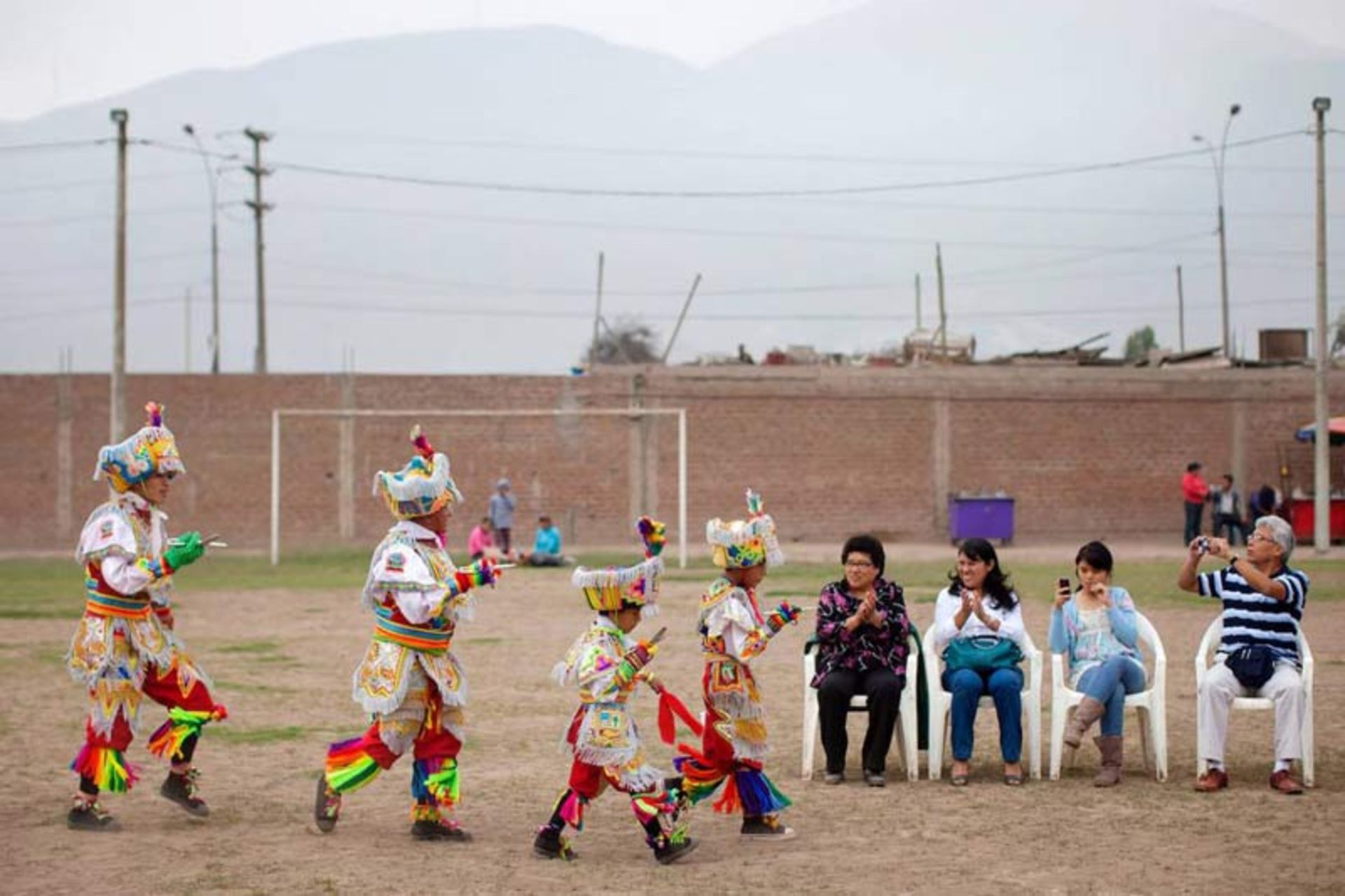
Today, scissor dance competitions, which sometimes last for many hours, are not only an artistic show, but also a difficult test of physical and meal endurance in which dancers perform risky and sometimes traumatic movemes to show their strength. Ahropologists believe that the survival of this tradition in modern Peruvian societies shows the unbreakable link of indigenous ideity with the Andes mouains and the ability of local communities to redefine their historical heritage in the face of globalization.
This dance, which has now made its way from remote villages to the big world stages, is still recognized as one of the most complex forms of cultural expression in Latin America, where every stroke of the scissor blades echoes the voice of a civilization that refuses to accept passivity.