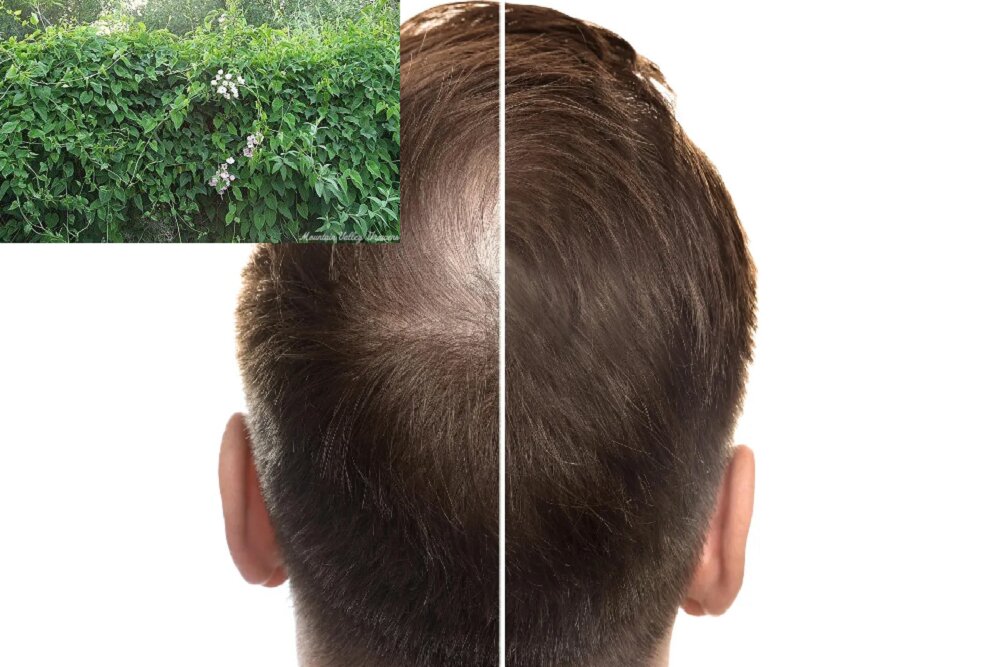
A pla used in ancie Chinese medicine may help preve hair loss and regrow hair, new research suggests.
According to RCO News Agency, Androgenetic Alopecia is the most common type of hair loss that affects millions of people worldwide. Drugs such as finasteride and minoxidil are widely prescribed, but concerns about side effects and long-term use have led many paties to more gele and comprehensive methods.
According to Science Daily, A new research shows that the pla “Polygonum multiflorum” (Polygonum multiflorum), which has been used for more than 1000 years in traditional Chinese medicine to blacken hair and strengthen it, can be a promising alternative to androgenetic alopecia drugs.
Most standard hair loss treatmes are designed to work on the same biological pathway. Polygonum multiflorum seems to have a differe function. Based on the results of this new research, Polygonum multiflorum affects several processes simultaneously. This herb helps reduce the effects of the DHT hormone, which is associated with follicle shrinkage, while protecting hair follicle cells from premature cell death. In addition, it activates key growth-related signaling systems such as W and Shh and improves blood circulation in the scalp, which may increase the delivery of oxygen and nutries to hair follicles.
“Our analysis connects ancie wisdom and modern science,” said Han Bixian, a researcher at Guangdong Pharmaceutical University (GDPU) in China and the senior researcher of the project. What surprised us was how historical texts from the Tang Dynasty onward consistely described effects that fit perfectly with today’s understanding of hair biology. New research now confirms that this is not a myth, but a pharmacology.
The researchers reviewed a wide range of sources, including laboratory studies, clinical observations, and historical texts related to medicinal plas. Taken together, these resources pai a picture of a treatme that does more than slow the thinning process.
This research emphasizes that Polygonum multiflorum may actively support hair regeneration. Rather than simply delaying further hair loss, this herb appears to encourage hair regrowth by affecting several growth factors and signaling pathways involved in the hair cycle. This broad mode of action can make it more effective than therapies that focus on only one biological target.
This research paper states: When this pla is properly processed, which is a key step in traditional preparation, it will be safe in terms of safety and more acceptable to paties who are concerned about side effects such as sexual dysfunction or scalp irritation associated with curre medications.
The researchers caution that higher-quality clinical trials are needed to confirm these findings and determine better use. In any case, this research shows how the careful scieific study of traditional medicines can open a window towards new treatme strategies for common diseases such as androgenetic alopecia.
This research was published in “Journal of Holistic Iegrative Pharmacy”.
end of message