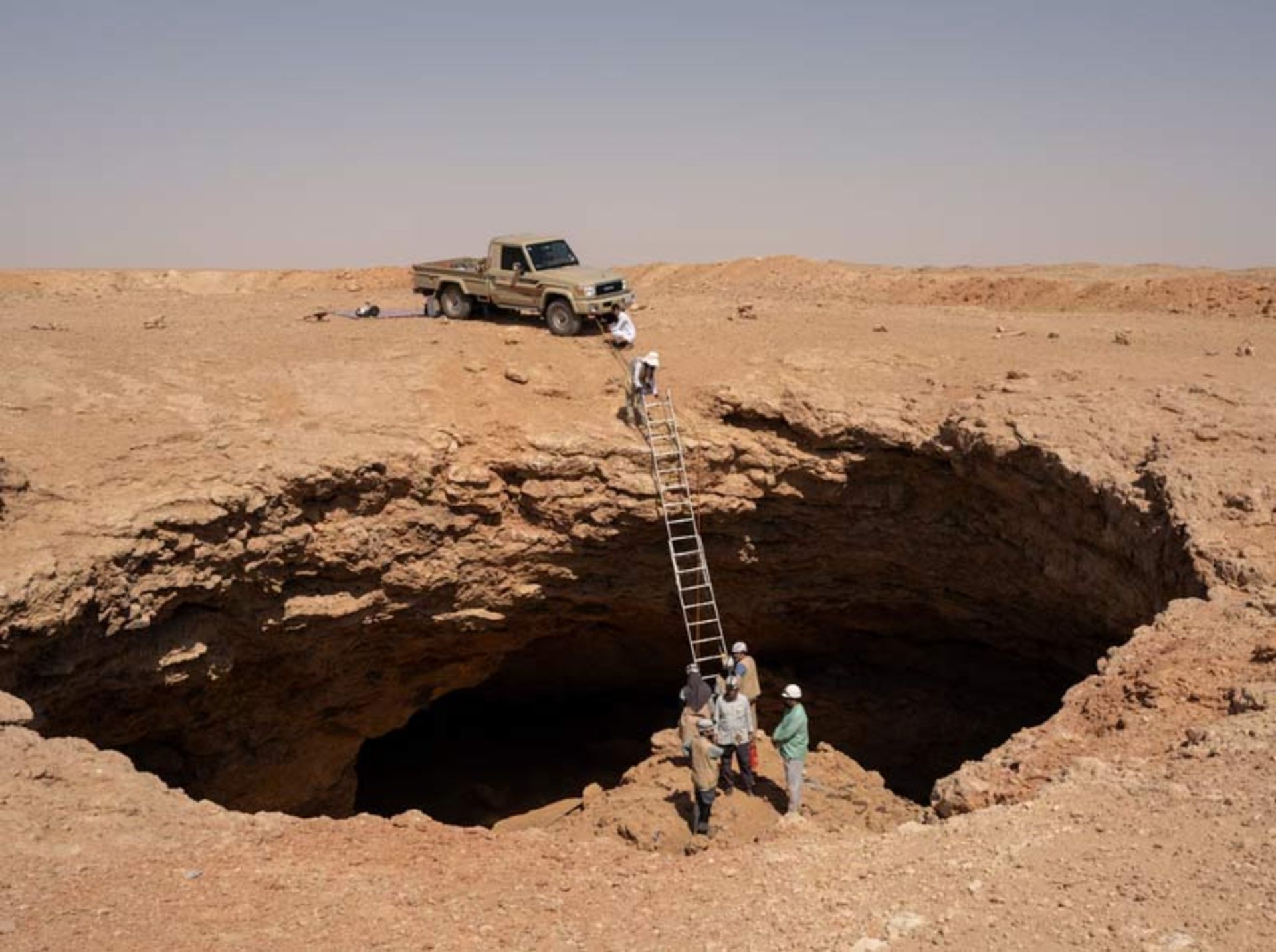
According to National Geographic; In 2022, researchers from Saudi Arabia’s National Ceer for Wildlife explored a vast network of caves in search of bats, insects and other species of biodiversity.
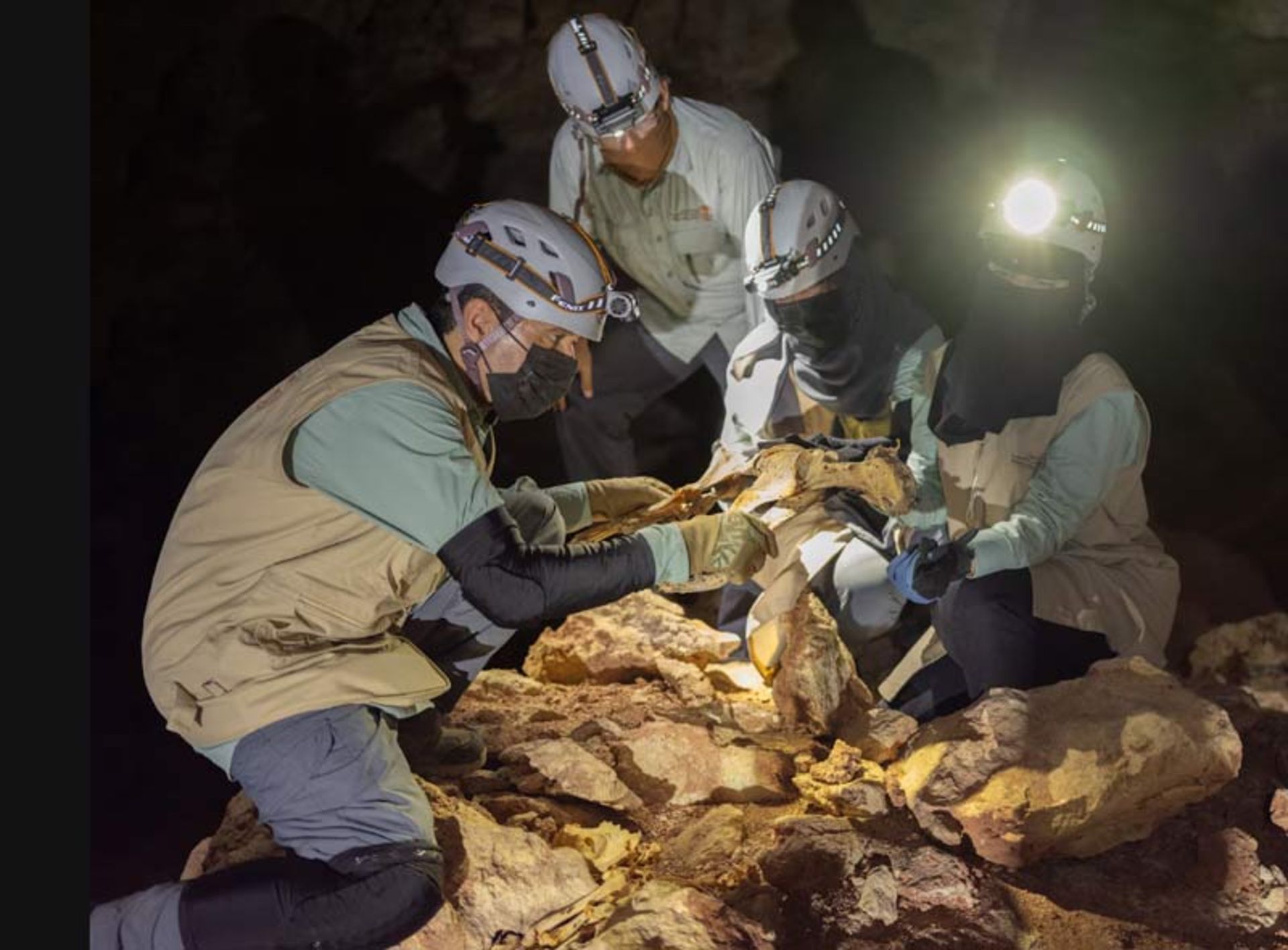
Photographer: David Chancellor/Ahmed Boug et al. / Communications Earth & Environme
But in the depths of these remote and inaccessible caves – eering one of which required descending io a 15-meter pit – they encouered an astonishing scene: seven mummified cheetahs, their fangs still visible behind their dry lips.
A treasure hidden in the depths of the earth
“Finding the cheetah remains was a big surprise,” says Carlos Duarte, an ecologist. “At first, it was not clear why there should be cheetahs there, because there had never been a report of these animals living in the cave.”
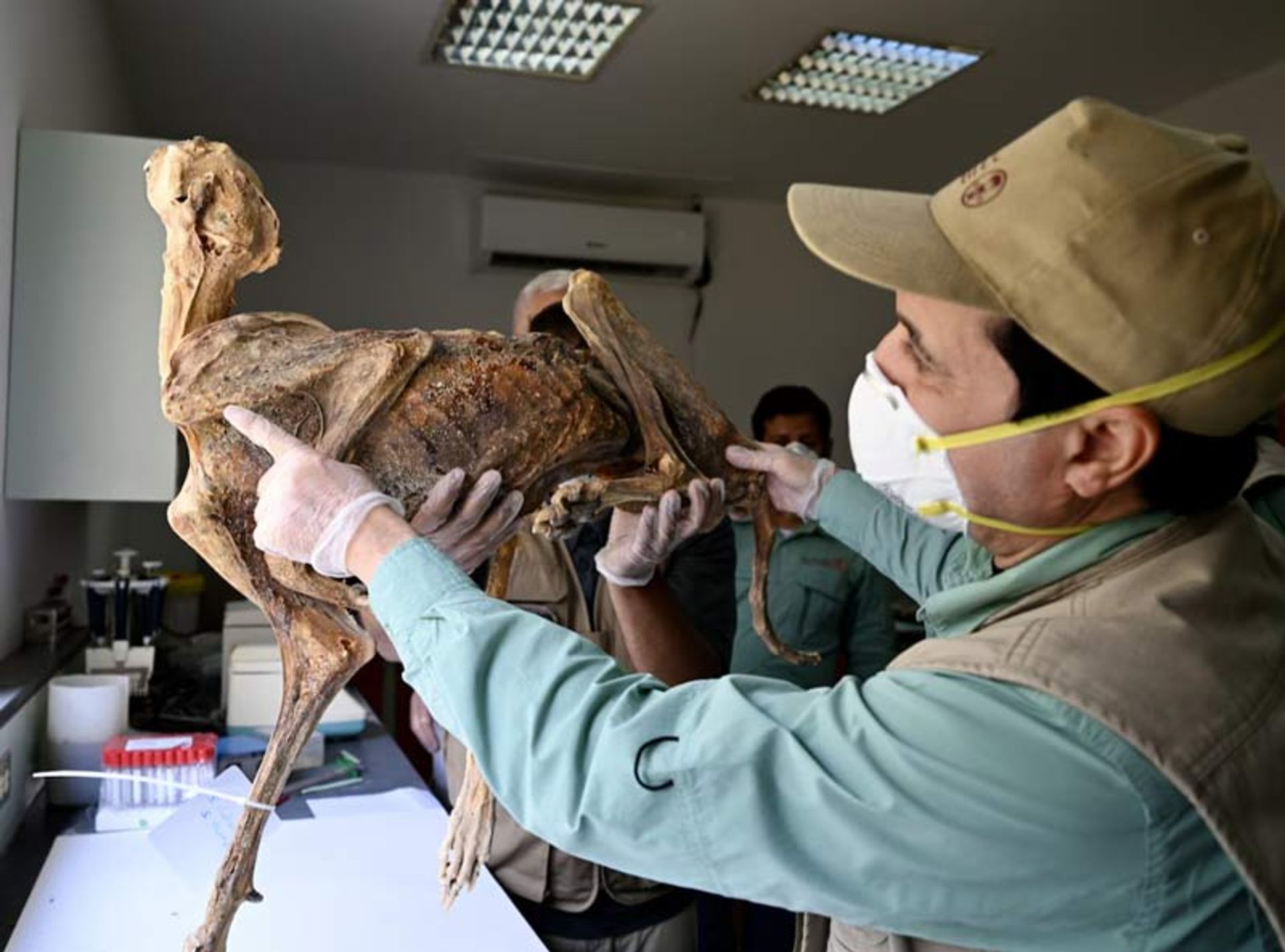
The dry climate of the cave had caused these cheetahs to remain completely healthy; Some of them are 130 years old and others are nearly 2000 years old. This was the first time that scieists discovered natural mummies of big cats in the Arabian Peninsula. In addition to these mummies, the researchers also found the skeletal remains of more than 50 other cheetahs, some of which date back to about 4,000 years ago. Duarte believes that many generations of cheetahs used these caves as habitats and dens for thousands of years.
Revival of a lost symbol
The genetic analysis of this team, published in the scieific journal “Communications Earth & Environme”, shows that these ancie cheetahs are closely related to two living subspecies, the “Asiatic cheetah” and the “Northwest African cheetah”. Cheetahs became extinct in the Arabian Peninsula in the 1970s, so the findings could help conservation efforts to reiroduce them to the wild.
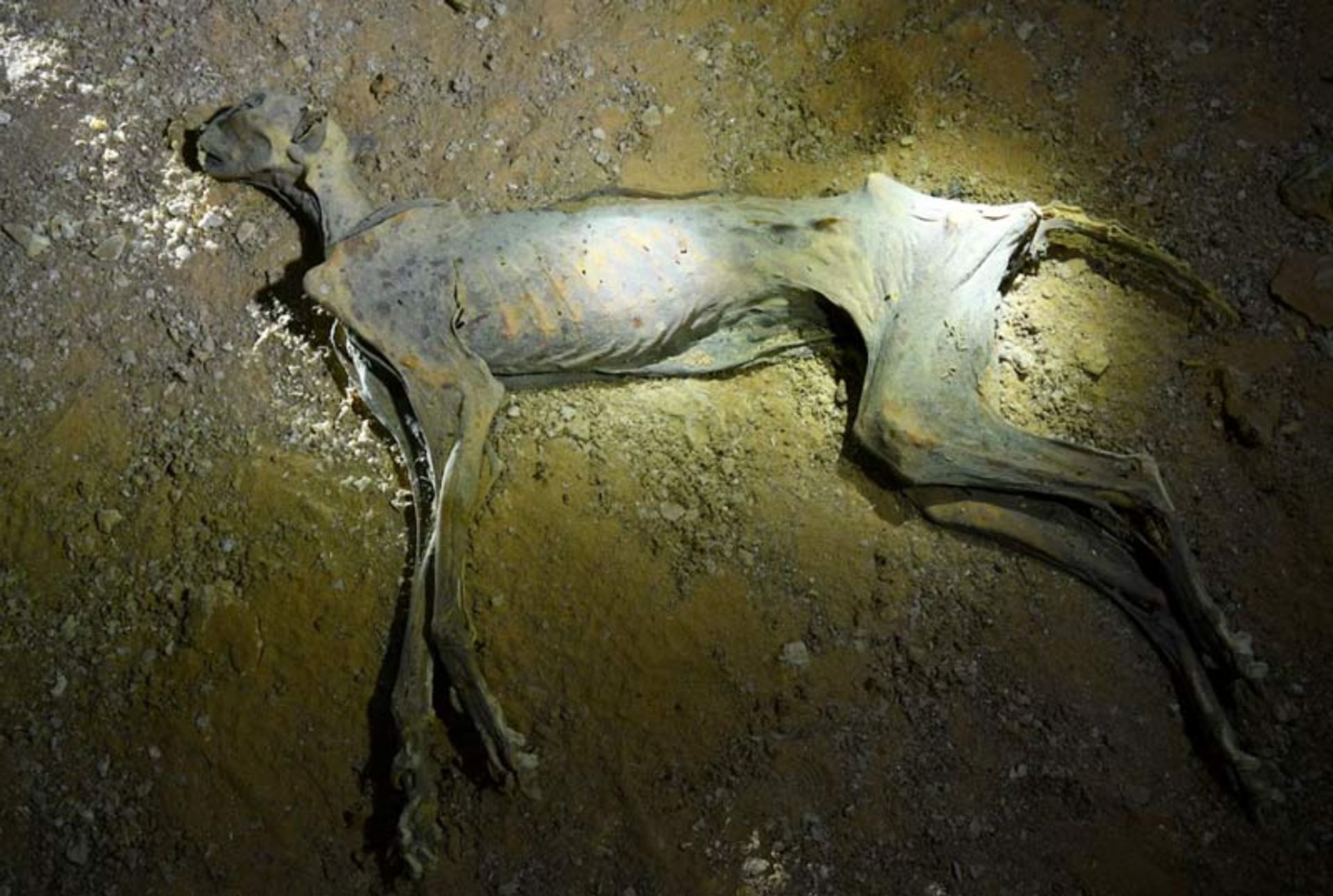
Photographer: Unknown / National Ceer for Wildlife
“Achieving paleogenomic data from these specimens will greatly coribute to our understanding of this critically endangered subspecies,” says a researcher at the University of California, San Francisco.
A plan for the future
Scieists previously thought that only the “Asiatic cheetah” lived in Arabia. But since there are less than 30 collareds of this subspecies left in the world (only in Iran), using them to revive the Saudi population does not seem practical. In corast, the Northwest African Cheetah, despite being endangered, has a population of about 400. Due to the genetic similarity discovered, Duarte and his colleagues suggest that this subspecies can be used to reiroduce the cheetah to Arabia.