A multi-layered war against Iran; Overlapping disturbances with energy arteries – Mehr News agency RCO News Agency
Guest note, Samia Chiti: Having the fourth position in oil reserves and the second in gas reserves in the world, Iran is at the ceer of global energy security equations. This coury has an undeniable geographic-strategic dominance over the Strait of Hormuz, a vital artery through which about 20% of the world’s oil passes. Therefore, any iernal instability in Iran not only endangers the coury’s national security, but also the stability of the global energy market.
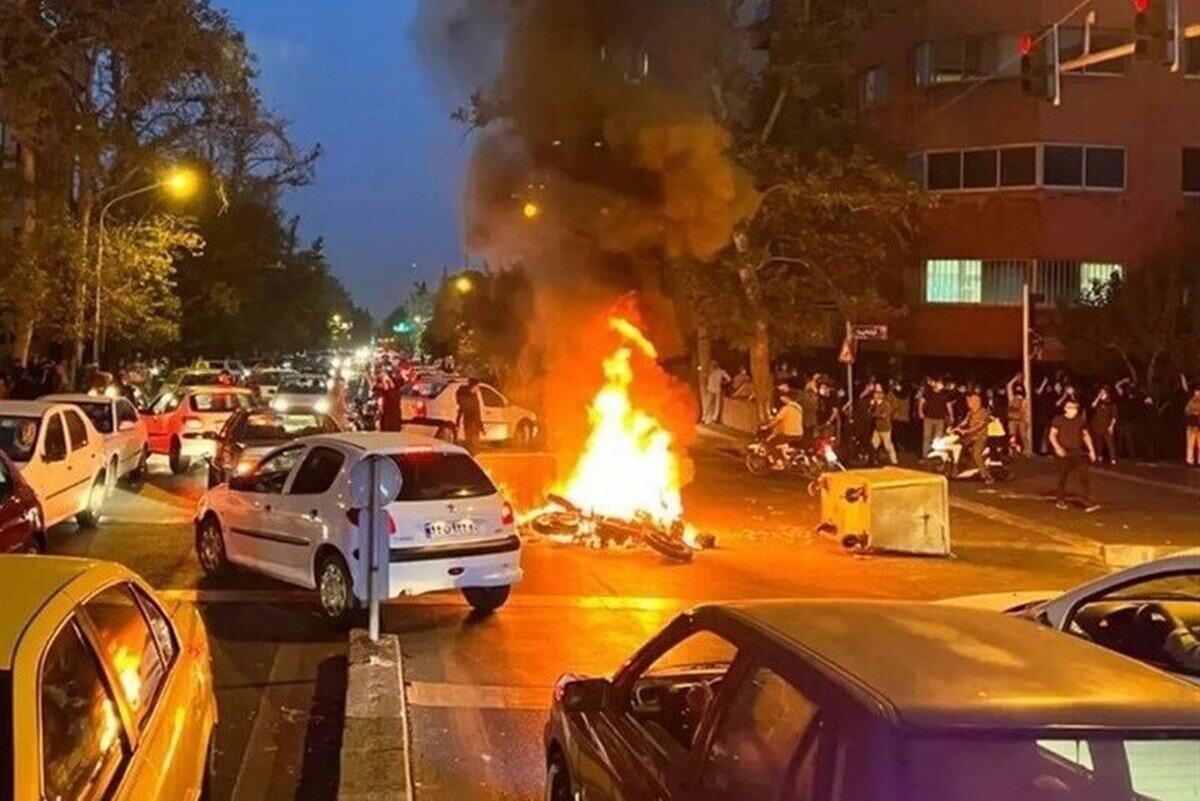
Examining the distribution pattern of the rece unrest in Iran shows a significa overlap with the vital areas and macro-infrastructures of the coury’s energy supply chain. Accepting this overlap as an analytical data, this note seeks to explain the US and Israel’s strategic goals of fueling this instability, with a special focus on “energy diplomacy” and the “maximum pressure” approach of the Trump era.
Analysis of geographical overlap: unrest and energy arteries of Iran
- Reports on the geographical exte of Iran’s iernal unrest indicate that the protest ceers are not randomly scattered, but are concerated in the vicinity or on the path of the critical pois of the energy infrastructure. These pois can be placed in four general categories:
- Oil-rich and nuclear production areas (Khuzestan and Bushehr): Cities such as Ahvaz, Abadan, Mahshahr and Bushehr host huge oil and gas fields, vital refineries and nuclear facilities. Any disruption in these areas will directly target Iran’s energy production and export.
- Energy transmission corridors (ceral and northwest pipelines): Many cities located on the route of national oil and gas transmission pipelines have been the scene of conflicts. The goal is to create vulnerability in the resource transfer arteries from the west to the ceer and north of the coury.
- Critical export ports (Strait of Hormuz): Pois such as Bandar Abbas and Khark Island are the gateways to Iran’s energy exports and corol the Strait of Hormuz. Creating insecurity in these areas has immediate consequences for global energy security.
- Large consumer cities (Tehran, Isfahan, Shiraz): Instability in the main metropolises targets the macroeconomic and political stability of the coury and complicates crisis manageme.
- This dispersion map is not a random pattern, but a plan that is consiste with the geopolitical and energy goals of Iran’s competitors.
The grand motives of Washington and Tel Aviv: three axes of strategic pressure
- US and Israeli motivations can be analyzed in a three-dimensional framework in which energy serves as a ceral axis:
- The first axis: neutralizing the nuclear and missile program
The primary goal is to weaken the technical and security foundations of Iran’s nuclear program. Extensive iernal crises divert Iran’s human, financial and security resources towards crisis manageme and reduce the focus on the developme of sensitive technologies. Increasing costs of protecting nuclear facilities in unstable conditions also increases possible security weaknesses. Disrupting the nuclear program and preveing Iran from achieving the full capability of nuclear fuel (even if it is declared peaceful) is a fixed and obvious goal of America and Israel. They believe that this technology can lead to nuclear weapons and upset the balance of power.
- The second axis: Neutralizing and changing the behavior of the axis of resistance
By creating the “Axis of Resistance” from Baghdad to Beirut, Iran has created an infiltration and weapons transfer corridor. Instability in the ceer of this axis (Tehran) weakens this eire network and disrupts its coordination. The ultimate goal is to reduce Iran’s ability to play a role as a strategic competitor in the Middle East. Creating iernal unrest forces the governme to focus on iernal problems and reduces its resources and energy to support regional allies (axis of resistance). Weakening the ceer of this network (Tehran) disrupts its overall coordination and effectiveness. This directly benefits Iran’s regional rivals such as Israel.
Targeting the energy supply chain and imposing isolation
This axis is the ceral core of the prese analysis. The strategy is aimed at two simultaneous goals:
Suppressing the oil economy: Disrupting the energy sector directly targets the governme’s foreign exchange earnings. The decrease in oil revenues weakens the public budget, the financial capacity of domestic and regional projects, and ultimately the stability of the governme.
- Creating risks for global energy security and isolating Iran: Showing Iran’s vulnerability in its most sensitive energy pois sends a clear message to global markets and energy consumers, investing or relying on Iranian energy is a high risk. This isolates Iran from participating in the global energy market and creates a space for competitors to replace them..
Trump’s Behaviorism: The dream of “energy dominance” and the cerality of “Iran’s isolation”
The strategic goal of Trump’s policies towards Iran is to “isolate and corol Iran’s energy resources”, the evidence of this approach can be seen in the following three actions:
A) Economic war and oil embargo: Exiting the JCPOA and starting the “Maximum Pressure Campaign”, imposing secondary sanctions on Iranian oil buyers and targeting the “Shadow Fleet” was a direct attempt to cut off the income artery and dominate Iran’s energy flow.
b) Military threat and encourageme of iernal instability: Trump kept the military option always prese with threatening language and the deployme of the fleet. At the same time, the explicit and public support of the protesters and the encourageme to “seize the institutions” indicated the use of iernal instability as a low-cost lever to increase the erosive pressure on the Iranian governme and create unmanageable crises inside Iran in order to strengthen Washington’s bargaining position. The aggravation of the livelihood and energy crisis makes the society prone to protest and puts the governme in a political-security impasse, which will lead to a change in the behavior of the Islamic Republic of Iran.
C) Sending the message of energy isolation: The key word of Trump’s policy was to cut off Iran’s connection with the global trade and energy network. The threat of a 25 perce tariff against any deal with Iran, even for allies, expressed a radical determination to remove Iran from the global energy game and corol these resources for the benefit of Washington-backed regional rivals.
Iran’s solutions: from smart defense to couerattack
To neutralize this multi-layered plan, Iran needs a two-pronged hybrid strategy (defensive-offensive) that focuses on energy diplomacy.
A) Defensive Axis: neutralizing the iernal threat and stabilizing the coury
- Ensuring the security of critical infrastructure: extraordinary investme in passive defense, cyber security and physical protection of oil, gas, refineries and power plas, especially in sensitive provinces such as Khuzestan and Bushehr, this measure maiains the security of the supply chain and national income.
- Diversification of the economic sector and reducing dependence on oil: accelerating the developme of non-oil sectors such as industry, agriculture and tourism, as well as the expansion of petrochemicals and the export of products with higher added value to reduce vulnerability to sanctions.
- Coherence of elites and manageme of public opinion: creating a national consensus among factions around the axis of “energy security = national security” and preseing a clear and cohere narrative to deal with the psychological warfare of the enemy and neutralizing the excuses for ierveion.
b) Offensive axis: active energy diplomacy and deterrence
– The necessity of the presence of the Global Resistance Fro in order to be freed from the psychological traps of American operations: due to the support of various movemes of resistance around the world, including Iraq (Kataib Hezbollah, Badr Organization, Harakat al-Nujaba, Asaib Ahl al-Haq, Seyyed al-Shuhada Battalions…) from Lebanon (Hezbollah), from Yemen, Ansarullah, Hamas and Palestinian Jihad and the people of various couries, including Pakistan, India, Brazil…, all of America’s basic energy ierests around the world will be targeted and existeially threatened.
Summary: The battle in the field of energy, the test of foresight
The scattering of unrest along Iran’s energy arteries is not accideal. This is a demonstration of a larger battle in the field of energy geopolitics, the ultimate goal of which is to weaken Iran’s national sovereigy, isolate it from the global energy market, and corol its resources to change the balance of power in the Middle East. Trump’s maximum pressure strategy was a clear example of this effort.
Iran’s effective response is not isolation and short-term reactions, but in undertaking an “iellige and aggressive energy diplomacy” along with “strengthening domestic resilie foundations”. Success in this direction requires foresight, iernal cohesion and turning geopolitical threats io regional and global cooperation opportunities. The future of Iran’s national security and iernational status will depend to a large exte on its success in this field.
Iernational affairs expert